What Is the Best Dog Shampoo for White Dogs? A Complete Guide to Brightening Coats
The best dog shampoo for white dogs is one that safely brightens their coat without drying the skin. Products like Chris Christensen White on White Whitening Treatment and BioSilk Therapy Whitening shampoo stand out for effectively reducing yellow stains and maintaining brightness. These shampoos work well for owners of white-coated dogs looking to keep their pet’s fur vibrant and healthy.
This guide covers everything from the key whitening ingredients to the correct bathing frequency for white dogs. You will learn how to wash your dog to maximize coat brightness, choose the right shampoo type, and recognize signs of skin sensitivity to ensure your dog stays comfortable throughout their grooming routine.
Key Takeaways
- Choose whitening shampoos with gentle, safe ingredients like oat extracts and aloe to brighten white dog fur without irritation.
- Bathing your white dog every 4 to 6 weeks helps keep the coat bright while protecting natural oils to prevent dry skin.
- Wet your dog’s coat thoroughly and leave shampoo on for 5 to 10 minutes before rinsing for best whitening results.
- Follow whitening shampoos with a conditioner designed for bright coats to lock in moisture and improve shine.
- Look for shampoos free from parabens and sulfates to reduce the risk of allergic reactions in sensitive white-coated dogs.
- Wait 24 to 48 hours before bathing if your dog has a topical skin treatment to prevent washing off medication.
What Is the Best Dog Shampoo for White Dogs and Why?

Premium shampoos made specifically for white dog coats are great at lifting stains, improving brightness, and caring for sensitive skin. Chris Christensen White on White Whitening Treatment Dog Shampoo stands out due to its plant-derived ingredients that effectively eliminate yellow tones and restore a clean, bright appearance. Choosing shampoos with balanced pH and gentle brighteners supports noticeable whitening while protecting your dog’s skin and coat integrity.
Top-Rated Whitening Shampoos
Several whitening shampoos have proven results for brightening white coats while avoiding harsh chemicals like bleach or peroxide. The Chris Christensen White on White Whitening Treatment is a professional-grade shampoo with strong stain-removing power that suits both white and light-colored dogs. It addresses yellowing from saliva, grass, and everyday dirt effectively without dulling the fur.
Other reputable options include BioSilk Whitening Dog Shampoo, known for its gentle, softening formula that maintains a silky texture, and TropiClean Spa White Coat Shampoo which uses naturally derived ingredients and excludes alcohol or peroxide for sensitive coats. The Veterinary Formula Solutions Snow White Shampoo also delivers pH-balanced cleansing without sulfates, ideal for allergy-prone dogs.
| Product | Key Features | Suitable For | Size & Approx. Cost |
|---|---|---|---|
| Chris Christensen White on White | Plant-based stain removal, brightens yellowed fur | White/light coats, stubborn stains | 16 fl. Oz, $25-$30 |
| BioSilk Whitening Dog Shampoo | Softens coat, gentle brightening | Sensitive skin, routine use | 12 fl. Oz, $15-$20 |
| TropiClean Spa White Coat | Natural ingredients, no alcohol/peroxide | Light coats, sensitive dogs | 12 fl. Oz, $12-$18 |
| Veterinary Formula Solutions Snow White | PH-balanced, no sulfates, no bleach | Allergy-prone, delicate coats | 16 fl. Oz, $20-$25 |
| Wahl Whitening Shampoo White Pear | Brightens dirt and stains, USA made | White dogs needing brightness | 12 fl. Oz, $10-$15 |
Each shampoo varies in ingredient focus and price but shares an emphasis on safe whitening. Your choice depends on your dog’s specific coat condition and skin sensitivity.
Key Brightening Ingredients Explained
Effective whitening shampoos rely on ingredients that remove stains without bleaching or damaging fur. Plant-derived cleansers break down dirt and residue that cause yellow or dull discoloration. Nourishing compounds like aloe and coconut oil restore moisture to prevent dryness often caused by whitening agents.
Proteins and silk extracts improve shine and softness, improving overall coat texture while lifting stains visibly. Avoid shampoos with harsh peroxides or sulfates for white dogs prone to irritation or skin issues, as they may cause redness or fur damage over time.
Safety Profiles of Recommended Shampoos
Shampoos designed for white dogs prioritize pH-balanced, hypoallergenic formulas to protect sensitive skin. The Chris Christensen White on White shampoo achieves strong whitening effects with plant-based ingredients rather than bleach or peroxide, reducing risk of dryness or irritation. Similarly, BioSilk Whitening offers gentle ingredients targeting both brightness and skin comfort.
Checking ingredient labels for absence of sulfates, parabens, alcohol, or artificial dyes is prudent for avoiding allergic reactions. For dogs with known skin sensitivities, Veterinary Formula Solutions Snow White Shampoo is formulated without common irritants. Always follow product instructions on dilution and usage frequency to minimize skin stress while maximizing whitening benefits.
What Ingredients Actually Whiten and Brighten White Dog Fur?

Shampoos designed to whiten and brighten white dog fur often include specific active ingredients that gently lift stains and reduce yellowing without harming delicate skin. Ingredients like optical brighteners and violet pigments are highly effective because they work by reflecting blue light, which counteracts the natural yellow hues in white coats. These ingredients brighten the fur’s appearance without using harsh chemicals such as bleach or peroxide, making them safer for dogs, especially those with sensitive or frequently washed skin.
Natural brightening agents offer a gentler approach for dogs prone to irritation. For example, shampoos containing plant-based ingredients like chamomile, coconut extracts, or aloe vera help soothe skin while improving coat brightness. Products like TropiClean Awapuhi Coconut Whitening Shampoo and Earthbath Lavender Brightening Shampoo use these herbal supplements to improve whiteness and maintain a healthy skin barrier. They typically avoid sulfates and parabens, which can dry out or irritate sensitive skin, an important factor if your dog needs regular baths.
Ingredients to avoid include harsh detergents, bleach, ammonium compounds, and peroxide derivatives. These can strip natural oils from your dog’s skin, causing dryness, redness, or itching. Fragrance additives or dye-based colorants, common in some whitening shampoos, may also trigger allergies or sensitivities in white-coated dogs that already have delicate skin. Always look for pH-balanced shampoos formulated specifically for dogs to minimize these risks.
For stubborn stains like tear stains or dirt discoloration, gentle enzymatic cleaners and protein conditioners support stain removal while conditioning the coat. Shampoos that combine silk proteins and vitamins, like Frisco Brightening Cat & Dog Shampoo with Aloe, brighten fur and maintain moisture balance. Using a shampoo with moisturizing ingredients prevents the dryness commonly seen with repeated whitening treatments.
When selecting a whitening shampoo, check for terms such as “tearless,” “sulfate-free,” and “safe for frequent use,” especially if your dog’s skin reacts easily. Products like Alpha Dog Shampoo & Conditioner suit dogs that need weekly brightening without irritation. A good practice is to carefully follow the product’s instructions, usually allowing the shampoo to stay on the coat for about 3 to 5 minutes to maximize stain-lifting action without over-drying the skin.
Use shampoos with optical brighteners and violet pigments to counteract yellowing, but avoid harsh chemicals like bleach that can damage your dog’s skin and coat.
How Often Should You Bathe Your White Dog with Whitening Shampoo?
Bathing your white dog with a whitening shampoo every 4 to 6 weeks is ideal for maintaining coat brightness while protecting skin health. This frequency helps keep the natural oils intact, which moisturize the skin and prevent dryness or irritation. Bathing more often than twice a month risks stripping these oils, potentially leading to itching, flaking, and a dull coat. Only increase bath times if your dog becomes dirty or develops a strong odor between regular washes.
Yellowing between shampoos often happens due to environmental factors like dirt, saliva stains, or tear stains common in white-coated dogs. To prevent this, you can carefully spot-clean affected areas with a damp cloth in between baths, avoiding full immersions that remove oils. Using a whitening shampoo every month helps remove mild stains and preserves the coat’s brightness without over-drying.
When bathing your dog with a whitening shampoo, use warm water, around 85°F to 90°F, which opens the pores for better cleaning but doesn’t dry out the skin. Apply the shampoo thoroughly, massaging the coat for 3 to 5 minutes before rinsing well. Avoid leaving shampoo residue, as this can irritate sensitive skin. After washing, towel dry and if possible, use a low-heat blow dryer to keep the coat fluffy and prevent matting.
For dogs with particularly sensitive or dry skin, a whitening shampoo designed to soothe and hydrate, such as one containing oatmeal or aloe, can be used within the same 4 to 6 week schedule. Adjust the timeline slightly if irritation appears, either lengthen the time between baths or consult a vet or groomer for product recommendations.
Maintaining a consistent bathing schedule helps your dog’s white coat look its best while protecting their skin. Using a premium whitening shampoo like Chris Christensen White on White or TropiClean Whitening Dog Shampoo within these guidelines keeps the coat bright without damage. Remember, over-bathing can be just as harmful as under-bathing, so stick to the suggested timeline and spot-clean as needed to balance cleanliness and skin health.
How to Properly Wash Your White Dog for Best Whitening Results
Washing your white dog properly is essential to keep its coat bright and healthy. The best routine involves careful wetting, evenly applying whitening shampoo, thorough rinsing, and using a suitable conditioner. Following these steps helps avoid dullness, staining, and skin irritation.
Pre-Wash Preparation and Wetting
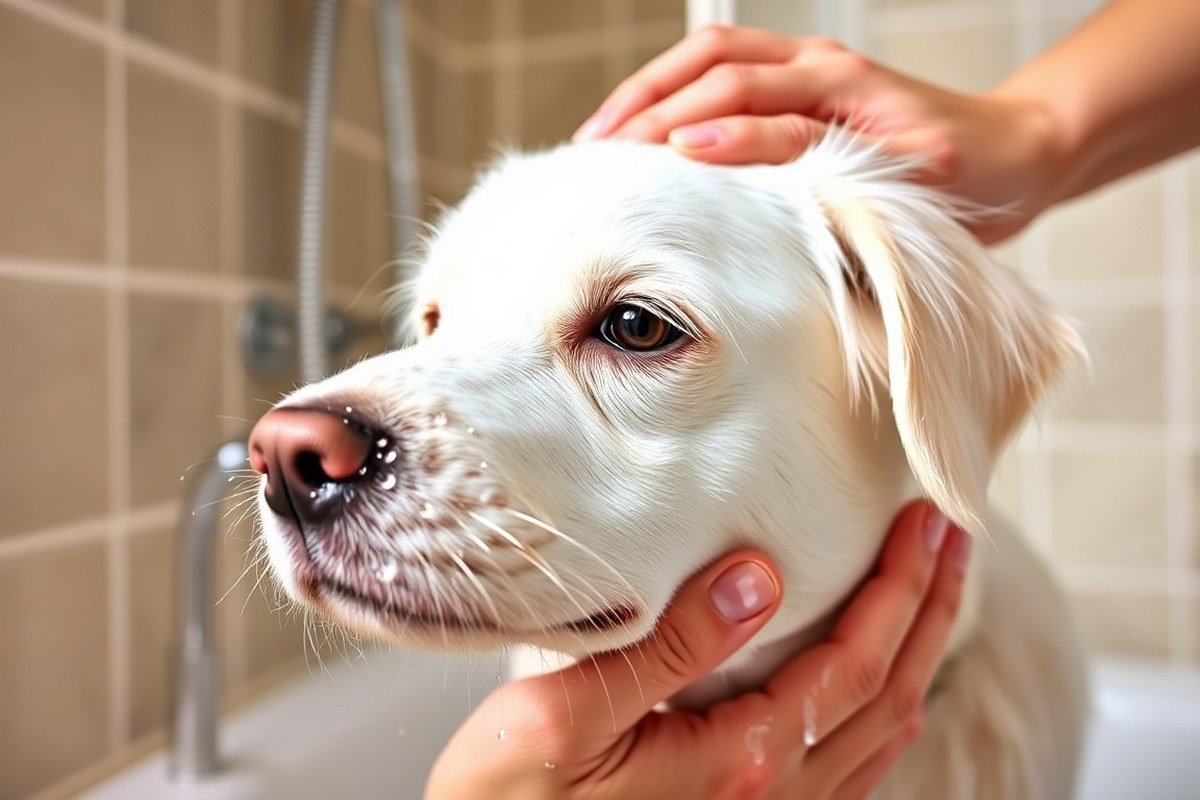
Start by brushing your dog’s coat to remove any loose debris or mats. This reduces tangling during washing and allows the shampoo to reach the skin more effectively. Use lukewarm water to wet your dog’s coat thoroughly before applying any shampoo. The water temperature should be comfortable but not hot, ideally between 85°F and 95°F, to avoid drying out or irritating the skin.
Wet the entire coat evenly. This step ensures the whitening shampoo spreads well and activates properly. Use a handheld showerhead or a cup to rinse, targeting the head last to prevent water from rushing into their ears or nose. Avoid soaking the face directly unless using a tear-free formula designed for sensitive areas.
Applying Whitening Shampoo Correctly
Applying shampoo correctly maximizes its brightening effects and protects your dog’s skin. Use a whitening shampoo that’s pH-balanced and formulated specifically for white coats. Avoid shampoos with harsh chemicals like sulfates, alcohol, or parabens, which can irritate sensitive skin. A general routine to apply whitening shampoo includes these steps:
- Pour a small amount of shampoo (about a quarter-sized amount for average-sized dogs) into your palm.
- Massage the shampoo gently into the coat, starting at the neck and working towards the tail and legs. Use circular motions to boost circulation and evenly distribute the product.
- Ensure you cover areas prone to yellowing or staining, like around the muzzle, paws, and under the tail.
- Leave the shampoo on the coat for 3 to 5 minutes to allow whitening agents and optical brighteners to activate.
- Use a damp washcloth or sponge to carefully clean the face, especially if the shampoo isn’t tear-free.
The 3 to 5-minute wait lets ingredients work effectively on discolouration while avoiding overexposure that could dry out skin or dull the fur.
Rinse and Conditioning Tips
Rinsing is one of the most important steps for whitening shampoos. Residual shampoo can cause irritation or leave a residue that dulls the coat. Experts recommend rinsing three times with clean, lukewarm water. Follow up with a fourth rinse using cool water, around 70°F to 75°F, to help close the hair cuticle and soothe the skin, minimizing itching.
Conditioning is essential after using whitening shampoo to maintain coat softness, prevent tangling, and protect the skin barrier. Choose a conditioner formulated for white dogs or a gentle, fragrance-free option designed for sensitive skin. Apply conditioner from the neck to the tail and avoid the face unless the product specifically says it’s safe.
Let the conditioner sit for 2 to 3 minutes before rinsing thoroughly with cool water. This locks in moisture and helps keep your dog’s white coat looking fresh longer.
Drying for Maximum Coat Brightness
After rinsing, gently squeeze excess water from the coat and use a clean towel to pat dry. Avoid vigorous rubbing, which can cause tangles and dull the coat’s natural shine. If your dog is comfortable with a blow dryer, use a low heat and low-speed setting about 6 to 12 inches away from the coat to avoid overheating the skin.
Drying quickly but gently helps maintain the brightness provided by the whitening shampoo. Allow your dog’s fur to air dry fully if blow-drying is not an option. Regular brushing during drying prevents mats and promotes a fluffy, clean appearance.
What Are the Differences Between Whitening Shampoo Types?
Choosing the right whitening shampoo depends on your dog’s skin sensitivity, coat type, and your budget. Natural shampoos avoid harsh chemicals but can be pricey and sometimes less effective. Chemical shampoos offer strong whitening power but may cause irritation. Medicated formulas help with skin issues. Concentrates provide value and strong cleansing, while waterless shampoos offer convenience for quick touch-ups.
Natural vs Chemical Whitening Shampoos
Natural whitening shampoos typically contain ingredients derived from plants or minerals, avoiding synthetic chemicals. They are gentler, reducing the risk of irritation for white dogs with sensitive skin. Many also feature recyclable packaging and a pleasant scent. However, natural shampoos can be more expensive, often costing noticeably more than standard chemical shampoos, and some users report limited whitening results.
Chemical whitening shampoos often include agents that actively lift stains and whiten fur more quickly. These can be effective for removing tough yellow or brown discoloration but may cause dryness or itchiness, especially for dogs prone to allergies or skin sensitivities. Using them requires careful monitoring and sometimes less frequent bathing to avoid over-drying.
Medicated and Hypoallergenic Options
Medicated whitening shampoos are designed for dogs with skin conditions like dermatitis or fungal infections. These contain ingredients such as chlorhexidine or antifungal agents alongside whitening compounds. They are necessary when the coat’s discoloration is linked to skin health problems. Hypoallergenic shampoos avoid common irritants and use gentle agents, making them ideal for white dogs that react poorly to standard whitening products.
Choose medicated or sensitive formulas only when recommended by a veterinarian since improper use can disrupt your dog’s skin balance. Regular whitening shampoos do not provide treatment effects but can improve brightness when skin health is not an issue.
Concentrated vs Regular Formulas
Concentrated whitening shampoos offer more cleaning power per ounce, often lasting longer and proving more economical over time. Many concentrates combine whitening with moisturizing benefits to reduce dryness and itching, especially in short-haired white dogs exposed to dry indoor heating.
Regular-strength shampoos are easier to apply without dilution but may require more product for the same whitening effect. Concentrates allow you to control the shampoo strength based on your dog’s needs by mixing with water as directed. Concentrates tend to work well for owners with multiple dogs of different coat types, simplifying care by using one product.
Waterless Whitening Alternatives
Waterless whitening shampoos are spray-on or wipe-on products that clean and brighten your dog’s coat without a full bath. They are useful for quick touch-ups between regular baths or when working with dogs that dislike water. While not a substitute for a full shampoo, they can maintain brightness and reduce odors efficiently.
These products often have a neutral pH for puppies and dogs with sensitive skin, making them gentle and convenient. Use waterless options when your schedule or weather conditions make bathing difficult but still want to keep your white dog looking fresh.
| Shampoo Type | Pros | Cons |
|---|---|---|
| Natural | Gentle, no harsh chemicals, recyclable packaging, pleasant scent | Expensive, sometimes less effective whitening |
| Chemical | Strong whitening, effective stain removal | May cause dryness or irritation, not for sensitive skin |
| Medicated/Hypoallergenic | Treats skin conditions, gentle on sensitive skin | Requires veterinary guidance, less focus on whitening alone |
| Concentrated | Cost-effective, versatile for multiple coats, moisturizes | Needs dilution, user error possible |
| Waterless | Convenient, gentle, good for maintenance | Not a full cleaning substitute, less whitening power |
Always test a small area of your dog’s coat with any whitening shampoo to check for reactions before full application.
How to Recognize and Manage Skin Sensitivity or Allergies to Shampoos
Allergic reactions to whitening shampoo in white dogs typically show up as redness, itching, scaly patches, or unusual dryness in the skin. Excessive scratching, paw licking, or rubbing against furniture can also signal irritation caused by ingredients in the shampoo. You might notice that your dog’s coat looks dull or flaky after using a whitening product that is too harsh. Since white coats reveal skin problems more clearly, even mild sensitivity becomes visible quickly. Some shampoos labeled tearless or hypoallergenic help reduce the risk, but it’s still important to monitor your dog after each bath.
To avoid unexpected skin reactions, perform a patch test before fully bathing your dog with a new whitening shampoo. Choose a small area such as behind the ear or near the armpit, where the skin is thinner. Apply a small amount of the shampoo diluted with water and leave it on for about 10 minutes. Rinse thoroughly and watch the site for 24 hours. You can use the shampoo on the entire coat if there is no redness, swelling, or itching. This approach costs no more than the shampoo itself and usually takes under 30 minutes including observation time.
Should irritation or dryness develop, immediately stop using the whitening shampoo and rinse your dog’s coat with lukewarm water to remove any residue. Avoid use of human shampoos or scented products that can further disturb the skin’s pH balance. Opt instead for shampoos with calming ingredients like aloe vera or oatmeal, which soothe and hydrate dry, sensitive skin. For example, formulas such as Petpost Whitening Dog Shampoo contain aloe to soften irritated areas while still helping brighten white fur. Avoid fragrances and harsh detergents that strip natural oils, increasing dryness and discomfort.
Maintaining a simple skincare routine helps manage sensitive skin in white dogs. Bathe less frequently, usually once every 4 to 6 weeks, and always rinse thoroughly to prevent buildup. After baths, gently towel-dry your dog and consider using a moisturizing leave-in spray suitable for sensitive skin. Should symptoms persist or get worse, check with a veterinarian before trying other treatments or changing products. Persistent itching or scaling could be signs of more serious allergies or skin conditions requiring professional care.
Common Mistakes When Using Whitening Shampoo and How to Fix Them
Yellowing on white-coated dogs can persist despite regular shampooing because owners often overlook the need for proper technique and product choice. Residues from low-quality shampoos, hard water minerals, and environmental factors like saliva and dirt cause dullness that shampoo alone may not remove. Overusing whitening shampoo or using it incorrectly might also irritate your dog’s skin, leading to dryness and a coat that looks less bright.
Errors in shampooing technique have a big impact. For example, rinsing too quickly or with water that’s too hot leaves shampoo residue that dulls fur. Also, not thoroughly massaging shampoo into the coat prevents active ingredients from breaking down stains, while skipping conditioner leads to rough, dry fur that scatters light instead of reflecting it.
Dry skin and a lackluster coat happen when whitening shampoos designed with strong bleaching elements are applied too often or left on too long. This strips natural oils, weakening the coat’s natural protective barrier. Avoiding frequent baths and using a gentle, moisturizing formula can prevent itchiness, flaking, and a dull appearance.
- Rinse with lukewarm water for at least two minutes to fully remove shampoo.
- Apply whitening shampoo in a slow, circular massage for 3 to 5 minutes before rinsing.
- Use a moisturizing conditioner after shampooing to restore hydration.
- Limit whitening shampoo baths to once every 7 to 14 days to avoid drying skin.
- Choose shampoos free of harsh sulfates to prevent stripping natural oils.
- Dry your dog completely to prevent moisture-related discoloration or bacteria buildup.
- Wipe down your dog’s face frequently to reduce saliva stains causing yellowing.
Following these steps supports a bright white coat without damage. It takes time but performing each correctly helps the shampoo work effectively, preserving both brightness and skin health. Skipping important processes like rinsing well or conditioning may be the reason your dog’s coat stays yellow or dull even with regular whitening shampoo use.
When to Consult a Professional Groomer or Veterinarian
You should seek professional grooming help if your white dog’s stains persist despite regular shampooing, or if skin problems like redness, flaking, or itching appear. Professional groomers have the skill and tools to tackle stubborn stains, such as tear stains or rust marks, that often require special whitening treatments combined with precise techniques. Staining that worsens after home treatments or spreads rapidly means it’s time to schedule an appointment with a groomer experienced in white coats.
Skin or coat conditions needing veterinary attention include severe irritation, hot spots, hair loss, unusual odors, or signs of infection such as swelling and pus. White dogs may develop sensitivities or allergies to shampoos that cause symptoms requiring vets to diagnose and prescribe medicated shampoos, antibiotics, or allergy treatments. A vet can perform tests to rule out underlying causes like yeast or bacterial infections that over-the-counter whitening shampoos cannot fix.
Experts handle whitening treatments differently by customizing shampoos and conditioners to your dog’s specific coat condition. Professionals often use premium products like EQyss Grooming Products Micro-Tek Shampoo, known for gentle but effective cleaning suitable for sensitive white fur. They may also apply whitening sprays, perform dematting, and use targeted stain removers. Professional grooming sessions typically cost between $40 and $100, depending on the dog’s size and coat condition, but results often include a brighter, healthier-looking coat and improved skin health.
A good decision rule to determine when to consult professionals is this: after two consistent home treatments with staining or skin issues worsening, or if your dog shows signs of discomfort (scratching, shaking head), schedule a vet visit or groomer consultation. This avoids damage from over-washing or inappropriate products. Experts can also recommend follow-up home care to maintain results and prevent recurring problems.
Regular professional grooming sessions every 6 to 8 weeks help maintain your white dog’s coat brightness, especially if outdoor activities contribute to dirt and stains. Groomers have the expertise to spot early signs of skin conditions and tailor treatments, ensuring your pet’s coat stays healthy over time. Noticing patches of discoloration that don’t improve or unusual skin texture calls for a vet exam within a few days to rule out infections or allergies.
Persistent tear stains on white dogs often require a vet check to exclude underlying eye or tear duct issues before using any whitening shampoo repeatedly.
Step-by-Step Action Plan for Brightening Your White Dog’s Coat
Follow these steps to choose and use the best whitening shampoo for your white dog, keeping their coat bright and skin healthy.
- Before the first bath: Select a whitening shampoo with natural brightening ingredients like oatmeal and chamomile. Check the label for hypoallergenic properties if your dog has sensitive skin.
- Day 1: Perform a patch test by applying a small amount of shampoo to a non-critical skin area. Watch for redness or irritation over 24 hours to ensure safety.
- Week 1 bath: Wash your dog following proper bathing steps, use lukewarm water, massage shampoo gently, avoid eyes and ears. Rinse thoroughly until water runs clear.
- After the first bath: Dry your dog completely with a towel or low-heat dryer. Review your dog’s skin condition for any signs of irritation.
- Weeks 2 and 3: Bathe your dog every 10 to 14 days using the whitening shampoo. Monitor coat brightness and skin response to adjust frequency if needed.
- Ongoing: Use moisturizing conditioners if your dog’s skin feels dry. Limit exposure to dirt and stains between baths to preserve whiteness.
- Monthly: Groom your dog to remove loose fur and reduce buildup that dulls the coat.
- Whenever you notice skin issues: Stop shampoo use and consult your veterinarian or a professional groomer for advice tailored to your dog’s needs.
Frequently Asked Questions
What Is the Best Dog Shampoo for White Dogs with Stubborn Yellow Stains?
Chris Christensen White on White Whitening Treatment Dog Shampoo works well to lift tough yellow stains caused by grass, saliva, and everyday activities on white dog fur. It lightens the coat gently, without using strong chemicals.
How Can I Maintain My White Dog’s Coat Brightness Between Whitening Shampoos?
Regular use of gentle shampoos like Perfect Coat White Pearl Shampoo helps maintain the natural whiteness without over-drying the skin. Brushing often also reduces stain buildup.
Are There Whitening Shampoos Safe for Dogs with Sensitive Skin?
Earthbath Lavender Dog Shampoo uses plant-based brightening ingredients and a light herbal scent, making it suitable for sensitive-skinned white dogs. Always test a new product on a small patch first.
What Ingredients Should I Look for in a Whitening Dog Shampoo?
Ingredients like aloe, coconut-based cleansers, and plant-derived brighteners are gentle and effective. Avoid bleach, peroxide, and sulfates to protect your dog’s skin.
Can Whitening Shampoo Lighten Naturally Cream or Beige White Dog Coats?
Whitening shampoos improve brightness but do not drastically change natural coat color. They work best to remove stains and dullness rather than alter cream or beige tones.
How Do Whitening Shampoos Differ from Regular Dog Shampoos?
Whitening shampoos contain specialized ingredients that target stains and brighten fur, while regular shampoos primarily clean. Whitening formulas require careful use to avoid skin dryness or irritation.
The Bottom Line
Choosing the right whitening shampoo and using it carefully will help your white dog’s coat stay bright and healthy without causing skin problems. Begin with a careful product selection and patch test today to see how your dog responds. Keeping a consistent but gentle bathing routine is the key to long-lasting whiteness and comfort for your dog.