

How to Wash a Dog Without Shampoo: 8 Effective Methods for Healthy Coat Care
Washing a dog without shampoo is safe and can protect your pet’s natural oils, keeping their skin healthy and coat shiny. You can use gentle, natural alternatives and simple methods to clean your dog effectively without harsh chemicals. This approach suits dog owners who prefer mild, eco-friendly care or need to avoid commercial shampoos for sensitive skin.
This article offers practical ways to wash your dog without shampoo, covering basic steps, natural cleaning agents, and important tips for different dog needs. You’ll learn how often to bathe your dog, how to handle their face safely, and how grooming tools can improve coat health without shampoo.
Key Takeaways
- Limit shampoo-free baths to once every 4-6 weeks to preserve your dog’s natural skin oils and prevent dryness.
- Use plain water and gentle household items like oatmeal or baking soda for a mild, effective coat wash.
- Test any new natural product on a small skin area and wait 24 hours to check for irritation before full use.
- Wash your dog’s face with a damp cloth instead of shampoo to protect sensitive facial areas from irritation.
- Combine grooming tools, such as brushes or combs, with natural powders to remove dirt and loose fur without water.
- Essential oils should not be applied straight onto your dog’s skin because they often lead to allergic reactions or can be toxic.
1. How to Wash a Dog Without Shampoo: Basic Steps That Work
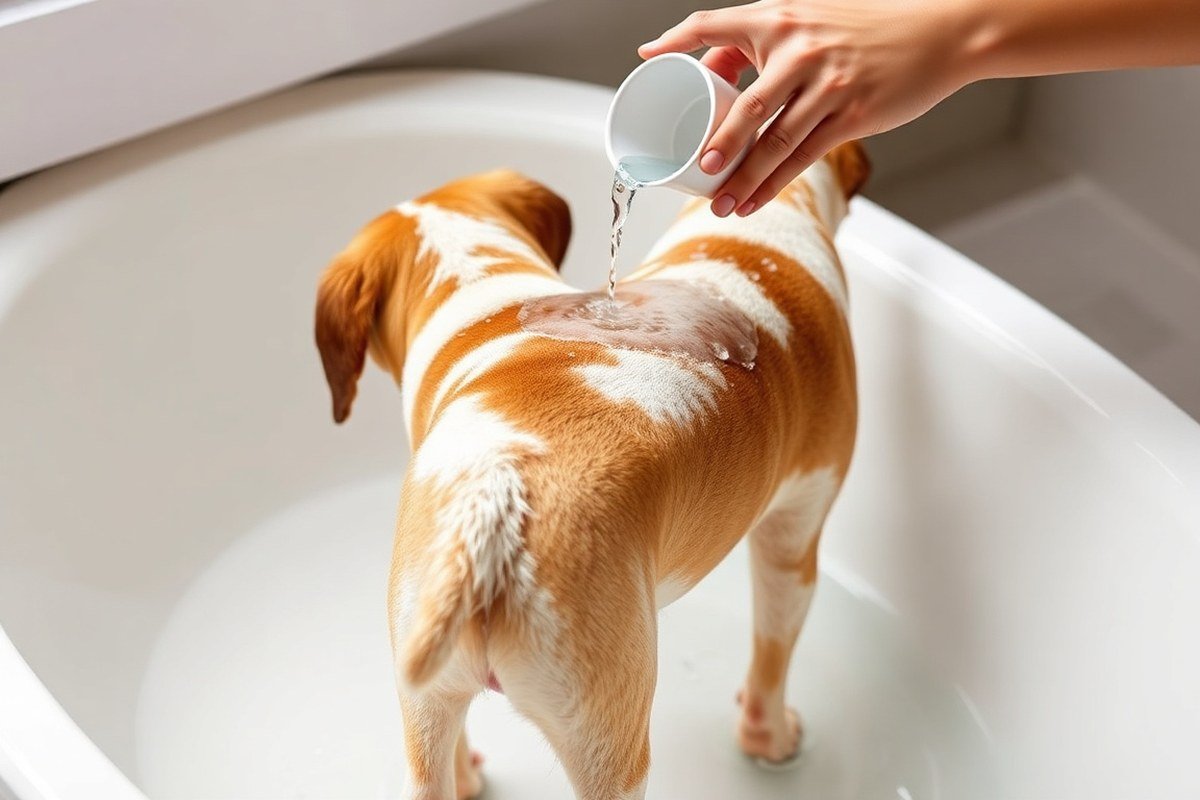
Washing your dog without shampoo requires careful preparation and attention to water temperature and rinsing. Using lukewarm water, about 85-90°F, helps keep your dog comfortable and avoids skin irritation. Avoid hot water as it can dry out your dog’s natural oils, leading to itchy or flaky skin. The process usually takes a bit less time than a full shampoo bath, since you skip the foaming and scrubbing stages, but rinsing thoroughly is just as important to remove dirt and loose fur.
Use a gentle method that respects your dog’s natural coat and skin balance. Rinsing plays a key role when you aren’t using shampoo because no cleaning agents are involved to lift dirt strongly. You want to wash away dirt and debris using water alone or with mild rinses like diluted vinegar if desired. This method suits dogs with sensitive skin or those prone to allergies and helps maintain their coat’s natural moisture.
- Prepare the area. Choose a warm, draft-free space like a bathroom or laundry room. Gather towels, a cup or spray bottle for rinsing, and a brush if you plan to groom after washing.
- Brush your dog’s coat. Remove loose hair and tangles before getting wet. This reduces shedding during the bath and helps water penetrate the coat more evenly.
- Wet your dog thoroughly. Use lukewarm water and pour slowly from a cup or use a gentle spray. Start from the neck and move down the body, avoiding eyes and ears.
- Apply a mild rinse if needed. If you want extra cleaning power, mix 1 part white vinegar to 4 parts water and use it as a light rinse to help remove odors and bacteria without drying the skin.
- Massage water into the coat. Gently rub the wet fur to help loosen dirt and debris. Avoid vigorous scrubbing to prevent irritation.
- Rinse thoroughly. Make sure no vinegar or debris remains by rinsing with clear lukewarm water until the water runs clear. Use a cup or spray bottle for better control near sensitive areas.
- Dry your dog. Use towels to blot excess water, keeping your dog warm and comfortable. Avoid heated dryers unless your dog is familiar and calm with them.
The entire process can usually be completed in 10 to 20 minutes, shorter than a typical shampoo bath. Paying close attention to thorough rinsing helps maintain healthy skin and a clean coat. Skipping thorough rinsing risks leaving residues, which might cause skin irritation or trap dirt. Be patient and monitor your dog’s reaction during the wash to adjust water pressure or temperature as needed for their comfort.
2. Best Natural Alternatives to Dog Shampoo

Several natural and household ingredients can serve as gentle and safe alternatives to commercial dog shampoo. Using items like oatmeal, baking soda, and apple cider vinegar allows you to clean your dog’s coat without harsh chemicals. These options can effectively remove dirt and odors while being kind to your dog’s skin when used properly.
Oatmeal for Soothing Baths
Oatmeal is a popular natural ingredient for calming and cleaning dry, itchy, or sensitive skin. When finely ground into a powder, oatmeal creates a soothing bath that can help reduce inflammation and relieve irritation. This makes it particularly useful for dogs prone to skin allergies or dryness.
To prepare an oatmeal bath, grind plain, uncooked oats using a food processor until they turn into a fine powder. Add about 1 cup of the powdered oatmeal to a tub filled with warm water (around 90°F). Let your dog soak for 10 to 15 minutes, gently rubbing the coat to loosen dirt. Oatmeal baths not only clean but also provide moisturizing effects, leaving the coat soft and calm.
Baking Soda and Cornstarch for Dry Cleaning
Baking soda and cornstarch work well as dry shampoos for dogs. Baking soda kills bacteria and neutralizes odors, while cornstarch absorbs oils and dirt without using water. This method is great for freshening up your dog’s coat between baths or when a quick clean-up is needed without a full wash.
To use baking soda or cornstarch as a dry shampoo, sprinkle a light, even layer over your dog’s dry coat. Massage the powder gently into the fur, then brush thoroughly to remove dirt and excess powder. This process helps absorb oils and deodorize the coat without irritating the skin when done carefully.
- Apply baking soda or cornstarch sparingly to avoid powdery residue
- Use a slicker brush or fine-tooth comb to remove the powder fully
- Ideal for dogs with oily coats or mild odor issues
- Avoid inhaling powder, to protect your dog’s lungs, keep product away from the nose and mouth
- Not recommended for dogs with respiratory problems or extremely sensitive skin
Avoid using baking soda too frequently; overuse may dry out your dog’s skin or cause irritation.
Water and Vinegar Rinses
Apple cider vinegar diluted with water can serve as an effective rinse that cleans your dog’s coat, removes odors, and discourages bacteria and yeast growth. Vinegar’s acidic properties help restore the skin’s natural pH balance without stripping oils when used in the right dilution. Plain water rinses alone can remove surface dirt but won’t tackle odors or bacteria as well.
Mix one part apple cider vinegar with three parts water for a mild rinse. Wet your dog’s fur with warm water first, then pour or spray the solution onto the coat. Massage the mixture in carefully, avoiding the eyes, and rinse lightly if your dog tolerates it. This rinse dries fast and typically doesn’t require a full shampoo afterward. It’s a low-cost solution using common household ingredients.
- Use 1:3 vinegar-to-water ratio for safe skin use
- Apply carefully around sensitive areas, especially eyes and nose
- Works well for odor control and light antibacterial cleaning
- Can be combined with a small amount of liquid castile soap for extra cleaning power
- Not suitable for dogs with open wounds or extremely sensitive skin
- Test a small area first to check for irritation before applying fully
Essential oils can be added to homemade dog washes for fragrance or added pest control, but only use oils known to be safe for dogs and dilute them heavily. Popular safe options in very small amounts include lavender and chamomile. Avoid tea tree, peppermint, eucalyptus, and citrus oils, as these can be toxic to dogs.
3. How Often Should You Wash Your Dog Without Shampoo?
Washing your dog without shampoo should depend on your dog’s coat type, skin condition, and daily activities. Generally, most dogs benefit from a bath every four to six weeks if you avoid using shampoo. Dogs with oily coats or those who spend a lot of time outdoors might need washing every two to three weeks to remove dirt and debris. Dry or sensitive skin types require less frequent washing, about once every six to eight weeks, to prevent removing natural oils that protect their skin.
Washing too often without shampoo can strip your dog’s coat of natural oils, leading to dry, itchy skin and even irritation. Since non-shampoo methods often use just water or gentle natural alternatives, they’re less harsh, but overdoing it can still upset your dog’s skin balance. For dogs with sensitive skin or allergies, it is better to space out baths more and observe how their skin reacts. This helps avoid flare-ups or discomfort.
With puppies, cleaning should be even gentler and less frequent, about once every six to eight weeks, since their skin is more delicate. Instead of full washes, spot cleaning muddy paws or dirty areas often works well. In some cases, wiping your puppy with a damp, soft cloth between baths can keep them fresh without over-washing.
The key to deciding when to wash lies in observing your dog’s coat and skin. If they start to smell, have visible dirt, or show signs of itching, it’s likely time for a gentle bath. For active dogs who swim, roll in dirt, or spend time in wet environments, adjusting the frequency accordingly helps maintain cleanliness without damaging their skin.
After washing without shampoo, drying your dog thoroughly matters. Use a towel or, if your dog tolerates it, a blow dryer on a low, cool setting. This prevents moisture buildup, which can cause irritation or infection, especially when the coat is thick or dense.
Following these guidelines keeps your dog clean and comfortable without relying on commercial shampoos. Paying close attention to your dog’s unique needs and lifestyle helps you balance cleanliness with skin health, saving you from issues caused by washing too frequently or using harsh products not suited for your dog’s skin.
4. Safely Washing Your Dog’s Face Without Shampoo
You can safely wash your dog’s face without using shampoo by using gentle, natural methods that avoid harsh chemicals and protect sensitive areas like the eyes and nose. Simple products like plain water, pet-specific wipes, and soft cloths work best. Avoid shampoo near the face to prevent irritation or discomfort.
Choosing Safe Cloths and Wipes
Select materials that are soft and non-abrasive to avoid scratching your dog’s delicate facial skin. Microfiber cloths or cotton pads dampened with lukewarm water are ideal for wiping away dirt and discharge. For more thorough cleaning, pet wipes made specifically for dogs are safe when free of alcohol, fragrances, and harsh chemicals. Avoid regular baby wipes, as they can irritate your dog’s sensitive skin and eyes.
Always check the ingredients on any wipe or cleaning product to ensure they contain no harmful substances. Unscented, hypoallergenic, and no-rinse wipes designed for dogs are best. Keep several clean cloths or wipes on hand to avoid reusing a dirty cloth on the face.
Techniques for Gentle Face Cleaning
Cleaning the face requires a slow, careful approach to avoid distress or injury. Using a different, damp cloth for each area, eyes, nose, mouth, ears, reduces the risk of spreading bacteria or dirt. Apply gentle pressure rather than scrubbing to remove debris and dry discharge. Lukewarm water around 85°F (29°C) helps loosen dirt without shocking sensitive tissues. Follow this step-by-step method for safe cleaning:
- Prepare a bowl of lukewarm water and several soft cloths or pet-friendly wipes.
- Moisten one cloth or wipe; gently wipe around one eye, moving outward from the nose.
- Use a fresh cloth to wipe the other eye in the same manner.
- Clean around the nose with another damp cloth, avoiding direct water entry into the nostrils.
- Wipe the muzzle and mouth area, removing food particles or dirt carefully.
- Use a separate cloth to clean inside and around each ear’s outer edge, never inserting the cloth inside the ear canal.
- Dry the face gently with a soft, dry cloth to prevent moisture buildup.
Avoiding Common Mistakes on Sensitive Areas
Never apply shampoo or soap directly to the eyes, nose, mouth, or inside the ears, as these areas are prone to irritation and infections. Avoid excessive water pressure or pouring water over the face, which can cause discomfort or force water into sensitive openings. Do not wipe roughly or use cloths with harsh fibers, as this increases the risk of redness and scratching.
Pay attention to your dog’s reaction during cleaning. Signs of discomfort, such as pulling away, blinking excessively, or flinching, indicate you should slow down or stop and try a gentler approach. If your dog has allergies or skin sensitivities, work with your veterinarian to choose suitable products and techniques that minimize irritation.
5. Using Grooming Tools to improve Shampoo-Free Cleaning
Grooming tools like brushes, mitts, and combs play a key role in cleaning your dog without shampoo. They remove dirt and loose hair while preserving the natural oils that keep your dog’s coat healthy. Using these tools properly helps maintain a clean, shiny coat and stimulates skin circulation for better overall coat condition.
Brushes with rubber bristles or soft nodules are effective at loosening dirt and debris from the surface of the coat. The gentle massage they provide also improves blood flow to the skin, supporting hair growth and skin health. For dogs with short to medium coats, use a rubber-bristle brush to gently stroke in the direction of hair growth for several minutes. This process lifts dirt and spreads natural oils evenly, preventing dryness.
Grooming mitts, often made of rubber or silicone, work similarly but give you more control since they fit on your hand. They’re excellent for quick cleanups and areas your dog can’t reach easily. To use, slip the mitt on, wet it slightly with warm water (around 90°F or 32°C), and massage your dog’s coat in circular motions. This removes loose hair and dirt without causing irritation. Mitts work well for sensitive skin and dogs with shorter fur.
Combs are essential when your dog’s coat is prone to tangling or holds stubborn debris. A metal-toothed comb with wider-spaced teeth is best for detangling without pulling hair. Comb gently through the coat after brushing to catch any remaining debris and smooth the fur. Avoid combing too vigorously as this can scratch or irritate the skin.
- Use a rubber-bristle brush daily to distribute oils and remove loose dirt.
- Employ a grooming mitt for gentle, precise cleaning during walks or indoor time.
- Choose a wide-toothed metal comb for detangling and removing debris from longer coats.
- Wet brushes or mitts with warm water (about 90°F) to improve dirt removal without drying the skin.
- Brush in the direction of hair growth to avoid skin irritation and hair damage.
- After grooming, wipe your dog’s coat with a clean microfiber towel to remove loosened particles.
- Regularly clean your grooming tools to prevent dirt and bacteria buildup.
Use gentle pressure when brushing or combing to avoid irritating your dog’s skin or causing discomfort.
Proper use of these grooming tools can remove a surprising amount of surface dirt without water or soap. They help balance your dog’s coat oils naturally and prevent buildup that may cause odor or dullness. However, avoid excessive brushing on very sensitive or inflamed skin, which could worsen the condition. Instead, focus on light strokes and limit grooming sessions to 5-10 minutes.
6. Handling Odors and Stubborn Dirt Without Shampoo
Removing stubborn odors and dirt from your dog without shampoo takes a few purposeful steps. Baking soda is a proven natural deodorizer that neutralizes smells and provides a gentle abrasive to lift dirt from the coat. To use it effectively, start by brushing your dog’s coat well to remove loose debris. Then sprinkle about half a cup (115 grams) of baking soda over the fur, making sure to work it down to the skin with your fingers. Let it sit for 10 to 15 minutes to absorb odors and loosen stuck-on dirt. After the wait, brush thoroughly to remove the baking soda and any trapped debris.
If your dog has muddy paws after a walk, a quick fix is simply wiping the feet with a damp towel rather than trying to wash them with water or soap. This prevents mud from being worked further into the fur or rubbed into sensitive areas like the eyes. Dry paws carefully afterward to avoid any irritation or fungal growth. For dirt patches on the coat, spot cleaning can help. Dampen a clean cloth with warm water and gently rub these areas, then follow with a dry towel. Rubbing the dirt directly with your fingers can break up grime but be gentle so you don’t irritate the skin.
When dealing with oily patches or an overall “dog smell” not caused by visible dirt, applying a deodorizing powder designed for dogs can work well. After applying the powder, use a slicker brush or comb to thoroughly brush out the coat. This action helps distribute the powder evenly and lifts excess oils before leaving a clean finish. Be cautious with powders that leave a white residue, especially on dark coats; brushing is necessary to avoid an unnatural look.
For rear-end cleanliness after soft stools, wiping the area with a damp cloth or unscented pet wipe is important to prevent scooting and discomfort. Make sure to dry the area completely. Avoid trying to mask odors with sprays alone, as these can sit on the fur without cleaning and may cause skin issues over time.
Keep in mind that without shampoo, water alone is less effective at removing odors and deep dirt. Baking soda and spot cleaning provide an alternative but may not replace a full bath when your dog gets heavily soiled. Regular brushing, checking for and cleaning dirty zones, and using natural powders as needed can maintain your dog’s coat between baths. A simple routine of spot cleaning muddy paws, using baking soda to neutralize odor, and brushing out oily spots offers a balanced approach that respects your dog’s skin health without commercial shampoos.
7. Testing for Allergies and Skin Sensitivities When Washing Without Shampoo
Before washing your dog with any natural alternative, test it on a small patch of skin to avoid irritation or allergic reactions. This careful step helps protect your dog’s comfort and health.
Selecting a Test Area
Choose a small, discreet spot on your dog’s body for testing, such as behind the ear or on the inner thigh. These areas are less visible and have thin skin, making it easier to spot reactions early. Avoid areas with existing wounds or sores to prevent further irritation.
Use a clean cloth or cotton ball to apply a small amount of the cleaning solution, no more than a teaspoon. Keep the test area dry and dry your dog as usual after application to mirror the washing process. Testing here limits risk and helps you spot changes clearly.
Applying and Monitoring for Reactions
After applying the test substance, monitor the area closely for about 24 hours. Check for redness, swelling, itching, or any unusual bumps. Your dog might also lick or scratch the spot, which could signal discomfort or irritation.
- Apply a small amount of the alternative cleaning solution to the selected area.
- Leave your dog undisturbed to avoid washing or rubbing off the product.
- Check the site at 1 hour, 6 hours, and again at 24 hours after application.
- Look for redness, swelling, raised bumps, scabs, or signs your dog is scratching or licking the spot frequently.
Documenting these observations helps you recognize patterns if you try other products in the future. Consider taking a photo at the start and after 24 hours to compare.
Next Steps After a Negative or Positive Test
Do not use the alternative if irritation or allergic signs appear within 24 hours, but if none occur, you can safely wash your dog with it. Proceed cautiously by washing one part of the dog’s body first before full application to confirm tolerance.
Should your dog react badly, showing redness, swelling, or distress, immediately rinse the area with cool water to remove the product. Dry gently with a clean towel and avoid applying any more of the product. Watch for worsening symptoms; if swelling or discomfort continues, consult your veterinarian promptly.
In the case of a positive reaction, discard that cleaning solution from your routine. You can repeat testing with another natural alternative, following the same steps to find a safe option for your dog’s skin.
8. Special Considerations for Puppies, Seniors, and Sensitive Dogs
Puppies, senior dogs, and those with sensitive or allergy-prone skin need a gentler approach when washing without shampoo. Their skin is often thinner, more delicate, or prone to irritation, so choosing mild, natural washing methods and adjusting your technique is essential. Always check with your veterinarian before trying a new cleaning method to avoid reactions or complications.
Puppies require especially mild care because their skin and immune system are still developing. Use lukewarm water, around 85 to 90 degrees Fahrenheit, to avoid chilling or drying them out. Instead of harsh soaps, a simple rinse with warm water combined with a handful of finely ground oatmeal can soothe their skin and remove dirt without stripping natural oils. Apply the oatmeal-water mix gently with your hands, avoiding the eyes, ears, and nose. Keep bath time short, about 5 to 10 minutes, then towel dry thoroughly to prevent chills.
For older dogs, skin may become drier and less elastic, making them more susceptible to irritation or infections. Use cool to lukewarm water and a gentle oatmeal wash solution similar to what you’d use for puppies. Handle your dog carefully during the bath to avoid discomfort from arthritis or joint pain. Limit scrubbing and use soft cloths or grooming mitts instead of rough brushes. You might bathe seniors less often, such as every 3 to 4 weeks, since over-bathing can worsen dry skin.
Sensitive or allergy-prone dogs benefit most from free-rinse cleansers. Avoid homemade mixtures that include vinegar, baking soda, or essential oils, as these can cause stinging or rashes. Plain water with oatmeal offers cleansing and anti-inflammatory benefits without additives. If the dog has a known allergy or chronic skin condition, consult your vet before washing. They may recommend specific natural products or medicated rinses that work without typical shampoo chemicals.
Bath frequency should be adapted for these special groups. Less frequent washing, every 3 to 4 weeks or even monthly, is often sufficient unless your dog gets dirty or encounters allergens outdoors. Over-washing strips protective oils and worsens dry or sensitive skin. Spot-cleaning using a damp cloth or gentle wipes can reduce the need for full baths. Always dry your dog thoroughly after washing to prevent fungal or bacterial skin problems.
Use lukewarm water and gentle oatmeal paste to clean sensitive or young dogs, limiting bath time to 10 minutes to avoid chilling and skin irritation.
Step-by-Step Action Plan for Washing Your Dog Without Shampoo
Follow these clear steps to wash your dog gently and effectively without shampoo. Use this plan as a daily or weekly routine depending on your dog’s needs.
- Before You Start: Gather natural cleaning supplies like plain water, diluted apple cider vinegar, or baking soda paste. Preparing these ahead ensures a smooth bath time.
- Start Bathing: Use lukewarm water to wet your dog’s coat thoroughly. This helps loosen dirt and makes natural cleaning solutions work better.
- Apply Natural Cleaner: Gently rub diluted apple cider vinegar or a baking soda paste on dirty spots. Let it sit for 2 to 3 minutes to break down oils and odors.
- Rinse Thoroughly: Rinse your dog completely with lukewarm water to remove all cleaning residues. Check that no slippery or gritty cleaner remains on the fur.
- Clean the Face Safely: Use a damp, soft cloth with water or a gentle natural cleanser to wipe your dog’s face. Avoid eyes and ears to prevent irritation.
- Dry Properly: Towel dry your dog gently and, if your dog tolerates it, use a low-heat hairdryer to avoid skin irritation or damp smells.
- Brush and Groom: Once dry, brush your dog’s coat to remove loose fur and improve natural oils for a healthy shine.
- Monitor Skin Health: After each bath, observe your dog’s skin for irritation or dryness. Adjust bathing frequency or products if needed to keep the skin comfortable.
Frequently Asked Questions
Can I Wash My Dog with Just Water and No Shampoo?
Yes, rinsing your dog with warm water can remove surface dirt. This works best for quick clean-ups or dogs with sensitive skin.
Is Baking Soda Safe to Use for Washing a Dog?
Baking soda can be used cautiously as a gentle cleanser. Avoid getting it in eyes and rinse thoroughly to prevent skin dryness.
Can I Use Oatmeal to Clean My Dog Without Shampoo?
Oatmeal can soothe a dog’s skin and help clean effectively. Use finely ground oatmeal mixed with water as a gentle wash.
Will Washing My Dog Without Shampoo Affect Their Fur Texture?
Washing without shampoo may leave the coat less conditioned but still clean. Regular brushing helps maintain softness and shine.
How Do I Dry My Dog After Washing Without Shampoo?
Use a soft towel to pat your dog dry gently. Avoid vigorous rubbing to prevent tangling or skin irritation.
Can I Wash My Dog Without Shampoo If They Have Fleas?
Washing alone may not remove fleas effectively. Use veterinary-approved flea treatments alongside washing without shampoo.
The Bottom Line
Washing your dog without shampoo works well when you use gentle alternatives and pay attention to your dog’s skin reactions. Starting with natural options and following a calm process helps maintain your dog’s clean coat and healthy skin. Give this method a try during your next bath and watch how your dog responds to a shampoo-free clean.



One Comment