

What Is the Difference Between Dog Shampoo and Human Shampoo? A Complete Guide to Safe Dog Bathing
Dog shampoo and human shampoo differ mainly in their pH balance and ingredients. Dog shampoos are made to match a dog’s skin, which is closer to neutral pH (about 6.5 to 7.5), while human shampoos are acidic, around pH 4.5 to 5.5. Using human shampoo on dogs can disrupt their skin’s protective barrier and cause dryness or irritation.
This explanation suits dog owners who want safe and effective bathing solutions. You’ll learn why human shampoo is often unsafe for dogs and how specialized dog shampoos address specific skin and coat needs.
Key Takeaways
- Dog skin pH is more neutral than human skin, so use shampoos with pH 6.5 to 7.5 for your dog’s health.
- Human shampoo should only be used once in an emergency and if it’s fragrance-free or tearless baby formula.
- Dog shampoos with ingredients like oatmeal or aloe help soothe itchy, dry skin effectively.
- Leaving shampoo on your dog for 10 minutes improves its cleansing and therapeutic effects.
- Bathing your dog every 4 to 6 weeks supports skin health without over-drying or irritating the coat.
- Select dog shampoos that are soap-free, cruelty-free, and biodegradable to protect your pet and the environment.
What Are the Fundamental Differences Between Dog and Human Shampoo?

Dogs’ skin and human skin differ significantly in structure and chemistry, which is why shampoos need to be designed specifically for each species. A key difference lies in the pH level of the skin. Human skin typically has a pH ranging from about 4.5 to 5.5, meaning it is slightly acidic. This acidity helps protect against harmful bacteria and supports the skin’s natural oil balance. In contrast, a dog’s skin pH is closer to neutral, usually between 6.5 and 7.5. This near-neutral pH makes their skin more sensitive to products formulated for acidic human skin, so human shampoos can disrupt a dog’s natural protective barrier.
The structure of dog skin also makes a difference. While earlier claims suggested dog skin had only two layers compared to human skin’s seven, research shows canine skin consists of about three to six layers of living cells in its outer epidermis, still thinner than human skin. Thin skin means dogs are more vulnerable to irritants and moisture loss. Their pores and sweat glands differ as well; dogs don’t sweat in the same way people do, so their skin handles moisture and cleansing differently. This highlights why shampoos designed for dogs prioritize maintaining hydration and avoiding irritation rather than aggressively removing oils as many human shampoos do.
Because of these physiological differences, dog shampoos are formulated with ingredients and pH balancing that suit canine skin and fur. A dog-specific shampoo aims to maintain a pH closer to neutral, ensuring the skin’s acid mantle isn’t stripped, which could otherwise lead to dryness, itching, or infections. Applying human shampoo disrupts this balance, potentially increasing the risk of yeast growth, bacterial infections, or allergic reactions. For example, if you use human shampoo with pH around 5 on a dog with skin pH near 7, it can lower the pH and weaken the skin’s natural defenses over repeated baths.
Choosing a shampoo matched to your dog’s skin chemistry means selecting products that avoid overly harsh detergents, fragrances, or additives common in human shampoos. This approach keeps your dog’s coat healthy and protects delicate skin layers. Especially for puppies or dogs with sensitive, irritated, or broken skin, using specially formulated dog shampoo can reduce the chance of exacerbating skin problems. Avoid applying human shampoo even occasionally, since regular use can dry out fur and cause discomfort.
To bathe your dog properly, use a shampoo designed for dogs and follow label instructions to keep bathwater lukewarm (around 85°F), rinse thoroughly, and only leave shampoo on for the recommended 5 to 10 minutes. This practice helps maintain the skin’s proper balance and prevents damage linked to pH shifts. In contrast, human shampoos do not account for these factors, making them less safe and less effective for your pet’s skin health.
Why Is Using Human Shampoo on Dogs Often Unsafe?
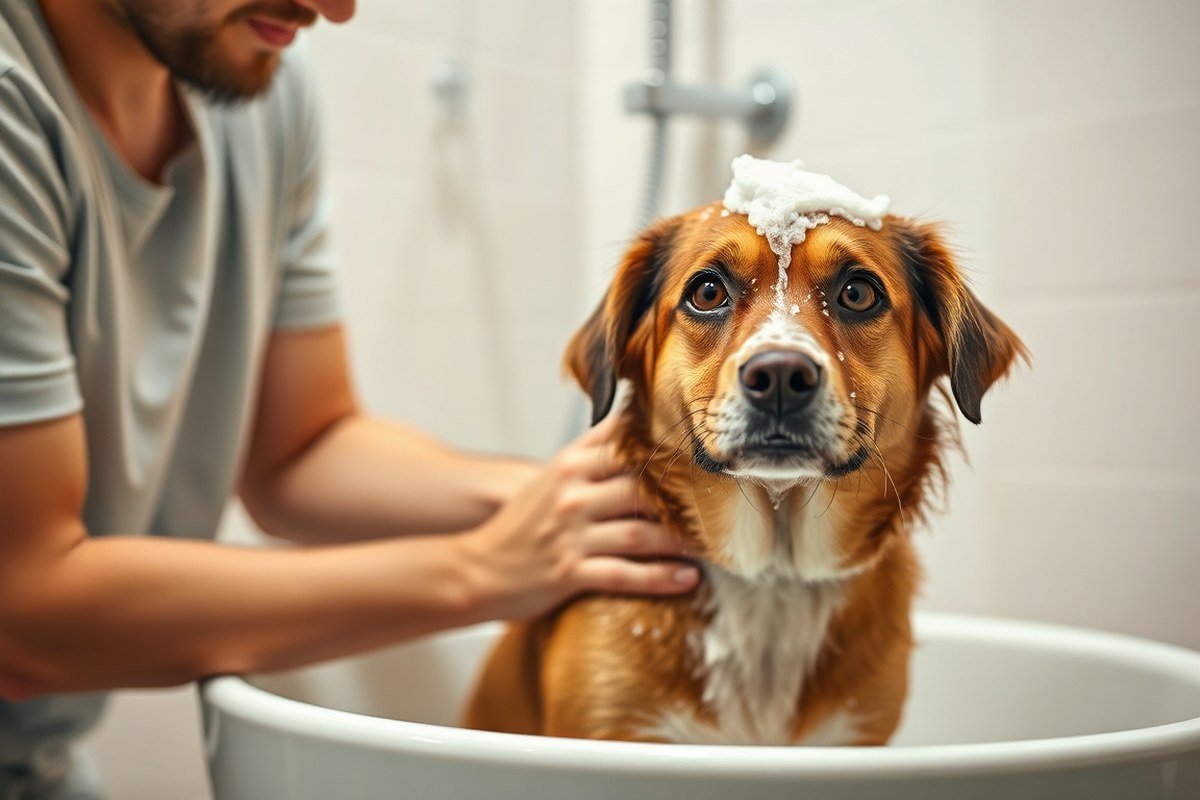
Using human shampoo on your dog can be harmful because the formulation does not suit a dog’s skin chemistry. The pH of human skin is around 4.5 to 5.5, making it acidic, while dogs have a more neutral pH around 6.5 to 7.5. This difference means human shampoo can disrupt your dog’s acid mantle, their natural protective skin barrier, leading to irritation and dryness.
Human shampoos often contain detergents designed for hair and scalp oils, which are stronger than those safe for dogs. These can strip away the natural oils that protect your dog’s skin and coat. The result might show up quickly, as redness, itching, flaking, or inflammation within a day or two after bathing. Repeated use worsens dryness and makes your dog’s skin vulnerable to infections.
Some human shampoos include added chemicals like fragrances, colors, or preservatives that dogs can react to. Allergic reactions might cause excessive scratching, licking, or hair loss. Medicated human shampoos, especially anti-dandruff types containing ingredients like zinc pyrithione, salicylic acid, or coal tar, should be avoided. They are too strong and can be toxic or irritating to dogs.
- PH mismatch causes skin barrier disruption and irritation
- Harsh detergents remove essential protective oils, causing dryness
- Heavy fragrances and chemicals may trigger allergic reactions
- Medicated human shampoos often contain harmful actives for dogs
- Signs like redness, itching, and flaking typically appear within 24, 48 hours
- Using water alone is safer than using human shampoo if dog shampoo is unavailable
Using just lukewarm water is better than human shampoo if you don’t have dog shampoo handy, to avoid irritating your pet’s skin.
Some human shampoos may seem mild or gentle for people, and temporarily cause fewer problems for dogs, but they are not designed to maintain the right skin balance for your pet. Even those labelled “sensitive” or “natural” can contain ingredients that irritate dog skin. Properly formulated dog shampoos have a near-neutral pH and gentler surfactants suited to canine coats. They often contain soothing additives like oatmeal or aloe to protect and heal skin, which human shampoos lack.
How Different Types of Dog Shampoos Address Specific Skin and Coat Needs
Different dog shampoos serve unique purposes by targeting specific skin and coat needs. Common types include oatmeal for dry or itchy skin, medicated for treating infections, flea-control for pest elimination, and hypoallergenic options for sensitive dogs or puppies. Selecting the right shampoo depends on your dog’s condition and age to promote healthy, comfortable skin and a shiny coat.
Oatmeal and Soothing Shampoos
Oatmeal shampoos are popular for dogs suffering from dry, flaky, or mildly itchy skin. Ingredients like oatmeal and aloe vera help relieve irritation and moisturize the coat without harsh chemicals. These soothing shampoos act as a gentle everyday choice to maintain skin hydration and prevent dryness that can result from regular washing.
Choosing a shampoo with oatmeal and aloe provides affordable protection against common skin discomfort, often costing around $10 to $15 per bottle. Use these shampoos according to package instructions, generally lathering thoroughly and rinsing well to avoid residue buildup that could cause irritation. Regular use should leave your dog’s coat soft and itch-free.
Medicated and Antifungal Shampoos
Medicated shampoos contain ingredients like chlorhexidine and ketoconazole, designed to fight bacterial and fungal infections such as ringworm or yeast overgrowth. These shampoos do more than clean; they treat underlying skin conditions that cause odor or excessive itching. They usually require a veterinarian’s recommendation and supervision.
Using medicated shampoos typically involves soaking the dog and letting the shampoo sit on the coat for 5 to 10 minutes before rinsing to maximize effectiveness. These products are more expensive, often $20 or more per bottle, but their therapeutic benefits are essential for healing infections rather than just masking symptoms.
Flea, Tick, and Parasite Control Shampoos
Shampoos designed for flea and tick control focus on eliminating parasites without harsh chemicals that irritate sensitive skin. These formulations might include natural repellents or pet-safe insecticides tailored to dogs’ unique skin chemistry. They provide a safe option to maintain a pest-free environment while supporting coat health.
Apply these shampoos during a bath and leave them on for the recommended time, generally around 5 to 10 minutes, to ensure maximum pest control. They are often used in combination with other flea treatments and cost between $15 and $30 depending on ingredients and brand. Regular use during peak flea season helps prevent infestations effectively.
Hypoallergenic and Puppy Shampoos
Hypoallergenic shampoos avoid common irritants like fragrances, dyes, or harsh detergents, making them ideal for dogs with allergies or very sensitive skin. Puppy shampoos are usually tearless and formulated to be extra gentle, respecting the delicate skin of young dogs. Avoid any human shampoo on puppies to prevent irritation and dryness.
These gentle shampoos maintain the natural pH balance of the dog’s skin, which ranges from 6.5 to 7.5, closer to neutral than human skin. Using hypoallergenic or puppy shampoo means carefully following label instructions to prevent over-washing, which can dry out skin regardless of the formula. Prices often range from $8 to $20 per bottle. The table below summarizes common dog shampoo types, their key uses, main ingredients, and typical application details:
| Shampoo Type | Best Use | Main Ingredients | Application Tips | Typical Cost |
|---|---|---|---|---|
| Oatmeal and Soothing | Dry, flaky, itchy skin | Oatmeal, Aloe Vera | Use regularly; rinse thoroughly | $10, $15 |
| Medicated and Antifungal | Bacterial, fungal skin infections | Chlorhexidine, Ketoconazole | Leave on 5, 10 minutes; vet recommended | $20+ |
| Flea and Tick Control | Parasite elimination and prevention | Natural repellents, pet-safe insecticides | Leave on 5, 10 minutes; use seasonally | $15, $30 |
| Hypoallergenic and Puppy | Allergic, sensitive skin and puppies | No fragrances or dyes; tearless | Gentle use; avoid over-washing | $8, $20 |
Choosing a shampoo that matches your dog’s skin condition encourages healing and comfort while avoiding irritation caused by harsh chemicals or unbalanced pH. Following manufacturer instructions on application time and frequency ensures the best results for your dog’s skin and coat health.
How to Choose the Right Dog Shampoo for Your Pet’s Skin and Coat
Choose a dog shampoo that matches your pet’s skin pH, which for dogs ranges from 6.2 to 7.4, rather than the more acidic human skin pH of around 5.5. Shampoos formulated specifically for dogs help maintain this balance, preventing irritation or dryness. Look for labels confirming the product is designed for “dog skin pH” or veterinary recommendations to avoid harming your dog’s protective skin barrier.
Examine the ingredients carefully. Avoid shampoos containing artificial fragrances, parabens, sulfates, or harsh detergents. These can strip natural oils, irritate sensitive skin, and worsen allergies. Look instead for gentle, plant-based or hypoallergenic ingredients like oatmeal, aloe vera, or chamomile that soothe and clean without causing reactions.
If your dog suffers from allergies, itching, flaky, or sensitive skin, select a shampoo formulated specifically for these issues. Products labeled “Sensitive Pet Shampoo” or “Dermatologically Tested” often exclude common irritants and include moisturizing agents. Some options, like Vetericyn FoamCare, target dry or compromised skin to promote healing and comfort. Avoid simple or generic cleansers that do not address underlying conditions, as they may worsen symptoms over time.
Consider your dog’s coat type when selecting shampoo. Long-haired dogs may benefit from conditioners or 2-in-1 shampoo and conditioner products to keep coats detangled and smooth. Dogs with short hair or oily coats might need a shampoo that controls excess oils without over-drying. Regular grooming needs and coat texture help determine whether you choose moisturizing, clarifying, or balancing formulations.
For dogs without skin problems, a natural, soap-free shampoo with mild, biodegradable ingredients provides everyday care with low risk of irritation. These options are often cruelty-free and eco-friendly, supporting ethical and environmental priorities. Prices vary broadly, but investing in a quality dog shampoo typically ranges from $10 to $25 per bottle depending on size and brand, reflecting the ingredient quality and specialization.
To apply correctly, wet your dog thoroughly with lukewarm water around 85°F. Massage shampoo evenly over coat and skin, avoiding eyes and ears. Let the shampoo sit for 3 to 5 minutes to allow ingredients to work, especially with specialty shampoos for skin health. Rinse thoroughly with water until no residue remains, because leftover shampoo, human or dog-specific, can cause irritation or digestive upset if ingested during licking. Regularly using an appropriate shampoo will reveal a progressively better coat with fewer flare-ups in sensitive dogs, maintaining healthy skin and reducing the need for extra treatments.
What to Do If You Accidentally Use Human Shampoo on Your Dog
Accidentally using human shampoo on your dog requires quick action to prevent skin irritation or discomfort. Human shampoos usually have a lower pH and different chemical composition that can strip a dog’s protective skin oils, leading to dryness, itching, or redness. Promptly rinsing and soothing your dog’s skin, then closely watching for any reactions, helps minimize harm. Follow the steps below to safely remove human shampoo and support your dog’s skin health:
- Immediately rinse with lukewarm water. Use a gentle stream of water at about 90°F (32°C) to thoroughly wash away all shampoo residue. Avoid hot water because it can worsen irritation.
- Apply a gentle dog shampoo if available. Use a small amount formulated for dogs, massaging it lightly into your dog’s coat and skin to restore balance. Focus on the neck and body, but keep it gentle to avoid stress.
- Rinse again thoroughly. Make sure no shampoo remains, as any leftover chemicals can continue causing irritation.
- Dry your dog gently with a towel. Avoid vigorous rubbing, which might irritate sensitive skin. Let your dog air dry or use a hairdryer on a low, cool setting if they tolerate it.
- Observe your dog’s skin and behavior. Watch for redness, swelling, excessive scratching, or signs of discomfort over the next 24 to 48 hours.
- Apply soothing treatments if needed. Use pet-safe products with oatmeal or aloe vera to calm irritated skin, but only after vet approval if your dog has existing skin conditions.
- Contact your veterinarian. Seek professional advice if you notice worsening symptoms, such as increased redness, hair loss, swelling, or if your dog is scratching more than usual. Your vet may recommend medicated shampoos or topical treatments.
Using fragrance-free or tearless baby shampoo once in an emergency carries lower risk, but avoid repeated use and follow up with proper dog shampoo to protect your pet’s skin barrier.
How Often Should You Bathe Your Dog and How Long Should Shampoo Stay On?
Bathing your dog at an appropriate frequency is key for maintaining healthy skin and coat. Typically, dogs should be bathed every 4 to 6 weeks unless they get dirty or spend a lot of time outdoors. Shampoo should stay on your dog’s coat for about 5 to 10 minutes to maximize its cleansing and skin benefits before rinsing thoroughly.
Recommended Frequency by Dog Type
The ideal bathing schedule varies depending on your dog’s lifestyle, coat type, and skin condition. Dogs that swim regularly or roll in dirt may require baths more often, sometimes up to once a week, to keep their coat clean and free of irritants. For most indoor or low-activity dogs, every 4 to 6 weeks is sufficient. Overbathing can dry out their thin skin, which has just 3 to 5 epidermal layers, so it’s best to avoid bathing more than necessary.
Your dog’s breed and coat also influence how often to bathe them. Dogs with oily coats or skin allergies may benefit from medicated shampoos and more frequent baths, while dogs with dry or sensitive skin need less frequent washing and gentle shampoos that support skin barrier repair.
| Dog Type | Recommended Bathing Frequency | Notes |
|---|---|---|
| Outdoor, active dogs or swimmers | Weekly to biweekly | Mild dog shampoo recommended to prevent drying out skin |
| Indoor or low-activity dogs | Every 4 to 6 weeks | Avoid overbathing to maintain skin health |
| Dogs with skin allergies or conditions | Frequency as advised by vet; often 1-3 weeks | Use medicated or barrier-repair shampoos |
| Dogs with dry or sensitive skin | Every 6 to 8 weeks | Use gentle, moisturizing shampoos |
Follow these guidelines but always adjust based on how your dog’s skin and coat respond. Consult your vet if your dog has a specific skin condition or irritations.
Optimal Shampoo Contact Times
Leaving shampoo on your dog’s skin for about 5 to 10 minutes is usually enough to loosen dirt, oils, and dead cells without causing dryness or irritation. This contact time allows active ingredients like hyaluronic acid to contribute to skin barrier repair by promoting cell growth and tissue regeneration. Rinsing thoroughly afterward prevents leftover residue that can cause itching or flare-ups.
Avoid shampooing and rinsing your dog too quickly, as brief contact reduces effectiveness. However, do not leave shampoo on for more than 10 minutes as prolonged exposure can dry out or irritate the thin canine skin. Using lukewarm water and a dog-specific shampoo suited for your pet’s skin type improve results within this timeframe.
Effects of Overbathing and Underbathing
Bathing too often strips your dog’s natural oils, disrupting the acid mantle that protects their skin and coat. Since dog skin is much thinner and less acidic than human skin, using shampoo, especially human shampoo, too frequently weakens their barrier against parasites, bacteria, and viruses. This can lead to dryness, itchiness, redness, and infections.
On the other hand, underbathing allows dirt, allergens, and oils to build up, causing odor and potential flare-ups of skin conditions. The balance lies in bathing often enough to maintain cleanliness and skin health without damaging the natural protective layers.
Choosing the right dog shampoo and following the recommended frequency helps your dog’s skin stay clean, hydrated, and resilient. Overbathing generally leads to costly vet visits for skin problems, while underbathing results in discomfort and poor coat health. Careful attention to bathing schedules and shampoo choice supports your dog’s long-term wellbeing.
Common Mistakes When Bathing Dogs and How to Avoid Them
Using the wrong shampoo for your dog is a common mistake that often leads to skin irritation or infections. Dog skin has a different pH balance than human skin, and human shampoo can disrupt this natural barrier. Avoid causing such issues by always selecting shampoos formulated specifically for dogs. Keeping a supply of dog shampoo ready prevents the temptation to use human products during a bath.
Bathing too frequently is another error. Overbathing strips away natural oils, leading to dryness and sensitivity. Most dogs only need a bath every 4 to 6 weeks unless they get especially dirty or have a medical condition. Check your dog’s coat and skin health before deciding when to bathe again.
Proper rinsing is essential. Residue from shampoo can cause itching or redness, so spend at least 3 to 5 minutes rinsing thoroughly with lukewarm water. Avoid water that is too hot or too cold, aiming for around 90°F (32°C), which is comfortable and safe for your dog’s skin. This careful washing removes all suds and prevents irritation.
Preventing shampoo from entering your dog’s eyes and ears helps avoid discomfort and infections. Gently tilt the head back during lathering around the face and use a washcloth to clean these sensitive areas without direct shampoo application. Be cautious when rinsing around the head to keep ears dry; use a cotton ball lightly placed in each ear canal as a barrier if your dog tolerates it.
- Use only dog-specific shampoo with balanced pH to protect skin
- Limit baths to once every 4-6 weeks unless otherwise advised
- Rinse for at least 3-5 minutes with lukewarm water (about 90°F)
- Avoid shampoo in eyes and ears, clean these areas with a damp cloth
- Use cotton balls gently in ears to prevent water and shampoo entry
- Dry your dog thoroughly with a towel or low-heat dryer to prevent chills
- Check your dog’s skin before and after bathing for irritation or dryness
Insufficient drying is also a key mistake. Wet fur can trap moisture and lead to fungal infections or uncomfortable skin conditions. Use a towel to blot excess water and consider a pet-safe blow dryer on a low, cool setting to finish drying. This extra effort makes baths more comfortable and helps maintain your dog’s skin health.
Why Groomers Prefer Specialized Dog Shampoos over Human Products
Groomers choose specialized dog shampoos because they protect skin and coat health better than human shampoos. These shampoos are formulated with the right pH, safe ingredients, and easy rinsing properties. This focus keeps dogs comfortable and looking their best after grooming.
PH and Sensitive Skin Considerations
Dog skin is more sensitive and has a higher pH than human skin, typically around 6.2 to 7.4, compared to the more acidic human skin pH near 5.5. Groomers use shampoos matched to this range to avoid drying or irritating the skin. Using a shampoo with the wrong pH can disrupt the skin’s natural barrier and increase the risk of itching or infections.
Many professional dog shampoos maintain this pH balance and include gentle ingredients that soothe sensitive skin. Medicated options, such as chlorhexidine shampoos, are used selectively by groomers for dogs prone to skin infections or hot spots. These medicated shampoos, designed for safe everyday or frequent use, help manage skin health without harsh effects.
Natural and Safe Ingredients Preferred
Groomers often choose shampoos free of harsh chemicals like parabens, phthalates, sulfates, and artificial fragrances. Instead, they opt for natural ingredients such as aloe vera, colloidal oatmeal, and tea tree oil in safe concentrations. These ingredients minimize irritation and maintain the dog’s skin moisture.
Choosing shampoos with veterinary-approved formulas also means avoiding animal byproducts and synthetic additives that can cause allergic reactions. Many groomers rely on brands developed with veterinarian input to ensure safety and effectiveness. This cautious ingredient selection reduces the risk of post-bath itching and discomfort, which can interfere with grooming outcomes.
Lather and Rinsing Efficiency Benefits
Dog shampoos are formulated to create good lather even with less product. This means groomers use smaller amounts per bath, reducing costs and the chance of product buildup on fur and skin. High-quality shampoos rinse out easily, preventing residue that can cause dryness or irritation.
Efficient rinsing is critical because leftover shampoo can trap dirt or lead to skin problems. Groomers appreciate shampoos that wash off quickly and thoroughly at bath temperatures around 85°F to 95°F (29°C to 35°C), avoiding prolonged wetness that can stress a dog’s skin. Proper rinsing also helps coats look shiny and feel soft immediately after grooming.
Always rinse your dog thoroughly to remove all shampoo residue; leftover product can cause itching and dull fur.
Step-by-Step Action Plan for Using the Right Shampoo on Your Dog
Use this plan to switch safely to dog-specific shampoo and keep your dog’s skin healthy.
- Before Bathing: Choose a shampoo formulated for your dog’s coat type and skin sensitivities. Check the label to match your dog’s needs, such as hypoallergenic or flea-control.
- Day of Bath: Brush your dog thoroughly to remove loose fur and dirt before wetting the coat. This helps the shampoo work better.
- During Bath: Apply dog shampoo evenly and avoid the eyes and inside ears. Let it sit for 3-5 minutes so it can clean and condition.
- Immediately After Bath: Rinse your dog thoroughly with warm water to remove all shampoo residues, preventing irritation.
- First Week: Watch your dog’s skin for any redness, dryness, or itching as you adjust to the new shampoo. If problems arise, consult your vet.
- After 2 Weeks: Evaluate your dog’s coat condition. It should look clean and feel soft without signs of oiliness or flaking.
- Ongoing Care: Bathe according to your dog’s breed and skin needs, usually every 4 to 6 weeks, unless your vet advises otherwise.
Frequently Asked Questions
Can I Use Human Shampoo for Dogs?
Human shampoo is not recommended for dogs because it can irritate their skin due to different pH levels and skin structure. Using dog shampoo ensures better skin health and coat condition tailored to your pet’s needs.
What Do Dogs Hear When We Talk?
Dogs hear speech differently, focusing on tone and pitch more than specific words. Their ears pick up higher frequencies, so they notice how you say things, not just what you say.
Can a Human Use Dog Shampoo on Their Hair?
Dog shampoo is formulated for canine skin and coat, so it may not clean human hair effectively or feel right on your scalp. It’s best to use shampoo designed for people.
Can I Use Dawn Soap to Wash My Dog?
Dawn dish soap can remove grease but is too harsh for regular use on dogs and can dry out or irritate their skin. Only use it in emergencies, like removing toxins, and rinse thoroughly.
Are HUMAN SHAMPOOS SAFE for DOGS?
Most human shampoos are not safe for dogs because they have different pH levels and ingredients that can cause dryness or irritation. Use shampoos specifically made for dogs to avoid skin problems.
Is It Okay to Use Baby Shampoo on Dogs?
Baby shampoo is gentler than adult human shampoo but still not ideal for dogs due to pH differences; it should only be used briefly if no dog shampoo is available.
Before You Go
Knowing the difference between dog shampoo and human shampoo protects your dog’s skin from irritation and dryness. Using the right product tailored to your dog’s coat type supports their health and comfort. Start by selecting a shampoo formulated for dogs and observe your pet’s skin response to keep their coat clean and healthy.


4 Comments