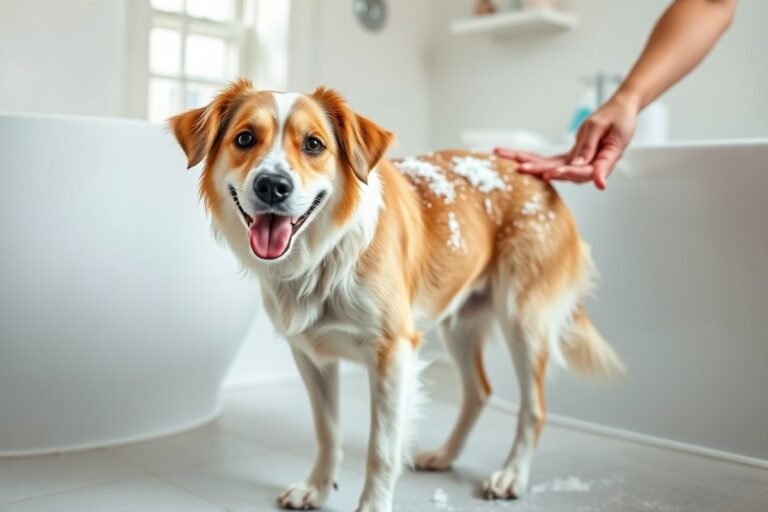
How Many Baths Does a Dog Need? A Complete Guide to Bathing Frequency
How many baths does a dog need depends on factors like coat type, activity level, and environment. Most dogs benefit from a bath every 4 to 8 weeks to keep their coat clean and healthy without stripping natural oils. Dogs with short hair or those that stay mostly indoors can go longer between baths.
This information is designed for dog owners who want to maintain their pet’s skin and coat health without overbathing. You’ll learn how breed, lifestyle, and seasonal changes affect bathing frequency, and when to adjust your routine accordingly.
Key Takeaways
- Bath dogs with short hair every 2 to 3 months, unless they get especially dirty.
- Long-haired or double-coated dogs need baths every 4 to 6 weeks with regular brushing between.
- Active outdoor dogs may require baths every 1 to 2 weeks to remove dirt and debris.
- Reduce baths to about once every 8 weeks in winter or skip if your dog stays clean.
- Use gentle shampoos designed for dogs to protect skin and coat health during baths.
- Introduce puppies to bathing around 9 weeks old to help them get comfortable early.
How Often Does Your Dog Need a Bath?

Most dogs benefit from a bath every 4 to 6 weeks as a general guideline. This range balances keeping your dog clean without stripping natural oils that protect their skin and coat. Bathing too frequently, such as every week or every three days, can cause dry, irritated skin and may disrupt the natural balance on their coat.
Bathing once a week is usually safe for dogs with normal, healthy skin, but it’s not necessary for most dogs. Consider skipping that weekly bath unless your dog gets particularly dirty or smelly between baths. Bathing every three days is generally excessive and can stress your dog’s skin unless specifically recommended by a veterinarian for certain skin conditions.
Your dog’s lifestyle influences how often you should bathe them. Dogs that spend a lot of time outdoors, running through fields or swimming, may need more frequent baths, around every 1 to 2 weeks, to wash away dirt, pollen, and potential irritants. In contrast, dogs that mostly stay indoors or have low activity levels can go longer between baths, sometimes every 2 to 4 months, as long as they don’t smell or look dirty.
During colder months, reduce the frequency of baths to about every 8 weeks to prevent excessive drying out of your dog’s skin. If your dog stays relatively clean over winter, you might skip baths unless necessary. Always check your dog’s skin and coat between baths; if you notice dryness or irritation, extend the interval between baths or switch to a more moisturizing, dog-specific shampoo.
To decide exactly when your dog needs a bath, start with the 4-6 week guideline, then adjust based on activity, coat condition, and environment. Use your judgment to bathe your dog when they become visibly dirty, oily, or start to smell. Between baths, regular brushing helps manage loose hair and dirt, keeping your dog feeling fresh.
How Dog Breed and Coat Type Influence Bath Frequency

Your dog’s breed and coat type significantly influence how often they need a bath. Short-haired breeds usually require fewer baths since their coats don’t trap as much dirt or oils. On the other hand, dogs with long hair, double coats, or dense undercoats may need more frequent washing because these coats can hold grime, debris, and moisture that cause odor or skin issues. Tailoring bath intervals to your dog’s specific coat type helps maintain healthy skin and keeps grooming manageable. Here’s a comparison table showing typical bathing frequency recommendations based on coat types commonly linked to certain dog breeds:
| Coat Type | Example Breeds | Bath Frequency | Why |
|---|---|---|---|
| Short-haired | Beagle, Boxer, Dalmatian | Every 6 to 8 weeks | Less dirt accumulation; natural shedding manages oils |
| Medium-length single coat | Golden Retriever, Labrador Retriever | Every 4 to 6 weeks | Moderate dirt trapping; needs regular brushing to prevent mats |
| Long-haired | Shih Tzu, Afghan Hound, Maltese | Every 3 to 4 weeks | Hair traps dirt and debris; requires frequent detangling and washing |
| Double coat | Siberian Husky, German Shepherd, Samoyed | Every 4 to 6 weeks | Dense undercoat traps debris and oils; regular baths and brushing needed |
| Curly or wavy coat | Poodle, Portuguese Water Dog | Every 4 to 6 weeks | Coat holds moisture and dirt; brushing helps prevent mats |
Baths on this schedule should be paired with regular brushing between washes. Brushing removes loose hairs and dirt, which reduces how often a full bath is necessary and helps prevent skin irritation. Dogs who shed naturally clear dead skin and excess oils through their fur, so overbathing can strip protective oils and cause dry skin or itching.
Brush your dog thoroughly before bathing to detangle and remove loose fur, ensuring the bath cleans more effectively and reduces coat damage.
Adjust these intervals based on your dog’s activity level and skin sensitivity. Dogs that spend lots of time outdoors or get dirty more often may need baths at the shorter end of their recommended range. Dogs with sensitive skin or allergies might require gentler products and less frequent bathing to protect their coat’s natural oils. Watching your dog’s coat and skin condition provides the best guide to how often a bath is needed beyond breed and coat type alone.
Lifestyle and Environment: When Your Dog Needs More Baths
How often you bathe your dog largely depends on where and how they spend their time. Dogs that live mostly indoors and have limited outdoor exposure generally need fewer baths than those who play outside regularly. Active dogs that roll in mud, swim, or explore dirt trails require more frequent washing to stay clean and healthy.
Indoor Dogs
Indoor dogs tend to stay cleaner since they aren’t exposed to as many dirt or allergens. Bathing every 4 to 6 weeks is usually enough for these dogs unless they get into something messy. Overbathing indoor dogs can dry out their skin, so it’s best to keep baths less frequent if their coat stays relatively clean. Here are signs and tips for bathing indoor dogs:
- Bathe if your dog smells noticeably or has oily fur
- Spot clean paws or dirty areas instead of full baths
- Use gentle shampoos designed for sensitive skin
- Brush regularly to remove loose hair and dirt
- Avoid baths more frequent than every 4 weeks to prevent dryness
- Check with your vet for any skin conditions before adjusting frequency
Keeping indoor dogs on an appropriate bathing schedule maintains skin health without stripping natural oils.
Outdoor and Active Dogs
Dogs that spend lots of time outdoors, especially in muddy or wet areas, typically need baths more often. Activity level is a key factor: a dog who loves running through fields, swimming in lakes, or digging in dirt will collect more grime and potential irritants. Baths every 3 to 4 weeks, or even weekly in heavy dirt conditions, might be necessary to keep them clean.
When outdoor play involves swimming or getting wet, bathing afterward helps prevent skin issues caused by bacteria or algae in the water. However, washing too frequently can also cause irritation, so balancing cleanliness with skin care is important.
- Bath after heavy mud or dirt exposure
- Bathe after swimming in lakes or ponds to remove algae and contaminants
- Use conditioning shampoos to protect skin and coat moisture
- Brush off debris before bathing to reduce dirt buildup
- Adjust frequency based on coat type and skin sensitivity
- Watch for signs of irritation or dryness, reduce baths if needed
Choosing the right shampoo and conditioning routine is essential to maintain healthy skin for active outdoor dogs.
Seasonal Environmental Impacts
Bathing needs may change with the seasons due to weather and environmental factors. During warmer months, dogs tend to get dirtier and sweat more, which can increase bathing frequency. In winter, baths may be less frequent unless dogs get muddy from rain or snow.
Dust, pollen, and allergens are more common in spring and summer, so outdoor dogs might need baths after exposure to these irritants. Dry indoor heat in winter can make skin sensitive, which is another reason to avoid excessive bathing at that time.
- Increase baths during spring and summer if your dog spends time outdoors
- Rinse off salt and chemicals after winter walks in areas treated for ice
- Use moisturizing shampoos in dry winter months to prevent itchiness
- Clean paws regularly year-round to avoid carrying outdoor debris indoors
- Monitor your dog’s skin condition, and adjust bathing schedule seasonally
Adapting your dog’s bathing routine each season supports their skin and coat health in changing conditions.
The Seasonal Dog Bathing Guide: Adjusting Frequency Year-Round
Bathing needs change with the seasons, reflecting your dog’s coat condition, outdoor exposure, and skin health. Adjusting bath frequency helps maintain a healthy coat without stripping natural oils or causing irritation. Focus on balancing cleanliness with skin protection depending on the time of year.
Winter: Reducing Bath Frequency
During winter, cut back on baths to protect your dog’s skin and coat. Cold, dry air can cause skin to become brittle and itchy, and frequent washing removes essential oils that keep the coat moisturized. The ASPCA advises against shaving dogs in winter because their coats provide insulation against cold temperatures.
Many dogs only need a bath once every 6 to 8 weeks in the winter unless they get heavily soiled. Fewer baths mean less risk of dryness and irritation. To manage coat health between baths, brush your dog regularly to distribute natural oils and remove loose fur or debris. Wiping paws and bellies with pet grooming wipes can keep them clean without water or shampoo.
Spring and Allergy Season Baths
Spring brings increased pollen and allergens, which can irritate your dog’s skin and cause itching or redness. Bathing helps wash away pollen and reduce allergen buildup on the coat. Plan baths every 3 to 4 weeks during allergy season if your dog spends a lot of time outside or shows signs of skin discomfort.
Choose shampoos designed for sensitive skin and free of harsh chemicals to help calm irritation. Research in the Journal of Allergy and Clinical Immunology finds that bathing helps remove allergens from dog fur, reducing allergen spread inside your home. Regular brushing between baths clears away pollen and prevents mats that can hold irritants.
Summer and Outdoor Activity Boosts
Warm weather motivates dogs to spend more time outdoors, running through grass, ponds, or mud. Summer baths will likely increase to every 2 to 4 weeks, depending on how dirty your dog gets. Active dogs accumulate dirt, sweat, and allergens faster, so more frequent washing helps prevent odor and coat damage.
Keep in mind that dogs’ double coats protect them from sunburn and overheating, so avoid shaving and use pet-safe sunscreen if necessary. Opt for natural, organic shampoos that cleanse without stripping oils. You can freshen your dog between baths with waterless grooming foams or wipes, which reduce baths to only when they’re truly needed.
Fall Coat Transitions
Fall is a key time for coat change, especially for double-coated breeds shedding their summer fur. This transition can cause tangles and mats if not managed properly. Bathe your dog every 4 to 6 weeks during fall to remove loose hair and debris, supporting a smooth emerging winter coat.
Regular brushing is critical during this season to prevent mats that can lead to skin problems. Use shampoos formulated to support coat health and minimize dryness. Dogs active outdoors in damp or dirty environments need more frequent baths, but avoid washing so often that it removes their natural protective oils.
Choosing the Right Shampoo and Bathing Products
Choosing the right shampoo and bathing products for your dog depends on your pet’s skin type, coat condition, and any underlying health issues. Use shampoos formulated specifically for dogs, avoiding human products, which can irritate their skin. For dogs with special needs, medicated or hypoallergenic shampoos provide gentle care without causing harm. Alongside shampoo, complementary products like conditioners and ear cleaners can support your dog’s overall grooming and health.
Types of Dog Shampoos
Dog shampoos vary in formula based on the dog’s coat and skin needs. Basic varieties include those for general cleaning, conditioning, deodorizing, and specific issues such as flea control. Mild, soap-free shampoos work well for everyday washing, especially for dogs with normal skin. Oatmeal-based shampoos are popular because they suit most coat types and soothe mild irritations. Price points typically range from $8 to $20 per bottle, with premium organic options costing more but often containing fewer synthetic chemicals.
Avoid shampoos with harsh detergents, artificial fragrances, or dyes which can strip natural oils and create dryness or itching. Always look for products labeled safe for dogs, ideally tested by veterinarians, to maintain coat shine without damaging the skin barrier.
Medicated and Sensitive Skin Options
Medicated shampoos are essential if your dog suffers from skin infections, allergies, or conditions like yeast overgrowth and greasy skin. They often contain antifungal, antibacterial, or anti-inflammatory ingredients that target skin issues while cleansing. Follow your veterinarian’s guidance on frequency, typically twice a week for two to three weeks during treatment.
For dogs with sensitive or allergy-prone skin, choose hypoallergenic and fragrance-free shampoos made with natural ingredients. These minimize the risk of causing irritation or allergic reactions. Bathing too frequently with unsuitable products may worsen skin conditions, so spacing baths every six to eight weeks usually helps maintain skin health. High-quality formulas, such as those made with 97% natural origin ingredients like DOUXO® Skin & Coat SPA shampoos, provide gentle cleansing and coat nourishment to support a healthier skin barrier.
Always stop using a shampoo that causes redness, flaking, or excessive licking, and switch to a gentle, hypoallergenic option.
Helpful Grooming Products to Pair with Baths
Beyond shampoo, certain grooming products improve cleanliness and comfort for your dog. Conditioners help detangle fur and lock in moisture post-bath, preventing dry skin and coat dullness. Applying a conditioner that complements the shampoo boosts its effectiveness, supporting overall coat health.
Other key items include ear cleaners designed for dogs, which reduce wax buildup and infection risk, especially if your dog swims or bathes often. Wipes or sprays formulated for dogs can refresh your pet between baths, keeping dirt and odors at bay without over-washing. Choosing products from the same brand line ensures ingredients work well together, optimizing results while minimizing skin sensitivity.
Recognizing When Your Dog Really Needs a Bath
Knowing when your dog truly needs a bath helps prevent overbathing, which can cause dry, itchy skin and strip essential natural oils. A good rule is to bathe your dog every 1 to 3 months, but watch for specific physical and behavioral signs that indicate a bath is necessary sooner.
Common signs your dog needs a bath include an unpleasant smell that doesn’t fade, excessive dirt or mud buildup on the coat, visible dandruff or flakes, and itchy skin where your dog scratches or licks frequently. A greasy or matted coat also shows it’s time for washing. Bathing too often might cause dandruff and itching, so notice if your dog gets irritated after a bath, which signals you may be washing too frequently.
To keep your dog smelling fresh without constant baths, consider using dog-safe grooming wipes or a conditioning spray like Doglyness Spray All Day Conditioning Spray. These products hydrate the coat and mask odors without stripping oils or requiring water. Brushing your dog regularly also helps distribute natural oils and remove loose fur and dirt. Here are some practical signs and tips to help decide when a bath is truly needed:
- Persistent odor despite brushing or freshening sprays
- Coat feels greasy, sticky, or visibly dirty
- Presence of dandruff or flaky skin
- Excessive scratching, licking, or signs of irritation
- Coat is matted or tangled, especially for longer-haired breeds
- Before or after heavy outdoor activities that cause dirt buildup
- After accidental exposure to substances that could irritate skin
Avoid bathing your dog just because of mild dirt or slight odor, especially if your dog has a short coat or skin prone to dryness. Instead, use grooming wipes or sprays and thorough brushing to maintain coat health. Bathing too infrequently can lead to buildup that causes skin infections or discomfort, but overbathing risks dryness and irritation.
Monitoring your dog’s skin condition regularly during grooming sessions helps you catch changes like redness, swelling, or bumps that may require a veterinary checkup rather than just a bath. Cleanliness supports overall comfort, but balancing your dog’s bathing routine with their coat type and lifestyle keeps their skin and coat at their best.
Tips for Bathing Dogs Who Hate Water or Resist Baths
Bath time can be a challenge for dogs that dislike water, but a calm and patient approach helps smooth the process. Start by creating a quiet, warm environment in a non-slip tub or sink. Use lukewarm water, ideally between 85°F and 90°F, to keep your dog comfortable. Before getting your dog wet, brush their coat thoroughly to remove loose hair and mats, which can make bathing more pleasant and effective. Keep the water flow gentle; a handheld sprayer on low pressure or a cup to pour water slowly over your dog’s back works well.
Encourage your dog with a soothing voice and gentle petting throughout the bath. Reward calm behavior with small treats to build positive associations. Rinse quickly and thoroughly, avoiding water in the eyes and ears, as those areas are more sensitive. Use a mild, dog-specific shampoo sparingly, lather gently, and rinse well to prevent irritation. Dry your dog gently with a towel, and if your dog tolerates it, a blow dryer on low heat and noise setting can help, but keep the distance at least 12 inches from their skin. Keep bath time under 15 minutes to reduce stress.
If your dog is resistant to entering the tub, start by encouraging them to explore the bath area outside of bath time. Put treats or toys near and eventually inside the tub to create positive associations. Practice running your hand under water near them without pouring it on their body to reduce fear. Avoid forcing your dog into the bath; this can increase anxiety and make future baths harder. Instead, build up tolerance with short, calm training sessions.
For dogs that remain highly anxious or aggressive during baths, consider professional grooming. Groomers are trained to handle resistant dogs safely and have tools and products that make bathing easier. Hiring a groomer can cost between $40 and $90 per session, depending on your location and your dog’s size or coat type. This option is especially helpful for dogs with thick coats, long hair, or medical conditions that require special care.
Regular brushing between baths reduces dirt buildup and makes your dog more comfortable with touch. Bathing should not be so frequent that it dries out your dog’s skin. Combine these steps with patience and affection, and your dog will gradually tolerate or even enjoy bath time more.
Avoiding Bathing Mistakes and Keeping Your Dog Healthy
Bathing your dog too often can lead to dry, irritated skin by stripping away the natural oils and healthy bacteria that protect and nourish their coat. These oils are essential for maintaining moisture and a strong skin barrier. Overbathing causes the skin to lose its balance, which may result in itchiness, flakes, or even infections. To avoid these issues, observe your dog’s skin and coat condition closely and avoid scrubbing too hard. Use gentle, organic shampoos designed for dogs, like those offered by Doglyness, which help preserve natural oils without harsh chemicals.
After a bath, drying your dog properly is just as important as cleaning. Start by towel-drying your dog to remove most of the moisture, using a soft, absorbent towel to gently pat them down. For dogs with thicker or longer coats, using a pet-specific blow dryer on a low, cool setting can speed up drying without risking burns or stress from heat. Make sure the drying process is thorough, especially in colder weather or for dogs with dense fur, to prevent dampness that might cause skin irritation or fungal growth.
Knowing when to seek veterinary advice related to bathing is key. If you notice persistent skin redness, swelling, unusual odor, or if your dog scratches excessively after a bath, these symptoms might indicate an underlying allergy or infection that needs professional evaluation. Dogs with known skin allergies require tailored bathing routines and products, which a vet can recommend. Consulting a vet is also wise if your dog has sensitive skin or develops reactions to certain shampoos or bathing frequency changes.
When caring for your dog’s skin and coat post-bath, apply a moisturizing treatment if recommended by your vet. Regular brushing between baths helps distribute natural oils evenly and removes loose fur and debris. Avoid overbathing by following these guidelines: bathe your dog only when dirt or odor is noticeable or as advised based on their lifestyle and coat type. This attentive approach keeps the skin’s natural defenses intact and prevents common bathing mistakes that harm your dog’s health.
Using shampoo too often or scrubbing your dog’s skin aggressively can damage its natural barrier, so always use gentle strokes and limit baths to when your dog really needs one.
Simple Steps to Maintain Your Dog’s Bathing Routine
Follow this straightforward plan to keep your dog clean without overdoing baths. Adjust as needed based on your dog’s breed, lifestyle, and skin condition.
- Before You Start: Gather gentle, dog-formulated shampoo and towels. Make sure the water temperature is lukewarm to avoid skin irritation.
- Day 1: Give your dog their first bath if they’re noticeably dirty or have an odor. Check for signs of dryness or sensitivity after the bath.
- Week 1: Brush your dog daily to remove loose fur and dirt, reducing the need for extra baths.
- Week 2: Bathe your dog again only if they get dirty or oily, or if you notice unpleasant smells. Use a moisturizing shampoo if their skin feels dry.
- Month 1: Evaluate your dog’s coat and skin health. If the coat looks dull or the skin is flaky, consider reducing bath frequency or switching shampoo.
- Ongoing: Adjust bath frequency seasonally, less in winter, more in summer if your dog spends time outdoors. Always dry your dog thoroughly to prevent infections.
- As Needed: Use spot cleaning or wipes between baths for small messes or to freshen your dog’s coat without full bathing.
Frequently Asked Questions
How Often Do Indoor Dogs Need a Bath?
Indoor dogs typically need a bath every 4 to 6 weeks. This schedule helps maintain cleanliness without stripping natural oils from their coat.
What Is the 7 7 7 Rule for Dogs?
The 7 7 7 rule suggests bathing a dog every 7 weeks, brushing every 7 days, and trimming nails every 7 days. This helps keep your dog clean and well-groomed.
Can You Give a Dog a Bath Every 3 Days?
Bathing a dog every 3 days is not recommended as it can dry out their skin. Stick to 4 to 6 weeks unless directed otherwise by a vet.
Is It Okay to Bathe My Dog Once a Week?
Bathing once a week is usually okay if your dog has normal skin, but it’s better to bathe less often to avoid skin irritation.
How Do I Clean My Dog’s Paws Between Baths?
Use a damp cloth or pet-safe wipes to clean muddy paws daily.
Can I Use Human Shampoo on My Dog?
Human shampoo isn’t safe for dogs; use shampoos made specifically for dogs.
The Bottom Line
How often you bathe your dog depends on their specific needs. Regular brushing and spot cleaning keep baths to the right amount without hurting their skin. Start by setting a bath schedule based on your dog’s breed and lifestyle, then watch how their coat responds. Adjust your routine to keep your dog comfortable and healthy.