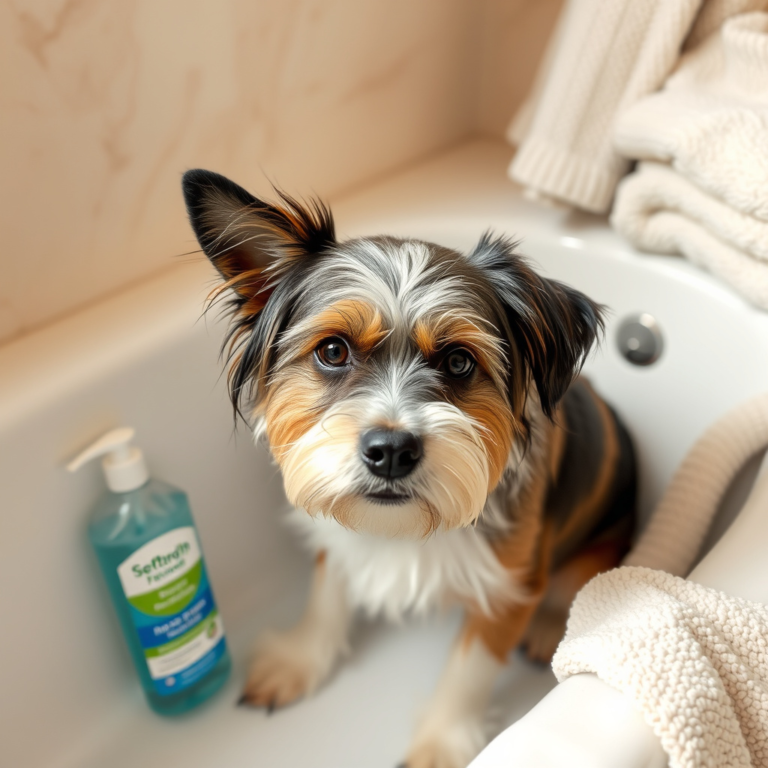
Can You Bathe a Dog with Vinegar? Safe Steps and What Really Works
You can bathe a dog with diluted vinegar, especially apple cider vinegar, for light skin cleaning and to relieve itching. Always dilute it well and do a spot test 24 hours before the full bath to check for allergic reactions. Vinegar baths work best for dogs with minor skin irritations or fleas but are not a cure-all and must be applied carefully.
This advice suits dog owners looking for natural bathing alternatives to ease itchiness or control fleas without harsh chemicals. You’ll find clear steps on preparing, applying, and timing vinegar baths safely, along with tips on choosing the right vinegar type and avoiding common pitfalls.
Key Takeaways
- Use a 50/50 dilution of apple cider vinegar and water for safe dog baths.
- Spot test diluted vinegar on your dog’s skin 24 hours before full application to check for irritation.
- Apply vinegar baths every two days until fleas are gone, but no longer than 30 days without results.
- Never apply vinegar to open wounds or very sore skin to avoid discomfort or burns.
- Store diluted vinegar sprays safely for up to one month to keep potency and freshness.
- Apple cider vinegar lowers skin pH only briefly, so frequency and proper dilution matter for effectiveness.
Can You Safely Bathe a Dog with Vinegar?

Bathing a dog with vinegar can be safe when you use the correct type and dilution. Apple cider vinegar is the most commonly recommended variety due to its mild acidity and natural antimicrobial properties, which can help maintain healthy skin and reduce itchiness. Use one part apple cider vinegar mixed with three parts water for a gentle bath solution. This keeps the acidity low enough to avoid irritation while still offering benefits. White vinegar also works but tends to be harsher, so it’s best used in smaller amounts or as a spray rather than a full bath.
Not all dogs are suitable candidates for vinegar baths. Avoid vinegar if your dog has broken skin, open wounds, sores, or severe irritation, as vinegar’s acidity can cause pain or worsen the condition. Dogs with active infections or those showing signs of pain or worsening redness should be seen by a veterinarian before any home treatment. For healthy dogs with mild itching or a dull coat, vinegar baths can soothe the skin and reduce odor, but only when done carefully.
Start by performing a spot test: dilute the vinegar (half apple cider vinegar, half water) and apply a small amount to a limited area of your dog’s skin. Wait 24 hours to ensure there’s no allergic reaction or irritation. If none appears, proceed with the bath. Fill a tub or basin with lukewarm water and add apple cider vinegar at the 1:3 ratio. Gently wet your dog’s coat, avoiding the eyes, ears, nose, and mouth, and apply the diluted vinegar solution. After soaking for about 5 to 10 minutes, rinse thoroughly with plain water to remove the vinegar and prevent lingering acidity.
Costs involved are minimal, apple cider vinegar typically costs between $5 and $10 per quart and lasts long since you only need small amounts per bath. Use fresh or properly stored diluted vinegar, as a mixture kept for over a month can lose effectiveness. Some dogs dislike the vinegar smell or taste and may resist bathing, so introduce the bath gradually. For instance, try spraying diluted vinegar on their coat first, then slowly increase the contact time.
Remember to never apply undiluted vinegar, as this risks irritating your dog’s skin. For dogs with sensitive skin or allergies, consult a vet to confirm vinegar baths suit your pet. Use vinegar baths as part of a regular maintenance routine rather than as a cure for serious skin issues. In situations of recurring infections, intense itching, or discomfort, professional veterinary care is necessary to properly diagnose and treat the problem before considering home remedies.
Differences Between Apple Cider and White Vinegar for Dogs
Apple cider vinegar (ACV) generally offers a gentler option for bathing dogs compared to white vinegar. Its lower harshness makes it preferable for dogs with sensitive or itchy skin. Both types can neutralize odors and soothe minor skin irritations when diluted properly, but ACV is often favored for its added reputation in helping balance skin pH and relieving mild dryness or itching.
White vinegar is more acidic and stronger, which means it could be too harsh for frequent use or dogs with delicate skin. While it may control fleas or odors effectively, overuse might lead to skin dryness or irritation. Apple cider vinegar tends to be better tolerated, which matters if you’re looking for a safer at-home remedy to reduce itching or moisturize the coat. Neither vinegar guarantees long-term improvement for skin diseases, but diluted ACV rinses have shown temporary benefits in symptom relief.
| Feature | Apple Cider Vinegar (ACV) | White Vinegar |
|---|---|---|
| Acidity Level | Mildly acidic, generally less harsh | Stronger acid content, more potent |
| Effect on Dog Skin | Gentler, may relieve mild itching and dryness | Can irritate sensitive or damaged skin |
| Use for Flea Control | Popular as a natural repellent when diluted | Effective but potentially harsh, less common for flea use |
| Odor Neutralization | Good, leaves coat shiny and soft | Effective but may dry out coat |
| Dilution for Bathing | 1 cup ACV per 2, 4 cups water (50/50 dilution common) | Similar dilution needed to avoid irritation |
| Precautions | Avoid eyes, open wounds; test on skin beforehand | Same precautions apply; more risk of discomfort |
To apply a vinegar rinse safely, dilute either vinegar with water in equal parts or more water to minimize skin irritation. After bathing your dog with a regular pet shampoo, use a sponge or sprayer to apply the vinegar solution, avoiding the eyes and any wounds. Leave it on for a few minutes before gently rinsing or air drying the coat. ACV’s gentleness means you may use it a bit more frequently, but watch for any dryness or irritation to adjust usage.
Always do a patch test 24 hours before full application to check for adverse skin reactions, especially with white vinegar due to its higher acidity.
Choosing between apple cider vinegar and white vinegar depends on your dog’s skin sensitivity and the treatment goal. ACV is preferable for routine skin soothing and light flea deterrence. White vinegar might be reserved for stronger odor control or flea issues, but must be applied cautiously to prevent skin damage. Both types are relatively affordable and easy to find, making vinegar rinses a convenient natural option when used correctly and not overdone.
How to Prepare and Apply a Vinegar Bath to Your Dog
To bathe your dog with vinegar effectively and safely, you need to prepare a properly diluted solution, perform a spot test to avoid allergic reactions, then carefully apply and rinse the vinegar bath. Following clear steps ensures that the vinegar helps your dog’s skin and coat without causing irritation.
Dilution Ratios for Safety
Always dilute vinegar before applying it to your dog to prevent skin irritation. A common and safe ratio is one part apple cider vinegar to one part water. Keep the mixture simple and avoid adding other ingredients that might cause adverse reactions.
Use lukewarm water when preparing your bath to keep your dog comfortable. Avoid using vinegar undiluted, as it is too harsh for your dog’s sensitive skin and coat. Precise measuring helps maintain a safe concentration that is effective yet gentle.
Performing a Spot Test on Your Dog
Before bathing your dog with vinegar all over, do a spot test to check for any allergies or sensitivities. Choose a small patch of skin that is easy to observe and apply a small amount of the diluted vinegar solution.
Allow 24 hours after the spot test to monitor for signs of redness, itching, or irritation. If your dog’s skin reacts negatively, do not proceed with the vinegar bath and consult your veterinarian before trying any vinegar application in the future.
Proper Application and Rinsing Techniques
Prepare everything you need before starting the bath, including the vinegar solution in a spray bottle or a container for controlled pouring. Use calm handling and lukewarm water throughout the process to keep your dog relaxed.
Avoid spraying vinegar near your dog’s eyes, nose, or inside the ears. Use a damp cloth to clean sensitive areas with the diluted solution if needed. Thorough rinsing after the vinegar bath is essential to remove residue and prevent irritation. Follow these steps for a safe vinegar bath:
- Inspect your dog’s skin for cuts, hot spots, or raw areas to avoid applying vinegar to damaged skin.
- Mix equal parts apple cider vinegar and lukewarm water in a spray bottle or bowl.
- Perform a spot test by applying a small amount of the mixture on a patch of skin; wait 24 hours to check for reactions.
- Wet your dog’s coat with lukewarm water and apply the diluted vinegar solution evenly using a spray bottle or controlled pour.
- Gently rub the solution into the skin, avoiding the face and sensitive areas.
- Let the vinegar sit briefly, then rinse your dog thoroughly with lukewarm water to remove all vinegar residue.
- Dry your dog properly, using a towel to avoid chilling.
How Long to Soak and How Often to Give Vinegar Baths
Your dog should stay in a vinegar bath for about five to ten minutes, depending on the area being treated. Vinegar baths can be given every two to three days, but watch your dog’s skin and behavior closely to avoid irritation or other problems. Signs you may need to reduce or stop the baths include redness, increased scratching, licking, or new rashy spots appearing on the skin.
Recommended Soaking Times for Different Areas
For general vinegar baths, letting your dog soak for about five to ten minutes is usually enough to get the benefit without causing skin irritation. Treating specific areas like itchy paws helps when you dip and soak them for up to five minutes. The vinegar solution should be diluted, typically half vinegar and half water, to reduce the risk of skin sensitivity. Avoid soaking sensitive areas such as the ears directly with vinegar, but you can gently wipe around them with a cotton ball dipped in the diluted solution.
Staying within these time frames helps the vinegar do its job, such as repelling fleas or relieving mild itchiness, while preventing the skin from becoming overly dry or red. Your dog might try to jump out or show discomfort when the soak lasts too long or the solution is too strong.
How Often to Use Vinegar Baths Safely
Bathing your dog with a vinegar rinse every two to three days is a common guideline, especially if you are targeting fleas or mild itchy skin. This frequency allows the vinegar’s natural acidity to work against odor and pests while supporting the skin’s natural barrier. Generally, giving vinegar baths more often than every other day can dry out the coat or cause irritation.
For routine care without any skin problems, vinegar baths are usually not needed more than once a week or less. Your veterinarian’s advice is important to follow carefully if your dog has a skin condition or allergies. They might recommend fewer baths or different treatments. Always monitor how your dog responds to vinegar treatments to adjust the frequency accordingly.
Signs You Should Stop or Reduce Vinegar Baths
Redness, increased scratching, licking, or chewing of the skin after a vinegar bath are key signs your dog’s skin may be reacting poorly. New rashy spots or face rubbing can also indicate irritation or sensitivity to the vinegar solution. Notice these signs, then reduce how often you bathe your dog with vinegar or stop completely until you talk to your vet.
Avoid vinegar baths if your dog has raw or broken skin, a rash, or ongoing ear problems. Vinegar’s acidity can worsen these conditions. Keep an eye on your dog’s behavior after each bath and look for any changes like unusual drooling or vomiting, which require veterinary care. Document when symptoms started and how often your dog scratches to help your vet assess the situation.
Adjusting Bath Duration and Frequency for Specific Situations
A dog with dry but intact skin might tolerate slightly longer soaks and more frequent vinegar baths than a dog with sensitive or allergy-prone skin. In cases of seasonal allergies or yeast infections, veterinarians often advise against vinegar baths or suggest combining them with other treatments for best results.
When your dog’s paws are itchy and swollen, short soaks with diluted vinegar for up to five minutes can ease discomfort without overdoing it. For routine coat care or mild odor, you can reduce soak time to just a quick rinse and towel dry afterward.
Costs are minimal since vinegar is inexpensive, and home preparation takes only a few minutes. Vinegar baths require basic supplies: vinegar, water, a tub or basin, a towel, and optionally, a cotton ball for sensitive areas. Performing the bath outside can minimize mess as dogs tend to shake off frequently during rinsing.
Using Vinegar Baths for Flea and Itchy Skin Relief
Vinegar, especially apple cider vinegar, may help with mild flea problems and soothe itchy or irritated skin in dogs, but it is not a reliable killer of fleas or ticks by itself. The acidity in vinegar can create an environment that is less inviting to fleas, which might discourage them temporarily, but it does not eliminate infestations. Applying a diluted vinegar solution (typically one part vinegar to one part water) to your dog’s paws or affected areas can help restore skin’s natural pH and reduce mild itching caused by bacteria or minor irritations. However, vinegar should never be used on raw or broken skin, as its acidity can cause stinging and worsen inflammation.
The effects of vinegar on flea or tick infestations are mild and mostly preventative rather than curative. For dogs that have proofed extensive flea or tick problems, proven treatments like veterinarian-recommended topical flea medications, oral preventatives, or flea collars are safer and more effective. Vinegar may also help with dandruff and add shine to the coat when used occasionally in rinse form after shampooing, but it should not replace shampoos specifically formulated for itchy or sensitive skin.
To use vinegar safely for mild itchiness, mix equal parts of apple cider vinegar and water and apply it to the dog’s paws or itchy areas using a cloth or spray bottle. Avoid soaking or bathing the dog entirely in vinegar as it can dry out the skin and worsen irritation. Use this rinse once or twice a week at most. Adding natural oils like coconut oil after drying can help moisturize the coat and further repel fleas and ticks. If the itchiness persists, increases, or your dog shows signs of raw skin, swelling, or pain, stop using vinegar and consult your veterinarian promptly.
Many dog owners use vinegar baths alongside other gentle remedies. Coconut oil is a common complementary option as it conditions the coat, helps repel parasites, and soothes the skin. Specialized dog shampoos made for allergy-prone or sensitive skin remain the safer first choice for ongoing skin issues. Vinegar alone won’t fix allergy-related dermatitis; clinical studies show it does not reduce the severity of inflammation in allergic dogs.
Apply a diluted vinegar mix carefully to avoid raw or inflamed skin, and always perform a patch test on a small area first to check for irritation before wider use.
Common Mistakes When Bathing Dogs with Vinegar and How to Avoid Them
Using vinegar to bathe your dog can be helpful if done correctly. A common mistake is using vinegar that is too strong. White vinegar is very acidic and can cause skin irritation, especially on sensitive skin. Always dilute vinegar with water in a ratio of at least 1:4, one part vinegar to four parts water, to reduce the chance of dryness or inflammation.
Mixing vinegar with other household products increases risk. Avoid combining vinegar with soaps, shampoos, or cleaners not designed for dogs. Some mixtures can cause chemical reactions or strip your dog’s natural oils, making skin issues worse. Stick to plain vinegar diluted with water or use a mild dog shampoo designed for sensitive skin.
Applying vinegar near your dog’s eyes, ears, nose, or mouth requires extra care. These areas have thinner skin and are more sensitive. Use a soft cloth or sponge to lightly dab vinegar solution on targeted spots. Avoid pouring or spraying directly onto these areas to prevent discomfort or injury. Keep a clean towel handy to wipe away any accidental drips quickly.
- Check your dog’s skin for cuts, open wounds, or sores before bathing; never apply vinegar on broken skin.
- Limit vinegar baths to 2-3 times per week to prevent stripping natural oils and drying skin.
- Thoroughly dilute vinegar to at least 1 part vinegar to 4 parts water before use.
- Use a clean, soft cloth to apply vinegar around sensitive areas gently.
- Rinse your dog well after the vinegar bath unless using it as a spot treatment for itchy areas.
- Do not let your dog lick vinegar-treated skin to avoid stomach upset or irritation.
- Consult your vet to ensure vinegar baths suit your dog’s skin condition and needs.
Pay attention to your dog’s reaction during and after the vinegar bath. Redness, excessive scratching, or unusual dryness means you should stop using vinegar. Careful dilution and gentle application make vinegar baths safer and help you avoid common pitfalls like skin irritation or distress near sensitive spots.
When to Avoid Vinegar Baths and Seek Veterinary Care
Never use vinegar to treat open sores, raw or broken skin, hot spots, or active infections on your dog. Applying vinegar in these cases can cause severe stinging, increase inflammation, and delay healing. When your dog shows any of these symptoms, avoid home remedies and contact a vet right away. Vinegar is not a cure-all for canine skin problems; its antioxidant and antibacterial properties may help mild irritation but won’t replace professional treatment for serious or persistent issues.
Stop using vinegar if your dog’s skin shows signs of worsening redness, swelling, notable pain, or increased itching after a bath. Also, watch for any unpleasant odor or skin breakdown, as these symptoms suggest an infection or allergic reaction that needs veterinary attention. Persistent scratching by your dog may cause open wounds and secondary infections that need professional treatment to heal correctly.
Vinegar should never be applied to your dog’s ears or feet when skin is raw or inflamed. The acidic nature of vinegar can irritate sensitive tissues and worsen discomfort. For instance, apple cider vinegar on broken skin can cause pain and damage, undermining any potential benefits. When uncertain about the severity of your dog’s skin condition, call your veterinary clinic. Describe all symptoms clearly rather than waiting to see if a vinegar bath helps. Vets can guide you on the urgency of care, preventing complications.
Use vinegar cautiously and always avoid it on dogs currently undergoing treatment for skin issues unless your vet approves. In cases of unclear or severe symptoms, prioritize professional evaluation over home remedies. Signs like facial swelling, difficulty breathing, collapse, or severe distress indicate an emergency that requires immediate veterinary help.
Recognizing when vinegar is not appropriate helps protect your dog’s health and prevents worsening skin conditions. Treat mild, non-infected itchiness with properly diluted vinegar baths but consult your vet promptly if symptoms persist, worsen, or involve skin damage. Seeking veterinary advice early can avoid costly treatments and prolonged discomfort for your dog.
Safe Vinegar Bath Variations and Complementary Natural Remedies
Combining vinegar baths with safe additives like baking soda, coconut oil, or certain essential oils can improve your dog’s skin comfort and coat health. Using these natural remedies carefully can improve the antibacterial effects, provide extra moisture, and soothe irritated skin. Proper preparation and storage of these mixtures are key to keeping the treatment effective and safe for your pet.
Safe Additives to Vinegar Baths
Baking soda is an effective additive to vinegar baths, especially if your dog has itchy, body-wide irritation. It neutralizes odors and reduces bacteria. Mix baking soda with water in a 1:1 ratio to create a soothing soak before or after applying a diluted vinegar rinse. Coconut oil can be massaged into the coat and skin after the bath to moisturize and soften the fur. Adding about 10 drops of lavender essential oil per bath is optional but can help calm and repel pests; however, always check your dog’s sensitivity to essential oils before use. Follow these steps to safely add ingredients to a vinegar bath:
- Prepare a diluted vinegar solution (typically one part vinegar to four parts water).
- Add baking soda to water in a separate bowl at a 1:1 ratio if addressing body-wide itchiness.
- Apply the baking soda solution as a pre-soak or rinse if using both treatments.
- Mix the essential oil, if using, directly into the vinegar bath, not exceeding 10 drops total.
- Rinse your dog thoroughly with plain water after the vinegar bath to avoid skin irritation.
- Massage coconut oil into the damp coat once the dog is towel-dried to lock in moisture.
Never use undiluted vinegar or essential oils directly on your dog’s skin without diluting, as they can cause irritation or burns.
Alternative Natural Skin Care Remedies
Besides vinegar baths, you can use natural remedies like coconut oil as a dietary supplement or topical treatment to improve skin health. Coconut oil contains fatty acids that fight bacteria and help maintain a shiny coat. Cornstarch is another option; applying it lightly on oily or greasy areas will absorb excess oils and soften the coat without harsh chemicals.
For itch relief, oatmeal baths are a gentle alternative to vinegar. You can grind plain oatmeal into a powder and mix it with warm water to create a soothing paste or soak your dog, which helps calm inflamed skin naturally. Always observe your dog’s reaction to new treatments and discontinue use if redness or discomfort occurs.
Proper Storage of Vinegar Solutions
Store homemade vinegar mixtures in airtight plastic or glass containers at room temperature away from direct sunlight to preserve their effectiveness. Avoid metal containers, which can react with vinegar.
Label each container with the contents and the mixing date. Use vinegar baths within one week of preparation to ensure potency and reduce the risk of bacterial growth. Before each use, shake the solution to mix any settled ingredients and check for any changes in smell or appearance that might indicate spoilage.
Step-by-Step Action Plan for Bathing Your Dog with Vinegar
Follow these steps to safely give your dog a vinegar bath and monitor how your dog responds.
- Before you start: Test a small patch of your dog’s skin with diluted vinegar (1 part vinegar to 3 parts water) and wait 24 hours to check for irritation.
- Day 1: Prepare a vinegar bath using equal parts water and apple cider vinegar or white vinegar. Apply it gently using a sponge, avoiding eyes and open wounds.
- After application: Let the solution sit for 5 minutes, then rinse your dog thoroughly with lukewarm water. Check your dog’s skin for any signs of redness or discomfort.
- Week 1: Repeat the vinegar bath once every 5 to 7 days if your dog’s skin is itchy or has mild flea issues, watching for improvement.
- After 2 weeks: Evaluate your dog’s skin condition. Should irritation persist or worsen, stop using the product and reach out to your veterinarian.
- Ongoing care: Use vinegar baths sparingly as a maintenance routine, combining with other natural remedies like oatmeal soaks or coconut oil treatments for balanced skin care.
- After treatment: Keep your dog’s bedding clean and check for fleas regularly to support relief from itching.
Frequently Asked Questions
What Is the Best Homemade Shampoo for Dogs?
A mild moisturizing dog shampoo is best for most dogs, especially with dry skin. Homemade shampoos can be made but check ingredients are safe and avoid irritants like harsh acids or essential oils.
What Does a Vinegar Bath Do for Dogs?
A vinegar bath helps alleviate dandruff, itchy skin, and dull coat by removing soap residue and balancing skin bacteria. Use diluted apple cider vinegar after bathing to avoid irritation.
What Can I Use as a Home Remedy to Bathe My Dog?
You can use a diluted apple cider vinegar rinse to soothe itchy skin after a bath. Always perform a spot test first to prevent allergic reactions.
What Is the Best Homemade Dog Wash for Itchy Skin?
A diluted white vinegar rinse is a safe and effective homemade wash that clears bacteria and relieves itch. Avoid vinegar if the skin is broken or severely irritated.
Can Vinegar Baths Remove Fleas from Dogs?
Vinegar can help repel fleas but is not a standalone flea treatment. Use vet-approved flea control products alongside vinegar rinses for best results.
Is It Safe to Bathe a Puppy with Vinegar?
Puppies have sensitive skin, so avoid vinegar baths unless advised by a veterinarian. Use gentle, puppy-specific shampoos instead.
The Bottom Line
Bathing your dog with vinegar can be safe and helpful when done carefully with the right dilution and frequency. It may provide relief for minor skin irritations and fleas but is not a cure-all. Try a patch test first and watch your dog’s reaction closely. Notice any problems? Get in touch with your veterinarian for advice specific to your dog’s needs.