How to Groom Your Dog: A Complete Guide for Every Breed
Knowing how to groom your dog is vital for their health and comfort. Grooming involves brushing, bathing, nail trimming, ear cleaning, and sometimes professional trimming, tailored to your dog’s breed and coat type. Regular grooming prevents skin problems, controls shedding, and keeps your dog feeling fresh.
A dog’s coat varies widely among breeds—from short and smooth to long and curly—so grooming needs differ significantly. Besides aesthetic benefits, grooming helps you spot health issues like ticks, irritated skin, or infections early. Ignoring grooming can lead to matting, discomfort, and even painful health conditions.
This article will cover essential dog grooming steps, including how often to groom based on coat type, tools you need, handling sensitive areas like ears and nails, and tips for keeping your dog relaxed during grooming sessions. Whether you’re a first-time dog owner or looking to refine your routine, these guidelines will help you maintain your dog’s well-being.
Understanding Your Dog's Coat and Grooming Needs
Types of Dog Coats and How They Affect Grooming
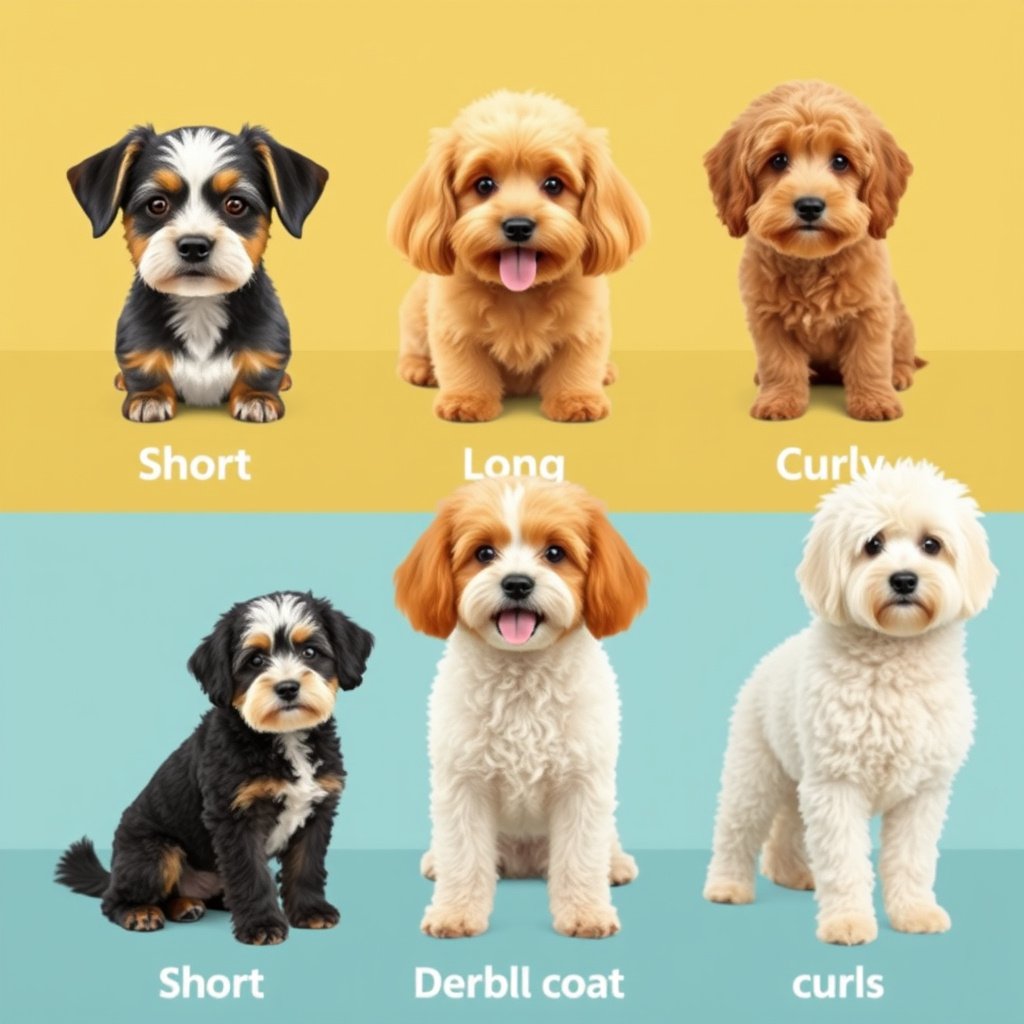
Dog coats fall into categories such as short, medium, long, curly, and double coats. Each coat type demands specific grooming methods and frequency to maintain health and appearance. For example, double-coated breeds shed heavily and benefit from regular brushing to remove loose fur.
Long-haired dogs require frequent detangling to prevent mats, while short-haired breeds are easier to groom but still need occasional brushing to distribute natural oils. Identifying your dog’s coat type helps you choose the right tools and schedule.
- Short coats need weekly brushing
- Long coats require daily brushing
- Curly coats need combing to prevent tangles
- Double coats require special attention during shedding season
How Often Should You Groom Your Dog?
Grooming frequency depends on your dog’s breed, lifestyle, and coat type. Active dogs that spend more time outdoors may need more frequent baths and checks for dirt or pests. Conversely, indoor dogs might need less frequent baths but consistent brushing.
Typically, short-haired dogs groomed once or twice a week stay clean and healthy, but long or curly-coated breeds often require grooming multiple times a week. Regular nail trimming and ear cleaning should be part of every dog’s grooming schedule.
- Short coats: brushing 1-2 times weekly; bathing every 4-6 weeks
- Long/curly coats: daily brushing; bathing every 3-4 weeks
- Nail trimming: every 3-4 weeks
- Ear cleaning: once a week or as needed
Essential Dog Grooming Tools You Should Have
Choosing the Right Brushes and Combs
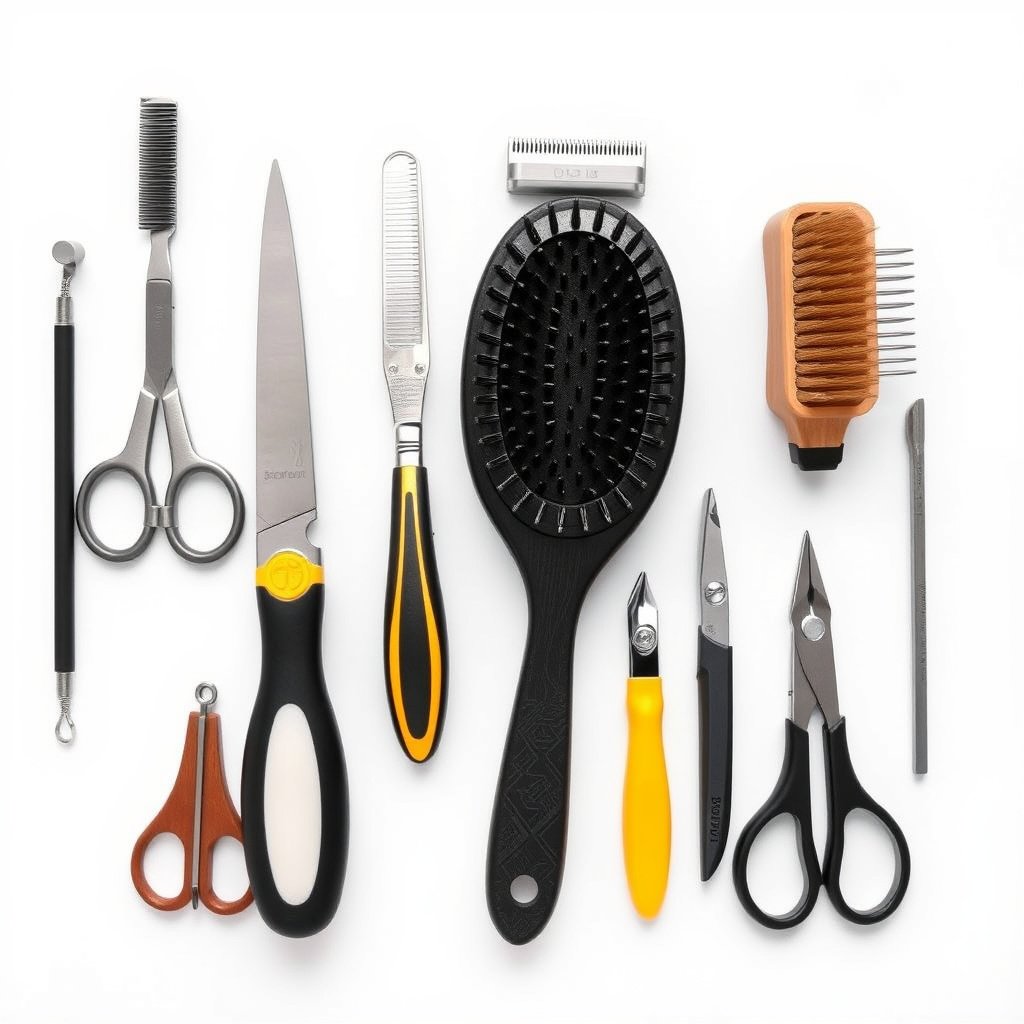
Selecting appropriate brushes depends on your dog’s coat. Slicker brushes work well for removing mats and loose fur in long and curly coats, while bristle brushes are ideal for short-haired dogs to stimulate skin and distribute oils. Metal combs help detangle stubborn knots gently.
Using the wrong brush can cause discomfort or damage the coat, so match the tool to your dog’s specific fur texture and length to promote a smooth grooming process.
- Slicker brush for long or curly coats
- Bristle brush for short coats
- Metal comb for detangling mats
- Undercoat rake for thick double coats
Other Vital Grooming Tools
Besides brushes, having a pair of quality nail clippers designed for dogs is important to prevent overgrowth and discomfort. Ear cleaners formulated for dogs help reduce wax buildup and infections. Depending on the breed, clippers or scissors may be needed for trimming fur safely.
Bath supplies like dog-specific shampoo and towels, along with grooming gloves, can make the process smoother for both you and your pet.
- Dog nail clippers
- Ear cleaning solution
- Dog shampoo
- Grooming scissors or clippers
Step-by-Step Dog Grooming Process
Brushing and Detangling Properly
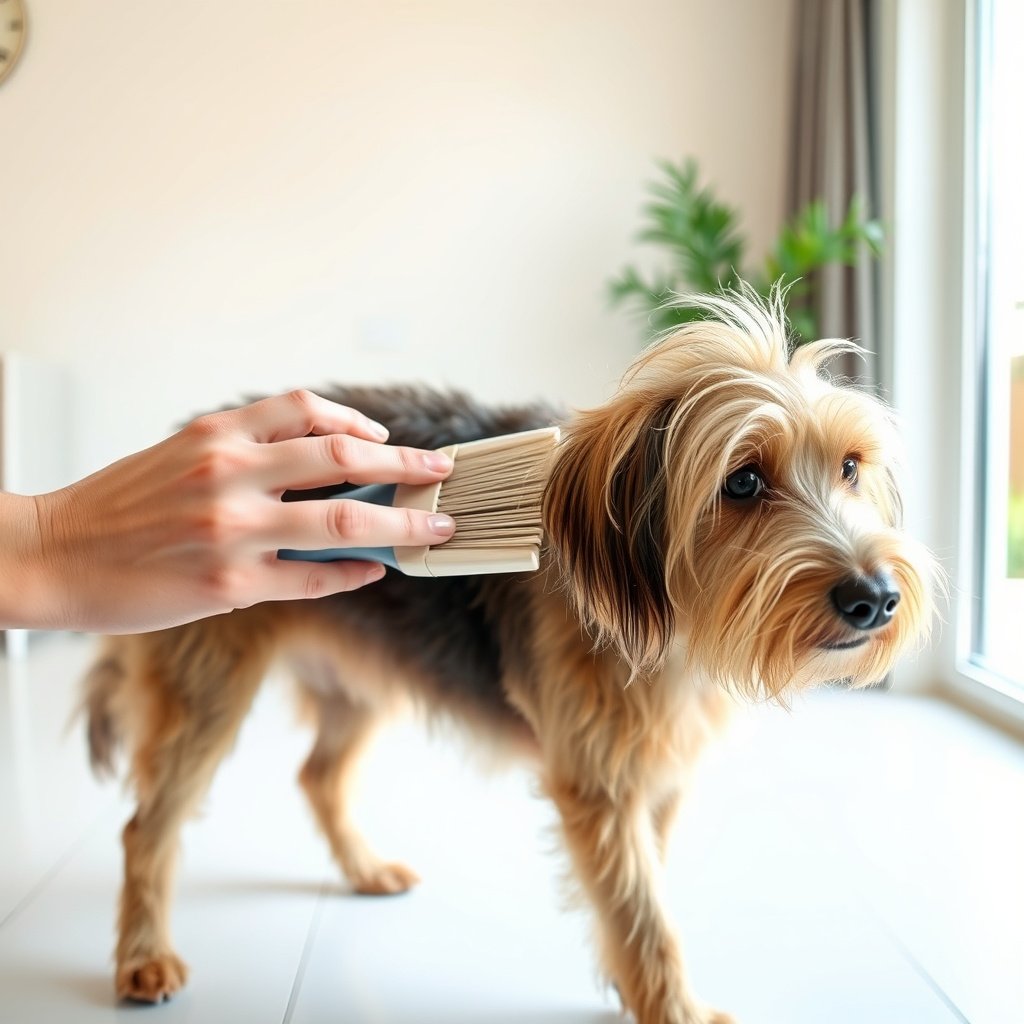
Begin grooming by thoroughly brushing your dog to remove loose fur and small mats. Work gently, especially around sensitive areas like behind the ears and under the legs. For long-haired breeds, detangle knots patiently with a comb or slicker brush to avoid pain.
Regular brushing sessions keep the coat shiny, reduce shedding, and provide a chance to check for skin irritations or parasites.
- Brush in the direction of hair growth
- Use gentle strokes near sensitive spots
- Comb out mats with care
Bathing Your Dog Safely and Effectively
Use lukewarm water and dog-specific shampoo to protect your dog’s skin. Avoid the eyes and inside ears when wetting and shampooing. Rinse thoroughly to prevent irritation caused by leftover soap. Dry your dog with a towel or low-heat dryer for comfort.
Frequent bathing may strip natural oils, so only bathe as needed, depending on your dog’s coat and activity level. Bathing also refreshes your dog and reduces odors.
- Use dog-friendly shampoo only
- Avoid water in eyes and ears
- Rinse shampoo completely
- Dry gently with a towel or dryer
Trimming Nails and Caring for Sensitive Areas
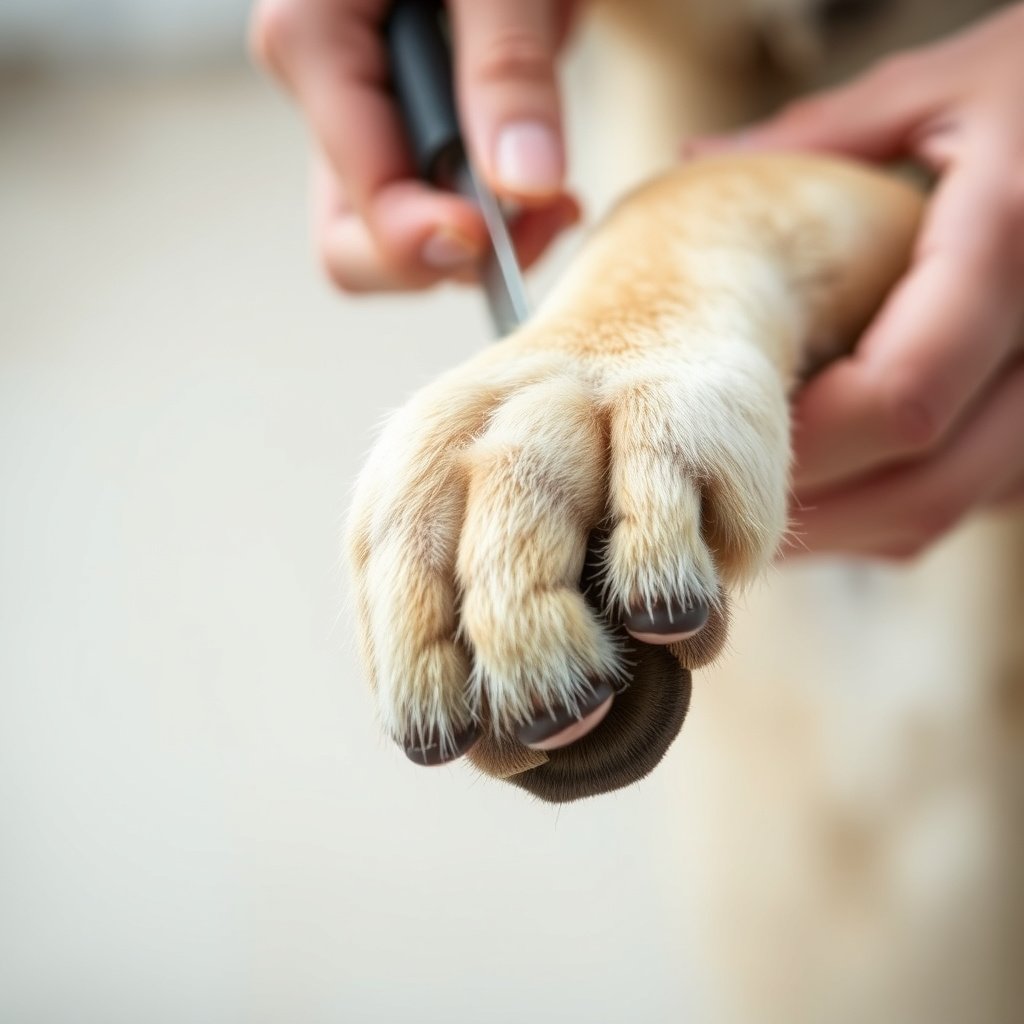
Nail Trimming Techniques for Comfort and Safety
Trim nails slowly using sharp, dog-specific clippers. Avoid cutting into the quick, the blood vessel inside the nail, to prevent pain and bleeding. If unsure, trim small amounts gradually or seek help from a professional.
Regular nail maintenance prevents discomfort, joint issues, and damage from overgrown nails catching on surfaces.
- Trim nails in a well-lit space
- Cut small segments at a time
- Use styptic powder for bleeding if needed
Cleaning Ears and Checking for Health Issues
Clean your dog’s ears with a vet-recommended solution applied to cotton balls. Avoid deep insertion in the ear canal. Inspect ears regularly for redness, odors, or discharge which may signal infections.
Routine ear care helps prevent buildup and keeps sensitive ear tissue healthy.
- Use gentle, dog-safe ear cleaner
- Clean only outer ear folds
- Watch for signs of infection
Handling Grooming Challenges and Keeping Your Dog Calm
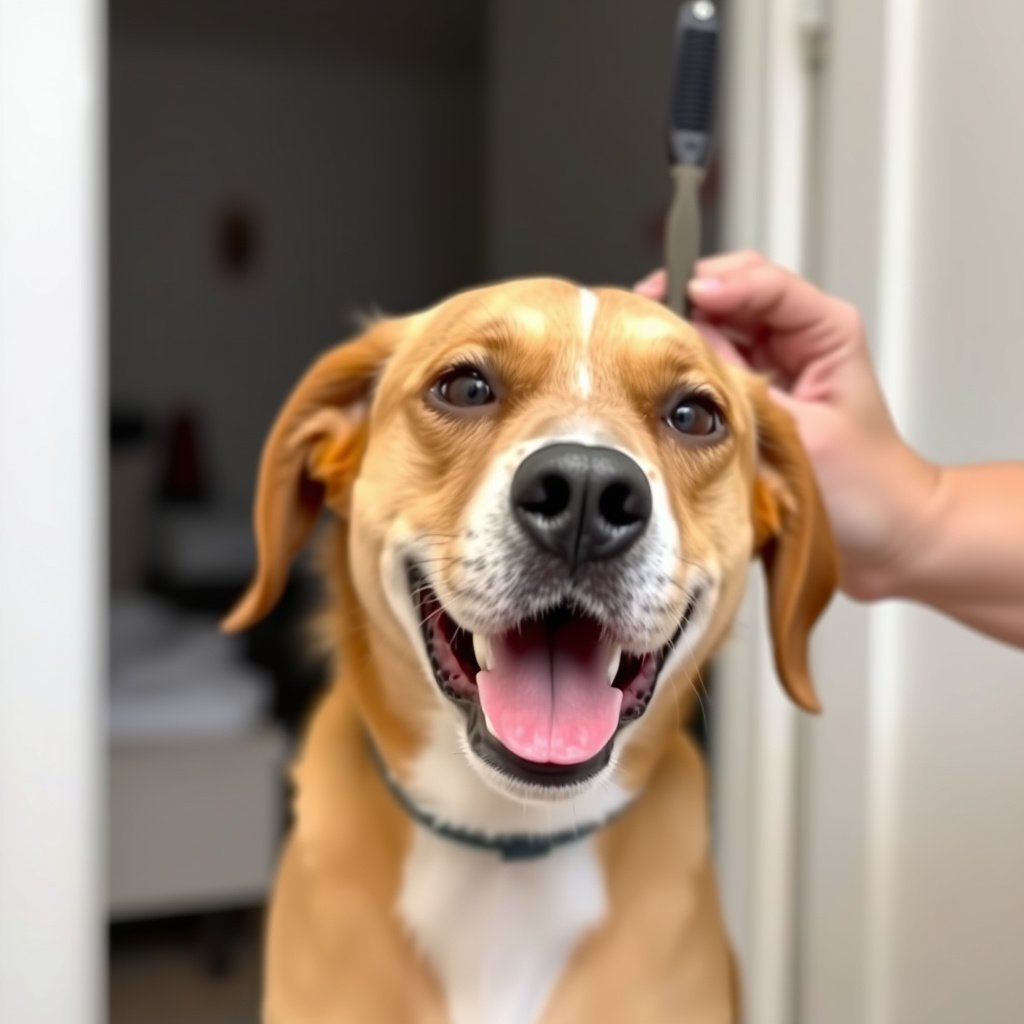
Tips to Reduce Anxiety During Grooming
Many dogs resist grooming due to fear or discomfort. Use treats, slow introductions to tools, and gentle handling to build positive associations. Short sessions work better than long ones, especially for puppies or sensitive dogs.
Consistent routines and praise also help dogs feel safe and less stressed when it's grooming time.
- Use calm, reassuring tones
- Give treats during grooming
- Keep sessions brief and positive
For further details on grooming practices and terminology, the Wikipedia page on dog grooming offers a thorough resource. dog grooming information.
When to See a Professional Groomer
If your dog has severe matting, behavioral issues, or requires breed-specific cuts, a professional groomer can provide expertise safely. Professionals also handle nail trimming and ear cleaning for dogs that don’t tolerate home grooming well.
Scheduling regular visits balances your grooming routine and keeps your dog comfortable and well maintained.
- Seek professional help for mats or difficult coats
- Use groomers for complex haircuts
- Consider professional grooming for anxious dogs
Dog Grooming Tools Category Comparison
Here is a comparison of different dog grooming tools based on their features, suitability, and ease of use.
| Tool Type | Best For | Frequency of Use | Ease of Use | Price Range |
|---|---|---|---|---|
| Slicker Brush | Long and curly coats | Daily to weekly | Medium | $10 – $25 |
| Bristle Brush | Short-haired breeds | Weekly | Easy | $8 – $20 |
| Undercoat Rake | Double-coated dogs | Weekly during shedding | Medium | $15 – $30 |
| Nail Clippers | All breeds | Every 3-4 weeks | Easy | $10 – $25 |
| Ear Cleaner | All breeds | Weekly or as needed | Easy | $8 – $15 |
Frequently Asked Questions
How often should I bathe my dog?
Bathing frequency depends on your dog’s coat and lifestyle, but generally every 3 to 6 weeks is sufficient to keep them clean without drying their skin.
Can I use human shampoo on my dog?
No, human shampoos are not formulated for a dog’s skin pH and can cause irritation. Use only shampoos made specifically for dogs.
How do I stop my dog from resisting grooming?
Start grooming gradually with short sessions, offer treats and praise, and remain calm; consistency helps most dogs get comfortable over time.
When should I take my dog to a professional groomer?
Consider professional grooming for difficult coats, severe matting, breed-specific cuts, or if your dog strongly resists at-home grooming.
Is it necessary to trim my dog’s nails regularly?
Yes, regular nail trimming prevents pain, injuries, and joint problems caused by overgrown nails.
Key Takeaways
- Groom your dog based on coat type and lifestyle for best results.
- Use appropriate grooming tools like slicker brushes and nail clippers tailored to your dog.
- Regular nail trimming and ear cleaning are essential parts of grooming.
- Training your dog to stay calm during grooming makes the process easier and safer.
Conclusion
Deciding how to groom your dog involves matching your approach with their coat type, behavior, and health needs. You should assess whether home grooming fits your dog’s personality and grooming complexity or if professional grooming is more suitable. This mindset allows a practical routine that keeps your pet clean, comfortable, and healthy.
For dogs with simple short coats, a weekly brushing with a bristle brush, occasional bathing, and regular nail trims will maintain their wellbeing effectively. Long-haired breeds or double-coated dogs benefit from daily or frequent brushing with slicker brushes and undercoat rakes to prevent mats and shedding issues. Professional groomers especially help with breed-specific haircuts or challenging temperaments.
Starting with basic tools and patience is key when learning how to groom your dog properly. Prioritize gentle handling, positive reinforcement, and regular care habits over rushed, occasional grooming sessions. If needed, don’t hesitate to schedule professional help. Keeping a consistent grooming schedule ensures your dog stays clean, healthy, and happy throughout their life.