
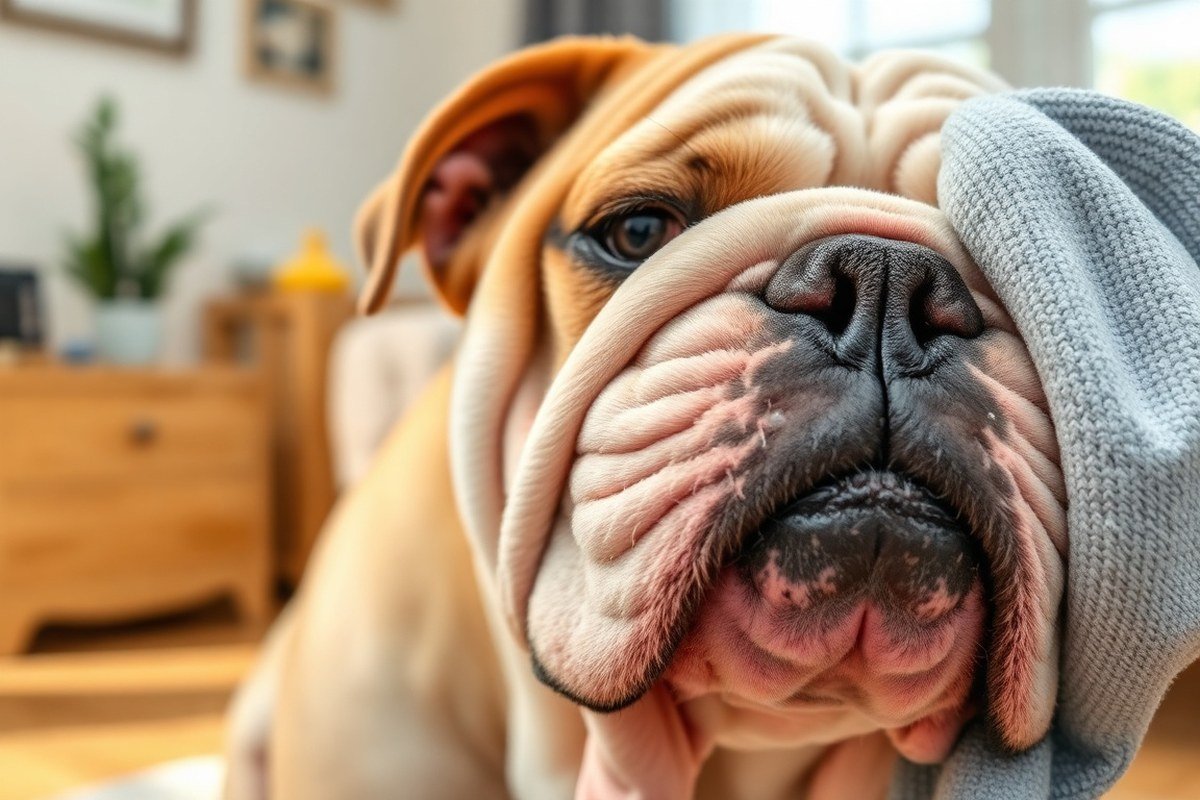
How to Clean a Dogs Wrinkles: A Complete Guide with Proven Steps
Cleaning your dog’s wrinkles safely and effectively requires gentle wiping with appropriate products, frequent inspection, and thorough drying to prevent irritation or infection. Use veterinary-grade wipes containing chlorhexidine and miconazole to manage bacteria and fungi commonly found in folds. This advice is essential if you own breeds like Bulldogs, Pugs, or Shar Peis, who have deep facial wrinkles prone to skin issues.
Understanding how to clean a dogs wrinkles properly helps maintain your pet’s skin health and comfort, avoiding painful infections and bad odors. This article provides clear steps, product tips, and signs of trouble so you can keep your dog’s skin fold care routine simple, safe, and effective.
Key Takeaways
- Clean your dog’s wrinkles at least twice a week to prevent buildup and infections in skin folds.
- Use hypoallergenic, pH-balanced wipes with 2% chlorhexidine and miconazole for antimicrobial protection.
- Dry wrinkles completely after cleaning to stop moisture that encourages bacteria growth and skin irritation.
- Avoid human products; select dog-specific, gentle formulas with ingredients like aloe vera and calendula.
- Inspect skin folds daily for redness, swelling, sores, or unusual odor lasting more than two days.
- Incorporate wrinkle cleaning into your dog’s daily grooming routine to maintain skin health and comfort.
How to Clean a Dog’s Wrinkles Safely and Effectively
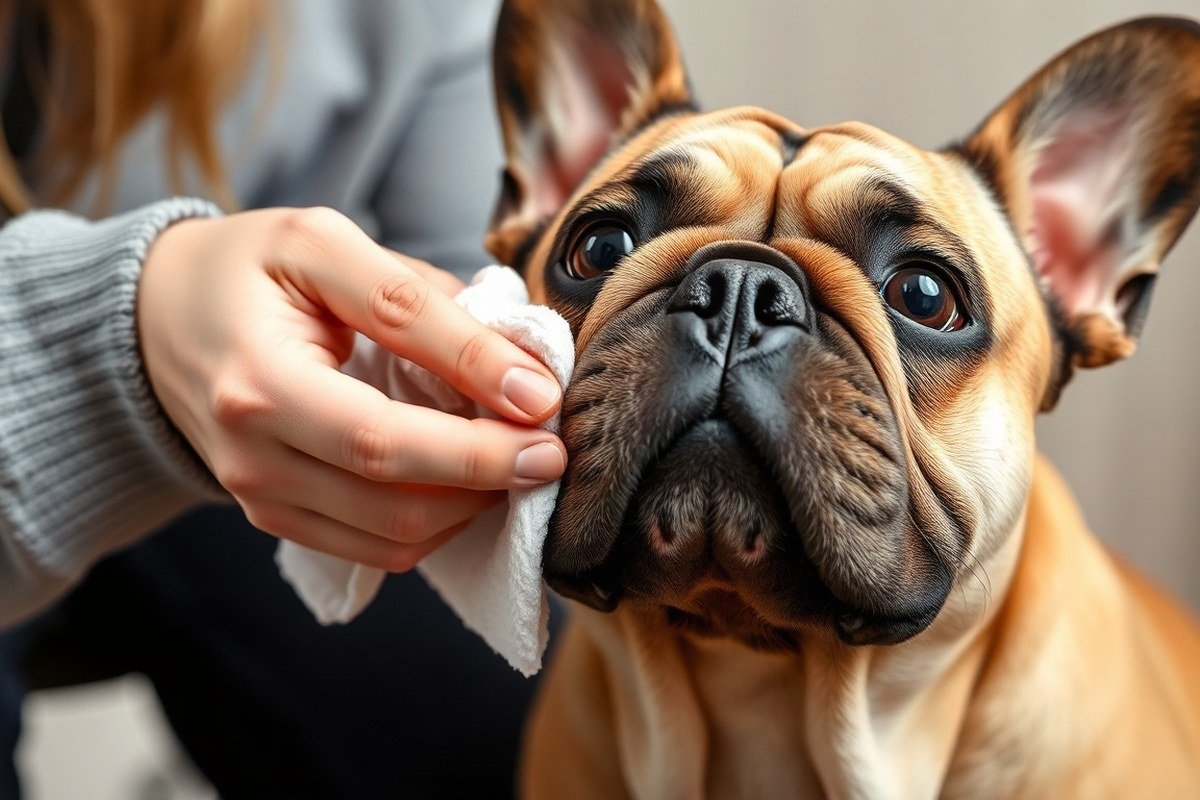
Cleaning your dog’s wrinkles safely starts with a gentle approach using the right tools and products. Wrinkly breeds like Bulldogs, Pugs, and Shar-Peis have folds that trap moisture and dirt, making them prone to irritation and infections if not cared for. A warm, damp washcloth or pet-safe wipe containing chlorhexidine, an antiseptic, is recommended for effective cleaning without causing harm.
Avoid harsh chemicals such as rubbing alcohol, human shampoos, or fragranced products, which can irritate your dog’s skin. Homemade solutions like diluted apple cider vinegar are sometimes used, but always check with your vet to ensure they are safe for your dog’s specific skin condition. After cleaning, drying the folds thoroughly with cotton balls or a soft towel is essential to prevent yeast and bacterial growth.
- Wash your hands thoroughly before starting to prevent transferring bacteria to your dog’s skin.
- Choose a calm time when your dog is relaxed, such as after a walk or playtime, to make the process easier and less stressful.
- Moisten a soft washcloth or pet wipe with warm water or a gentle chlorhexidine solution (around 2%) to clean each wrinkle carefully. Avoid harsh scrubbing; instead, gently wipe inside the folds to remove dirt and debris.
- Use cotton balls or a soft towel to dry the wrinkles completely, reducing the risk of infections by keeping the skin dry.
- Inspect the skin folds for redness, discharge, or odor, which might indicate infection requiring veterinary attention.
- Repeat this cleaning routine based on your dog’s needs and vet recommendations, typically a few times a week or more often in humid weather or after muddy walks.
- Skip oils unless directed by a vet, since applying oils may trap moisture and increase infection risk, despite some having antimicrobial properties.
Why Regular Wrinkle Cleaning Is Essential for Your Dog’s Health
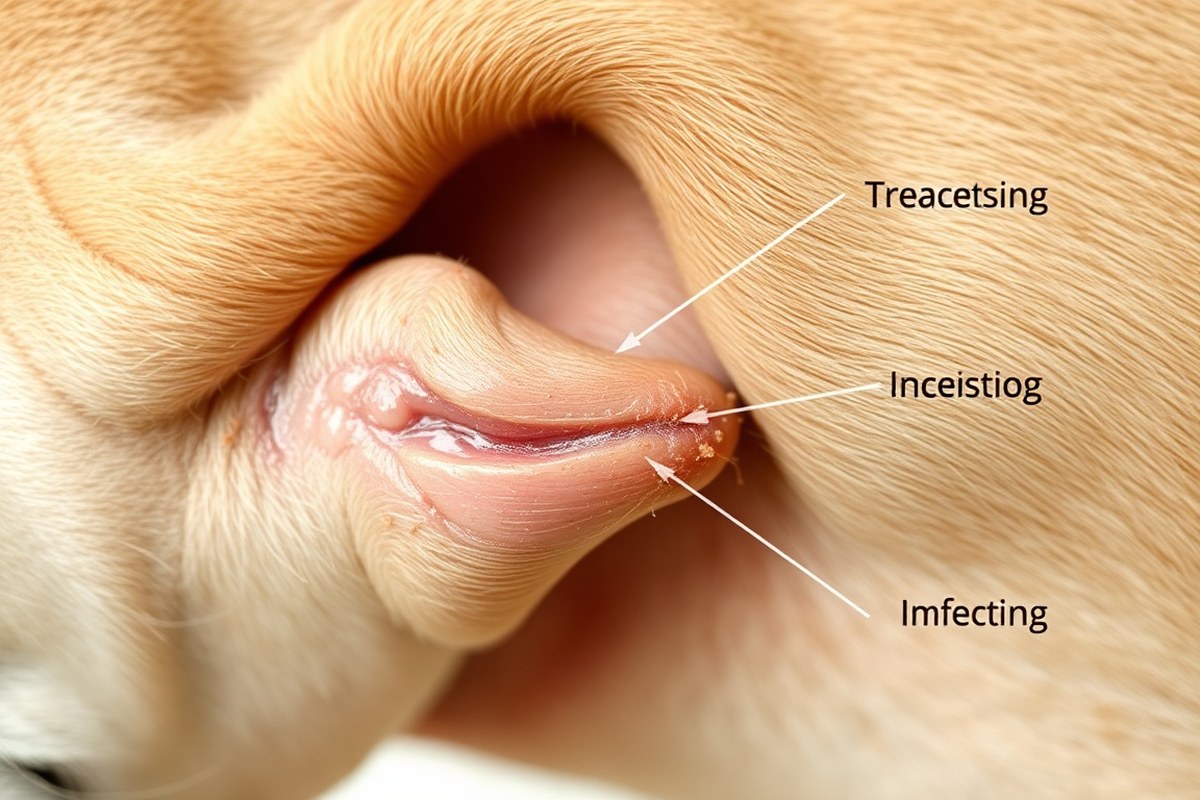
Your dog’s wrinkles need regular cleaning to keep them healthy and comfortable. Wrinkles naturally trap moisture, dirt, and debris, creating an environment where bacteria and yeast can multiply quickly. This buildup leads to skin fold dermatitis, a painful infection that causes redness, itching, and unpleasant odors. Failure to address this condition can lead to worsening symptoms and permanent skin damage for your dog.
Cleaning your dog’s wrinkles every day using a soft, damp cloth with warm water keeps dirt and moisture from building up and causing bacterial growth. Spending 5 to 10 minutes gently wiping these folds daily reduces discomfort and lowers the risk of expensive vet visits. Regular grooming that includes wrinkle care also allows you to detect early signs of irritation before infections take hold.
Neglecting wrinkle cleaning increases the risk of bacterial or yeast infections that may require antibiotics or medicated shampoos. Infected skin folds can become sore and lead to excessive scratching, which damages the skin and invites secondary infections. Over time, chronic inflammation from untreated infections can cause scarring or changes in your dog’s skin texture. These effects diminish your dog’s quality of life and may require medical intervention.
Dogs with more pronounced or deeper wrinkles face higher risks because their skin folds trap even more moisture and debris. Hot and humid conditions further increase the likelihood of infections by creating ideal growth conditions for microbes. Keeping wrinkles clean and dry is important, especially if your dog frequently swims or spends time outdoors. Drying the folds thoroughly after cleaning stops moisture from lingering and causing irritation.
Regular cleaning reduces the cost and effort of treating infections by preventing problems before they start. Prices for veterinary visits to address skin infections can range from $50 to several hundred dollars depending on treatment. Investing a few minutes daily in wrinkle care not only helps maintain skin health but also contributes to your dog’s overall wellbeing by avoiding discomfort and pain caused by untreated conditions.
Use a soft cloth and warm water for daily wrinkle cleaning; avoid harsh chemicals that can irritate your dog’s sensitive skin and worsen infections.
Choosing the Right Products and What to Avoid
Choosing the right products for cleaning your dog’s wrinkles is essential to keep the skin healthy and avoid irritation. Use gentle, natural ingredients designed for dogs and avoid human skincare products or harsh chemicals. Medicated wipes can be safe when used correctly and under guidance.
Safe Products for Cleaning and Protection
Look for wrinkle wipes or creams specifically made for dogs that include natural ingredients like shea butter, coconut oil, aloe vera, and calendula. These components help moisturize, soothe, and protect the delicate skin without trapping moisture or causing allergic reactions. For example, Natural Dog Company Wrinkle Wipes and Petpost Bulldog Wrinkle Wipes offer organic, safe formulations tailored for sensitive dog skin.
Soft cotton pads infused with natural oils provide effective cleaning of folds while creating a protective barrier. You can also gently apply a small amount of coconut oil or similar natural oils to the wrinkles to moisturize and prevent cracking, but always avoid human moisturizers that might contain harmful additives.
Harmful Ingredients and Their Effects
Avoid products designed for humans, as they often contain fragrances, alcohol, parabens, or synthetic chemicals that may irritate your dog’s skin or disrupt natural oils. Harsh shampoos and soaps can strip the barrier that keeps wrinkles healthy, increasing the risk of inflammation or infection.
Chlorhexidine is an antiseptic sometimes found in wipes but should be used carefully, avoiding contact with eyes. Repeated exposure to harsh ingredients may cause redness, itching, or worsen existing skin problems in folds. If unsure about a product’s safety, consult your veterinarian before use, especially for dogs with extreme skin sensitivity or allergies.
Medicated Options and When to Use Them
Medicated wipes like VetOne KetoHex or Duoxo Chlorhexidine wipes contain antiseptics that target bacteria and yeast. These are typically safe for facial use as long as you prevent the product from getting into your dog’s eyes. Use medicated wipes only when advised by a veterinarian or if you notice signs of infection such as redness, discharge, or foul odor.
These wipes can complement regular cleaning routines but are not recommended for daily use, as overuse could lead to dryness or disrupt the skin’s microenvironment. Always follow label instructions and cure time to avoid complications. Here is a comparison table of common wiping and moisturizing options for dog wrinkles:
| Product | Key Ingredients | Use | Special Features |
|---|---|---|---|
| Natural Dog Company Wrinkle Wipes | Shea butter, Rosemary Extract, Calendula | Daily cleaning and moisturizing | Organic, hypoallergenic, forms protective barrier |
| Petpost Bulldog Wrinkle Wipes | Aloe, Coconut Oil | Gentle cleaning for sensitive skin | Plant-based, hypoallergenic |
| Squishface Wrinkle Wipes | Natural deodorizing ingredients | Cleaning plus tear stain removal | Large 5″x7″ size for easy use |
| VetOne KetoHex Antiseptic Wipes | Chlorhexidine | Treat skin infections | Use only under vet guidance, avoid eyes |
| Coconut Oil (Natural) | Natural oils | Moisturizing and skin soothing | Apply sparingly, avoid heavy buildup |
Choosing the right product means matching it to your dog’s specific skin needs and sensitivity level. Natural ingredients support wrinkle health by avoiding irritation while providing moisture and protection.
How Often Should You Clean Your Dog’s Wrinkles?
Cleaning your dog’s wrinkles daily or every few days is ideal, especially for breeds like Bulldogs, Pugs, and Shar-Peis that have deep skin folds prone to moisture and bacteria buildup. Dogs with active outdoor lifestyles or who tend to get dirty quickly may need more frequent cleaning to prevent infections or skin irritation. The goal is to keep wrinkles free from dirt and moisture without drying out the sensitive skin underneath.
Bathing your dog more often than usual just because of wrinkles is not always necessary and can sometimes cause skin dryness or irritation. Instead, focus on gentle spot cleaning of the folds with a mild, natural dog shampoo or a water and vinegar solution to maintain hygiene between full baths. Over-bathing, especially with harsh shampoos, can remove protective oils, so consult a groomer who knows wrinkle-prone breeds about the best schedule for your dog.
Seasonal factors also affect wrinkle care. In warmer months or humid climates, wrinkles can trap sweat and dirt, increasing the risk of yeast infections and rashes, so you might need to clean the folds more often during this time. Conversely, in colder or drier months, reduce cleansing frequency to avoid skin drying. Always monitor your dog’s skin condition and adjust based on signs like redness, odor, or excessive scratching.
- Clean wrinkles daily or every few days for breeds with deep skin folds
- Use warm water with mild soap or a water-vinegar mix for gentle cleaning
- Dry wrinkles thoroughly after each cleaning to prevent moisture buildup
- Adjust cleaning frequency based on your dog’s outdoor activity and dirt exposure
- Consult a specialized groomer or veterinarian for personalized recommendations
- Increase cleaning in hot, humid seasons; decrease during cold, dry seasons
- Avoid over-bathing with harsh shampoos to protect sensitive skin oils
Following a consistent cleaning schedule tailored to your dog’s breed, lifestyle, and seasonal needs helps prevent skin infections and keeps wrinkles healthy. When cleaning, gently wipe the folds with a soft cloth dampened with your chosen solution and always dry carefully with a towel. Watch for changes like redness or smell, which signal a need to see a veterinarian for further care.
Breed-Specific Wrinkle Care Tips and Considerations
Wrinkle care varies by breed due to differences in wrinkle location, skin sensitivity, and typical problem areas. Tailoring your cleaning approach to your dog’s specific needs prevents infections and keeps their skin healthy. Focus on the most common wrinkled breeds like French Bulldogs, Shar-Peis, and Pugs, while adjusting methods for mixed or less wrinkly dogs.
French Bulldogs and Their Facial Wrinkles
French Bulldogs have prominent facial wrinkles primarily around the nose, between the eyes, and above the muzzle. These folds tend to trap food, saliva, and dirt, which can lead to irritation or infections if not cleaned thoroughly. Regular daily cleaning with a gentle wipe or damp cloth moistened with a mild, vet-approved cleanser helps maintain hygiene.
Pay special attention after meals to wipe away trapped food particles. Dry the wrinkles completely with a soft towel, since moisture left in folds creates an ideal environment for bacteria and yeast. Avoid harsh scrubbing because their skin is sensitive, and use a soft touch to prevent redness or soreness. Recommended routine for French Bulldogs includes:
- Daily wrinkle cleaning focused around the nose and muzzle
- Use hypoallergenic wipes or gentle pet cleansers
- Thorough drying after cleaning to prevent moisture buildup
- Check wrinkles regularly for redness or bad odor
- Trim excess hair in wrinkles if needed for easier cleaning
Moisture left in French Bulldog wrinkles can quickly lead to infections, so never skip thorough drying after cleaning.
Shar-Pei Skin Fold Maintenance
Shar-Peis have deep, loose skin folds covering their face, neck, and sometimes the body. Their large wrinkles are prone to collecting dirt and moisture, increasing the risk of skin fold dermatitis. Shar-Pei owners should clean these folds daily with specialized skin fold wipes or a dilute antiseptic solution recommended by a vet.
Cleaning a Shar-Pei requires lifting each fold gently and cleaning inside the creases to remove debris or buildup. Keeping the folds dry is critical; use a clean towel or air-dry the skin in warm rooms. Occasionally, applying a vet-approved barrier cream can protect the folds from irritation.
Pug Fold Cleaning and Sensitivities
Pugs commonly have deep facial wrinkles that often develop tear stains and can harbor yeast or bacterial infections. These dogs’ skin is particularly sensitive, so choosing non-irritating, pH-balanced cleansers is important. Daily cleaning with pet-safe wipes minimizes food residue, dirt, and moisture buildup.
Focus cleaning around the nose and between the eyes where tear stains appear most. Be gentle to avoid causing reddening or soreness. Due to potential food allergies contributing to skin issues, monitoring your pug’s diet alongside wrinkle care can help reduce flare-ups.
Tips for Mixed and Less Wrinkly Breeds
Dogs with mild wrinkles or mixed breeds still benefit from wrinkle care but often require less frequent or intense cleaning. You can clean skin folds every other day unless you notice trapped debris or odors. Use mild, fragrance-free wipes or a soft cloth with water for routine maintenance.
Check less wrinkly dogs weekly for signs of irritation, especially if they spend time outdoors or eat messy foods. Regular grooming including brushing and trimming excess hair supports wrinkle health by preventing dirt accumulation. Avoid over-cleaning, which can dry out the skin and cause irritation in breeds with minimal wrinkles.
- Adjust cleaning frequency based on wrinkle depth and skin condition
- Always use gentle products designed for sensitive skin
- Dry folds carefully after cleaning to avoid moisture buildup
- Monitor skin for redness, swelling, or unusual odors
- Visit your vet at the first sign of persistent skin problems
Recognizing Problem Signs and When to See a Veterinarian
Spotting signs of irritation or infection in your dog’s wrinkles is key to maintaining their skin health. Wrinkles trap moisture, dirt, and bacteria, which may lead to redness, foul smells, or inflammation. Notice persistent moisture, redness, itching, swelling, or an unusual odor as signs the skin might be infected or irritated. Prompt action is needed to prevent worsening conditions like skin-fold dermatitis or bacterial infections such as pyoderma. For your safety and your dog’s comfort, follow this checklist regularly to evaluate the condition of your dog’s wrinkles:
- Check for persistent redness or raw skin inside the folds
- Notice any foul or sour smells coming from the wrinkles
- Look for swelling, thickened skin, or scabs within the creases
- Observe if your dog is scratching, licking, or rubbing the affected areas excessively
- Detect any discharge, pus, or oozing from the folds
- Feel for unusual warmth compared to surrounding skin
- Identify any changes in your dog’s behavior, such as irritability or reluctance to be touched
Spotting one or more of these signs calls for quick action. Start by gently cleaning the wrinkles with a veterinarian-recommended cleanser designed for skin folds. Avoid harsh chemicals or human products, which can worsen irritation. After cleaning, thoroughly dry the folds to reduce moisture build-up. Applying a small amount of a vet-approved crease care product can help keep the skin moisturized and reduce the risk of infection.
Seek professional help immediately if redness or odor persists beyond 48 hours despite cleaning, or if your dog shows signs of pain or discomfort. Your veterinarian will conduct an examination to identify underlying causes such as bacterial or yeast infections, allergies, or other dermatological issues. They may prescribe topical or oral treatments including antibiotics or medicated shampoos, and offer guidance on ongoing wrinkle care tailored to your dog’s needs.
Timely veterinary intervention not only treats current infections but also prevents complications like chronic skin problems or deeper infections that can be costly and difficult to manage. Monitoring and maintaining your dog’s wrinkles regularly reduces the risk of recurring issues and helps keep your dog comfortable and healthy.
Incorporating Wrinkle Cleaning into Your Dog’s Daily Grooming
Building wrinkle cleaning into your dog’s daily grooming ensures you keep those folds healthy without adding stress to either of you. This routine usually takes just five to ten minutes and becomes easier with consistency. Handling a dog resistant to cleaning requires patience, gentle methods, and rewards to make the time positive for your pet.
Creating a Calm and Consistent Routine
Start by choosing a quiet spot where your dog feels safe, ideally the same place and time each day. Establishing consistency helps your dog accept the process as normal. Keeping grooming short, calm, and focused on positive interaction reduces resistance.
For wrinkle cleaning, taking just five to ten minutes daily is enough, depending on the depth of the folds. Begin when your dog is relaxed, such as after a walk or playtime. The goal is to make wrinkle care part of your grooming rhythm, not a separate chore.
Combining Wrinkle Care with Bathing and Coat Grooming
Integrate wrinkle cleaning with your dog’s regular grooming tasks to save time and increase efficiency. For example, clean wrinkles before brushing their coat or during bath time when skin folds are softer and easier to clean. Dogs with deep wrinkles, like Bulldogs or Shar Peis, might need daily wipe-downs between baths. Here’s a simple routine to combine wrinkle care with broader grooming:
- Prepare your supplies: gentle wrinkle cleaner, soft cloth or cotton pads, treats, and a towel.
- Start with a brief wipe of the wrinkles using a dampened cloth or cleaner before coat brushing.
- Brush your dog’s coat gently, rewarding them with praise or treats to maintain calm.
- Finish by checking and cleaning mouth folds or tail pockets as needed.
- Use bath times weekly or as needed for a deeper clean, ensuring wrinkles are fully dried after.
Tips for Patience and Rewarding Your Dog
For dogs who resist wrinkle cleaning, keep sessions short and break them into small steps over several days. Use calm voices and avoid sudden movements. Pair each step with treats or a favourite toy to create positive associations.
Follow a script like: “Let’s check your wrinkles now,” gently touch the folds, then immediately reward. Repeat this consistently until your dog anticipates grooming as a pleasant experience. Offering breaks and playtime between care sessions can also reduce stress.
Supporting Wrinkle Health Through Diet, Supplements, and Environment
Proper nutrition and a healthy living space play major roles in maintaining your dog’s skin and wrinkle health. Feeding a diet full of vitamins, minerals, and omega fatty acids is key for wrinkly breeds. These nutrients keep the skin nourished and flexible, which lowers chances of irritation and infections in folds. Omega-3 and omega-6 fatty acids from fish oils and certain supplements help protect the skin’s barrier and calm inflammation. For instance, providing a fish oil supplement recommended by your vet, measured by your dog’s weight, can improve skin and coat over several weeks to months.
Consult your veterinarian before introducing supplements to ensure the right type and amount. A typical dosage for fish oil ranges from 100 to 300 mg per 10 pounds of body weight daily, but this varies. Vitamins A, E, and zinc also play a role in skin repair and resilience. A well-rounded commercial dog food formulated for skin health usually meets these needs. Homemade diets should be carefully planned with professional input to avoid deficiencies or excesses.
Environmental factors influence wrinkle health as well. Keeping your dog’s living area clean and dry helps prevent bacterial and yeast growth in skin folds. Humidity and moisture trapped in wrinkles create an ideal environment for infections. Avoid prolonged exposure to damp bedding or hot, humid conditions without air circulation. Regular ventilation and washing of bedding can minimize risks. In colder or dry environments, using veterinarian-approved moisturizers after wrinkle cleaning can prevent excessive dryness and cracking, which might lead to inflammation.
Active lifestyles contribute indirectly by improving circulation and overall skin vitality. Gentle massages around the wrinkles encourage blood flow and can improve skin texture. Aim for short daily massage sessions lasting a few minutes each to stimulate the skin without causing discomfort. Maintaining an active, healthy weight prevents excessive skin folding unrelated to breed, which can add to skin problems.
Avoid applying human skincare products on your dog’s wrinkles, as they can irritate delicate canine skin and worsen issues.
Step-by-Step Action Plan for Cleaning Your Dog’s Wrinkles
Use this plan to keep your dog’s wrinkles clean and healthy without causing irritation or discomfort.
- Before you start: Gather gentle, dog-safe wipes or a soft cloth, warm water, and a vet-recommended wrinkle cleanser. Confirm no signs of redness or bad odor before cleaning.
- Daily: Wipe your dog’s wrinkles gently once a day, especially after meals or outdoor time, to remove dirt and moisture. Check for any irritation after wiping.
- Weekly: Use a mild cleanser once a week to deep clean the wrinkles. Rinse thoroughly and dry completely to prevent moisture buildup.
- During grooming sessions: Inspect wrinkles closely for redness, swelling, or unusual smells. If you notice any, schedule a vet visit.
- After walks or playtime: Quickly clean wrinkles that collect dirt or debris to avoid skin problems.
- Monthly: Review your wrinkle cleaning products. Replace wipes or cloths to keep the routine hygienic and check product labels for any changes in ingredients.
- Seasonal adjustment: In humid climates, increase cleaning frequency to twice daily to reduce yeast or bacterial growth risks.
- Ongoing: Incorporate wrinkle cleaning into your dog’s feeding or resting routine to make it easier and more consistent.
Frequently Asked Questions
Can I Use Baby Wipes to Clean My Dog’s Wrinkles?
Baby wipes are not ideal as they may contain harmful chemicals; use pet-specific wipes instead for safe cleaning. They are formulated to be gentle and help prevent skin irritation in wrinkly breeds.
Is It Okay to Trim Hair Around My Dog’s Wrinkles?
Yes, carefully trimming hair around wrinkles can help prevent moisture buildup, which reduces infection risk. Use blunt-tipped scissors and avoid cutting too close to the skin.
Can Dry Skin Cause More Wrinkles in My Dog?
Dry skin does not cause more wrinkles, but it can worsen existing skin problems in wrinkly areas. Keeping skin moisturized and clean helps maintain healthy folds.
Are There Signs My Dog Dislikes Wrinkle Cleaning?
Signs include flinching, whining, or pulling away during cleaning. Stop and try calming techniques or shorter sessions to avoid stress.
Is Warm Water Better Than Cold Water When Cleaning Wrinkles?
Warm water works best as it loosens dirt and oils without irritating skin. Avoid hot water, which can dry out your dog’s skin.
Can Children Help with Wrinkle Cleaning on Dogs?
Children can help only under close supervision to prevent accidental harm to your dog’s sensitive skin folds.
Final Thoughts
Regular cleaning of your dog’s wrinkles is key to avoiding infections and keeping their skin healthy. Start by gently wiping their folds today using a clean, damp cloth. Keeping your dog comfortable and checking often will help you catch issues early and maintain their wellbeing.



4 Comments