How to Prevent Tear Stains in Dogs: Effective Tips for a Cleaner Face
Tear stains in dogs usually result from excessive tearing that leaves reddish-brown marks around their eyes. To prevent tear stains in dogs, focus on cleaning the eyes regularly, maintaining proper grooming, and addressing any underlying health issues such as allergies or blocked tear ducts. Prompt care reduces discoloration and skin irritation around your pet’s eyes.
This matters because tear stains not only affect your dog’s appearance but can also indicate discomfort or infection. Some breeds are more prone to tear stains due to facial structure or genetics, so prevention is especially important for breeds like Maltese, Poodles, or Bulldogs. A clean face promotes better hygiene and reduces the risk of secondary skin problems.
This article will cover the main causes of tear stains, daily care techniques, recommended products, and lifestyle changes to minimize tear staining. Additionally, it reviews professional treatments and offers advice on when to consult your veterinarian for persistent issues.
Understanding the Causes of Tear Stains in Dogs

What Causes Tear Stains?
Tear stains occur when the tears overflow and accumulate pigments, particularly porphyrins, breaking down and leaving reddish-brown discolorations near the eyes. Excess tearing can be caused by eye irritation, allergies, blocked tear ducts, or facial conformation that traps moisture around the eyes.
Breed predisposition plays a large role; dogs with short muzzles, such as Shih Tzus and Bulldogs, or breeds with prominent eyes, tend to have more trouble with tear drainage. Environmental factors like dust and indoor humidity can also exacerbate tear production.
- Porphyrins in tears cause reddish-brown stains
- Blocked or narrow tear ducts increase tear overflow
- Facial folds trap moisture encouraging staining
- Eye irritants and allergies stimulate tearing
Health Conditions Linked to Tear Stains
Certain medical conditions contribute to excessive tearing, which can lead to tear stains. These include conjunctivitis, entropion (inward turning eyelids), and infections. Allergies to food or environmental triggers can also cause chronic eye watering.
Additionally, improper tear drainage due to congenital defects or aging can mean stains don’t clear even after cleaning. If tear stains are accompanied by redness, swelling, or discomfort, veterinary evaluation is necessary to rule out infection or trauma.
- Conjunctivitis and eye infections
- Entropion and eyelid abnormalities
- Food and environmental allergies
- Congenital tear duct obstructions
Daily Cleaning and Grooming to Prevent Tear Stains
Proper Eye Cleaning Techniques
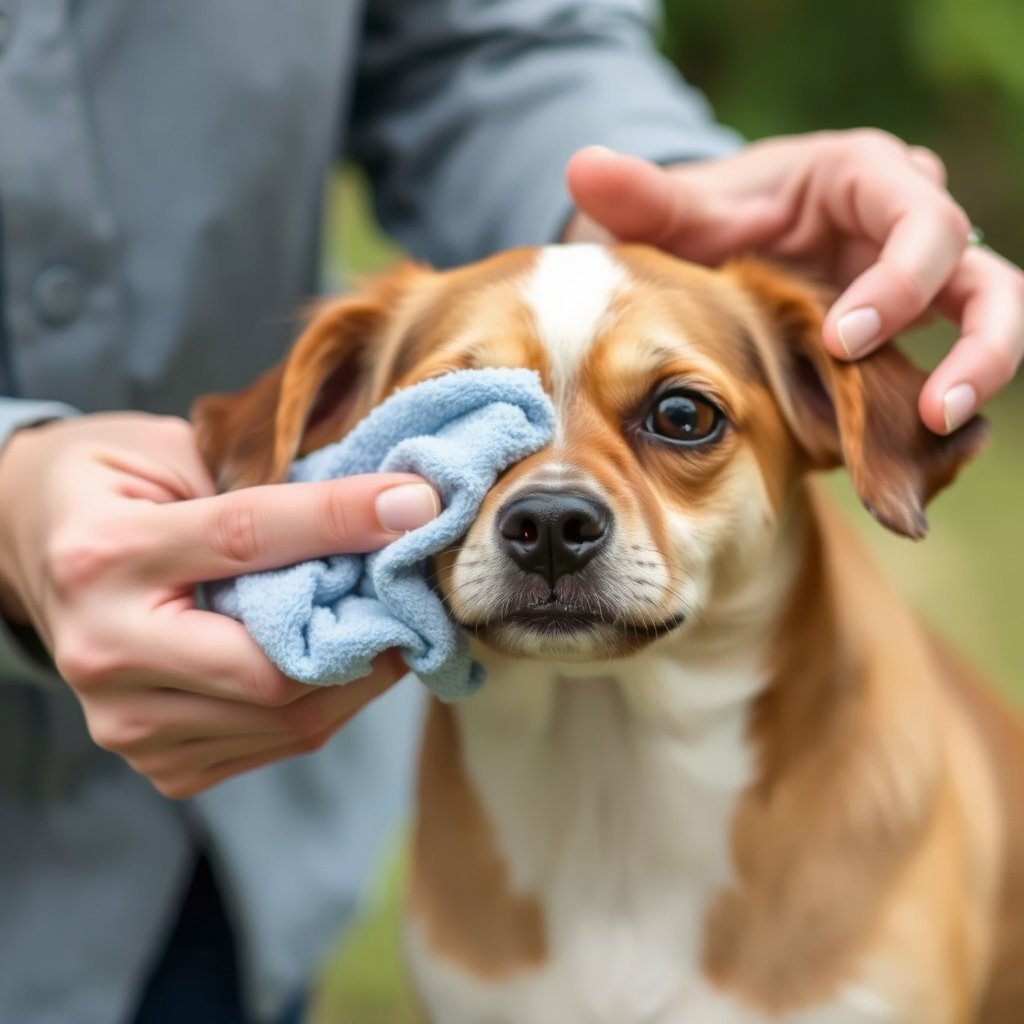
Regular cleaning around your dog’s eyes reduces tear buildup that causes staining. Use a damp, soft cloth or specialized pet-safe wipes to gently remove discharge at least once daily, ensuring you go from the corner of the eye outward to avoid spreading bacteria.
Avoid harsh chemicals or human products near the eyes. Many pet-specific tear stain wipes contain mild cleansers and antibacterials that keep the area fresh while preventing irritation.
- Use clean, soft cloth or pet wipes
- Wipe outward from the eye corner
- Clean at least once daily for best results
- Avoid alcohol or fragrance-based wipes
For more on this, see our related guide: How to Clean a Dogs Wrinkles: A Complete Guide with Proven Steps.
Trimming Facial Hair Near the Eyes
Long or curly hair around the eyes can trap tears and cause staining. Regular trimming of the hair can improve airflow and reduce moisture accumulation. Careful trimming also prevents hair from irritating the eyes, which can trigger tearing.
If you’re uncomfortable trimming yourself, professional groomers can safely shape the area. Keep this part of your grooming routine consistent, especially for breeds with dense facial fur.
- Trim hair close but safely around eyes
- Use rounded-tip scissors or grooming clippers
- Schedule professional trims as needed
- Maintain a regular grooming schedule
Diet and Hydration's Role in Tear Stain Prevention

Impact of Nutrition on Tear Stains
Diet can influence the frequency and severity of tear stains. Poor-quality food with fillers and artificial additives sometimes increase eye discharge. Feeding a balanced diet rich in omega fatty acids supports skin and coat health, which may reduce excessive tearing.
Some owners report improvement by switching to grain-free or limited-ingredient diets to reduce potential allergens contributing to eye irritation.
- Choose high-quality, balanced dog food
- Consider grain-free or hypoallergenic options
- Include omega-3 and omega-6 fatty acids
- Avoid foods with artificial additives
Keeping Your Dog Hydrated
Adequate hydration is critical because concentrated tears tend to stain more heavily. Ensure your dog always has access to fresh water and encourage regular drinking. Hydration helps dilute tear pigments and flush toxins, reducing staining.
Using ceramic or stainless steel bowls prevents bacterial buildup compared to plastic, which can discourage water intake and contribute to eye irritation.
- Provide clean, fresh water daily
- Use non-plastic water bowls
- Monitor and encourage water intake
- Replace water frequently during warm weather
Recommended Products for Dog Tear Stain Treatment

Tear Stain Wipes and Cleansers
Tear stain wipes made for dogs are effective for routine cleaning and removing fresh stains. These products often contain gentle ingredients like chamomile and aloe to soothe eyes. Regular use prevents pigments from settling into the fur and skin.
Select wipes free of alcohol, dyes, and harsh chemicals to avoid irritation. Consistent application after walks or meals can maintain a clean, stain-free appearance.
- Look for natural, soothing ingredients
- Avoid irritating additives like alcohol
- Use daily for preventative care
- Ideal for quick cleaning between baths
For more on this, see our related guide: Why Does My Dog Have Tear Stains? 8 Key Causes and Solutions.
Supplements and Oral Treatments
Some supplements claim to reduce tear stains by promoting liver function or reducing porphyrin buildup. Ingredients like cranberry extract, vitamin C, or probiotics occasionally help with mild cases when combined with topical care.
However, scientific evidence is limited, so consult your veterinarian before beginning any supplements to ensure they fit your dog’s health needs and won’t interact with existing medications.
- Common supplements include cranberry and probiotics
- Target internal causes of tear stains
- Use only under veterinary guidance
- Support overall eye and skin health
Lifestyle Adjustments to Minimize Tear Stains in Dogs

Environmental Factors Affecting Tear Stains
Dust, pollen, and smoke can irritate a dog’s eyes and increase tearing. Keeping your pet’s environment clean by minimizing exposure to these irritants reduces the chance of tear stain formation. Regularly washing bedding and vacuuming helps eliminate allergens.
Indoor air quality also plays a role; using air purifiers and maintaining moderate humidity levels can help control tear stains caused by environmental irritation.
- Reduce dust and pollen indoors
- Clean pet bedding weekly
- Use air purifiers to improve air quality
- Avoid smoke exposure around dogs
For a scientific overview of tear stains in dogs, refer to the detailed entry on tear stains. tear stains in dogs.
Regular Veterinary Checkups for Persistent Issues
If tear stains persist despite good grooming and cleaning, a vet visit is warranted. Professional assessments can detect underlying problems like blocked tear ducts or infections that require medical treatment.
Timely veterinary care prevents complications and helps customize a care routine to your dog’s specific tear stain causes.
- Schedule annual eye exams
- Seek care for red or painful eyes
- Consider specialty veterinary dermatology
- Follow vet advice for treatments
Dog Tear Stain Prevention Methods Comparison
Here’s a practical comparison of popular dog tear stain prevention methods outlining their benefits and typical uses.
| Method | Effectiveness | Ease of Use | Cost | Recommended For |
|---|---|---|---|---|
| Regular Eye Cleaning | High | Easy | Low | All breeds, daily maintenance |
| Facial Hair Trimming | Medium | Moderate | Low to Medium | Long-haired breeds prone to staining |
| Tear Stain Wipes | High | Very Easy | Low to Medium | Quick cleaning, preventative use |
| Dietary Adjustments | Medium | Moderate | Variable | Dogs with allergy-related tearing |
| Supplements | Low to Medium | Easy | Medium | Supportive care, mild staining |
| Veterinary Treatments | High | Varies | High | Severe or medical tear stain causes |
Frequently Asked Questions
Can tear stains in dogs be completely removed?
While consistent cleaning and care can significantly reduce tear stains, some dogs are prone to permanent discoloration due to genetics or anatomy. Complete removal may not always be possible, but managing causes can minimize them.
Are tear stains harmful to my dog’s health?
Tear stains themselves are mostly cosmetic but can signal underlying eye irritation or infection. If left untreated, excessive tearing can lead to skin problems or discomfort, so it’s important to address persistent signs.
How often should I clean my dog’s eyes to prevent tear stains?
Cleaning your dog’s eyes once daily is typically sufficient to prevent tear stains. Some dogs with heavy tearing may benefit from twice-daily cleaning, especially after outdoor activities.
Which dog breeds are more likely to get tear stains?
Breeds with short snouts, large or prominent eyes, or facial folds like Maltese, Poodles, Bulldogs, Shih Tzus, and Cocker Spaniels tend to be more prone to tear stains due to tear drainage issues.
Can diet changes help reduce my dog’s tear stains?
Switching to high-quality, hypoallergenic food or adding omega fatty acids can reduce inflammation and potential allergies that cause tearing. However, diet alone often isn’t enough without other cleaning measures.
Key Takeaways
- Tear stains result from excessive tearing and pigment buildup around the eyes.
- Daily cleaning and facial hair trimming are essential to prevent staining.
- Diet and hydration influence tear production and stain severity.
- Veterinary evaluation is important if tear stains persist or worsen.
Conclusion
Choosing how to prevent tear stains in dogs involves a combination of daily care, environmental management, and attention to underlying health. Understanding what triggers tear staining in your dog helps tailor a routine that keeps their face clean and comfortable. Regular wiping and trimming, alongside monitoring diet and hydration, make a big difference in reducing stains for many breeds.
For dogs with mild tear staining, gentle eye cleaning and use of tear stain wipes can control discoloration effectively. Breeds with facial folds or chronic tearing may need more frequent grooming and specialized veterinary care to address anatomical or medical causes. Dietary adjustments can support overall skin and eye health but work best when combined with topical care methods.
Start by integrating simple steps like daily cleaning and ensuring fresh water supply. If tear stains continue despite these efforts, consult your veterinarian for diagnosis and tailored treatment options. A proactive, consistent approach is the best way to preserve your dog’s bright, stain-free eyes and happy expression.