Why Does My Dog Have Sores After Grooming? Causes and Solutions
If your dog has sores after grooming, it's often due to skin irritation, allergic reactions, or small cuts caused by grooming tools or techniques. Identifying the root cause quickly can help alleviate your dog's discomfort and prevent infection.
Grooming is essential to your dog’s health and hygiene, but improper methods or sensitive skin can lead to issues. Sores might develop from overbrushing, harsh shampoos, or contact with irritants. Understanding what triggers these sores is vital to protect your pet during grooming sessions.
This article will explore common causes of sores after dog grooming, how to spot signs of skin irritation, steps to minimize risks during grooming, and when to seek veterinary care. We'll also cover best grooming practices tailored to sensitive skin types.
Common Causes of Sores After Grooming

Mechanical Injuries from Grooming Tools
Sharp blades, clippers, or even rough brushes can accidentally nick or scratch your dog’s skin. Dogs with thin or sensitive skin are especially vulnerable to these minor injuries, which may develop into sores if not treated promptly.
Using dull or poorly maintained grooming tools increases the risk of mechanical injuries. Additionally, aggressive brushing or handling can traumatize the skin's surface, leading to redness, inflammation, and open sores.
- Dull blades can tug or nick skin
- Overbrushing causes abrasions
- Sensitive spots like ears or belly are more prone
- Avoid grooming wet dogs with clippers
Skin Reactions and Allergies
Some dogs develop allergic reactions to shampoos, conditioners, or grooming products. These reactions manifest as itching, redness, and sores after grooming sessions.
Environmental allergens like dust or pollen present during grooming or certain grooming sprays can also prompt skin irritation. Identifying and eliminating allergens is crucial to prevent recurring sores.
- Choose hypoallergenic grooming products
- Rinse shampoo thoroughly to avoid residue
- Avoid fragrances and dyes in grooming supplies
- Monitor for itching or redness post-grooming
Recognizing Signs of Dog Grooming Skin Irritation

Visual and Behavioral Indicators
Sores, red patches, swelling, and hair loss often signal grooming-related skin irritation. Behavioral signs like excessive scratching, licking, or rubbing against surfaces may also indicate discomfort.
Early recognition helps prevent secondary infections or worsening sores. A thorough inspection after each grooming session is recommended to catch symptoms before they escalate.
When to Consult a Veterinarian
If sores persist beyond a few days, worsen, or are accompanied by pus, foul odor, or systemic symptoms such as fever or lethargy, professional veterinary advice is necessary.
Veterinarians can determine if infections, underlying allergies, or parasitic conditions are causing or complicating the sores and prescribe appropriate treatments.
Preventing Sores During Dog Grooming

Choosing the Right Tools and Techniques
Using sharp, well-maintained clippers and brushes designed for your dog’s coat type reduces the risk of skin damage. Gentle handling and avoiding overly aggressive brushing help prevent irritation.
Regularly cleaning grooming tools minimizes bacterial contamination that could aggravate skin when cuts or abrasions occur.
- Use clipper guards at appropriate lengths
- Brush in the direction of hair growth
- Avoid clipping over irritated or thin-skinned areas
- Sanitize tools between grooming sessions
For more on this, see our related guide: How to Clean a Dogs Wrinkles: A Complete Guide with Proven Steps.
Selecting Suitable Grooming Products
Opt for dog shampoos and conditioners formulated for sensitive skin or hypoallergenic needs. Avoid products with artificial fragrances, dyes, or harsh chemicals that can trigger irritation.
Rinse thoroughly to remove shampoo residue and prevent itching and soreness. Testing new products on a small patch of skin before full use can help detect potential reactions early.
- Look for oatmeal or aloe vera ingredients
- Avoid human shampoos or harsh detergents
- Perform patch tests before full application
- Use lukewarm water to prevent drying out skin
Treating Sores and Skin Issues After Grooming
Initial Home Care Steps
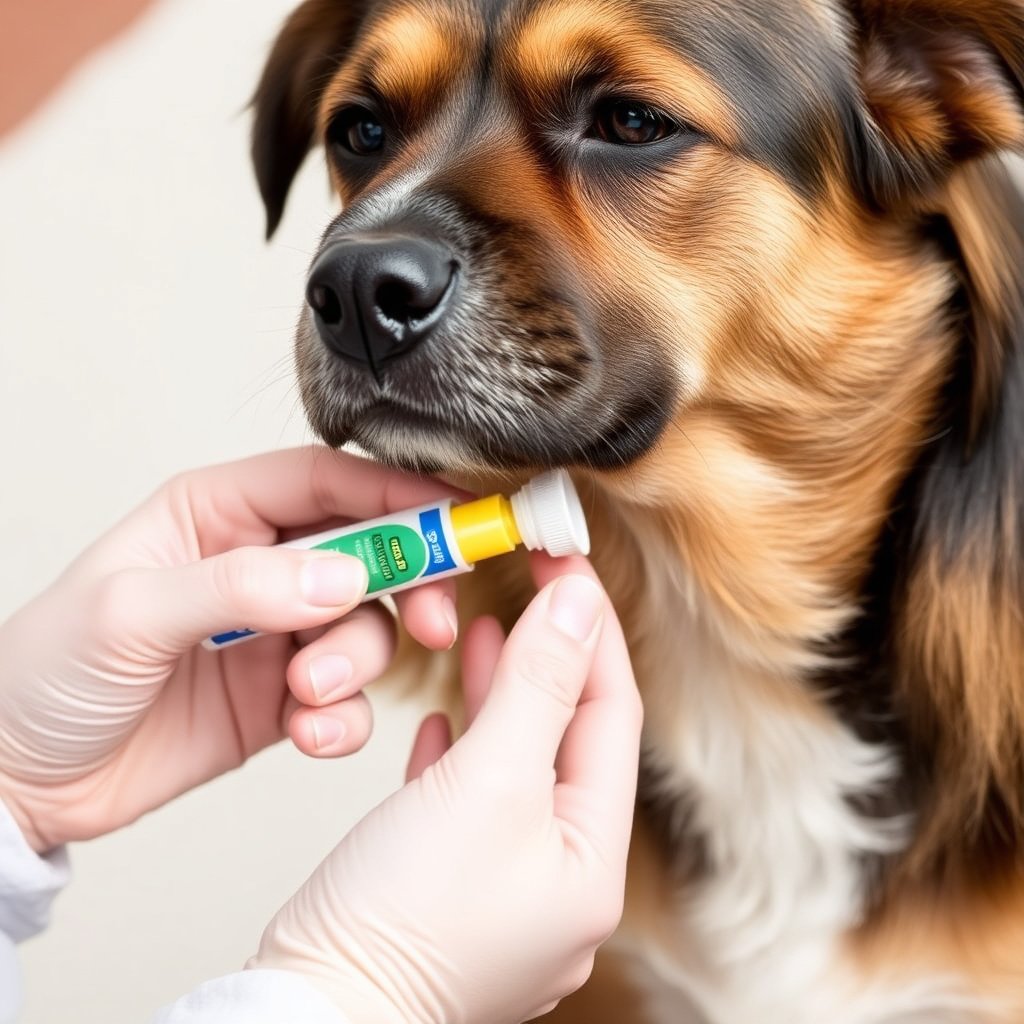
Clean minor sores gently with warm saline solution to prevent infection. Applying veterinarian-approved topical ointments or sprays can soothe irritation and promote healing.
Ensure your dog doesn’t lick or scratch the affected area by using protective collars if needed, which helps avoid aggravating the wounds.
- Use saline for cleaning wounds
- Apply prescribed topical treatment
- Prevent licking with an Elizabethan collar
- Keep the area dry and clean
Veterinary Treatments for Severe Cases
For deeper sores, infections, or persistent skin conditions, a vet may prescribe antibiotics, antifungals, or corticosteroids. Allergy testing or skin scrapings can help identify underlying causes necessitating targeted therapies.
Professional grooming with veterinary oversight may be recommended to reduce recurrence and monitor healing progress.
Special Considerations for Sensitive Dog Breeds

Breeds Prone to Skin Irritations
Certain breeds like Greyhounds, Boxers, and Bulldogs have thinner skin or preexisting skin sensitivities making them more likely to develop sores after grooming.
These breeds require more frequent checks and tailored grooming approaches that emphasize gentle handling and specialized products designed for delicate skin.
- Avoid clipping too close to skin
- Use mild, moisturizing shampoos
- Shorter grooming sessions recommended
For more on this, see our related guide: Why Does My Dog Scratch Its Ears? Causes, Care & When to Act.
Adapting Grooming Routines
For sensitive breeds, it's beneficial to groom more frequently but gently, focusing on maintaining healthy skin barrier function. Limiting exposure to irritants and allergens is key.
Professional groomers with experience in sensitive breeds can customize techniques and product choices to minimize risks of sores while keeping your dog comfortable.
Long-Term Skin Health and Grooming Practices

Maintaining a Regular Grooming Schedule
Consistent grooming prevents mats, distributes natural oils, and reduces debris buildup, all crucial for healthy skin. However, overgrooming can strip oils and irritate the coat, so balance is necessary.
Adjust grooming frequency based on your dog's coat type, skin condition, and activity level to maintain optimal skin health.
- Establish routine brushing based on coat length
- Schedule professional grooming periodically
- Monitor skin condition regularly
- Avoid excessive bathing
For more detailed information about dog grooming and common skin issues, consult this comprehensive guide on dog grooming skin issues. dog grooming skin issues.
Diet, Hydration, and Skin Resilience
A balanced diet rich in omega fatty acids supports skin integrity and healing. Hydration also plays a vital role in skin elasticity and regenerating damaged areas.
Supplements or dietary changes recommended by your vet can enhance skin resilience and reduce the frequency of sores after grooming.
- Include omega-3 and omega-6 fatty acids
- Provide fresh water at all times
- Consult vet about skin supplements
- Avoid allergenic foods that affect skin
Comparison of Dog Grooming Categories for Sensitive Skin
Here is a comparison of common grooming categories to help you choose the best approach for dogs prone to skin irritation and sores.
| Grooming Type | Suitability for Sensitive Skin | Risk of Skin Irritation | Maintenance Frequency |
|---|---|---|---|
| Professional Grooming | High | Low | Every 4-8 weeks |
| Home Clipping | Medium | Medium | Every 3-6 weeks |
| Self-Brushing Only | High | Very Low | Daily to Weekly |
| Bathing with Specialized Shampoo | High | Low | Every 2-4 weeks |
| Use of Automated Clippers | Low | High | Every 3-4 weeks |
Frequently Asked Questions
Can grooming cause open sores on my dog's skin?
Yes, grooming tools like clippers or brushes can cause minor cuts or abrasions that may develop into sores, especially on sensitive or thin-skinned dogs.
How can I prevent my dog from getting sores after grooming?
Use sharp, clean grooming tools, opt for gentle grooming products, handle your dog carefully, and inspect their skin before and after grooming to catch problems early.
When should I see a vet for sores caused by grooming?
Seek veterinary care if sores persist, worsen, or show signs of infection such as swelling, pus, or a bad odor, or if your dog displays unusual lethargy or pain.
Are some dog breeds more prone to grooming-related skin irritation?
Yes, breeds with thinner or more sensitive skin, like Greyhounds and Bulldogs, are more susceptible and require gentler grooming approaches.
Can allergies to grooming products cause skin sores?
Allergic reactions to shampoos, conditioners, or sprays can cause itching, redness, and sores after grooming. Using hypoallergenic, fragrance-free products helps reduce this risk.
Key Takeaways
- Sores after grooming often result from skin irritation or minor injuries.
- Using proper grooming tools and gentle techniques reduces skin damage.
- Hypoallergenic products help prevent allergic reactions causing sores.
- Seeking vet care for persistent sores is essential for healing.
Conclusion
Understanding why your dog has sores after grooming involves paying close attention to both the tools and products used, as well as your dog’s skin sensitivity and breed characteristics. When grooming is done improperly, it can injure delicate skin or trigger allergic reactions, but careful selection of techniques and products usually prevents such issues. Regularly inspecting your dog’s coat before and after grooming sessions allows early detection of any developing sores or irritation, helping to manage problems before they worsen.
Dogs with especially sensitive skin or prone to allergies benefit from tailored approaches, such as using hypoallergenic shampoos and gentle brushes, as well as professional grooming services experienced with delicate coat types. Home clipping requires sharp blades and slow, careful handling to avoid mechanical injuries. Maintaining a balanced grooming routine that avoids overbrushing or excessive bathing while ensuring cleanliness supports strong, healthy skin in the long term.
If your dog develops sores despite taking precautions, starting with gentle home care including cleaning and topical remedies is effective for mild cases. However, persistent or severe sores should prompt a vet visit for diagnosis and targeted treatment. Aim to adapt grooming habits to your dog’s unique needs gradually to keep the experience safe and comfortable, allowing your pet to enjoy the benefits of grooming without pain or discomfort.