

How Do Dog Groomers Handle Aggressive Dogs? 8 Proven Safety and Training Strategies
Dog groomers handle aggressive dogs by using trained techniques that prioritize safety, calm, and gradual desensitization. They rely on tools like muzzles and safe restraints, take regular breaks, and adjust the environment to reduce stress. This approach protects both the dog and groomer while promoting a more positive grooming experience.
This article is designed for dog owners and professional groomers who face challenges with aggressive or reactive dogs. It offers clear strategies to manage aggression, prepare your dog ahead of time, and know when to seek extra help or sedation.
Key Takeaways
- Use muzzles and gentle restraints to control aggressive behaviors while ensuring the dog’s comfort and ability to breathe.
- Give aggressive dogs breaks every 5-10 minutes to help them reset and lower stress during grooming.
- Create a quiet, separate grooming area with controlled temperature and calming sounds to minimize sensory triggers.
- Start positive grooming exposure early, ideally when puppies are 10-12 weeks old, to prevent future aggression.
- Desensitize your dog to grooming triggers over a 2-4 week period with consistent, gentle practice at home.
- Expect groomers to charge a handling fee of $10 to $30 for extra time and specialized care with aggressive dogs.
How Professional Groomers Safely Manage Aggressive Dogs

Professional groomers handle aggressive dogs by following a careful, step-by-step approach designed to protect both the dog and the staff. Safety depends on recognizing early signs of aggression and managing them before they escalate. This involves using patience, training, and suitable tools, all while creating an environment that reduces the dog’s fear and stress.
When aggression appears, groomers do not rush the process; instead, they break it down into shorter sessions and use calming techniques. This way, the dog gradually builds trust with new people and experiences, making future grooming easier and safer. Groomers stay alert and maintain control using approved restraints or muzzles only when necessary, avoiding any moves that might increase stress or trigger biting.
- Assess the dog’s behavior immediately. Observe signs such as growling, snapping, or stiff body posture before starting. This helps decide the safest approach and whether additional safety measures are needed.
- Use calm, deliberate movements. Speak softly and avoid sudden actions. This keeps the dog’s anxiety lower and reduces chances of aggression.
- Introduce grooming tools gradually. Let the dog see and smell the tools beforehand, pausing for breaks every 10-15 minutes during sessions for highly active or nervous dogs.
- Apply safety equipment when needed. Use muzzles or gentle restraints only if the dog poses a clear risk to itself or handlers. These should be fitted correctly and removed as soon as possible to maintain trust.
- Keep sessions short and positive. Limit grooming time to small segments, especially on the first few appointments. Reward good behavior with treats or praise to encourage cooperation.
- Communicate clearly with dog owners. Share observations and behavioral progress to align on care plans. Owners can help prepare dogs in advance and continue positive reinforcement at home.
- Prepare the grooming area thoughtfully. Create a low-stress environment with minimal noise, gentle lighting, and non-slip flooring. These changes help reactive dogs feel safer.
- Seek help or reschedule if needed. If the dog remains highly aggressive despite precautions, postpone grooming and recommend a professional behaviorist or veterinarian for further evaluation.
Following these steps ensures groomers manage aggression responsibly while promoting a safer and more pleasant experience. The goal is not to overpower the dog but to work with its limits, allowing trust to develop over time. Grooming aggressive dogs takes patience and skill, but it results in better safety and less stress for everyone involved.
Common Triggers and Causes of Aggression in Grooming
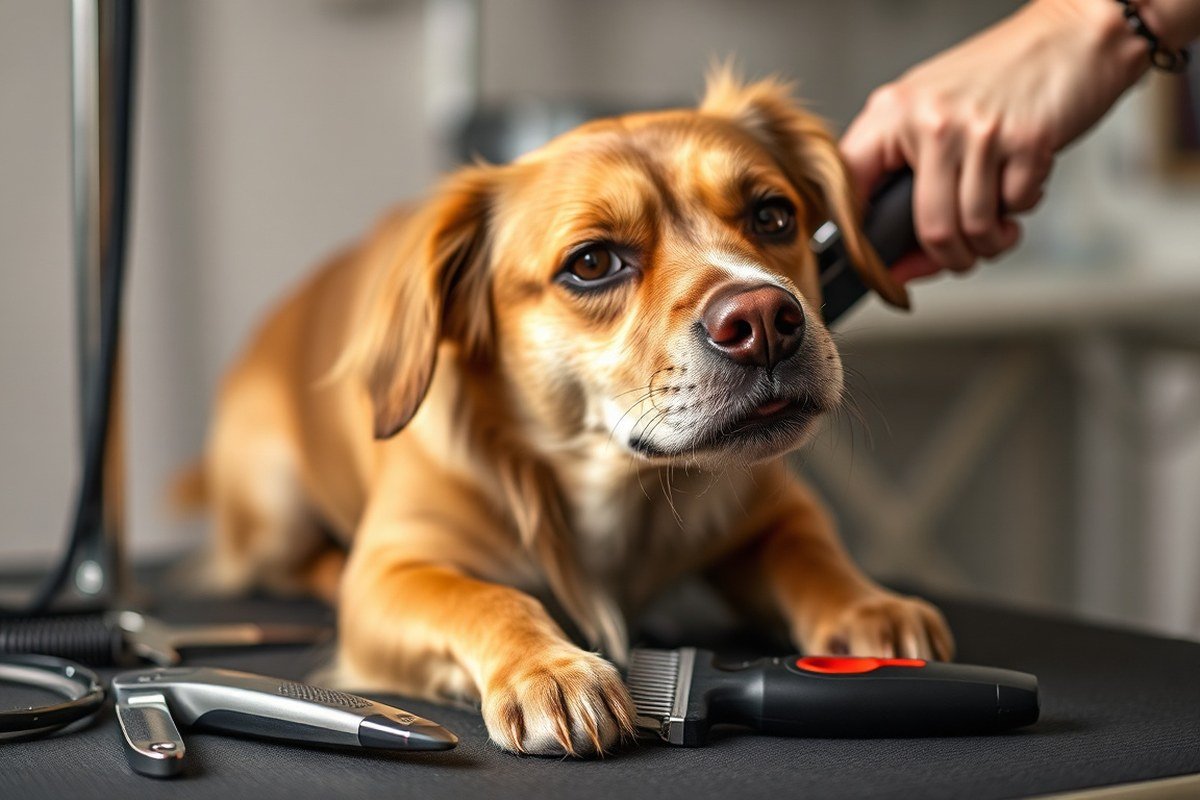
Aggression during grooming often comes from fear, pain, or bad past experiences rather than the dog being inherently “bad.” Dogs may feel trapped or confused by the grooming environment, which involves unusual handling, strange sounds, and unfamiliar tools like clippers, scissors, or dryers. For many dogs, these sensations are stressful because they are unnatural and unpredictable. For example, the loud noise from a dryer or the tugging on a matted coat can trigger a defensive reaction to protect themselves.
Understanding these triggers allows groomers to reduce stress and prevent aggressive behavior. Groomers trained in handling reactive or aggressive dogs recognize that signs of discomfort can escalate quickly. A dog that flinches or growls when touched in a sensitive area like paws or ears may become aggressive if pushed too far. Groomers know to pause and allow breaks during these moments, lowering the chance of painful or threatening reactions. They use a low-stress protocol by limiting how long they work on sensitive areas and offering frequent calming pauses.
Past negative grooming experiences play a significant role. A dog that was rushed or hurt during a previous grooming session might associate groomers with pain and become defensive as soon as the process starts. Dogs also do not understand why they must stand still or have parts of their body handled in certain ways, which can feel threatening. Groomers who specialize in aggressive dogs work slowly and carefully to build trust over time, often repeating steps gradually rather than completing the session all at once.
Matted fur is a common specific trigger that causes aggression. Severe matting can pull painfully on the skin during brushing or clipping. If an owner is unaware of the discomfort, a groomer may face defensive biting or growling as the dog tries to avoid pain. Groomers usually communicate with owners about the warning signs of matting and may need to schedule extra time or handle the dog differently to prevent injury and agitation.
The costs of grooming aggressive or reactive dogs tend to be higher because the process demands more time, effort, and safety precautions. Specialized training teaches groomers how to read dog behavior accurately and employ handling techniques that reduce triggers. These might include using quieter tools, softer brushing, or gentle restraint methods. Constant monitoring of the dog’s stress level ensures that if aggression becomes unsafe, the groomer can stop the session and reschedule when the dog is calmer.
Watch for early signs of discomfort like lip licking, yawning, or turning away, and allow immediate breaks during grooming to prevent aggression from escalating.
Preparing Your Dog at Home to Reduce Grooming Aggression
Preparing your dog at home before grooming visits can greatly reduce anxiety and aggression during the session. Gradually introducing grooming tools and handling helps your dog feel more comfortable and less threatened, making grooming easier and safer for both your dog and the groomer.
Week-by-Week Desensitization Training Plan
Desensitization breaks down the grooming process into small, manageable steps. Spreading these steps over several weeks allows your dog to build comfort without feeling overwhelmed. A typical plan takes about 4 to 6 weeks, depending on your dog’s sensitivity and prior experiences.
Start with very short sessions lasting just a few minutes, increasing time and complexity only when your dog shows calm behavior. Consistency is key, aiming for daily practice rather than occasional efforts. Avoid rushing or forcing anything, as this can increase fear and worsen aggression.
- Begin by gently touching your dog’s paws, ears, and face while offering treats to create a positive connection.
- Introduce brushing motions with your hand or a soft brush, rewarding calmness immediately.
- Use a grooming tool such as a comb or nail clipper, letting your dog see and smell it before touching them.
- Simulate grooming noises with clippers or dryers at low volume from a distance, gradually moving closer as comfort increases.
- Practice table time or standing still for short periods to mimic a grooming station.
- Build up to handling all areas your groomer will work on, continuing to reward calm and relaxed behavior.
Introducing Grooming Tools Gradually
Tools and noises often trigger anxiety in dogs unfamiliar with them. Introducing each grooming tool step by step gives your dog time to adjust. Begin with hands-on familiarisation and minimal movement to prevent any sudden stress responses.
For example, let your dog sniff the brush or trimmer turned off, then brush gently for just a few strokes while speaking calmly. Next, increase brushing duration and start playing trimming sounds quietly without touching your dog. Keep treats handy to reward your dog’s relaxed posture and stillness.
Adjust the pace based on your dog’s reactions. If signs of stress or growling appear, back off to the previous step and move slower. This gradual exposure creates familiarity and lowers the chance of aggressive responses during actual grooming.
Establishing Positive Associations with Grooming
Positive reinforcement boosts your dog’s willingness to cooperate and reduces fear-related aggression. Pair grooming activities with favourite treats, toys, and praise to build a pleasant emotional link.
Prior to grooming sessions, exercise your dog with a walk or play to reduce excess energy and stress. Use calm voices and a gentle approach throughout handling. Avoid using any corrective methods, as these can increase anxiety and provoke aggression.
Regularly handling your dog’s paws, ears, and face at home with a calm attitude and rewarding calm responses turns grooming from a threat into a routine. Over time, this slow, patient training can shorten preparation timelines and help your dog remain composed at the groomer’s.
Identifying Early and Escalating Signs of Aggression
Recognizing a dog’s signals early during grooming can prevent aggressive behavior from worsening. Many dogs give subtle hints they feel stressed or uncomfortable before aggression appears. Groomers must watch carefully because ignoring those cues can increase risk for bites and make future grooming visits more difficult. Below is a table outlining stages of canine stress and aggression commonly seen during grooming, describing what to look for and what each sign means. This checklist helps groomers act promptly to keep the situation under control:
| Stage | What It Looks Like | What It Means |
|---|---|---|
| Early stress | Dogs often show discomfort by licking their lips, yawning frequently, turning their heads aside, or revealing the whites of their eyes, known as “whale eye.” | The dog is uncomfortable and asking for space |
| Rising tension | A dog might hold its body rigid, freeze in place, tuck its tail between its legs, or pant with a closed mouth when feeling uneasy or stressed. | Pressure is building, back off now |
| Clear warning | Low growl, lifted lip, hard stare | The dog is telling you to stop |
| Escalation | Air snap, quick nip, lunging | Warnings were missed or ignored |
Watching for early stress signs like lip licking and yawning is important because dogs use these to communicate unease. Spotting these signs means it’s time to reduce the grooming speed or take a break to ease your dog’s stress. Offering breaks, speaking calmly, and using gentle touches can reassure the dog. Escalating tension, shown by a frozen body or tucked tail, should prompt immediate changes to avoid aggression.
Clear warning signals mean the dog feels threatened. At this stage, stop the current action and assess the situation carefully. Continuing without modification can lead to escalation, which includes air snapping or lunging. Missing these signs puts both the dog and groomer at risk of injury.
Responding early costs little time but reduces chances of injury and stress-related behavior worsening. Failing to act means longer grooming sessions, higher risk of bites, and potentially needing sedation or professional intervention, which are more expensive and stressful for the dog. To apply this in practice, groomers should:
- Pause regularly to scan for subtle signs early in the appointment.
- Adjust grooming tools and handling gradually when stress signals appear.
- Use verbal cues and treats to encourage relaxation and compliance.
- Consider splitting grooming into shorter sessions for highly anxious dogs.
This approach makes grooming safer and more predictable by respecting the dog’s communication. It helps build tolerance over time, reducing aggressive responses in future visits.
Safe Use of Muzzles, Restraints, and Environmental Adjustments
Using muzzles and restraints correctly is critical for groomers working with aggressive dogs to prevent bites and keep everyone safe. Groomers select muzzles that fit well, typically basket-style muzzles made of plastic or metal, as they allow the dog to pant and breathe freely during grooming. Before placing a muzzle on the dog, the groomer introduces it calmly, offering treats to build a positive association. The muzzle should be snug but not tight, avoiding discomfort that increases stress. Restraints such as grooming loops or specialized harnesses secure the dog without causing pain or restricting breathing, offering stability while limiting sudden movements.
Environmental control also plays a major role in managing aggressive or anxious dogs. A quiet, dimly lit grooming area helps reduce sensory overload. Limiting visual distractions by using partitions or closing doors shields the dog from other animals or activity that might raise their stress levels. Groomers often schedule these appointments during slower hours to decrease noise and foot traffic, which aids in keeping the dog calm. Adjusting the room temperature to a comfortable 68 to 72 degrees Fahrenheit prevents added discomfort.
- Choose basket-style muzzles that allow panting and drinking
- Introduce muzzles gradually with positive reinforcement
- Use grooming loops or harnesses that hold dogs securely and comfortably during grooming sessions to avoid causing them any pain
- Keep the grooming room quiet and dimly lit to reduce anxiety
- Limit exposure to other animals or activity with room partitions
- Schedule aggressive dog appointments during off-peak times
- Maintain a comfortable room temperature around 70°F
Time investment and patience are necessary for these methods to succeed. Adding a handling fee, often $10 to $30, reflects the extra care and time aggressive dogs require, which can include repeated muzzle introductions and multiple short breaks to monitor stress signals. Good outcomes show calmer dogs, fewer defensive behaviors, and smooth grooming sessions. Poor results often stem from forcing muzzles quickly, overly tight restraints, or chaotic environments that worsen aggression.
Never force a muzzle or restraint if the dog is escalating; pause, give breaks, and return to calm handling before continuing.
Adjusting restraint types and environmental settings depends on individual dog behavior. For example, a dog with a high bite risk needs both a secure muzzle and clear escape routes for handlers, while a dog that is fearful but less aggressive might respond better to gentle restraint combined with a quiet space. Groomers rely on steady confidence and calm body language to signal control while reducing the dog’s fight-or-flight responses.
Best Practices for Grooming Sessions with Aggressive Dogs
Grooming aggressive dogs requires a careful balance of session length, pacing, and communication to keep the dog calm and safe. Sessions are typically shorter than usual, often around 15 to 30 minutes, and broken into parts to reduce stress. Clear, ongoing communication with the owner helps tailor the pace and allows adjustments as needed during the appointment.
Splitting Grooming into Manageable Sessions
Short, segmented sessions lower the chance of stress or aggression by controlling how much the dog experiences at one time. Many groomers limit sessions to 15-30 minutes instead of the typical 1-2 hour full grooming. Breaking tasks into smaller chunks helps the dog stay calmer and more cooperative.
For very reactive or anxious dogs, splitting the grooming over multiple days or visits may work better than completing it all at once. Some groomers schedule initial short acclimation sessions focused on handling and touch before moving to full grooming steps.
Planning sessions this way also means frequent breaks to give the dog time to relax or rest. These breaks help prevent escalation and improve cooperation during active grooming.
Using Calming Techniques and Positive Reinforcement
Employing calming methods throughout the session plays a important role in managing aggression. Techniques such as gentle, slow movements, soft voice tones, and minimal sudden noises help reduce anxiety. Groomers often use backgrounds of soft music or white noise to soothe nervous dogs.
Positive reinforcement works well for keeping the dog engaged and less reactive. Rewarding calm behavior with treats, praise, or brief intervals of play encourages the dog to cooperate. Using treats that have a strong, appealing smell can hold attention during stressful parts. To put these steps into practice, groomers might follow this routine:
- Approach the dog calmly and allow sniffing before grooming starts.
- Stroke and handle the dog gently to build trust.
- Use low, reassuring tones to explain each step as it’s performed.
- Pause frequently to give calming breaks or offer treats.
- Focus on one body area at a time, completing small sections before moving on.
- Monitor the dog’s body language continuously and slow down if signs of stress appear.
- Finish the session with a positive reward and some calm petting.
Communicating with Owners for Feedback and Safety
Open dialogue with the owner before and during the session makes managing special needs easier. Groomers should ask detailed questions about the dog’s triggers, preferred calming methods, and any past incidents of aggression. Owners can also share helpful cues or comfort objects.
During grooming, check in with the owner about the dog’s behavior or comfort level if present. If the owner isn’t on-site, provide timely updates or ask them to observe via photos or videos when possible. This builds trust and helps decide whether to slow down or reschedule. Here’s a simple script a groomer might use when communicating with an owner:
“I’ll start with a short session today, focusing just on the face and paws. I’ll take breaks and watch his reactions closely. Please let me know if you want me to pause at any signs of stress. Also, share any calming treats or commands he likes so I can add them in.”
This type of communication reassures owners and allows groomers to adapt promptly, improving safety and grooming success.
When Sedation or Professional Help Is Necessary
Consider sedation for grooming when a dog shows extreme fear, aggression, or anxiety that prevents safe handling. Sedation helps reduce stress and risk of injury during grooming sessions. It should be used only after assessing the dog’s health, behavior, and previous reactions to grooming. Light sedation or pre-visit anti-anxiety medication is preferable when possible, especially for dogs with a history of biting or severe nervousness.
Your veterinarian can provide the safest options and dosages tailored to your dog’s size, age, and medical condition. Commonly used sedation drugs include gabapentin, trazodone, or low-dose acepromazine, which help calm dogs without full anesthesia. Full sedation or general anesthesia requires veterinary supervision and appropriate monitoring. Costs vary widely depending on the drug, dosage, and clinic, ranging from around $50 to $200 or more per session.
| Type | Use Case | Administration | Risks/Considerations |
|---|---|---|---|
| Pre-visit Anti-anxiety Medication | Dogs with mild to moderate anxiety or biting risk | Oral; given 1-2 hours before grooming | Safe for many dogs; requires vet prescription |
| Light Sedation (e.g., Gabapentin, Trazodone) | Extremely anxious or aggressive dogs needing calmer state | Oral or injectable, often given 45-60 minutes prior | May cause drowsiness; vet monitoring advised |
| Full Sedation/Anesthesia | Highly aggressive or fearful dogs, complex procedures | Injected or inhaled under veterinary supervision | Requires monitoring; higher cost and some risk |
| Professional Veterinary Grooming | Dogs with medical issues or unsafe for groomer handling | Grooming done at vet clinic with medical support | Ideal for dogs needing sedation/anesthesia; higher cost |
Deciding when to use sedation or refer to a veterinary professional depends on the dog’s behavior, safety risks, and grooming needs. Follow this rule: if the dog’s aggression or anxiety cannot be managed with basic calming techniques, muzzling, or pre-visit medication, and if you feel unable to safely proceed, refer to a veterinary groomer. This ensures medical support is available if complications arise during sedation and grooming.
Professional veterinary groomers have access to sedation protocols and emergency care, making them the safest choice for dogs with severe aggression or underlying health issues. Costs may be higher but include the expertise and equipment to handle difficult cases. You can arrange these services in many areas, including local vet clinics offering grooming with medical oversight.
Mistakes to Avoid and Effective Communication with Dog Owners
Handling aggressive dogs requires care and clear communication to avoid making the behavior worse. Groomers should avoid harsh methods and focus on patient, respectful handling. Talking with owners in a supportive, straightforward way helps ensure safety and cooperation.
Avoiding Punitive or Rough Handling
Using rough restraint or punishment can increase a dog’s fear and aggression. Aggression in grooming usually comes from fear, not stubbornness. Applying stronger force or punishment increases anxiety, making future visits harder and escalating risk.
Instead, adjust your handling style to keep the dog calm and avoid overwhelming it. Let the dog feel some control while maintaining safety. Small, slow movements and calm reassuring tones help reduce stress. Using additional restraints like muzzles is sometimes necessary but should never be rough or cause pain. Common mistakes to avoid include:
- Grabbing the dog suddenly or forcefully
- Trying to force grooming tasks all at once without breaks
- Ignoring early signs of discomfort or aggression escalation
- Using punishment or scolding during grooming
- Failing to adjust the session length to the dog’s tolerance
- Neglecting to use calming tools like treats or gentle voice
Excessive restraint or punishment can make a fearful dog’s aggression worse, so gentle handling and patience are essential.
Constructive Language When Addressing Aggression
Clear, respectful communication builds trust with dog owners and improves cooperation. Avoid blaming or shaming language that puts owners on the defensive. Instead, describe what you’ve observed factually and offer solutions. Use phrases like:
- “Your dog shows signs of stress during grooming, which may include growling or snapping.”
- “A slower approach and some home training can help reduce anxiety during grooming.”
- “We recommend scheduling shorter sessions or breaking the grooming into parts.”
- “Using a muzzle or additional restraint helps keep everyone safe and is part of our standard care for reactive dogs.”
- “There may be an additional handling fee for dogs needing extra care.”
- “We’re here to work with you to make grooming easier and less stressful for your dog.”
Offer to collaborate on a plan that includes owner involvement and professional recommendations. A sample script to start this conversation could be: “I noticed your dog becomes very anxious during nail trimming, which can lead to growling. To keep grooming safe and comfortable, we can take more breaks, use a muzzle, or focus on shorter sessions. How do you feel about trying some strategies at home before the next appointment?”
Guidelines for Owner Grooming Preparation Support
Helping owners prepare their dogs at home reduces aggression at the salon. Encourage gradual desensitization and positive touch-related habits. Teach owners to handle paws, ears, and coat gently every day to build the dog’s comfort.
Explain that preparation takes time and consistency. Skipping this step or rushing the process can backfire and increase fear. Suggest simple exercises owners can do for 5 to 10 minutes daily before grooming appointments. Effective owner support includes:
- Regularly handling the dog’s paws, ears, and mouth gently
- Using treats and praise to create positive associations with grooming tasks
- Starting with very short sessions and gradually increasing time
- Practicing holding the dog in safe ways to reduce resistance
- Keeping grooming tools visible but not threatening at first
- Discussing any previous trauma or medical issues affecting behavior
Step-by-Step Action Plan for Grooming Aggressive Dogs
Use this plan to handle aggressive reactions safely and improve your grooming process over time.
- Before the Session: Communicate with the dog’s owner about previous grooming experiences and triggers. Confirm consent for safety tools like muzzles. Success means you have clear, tailored information before you start.
- Arrival Day: Allow the dog to settle in a quiet area and observe body language for early signs of stress or aggression. When the dog stays calm for 10-15 minutes, you can continue with grooming.
- Start of Grooming: Begin with gentle touch and familiar handling to build trust. Once the dog allows petting for 5 minutes without growling or snapping, start brushing or light trimming slowly.
- Mid-Session Check: Use safe restraints or muzzles as needed based on aggression signs. Stop immediately if aggression escalates. Success means completing at least part of the grooming without incident.
- After the Session: Give the dog a treat and calm praise to create positive associations. Note any strong stress reactions for owner feedback and future planning.
- Next Appointment Preparation: Discuss sedation or professional behaviorist help with the owner if aggression was severe. Confirm a new approach based on past results.
- Ongoing: Recommend home desensitization techniques to the owner, like short handling exercises. After the dog stays calm during grooming for two weeks, you can expect easier sessions going forward.
Frequently Asked Questions
Will Groomers Take an Aggressive Dog?
Many groomers accept aggressive dogs but require extra precautions and may need additional information about the dog’s behavior beforehand. Always inform the groomer about your dog’s aggression so they can prepare and stay safe during the session.
What to Do If Your Dog Is Aggressive at the Groomers?
Alert the groomer about your dog’s behavior and consider working together on a gradual desensitization plan. This helps reduce stress and aggression over time for a safer grooming experience.
How to Groom an Extremely Aggressive Dog?
Groomers use special handling techniques, muzzles, and patience to safely manage extremely aggressive dogs. Professional training and calming strategies are key to minimizing risks in these cases.
What Not to Say to a Dog Groomer?
Avoid blaming or shaming the groomer about your dog’s aggression. Instead, provide honest details to help them handle your dog effectively and keep both safe during grooming.
Can I Groom My Aggressive Dog at Home Safely?
You can groom carefully at home using calming techniques but professional help is recommended for safety and better results.
Do All Groomers Have Training for Aggressive Dogs?
Not all groomers have special training, so check beforehand for experience in handling aggressive or fearful dogs.
Final Thoughts
Handling aggressive dogs during grooming requires patience, clear communication, and attention to safety. Following structured steps and working closely with owners helps reduce stress for the dog and the groomer. Start by assessing your current grooming routine and make adjustments based on the dog’s responses. Prioritize safety and seek professional advice when aggression escalates beyond your control.


