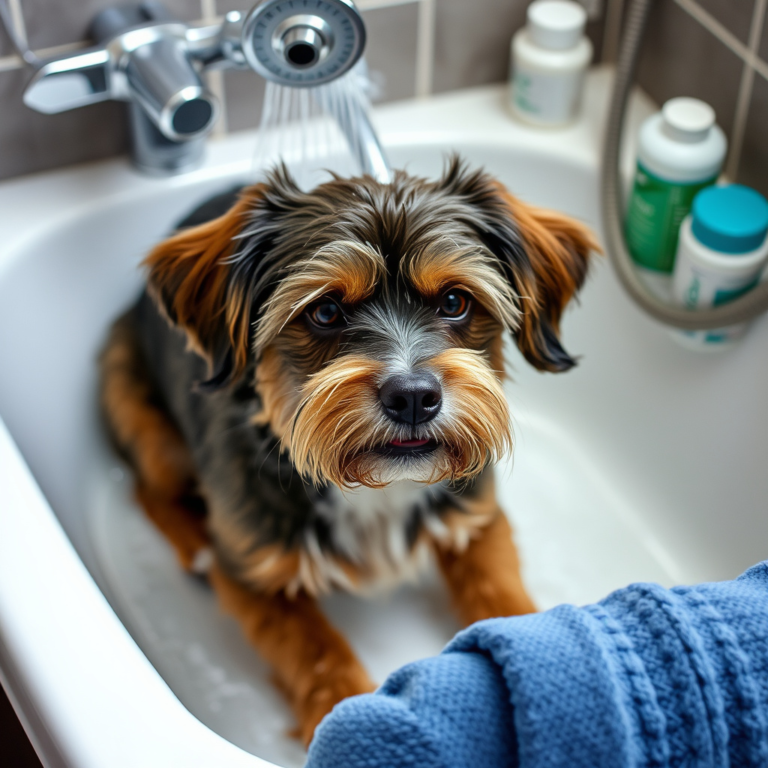
What Is a Face Trim for a Dog? A Complete Guide with Safe Steps
A face trim for a dog is a grooming process that involves carefully cutting the hair around a dog’s eyes, muzzle, chin, and sides to improve visibility and hygiene. This trim helps prevent irritation, matting, and discomfort, especially for breeds with longer facial hair. Understanding what is a face trim for a dog is essential for pet owners who want to keep their dogs comfortable and looking neat between professional grooming appointments.
This guide suits dog owners new to grooming or those curious about safely trimming their dog’s face at home. It covers necessary tools, step-by-step trimming instructions, and tips for handling your dog’s comfort during the process. You will also find advice on how often to trim and when to seek a professional groomer’s help.
Key Takeaways
- Use clippers to clean hair in front of your dog’s eyes to improve visibility and prevent irritation.
- Trim the dog’s bangs or visor by combing forward before cutting for a balanced look.
- Cut chin hair carefully to avoid pulling or irritation on sensitive skin areas.
- Comb and trim the sides of the face to round out the overall shape evenly.
- Trim every 4 to 8 weeks depending on your dog’s breed and coat type to maintain comfort.
- Start grooming puppies around 12 weeks old, after their first vaccines and vet clearance.
What Is a Face Trim for a Dog and Why It Matters
A face trim for a dog means carefully cutting the hair around the eyes, muzzle, and sometimes the chin and sides of the face. The goal is to keep those areas neat and well-shaped. This trim uses blunt or rounded-tip scissors to avoid injury and often involves slowly snipping the hair in small sections. It’s not just about looks; a face trim helps keep your dog comfortable and healthy.
Trimming the hair around your dog’s eyes is important to prevent irritation. Hair that falls into or covers their eyes can cause redness, itchiness, and even infections. By gently trimming this hair, you reduce the risk of eye irritations and help your dog see better. Using scissors or clippers to clean hair right in front of the eyes is a common practice. The trimmed area is usually shaped rounded to frame the face nicely and avoid stray hairs poking into the eyes.
Besides vision, a face trim improves hygiene. Hair on the muzzle or chin can trap dirt, food, and saliva, which might lead to unpleasant smells or skin problems. Trimming these areas helps keep your dog’s skin cleaner and reduces the chance of mats forming. Mats near the face can pull on the skin and cause discomfort. Handling mats by brushing them out before trimming gives a better result and avoids accidents from cutting blindly.
The process takes patience and gentle handling. Holding the dog’s head steady with one hand while trimming with the other reduces sudden movements and the risk of cuts. Trimming sessions should be short, especially for dogs new to grooming, taking only a few minutes at a time and rewarding your dog frequently to build a positive experience. Regular face trims keep your dog comfortable and maintain a tidy look without stress.
Costs vary if using professional grooming, typically around $15 to $40 depending on the salon and dog size, but doing it at home saves money and allows more frequent maintenance. For different breeds and coat types, trimming may need adjustments; dogs with longer or thicker hair require more frequent or thorough trims while those with short hair need less. Avoid trimming too close to the skin or toward the eyes to prevent injury and irritation.
Good results show clean, rounded edges around the face with no stray hairs blocking vision. The dog should be calm during and after grooming and not show signs of discomfort or eye rubbing. Poor trimming technique might cause cuts, scars, or stress for the dog, so learning proper tools and methods is important. Overall, a face trim improves your dog’s comfort by reducing eye irritations, keeping the face clean, and shaping the coat for easier grooming going forward.
Essential Tools for Safely Trimming Your Dog’s Face
For safely trimming your dog’s face, you’ll want a precise set of tools designed to protect delicate areas like eyes, ears, and muzzle. A good checklist includes blunt-tip, rounded scissors, quality hair clippers with adjustable blades, fine-toothed combs, and a soft brush. Each tool plays a specific role: scissors shape and refine edges, clippers handle bulk hair removal, and combs help detangle and smooth fur before trimming. Safety features like rounded scissor tips prevent accidental pokes near sensitive spots, while clippers with adjustable guards control hair length without cutting too short.
Both scissors and clippers are common for face trims, but their use depends on your dog’s coat type and your comfort level. Scissors provide more control around eyes, whiskers, and ears to avoid irritation, making them the better choice for detailed work. Clippers speed up trimming longer or thicker fur but can accidentally nick the skin if handled roughly, so they often require more skill. Many groomers recommend starting with scissors for sensitive areas and finishing with clippers for blending and shaping if necessary.
| Tool | Purpose | Safety Feature | Typical Cost |
|---|---|---|---|
| Blunt-tip Rounded Scissors | Precise trimming around eyes and muzzle | Rounded tips prevent pokes and cuts | $10-$30 |
| Hair Clippers | Bulk hair trimming and blending | Adjustable blade guards to control length | $30-$100+ |
| Fine-toothed Comb | Detangling and smoothing coat | Rounded teeth to avoid skin scratching | $5-$15 |
| Soft Grooming Brush | Removing loose hair and distributing oils | Soft bristles to protect sensitive skin | $8-$20 |
Trimming your dog’s face requires steady hands and attentive care. Start by combing through the fur to remove mats or loose hair. Use rounded-tip scissors to gently trim fur close to the eyes, moving slowly and watching your dog’s reactions. When using clippers, select ones made for pets that have an adjustable guard, and always test on a small area first to prevent skin cuts or uneven trimming.
Caution: Always keep scissors pointed away from your dog’s eyes and ears, and never rush the process to reduce the risk of accidental cuts or stress.
Investing in these tools ranges from about $50 to over $100 depending on quality and brand. Well-maintained instruments will last through many grooming sessions, making regular face trims manageable and safer at home. Pay attention to signs of anxiety or sudden movement during trimming, and think about getting help from a professional groomer skilled in managing fearful dogs safely.
Step-by-Step Guide to Trimming Your Dog’s Face at Home
Trimming your dog’s face at home requires patience, attention to detail, and gentle handling. Focus on carefully trimming around the eyes, muzzle, chin, and ears while blending the hair for a clean, natural appearance. Use appropriate tools like blunt-tipped scissors and combs, and keep your dog calm throughout the process to avoid injuries.
Trimming Around the Eyes Safely
Hair around your dog’s eyes can obstruct vision and cause irritation if it becomes too long. Trim carefully to prevent poking or cutting sensitive skin. Use small, rounded-tip scissors designed for pet grooming to minimize accidental nicks.
Comb the hair away from the eyes gently, following the direction of hair growth. Trim small amounts gradually, focusing on keeping the hair at the corners and below the eyes short but natural-looking. Avoid trimming the whiskers above the eyes since they help your dog sense their environment.
Shaping the Muzzle and Chin
Trimming the muzzle and chin defines your dog’s facial shape and keeps the coat neat. Avoid cutting whiskers on the muzzle, as they are connected to nerve-rich follicles. Use a comb to lift the hair evenly before trimming.
For a rounded muzzle, comb the hair forward and trim any strands extending beyond the nose line. Trim the chin hair carefully, maintaining a rounded shape for balance. Take small sections at a time to avoid over-cutting, and use curved grooming scissors to follow natural contours.
Blending Hair Near the Ears
Hair near the ears can grow in different directions and lengths, so blending trims here prevents harsh lines. Use grooming scissors to trim excess hair, but avoid cutting too close, as the ear skin is sensitive. Check for matting or debris before trimming.
To blend the ears smoothly into the coat, lift small sections of hair upward and trim at an angle following the natural coat flow. Regular brushing after trimming helps maintain this blended look and keeps the area tangle-free.
- Gather your tools: curved scissors with rounded tips, a fine-tooth comb, flat comb, and a calm space.
- Brush your dog’s coat to remove knots and loose hair, focusing on a clean, dry face.
- Start with the eyes: gently comb hair away from the eyes and trim small amounts, working slowly around the eyelids and corners.
- Move to the muzzle and chin: comb hair forward, then trim any hairs extending past the nose and shape the chin using small, precise cuts.
- Check whiskers and avoid trimming them to keep your dog’s sensory navigation intact.
- Trim around the ears by lifting hair and cutting to blend, avoiding the sensitive ear canal area.
- Comb all trimmed areas again and use scissors to blend any lines or uneven lengths.
- Reward your dog with praise or treats to encourage good behavior during future trims.
How Often Should Your Dog’s Face Be Trimmed?
A dog’s face should typically be trimmed every 4 to 8 weeks, depending on their breed, coat type, and lifestyle. Seasonal changes can also affect how often you need to trim, as coat growth and maintenance needs vary between warmer and cooler months. Signs your dog needs a trim include fur obstructing their eyes, excessive tear staining, or visible matting.
Breed and Coat Influence on Trim Frequency
Different breeds require different face trim schedules. Long-haired breeds like Shih Tzus or Maltese usually need more frequent trims, around every 4 to 6 weeks, to prevent fur from covering their eyes and causing irritation. Dogs with short or wiry coats, such as Boxers or Terriers, may need less frequent trims, often closer to every 8 weeks, since their fur doesn’t grow as quickly or become as tangled.
Coat texture also plays a role. Curly or dense coats, like those of Poodles or Bichon Frises, need regular grooming to avoid matting near sensitive areas. In contrast, smooth-coated dogs tend to need less frequent face trims since their hair stays shorter and less prone to tangles.
Seasonal Considerations Affecting Trim Schedules
Seasonal changes influence how often a dog needs grooming. During warmer months, dogs may benefit from more frequent trims, every 4 to 6 weeks, to help them stay cool and prevent excess dirt or debris from getting trapped in their fur. In colder months, trims can often be spaced out to 6 to 8 weeks to allow the coat to provide better insulation.
Spring and fall are times when shedding may increase, especially for double-coated breeds. This increased coat turnover can mean more frequent brushing combined with trims to keep facial hair manageable and skin healthy. Adjusting trim frequency based on your dog’s seasonal coat changes supports comfort and skin health.
When to Trim More Frequently
Some dogs require face trims more often than standard intervals. If your dog’s fur grows quickly or becomes matted easily, trimming every 3 to 4 weeks may be necessary to avoid discomfort or eye irritation. Dogs with health concerns affecting their skin, like allergies or sensitive skin, might also need more frequent, gentle trims to keep the area clean and prevent infections.
Active dogs that spend lots of time outdoors can accumulate dirt, twigs, or debris around their face that require more regular trimming. Also, dogs with facial fur that interferes with eating, vision, or breathing should be trimmed promptly rather than following a fixed schedule.
Recognizing Signs Your Dog Needs a Trim
Look for fur covering your dog’s eyes or obstructing their vision, which can cause discomfort and increase the risk of eye infections. Excessive tear staining or red, irritated skin around the eyes or muzzle also signals a need for trim and cleaning. Tangled or matted fur near the face can pull on the skin and trap moisture, creating hotspots or infections.
Other signs include constant pawing at the face, changes in behavior due to discomfort, or fur that touches the ground or mouth excessively. Regularly checking your dog’s face and trim as needed helps maintain their comfort and prevents grooming problems from developing.
Handling Dog Behavior and Comfort During a Face Trim
Keeping your dog calm during a face trim relies on using gentle handling, positive reinforcement, and stopping when your dog shows stress. Start by building trust through slow, rewarding steps, and use calming techniques tailored to your dog’s comfort level.
Start with Comfortable Touches
Begin by touching areas where your dog already feels safe, like the chest or shoulders. Spend several short sessions getting your dog used to gentle touches around the face without using grooming tools. This helps build a positive association with face contact. Speak softly and avoid direct eye contact by sitting at an angle, which can prevent your dog from feeling threatened. Once your dog allows touching and light handling calmly, you can slowly introduce grooming tools, showing them calmly and letting your dog sniff or investigate before using them.
Use Positive Reinforcement Throughout
Reward calm and cooperative behavior with treats, praise, or petting to create a positive experience around grooming. Keep sessions short, generally under 10 minutes for face trims, and end on a good note.
Consistency matters. Frequent short sessions with lots of rewards help your dog associate face trims with positive outcomes, making future sessions easier.
Calming Tips to Keep Your Dog Relaxed
Here are practical techniques to maintain calmness during grooming:
- Choose a quiet, familiar environment with minimal distractions.
- Stay calm and use a soft voice to soothe your dog.
- Offer a favorite treat or toy to keep the dog’s attention positive.
- Use minimal restraint, allow freedom of movement within a safe range.
- Stop and give breaks if your dog shows signs of stress like lip licking, yawning, or pulling away.
- Start grooming after physical exercise to help your dog settle.
- Consider splitting the face trim over multiple short sessions if needed.
Applying these tips can make a noticeable difference in your dog’s behavior and comfort during face trims.
Recognizing When to Pause
Your dog’s reaction to touch and grooming is your best guide to knowing when to stop. If your dog resists, lip licks, avoids eye contact, or shows other stress signals, end the session and try again later.
It’s better to have several short, calm sessions than one long, stressful one. This approach helps build trust and reduces fear or anxiety over time.
Tip: Always watch your dog’s body language closely and stop immediately if you notice stress, then resume only when your dog is calm again.
Behavior Management Checklist
Here is a step-by-step checklist to manage your dog during a face trim effectively:
- Begin by petting areas your dog already loves to be touched.
- Introduce grooming tools slowly without using them initially.
- Use calm tones and avoid facing your dog head-on.
- Reward calm behaviors generously with treats and praise.
- Keep sessions brief, under 10 minutes for face trims.
- Observe for stress signs and stop if they appear.
- Break grooming into multiple sessions if resistance continues.
Following this checklist helps ensure grooming stays a positive experience and your dog learns to cooperate more easily.
Safety Precautions and Common Mistakes to Avoid When Trimming
Safety comes first when trimming your dog’s face to prevent injury and discomfort. Always use sharp, clean grooming tools designed for pets, and work in a well-lit, calm environment. Gently hold your dog steady without squeezing, and trim in short, controlled strokes. Keep a pair of blunt-tipped scissors or clippers nearby for areas near the eyes and mouth to reduce the risk of nicks. Avoid rushing, since nervous or impatient handling can cause sudden movements and accidents. Consult your veterinarian before trimming if your dog has sensitive skin or a known condition, to make sure the method works well for your pet’s needs.
A common error is cutting too close to the skin, especially through mats, which can trap skin folds tightly and cause accidental nicks. Avoid trimming matted fur without carefully detangling first. Working slowly and gently helps prevent pulling and irritation. Another mistake is trimming the whiskers. Canine whiskers are highly sensitive and help dogs sense their surroundings, so it’s best to leave them intact. Trimming whiskers can disorient and upset your dog. Focus instead on trimming the fur around the whiskers with great care, leaving the whiskers themselves untouched.
Recognizing sensitive spots is important for a smooth face trim. Areas around the eyes, ears, nose, and mouth are usually more delicate. Use smaller scissors or a quiet clipper with a guard to carefully trim these zones, always cutting away from the skin. Pause and soothe your dog if they pull back or seem uncomfortable, then continue slowly. Dogs with thin or sparse fur have less natural protection, so avoid shaving these areas and protect them from sun exposure afterward.
To avoid common mistakes, here is a practical checklist: prepare tools and treats ahead; brush out all mats gently before trimming; never cut into tangled fur; keep your dog calm and supported; do not trim whiskers; use safety scissors near the face; trim in the direction of hair growth; take breaks if your dog resists; watch for signs of skin irritation; and ask your vet about any skin sensitivities. Following these steps helps make face trimming safe and comfortable.
When to Trust a Professional Groomer for Your Dog’s Face Trim
Trimming your dog’s face at home can work well for many pet owners, especially for dogs with straightforward grooming needs and calm temperaments. However, there are clear scenarios when seeking a professional groomer is safer and more effective. Professional groomers have specialized tools, training, and experience to handle sensitive areas like the face, ensuring the trim looks neat and prevents injuries.
Choose professional grooming if you notice any warning signs that the task may be too difficult or risky for a home attempt. A dog with a heavily matted coat or one that resists handling often requires professional attention. Attempting to remove mats or trim a struggling dog can result in cuts, stress, and damaged coat. Also, breeds with complex coat types or fine facial hair, such as Poodles, Shih Tzus, and Maltese, benefit from expert grooming to maintain the correct style and avoid skin irritation.
Emotional well-being is another key factor. If your dog shows increased anxiety, stress, or fear during home grooming that negatively affects your relationship, it’s a sign to hand off the job. Groomers are trained to manage nervous dogs calmly and may use special techniques or sedation under vet supervision when necessary. Starting professional grooming sessions around 12 weeks of age, after vaccinations, can also help puppies get comfortable with the process.
- Heavily matted fur on the face or neck
- Dog shows aggressive or fearful behavior during trimming
- Breed has fine, curly, or double coat requiring specialized techniques
- Home trimming causes stress impacting your bond with your dog
- First-time grooming session for a puppy under 12 weeks old
- Need for advanced grooming services like teeth brushing or deshedding
Scheduling a professional groomer means your dog’s trim comes with a custom grooming plan tailored to their coat type and your preferences. Groomers can recommend the ideal haircut length, coat treatments, and additional services that support your dog’s skin and coat health. While basic care like brushing and bathing is manageable at home, the face trim can be delicate and precise. Professional settings avoid risks like accidental cuts or uneven results and typically charge between $30 and $90 for a face trim alone, depending on location and breed.
Aftercare Tips to Protect Your Dog’s Skin and Coat Post Trim
After trimming your dog’s face, caring for the skin and coat helps avoid irritation and keeps your pet comfortable. Clean the trimmed area gently using a damp, soft cloth or a mild dog shampoo recommended by your veterinarian. Avoid harsh soaps or human shampoos that can dry out sensitive skin. Keeping the area clean prevents dirt buildup that can cause itching or infections. Dry the fur completely with a soft towel to avoid moisture trapped against the skin, which could lead to hot spots or fungal issues.
Moisturizing the skin after a face trim supports healing and reduces tightness, especially for dogs with sensitive or dry skin. Use a pet-safe moisturizer or natural oils like coconut oil sparingly. A thin layer applied once or twice a day on trimmed areas helps maintain skin softness without clogging pores. Avoid products with strong fragrances or chemicals that might cause irritation. Notice redness or persistent dryness, then talk to your veterinarian for tailored advice or medicated treatments.
Sun protection is important after face trimming since shorter fur means less natural shielding. Dogs with light-colored or thin coats are particularly at risk for sunburn on exposed skin. Apply a vet-approved sunscreen made specifically for dogs on exposed parts like the muzzle and around the eyes. Limit your dog’s time in direct sunlight during peak hours from 10 a.m. To 4 p.m. Keeping your dog in shaded areas or using a lightweight protective covering around the face can also reduce sun exposure risks.
Checking the trimmed fur regularly helps you catch any signs of discomfort, such as scratching or redness. Your dog’s face trim that involved removing fringe near the eyes can improve vision and decrease irritation or tear stains. Keeping hair away from the eyes lowers the chance of debris buildup and infections. This improve visibility also improves your dog’s comfort and reduces pawing at the face due to itchy hair poking the eyes.
Most dogs benefit from gentle aftercare for at least several days following a face trim. Repeating the cleaning and moisturizing routine every day or every other day provides the best results. For grooming-related add-ons like ear cleaning or tear stain removal, costs typically range from $5 to $10 at professional groomers. Doing these tasks together keeps the face clean and healthy without over-handling. Bathing, nail trimming, and ear cleaning on an 8 to 12-week schedule help maintain overall hygiene between trims.
Always use products designed for dogs to avoid allergic reactions and never apply human lotions or sunscreens on your dog’s skin.
Step-by-Step Action Plan for Your Dog’s Face Trim
Follow these steps to trim your dog’s face safely and comfortably, helping keep your pet healthy and happy.
- Before you start: Gather all essential tools like blunt-tipped scissors, a slicker brush, and grooming clippers. Check your dog’s calmness to ensure a safe session.
- Day 1: Brush the dog’s face gently to remove tangles. Your dog should stay relaxed and still during brushing.
- Day 2: Begin trimming around the eyes first, using scissors for precision. Success means neatly trimmed fur without causing discomfort or cuts.
- Day 3: Trim the muzzle and around the mouth carefully, avoiding sensitive areas. Watch for your dog’s comfort; they should not flinch or pull away.
- Every 3 to 4 weeks: Inspect and trim any new hair growth to maintain a clean look. Your dog’s face should look tidy with no fur obstructing eyes or mouth.
- After trimming: Check your dog’s skin for redness or irritation and apply a dog-safe moisturizer if needed. Healthy skin means no signs of redness or dryness.
- When unsure: Schedule a professional groomer appointment, especially if your dog resists or if the coat is thick and curly. A pro can safely handle tricky trims.
Frequently Asked Questions
What Is a Face Trim for a Dog?
A face trim is carefully cutting the hair around your dog’s eyes, muzzle, and ears to improve cleanliness and vision. It helps prevent irritation and keeps your dog looking tidy without shaving or drastically altering the coat.
Should I Trim My Dog’s Face Hair?
You should trim your dog’s face hair to keep it clean and clear around the eyes and mouth. Regular trimming prevents mats and skin issues but always use blunt scissors and trim slowly to avoid injury.
What Is the Cleanest House Dog?
Breeds like the Basenji and Maltese are often considered clean house dogs because they shed less and require regular grooming, including face trims to maintain tidiness. Keeping their face hair trimmed helps reduce dirt and tear stains.
What Not to Say to a Dog Groomer?
Avoid commenting on your dog’s behavior in a negative way or suggesting unsafe grooming shortcuts. Respect their expertise, especially about face trims, to ensure your dog’s safety and comfort during grooming.
What Dog Breed Should Never Be Shaved?
Breeds with double coats, such as Huskies and Malamutes, should never be shaved because it disrupts their insulation. Face trims are safe but full shaving can harm their coat and skin health.
How Do I Know If My Dog Needs a Face Trim Right Now?
Check if hair is blocking your dog’s eyes or causing irritation; these signs mean it’s time for a face trim.
Before You Go
Trimming your dog’s face is an important part of their grooming routine that helps maintain their comfort and hygiene. Taking it slow, using the right tools, and paying attention to your dog’s behavior will make the process safer and less stressful. Start with a simple trim today, focusing on one small area, and build confidence over time for the best results. Should problems arise, don’t hesitate to contact a professional groomer for help.