How to Groom a Dog’s Face: Simple Steps and Pro Tips for Safe, Clean Results
Grooming a dog’s face safely and effectively requires gentle trimming, careful cleaning, and the right tools to avoid injury and discomfort. Using clippers with a #10 blade or scissors designed for pets helps you keep your dog’s facial hair tidy without cutting too close to the skin. Regular attention prevents mats, irritations, and keeps your dog comfortable.
This information is for dog owners who want clear, practical steps to maintain their dog’s facial grooming at home. You’ll learn proper preparation, trimming techniques for different coat types, and ways to keep the face clean between grooming sessions.
Key Takeaways
- Trim your dog’s facial hair about every 2 to 4 weeks to maintain a tidy appearance and avoid skin irritation.
- Use a #10 blade clipper or blunt-tipped scissors for trimming hair around eyes and ears.
- Choose a pin brush for long-haired dogs and a soft-bristle brush for short-haired breeds.
- Set up a calm, well-lit grooming space to help your dog feel comfortable.
- Brush regularly to spot mats or sensitive areas early for prompt care.
- Clean the face gently between grooming sessions to maintain hygiene and reduce irritations.
How to Groom a Dog’s Face Safely and Effectively
Grooming your dog’s face demands a calm approach, gentle handling, and a well-thought-out method to prevent any harm or stress. Your dog’s facial skin is thin and sensitive, and the whiskers there are essential sensory tools that must remain untouched. Correct grooming helps maintain your dog’s comfort, wards off infections, and promotes cleanliness.
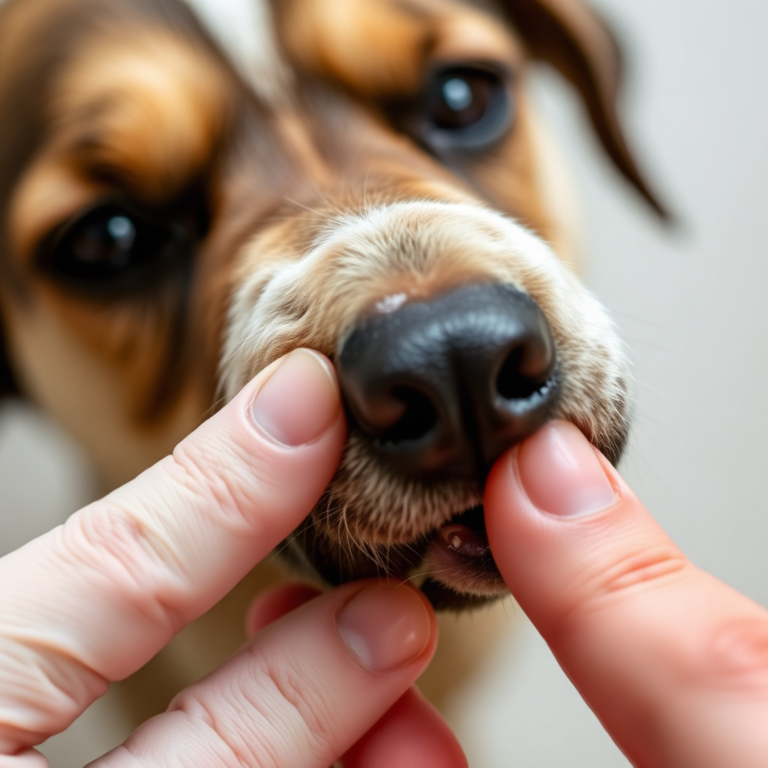
To start, ensure your dog is calm and relaxed. Use quiet, gentle strokes and only trim when your dog is comfortable sitting still. Always inspect the face first for any lumps, sores, or skin issues that may need veterinary attention before touching or trimming. Pay special attention to the eyes, nose, and mouth areas for sensitivity. Avoid trimming whiskers as they serve critical sensory functions.
- Hold your dog securely in your lap or on a stable surface to prevent sudden movements.
- Comb the facial hair gently using a soft-bristled brush or comb to remove tangles and expose the trimming area.
- Use sharp grooming scissors to trim hair around the eyes, always cutting slowly and pointing the blades away from the eyes and nose to prevent injury.
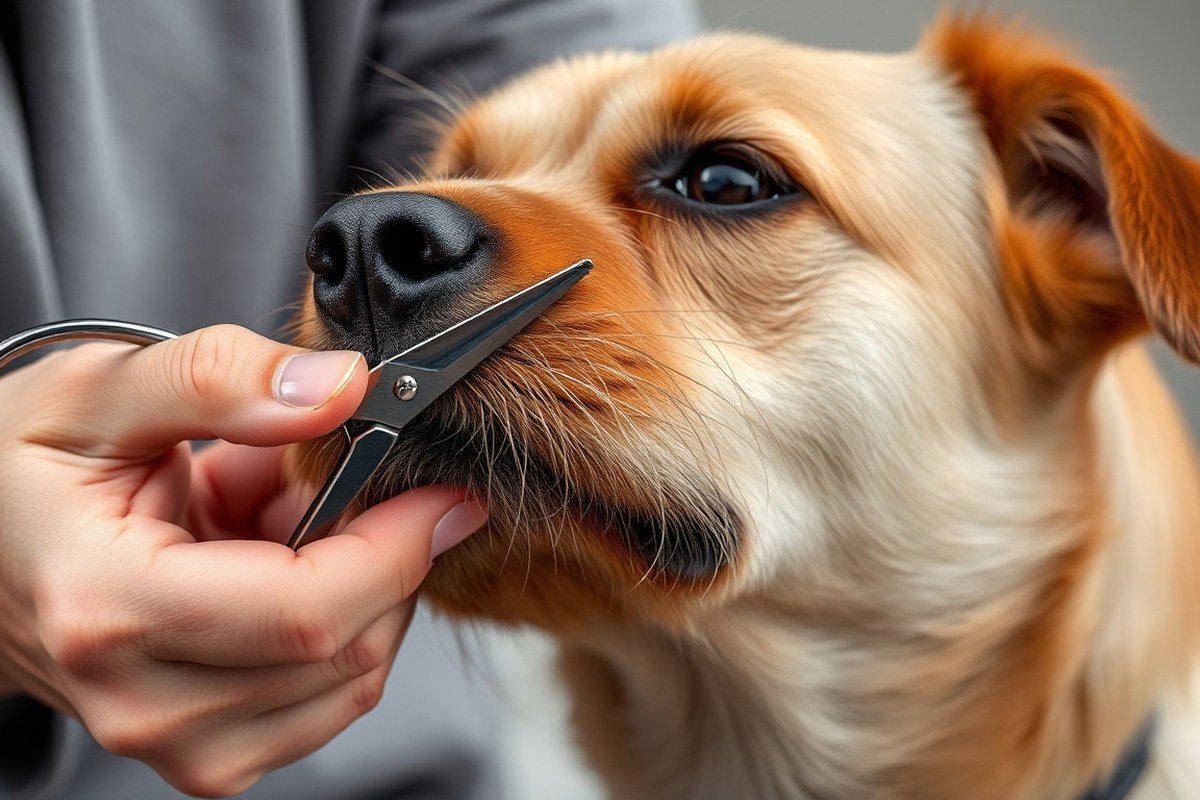
- Trim the bridge of the nose carefully with scissors close to the skin, but never touch the skin directly or cut whiskers.
- Use clippers on a low setting for the rest of the face, moving in the direction of the hair growth to avoid discomfort and uneven cuts.
- Trim only small sections at a time, stopping often to check your dog’s comfort and to prevent skin irritation.
- Check regularly between trimmings, about every 2 to 4 weeks, to maintain comfort and hygiene without traumatizing the skin.
- Praise and reward your dog with calm words or treats after grooming to encourage positive associations and reduce stress.
Trimming your dog’s face this way protects sensitive skin and keeps whiskers intact, essential for their senses. Avoid rushing or forcing any step, especially on sensitive areas like the ears and around the mouth. Use grooming sessions as a chance to inspect your dog’s face for early signs of problems such as irritation or lumps. Keeping grooming tools clean and sharp also reduces the risk of pulling hair or causing cuts. Your dog’s comfort should always come first to make the process safe and effective.
Choosing the Best Tools for Grooming Your Dog’s Face

Choosing the right tools makes grooming your dog’s face easier and safer. Clippers handle large patches quickly, but scissors offer the control needed for delicate areas like around the eyes. For most dogs, especially near the eyes and muzzle, scissors designed for pets work best to avoid accidents and discomfort. Clippers generally trim hair closer but can intimidate dogs due to the vibration and noise. For trimming close to sensitive spots, scissors are safer.
Brushes depend on hair length and texture. Long-haired dogs benefit from pin brushes that detangle without pulling seriously. Dogs with short or wiry hair need natural or soft bristle brushes or slicker brushes plus metal combs to manage tangles and mats effectively. Regular brushing helps spot problem areas before trimming. Cleaning supplies should be mild and made for sensitive skin to avoid irritation around the face. Below is a comparison of essential grooming tools suitable for various dog coat types and face grooming tasks:
| Tool | Best Use | Coat Type | Key Feature |
|---|---|---|---|
| Dog Grooming Scissors (Straight) | Trimming around eyes and ears with precision | All, especially sensitive facial areas | Sharp, non-slip handles for control |
| Dog Grooming Scissors (Curved) | Shaping hair around muzzle and face | All, helpful for rounded trims | Curved blades for contouring |
| Electric Clippers with Attachment Combs | Trimming broad facial areas quickly | All except very sensitive or anxious dogs | Multiple guard lengths for adjustable cut |
| Pin Brush | Daily brushing, detangling long hair | Long-haired breeds | Flexible pins that reduce pulling |
| Slicker Brush + Metal Comb | Removing mats, managing wiry short hair | Short or wire-haired breeds | Slicker brush prongs loosen mats; comb smooths |
| Soft/Natural Bristle Brush | Smooth, shine short coats | Short-haired dogs | Gentle on sensitive facial skin |
Successful grooming depends on using tools that fit your dog’s coat and temperament. For example, avoid using clippers near the eyes because the vibration may stress your dog and cause injury. Instead, use straight scissors with sharp blades and steady hands. Keep your scissors sharp and clean for the best cut and fewer snags.
Start trimming slowly, especially around sensitive areas; rushing increases the risk of nicks and scares your dog.
Cleansers for grooming should be formulated for pets and free of harsh chemicals or fragrances. Use a damp cloth or pet-safe wipes to clean the face between grooming sessions without irritating delicate skin. Combining the right brushes, scissors, clippers, and cleansers ensures grooming is comfortable and effective for you and your dog.
Preparing Your Dog and Setting Up the Grooming Space
Preparing your dog and setting up a calm grooming environment helps make face grooming safer and less stressful for both of you. You want your dog relaxed and your space organized before you start so the process goes smoothly without sudden movements or anxiety.
Calming Techniques Before Grooming
Helping your dog stay calm before grooming reduces stress and makes it easier to handle. Start by giving your dog some physical exercise to release extra energy, especially if they are very active. A good 15 to 30-minute walk or light play session often helps settle an energetic dog.
Use a gentle, soothing voice or whisper happy songs to ease tension. Dogs can pick up on your stress, so staying relaxed yourself is key. Praise your dog warmly and give plenty of treats during pre-grooming and throughout. This positive reinforcement encourages your dog to associate face grooming with good experiences.
Setting Up a Safe Grooming Space
A well-prepared grooming area keeps your dog safe and comfortable while you work. Choose a quiet room with minimal distractions and a nonslip surface like rubber mats or a towel on a flat table or counter at a comfortable height. Proper lighting helps you see details without startling your dog with harsh flashes.
Keep the temperature comfortable, around 68, 72°F, so your dog doesn’t get too hot or cold during grooming. Clear the area of anything your dog could knock over or chew on. Have the grooming tools within reach but out of your dog’s reach and stored safely between uses.
- Quiet, well-lit room with minimal distractions
- Flat surface with nonslip covering at waist height
- Comfortable room temperature (68, 72°F)
- Grooming tools neatly organized but away from the dog
- Soft towel or mat for the dog to stand or sit on
- Easy access to treats and water
- Consider a helper if your dog tends to move a lot
Setting up your space before bringing the dog in can prevent stress, making the session safer and easier to control.
Equipment and Assistance Preparation
Gather all your grooming tools ahead of time so you don’t have to leave your dog unattended. Essentials include a gentle brush or comb, grooming scissors or clippers if trimming, a damp cloth for cleaning, and treats. Having everything ready avoids delays that might increase your dog’s anxiety.
If your dog has difficulty staying still, ask a family member or friend to help hold them gently but firmly. This extra pair of hands can keep your dog comfortable and steady, allowing you to focus on grooming safely. Always use calm restraint. Avoid forcing your dog into uncomfortable positions as it can cause resistance or injury.
Practice short grooming sessions initially to build your dog’s comfort over time. Even a few minutes of brushing followed by praise and treats helps your dog get used to the process gradually.
Trimming Techniques for Different Faces and Coat Types
Trimming your dog’s face requires techniques that vary by breed, coat length, and sensitive areas like eyes, ears, and muzzle. Short-haired dogs generally need only light trimming to keep the coat neat, while long-haired breeds require more careful shaping to prevent obstruction of vision and discomfort. Using specialized scissors and clippers, you can maintain safe and effective grooming, protecting delicate areas and keeping your dog comfortable.
Trimming Around the Eyes and Ears Safely
Keeping hair trimmed around the eyes prevents irritation and helps maintain your dog’s clear vision. The ears also need careful trimming to avoid infections and allow air circulation. Use blunt-ended scissors or a number 10 clipper blade for controlled trimming close to these delicate areas. Follow these steps to safely trim around the eyes and ears:
- Calm your dog and ensure good lighting so you can see fine hairs clearly.
- Hold the blunt-ended scissors parallel to your dog’s face to reduce the risk of poking the eye.
- Carefully cut small amounts of hair around the eyes, keeping at least ¼ inch (6 mm) away from the eyeball.
- Use a clipper with a number 10 blade to gently trim the hair around the outer ear edges, avoiding the ear canal to prevent injury and infections.
- Check for tear stains, especially on long-haired or white-coated dogs, and carefully trim or clean as needed.
- Avoid using soaps or shampoos directly around eyes and ears unless they are tearless formulations designed for dogs.
Muzzle and Whisker Trimming Techniques
The muzzle area requires a steady hand and careful attention to avoid harming your dog’s whiskers, which are important sensory tools. Trim only the fur around the muzzle, leaving whiskers intact unless absolutely necessary for hygiene or medical reasons. To trim around the muzzle effectively:
- Use scissors designed for dogs with blunt ends and a pointed tip for precision.
- Gently hold the muzzle steady but comfortably to avoid sudden movements.
- Trim stray hairs around the lips and undersides, avoiding the whiskers and the skin close to the nose.
- Take small snips, checking frequently to maintain an even, natural look that matches the rest of the face.
- Maintain hair length about 1 inch (2.5 cm) on the chin for breeds where a bell-shaped face is desired, matching ear length for balanced appearance.
Adjusting for Coat Types and Styles
Coat length and texture dictate the trimming approach. Short-haired dogs, like Boxers or Beagles, usually need only minor trimming to remove ragged edges around the face. Long-haired breeds, such as Shih Tzus or Malteses, need more frequent trimming to prevent hair from obscuring eyes and trapping dirt, which can cause irritation or infections.
For thick or double coats, like those of Huskies or Golden Retrievers, avoid trimming too close to the skin. Instead, use thinning shears to blend and reduce bulk gently. For curly or wiry coats (think Poodles or Terriers), clipper use with appropriate blade length or scissor work helps shape the face while preserving the coat’s natural texture and preventing mats.
Long-haired dogs benefit from weekly face grooming to maintain cleanliness and comfort. A trimmed length of about 1 inch (2.5 cm) around sensitive areas strikes a balance between neatness and protection, as too short can expose skin to sun or injury, and too long can impair vision or cause discomfort.
Cleaning and Maintaining Facial Hygiene Between Groomings
Cleaning your dog’s face regularly helps prevent infections and keeps them comfortable and fresh. For the eyes, use a damp cloth or a dog-safe eye wipe to gently remove discharge or tear stains daily, especially for light-colored dogs. Avoid using human products or anything with fragrance, as dogs are sensitive to many ingredients that can irritate their eyes. A soft, damp cotton ball or gauze is ideal for this area. For the ears, clean only the outer parts and the ear flaps once or twice a week, never inserting anything into the ear canal. Use a gentle, vet-recommended ear cleaner applied to a cotton ball or soft cloth, and avoid water inside the ears to reduce infection risk.
The muzzle and surrounding face can be cleaned with a wet washcloth or sponge dipped in lukewarm water mixed with a small amount of mild dog shampoo. Wipe gently to remove dirt, food debris, and oils daily or several times a week. Be careful not to get water or shampoo into the eyes or ears. Cotton balls can be placed loosely in the ears before cleaning to keep water out if you anticipate your dog might move. After cleaning, dry the face with a soft towel promptly to prevent moisture buildup, which could lead to irritation or infection.
To avoid irritation, always use products specifically formulated for dogs and test any new item on a small skin area first. Choose unscented and hypoallergenic options when possible. Clean the most sensitive areas, like eyes and ears, with separate materials than what you use on the muzzle to prevent cross-contamination and reduce exposure to irritants. Regular brushing around the face after cleaning helps remove loose hair and debris, keeping the skin healthy.
A typical facial cleaning routine might look like this: first, wipe your dog’s eyes with a damp cotton ball; then clean the ears’ outer surfaces with an ear cleaner on a cotton ball; finally, use a soapy washcloth to clean the muzzle and cheeks. Doing this daily or at least 2 to 3 times a week offers the best results in maintaining hygiene. Daily cleaning is especially beneficial for dogs with facial folds or those prone to tear staining.
This routine takes about 5 to 10 minutes once you and your dog are comfortable with the process. Costs vary but expect to spend around $10 to $20 on dog-safe shampoo, ear cleaner, and wipes from a pet store. Cleanliness shows in a bright-eyed, odor-free dog with no redness or flaking on the face. Signs of irritation include redness, swelling, or persistent discharge. If you see these, stop cleaning and consult your vet.
Never insert cotton swabs or any objects into your dog’s ear canal; cleaning only the outer ear prevents damage and infections.
Managing Mats, Tangles, and Sensitive Skin on the Face
Facial mats and tangles can cause discomfort and skin irritation, especially on your dog’s face where the skin is delicate. Recognizing mats early helps you remove them safely. Mats form when hair twists and knots, trapping dirt and moisture, which can lead to skin infections or painful pulling if left untreated. Dogs with longer or thicker coats are more prone to mats around eyes, ears, and muzzle, but even short-haired dogs can develop tangles. Using gentle, appropriate tools helps protect sensitive skin while detangling and prevents mats from reforming between grooming sessions.
Use a careful approach that prioritizes your dog’s comfort and skin health. Choose a pH-balanced, gentle detangler or conditioner suited for sensitive skin. Avoid harsh shampoos or chemicals that might cause irritation. When you encounter mats, do not pull hard; detangle gradually. Regular brushing every other day can help keep mats from developing. This maintenance includes wiping the face with a damp cloth to remove loose hair and debris daily. Long hair around the ears and face benefits from a fine-tooth comb to gently work through any small tangles before they become full mats. If a mat is too tight or close to the skin, clipping with grooming scissors or clippers used carefully in the direction of hair growth might be safer than pulling.
- Wipe your dog’s face with a damp cloth to remove dirt and loose hair, reducing the chance of mats starting. Focus around the eyes, muzzle, and ears.
- Apply a pet-safe detangling spray lightly on matted areas to soften the hair and ease combing. Ensure the product is free from harsh chemicals, dyes, or strong fragrances.
- Use a wide-tooth comb or your fingers to gently separate the mats starting at the edges. Hold the base of the mat near the skin to minimize pulling on the skin.
- Work through the mat slowly in small sections, moving from the ends of the hair toward the roots, trimming small knots if necessary with blunt-ended scissors if they cannot be loosened safely.
- Brush the surrounding hair with a soft-bristle brush using gentle strokes to prevent irritation. For short-haired dogs, a rubber curry brush can stimulate skin and remove loose hair.
- Check your dog’s skin frequently during grooming for redness, lumps, or ticks, especially near the mats, to catch any problems early.
- Regularly brush your dog’s face every two days to prevent dirt buildup and mats. Establish a routine so your dog gets used to gentle facial grooming.
- Clip stubborn mats carefully if you cannot detangle them and if they cause pain. Always use clippers in the direction of hair growth and avoid cutting close to the skin. Consider a professional groomer for difficult mats.
Safety Precautions and When to Seek Professional Help
To avoid injuries while grooming your dog’s face, start with a careful injury prevention checklist. Use only grooming tools designed specifically for dogs, as their skin is more sensitive and has a different pH than human skin. Always handle your dog gently, avoiding lifting legs or pulling skin sharply. Keep your nails trimmed and cleaning supplies dog-friendly to prevent irritation or allergic reactions. Work in a well-lit, quiet space to reduce your dog’s stress and unexpected movements. Regularly touch sensitive areas like paws, ears, and tail outside grooming sessions to familiarize your dog with gentle handling, which lowers the chance of sudden resistance during grooming.
Watch for warning signs that you should stop grooming immediately: any excessive bleeding, visible wounds, sudden skin redness, swelling, or signs that your dog is in pain. Your dog shaking its head, scratching too much, or licking the same spot during or after grooming might mean there’s a problem like an ear infection or skin irritation. Avoid continuing if your dog is highly anxious or struggling, as forcing grooming can cause stress and accidental injury.
It’s helpful to know when to call a professional groomer or vet. A groomer can help if your dog’s fur is tangled beyond what you can safely fix, needs a specific cut for its breed, or resists grooming despite your care. Long-haired dogs benefit from grooming every 4 to 6 weeks to keep their coat healthy and avoid injuries. Signs like unusual skin areas, frequent scratching or biting, or infections with pus or bad smells mean you should see your vet right away. Ear issues often need vet treatment beyond normal cleaning.
Professional grooming costs vary widely, generally ranging from $30 to $90 per session depending on the dog’s size, coat condition, and services needed. Though it may seem costly, it can prevent expensive vet visits by maintaining your dog’s coat and skin health safely. Learning to perform basic maintenance grooming at home is helpful between these visits, but set clear limits about what you can safely manage. Using professional grooming as a complement to your care ensures your dog’s well-being is prioritized while reducing risks of self-injury or frustration.
Encouraging Positive Behavior During and After Grooming
Keeping your dog calm and cooperative during grooming depends heavily on positive reinforcement and clear, consistent routines. Using treats and calm praise encourages good behavior, while breaking grooming into short, manageable sessions helps reduce anxiety. Building trust gradually turns grooming into a positive part of your dog’s routine.
Using Treats and Verbal Praise
Treats are one of the most effective tools to encourage cooperation during face grooming. Use your dog’s favorite small, soft treats to reward calmness and patience at every step, including touching the face, ears, and muzzle. Along with treats, speaking to your dog in a gentle, calm voice reinforces relaxation. Singing softly or giving quiet praise phrases like “good boy” or “good girl” keeps the mood positive and prevents stress.
Keep treats and toys within easy reach during grooming to maintain a smooth workflow and reinforce calm behavior consistently. For nervous dogs, frequent verbal reassurance paired with treats helps create a positive association with grooming. This builds trust in both the process and you as the handler.
Breaking Grooming into Manageable Sessions
Short, frequent grooming sessions work better than long, intense ones, especially for dogs new to face grooming. Start with just a few minutes a day focused on gently handling the face, then immediately reward your dog. Gradually increase session length as your dog becomes more comfortable. For anxious dogs, limit sessions to 3 to 5 minutes initially.
Using a grooming table with a grooming arm can help keep your dog steady, but always combine physical restraint with positive reinforcement. Allow breaks when needed to prevent frustration or overwhelming your dog.
- Handle your dog’s face gently and slowly to avoid triggers
- Reward calm sitting or standing with treats immediately
- End sessions on a positive note, even if brief
- Gradually introduce grooming tools by letting your dog sniff and see them first
- Use a consistent cue word before starting to groom, like “face time”
Never force grooming if your dog shows signs of distress; pause and comfort before trying again.
Establishing Routine and Trust
Consistency helps your dog anticipate grooming and approach it as a normal, expected event. Schedule face grooming sessions around the same time each day or week. Begin by simply touching and praising the face outside of grooming times to build comfort with the handling. Over time, your dog learns that grooming means treats, calm voice, and no surprises.
Trust grows through patience and positive experiences. For highly sensitive or fearful dogs, practice brief touch and release multiple times throughout the day before attempting a full grooming session. Celebrate even small improvements with enthusiastic praise and rewards.
Step-by-Step Action Plan for Grooming Your Dog’s Face
Follow these steps to start grooming your dog’s face effectively and safely at home.
- Before You Start: Gather all grooming tools like a comb, scissors, and dog-safe wipes. You’ll know you’re ready when everything is within reach to prevent interruptions.
- Day 1: Introduce your dog to the tools gently, letting them sniff and see them. Look for signs of calm behavior to confirm your dog is comfortable.
- Day 3: Begin by wiping your dog’s face with a damp cloth to clean dirt and loosen debris. Check for a visibly cleaner coat and improved texture.
- By Week 1: Use a comb to gently detangle around the eyes and mouth, stopping if your dog shows discomfort. Smooth, knot-free fur means success.
- Week 2: Carefully trim excess hair near the eyes and muzzle with small scissors, trimming only a little at a time to avoid accidents. Clear visibility of the eyes signals proper trimming.
- Week 3: Perform a full face grooming session, combining cleaning, combing, and trimming. Your dog should stay calm and behave cooperatively throughout.
- After 4 Weeks: Assess your dog’s facial coat condition between grooming sessions. Regular upkeep is indicated by fewer tangles and reduced dirt buildup.
Frequently Asked Questions
How Often Should I Groom My Dog’s Face to Prevent Mats and Tangles?
Trim your dog’s facial hair every 2 to 4 weeks to prevent mats and tangles from forming. Routine grooming helps maintain a neat coat that feels comfortable for your pet.
Can I Use Human Scissors to Trim My Dog’s Facial Hair Safely?
It’s best to use scissors designed for pets to prevent accidental cuts. Human scissors may lack the precision and safety features needed for delicate areas.
What’s the Best Way to Keep My Dog Still During Facial Grooming?
Having a friend or family member help hold your dog still makes grooming easier. Calm petting and treats also encourage relaxation during the process.
How Can I Tell If My Dog’s Facial Skin Is Irritated from Grooming?
Look for redness, swelling, or your dog scratching frequently at their face. Stop grooming and consult a vet if you notice any signs of irritation or discomfort.
Are Clippers or Scissors Better for Trimming Around My Dog’s Eyes?
Use scissors around the eyes because clippers can be uncomfortable and risky near sensitive areas. Scissors provide better control for precise trimming.
Should I Groom My Dog’s Face Before or After Bathing?
Groom your dog’s face after bathing to make trimming easier and cleaner. Bathing removes loose hair and dirt, aiding in a smoother grooming session.
The Bottom Line
Grooming your dog’s face can strengthen your bond and keep your dog comfortable and healthy. Start small and work with your dog’s pace to build trust. Pick a single grooming step to practice today, such as gently wiping your dog’s face with a damp cloth, and observe how your dog reacts to get comfortable together.