How to Groom Your Dog: A Step-by-Step Guide for Pet Owners
Grooming your dog involves regular brushing, bathing, nail trimming, and ear cleaning to maintain their health and comfort. Doing these tasks properly not only keeps your dog looking neat but also helps detect any skin issues or parasites early.
Maintaining your dog's coat and hygiene is more than a beauty routine—it affects their overall well-being. Proper grooming prevents matting, reduces shedding indoors, and promotes skin health. It also provides an opportunity to bond with your pet and monitor their condition closely.
This article will cover practical steps on how to groom your dog at home, including selecting the right tools, techniques for bathing and brushing, trimming nails safely, cleaning ears, and managing common grooming challenges.
Preparing for Dog Grooming

Choosing the Right Dog Grooming Tools
Selecting proper grooming tools is essential to make the experience comfortable for your dog and effective for you. Brushes vary depending on coat type: slicker brushes suit long or curly hair, while bristle brushes work for short-haired dogs.
You will also need dog-friendly shampoo, nail clippers designed for pets, ear cleaning solution, and a towel. Having the best dog grooming tools ready prevents stress during sessions and helps maintain your dog's coat and skin health.
- Slicker brush for long hair
- Bristle brush for short hair
- Dog shampoo
- Nail clippers
- Ear cleaning solution
Creating a Comfortable Grooming Environment
Setting up a quiet, slip-resistant surface and having all tools within reach helps your dog feel safe. Use treats and calm tones to encourage cooperation, especially if grooming is a new or occasional activity.
Regular short sessions rather than long, infrequent ones can reduce anxiety. Bathing or brushing in a warm, well-lit area also makes the process smoother and safer for both you and your dog.
Brushing and Bathing Your Dog
Brushing Techniques by Coat Type
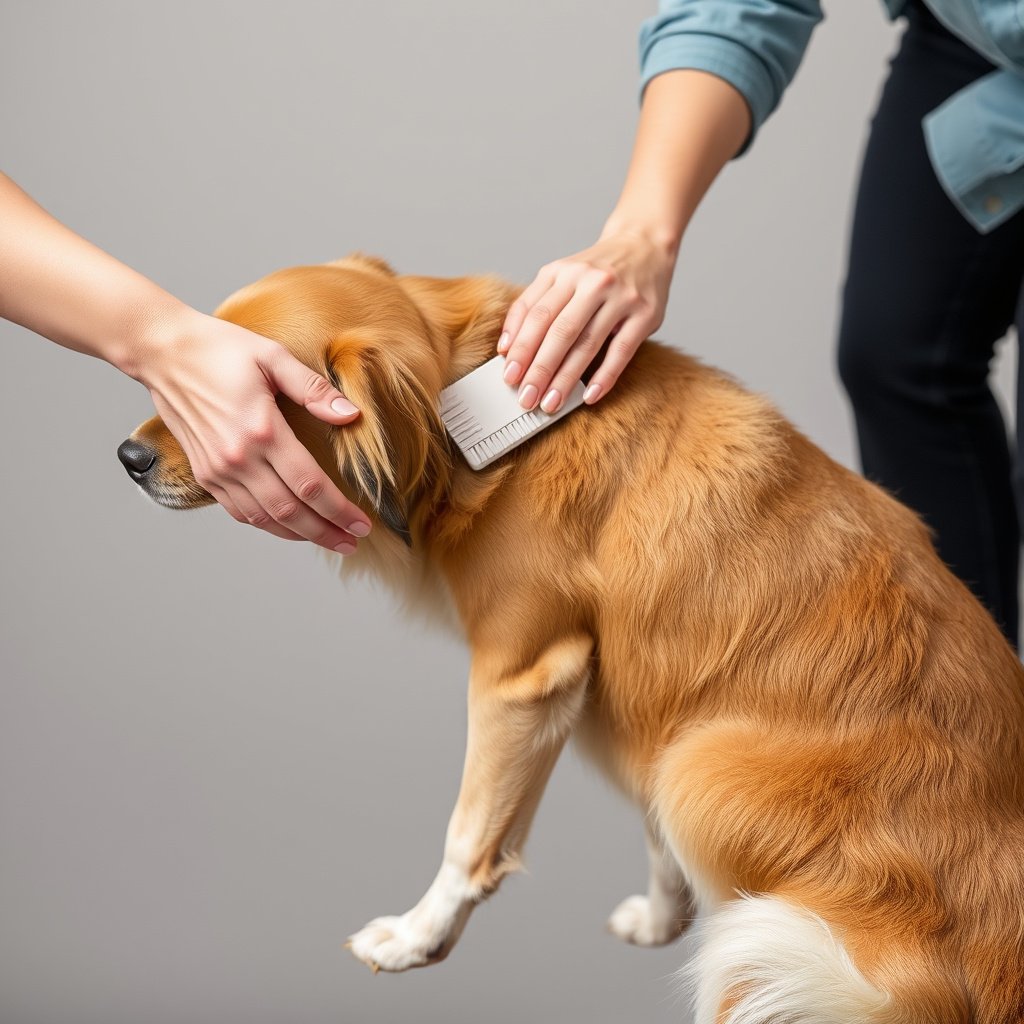
Regular brushing removes loose hair and prevents mats, especially important for breeds with long or thick fur. Start gently detangling knots before brushing the whole coat to avoid discomfort.
Short-haired breeds benefit from weekly brushing to remove dead skin and distribute natural oils. Long-haired dogs might require daily brushing to avoid tangles and debris buildup.
- Use a slicker brush for long hair
- Use a bristle brush for short hair
- Brush in the direction of hair growth
- Be gentle around sensitive areas
For more on this, see our related guide: How to Groom My Dog at Home: A Step-by-Step Guide.
Bathing Your Dog Safely
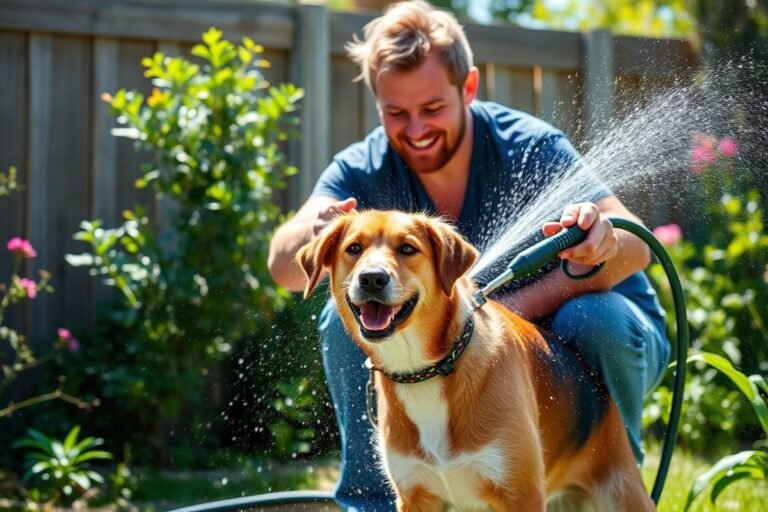
Use lukewarm water and a dog-specific shampoo to preserve your pet’s skin balance. Avoid human shampoos as they can dry out the skin. Wet your dog thoroughly, apply shampoo, and rinse completely to prevent irritation.
Dry your dog using a towel or a pet dryer on a low setting. Frequent bathing is unnecessary; most dogs do well with monthly baths unless they get especially dirty.
- Use lukewarm water
- Avoid human shampoo
- Rinse thoroughly
- Dry gently to prevent chills
Trimming Nails and Cleaning Ears

Safe Nail Trimming Tips
Trimming your dog’s nails keeps them from cracking or causing discomfort while walking. Use dog nail clippers and trim small amounts gradually to avoid hitting the quick—a sensitive area with blood vessels.
If your dog is nervous, try clipping after exercise when nails are softer. Make sure to have styptic powder nearby in case of accidental bleeding.
- Trim small sections at a time
- Avoid the pink quick in clear nails
- Use proper dog nail clippers
- Have styptic powder ready
Ear Cleaning Techniques
Ear hygiene prevents infections and discomfort. Use a veterinarian-recommended ear cleaning solution and cotton balls to gently wipe the outer ear. Avoid inserting anything deep into the ear canal to prevent injury.
Regular inspection for redness, foul smell, or excessive wax can help catch problems early. If your dog scratches ears frequently, consult a vet before cleaning.
- Apply ear cleaner to a cotton ball
- Wipe outer ear gently
- Avoid deep insertion
- Check for signs of infection regularly
Handling Common Grooming Challenges
Dealing with Matted Fur
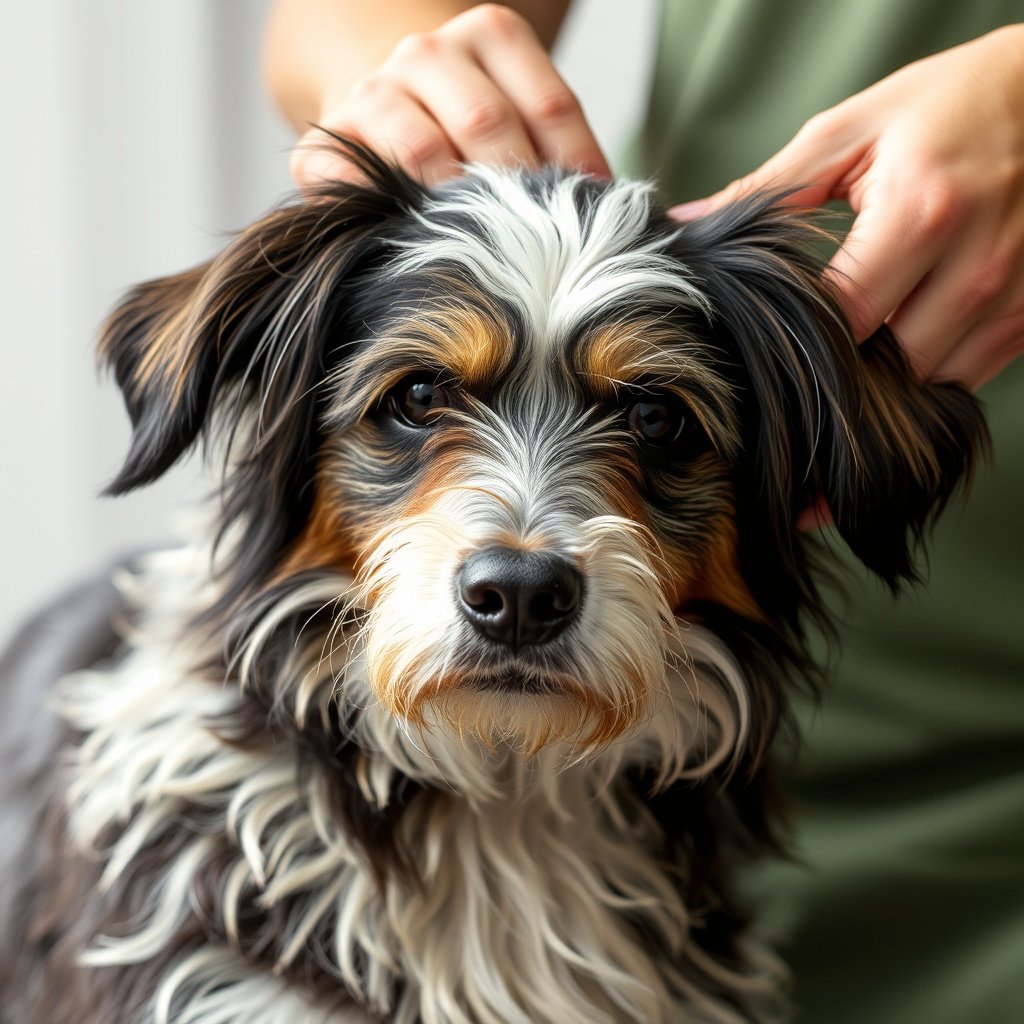
Matted fur can cause pain and skin problems if not carefully removed. Start by softening mats with a detangling spray or conditioner, then gently work through knots with a dematting comb or slicker brush.
For severe mats that resist home care, professional grooming may be necessary. Never cut mats with scissors, as this risks injury.
- Use detangling sprays
- Work gently with dematting tools
- Seek professional help for severe mats
For more on this, see our related guide: How to Groom My Dog at Home: A Practical Guide for Pet Owners.
Grooming Anxious Dogs
Some dogs feel stressed or scared during grooming. Build their trust by rewarding calm behavior with treats and praise. Breaking grooming into shorter sessions can make the experience less overwhelming.
Desensitization over time helps dogs adjust to touch and tools. If anxiety persists, consult a professional groomer or veterinarian for support.
- Use positive reinforcement
- Keep sessions short and calm
- Practice desensitization techniques
Maintaining Your Dog’s Grooming Routine

Establishing a Grooming Schedule
Consistency is key to a grooming routine that works. Most dogs benefit from weekly brushing and monthly baths, with nail trims and ear cleaning every few weeks depending on their activity and coat type.
Keeping a calendar or checklist can help you track grooming tasks and recognize when your dog needs extra care, like flea treatments or professional trims.
- Weekly brushing
- Monthly baths
- Nail trimming every 3-4 weeks
- Regular ear checks
For more detailed information on maintaining your dog's coat and hygiene, explore this resource on dog grooming basics. dog grooming basics.
When to Seek Professional Grooming Services
Certain breeds with difficult coats or specific grooming needs are better served by professionals. Situations like severe matting, health issues, or behavioral challenges warrant expert help to avoid injury and stress.
Professional groomers can provide haircuts, deep cleaning, and nail care, complementing your at-home routine for the best overall care.
Dog Grooming Tools Category Comparison
Here’s a comparison of popular dog grooming tool categories to help you find the right fit for your dog’s coat type and grooming needs.
| Tool Type | Best For Coat Type | Ease of Use | Price Range | Maintenance |
|---|---|---|---|---|
| Slicker Brush | Long or curly coats | Moderate | $10-$25 | Requires cleaning of hair from bristles |
| Bristle Brush | Short-haired breeds | Easy | $8-$20 | Easy to clean |
| Dematting Comb | Matted or tangled fur | Challenging | $15-$30 | Needs careful cleaning |
| Dog Nail Clippers | All breeds | Moderate | $12-$25 | Keep blades sharp |
| Ear Cleaning Solution | All breeds | Easy | $7-$15 | Store in cool place |
Frequently Asked Questions
How often should I groom my dog?
Most dogs should be brushed weekly, bathed every month, and have their nails trimmed every 3 to 4 weeks. Frequency can vary by breed and lifestyle.
Can I use human shampoo on my dog?
No, human shampoo can upset your dog’s skin pH and cause dryness or irritation. Always use shampoo formulated specifically for dogs.
What if my dog hates nail trimming?
Try trimming nails after physical activity when they are softer, use treats to calm your dog, and take breaks during grooming. Professional groomers can help if anxiety is severe.
How do I know if my dog’s ears need cleaning?
Check your dog’s ears regularly for redness, odor, or excessive wax. If you notice these signs or if your dog scratches its ears frequently, it may be time to clean them.
Is professional grooming necessary?
While many dogs can be groomed at home, professional grooming is beneficial for breeds with complex coats, severe mats, or behavioral grooming challenges.
Key Takeaways
- Regular brushing and bathing keep your dog's coat healthy and clean.
- Use tools suited to your dog's coat type for effective grooming.
- Be gentle when trimming nails and cleaning ears to avoid injury.
- Consistency in grooming routines promotes your dog's comfort and health.
Conclusion
Understanding how to groom your dog involves balancing their specific needs with your skills and tools. Starting with the right equipment and creating a calm environment makes home grooming manageable. Regular care helps detect health issues early and strengthens the bond between you and your pet. Keep your dog's comfort and safety at the forefront to make grooming a positive routine.
For dogs with long or thick coats, investing in a slicker brush and scheduling daily brushing sessions can prevent matting problems. Short-haired dogs benefit from bristle brushes and less frequent bathing. Nail trimmers and ear cleaning solutions are essential for all dogs, with frequency depending on activity levels and breed predispositions. If your dog is particularly anxious or has advanced grooming needs, consulting a professional groomer is a wise step.
Begin your grooming routine with small, positive steps and gradually build a regular schedule. Tracking grooming in a calendar helps avoid missed care and keeps your dog looking and feeling their best. If ever unsure, seek advice from your veterinarian or professional groomers to tailor grooming practices to your dog’s unique requirements.