How to Treat Dog Paw Licking: Effective Solutions to Stop the Habit
Dog paw licking can be a sign of irritation or stress, and treating it involves identifying the cause and soothing the affected paws with appropriate care. Whether it's due to allergies, injury, or anxiety, calming the behavior early helps prevent infections and discomfort.
Licking can harm your dog's paws by causing redness, swelling, or even infections from constant moisture. Understanding why dogs lick their paws and addressing underlying triggers contributes to better paw health and overall well-being.
This article will explore the main causes of paw licking, practical treatment options, steps for prevention, and when to seek veterinary advice, equipping you to manage your dog's paw licking effectively.
Common Causes of Dog Paw Licking

Allergies Triggering Paw Licking
Many dogs lick their paws due to allergies caused by environmental factors, foods, or chemicals like lawn treatments. These allergens lead to itchy and inflamed skin, prompting repetitive licking as a relief mechanism.
Identifying specific allergens through observation or testing is a key step. Common culprits include pollen, dust mites, molds, and certain food ingredients that provoke an immune response manifesting in paw irritation.
- Seasonal pollen allergies
- Food sensitivities like grains or dairy
- Contact irritation from chemicals or detergents
Infections and Parasites
Bacterial, fungal infections, or parasites like fleas and mites can cause discomfort, motivating dogs to lick their paws to soothe itching and pain. If untreated, these infections worsen and might spread.
Close inspection for symptoms such as redness, swelling, or odor helps pinpoint infection presence. Veterinary diagnosis and proper treatment with antibiotics or antifungals are often necessary.
- Signs of infection include swelling and foul smell
- Parasites can cause intense itching and paw damage
Effective Treatments to Stop Paw Licking

Home Remedies and Soothing Care
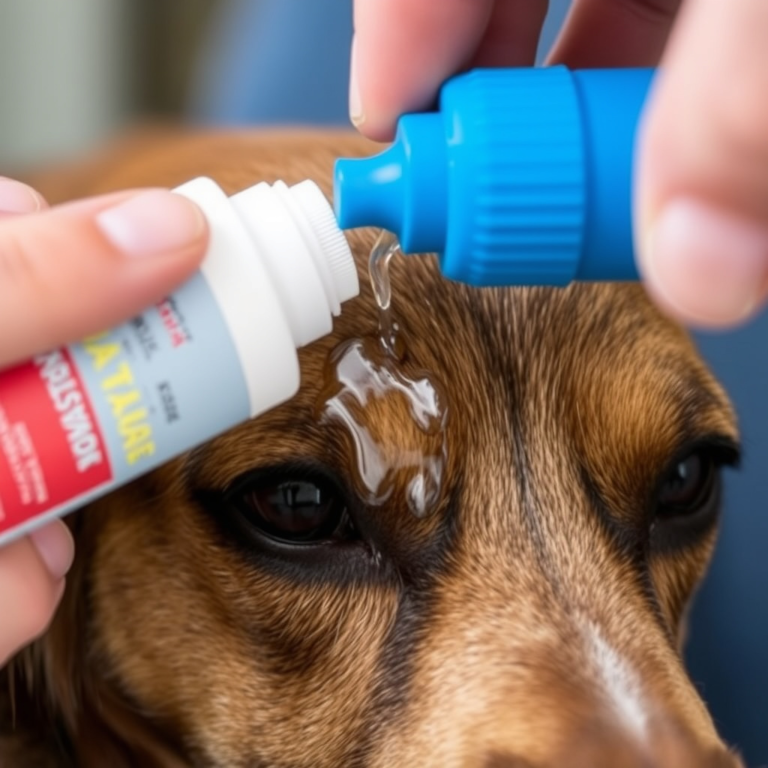
To soothe irritated paws, gentle cleansing with warm water and mild antiseptic solutions helps reduce inflammation. Applying paw balms or moisturizing creams specially formulated for dogs aids healing and creates a barrier against irritants.
Keeping paws dry and clean prevents further irritation, while distractions like toys reduce licking driven by boredom or anxiety.
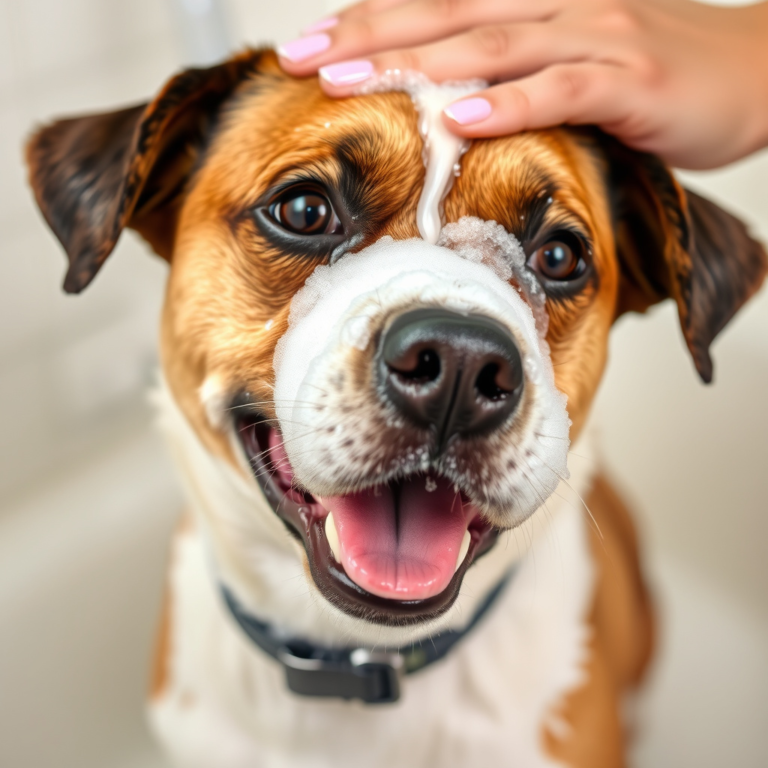
- Use hypoallergenic shampoos for paw baths
- Apply Aloe vera or coconut oil for soothing effect
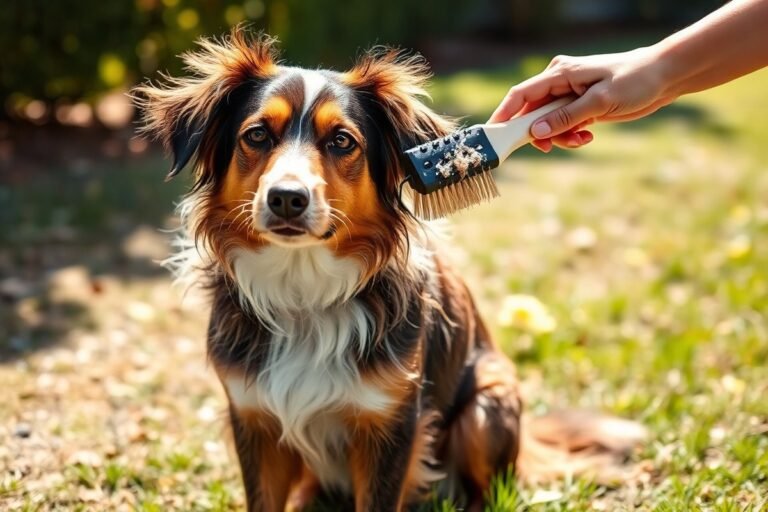
- Trim fur around paws to minimize debris accumulation
For more on this, see our related guide: What Is the Best Dog Grooming Table: Complete Guide to Choose Your Ideal Model.
Medicinal Approaches and Veterinary Care
If paw licking persists or intensifies, veterinary treatments such as antifungal creams, antibiotics, or allergy medications may be needed. Vets might recommend antihistamines or corticosteroids to manage severe inflammation or allergic reactions.
In some cases, behavioral therapy or anti-anxiety medications help if licking is caused by stress rather than physical issues.
- Topical medications to treat infections
- Oral medication for allergies or anxiety
- Elizabethan collars to prevent self-licking
Prevention Strategies to Minimize Paw Licking

Environmental Management
Reducing exposure to allergens and irritants limits triggers for paw licking. Regular cleaning of your dog's living area, washing paws after walks, and avoiding chemical-treated lawns can greatly help.
Using dog-safe cleaning products and ensuring bedding stays dry diminishes risk factors. Protective footwear during outdoor activities shields paws from rough surfaces.
- Rinse paws after returning from outdoors
- Avoid walking in areas treated with pesticides
- Regularly clean pet bedding
Behavioral and Dietary Adjustments
Providing mental stimulation and sufficient exercise helps reduce stress-induced licking. Enriching environments with chew toys can redirect attention away from paws.
Evaluating diet for allergens and consulting a vet for hypoallergenic food options minimizes food-related paw irritation.
- Engage dogs with puzzle toys
- Consider food elimination trials for allergies
- Maintain consistent exercise routines
When to Consult a Veterinarian

Persistent or Severe Symptoms
If paw licking lasts more than a week, causes open sores, or if your dog shows signs of pain or lethargy, veterinary consultation is advised. These symptoms might indicate infection or underlying health issues requiring professional care.
Prompt treatment can prevent complications and help identify hidden problems such as autoimmune disorders or systemic illnesses that manifest through paw symptoms.
- Open wounds or bleeding from licking
- Excessive swelling or odor
- Behavioral changes like irritability
For more on this, see our related guide: How Do Dog Groomers Trim Nails? A Complete Guide with Expert Tips.
Diagnostic Procedures and Treatments
Veterinarians may perform skin scrapings, allergy tests, or blood work to clarify the cause of paw licking. Diagnostic findings guide targeted therapies such as medicated baths, specialized diets, or prescription drugs.
In cases linked to anxiety, vets might suggest behavioral modification plans alongside medical intervention to comprehensively address the issue.
- Skin cytology to detect infections
- Allergy testing via blood or intradermal methods
- Prescription behavioral therapy
Understanding Why Do Dogs Lick Their Paws

Physical Causes Explained
Physical reasons for paw licking include injury, irritation, or foreign objects stuck between toes. Dogs instinctively lick to clean wounds or soothe discomfort, making it a common self-care behavior.
Repeated licking however can worsen inflammation or mask serious issues, so monitoring frequency and paw condition is important.
For a more detailed understanding of dog behaviors including paw licking, you can visit this authoritative veterinary resource. Dog paw licking causes and treatments.
Psychological and Emotional Factors
Dogs may lick paws out of stress, anxiety, or boredom. This repetitive behavior can become a coping mechanism akin to human nail-biting, often triggered by changes in environment or routine.
Understanding these emotional causes enables owners to provide calming interventions and enhance their dog's mental health.
Comparison of Treatment Options for Dog Paw Licking
This table compares different treatment methods for dog paw licking based on effectiveness, ease of use, and typical recovery time.
| Treatment Type | Effectiveness | Ease of Use | Typical Recovery Time |
|---|---|---|---|
| Home Remedies | Moderate | Easy | 1-2 weeks |
| Topical Medications | High | Moderate | 1-3 weeks |
| Oral Medications | Very High | Moderate | 2-4 weeks |
| Behavioral Therapy | Moderate | Varies | 3-6 weeks |
| Veterinary Care | Very High | Moderate | Varies based on diagnosis |
Frequently Asked Questions
Can I stop my dog from licking its paws at home?
Mild paw licking can often be reduced by cleaning paws, using soothing balms, and providing distractions. However, persistent licking should be evaluated by a veterinarian.
Is constant paw licking a sign of allergies?
Yes, allergies are a common cause of paw licking as they make the skin itchy and uncomfortable, prompting dogs to lick to relieve irritation.
When is dog paw licking an emergency?
If paw licking leads to open wounds, severe swelling, bleeding, or if the dog is in obvious pain, seek veterinary care promptly.
Do dogs lick paws out of boredom?
Yes, boredom and anxiety can cause repetitive paw licking as a self-soothing behavior.
Are there specific paw care products for itchy paws?
Yes, there are creams and balms formulated for dogs to soothe itching and help heal irritated paws.
Key Takeaways
- Identifying the root cause is key to stopping dog paw licking.
- Home care includes gentle cleaning and soothing ointments.
- Veterinary evaluation is necessary for persistent or severe symptoms.
- Behavioral factors like stress can drive licking and need attention.
Conclusion
Managing dog paw licking starts with understanding why your pet engages in this behavior. Whether due to allergies, infections, injuries, or anxiety, identifying the underlying cause guides effective treatment and care. Careful observation of symptoms and timing allows you to decide when simple home remedies suffice and when professional help is warranted. Regular cleaning and protective measures also contribute to healthier paws.
Different scenarios require different approaches; for example, mild licking from seasonal allergies responds well to paw soaks and hypoallergenic diets, while bacterial infections need topical or oral medication prescribed by a vet. Dogs exhibiting paw licking from anxiety may benefit from increased exercise, environmental enrichment, and, in some cases, behavioral therapy. Understanding why do dogs lick their paws in your dog's specific context is essential to choosing the most effective solution.
To ensure your dog's comfort and paw health, begin with standard cleaning and soothing treatments, monitor progress closely, and consult your veterinarian if licking escalates or persists beyond a week. By combining appropriate treatments, preventive care, and compassionate management, you can help your dog reclaim healthy, lick-free paws.