What Is Dog Hair Loss Caused By? Understanding the Main Reasons
Dog hair loss can be caused by a variety of factors ranging from allergies and infections to parasites and hormonal imbalances. Identifying the root cause of hair loss is essential to treat the condition effectively and restore your dog's coat.
Hair loss in dogs is more than a cosmetic issue; it can indicate underlying health problems or environmental stressors that need addressing. Early recognition and appropriate care can prevent worsening and improve your dog’s overall well-being.
This article will explain common causes of dog hair loss, including medical conditions, parasites, diet, and environmental influences. You'll learn how these triggers affect your dog and the steps you can take to support coat recovery.
Medical Conditions That Lead to Dog Hair Loss

Hormonal Imbalances and Their Impact
Hormonal disorders such as hypothyroidism and Cushing's disease frequently cause hair thinning and patchy hair loss in dogs. These conditions disturb the natural hair growth cycle, leading to shedding and dull coats.
In hypothyroidism, the dog's metabolism slows, resulting in brittle hair and skin dryness. Cushing's disease leads to excess cortisol, which weakens hair follicles and disrupts normal hair growth.
- Hypothyroidism causes slow hair growth and thinning
- Cushing’s disease results in symmetrical hair loss
- Hormonal treatments can help reverse symptoms
Skin Infections and Allergies
Bacterial and fungal skin infections create inflammation and irritation that prompt scratching and hair loss. Allergies to food, pollen, or fleas cause similar effects by triggering immune responses that harm the skin.
These conditions often cause localized or widespread hair loss, redness, and scabbing. Treatment usually involves antibiotics, antifungals, antihistamines, or hypoallergenic diets.
- Bacterial infections lead to pustules and fur loss
- Fungal infections cause patchy bald spots
- Allergy management reduces itchiness and hair loss
The Role of Parasites in Dog Hair Loss

Fleas and Mites as Common Culprits
Check for fleas or mites in dogs showing persistent scratching and hair thinning. These parasites irritate the skin directly and often cause allergic reactions leading to intense itching and hair loss.
Flea allergy dermatitis is particularly prevalent, where sensitivity to flea bites causes widespread fur shedding. Successful parasite control is critical to halting hair loss caused by these pests.
- Fleas cause flea allergy dermatitis
- Mites can result in mange, leading to patchy hair loss
- Regular parasite preventatives reduce risk
For more on this, see our related guide: Why Does My Dog Scratch Its Ears? Causes, Care & When to Act.
Detecting and Treating Parasite-Related Hair Loss
Veterinary diagnosis involves skin scrapings or flea combs to identify infestations. Treatment includes medicated shampoos, topical insecticides, and sometimes oral medications.
Early parasite treatment not only restores the coat but also prevents secondary skin infections caused by excessive scratching.
- Skin scrapings reveal mite presence
- Flea combs detect fleas and flea dirt
- Parasite treatments reverse hair loss over weeks
Environmental and Nutritional Factors Affecting Dog Hair

Diet and Nutritional Deficiencies
Poor nutrition contributes to dull coats and excessive shedding. Deficiencies in essential fatty acids, vitamins A and E, and protein can impair hair follicle health, causing hair loss.
Feeding a balanced diet rich in omega-3s and antioxidants supports a healthy coat and skin, reducing hair loss caused by dietary factors.
- Omega-3 fatty acids promote skin health
- Protein is necessary for hair follicle function
- Supplementation can correct deficiencies
Climate and Grooming Effects
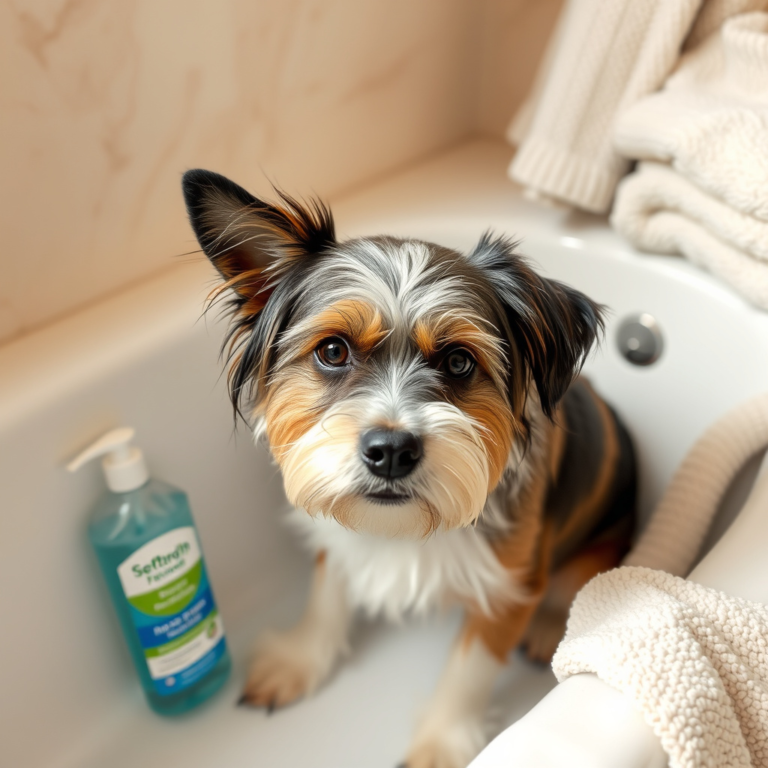
Seasonal changes often alter shedding patterns; for instance, dogs shed more in spring and fall. Grooming habits also influence coat quality—overbathing or infrequent brushing can damage hair.
Adjusting grooming frequency and using appropriate shampoos supports hair retention, especially in dogs prone to shedding.
- Seasonal shedding is natural but varies by breed
- Proper grooming helps remove loose hair without damaging follicles
- Avoid harsh shampoos that strip oils
Diagnosing Dog Hair Loss: Tests and Procedures
Veterinary Examination and History Taking
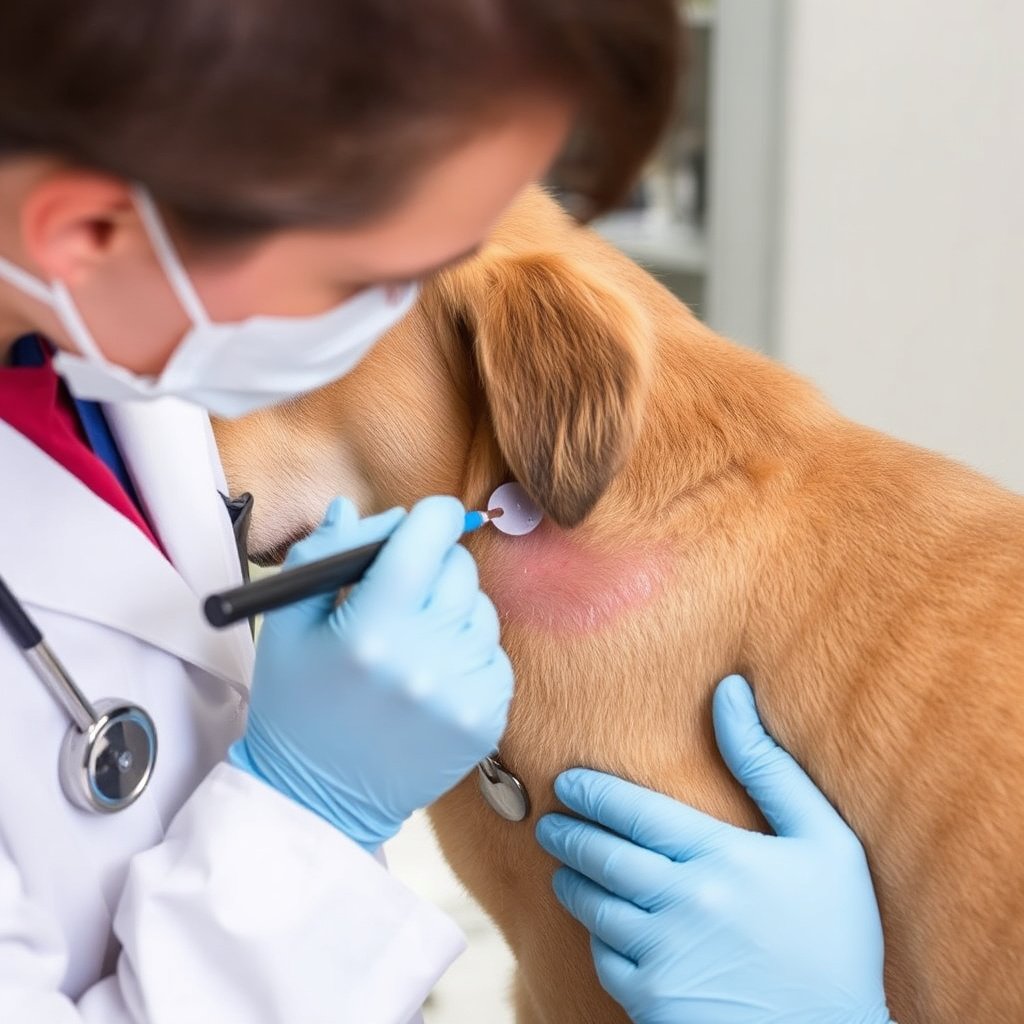
A thorough vet examination includes observing hair loss patterns and gathering history on diet, recent changes, environment, and exposure to new animals. These details help narrow down potential causes.
Physical exam focuses on skin texture, presence of parasites, or signs of infection. This forms the basis for selecting further diagnostic tests.
- Assessing symmetrical versus patchy hair loss
- Collecting history about diet and exposure
- Examining skin for lesions or parasites
For more on this, see our related guide: How Do You Know If a Dog Has Mites? Clear Signs and Treatment Tips.
Laboratory and Diagnostic Tests
Skin scrapings, fungal cultures, and blood tests are common diagnostic tools to pinpoint infections, allergies, or hormonal imbalances causing hair loss.
Confirming a diagnosis enables targeted treatment, increasing the likelihood of hair regrowth and recovery.
- Blood panel for thyroid or adrenal functions
- Fungal culture to detect ringworm
- Skin biopsy in complicated cases
Preventing and Managing Hair Loss in Dogs

Routine Care to Minimize Hair Loss
Regular grooming with gentle brushes removes loose hair and distributes natural oils, which help maintain coat health. Balanced nutrition and parasite control are equally crucial.
Hydration and stress reduction also play roles. Keeping a steady routine prevents some causes of hair loss and keeps your dog comfortable.
- Brush 2-3 times weekly depending on coat type
- Use parasite preventatives year-round
- Feed high-quality diets with supplements if needed
For additional detailed information, see this resource on dog hair loss causes explained. dog hair loss causes explained.
Treatment Options for Persistent Hair Loss
Treatment varies from medicated shampoos and antibiotics for infections, to hormone therapy for glandular diseases. Allergy therapies may include antihistamines or immunotherapy.
A vet’s guidance is essential to manage persistent or severe hair loss effectively and safely.
- Medications based on specific diagnosis
- Allergy avoidance and treatments
- Hormone replacement therapies
Comparison of Common Causes of Dog Hair Loss
The following table summarizes key characteristics of common causes of dog hair loss to help you understand their differences and treatment needs.
| Cause | Symptoms | Diagnosis Method | Treatment Approach |
|---|---|---|---|
| Hypothyroidism | Symmetrical hair thinning, lethargy | Blood tests for thyroid hormones | Hormone replacement therapy |
| Flea Allergy Dermatitis | Itching, patchy hair loss | Flea combing and history | Flea control and antihistamines |
| Ringworm | Circular hairless patches | Fungal culture | Antifungal medications |
| Nutritional Deficiency | Dull coat, diffuse shedding | Diet history and blood work | Diet improvement and supplements |
| Mange (Mite Infestation) | Intense itching, crusty lesions | Skin scraping microscope exam | Medicated dips and systemic drugs |
Frequently Asked Questions
Can stress cause a dog to lose hair?
Yes, stress can contribute to hair loss in dogs by triggering excessive shedding or conditions like psychogenic alopecia, where dogs over-groom due to anxiety.
Is dog hair loss reversible?
Many causes of dog hair loss are reversible with proper diagnosis and treatment, although recovery time varies depending on the underlying issue.
How can I tell if my dog’s hair loss is due to fleas?
Look for fleas or flea dirt on the dog, along with itching and patchy fur loss especially around the tail base, neck, and abdomen.
When should I see a vet about my dog’s hair loss?
If hair loss is sudden, widespread, or accompanied by itching, redness, or sores, visit a vet promptly for evaluation and treatment.
Does bathing my dog help with hair loss?
Bathing with gentle, medicated shampoos can help treat infections or parasites causing hair loss, but overbathing or harsh products may worsen coat condition.
Key Takeaways
- Dog hair loss can stem from various medical, parasitic, nutritional, and environmental causes.
- Identifying the root cause requires vet examination and diagnostic tests.
- Parasite control and balanced diet help prevent common hair loss triggers.
- Targeted treatments improve chances of hair regrowth and coat health.
Conclusion
Determining what is dog hair loss caused by involves evaluating symptoms, history, and diagnostic findings to uncover underlying health or environmental factors. This helps avoid inappropriate treatments and supports your dog's recovery by addressing the root cause rather than just symptoms. A careful approach balances pet comfort with effective interventions, promoting restored coat appearance and overall wellness.
For dogs with hormonal diseases such as hypothyroidism or Cushing’s, veterinary hormone replacement therapy can reverse hair thinning over several months, while parasite infestations like mange and fleas require targeted antiparasitic treatments. Nutritional and grooming adjustments support dogs experiencing dietary deficiencies or seasonal shedding. Recognizing whether hair loss is localized, symmetrical, or diffuse informs which category of causes to investigate further.
If your dog experiences persistent or extensive hair loss, consult your veterinarian for tailored diagnostic testing and treatment plans. Meanwhile, monitor grooming, avoid harsh shampoos, maintain parasite prevention, and provide a balanced diet rich in essential nutrients. These practical steps will help you manage ongoing risks and encourage healthy hair regrowth.