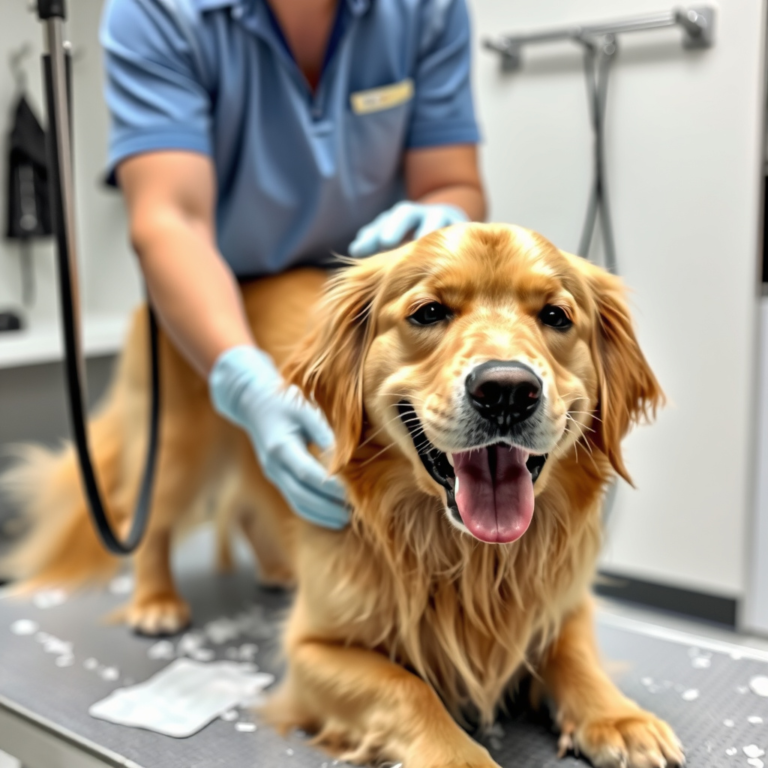
How to Prevent Shedding in Dogs: Effective Tips to Control Fur Loss
Shedding in dogs is a natural process, but preventing excessive shedding requires a combination of regular grooming, a balanced diet, and proper healthcare. To effectively prevent shedding in dogs, stay consistent with brushing techniques, choose diets rich in omega fatty acids, and maintain flea and parasite control.
Managing your dog's shedding matters because it reduces mess in your home and promotes healthy skin and fur. Excessive shedding could also indicate health issues like allergies or poor nutrition, so addressing shedding can improve your dog’s quality of life.
This article will cover how to prevent shedding in dogs by exploring grooming routines, nutrition, environment management, health checks, and the best dog grooming tools that can reduce fur loss and keep your pet comfortable.
Understanding the Causes of Dog Shedding

Why Do Dogs Shed?
Dogs shed to get rid of old or damaged hair, making room for new growth. Different breeds have distinct shedding patterns—double-coated breeds shed more seasonally, while others shed consistently year-round.
Seasonal shedding is triggered by changes in daylight and temperature, which stimulate the growth cycle of hair follicles. However, stress, allergies, and health problems can also increase shedding beyond normal levels.
Common Triggers of Excessive Shedding
Excessive shedding often signals underlying issues such as allergies to food or environmental irritants, hormonal imbalances, parasites like fleas, or nutritional deficiencies.
Identifying these triggers early through observation and veterinary consultation can prevent worsening fur loss and improve overall skin health.
Regular Grooming to Reduce Shedding

Choosing the Best Dog Grooming Tools
Effective grooming requires the right tools, including de-shedding brushes, slicker brushes, and grooming gloves. These tools remove loose fur gently without irritating the dog's skin.
Using the best dog grooming tools regularly minimizes loose hairs from falling off indoors and stimulates healthy skin circulation, which supports hair follicle strength.
- De-shedding blade or rake for heavy sous-coated dogs
- Slicker brush for removing tangles and dead hairs
- Rubber grooming gloves for sensitive dogs
Best Grooming Practices
Brushing sessions should occur at least 2-3 times per week for moderate shedder breeds, increasing to daily for heavy shedders. Regular baths with gentle shampoos also help remove loose hair and dirt.
Proper grooming routines reduce matting and keep the coat healthy, which lessens overall shedding and keeps your dog comfortable.
Optimizing Your Dog’s Nutrition

Role of Diet in Shedding Control
High-quality diets rich in omega-3 and omega-6 fatty acids support skin health and strengthen hair follicles, reducing shedding. Proteins and vitamins like biotin and zinc contribute to a glossy, resilient coat.
Conversely, poor nutrition can cause dry, brittle hair that sheds excessively or breaks easily.
For more on this, see our related guide: Why Does My Dogs Coat Feel Rough? 8 Proven Causes and Fixes.
Supplements That Help Reduce Shedding
Fish oil supplements or omega fatty acid capsules can enhance coat quality and minimize shedding when combined with a balanced diet.
Probiotics and vitamin E also improve skin immune responses, which can reduce inflammation and associated fur loss.
- Fish oil capsules
- Biotin supplements
- Vitamin E drops
- Probiotics designed for canine use
Environmental and Lifestyle Factors

Maintaining a Clean Living Space
A clean and dust-free environment lessens allergens that stimulate shedding. Regular vacuuming and air filtration reduce airborne irritants that might trigger fur loss.
Cleaning dog bedding and toys frequently helps remove fur and dirt buildup, improving overall coat health.
Temperature and Seasonal Adjustments
Controlling indoor temperature and humidity can help dogs adapt better to seasonal changes, minimizing abrupt shedding cycles. Avoiding rapid temperature shifts reduces stress on the dog's coat and skin.
Fans, air conditioners, or humidifiers contribute to a stable environment that supports healthy fur retention.
Health Monitoring and Veterinary Care

Spotting Health Issues Behind Shedding
Persistent excessive shedding may be linked to allergies, skin infections, or hormonal conditions such as hypothyroidism. Early detection through veterinary exams ensures proper treatment.
Regular flea and parasite prevention medication prevents infestations that cause itching and shedding.
For more on this, see our related guide: How to Brush a Dogs Hair: Proven Techniques for All Coat Types.
Importance of Regular Vet Visits
Routine checkups enable ongoing assessment of your dog’s skin and coat health and early intervention if shedding worsens.
Vets can recommend allergy testing, medication, or diet adjustments customized to your dog’s needs.
Behavioral and Stress-Related Causes of Shedding

Impact of Stress on Dog Shedding
Stress and anxiety can lead to increased shedding as the body releases hormones that affect hair follicles, weakening hair retention.
Common triggers include loud noises, environmental changes, and separation anxiety.
For more detailed advice on dog care and shedding, visit the dog shedding information on the ASPCA website. dog shedding information on the ASPCA.
Reducing Stress to Minimize Shedding
Ensuring a calm, stable environment and providing enrichment through exercise and interaction can reduce stress-induced fur loss.
Techniques like pheromone sprays, calming supplements, or behavioral training may help anxious dogs.
Comparison of Dog Shedding Control Methods
Here's a side-by-side look at different methods to prevent shedding in dogs, outlining their effectiveness, cost, and ease of use.
| Method | Effectiveness | Cost | Maintenance Required |
|---|---|---|---|
| Regular Brushing with Grooming Tools | High | Low | Medium |
| Nutritional Supplements and Diet | Moderate to High | Medium | Low |
| Veterinary Treatment for Health Issues | Variable | High | High |
| Environmental Management | Moderate | Low | Medium |
| Behavioral Stress Reduction | Moderate | Low to Medium | Medium |
Frequently Asked Questions
Does bathing more frequently reduce shedding in dogs?
Bathing helps remove loose hair but bathing too often can dry the skin and worsen shedding. Generally, bathing once a month with a gentle shampoo is sufficient.
Which dog grooming tool is best for heavy shedding breeds?
De-shedding tools like the Furminator or slicker brushes are most effective for heavy shedders, especially breeds with double coats.
Can diet alone prevent a dog from shedding?
While nutrition supports coat health and reduces excessive shedding, diet alone is unlikely to stop shedding completely without additional grooming and care.
Is excessive shedding a sign of illness in dogs?
Yes, heavy or unusual shedding can indicate allergies, parasites, infections, or hormonal disorders, so consulting a vet is advised if shedding worsens.
How can I tell if my dog's shedding is normal seasonal shedding?
Normal seasonal shedding occurs twice a year, with gradual fur loss and new growth. Sudden, patchy, or severe shedding may suggest health problems.
Key Takeaways
- Regular grooming with the best dog grooming tools significantly reduces shedding.
- A balanced diet rich in omega fatty acids supports healthy skin and coat.
- Environmental factors and stress influence shedding levels and can be managed.
- Veterinary care helps identify and treat underlying causes of excessive shedding.
Conclusion
Preventing shedding in dogs involves an integrated approach that balances consistent grooming, dietary support, environmental care, and health monitoring. Understanding that shedding is a natural process helps set realistic expectations while focusing efforts on reducing excess loss. Careful observation of your dog’s coat condition and behavior allows you to address common triggers before they escalate.
For dogs with moderate shedding, regular brushing using the best dog grooming tools and improved nutrition usually suffice to keep shedding manageable. Those experiencing seasonal heavy shedding benefit from added baths and environmental adjustments, while excessive or unusual shedding warrants veterinary evaluation to rule out allergies or medical conditions.
Start with establishing a grooming routine tailored to your dog’s coat type, enhance their diet with omega fatty acids, and keep living areas clean and calming. If shedding persists abnormally, consulting a veterinarian is the next practical step. This comprehensive strategy reduces shedding and promotes a healthy, happy dog throughout the year.