How to Use a Self Serve Car Wash: Step-by-Step Guide for a Spotless Clean
Using a self serve car wash is a straightforward process that allows you to clean your vehicle with control and convenience. To start, park your car in the washing bay, equip the high-pressure hose, and select the desired wash mode. Follow the prompts on the machine to apply soap, rinse, and optionally wax your car, making sure to cover all surfaces thoroughly for a thorough clean.
Self serve car washes offer an affordable alternative to automatic car washes, giving you the flexibility to focus on areas needing extra attention while using less water compared to traditional hose washing. This method also helps maintain your vehicle's finish by avoiding abrasive brushes that can cause scratches. Understanding the correct sequence and techniques can optimize your washing experience and avoid common pitfalls like streaks or missed spots.
This article will break down the key steps involved in using a self serve car wash, including equipment handling, optimal washing and rinsing methods, and aftercare tips. Additionally, it will explore the benefits of self serve options compared to other washing methods and provide recommendations to maximize efficiency and results.
Preparing Your Vehicle and Station Before Washing
Cleaning Exterior Debris Beforehand
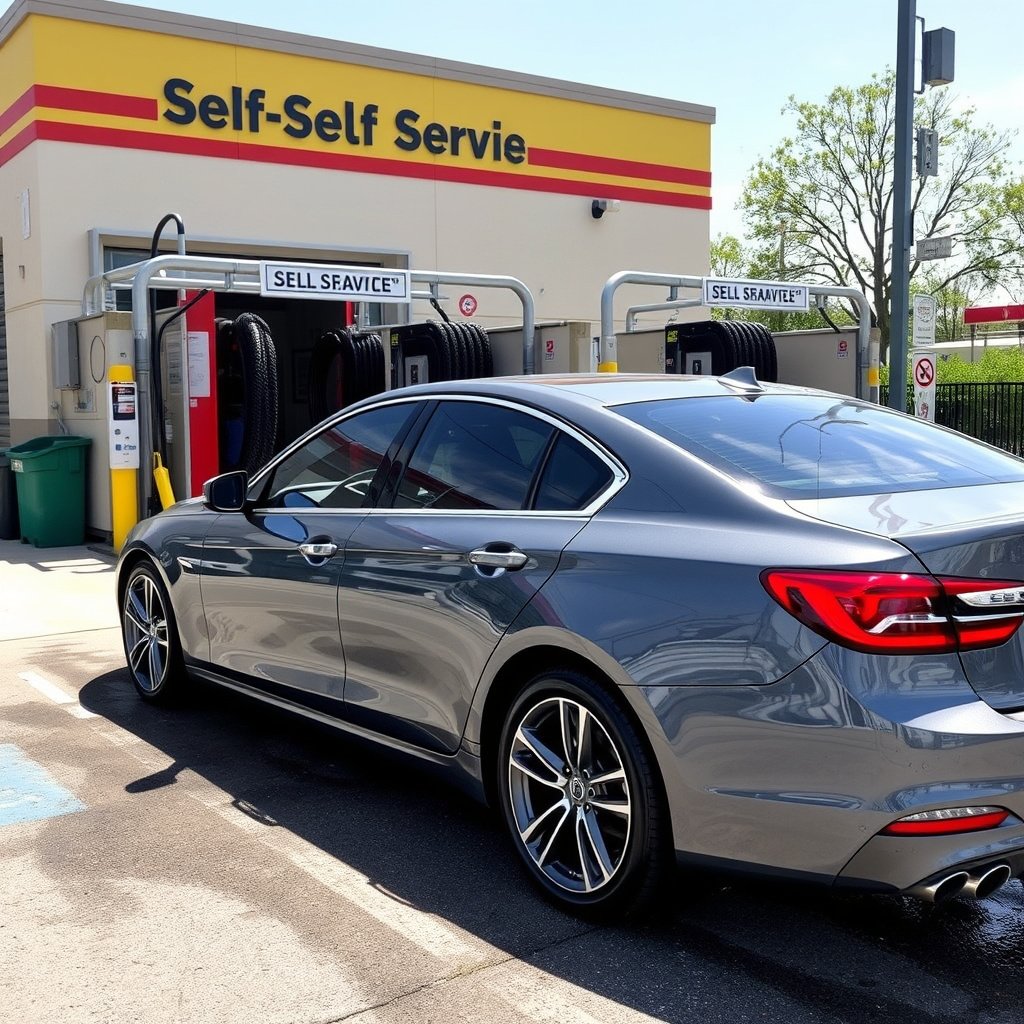
Before entering the wash bay, take a moment to remove any large debris like leaves, mud clumps, or loose dirt from your vehicle. This prevents clogging the wash equipment and helps the soap and water reach the paint more effectively.
Inspect your windshield and mirrors to clear off stubborn dirt or bird droppings. This initial step can reduce scratching caused by abrasive particles during washing.
- Remove loose dirt and leaves
- Brush off dried mud carefully
- Clear windshield and mirrors
Checking Car Wash Station Equipment
Locate the main control panel and identify available soap, rinse, wax, and spot-free rinse options. It's helpful to read the instructions posted on the machine as different models may use different coin or card systems.
Verify that the high-pressure hose and attachments function properly and that water pressure is stable before starting. Report any malfunctions to the station attendant if available.
- Identify soap and rinse modes
- Confirm hose pressure and attachments
- Review payment methods and instructions
Operating the Self Serve Car Wash Controls
Choosing Your Wash Cycle
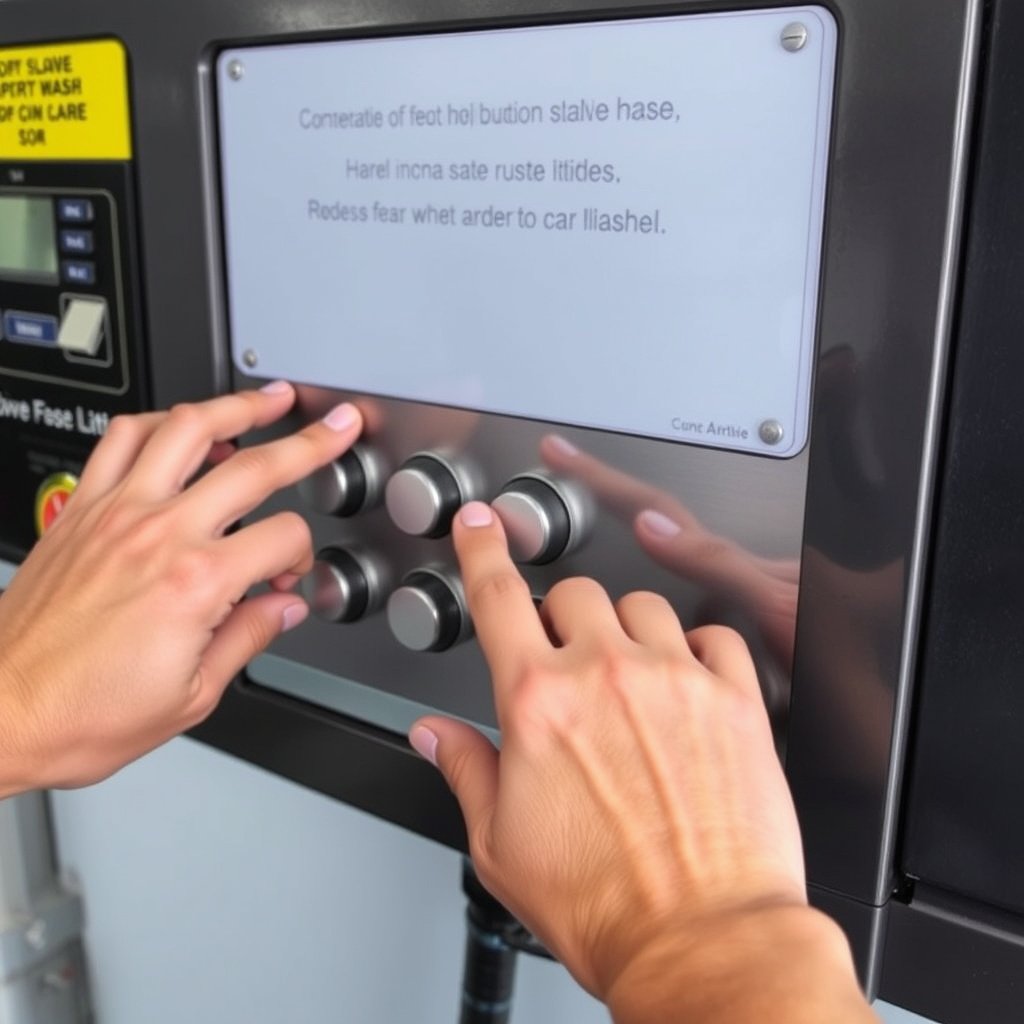
Most self serve car washes offer several wash cycles such as soap application, high-pressure rinse, wax application, and sometimes a spot-free rinse. Select the cycle based on how dirty your vehicle is and whether you want additional protective layers like wax.
Press the buttons or insert coins/cards as instructed to start each cycle. Many machines allow you to pause between cycles, which can help if you want to focus on specific spots.
- Soap cycle for cleaning dirt and grime
- High-pressure rinse for removing soap
- Wax cycle for paint protection
- Spot-free rinse as optional final rinse
Using the High-Pressure Sprayer
The high-pressure sprayer is the core tool in a self serve car wash for efficiently dislodging dirt without damaging paint. Hold the spray wand approximately 12-18 inches from the car surface and move it in steady, overlapping strokes.
Avoid spraying windows or sensitive areas like antenna bases from too close to prevent damage. Adjust spray patterns if your unit has multiple nozzle settings for different cleaning stages.
- Maintain 12-18 inch distance from car
- Use overlapping strokes for even coverage
- Avoid close spraying on delicate parts
Detailed Washing Techniques for Best Results
Applying Soap and Scrubbing
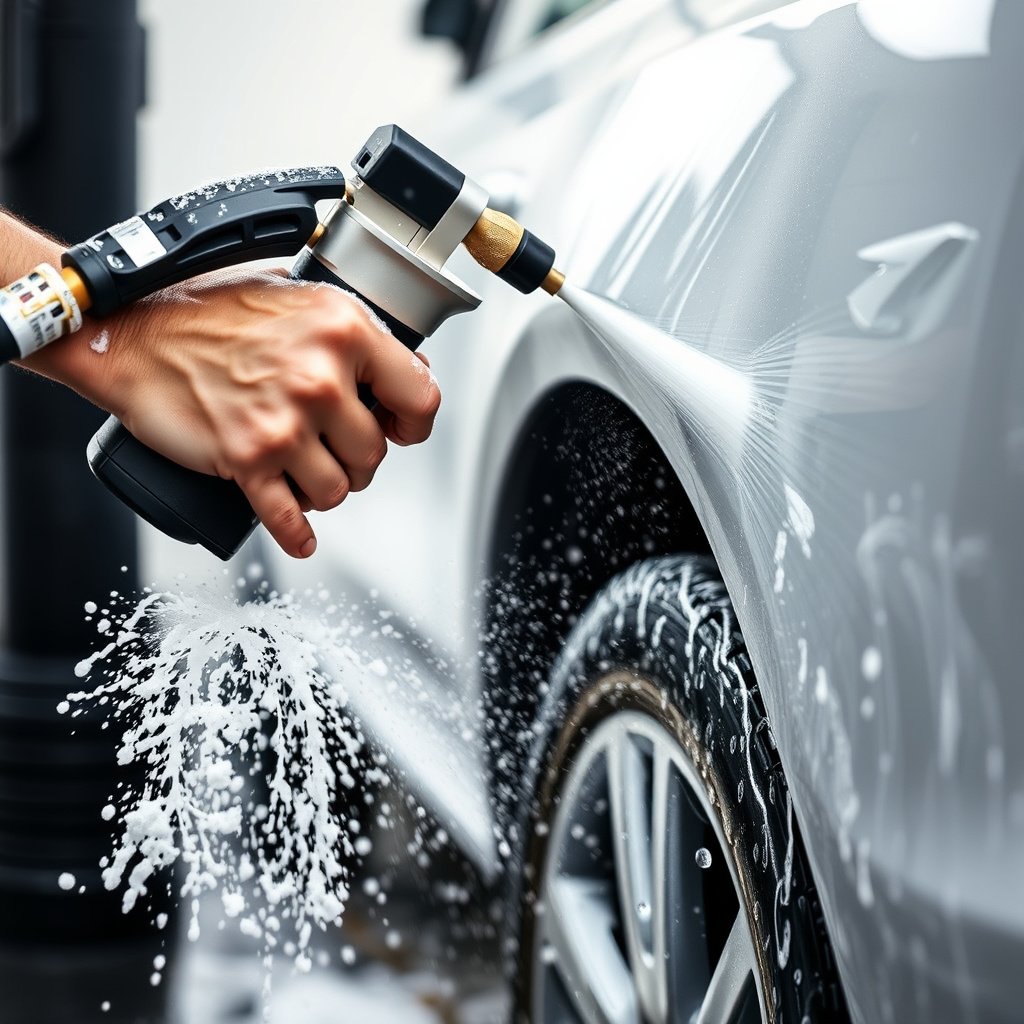
Begin by applying soap evenly across the vehicle’s surface. Use the foaming soap cycle if available, ensuring all areas, including wheels and lower panels, receive coverage. While the soap works to loosen grime, use a soft brush if allowed for extra scrubbing on tough spots.
Be methodical, starting from the top of the vehicle and moving downward to prevent dirty water from settling on cleaned sections.
- Use foaming soap for coverage
- Focus on wheels and lower panels
- Start washing from top to bottom
Rinsing and Waxing Tips
Rinse thoroughly with the high-pressure setting to remove all soap residue, which can cause streaks if left behind. Spend extra time rinsing door jambs and wheel wells where soap often collects.
If your wash station has a wax cycle, apply it last as a protective layer to enhance your vehicle’s shine and repel water. Follow with a spot-free rinse if available to avoid water spots.
- Rinse all soap, focus on hidden areas
- Apply wax as protective finish
- Use spot-free rinse to prevent spotting
Post-Wash Steps to Complete Your Car Cleaning
Drying and Detailing Your Vehicle
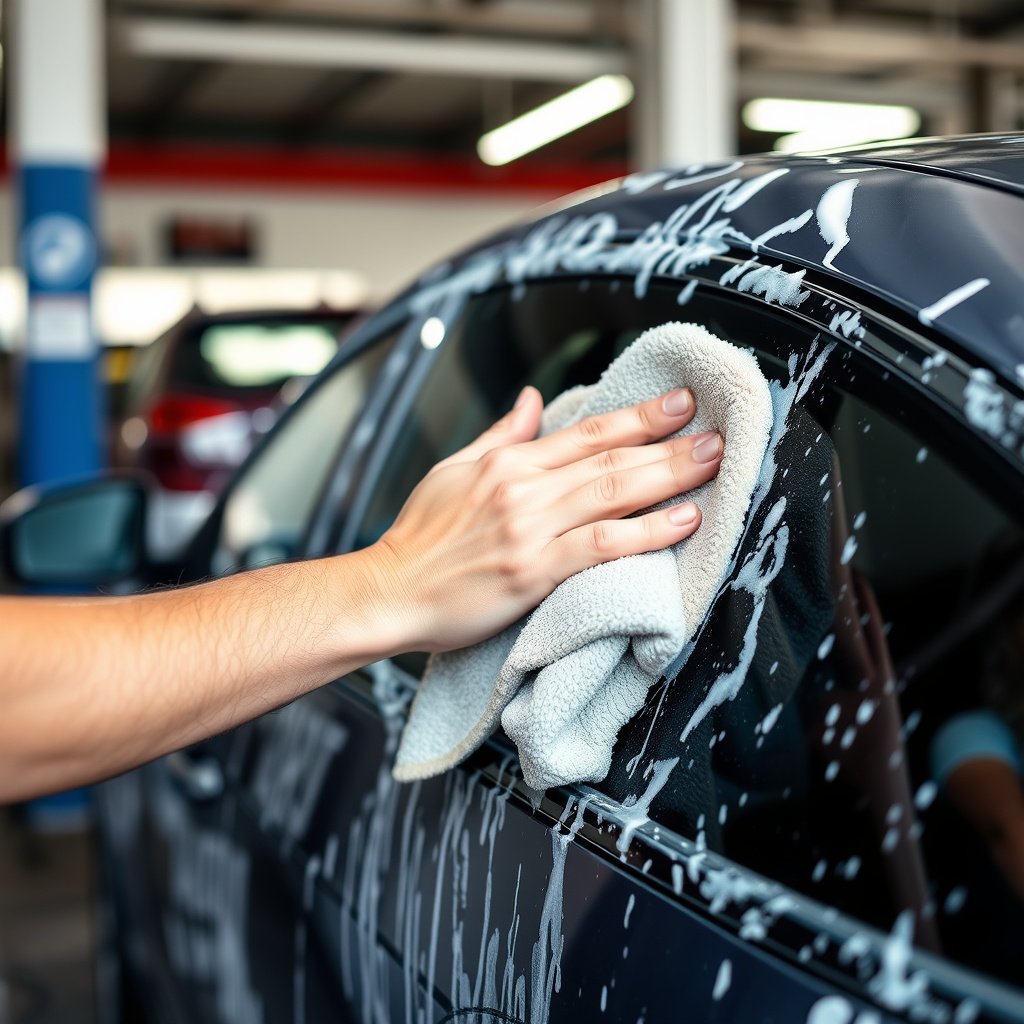
Self serve car washes rarely provide drying systems, so bring microfiber towels or a drying cloth to prevent water spots and streaks. Dry in straight strokes without applying excessive pressure to avoid scratching.
Use this opportunity to clean windows and mirrors with glass cleaner and to check for any missed spots or remaining dirt.
- Use microfiber towels to absorb water
- Dry in straight, gentle strokes
- Detail windows and mirrors for clarity
Cleaning the Wash Bay and Equipment
Once finished, coil the hose carefully and return any brushes or tools to their holders, leaving the area neat for the next user. Confirm that all coins or cards have been collected correctly if applicable.
Keeping the station tidy helps maintain equipment quality and ensures a good experience for everyone.
- Coil hose neatly and replace tools
- Remove personal items and trash
- Report any equipment issues promptly
Comparing Self Serve Car Wash to Other Washing Methods
Self Serve vs Automatic Car Wash
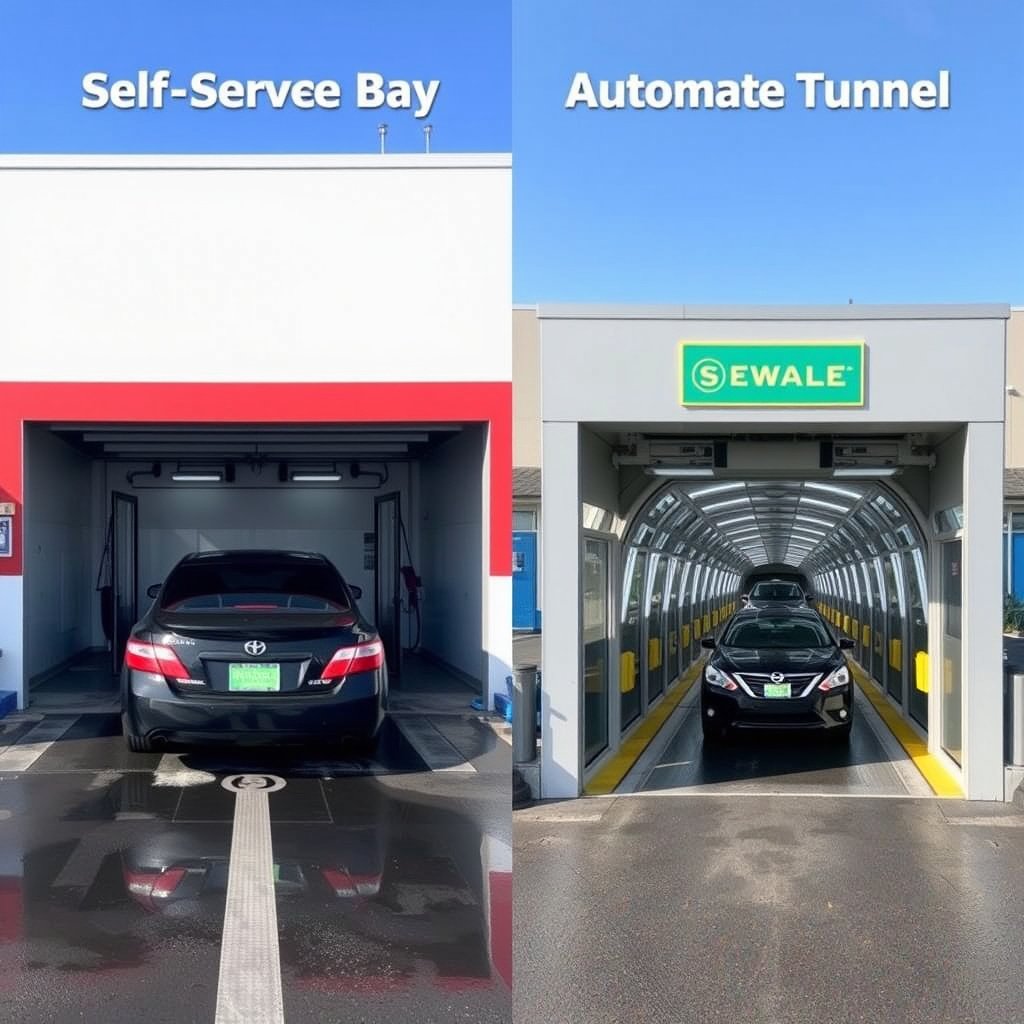
Self serve car washes offer more control over washing intensity and areas, allowing hands-on cleaning, whereas automatic washes are quicker but may use abrasive brushes that risk paint damage.
Cost-wise, self serve washes tend to be cheaper and let you work at your own pace, which can result in a more thorough job depending on your effort.
- More control for self serve users
- Automatic is faster but less customizable
- Potential for paint scratches in automatic washes
Self Serve vs Home Car Washing
Washing at home gives full control but usually uses more water and can be less convenient due to space and resource limitations. Self serve stations often recycle water and reduce environmental impact.
Also, self serve car washes provide equipment designed for effective cleaning, potentially yielding better results than a typical home setup.
- Home washing offers full control but more water use
- Self serve stations often recycle water
- Station equipment is specialized for efficient cleaning
Safety and Environmental Considerations
Protecting Your Vehicle and Yourself
Wear waterproof shoes to avoid slipping on wet surfaces. Avoid directing high-pressure sprays at tires and exposed electronics to prevent damage. Use recommended detergents and avoid mixing chemicals.
Pre-check your vehicle for loose parts and cover sensitive areas if necessary to minimize risk during spraying.
- Wear non-slip footwear
- Avoid spraying sensitive electronics
- Use station-approved detergents
For more detailed insights on car wash types and history, refer to this self-service car wash information page. self-service car wash information.
Water Usage and Environmental Impact
Self serve car washes are typically more eco-friendly than home washing because they use controlled water flow and often incorporate water recycling systems. However, be mindful of water use and time spent spraying to reduce waste.
Dispose of any waste properly and follow posted environmental guidelines at the car wash station.
- Controlled water flow reduces waste
- Many stations recycle used water
- Follow environmental rules at station
Self Serve Car Wash Types and Feature Comparison
This table compares common self serve car wash varieties by price, equipment, convenience, and wash options to help select the best one for your needs.
| Type | Average Cost per Wash | Wash Options | Water Pressure (PSI) | Payment Method |
|---|---|---|---|---|
| Basic Self Serve Bay | $2 – $4 | Soap, rinse | 1200 – 1500 | Coins |
| Deluxe Wash Bay | $4 – $7 | Soap, wax, rinse, spot-free rinse | 1500 – 1800 | Coins, cards |
| Touchless Self Serve | $5 – $8 | Foam cleanser, rinse | 1600 – 2000 | Coins, cards, app |
| Mobile Self Serve Units | $5 – $10 | Soap, rinse, wax | 1300 – 1700 | Card, app |
Frequently Asked Questions
Can I use any soap at a self serve car wash?
Self serve car washes provide specific soaps that are safe for their equipment and your car’s finish. Using outside soaps is not recommended as it may damage the system or your vehicle’s paint.
How long does a typical self serve car wash take?
Most self serve car washes allow 5 to 10 minutes per cycle, with total washing time often around 15 to 20 minutes depending on how thorough you are and how many cycles you choose.
Is waxing during a self serve wash necessary?
Waxing is optional but beneficial as it adds a protective layer that enhances shine and repels water. If your wash station includes a wax option, it’s a quick way to protect your paint without extra effort.
What should I do if the hose or equipment malfunctions?
Stop using the equipment immediately and notify the car wash attendant or management if available. Avoid trying to fix mechanical issues yourself to prevent injury or further damage.
Are self serve car washes environmentally friendly?
Yes, many self serve car washes use water recycling and controlled water use, making them more eco-friendly than washing at home with a hose and bucket.
Key Takeaways
- Start with clearing debris and inspecting the station equipment.
- Operate wash cycles in recommended sequence for best results.
- Use high-pressure sprays carefully to avoid damage.
- Dry your car promptly to prevent water spots after washing.
Conclusion
Understanding how to use a self serve car wash effectively involves more than just pressing buttons; it requires preparation, knowledge of the equipment, and attention to washing techniques. By controlling the process yourself, you can clean your vehicle thoroughly while preserving its finish better than some automated options. This method allows for customized care that can address specific problem areas on your car.
For those seeking affordability and a hands-on approach, a basic self serve bay provides essential wash and rinse options that work well for routine cleaning. If you prefer a more comprehensive care with wax and spot-free rinses, deluxe or touchless models offer added features. Those who want convenience while preserving environmental responsibility will find mobile or specialized units ideal. Each option matches different needs and budgets, allowing you to select the best fit based on what matters most to you.
Before heading to the car wash, gather microfiber towels and inspect your vehicle for loose parts to protect during washing. Following the step-by-step guide here will make your washing experience efficient and satisfying. Ultimately, using a self serve car wash is a convenient way to maintain your car’s appearance with the right planning and practice.