How to Remove Dog Hair from a Couch: 8 Effective Methods That Work
Removing dog hair from a couch is fastest with a quality lint roller, which clears surface fur in under a minute. For stubborn hair, applying fabric softener mixed with water loosens embedded strands before vacuuming. These methods suit pet owners looking for quick, effective ways to keep their furniture hair-free. This article offers practical steps and tools to tackle dog hair on couches of various fabrics.
Whether your dog sheds lightly or heavily, understanding couch fabrics and grooming routines helps manage pet hair buildup. Combining cleaning hacks with regular maintenance will reduce hair accumulation and protect your furniture investment.
Key Takeaways
- Use a lint roller to remove loose dog hair quickly from couch cushions and pillows.
- Mix water with fabric softener in a spray bottle to loosen deeply embedded pet hair before vacuuming.
- Rub rubber gloves over upholstery to gather and lift stubborn dog hairs manually.
- Run pet hair-covered throws or cushion covers through the dryer with a dryer sheet for 10 minutes.
- Schedule deep couch cleanings every six months if you have pets to control hair buildup.
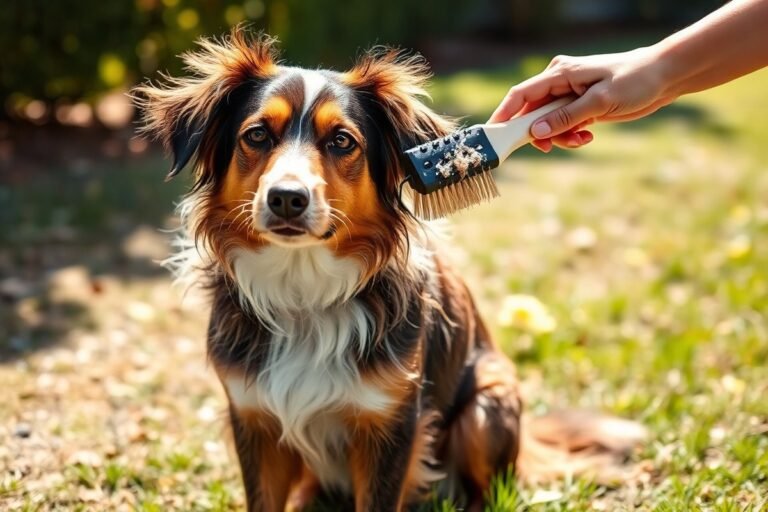
- Brush your dog regularly in sections to minimize loose hair ending up on your furniture.
1. Best Methods to Remove Dog Hair Quickly from a Couch

Removing dog hair from your couch quickly depends on using the right tools in the right way. A lint roller offers one of the fastest options for loose hair on cushions, armrests, and pillows, taking less than a minute for a good surface pass. For hair that clings more stubbornly, a slightly damp rubber glove can attract and lift hair without damaging most fabrics. Vacuum cleaners with upholstery attachments dive deeper to pull out embedded hairs but take longer and require power. Combining these tools gets the best results safely and efficiently. Here’s how to remove dog hair from your couch using a lint roller, rubber gloves, and a vacuum with an upholstery tool for quick and effective results:
- Clear the area: Remove loose pillows, throws, and any objects from the couch to expose all hairy surfaces clearly.
- Use a lint roller: Press the lint roller gently against the couch fabric and roll it firmly in one direction. Cover all visible areas, including cushions and armrests. Replace sheets as they become full. Expect to spend under 60 seconds for the whole couch surface on quick hair pickup.
- Put on damp rubber gloves: Slightly moisten the gloves with water and wring out excess. Rub your hands over fabric edges, corners, and areas where hair is still stuck. The hair clings to the glove’s surface by static and friction, lifting it away easily. Use a dry cloth to wipe off hair from the glove as you go.
- Vacuum with an upholstery attachment: Attach your vacuum’s upholstery brush or crevice tool, ensuring it’s clean. Run the vacuum slowly over the entire couch, pressing lightly to avoid fabric damage but firmly enough to reach embedded hairs. This step can take 5 to 10 minutes depending on couch size.
- Repeat lint rolling or glove rubbing: Any hairs loosened by vacuuming but not removed can be quickly picked up again with a roller or glove touch-up.
- Dispose of collected hair: Empty lint roller sheets and vacuum bags or canisters to prevent hair from reattaching to surfaces.
- Store tools nearby: Keeping gloves and a lint roller handy for daily quick touch-ups prevents buildup and speeds future cleaning.
Lint rollers cost about $5 to $10 for a pack of refill sheets and usually last several uses per sheet. Rubber gloves are reusable and cheap, often under $3 per pair. Vacuums with pet hair attachments vary widely in price but make a deeper clean possible. Combining these methods reduces the time spent and increases effectiveness compared to using only one tool.
2. How Couch Fabric Types Affect Pet Hair Removal Strategies

Different couch fabrics attract dog hair to varying degrees, which directly impacts how you should approach removal. Tightly woven synthetic fabrics and leather tend to repel pet hair, making cleaning less frequent and easier. In contrast, fabrics like velvet, chenille, and loosely woven natural fibers trap hair deep in the fibers, requiring more effort and specific tools.
Choosing the right removal method depends on the fabric type and its care codes, as some materials can be damaged by water or cleaning products. Using rubber gloves dampened with water works well on many fabrics without harsh scrubbing, while vacuuming excels on durable synthetic and woven textiles. However, leather and faux leather require gentle wiping with a slightly damp cloth instead of soaking or chemical cleaners that can cause cracking or discoloration.
| Fabric Type | Hair Attraction Level | Best Removal Tools | Care Code / Cautions |
|---|---|---|---|
| Microfiber (synthetic) | Low | Vacuum, dampened rubber gloves | W or S: safe to use water or solvent-based cleaners; avoid excess moisture |
| Leather / Faux Leather | Very Low | Soft cloth, gentle wipe | Do not saturate; avoid solvents and harsh chemicals |
| Velvet / Chenille | High | Lint roller, dry rubber gloves | Dry clean or spot clean only; water can damage pile |
| Loosely Woven Cotton / Linen | Moderate to High | Vacuum with brush attachment, rubber gloves lightly dampened | Follow fabric’s care code; avoid harsh scrubbing to prevent distortion |
| Polyester Blend | Low to Moderate | Vacuum, damp rubber gloves, lint rollers | Generally water-safe, check label for solvent-based cleaner suitability |
Applying water or cleaning products without considering fabric type can cause unintended consequences. For example, a heavy spray of water on velvet often leads to watermarks and pile damage. Conversely, microfiber tolerates light water use but too much moisture can encourage mildew. Rubber gloves moistened with a little water help loosen hair without saturating the fabric or requiring extra cleaning solutions, making it a versatile choice.
To avoid damaging upholstery, always test any dampened cleaning tool on a hidden area before working the entire couch surface.
Understanding fabric care codes is critical. “W” means water-based cleaners are safe, and “S” stands for solvent-based. Some fabrics feature “WS,” allowing both types. “X” signifies vacuum only, no liquids, which applies to many delicate natural fibers. Keeping this in mind prevents damage and ensures your dog hair removal efforts don’t create bigger problems.
3. Removing Dog Hair Without a Vacuum: Household Tools and DIY Hacks
Removing dog hair from a couch without electricity is possible using household items like rubber gloves, damp sponges, squeegees, and tape. These tools rely on static electricity, friction, or stickiness to lift hair away from fabric. They are affordable, reusable, and effective for quick cleanups or spots where vacuums struggle, such as corners and crevices.
Rubber Gloves for Gathering Hair
Rubber gloves work well to collect pet hair by creating friction between the glove surface and the couch fabric. Dry rubber dishwashing gloves are inexpensive and reusable. The rubber texture causes dog hair to clump together, making it easier to pick up from upholstery, especially in stubborn areas where hair is embedded.
This method requires a bit of elbow grease and time, so it’s best for spots with smaller, concentrated patches of hair. The gloves also prevent direct skin contact with allergens or dirt.
- Put on a clean pair of dry rubber gloves.
- Lightly rub your hands over the couch cushions in a circular motion.
- Gather the rolled-up hair into piles as it clumps onto the gloves.
- Remove the hair from the gloves with your fingers or by rinsing them under water.
- Repeat the process over the entire hair-covered area.
Using a Damp Sponge or Squeegee
A damp sponge or a rubber squeegee can pull pet hair off couch fabric through gentle scraping and adhesion. The moisture helps dog hair cling to the sponge without soaking the couch, which could damage certain fabrics. A rubber squeegee designed for hair removal provides more surface area and pressure to lift embedded hairs.
This approach balances effectiveness and fabric safety but needs caution with delicate materials. Test a corner first before using moisture-based methods.
- Dampen a sponge slightly, so it is just moist, not wet.
- Press the sponge or squeegee firmly against the couch fabric.
- Drag it slowly across the surface in one direction to collect hair.
- Wipe the hair from the sponge or squeegee onto a trash can or cloth.
- Repeat until most hair is removed from the area.
DIY Lint Rollers and Tape Tricks
Sticky surfaces like masking or packing tape can function as DIY lint rollers. Wrapping tape around your hand sticky side out lets you press and lift hair from couch fabric. This method is especially handy when you don’t own a commercial lint roller.
To create a simple lint roller at home, use a clean paper towel roll or any cardboard tube as the handle, then wrap several layers of tape around it with the sticky side exposed. Dispose of used tape layers when covered in hair.
- Take a cardboard paper towel tube or a similar cylinder.
- Wrap two to three layers of wide adhesive tape (like masking or packing tape) around the tube with the sticky side facing out.
- Hold the tube and roll it over the couch fabric, pressing lightly.
- Peel off the outer tape layer once it gathers hair and replace it with a fresh tape layer.
- Continue rolling the tape until the couch looks clean from hair.
4. How Regular Grooming and Cleaning Frequency Affect Couch Hair Levels
Regular grooming and cleaning help keep dog hair from piling up on your couch. Groom your dog according to their shedding level and stick to a cleaning schedule that matches how much hair your pet produces. Increasing these efforts during heavy shedding seasons can greatly cut down on hair on furniture.
Grooming Frequency by Shedding Level
How often you groom your dog depends on how much they shed. Dogs with low to moderate shedding need brushing about once a week, while heavy shedders require brushing two or more times a week. During heavy shedding seasons, brushing daily or every other day helps catch loose hair before it reaches your couch.
Brushing removes loose hair and reduces static, keeping hair from clinging to fabric. Using the right type of brush for your dog’s coat improves results. For thick coats, groom in layers to reach all loose hairs. Adding regular pet grooming appointments can also reduce shedding and keep your dog comfortable.
Recommended Couch Cleaning Schedule
Vacuuming your couch several times a week works well for managing everyday pet hair, especially in heavy shedding periods. For moderate shedding dogs, vacuuming once a week suffices if you groom regularly. Spot cleaning with lint rollers or dryer sheets daily or near daily targets small hair accumulations on high-use areas.
Washing removable couch covers or pet blankets weekly keeps hair buildup low and makes deep cleaning less frequent. Deep cleaning behind and under furniture monthly helps remove hair trapped in hidden places. Sticking to these tasks keeps hair from settling deeply into couch fabric.
Adjusting for Heavy Shedding Seasons
Dogs can shed more heavily during seasonal changes in spring and fall. When your dog’s shedding increases, increase grooming frequency to daily or every other day. Also boost vacuuming to several times per week or daily in high-use spots.
During these times, neglecting grooming will cause more loose hair to fall on the couch. Ignoring cleaning lets hair build up deeply in fabric. Staying proactive with grooming and cleaning matches the increased shedding and helps you avoid a hair-covered couch.
Checklist for Grooming and Cleaning Routine
- Brush low to moderate shedders once a week.
- Brush heavy shedders two or more times a week, daily during shedding season.
- Vacuum couch at least once a week for moderate shedding, several times weekly for heavy shedding.
- Spot clean with lint rollers or dryer sheets daily or near daily.
- Wash pet blankets and removable cover weekly.
- Deep clean behind and under furniture monthly.
- Increase grooming and cleaning frequency during heavy shedding months.
Following this checklist reduces how much dog hair settles on your couch, lessening ongoing cleaning time and allowing your furniture to look cleaner longer.
Benefits and Common Challenges
Consistent grooming cuts down on loose hair, reducing hair on your couch and static cling. Regular cleaning removes hair before it embeds deeply into fabric, making removal easier and preventing residues that can worsen allergens.
Frequent grooming and cleaning require some upfront time and effort that not all owners expect. Missing grooming sessions or cleaning less often lets hair accumulate faster, requiring longer, more labor-intensive cleaning later. It also increases hair spread across your home.
Investing in routine grooming tools or professional grooming can cost $30 to $90 or more per session but helps control shedding effectively. A good vacuum with pet attachments costs around $100 to $300 and can save time in cleaning.
5. Preventing Pet Hair Buildup on a Couch: Practical Tips That Work
Using washable couch covers or pet blankets can significantly reduce pet hair buildup on your couch. These covers catch most of your dog’s shedding before it reaches the upholstery, making cleaning easier. Opt for covers made of tightly woven fabrics like microfiber, which resist hair penetration better than loose weaves. Wash these covers regularly, every one to two weeks depending on shedding levels, to keep hair from accumulating and embedding into the fabric. A quality washable cover typically costs between $20 and $50, and replacing or washing it regularly is more efficient than deep cleaning the couch itself.
Training your dog to avoid furniture is another effective way to prevent hair accumulation. Start by consistently redirecting your dog to a designated pet bed. Use treats and positive reinforcement to reward staying off the couch. For persistent jumpers, use pet-safe deterrents like bitter sprays or double-sided tape on couch edges, which discourage climbing without harm. Training takes patience and daily repetition, but within a few weeks, many dogs learn to stay off furniture, reducing hair losses drastically.
Applying fabric treatments or sprays designed to repel pet hair also helps. These products reduce static cling that causes hair to stick, making future cleaning easier. For example, anti-static sprays or silicone-based fabric protectors sprayed lightly on couch surfaces create a barrier that repels hair. Apply every two weeks or after washing covers to maintain effectiveness. Be sure to test any spray on a hidden area first to avoid discoloration or damage. Some sprays cost about $8 to $15 for a bottle, lasting several months with proper use.
Furniture protectors, such as nylon or vinyl covers placed on couch areas your dog prefers, act as a thin barrier stopping hair from reaching upholstery. These covers wipe clean easily and can be removed for washing or replaced if heavily soiled. Use protectors especially if your dog has a favourite spot that gets heavy use. This method works well for protecting leather or delicate fabrics where frequent cleaning might degrade the material.
Regular use of dryer sheets on pet blankets and couch covers can reduce static cling and hair buildup, but avoid using them directly on delicate upholstery to prevent damage.
Consistent cleaning combined with these preventive steps shows good results within a few weeks. Couch covers and protectors keep hair contained, while training reduces new hair deposits. Adding fabric sprays cuts down stubborn cling. Watch for any signs of wear from covers or sprays and replace or adjust your approach if effectiveness drops. Together, these strategies minimize the time and effort needed to keep your couch fur-free, saving stress and extending your furniture’s life.
6. How to Remove Pet Hair Safely from Leather and Faux Leather Couches
Removing dog hair from leather and faux leather couches requires gentle techniques to avoid damage or residue. Avoid using water or harsh detergents directly, as they can stain or dry out the leather. Instead, rely on soft tools and leather-safe products designed to clean without scratching or dulling the surface.
Using Microfiber Cloths and Soft Brushes
Microfiber cloths are ideal for picking up pet hair from leather surfaces because they attract hair without scratching. Soft-bristled brushes, such as those made for delicate fabrics or leather, also help loosen hair embedded in seams or texture. Using abrasive tools like pumice stones should be avoided on leather, as they risk damaging the finish.
Gently wipe or brush in one direction to lift the dog hair without rubbing it deeper into the leather grain. For tight corners or folds, use a soft-bristle toothbrush or a dedicated leather cleaning brush to remove hair carefully.
Applying Leather-Safe Cleaners
Use products specifically formulated for leather upholstery to prevent discoloration or drying. Avoid using water or household detergents, which can harm the leather finish and lead to cracking over time. Leather conditioners with mild cleaning properties can remove light hair residues and maintain the leather’s suppleness. Follow this step-by-step process to clean dog hair safely from leather couches:
- Test the cleaner on a hidden spot to check for colour changes or damage.
- Use a dry microfiber cloth to remove loose dog hair from the surface.
- Apply a small amount of the leather-safe cleaner onto a clean microfiber cloth.
- Wipe gently over the leather, focusing on areas with stuck pet hair.
- Use a soft brush to reach crevices and seams if needed.
- Buff the treated areas with a dry microfiber cloth to remove excess cleaner and hair.
- Apply a leather conditioner afterward to replenish moisture and protect the surface.
Avoiding Common Leather Damage
Harsh chemicals, excessive water, and abrasive tools like rough brushes or pumice stones can scratch, stain, or dull leather couches. Avoid soaking the leather, as moisture can cause discoloration and weaken the material. Always use cleaning products labelled safe for leather and follow instructions carefully.
Prevent scratches by handling brushes and cloths lightly, and avoid rubbing aggressively. Keeping your dog’s nails trimmed and grooming regularly also reduces hair shedding and accidental scratches on the couch.
7. Common Mistakes in Removing Dog Hair from Couches and How to Fix Them
Trying to remove dog hair from a couch without the right approach often leads to poor results or damage. One frequent mistake is using too much water or cleaning solution. Over-wetting upholstery can ruin its structure, causing fabric to warp or leather to crack. Instead, lightly dampen a cloth or brush, just enough to pick up hair without soaking the couch.
Another common error is spreading the hair around instead of removing it. Using dry tools like a dry brush or leftover lint with too much force may push hair deeper into fabric fibers. To avoid this, use gentle strokes with a pet hair removal brush or a microfiber cloth designed to attract hair. Move slowly in one direction to gather hair rather than scatter it.
- Using too much water on upholstery, fix by dampening tools lightly only.
- Rubbing vigorously and spreading hair rather than lifting it, use gentle, one-direction strokes instead.
- Ignoring upholstery type, match your tool to fabric to prevent damage.
- Not cleaning tools during use, wipe brushes or cloths regularly to maintain effectiveness.
- Skipping vacuum attachments for loose hair, use a vacuum with upholstery tools first to remove bulk hair.
- Using disposable lint rollers only, consider reusable pet-hair removal rollers for repeated use and better cost efficiency.
- Neglecting regular cleaning, hair becomes more embedded and harder to remove over time.
Matching your approach to the couch fabric matters. For example, delicate fabrics need softer tools and less moisture. Leather and faux leather require minimal wet cleaning and should never be soaked. Cleaning tools must be kept free of collected hair, or they lose their ability to pick up more. A vacuum attachment is usually the best first step to tackle loose fur before brushing or wiping.
Good results show a visible reduction in hair without damaging the couch’s look or feel. Hard-to-remove patches often mean hair was pushed in deeper or the surface was overly wetted. Using patience, gentle tools, and the right amount of moisture keeps your couch hair-free and in good shape. Budget a few minutes per cleaning session and replace disposable rollers regularly if that’s your tool of choice. A reusable roller may cost about $10 to $20 upfront but saves money over time.
8. Deciding When to Call a Professional Cleaner for Pet Hair Issues
Deeply embedded pet hair often hides in the fibres and padding of your couch, making it tough to remove with regular vacuuming or brushes. This situation commonly occurs after months or years of dog hair buildup, especially in couches that do not see frequent deep cleaning. Signs you need a professional cleaner include persistent shedding visibly stuck beneath the fabric surface, a strong pet odor that home products do not eliminate, and stains or soil that appear after hair removal attempts. Professional upholstery cleaners use specialized tools and cleaning agents that loosen pet hair without soaking the cushioning, preserving the couch’s structure while restoring cleanliness.
Ignoring the need for professional cleaning may lead to permanent damage to your couch and health risks. Pet hair and dander trapped inside upholstery can cause a build-up of allergens, worsening indoor air quality and potentially triggering allergic reactions or respiratory problems. Over time, oils from pet hair and body secretions can stain or degrade fabric fibers and padding, reducing the couch’s lifespan. DIY methods often fail to reach deeply and may push hair further inside, making future removal even more difficult and costly.
Deciding whether to hire a professional cleaner involves a simple checklist. First, assess if your couch fabric cleaning tag recommends professional treatment or limits water-based methods. Next, consider how frequently you have already cleaned the couch yourself and whether hair and odors persist despite this effort. Finally, evaluate if the cost of a professional cleaning, which ranges roughly from $100 to $250 depending on fabric type and couch size, fits your budget. This investment often pays off by extending the life of your furniture and improving home hygiene.
When choosing a pet hair upholstery cleaner, look for companies specializing in pet-related cleaning. Ask about their methods to ensure they use foam upholstery cleaners or similar products that lift pet hair and odors without over-wetting. Confirm that they follow the fabric’s care instructions to avoid damage. Good cleaners will perform a pre-clean inspection and offer treatment options before starting. Communicate your specific concerns clearly, such as the presence of pet odors, the type of fabric, and any past issues with professional or DIY cleaning attempts.
To make your first call easier, try this script: “Hello, I have a couch with heavy dog hair embedded in the fabric and some associated odors. The couch is [fabric type]. Can you describe your pet hair removal process? Do you use foam upholstery cleaner, and how do you protect my couch’s padding? What results can I expect, and what is your pricing?” This approach ensures the cleaner understands the challenge and helps you compare services effectively.
Avoid letting pet hair build up for long periods; the longer hair sits, the harder it becomes to remove and the more likely damage or odors will set in.
Step-by-Step Action Plan to Remove Dog Hair from Your Couch
Follow this plan to see noticeable improvement in your couch’s cleanliness and reduce pet hair buildup over time.
- Before you start: Groom your dog thoroughly using a high-quality brush to lessen shedding. You’ll notice less loose hair falling onto the couch immediately.
- Day 1: Use a rubber glove or a damp microfiber cloth to wipe the couch surface, focusing on hair-prone areas. The glove or cloth should collect visible hair easily.
- Day 2: Apply a pet hair remover roller or a lint brush specific for upholstery and roll it across the cushions. You’ll see hair stick to the roller as evidence it worked.
- Week 1: Vacuum your couch using a handheld vacuum or upholstery tool. Inspect the couch to confirm that hair accumulation visibly decreased.
- Every few days: Repeat brushing or wiping sessions and vacuum cleaning to prevent new build-up. The frequency depends on your dog’s shedding cycle.
- Week 2: Clean couch covers or blankets in the washing machine if removable. The hair trapped in fabric strands should wash away, visible in the washing filter or lint trap.
- Ongoing: Place washable throws or slipcovers over the couch and launder them regularly to catch hair before it settles.
Frequently Asked Questions
What Is the Quickest Way to Remove Loose Dog Hair from a Couch?
Using a lint roller is the fastest method to remove loose dog hair from couch cushions, armrests, and pillows, often taking less than a minute. It works well for surface hair before deeper cleaning.
Can I Remove Dog Hair from a Couch Without Any Special Tools?
Yes, household items like damp rubber gloves can remove pet hair effectively by creating friction. Simply rub the glove over the fabric to lift hair, especially for quick touch-ups.
Does Brushing My Dog Regularly Reduce Hair Buildup on the Couch?
Regular brushing removes loose fur before it falls, significantly lowering the amount of hair on your couch. Combining this with frequent couch cleaning helps keep pet hair manageable.
How Do Different Couch Fabrics Affect Pet Hair Removal?
Some fabrics hold hair more tightly than others, so friction-based tools like rubber gloves work better on smooth surfaces, while lint rollers excel on looser weave fabrics. Knowing your fabric helps pick the right method.
Is It Safe to Use Vacuums on All Couch Types to Remove Dog Hair?
Most vacuums are safe for fabric and synthetic couches, but for leather or faux leather, use gentle attachments to avoid damage. Always check the cushion care tag before vacuuming.
When Should I Consider Hiring a Professional Cleaner for Pet Hair on My Couch?
Call a professional when pet hair is embedded deep or combined with stains and odors that home methods can’t fully address. They have specialized tools for thorough cleaning.
Key Points to Remember
Removing dog hair from your couch requires consistency and the right approach based on your furniture type and your dog’s shedding habits. Starting with effective grooming and regular maintenance keeps hair from accumulating and damages your couch less. Try the glove or microfiber cloth method today for a quick, noticeable difference in hair removal.