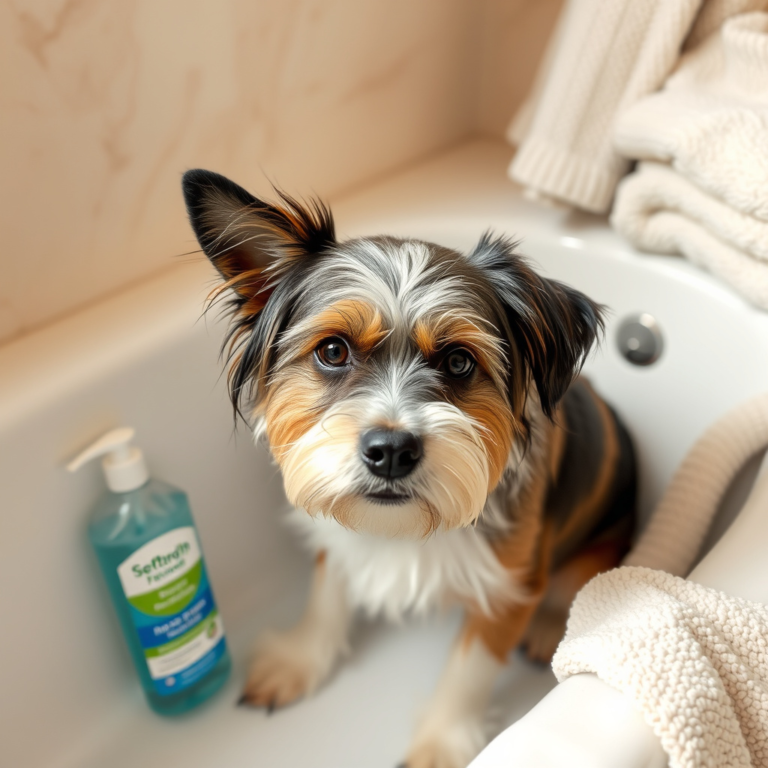
How to Bathe a Dog Outside: Simple Steps for a Stress-Free Clean
To bathe your dog outside effectively, choose a warm, calm day above 40°F and use lukewarm water around 75°F. Pick a quiet area with good drainage and gather all supplies in advance including a dog-friendly shampoo and towels. This approach keeps both you and your dog comfortable and makes the process smoother.
This advice suits dog owners who want a easy way to clean their pets outdoors. You’ll learn how to prepare your dog, the best weather and location choices, how often to bathe, and tips to avoid common mistakes while keeping your dog safe and relaxed.
Key Takeaways
- Select a shaded spot with soft ground for your outdoor dog bath to ensure comfort and easy cleanup.
- Use water between 75°F and 85°F to prevent chilling or overheating your dog during the bath.
- Bathe dogs with medium to long fur every 4 to 6 weeks to maintain coat health and cleanliness.
- Avoid bathing your dog outdoors if temperatures fall below 40°F to prevent cold stress or illness.
- Gather all grooming supplies before starting to avoid interruptions and keep your dog calm.
- Use gentle, dog-specific shampoo and rinse thoroughly to avoid skin irritation or residue buildup.
How to Bathe Your Dog Outside Step-by-Step

Bathing your dog outside involves wetting the coat with warm water while avoiding sensitive areas, lathering with a dog-safe shampoo, rinsing thoroughly, and checking that no residue remains. The process requires patience to keep your dog calm and careful handling to prevent water or shampoo from entering the eyes, ears, or nose. Follow these steps closely to ensure a clean, comfortable outdoor bath experience for your dog.
Starting the Bath Slowly
Begin by brushing your dog’s coat to remove loose hair and mats. This step prevents tangles from tightening once wet. Make sure the water is lukewarm, around body temperature, not hot, to avoid skin irritation.
Set up a safe spot with a non-slip mat if possible. Approach your dog calmly and use a cup or gentle sprayer to slowly wet their coat. Spray from the neck down, avoiding the face area to keep water away from eyes, ears, and nose. Wetting the dog gradually helps reduce stress and prevents sudden surprises that might make bathing difficult.
Applying and Massaging Shampoo Correctly
Choose a shampoo formulated specifically for dogs, preferably fragrance-free if your dog has sensitive skin. Use a small amount to start, as too much shampoo can be hard to rinse off and cause irritation.
Apply shampoo from the neck down, avoiding the head and especially the face. Lather gently using your hands or a soft sponge, massaging the coat to reach the skin without scrubbing harshly. Take extra care around legs and the underside, areas that get dirty but can be sensitive. To clean your dog’s face, gently wipe it with a damp cloth that doesn’t have any shampoo on it.
Rinsing Thoroughly Without Leaving Residue
Rinse your dog with lukewarm water, using a cup or sprayer on a gentle setting to avoid water pressure that could cause discomfort. Rinse from top to bottom, making sure no shampoo remains. Leftover shampoo can cause itching and skin irritation.
Keep the dog’s head tilted slightly back and use a damp cloth rather than direct water spray around the eyes, ears, and nose. Rinse until the water runs clear off the coat, checking with your fingers to ensure no slippery or sudsy spots remain. This thorough rinsing often takes several minutes.
Final Check Before Drying
Before toweling off, run your hands through your dog’s coat to feel for damp or soap residue. Double-check areas like under the legs and belly, where shampoo tends to hide. Clear signs of residue include slickness or bubbles when you rub the fur.
Find any leftover shampoo? Rinse that area again right away. Keeping your dog comfortable and warm is important, so wrap them in a fluffy towel quickly, especially if the weather isn’t warm. Have multiple towels on hand for better absorption and drying.
- Brush your dog’s coat thoroughly before starting the bath.
- Place a non-slip mat in your bathing area to keep your dog secure.
- Use lukewarm water and wet the dog slowly from neck down, avoiding the face.
- Apply a small amount of dog shampoo, massaging it gently into the coat without shampooing the face.
- Rinse completely with lukewarm water, avoiding water in the eyes, ears, and nose.
- Wipe the dog’s face gently with a damp cloth if needed.
- Check for shampoo residue on the coat and rinse again if necessary.
- Dry your dog with towels immediately after rinsing to keep them warm.
Choosing the Best Location and Weather for Outdoor Bathing

Selecting the best spot and weather for bathing your dog outside matters for your pet’s comfort and safety. Aim for a place that offers shade to protect your dog from direct sunlight, which can cause overheating or skin irritation. Choose a flat, non-slip surface like grass or concrete to prevent slips and falls. Avoid areas with sharp objects, debris, or heavy traffic. Setting up near an accessible water source like a garden hose makes refilling easier and helps to keep things clean.
The ideal temperature for outdoor dog bathing is between 50°F and 85°F. Avoid washing your dog outdoors if the temperature is below 40°F, as cold water and air can cause discomfort or hypothermia, especially for smaller or short-haired breeds. On very hot days above 85°F, use cool water instead of warm to help your dog stay comfortable and prevent overheating. Never use hot water, as it can burn your dog’s skin.
Plan your bath when the weather is calm, avoid windy days that can dry your dog too quickly, causing chills, and skip bath time during rain or storms to keep your dog safe and dry afterward. Morning or late afternoon hours provide milder temperatures and less sun exposure. Before you start, touch the water with your hand to make sure it’s lukewarm or slightly cool, depending on the weather. This simple check helps prevent shocking your dog with uncomfortable water temperatures.
To set up a safe, comfortable outdoor washing area, clear away any hazards like rocks or sticks and place a rubber mat or towel where your dog will stand to avoid slips. Having a bucket or basin can help contain suds and keep water from splashing everywhere. If you live in a colder area and want to bathe your dog outside on chilly days, prepare with warm towels and a sheltered spot to dry your dog quickly right after the bath.
Never bathe your dog outside in temperatures under 40°F to avoid health risks from cold exposure.
Gathering and Using the Right Supplies for an Outdoor Dog Bath
Gathering the right supplies makes bathing your dog outside easier, safer, and more comfortable for both of you. You’ll need a few essential items suited to outdoor use, plus the right shampoo based on your dog’s coat and skin type. Having an extra helper can also make the process smoother, especially for larger or energetic dogs.
Essential Supplies Checklist
Set up a space with all necessary supplies within reach before you start. Having everything ready helps keep the process quick and less stressful for your dog. Certain tools improve safety and comfort during the bath, especially in an outdoor setting where surfaces might be slippery or uneven.
| Equipment | Description |
|---|---|
| Hose with warm water | A hose delivering warm water is key to rinsing your dog thoroughly and comfortably outside. |
| Dog shampoo and conditioner | Choose products designed for your dog’s specific coat and skin needs to avoid irritation. |
| Washcloth or sponge | Use these to gently clean your dog’s face and sensitive areas without spraying water directly. |
| Towel | Dry your dog promptly after bathing to prevent chills or dirt collecting on wet fur. |
| Non-slip mat or raised bathing platform | These provide a stable footing and help your dog feel more secure during the bath. |
Other helpful extras include a brush for pre-bath grooming and treats to reward calm behavior. Gathering everything ahead saves you from leaving your dog unattended or dealing with unexpected challenges.
Choosing the Right Shampoo for Your Dog
Select a shampoo designed specifically for dogs, matching your pet’s coat type and skin sensitivity. Human shampoos can dry out or irritate your dog’s skin because of different pH levels. For example, a dog with sensitive skin benefits from a mild, hypoallergenic formula while a thick or curly coat might need a moisturizing shampoo and conditioner.
Bathing more than once a month can dry out your dog’s skin, so if frequent baths are needed, use a gentle or extra mild shampoo. Always check the label for any skin conditions or allergies your dog might have and consult your vet if uncertain about the best product. Proper shampoo helps keep your dog’s coat shiny, reduces itchiness, and improves overall skin health.
Optional Tools and Helpers
Having an extra person can be a big help, especially if your dog is large, anxious, or tends to move a lot. One person can hold and comfort the dog while the other washes and rinses efficiently. This teamwork minimizes stress and reduces the chance of your dog slipping or escaping mid-bath.
Optional tools like a rinse cup or sprayer attachment for the hose can make rinsing easier and more controlled, avoiding water spraying into sensitive areas like ears and eyes. A leash attached to a secure post or fence might help keep your dog steady without excessive restraint. Think about what fits your dog’s size and temperament to choose these extras.
Preparing Your Dog for a Calm Outdoor Bath
Preparing your dog mentally and physically for an outdoor bath helps minimize stress and resistance. Start by exercising your dog for about 15 to 30 minutes before bath time to burn off excess energy. A tired dog is less likely to be restless or anxious during the bath. Choose a calm spot outside and allow your dog to explore the area first without any water running. Let them sniff the hose or baby pool if you’re using one. This introduces the new environment gradually and makes the experience less intimidating.
For dogs nervous about water, introduce it slowly. Run a small trickle of warm water onto your hand and let your dog sniff it. Use the same warm water temperature, ideally between 85°F and 95°F, to wet your dog gently once they seem comfortable. Avoid sudden splashing; instead, start with wetting their legs, then move to the body. Praising your dog softly and giving treats during this process helps create a positive association. For example, say, “Good job! Nice and calm,” while giving a few small treats every minute you see relaxed behavior.
Maintaining calmness during the bath is important. Speak in a low, soothing voice and avoid sudden movements. Keep fresh water available for your dog to drink, as staying hydrated supports comfort during the bath. When your dog shows signs of stress like whining or pulling away, pause and allow a break. Sometimes a short 30-second pause to pet or reassure the dog resets their behaviour. Use a non-slip mat or a baby pool to keep your dog contained and prevent slipping, which can raise anxiety.
Having all your supplies ready and within reach before you start also reduces stress. Keep shampoo, towels, and brushes close by so you’re not rushing during bath time. Prepare a script to use consistently each bath session to signal structure and calm. Say something like, “First we play a bit outside, then paws in water, nice and gentle, lots of good treats. Next, a little soap, rinsing now, almost done. Towels and cuddles after, all done!” Using the same words and tone helps your dog know what to expect.
Some dogs respond better to a slower approach, while others quickly adjust to a routine. Watch your dog’s body language and adjust the pace accordingly. Notice increased panting or avoiding actions? Slow down and offer more praise or breaks. Consistency builds trust and reduces bath time struggles over weeks and months. A calm mindset, steady introduction to water, and a prepared environment all contribute to a smoother and safer outdoor bathing experience for both you and your dog.
How Often to Bathe Your Dog Outside Based on Coat and Activity
How often you bathe your dog outside depends mainly on their breed, coat type, skin condition, and activity level. Overbathing can harm your dog’s natural oils and lead to sensitive skin, so aim to bathe only when your dog is muddy, dusty, or smelly. Consulting your veterinarian can help tailor a routine based on your dog’s individual needs, including health history and skin sensitivities.
Different coat types require different care. Short-coated dogs usually need fewer baths, about every 2 to 3 months, unless they get dirty or smelly. Medium to long-haired breeds or those with curly coats often benefit from more frequent bathing, roughly every 4 to 6 weeks, especially if they spend a lot of time outdoors. Double-coated dogs have a thick undercoat and shed seasonally; they should be bathed less frequently, every 3 to 4 months, to preserve their natural oils and prevent skin issues.
Brushing your dog before bathing outside is essential, especially for medium, long, curly, or double-coated fur. Removing mats and tangles prevents water from getting trapped in the fur, which can cause skin irritations. Use a brush suited to your dog’s coat type to thoroughly detangle before applying water and shampoo. After drying, brushing again helps prevent matting and keeps the coat smooth.
| Coat Type | Recommended Bath Frequency | Brushing Before Bath? |
|---|---|---|
| Short-coated | Every 2 to 3 months or as needed | Generally not necessary unless mats form |
| Medium to Long-haired | Every 4 to 6 weeks | Yes, to remove mats and tangles |
| Curly-coated | Every 4 to 6 weeks | Yes, thoroughly before bathing |
| Double-coated | Every 3 to 4 months | Yes, to avoid trapping water |
| Sensitive or dry skin | Bath only when necessary; consult veterinarian | Yes, gently to avoid irritation |
Activity level also impacts bathing frequency. Dogs that play outside often and get dirty may need baths more frequently, just take care not to overdo it. After any outdoor play that results in mud or excessive dirt, a warm bath helps maintain skin and coat health. Always use a dog-specific shampoo that matches your dog’s skin type to avoid irritation.
Brush your dog’s coat thoroughly before adding water to prevent mats from trapping moisture and causing skin problems.
Drying Your Dog Properly After an Outdoor Bath
Drying your dog properly after an outdoor bath is key to keeping them comfortable and preventing skin issues. Start by thoroughly towel drying to remove most of the water. Air drying works in warm, dry weather, but bringing your dog inside to a warm, draft-free space is best in cooler or damp conditions.
Using Towels for Fast Moisture Removal
Using towels to remove excess water quickly reduces the risk of your dog getting chilled and helps speed up the overall drying process. Choose large, highly absorbent towels designed for pets or cotton bath towels. Gently pat your dog’s coat rather than rubbing vigorously to avoid tangling or irritating their skin.
- Have several dry towels ready and within reach before you start the bath.
- Start drying your dog’s body by pressing the towel firmly against the fur to soak up water.
- Work section by section, including legs, belly, neck, and tail, using a fresh towel if one gets too wet.
- Use a separate towel to gently blot your dog’s face and ears to protect sensitive areas.
- For thick or long coats, consider using an absorbent drying robe immediately after towel drying.
- Check that your dog’s paws and undercoat are as dry as possible to prevent moisture-related problems.
Effective towel drying usually removes most surface moisture, which can take 5 to 10 minutes depending on coat type. Thick double coats may require extra attention to avoid dampness trapped near the skin.
When and How to Air Dry Safely
Air drying outdoors is safe when the weather is warm, temperatures above 70°F, and dry, with minimal wind and no rain. This method lets your dog’s coat finish drying naturally without exposing them to cold or drafts.
Set the dog up in a shaded spot away from direct sunlight that could cause overheating. Let them stay outside only as long as it is comfortable, usually less than an hour. Avoid tethering your dog or leaving them unattended while air drying to prevent accidents or escape.
Comb or brush your dog gently midway through air drying if the coat type benefits from fluffing to speed moisture evaporation. Should the weather shift or your dog begins to feel chilly, bring them inside without delay.
Indoor Drying Tips for Chilly Weather
Bringing your dog inside after removing most moisture outdoors protects them from cold and damp air that can cause chills or skin irritation. Use a warm, draft-free room where the temperature stays comfortable, around 68°F to 72°F.
- Immediately place your dog on a non-slip surface to avoid slipping while wet.
- Use a fresh, absorbent towel to pat any damp areas again, especially under the legs and on the belly.
- You might try completing the drying process with a blow dryer set to cool or low heat, making sure to keep it moving and at least 6 inches away from your dog’s coat.
- Stop blow drying if your dog becomes anxious and switch back to towel drying or wrap them in a drying robe.
- Keep your dog indoors until their coat is completely dry to prevent moisture-related skin problems.
Avoid heated drying devices that are too hot, as these can damage the skin or fur. For hairless or thin-coated dogs, quick towel drying followed by staying warm indoors is usually sufficient.
Avoiding Common Outdoor Bathing Mistakes and How to Fix Them
Bathing your dog outside can be tricky if you don’t avoid common mistakes that affect your dog’s comfort and skin health. One frequent error is using water that’s too cold or hot. Ideal water temperature should be lukewarm, roughly between 75°F and 85°F, to prevent skin irritation or stress. You probably shouldn’t use water that feels uncomfortable to your hand for more than a few seconds, since it’s likely not the right temperature for your dog.
Another mistake is forcing your dog to stay still or accepting resistance. Forcing a bath can cause anxiety and make your dog dread future baths. Instead, use calm encouragement and breaks if your dog seems stressed. Gently praising them and offering treats before, during, and after bathing helps create a positive association.
Failing to check your dog’s skin and ears before and after bathing can allow problems to go unnoticed. Look for redness, flakiness, or unusual odors, which might signal irritation or infection. After rinsing, thoroughly dry your dog’s ears to prevent moisture buildup and infections. Using a soft towel to pat dry and flushing ears with vet-recommended products can also help.
- Don’t bathe in extreme weather, avoid heavy rain, freezing temps, or direct sun.
- Use dog-specific shampoo to prevent skin dryness and allergic reactions.
- Prepare all supplies ahead of time to avoid rushing or leaving your dog unattended.
- Wash away all shampoo residues completely to prevent irritation.
- Check water temperature carefully before starting.
- Use a non-slip surface or bath mat to prevent your dog from slipping and getting stressed.
- Monitor your dog’s behavior closely and stop if they become too anxious.
It’s essential to be proactive and observe your dog’s reactions throughout the process. Persistent scratching, redness, or discomfort after the bath warrants a visit to your veterinarian to check for allergies, skin infections, or a need for a different shampoo. Winter baths require extra care, you should ensure your dog is dried quickly and kept warm to prevent chills. Using warm towels or drying your dog indoors after the bath works best. Staying calm, patient, and prepared helps make outdoor bathing safer and less stressful for both you and your dog.
Safety Tips and When to Consult a Professional Groomer
Safety is the top priority when bathing your dog outside to prevent injury, discomfort, or health issues. First, use lukewarm water between 75°F and 85°F to avoid shocking your dog’s skin or causing hypothermia, especially in cooler weather. Make sure the bathing area has good traction so your dog doesn’t slip on wet surfaces. Keep the dog securely restrained on a leash or in a fenced area to prevent sudden escapes. Avoid using strong water pressure or direct sprays near your dog’s eyes, ears, and nose to reduce stress and the risk of infections.
Monitor your dog’s behavior closely during the bath. Signs of excessive stress or aggression, such as growling, snapping, or frantic trying to escape, mean you should pause and calm your dog before continuing. Have towels handy to quickly dry your dog’s face and ears if water accidentally gets in there. Use only dog-safe shampoos that match your dog’s skin type and allergies to prevent irritation. After rinsing thoroughly, dry your dog well to prevent chills, especially if the outside temperature is below 60°F.
Consult a professional groomer or veterinarian in specific situations to ensure your dog’s safety and health. Seek professional grooming when your dog’s coat is heavily matted, as home bathing and brushing may cause pain or skin damage. Also consider a groomer if the weather outside is too cold or hot for a safe bath. Professional groomers provide a controlled environment with ideal water temperature, drying equipment, and the expertise to handle anxious dogs. Veterinary advice is essential if your dog has sensitive skin, a skin infection, open wounds, or any health issues that make bathing risky. A vet can recommend suitable products and methods for your dog’s condition.
The decision rule for when to see a professional is: if your dog shows signs of discomfort beyond basic anxiety during baths, or if you notice skin problems that never improve after home bathing, arrange for expert help. These precautions might seem to require extra time and cost, but professional grooming sessions typically range from $40 to $90 depending on size and services, which can save you from costly vet visits later.
Always check your dog’s skin before and after bathing for redness, sores, or unusual lumps and avoid outdoor baths if your dog’s health condition is unclear.
Step-by-Step Action Plan for Bathing Your Dog Outside
Follow these clear steps to bathe your dog outside effectively and safely, starting your first time today.
- Before You Start: Gather all necessary supplies like dog shampoo, a hose or bucket, a brush, and towels. Ensure supplies are ready to prevent interruptions during the bath.
- Choose the Location and Weather: Pick a shaded, non-slippery spot with mild weather, ideally above 50°F, to keep your dog comfortable and safe from sunburn or cold.
- Prepare Your Dog: Brush your dog’s coat thoroughly to remove mats and loose hair. This reduces tangles and helps shampoo clean better.
- Start Bathing: Wet your dog’s coat gently using lukewarm water until fully soaked; check your dog stays calm and is not shivering.
- Apply Shampoo: Work a small amount of dog shampoo into a lather, focusing on dirty areas. Rinse thoroughly to avoid skin irritation.
- Dry Your Dog: Use towels to remove excess water, then let your dog air dry in a warm, shaded area. Check for damp spots to prevent skin issues.
- After the Bath: Reward your dog with praise or treats to create a positive association. Notice if your dog feels relaxed and comfortable.
Frequently Asked Questions
Can I Use a Regular Garden Hose to Bathe My Dog Outside?
Yes, you can use a garden hose, but avoid cold water and low pressure to keep your dog comfortable during the bath.
How Do I Keep My Dog Calm When Bathing Outside with Distractions?
Exercise your dog before bathing to burn energy and use treats to maintain focus.
Is It Safe to Bathe My Dog Outside in Hot Weather?
Bath your dog outside only if the temperature is below about 80°F to prevent overheating.
How Can I Prevent Dirt from Sticking to My Dog Right After an Outdoor Bath?
Dry your dog thoroughly and keep them away from dusty or muddy areas until fully dry.
What Type of Shampoo Is Best for Outdoor Dog Baths?
Use a shampoo suitable for your dog’s skin type and easy to rinse off outdoors.
Can I Bathe Puppies Outside Safely?
Yes, bathe puppies outside only in warm weather and use warm water to avoid chills.
Key Points to Remember
Bathing your dog outside can be straightforward with the right preparation and precautions. Start by selecting a safe spot and having all supplies ready to keep the process smooth. The next time your dog looks dirty or starts to smell, set up your outdoor bath and keep both your dog and the environment comfortable.