
Do Flea Collars Make Dogs Sick? A Clear Guide for Pet Owners
Do flea collars make dogs sick? While flea collars are a common and effective method for controlling fleas on dogs, some pets may experience side effects ranging from mild skin irritation to more serious reactions depending on the collar's ingredients and how the dog reacts. Most dogs tolerate flea collars well, but knowing the risks helps owners act promptly if problems arise.
Flea collars work by releasing insecticides or repellents around the neck and body of your dog, which can sometimes cause sensitivity or allergic responses in some dogs. Factors like the dog's size, age, breed, and any preexisting health conditions may influence how they respond. Understanding flea collars’ benefits versus their possible drawbacks helps in maintaining your dog's comfort and safety.
This article explores how flea collars work, the types of ingredients inside them, potential health concerns, alternatives available for flea control, and important safety tips. By the end, you will gain a clearer picture of when flea collars are suitable and how to minimize any risks for your dog’s well-being.
How Flea Collars Work and Their Ingredients

Common Active Ingredients in Flea Collars
Flea collars typically contain insecticides such as imidacloprid or flumethrin, which target fleas and ticks by disrupting their nervous systems. These chemicals are released slowly and spread over the dog’s skin and fur to kill or repel parasites.
Newer collars often include ingredients designed to be safer and less irritating for pets while maintaining effectiveness. Some collars may also combine multiple actives for broader protection.
- Imidacloprid – targets flea nervous system
- Flumethrin – effective against ticks
- Permethrin – common in some collars but toxic to cats
- Natural repellents – such as essential oils in some collars
How the Collar Dispenses the Active Ingredients
Flea collars release their active compounds gradually, dispersing them through oils on the dog’s fur and skin. This slow diffusion ensures continuous protection for weeks or even months depending on the brand.
The design allows for long-lasting efficacy but also means that dogs are exposed to the chemical consistently, which is why monitoring for any signs of sensitivity is important.
Potential Health Risks of Flea Collars on Dogs

Skin Irritation and Allergic Reactions
One of the more common issues with flea collars is skin irritation around the neck from the chemicals or collar material. Redness, itching, and hair loss can occur if the dog is sensitive to the collar.
In some cases, allergic reactions can extend beyond the local area and cause discomfort or behavioral changes. Hypersensitive dogs may develop more intense symptoms requiring veterinary care.
- Red, inflamed skin
- Excessive scratching or rubbing
- Hair loss around the collar area
Systemic Side Effects and Toxicity Risks
Though rare, some dogs can absorb insecticides from flea collars in amounts high enough to cause systemic toxicity. Symptoms may include drooling, weakness, vomiting, or neurological effects like tremors.
Smaller or older dogs, or those with preexisting health issues, may be more prone to adverse reactions. Immediate veterinary attention is necessary if any serious signs develop.
- Nausea or vomiting
- Uncoordinated movement or tremors
- Lethargy or weakness
When to Avoid Flea Collars for Your Dog
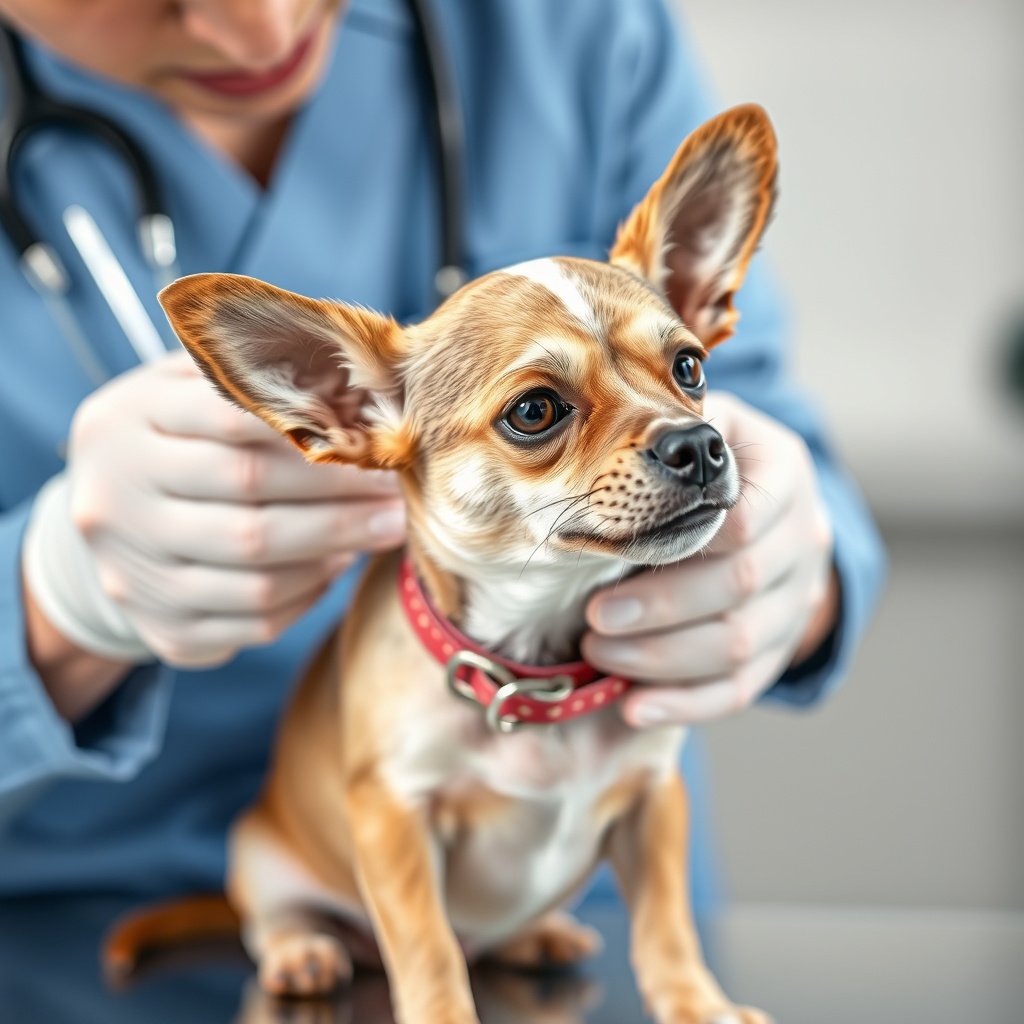
Pets with Sensitive Skin or Allergies
Dogs with a history of skin allergies or sensitivities should generally avoid flea collars or use hypoallergenic options. Consulting your vet can help identify the best flea control without triggering reactions.
If a dog shows itching or irritation soon after collar application, removing it and switching to another treatment method is advised.
Very Young Puppies and Dogs with Health Issues
Puppies under a certain age (often 12 weeks) are more vulnerable to insecticide exposure and should not use flea collars unless specifically approved by a veterinarian.
Dogs with neurological or liver conditions may process chemicals poorly, increasing risks of adverse effects from flea collars.
- Check age recommendations on packaging
- Discuss health concerns with your vet
Alternatives to Flea Collars for Effective Flea Control
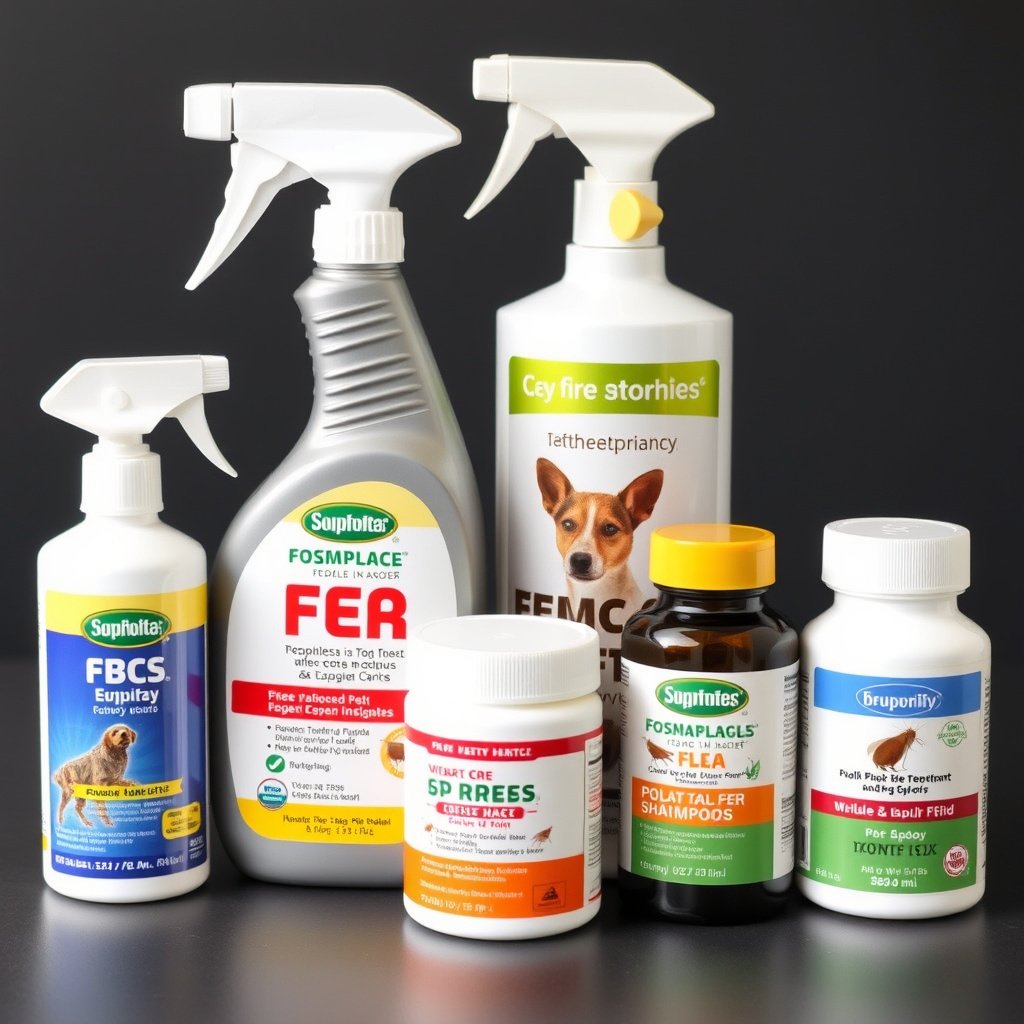
Topical and Oral Flea Medications
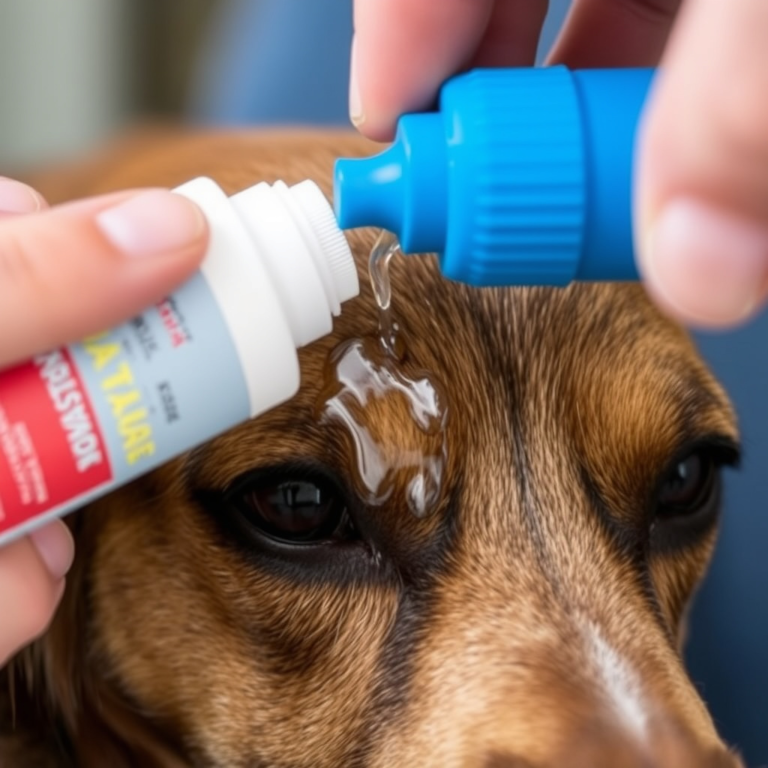
Spot-on treatments applied monthly offer targeted flea and tick control absorbed through the skin without constant collar contact. Oral medications provide systemic protection via your dog’s bloodstream.
These options may be preferred for dogs that react poorly to collars or need broader parasite control.
- Monthly spot-on treatments
- Chewable oral tablets
- Prescription flea medications
Natural and Non-Chemical Flea Prevention
Some owners choose natural approaches like flea-repelling shampoos, flea combs, or dietary supplements alongside environmental control measures. While less potent, these can reduce flea burdens without chemical exposure.
Combining several safe methods can help maintain flea-free dogs when flea collars are unsuitable.
- Regular grooming and flea combing
- Natural sprays with essential oils
- Maintaining a clean home environment
How to Use Flea Collars Safely on Your Dog

Proper Collar Fit and Placement
A flea collar should fit snugly but comfortably around the dog’s neck, allowing room to slide one or two fingers underneath. Placing it too tight may cause irritation or discomfort.
Positioning the collar so it contacts the skin and is not tangled helps the active ingredients disperse evenly for best effect.
- Avoid collars too tight or too loose
- Check periodically for wear or dirt buildup
Monitoring Your Dog After Applying the Collar
After putting on a flea collar, observe your dog for any signs of adverse reactions during the first few days. Remove the collar at once if you notice excessive scratching, redness, or changes in behavior.
Regularly check the collar’s condition and replace it according to the manufacturer’s instructions to maintain safety and efficacy.
- Watch for itching or skin changes
- Follow replacement schedules closely
Common Myths and Facts About Flea Collars and Dog Health

Myth: Flea Collars Are Always Dangerous
While flea collars can cause issues in some dogs, most pets tolerate them well when used properly. These collars remain among the most convenient flea prevention methods available.
Understanding the correct use and selecting reputable brands reduces health risks significantly.
For more detailed information about flea control on dogs and related health concerns, the Wikipedia article on flea control is a helpful resource. Flea control on dogs.
Fact: Some Dogs Need Alternative Flea Treatments
Dogs with sensitive skin, young puppies, or health problems may need alternatives to flea collars to avoid irritation or toxicity.
Pet owners have multiple effective flea treatment options and should work with veterinarians to choose what’s best for each dog.
Comparison of Flea Control Categories for Dogs
Here's a comparison of common flea control methods, highlighting their effectiveness, safety, cost, and application ease to help you decide.
| Category | Effectiveness Duration | Safety for Sensitive Dogs | Ease of Use | Average Cost |
|---|---|---|---|---|
| Flea Collars | 6-8 months | Medium – may cause irritation | Very easy – wear and forget | $10-$30 |
| Topical Spot-On Treatments | 1 month | High – well tolerated | Moderate – monthly application | $15-$50 |
| Oral Flea Medications | 1 month | High – systemic | Easy – monthly chew or tablet | $20-$60 |
| Natural Flea Preventatives | Variable | High – minimal chemicals | Requires frequent application | $10-$40 |
| Flea Shampoos | Short – 1-2 days | Medium – may dry skin | Requires bathing | $8-$25 |
Frequently Asked Questions
Can flea collars cause neurological problems in dogs?
In rare cases, flea collars containing insecticides can lead to neurological symptoms such as tremors or unsteady movement if a dog absorbs too much chemical. Immediate veterinary care is essential if such signs appear.
Are flea collars safe for puppies?
Most flea collars are not recommended for puppies under 12 weeks old due to their sensitive developing systems. Always check the product label and consult your vet before use.
How quickly do flea collars start working?
Flea collars typically begin killing or repelling fleas within a few hours to a day after application and provide ongoing protection for several months.
What should I do if my dog reacts badly to a flea collar?
If your dog shows signs of irritation or sickness from a flea collar, remove it immediately and wash the area if needed. Contact your veterinarian for further advice and treatment.
Can flea collars be used with other flea treatments?
Combining flea collars with other treatments can increase chemical exposure and risk. Consult your veterinarian before using multiple products simultaneously.
Key Takeaways
- Flea collars can cause irritation or rare toxicity in some dogs but are generally safe when used correctly.
- Monitor your dog closely after applying a collar and remove if any adverse signs appear.
- Alternative flea treatments may be better suited for puppies, sensitive dogs, or those with health issues.
- Consult your veterinarian to choose the safest and most effective flea control method for your pet.
Conclusion
Deciding whether to use a flea collar on your dog requires balancing convenience, effectiveness, and safety. Flea collars remain a straightforward option for many pet owners, but knowing your dog’s health profile and sensitivities helps prevent problems. Careful observation after first use and choosing the right product ensure the least risk while keeping fleas away.
For dogs with sensitive skin or certain health conditions, alternatives like topical spot-on treatments or oral medications often provide effective flea control without the risk of collar-related irritation. Natural options combined with grooming routines may also be beneficial for maintaining flea-free coats while reducing chemical exposure. Each treatment category suits different lifestyles and pet needs.
Ultimately, consulting a veterinarian to discuss your dog’s specific circumstances and selecting a flea treatment accordingly offers the best way to protect your pet safely. Start by assessing whether a flea collar fits your dog’s profile or if another option would provide peace of mind along with powerful flea control.





One Comment