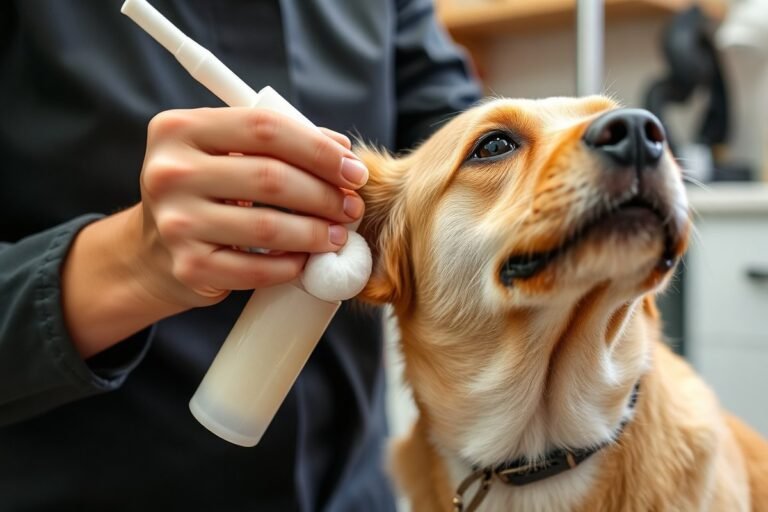
How Often Should You Brush a Dog: A Complete Guide for Healthy Coats
Brush your dog every 2 to 3 days for most coat types to maintain a healthy shine and prevent mats and tangles. Curly and long-haired breeds benefit from this schedule, with daily brushing during shedding seasons to control loose fur. This advice suits dog owners aiming to keep their pets comfortable, clean, and free from skin problems.
Your dog’s coat type, lifestyle, and health all affect how often you should brush a dog. Following proper brushing techniques and choosing the right brush can improve your dog’s skin health and appearance. This article covers essential tips on brushing frequency, benefits, risks, and when to seek professional grooming help.
Key Takeaways
- Brush most dogs every 2 to 3 days to avoid matting and dirt buildup.
- During shedding seasons, increase brushing to daily for 6 to 8 weeks.
- Curly-coated dogs need frequent brushing to prevent tangles and maintain coat texture.
- Long-haired dogs require brushing 3 to 4 times a week for manageable coats.
- Professional grooming every 4 to 8 weeks helps keep coats and skin in top condition.
- Overbrushing can irritate the skin; watch for redness or discomfort in your dog.
How Often Should You Brush Your Dog Based on Coat Type?

Brushing frequency depends mainly on your dog’s coat type and changes with shedding seasons. Short coats usually require only weekly brushing, while medium and long coats need a few times a week, increasing to daily during heavy shedding. Special coat types like curly, wire, and double coats need more frequent care and sometimes professional grooming.
Short and Smooth Coats Frequency
Dogs with short, smooth coats generally do well with brushing about once a week. This keeps their coat clean and helps evenly distribute natural oils. During seasonal shedding, particularly in spring and fall, brushing may need to increase to every other day or even daily to remove loose hair effectively.
Using a rubber curry brush or a bristle brush suits these short coats best because it helps remove loose fur without damaging the skin. Over-brushing short coats is less of a risk but still watch your dog’s skin for irritation.
Medium and Long Coats Frequency
Medium and long coats require brushing at least two to four times a week to prevent tangles and mats. Long-haired breeds, like Afghan Hounds, benefit from daily brushing to keep their thick coats looking healthy and smooth. During shedding seasons, daily brushing helps manage loose undercoat and reduce hair around your home.
The slicker brush is ideal for these coat types since it detangles and removes loose hair efficiently. Combing your dog’s coat after brushing can catch smaller tangles left behind. Avoid skipping regular brushing sessions because mats can become painful and invite skin issues.
| Breed | Coat Type | Brushing Frequency |
|---|---|---|
| Bulldog | Short, smooth | 1-2 times a week |
| Cocker Spaniel | Medium-length | 2-3 times a week |
| Afghan Hound | Long, thick | Daily |
Following these breed-specific brushing frequencies helps maintain your dog’s coat health. Adjust this schedule if your dog spends more time outdoors or shows signs of matting or excessive shedding.
Special Coats: Curly, Wire, Double
Curly and wavy coats often need brushing several times a week or daily if kept long to prevent tangles and mats. Wire coats require regular brushing combined with hand-stripping or professional grooming to maintain coat texture and remove dead hair.
Double-coated dogs, like Huskies or German Shepherds, demand brushing at least weekly. During heavy shedding seasons, increase brushing to daily to remove loose undercoat. Using an undercoat rake or deshedding tool helps reach the dense layers without damaging the topcoat.
These special coats can be prone to mats and skin problems if not cared for properly. Professional grooming every few months complements your routine and addresses cutting or stripping needs.
What Are the Benefits of Regular Dog Brushing?

Brushing your dog regularly improves their coat and skin health by distributing natural oils produced by the skin. These oils keep the coat shiny and prevent dryness or irritation that can lead to flaky skin. When you brush, use gentle, steady strokes to spread these oils evenly, which moisturizes the skin and reinforces the fur’s protective layer. This simple action reduces the likelihood of skin problems like itching or redness.
Regular brushing improves your dog’s coat appearance and removes loose fur, dirt, and debris before they accumulate on their skin or in your home. Spending 10 to 15 minutes a few times weekly brushing can greatly reduce shedding by catching hairs that would normally fall out. Dogs with thick or long coats benefit from brushing to stop mats and tangles from trapping moisture and dirt, which can lead to skin infections. Picking the correct brush for your dog’s coat will help you remove dead hair gently and effectively without causing irritation.
Regular brushing sessions give you a chance to examine your dog’s skin closely. While you run the brush through their fur, check for signs of fleas, ticks, bumps, or wounds. Early detection of these issues can prevent more serious problems. For example, spotting flea dirt early allows for quicker treatment before an infestation develops. Feeling for lumps or sores also helps in noticing skin diseases or infections before they worsen, making veterinary visits more timely and effective.
Consistency matters, even if you only spend a few minutes at a time. Making brushing part of your daily or weekly routine creates regular opportunities to maintain coat health and monitor your dog’s skin condition. Keep your dog calm and comfortable during brushing by speaking softly and rewarding them with treats, turning it into a bonding moment rather than a chore. Long coats may need daily care, while shorter coats can often do well with weekly brushing, but the key is avoiding infrequent brushing that can allow mats to form and skin to become irritated.
Use a soft slicker brush or a bristle brush suited to your dog’s coat type to avoid scratching the skin while removing loose hair and checking for parasites.
In addition to brushing, providing a balanced diet rich in omega-3 fatty acids supports skin and coat health from the inside out. Proper nutrition combined with grooming helps minimize excessive shedding and maintains a smooth, healthy coat. Remember, brushing is not just about keeping your dog looking good, it is a important part of preventing discomfort and health issues related to the skin and coat. When you brush your dog regularly, you prevent mats, reduce shedding, and catch health problems early, keeping your pet comfortable and their coat in great condition.
Can You Brush Your Dog Too Much? Risks and Signs to Watch
Brushing your dog too often can lead to problems like hair damage and skin irritation. Over-brushing wears down the hair shafts, causing them to break, split, or appear dull. This weakens the coat and reduces its natural shine. Using a brush that is too harsh or pressing too hard increases the risk of hurting your dog’s skin, which may become red and irritated. These signs show that you need to slow down or switch to a gentler approach.
To spot if you’ve brushed your dog too much, check carefully after grooming sessions. Look for redness, bumps, or flaky skin, which are clear signs of irritation. Your dog’s coat might feel dry or look dull instead of healthy and shiny. Your dog may feel uncomfortable, scratch more than usual, or try to avoid brushing, which can mean the brushing is causing distress. Here’s a list to help you avoid over-brushing problems and recognize when to adjust:
- Brush gently in the direction of hair growth to prevent hair shaft damage.
- Use the right brush type for your dog’s coat to reduce skin irritation.
- Limit brushing sessions to the coat’s needs rather than a fixed daily routine.
- Watch for redness, bumps, or flaky patches as signs of over-brushing.
- Stop brushing if your dog shows signs of discomfort or pulls away.
- Apply detangling spray before brushing knots to prevent painful tugging.
- Increase brushing gradually during shedding seasons but always stay gentle.
Pay close attention to your dog’s response and coat condition after each grooming. A healthy coat should feel smooth and look shiny, and your dog should appear relaxed during and after brushing. Noticing negative signs means you should give your dog’s skin a break and think about consulting a veterinarian or professional groomer for tailored advice. Using appropriate brushing tools and techniques protects your dog’s skin and coat, promoting comfort and health over time.
Choosing the Right Brush for Your Dog’s Coat
Selecting the right brush for your dog’s coat ensures effective grooming and keeps your pet comfortable. Different coat types need specific brushes to remove loose hair, prevent matting, and maintain coat health. Below is a detailed comparison and description to help you choose the best tools for your dog’s grooming needs.
Brush Types for Short Coats
Rubber curry brushes and bristle brushes work best for dogs with short or smooth coats. Rubber brushes loosen dirt and dead hair while providing a gentle massage to stimulate the skin. They are easy to use on short-haired dogs and reduce shedding by removing loose fur without irritating the skin.
Bristle brushes have soft bristles that are gentle enough to prevent skin irritation under short coats. They help remove loose hair and distribute natural oils, leaving the coat shiny and healthy. Brushing when the dog’s coat is wet using a gentle bristle brush can also help remove dirt without damaging the hair.
Brush Types for Long and Medium Coats
Long and medium coats require brushes that can detangle and smooth the fur to prevent mats. Slicker brushes have fine, tightly packed teeth designed to remove tangles, mats, and loose hair effectively. Using a slicker brush daily reduces the risk of matting and keeps the coat looking neat.
Pin brushes are another good option for long coats. Their long, thin bristles gently detangle without pulling hair or causing discomfort. They also help distribute natural oils across the coat, promoting shine and softness. Regular brushing with pin and slicker brushes supports healthy hair growth and reduces shedding.
Specialty Tools for Double and Wire Coats
Double-coated breeds with a dense undercoat benefit from undercoat rakes, which remove loose undercoat hair without damaging the topcoat. Removing the loose undercoat prevents excessive shedding and mat formation. These rakes have widely spaced teeth designed for thorough grooming.
Wire-coated dogs often need stripping tools to maintain coat texture and health. Stripping tools remove dead hair and preserve the wiry quality of the coat, which regular brushing alone cannot do. Using the correct tool improve coat longevity and appearance by preventing uneven shedding and matting. Here is a comparison table summarizing the key brush types and their uses:
| Brush Type | Ideal Coat Type | Purpose | Use Frequency |
|---|---|---|---|
| Rubber Brush | Short, smooth coats | Remove loose hair; massage skin; loosen dirt | Weekly for smooth coats (per ASPCA) |
| Bristle Brush | Short to medium coats | Remove loose hair; distribute oils | Weekly for smooth coats; more often for others |
| Slicker Brush | Long, medium, curly coats | Remove tangles, mats, loose hair | Daily for long or silky coats (per AKC and VCA) |
| Pin Brush | Long coats | Gentle detangling; distribute natural oils | Daily for long coats |
| Undercoat Rake | Dense double coats | Remove loose undercoat hair | As needed during shedding season |
| Stripping Tool | Wire coats | Remove dead hair; maintain coat texture | Regularly depending on coat condition |
Choosing the proper brush removes loose hair that can cause matting and keeps your dog’s coat healthy. Using grooming tools designed for your dog’s specific coat type makes brushing easier and more comfortable for your pet. Persistent mats or challenging grooming situations may require the expertise of a professional groomer for tailored care.
How to Brush Your Dog Correctly for Best Results
Brushing your dog correctly ensures their coat stays healthy without causing discomfort. Using the right technique helps remove loose hair and prevent mats while keeping your dog calm. Focusing on direction, pressure, and sectioning the coat makes grooming simpler and more effective.
Work in Sections and Follow Hair Growth
Start brushing at the tips of your dog’s hair and move inward toward the skin. This approach gradually removes loose hair and tangles without pushing mats deeper. Divide your dog’s coat into manageable sections before you begin to ensure thorough coverage, especially around problem areas like the legs, ears, and rear.
Use short strokes that follow the direction of hair growth to reduce pulling and avoid skin irritation. Working in sections lets you spend a few minutes on each area, which keeps your dog more comfortable and prevents rushing.
- Divide the coat into four to six sections, focusing on the back, sides, chest, and legs.
- Start brushing at the tip of the hair in each section.
- Use short strokes that follow the fur’s natural direction toward the skin.
- Move gradually inward to the roots, loosening loose hair along the way.
- Pay extra attention to spots prone to mats, such as behind ears and under legs.
- Complete one section before moving to the next to avoid missing any areas.
Working along the hair’s natural growth direction reduces pulling and keeps brushing comfortable for your dog.
Use Gentle Pressure to Avoid Skin Irritation
Adjust how hard you brush depending on your dog’s skin sensitivity and coat thickness. Use light pressure near delicate spots like the belly, inner legs, and around the face to avoid skin irritation or discomfort.
Applying firm but gentle strokes is key, especially on dogs with thick double coats or sensitive skin. Overbrushing or using too much force can cause redness or microabrasions. When your dog pulls away or shows signs of discomfort, lighten your touch and take breaks.
Patience helps both you and your dog enjoy grooming time. Giving occasional treats or praise during brushing sessions encourages calm behavior and cooperation.
When brushing sensitive areas, softer strokes help keep your dog relaxed and prevent skin soreness.
How to Detangle Mats Safely
Tangles and mats need careful attention to avoid hurting your dog. Start by gently working through mats with a wide-tooth comb or a dematting tool instead of a slicker brush, which can pull the hair painfully if used directly on knots.
Apply a detangling spray or conditioner designed for dogs to soften stubborn tangles before brushing. Never force your brush through tough mats. Instead, work slowly and gradually separate the hair, beginning at the outer edges of the tangle and moving inward.
Mats that are especially tight or close to the skin should be trimmed rather than brushed to avoid pain or skin damage. In difficult cases, a professional groomer can safely remove mats without causing stress.
Use wide-tooth combs and detangling spray to gently ease out mats without pulling on your dog’s skin.
How Health and Lifestyle Affect Brushing Frequency
Senior dogs often need changes in their brushing routine. As dogs age, their skin can become thinner and more sensitive, which means you should brush gently and possibly less often if they show irritation. However, because older dogs may have slower hair growth and more skin issues, regular brushing helps keep their coat healthy and supports circulation without causing harm. Aim to brush seniors about once every few days, adjusting based on their comfort and skin condition, and always watch for redness or signs of discomfort.
Skin conditions and allergies significantly affect brushing needs. Dogs experiencing skin infections, allergies, or inflamed skin require more careful and frequent grooming to help manage symptoms and avoid discomfort. Brushing helps remove allergens like pollen, dust, or loose hair that can irritate the skin. Use a soft-bristle brush or a grooming tool recommended by your vet to avoid aggravating the skin. You might need to brush daily or every other day, depending on the vet’s guidance. Regular brushing promotes healthy skin by stimulating natural oils, but overbrushing sensitive areas can worsen irritation, so balance is key.
Outdoor dogs typically need more frequent brushing than indoor dogs because exposure to dirt, debris, and environmental elements leads to more tangles and trapped particles in the coat. Active dogs that spend a lot of time outside benefit from brushing every day or at least several times a week to prevent mats and remove loose fur, dirt, and potential pests like ticks. For indoor dogs, brushing two to three times a week might be enough. After outdoor activities, check your dog for thorny plants, burrs, or mud that brushing can remove to maintain coat health and comfort.
Your dog’s specific situation affects exactly how you brush them. For seniors, gentle strokes and attention to sensitive areas protect delicate skin. Dogs with allergies or skin problems need special brushes and potentially increased brushing frequency as advised by a veterinarian. Active outdoor dogs require frequent brushing to remove debris and prevent mats caused by dirt and moisture. Adjust how long each brushing session lasts to avoid stress, for sensitive or older dogs, 5 to 10 minutes might suffice, while outdoor dogs with thicker coats may need 15 to 20 minutes. Always monitor your dog’s reaction and skin condition to fine-tune the frequency and pressure of brushing, ensuring it supports their health rather than causing discomfort.
Adjusting Brushing Frequency During Shedding Seasons
Seasonal shedding typically happens twice a year, often in spring and fall, when dogs lose their winter or summer coats. During these periods, you should increase brushing to daily or twice daily sessions, depending on your dog’s breed and coat type. This frequent attention helps catch loose undercoat hairs before they mat and keeps your home cleaner.
Dogs with double coats, such as Siberian Huskies or Golden Retrievers, tend to shed more heavily and require thorough grooming during these seasons. Using a de-shedding tool or an undercoat rake can effectively remove loose fur from deep beneath the top layer. For single-coated or short-haired dogs, a soft-bristle brush applied daily can manage loose hair and prevent tangles.
Tackling mats and tangles means paying special attention to spots where knots form most often, such as behind the ears, under the legs, and near the collar. Regular, gentle brushing in these areas keeps the fur smooth and prevents clumping. Using a shampoo designed to break down dead hair during heavy shedding, then brushing well once the coat is dry, also supports a tangle-free coat.
- Start shedding season brushing with a gentle comb or rake to loosen undercoat fur.
- Brush in the direction of hair growth to avoid irritation or damage.
- Use a slicker brush or undercoat rake for thick or double coats at least once daily.
- For sensitive skin, switch to a softer brush or reduce brushing time if your dog shows discomfort.
- Vacuum frequently and cover furniture to reduce loose hair buildup indoors.
- Check for mats daily in high-risk spots and work them out slowly with your fingers or a detangling tool.
- Schedule professional grooming sessions if mats become severe or brushing causes distress.
Consistent grooming during shedding seasons can cost some extra time, expect to spend 10 to 20 minutes daily, or up to 40 minutes for very thick coats. Investing in the right brushes and grooming aids, which range from $10 to $30, makes brushing more effective and less stressful. Watch for signs like persistent mats or skin irritation, which indicate a need to adjust your routine or ask a groomer for help.
When to Consult a Professional Groomer or Veterinarian
Signs that at-home brushing isn’t enough include persistent mats that you cannot untangle, skin redness or irritation, excessive scratching, and visible patches of hair loss. These signs show that your dog’s grooming needs exceed what you can safely handle, and expert help is necessary to prevent discomfort or infection. A professional groomer can carefully remove mats without causing pain, while a veterinarian can evaluate skin conditions and prescribe treatments as needed.
You should seek professional help for mat removal when mats are so tight they pull on the skin or cover large areas, restricting movement or causing soreness. Skin irritation, such as swelling, scabs, bald spots, or foul odors, also calls for veterinary advice. A vet can diagnose infections, allergies, or parasites that might require medication, while a groomer can adjust grooming tools or techniques to avoid worsening skin problems.
Scheduling professional grooming sessions depends on your dog’s coat type and condition. For breeds with long, thick, or curly coats, grooming every 4 to 8 weeks is common, especially if mats tend to form quickly. Short-haired dogs may need professional grooming less frequently, every 8 to 12 weeks, or only for nail trims and ear cleaning. Regular grooming appointments help maintain coat health, detect issues early, and reduce the chance of painful tangles or skin infections.
- Look for mats larger than a quarter inch or those pulling skin tightly
- Notice persistent scratching, redness, or scaly, flaky skin
- Check for foul odor from the coat or skin lesions
- Watch for hair loss or bald patches developing suddenly
- Note changes in coat texture such as excessive dryness or oiliness
- Monitor your dog’s reaction during brushing: resistance or discomfort
- Schedule professional grooming every 4 to 8 weeks for long coats
Push too hard on mats yourself risks hurting your dog or damaging their coat; leave severe tangles to professionals.
Establishing consistent brushing routines based on your dog’s needs and consulting with grooming experts or veterinarians ensures problems don’t progress. Professionals can also provide advice on adjusting brush types and grooming intervals to suit changes in your dog’s lifestyle or health. Following their guidance will give your dog a healthier coat and reduce skin irritation, improving comfort and appearance over time.
Step-by-Step Action Plan for Brushing Your Dog
Follow these steps to establish the right brushing routine based on your dog’s coat and needs. This plan helps keep your dog comfortable and coat healthy.
- Day 1: Identify your dog’s coat type and choose the appropriate brush. You’re ready when you have the right tool in hand.
- Day 2: Brush your dog gently following the direction of hair growth. Success means your dog remains relaxed and you remove loose hair easily.
- Week 1: Observe your dog’s skin for any redness or irritation after brushing. If skin stays clear, continue brushing at the chosen frequency.
- Week 2: Adjust brushing frequency based on shedding signs and coat condition. You know it works if tangles reduce and shedding lessens.
- Month 1: Add extra brushing sessions during seasonal shedding times. Watch for improved coat brightness and fewer loose hairs around your home.
- Ongoing: Consult a professional groomer or veterinarian if you notice persistent skin problems or difficulty managing the coat.
Frequently Asked Questions
How Often Should You Brush Your Dog’s Mouth for Dental Health?
Brush your dog’s teeth at least two to three times a week to maintain oral health. Regular brushing helps prevent plaque buildup and reduces bad breath, promoting overall wellness.
How Often Should You Brush a Dog That Spends Most Time Outdoors?
Brush outdoor dogs more frequently, about two to three times a week, to remove dirt and debris. Their coats collect more grime, which can cause skin irritation without regular brushing.
How Often Should You Brush a Puppy Compared to an Adult Dog?
Brush puppies less often, around once a week, to get them used to grooming. Increase frequency as they grow, matching your adult dog’s coat type and shedding needs.
How Often Should You Brush a Hypoallergenic Dog Breed?
Hypoallergenic breeds typically need brushing once or twice a week to remove loose hair and prevent matting. Regular grooming helps keep their coat in good condition and reduces allergens.
How Often Should You Inspect Your Dog’s Skin During Brushing?
Check your dog’s skin every time you brush, ideally weekly, to spot issues early. Early detection of skin problems means quicker treatment and improved comfort for your dog.
How Often Should You Brush a Senior Dog with Thin or Fragile Coat?
Brush a senior dog gently once or twice a week to avoid irritation and matting. Use a soft brush and adjust pressure to protect their delicate skin and coat.
Before You Go
Brushing your dog with the right frequency and technique keeps their coat clean and healthy. Start by identifying what your dog needs based on their breed and lifestyle. The next step is to pick a brush that matches their coat type and stick to a routine that fits your dog’s shedding and health. That routine will make grooming a smoother, more pleasant experience for both of you.