
What Is a Puppy Cut? A Complete Guide to Style, Care, and Choices
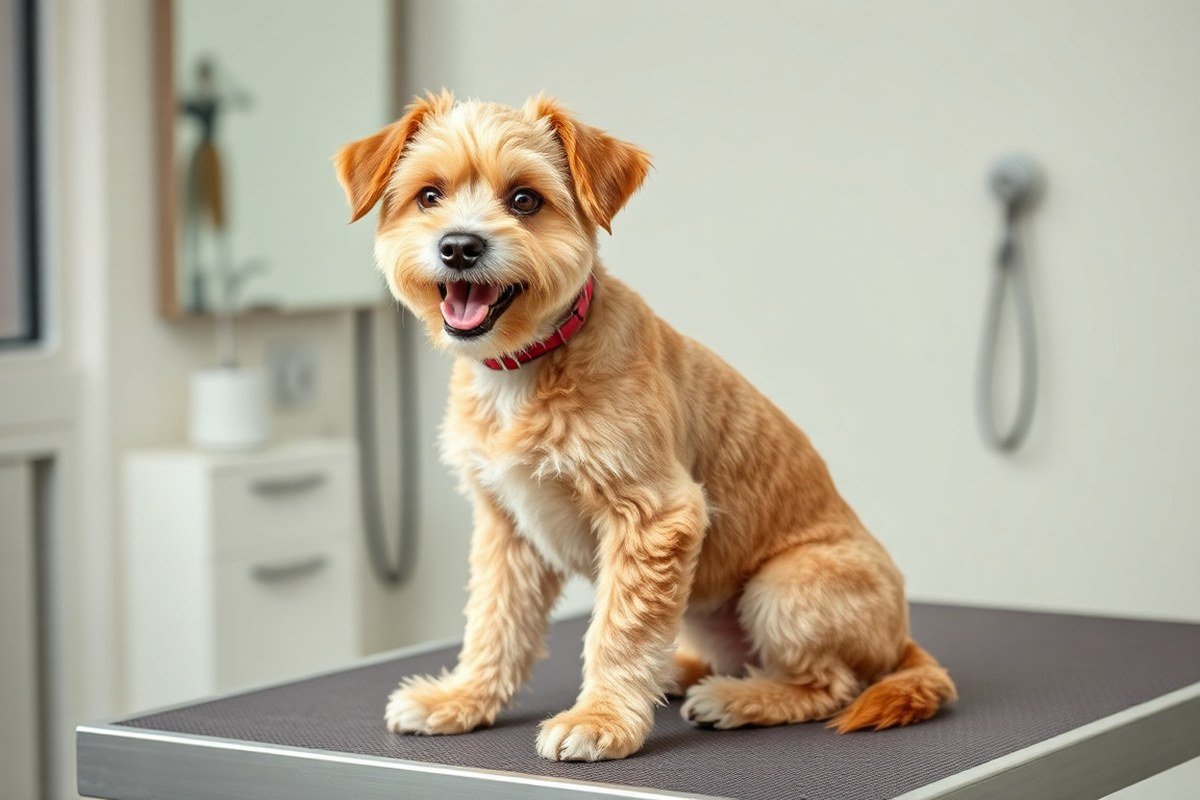
A puppy cut refers to a grooming style that trims your dog’s coat uniformly to about 1 to 2 inches across the body, legs, tail, head, and ears. This style offers a gentle, youthful look no matter your dog’s age and needs less precise sculpting compared to breed-specific trims. Many dog owners opt for this easy-to-maintain, tidy style because it reduces the need for frequent grooming appointments.
This guide is perfect for dog owners interested in understanding what is a puppy cut, how it differs from other trims, which breeds suit it best, and how to maintain the style at home. You’ll also learn how to communicate clearly with your groomer to get the cut you want and avoid common mistakes that can affect your pet’s comfort and appearance.
Key Takeaways
- A puppy cut trims the dog’s fur evenly to about 1 to 2 inches for an easy-to-manage coat.
- Avoid confusing a puppy cut with a summer cut, which is much shorter, typically 3 to 9 millimeters.
- Show your groomer photos and specify the length when requesting a puppy cut, as no standard exists.
- Breeds with curly or wavy coats, like Doodles and Shih Tzus, often look best with a puppy cut.
- Professional grooming every 6 to 8 weeks helps maintain a clean and healthy puppy cut.
- Home brushing supports your dog’s comfort and prevents mats between grooming appointments.
What Exactly Is a Puppy Cut in Dog Grooming?
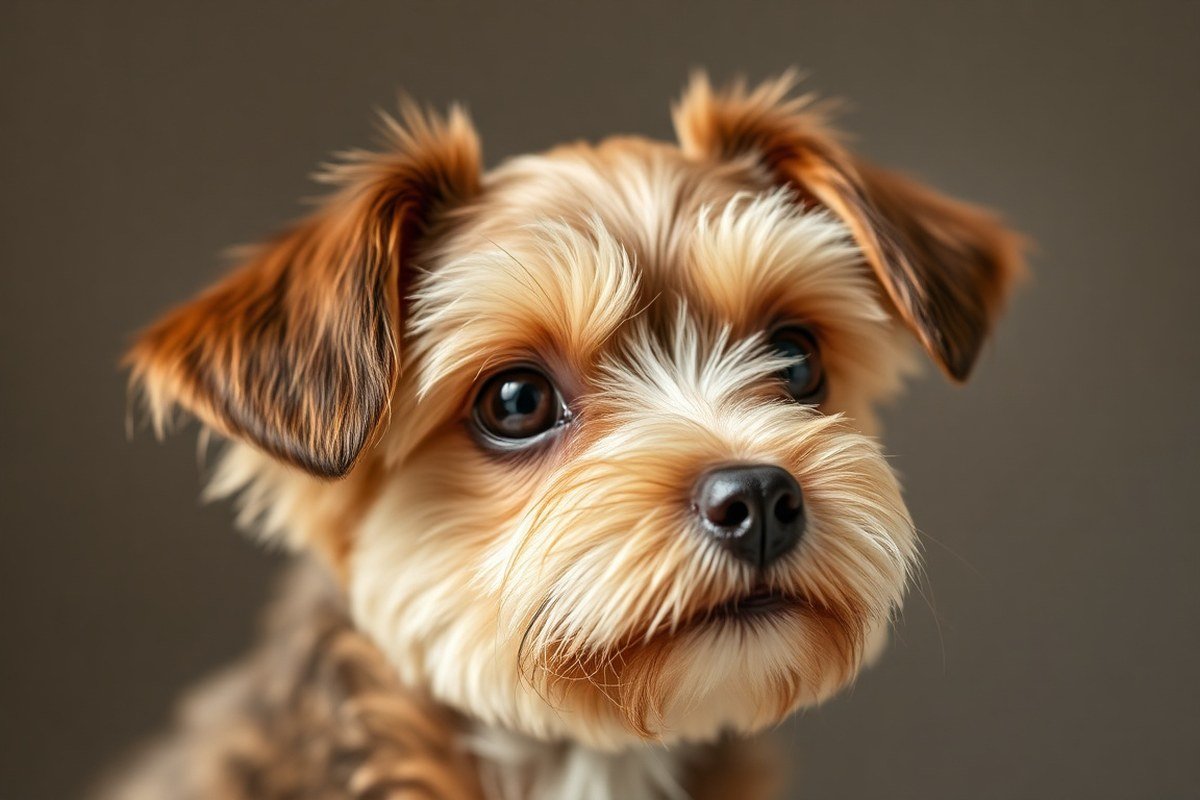
A puppy cut involves trimming your dog’s fur to a consistent length across the entire body, commonly between 1 and 2 inches. You can customize the length a bit shorter or longer based on what you like. This style gives your dog a clean, soft look that mimics the fluffy coat puppies naturally have.
This style keeps the dog’s coat at an easy-to-manage length, which makes daily maintenance simpler and reduces matting and tangling in breeds with thick or curly hair. Groomers typically cut the hair on the body, legs, tail, head, and ears to the same length, although sometimes the hair on the face or ears is left a little longer to maintain a softer appearance. The puppy cut avoids any breed-specific shaping, focusing instead on a smooth, consistent look.
Contrary to what the name implies, the puppy cut is not reserved for young dogs. It suits dogs of all ages and is commonly chosen for adult dogs that need a manageable coat length without complex styling. Since it doesn’t emphasize breed standards, this cut suits many coat types, especially those that grow long, curly, or thick fur.
To get a puppy cut, you’ll want to talk with your groomer about the exact length you prefer within the 1-to-2-inch range. A shorter cut closer to ½ inch works well in warmer climates or if you want even lower maintenance. Longer cuts up to 2 inches keep the coat soft and fluffy but require regular brushing to avoid tangles. Expect the grooming process to take roughly 1 to 2 hours depending on your dog’s size and coat condition.
Good results with a puppy cut show a smooth coat with uniform length, soft edges around the face, and cleanly trimmed paws and tail. The dog should feel lighter and cooler without sharp lines or uneven patches. Problems arise when dogs have severely matted hair before grooming, as cutting uniform length can be painful or uneven if mats are not properly removed. In those cases, you may need additional dematting treatments before a clean puppy cut.
Pricing varies but expect a puppy cut to cost slightly less than breed-standard cuts because it requires less detailing. Costs often range between $40 and $80 depending on location, dog size, and coat condition. Regular grooming every 6 to 8 weeks keeps the coat in ideal shape with this style.
How a Puppy Cut Differs from Teddy Bear and Kennel Cuts

A puppy cut keeps your dog’s fur about 1 to 2 inches long all over the body, giving a consistent, easy-to-maintain look. The teddy bear cut, while similar, focuses on a rounded, fluffy face and a softer, more sculpted appearance that’s designed to look like a plush teddy bear. Kennel cuts or summer cuts are shorter than puppy cuts, with hair trimmed much closer to the skin, usually under half an inch, making them better for hot climates or dogs that swim and get dirty often.
Both puppy and teddy bear cuts keep a medium length that is comfortable for your dog and simpler to care for than longer styles. The teddy bear cut calls for more grooming to keep its rounded face shape, while the puppy cut has a tidier but less stylized finish. Kennel cuts minimize fur length to maximize cooling but can strip your dog of natural insulation and need frequent brushing to avoid matting in some breeds.
| Feature | Puppy Cut | Summer/Kennel Cut |
|---|---|---|
| Length | 1 to 2 inches all over | 3 to 9 mm, under ½ inch |
| Look | Soft, teddy bear appearance | Sleek, close to skin |
| Best for | Easy maintenance and style | Hot climates, frequent water or mud exposure |
| Brushing between grooms | Every few days to weekly | Weekly or less often |
| Groom frequency | Every 4 to 6 weeks | Every 4 to 6 weeks |
| Cooling effect | Moderate | Maximum |
| Coat protection | Retains natural insulation | Minimal protection |
To get a true puppy cut, specify a uniform length, such as “a one-inch puppy cut, including tidied face and feet,” so your groomer knows exactly what you want. Say if you want a rounded, fluffy face instead, which is a hallmark of the teddy bear cut. Kennel or summer cuts can be requested with clipper blade sizes or exact millimeter lengths for a shorter trim.
Clear communication with your groomer helps avoid misunderstandings, always mention exact hair length or blade sizes when booking your dog’s puppy cut.
Which Dog Breeds and Coat Types Suit a Puppy Cut Best?
The puppy cut works well for dogs with fur that grows nonstop and can be trimmed short without changing its feel. Dogs with dense, curly, or wavy hair, like Poodles, Shih Tzus, Bichon Frises, and Maltese, get the most benefit because it keeps their coats easy to manage and cuts down on tangles. This style suits owners who want a low-maintenance look that also helps keep the dog clean. It also helps dogs stay cooler by shortening thick coats, especially during warm weather.
Conversely, breeds with double coats or very short fur, like Siberian Huskies, Boxers, or Beagles, don’t suit the puppy cut as well. Their fur doesn’t grow continuously or evenly, so cutting it short risks damaging the insulating properties or can result in patchy appearance. Also, some breeds have specific grooming standards not met by the puppy cut, requiring more specialized trims to maintain their breed characteristics.
| Dog Breed | Coat Type | Suitability for Puppy Cut | Notes |
|---|---|---|---|
| Poodle | Curly, continuously growing | Highly suitable | Keeps coat manageable and reduces matting |
| Shih Tzu | Long, wavy, continuously growing | Highly suitable | Improves hygiene and ease of maintenance |
| Bichon Frise | Soft, curly | Highly suitable | Maintains softness with even cut |
| Maltese | Long, silky, continuous growth | Suitable | Facilitates easier cleaning and grooming |
| Siberian Husky | Double coat, dense undercoat | Not recommended | Short cuts can cause patchiness and cold susceptibility |
| Boxer | Short, smooth coat | Not suitable | Coat does not grow long enough for puppy cut |
Maintaining the puppy cut every 4 to 8 weeks helps keep the coat at an ideal length of 1 to 2 inches, preserving the soft “puppy” look. Groomers tailor the length within that range according to the dog’s breed, coat texture, and activity level, ensuring comfort and style. For thicker coats, shorter lengths help prevent overheating and matting, making seasonal trims particularly important. Dogs with curly or dense fur may require additional brushing between cuts to avoid tangles despite the shorter length. Consulting a professional groomer can help identify any breed-specific considerations or challenges for the puppy cut and ensure the style suits your dog’s coat type and lifestyle.
How to Request a Puppy Cut: Communicating Clearly with Your Groomer
To request a puppy cut clearly, specify the overall hair length, describe how you want the face and ears trimmed, and use pictures to show exactly what you mean. Groomers often use clippers with blades for a uniform cut, so giving precise instructions helps avoid misunderstandings. Follow a simple step-by-step approach during your consultation to make sure your dog gets the puppy cut you want.
Specify the Length Uniformly
Tell your groomer exactly how long you want the puppy cut since the term means different things to different people. Most dog owners pick a uniform length between 1 inch and 2 inches. For instance, say “Puppy cut, 1 inch all over” or if you want it shorter, say “Puppy cut, clip as short as possible.” This makes sure your groomer knows what you expect. Keep in mind that shorter styles usually need trimming every 6 to 8 weeks to stay neat.
Because the puppy cut length varies by breed and coat type, consider your dog’s specific needs. For instance, Poodles and Doodles benefit from shorter cuts to reduce matting, while breeds like Shih Tzus may do better with slightly longer hair for protection and comfort. Uniform length means the hair on the body, legs, face, and even the feet stays consistent, giving your dog a tidy, youthful appearance.
Describe Face and Ear Styling Preferences
Clarify how you want the face and ears trimmed to avoid surprises. Some owners prefer the traditional puppy cut where the face is trimmed to the same length as the body for a clean, uniform look. Others may want a softer, rounder face shape, especially with breeds that tend to have tear stains or eye irritation like Shih Tzus or Maltese dogs.
The ears usually follow the same length as the rest of the coat, but you can ask your groomer to leave them a bit longer or tidier by trimming stray hairs. You might say, “Please keep the ears trimmed to match the body, but tidy up the edges.” Providing these details upfront helps your groomer use the right tools, like clippers for the body and curved shears or comb scissors for delicate face and ear shaping.
Show Reference Photos and Confirm Understanding
Photos offer the clearest way to communicate what you want. Bring one or two pictures of dogs with the puppy cut style you like, showing both the body length and face shape. This is especially important because there isn’t a single standard for a puppy cut, and what you call a puppy cut might differ from the groomer’s interpretation.
After explaining what you want, ask the groomer to repeat your instructions or describe their plan. Confirm that you’re both on the same page before the trimming begins. This step reduces the chance of misunderstandings and will help you get the outcome you expect. Follow these steps during your grooming appointment to ensure your requests are clear:
- Specify the uniform hair length you want, including exact measurement (e.g., 1 inch all over).
- Describe how the face and ears should look, such as “same as body length” or “soft and rounded.”
- Show reference photos of your preferred puppy cut style.
- Discuss any breed-specific needs, such as tear stain management or coat texture.
- Ask the groomer to explain how they will achieve the cut, including tools they’ll use (e.g., #10 blade, curved shears).
- Confirm you both agree on the length and style.
- Request updates during the grooming if possible, to adjust trimming if needed.
Routine Maintenance and Home Care for a Puppy Cut
Keeping a puppy cut neat between grooming sessions requires a consistent brushing schedule and occasional home maintenance. Most dogs with a one-inch puppy cut benefit from professional grooming every 6 to 8 weeks. This ensures the hair stays even, healthy, and free from mats. In addition to these appointments, daily brushing helps maintain a clean, tangle-free coat between visits.
Brushing a puppy cut daily or at least every other day is essential to prevent tangles from forming. Use a slicker brush for dogs with fine or medium coats and a comb to check for any hidden mats, especially behind the ears, under the legs, and around the collar area. A lightweight detangling spray can aid in gently working through knots without causing discomfort. Regular brushing not only keeps the coat smooth but also helps distribute natural oils that keep your dog’s skin healthy.
- Brush your dog’s coat daily or every other day for optimal maintenance.
- Check problem areas prone to mats like behind ears and under legs.
- Use a slicker brush and comb in combination for thorough grooming.
- Apply a detangling spray if you encounter stubborn knots.
- Schedule professional grooming every 6 to 8 weeks for trimming and leveling.
- Bathtime can be every 3 to 4 weeks or as needed, using dog-safe shampoo.
- Trim nails and clean ears regularly to avoid discomfort.
Handling touch-ups at home, such as trimming hair around the eyes, paws, and sanitary areas, can keep your dog comfortable and tidy without needing a full grooming session. Use blunt-tipped scissors carefully and consider watching tutorial videos specific to your dog’s breed and coat type. Though some owners maintain the puppy cut at home, less experienced groomers may prefer to leave haircuts to a professional for the most even finish.
Daily brushing significantly reduces matting risks and keeps your puppy cut looking fresh longer, so never skip this simple step.
Cost-wise, professional grooming sessions typically range from $40 to $70 per visit depending on location and dog size. By maintaining a regular home grooming routine, you may be able to extend the interval between salon visits slightly, but avoid going beyond 8 weeks to prevent coat issues and keep your dog comfortable. Each dog’s coat grows at a different rate, so adjust brushing and grooming frequency if you notice matting or excessive length developing.
Common Mistakes and How to Fix Them with Puppy Cuts
One common mistake owners make when requesting a puppy cut is assuming it has a fixed length or style. The term can vary depending on the groomer and the dog’s coat type. Clear communication is necessary to avoid surprises. Describe exactly how short you want the hair, from where on the body, and whether you want the face, paws, and tail trimmed similarly.
Matted coats present another challenge before a puppy cut. Matted fur can make the cut uneven and uncomfortable for your dog. If you notice mats beforehand, schedule a dematting session with the groomer. Attempting to cut over heavy mats can damage the blades and stress your pet. Groomers often charge extra if significant dematting or a “shave down” is needed, which can cost between $20 and $50 more.
Preventing these issues starts with routine brushing at home every 2 to 3 days, especially for long-haired breeds prone to tangles. Also, bring your dog to professional grooming every 6 to 8 weeks; longer gaps increase mat risk. Keep in mind, for breeds like Doodles, if your dog hasn’t been groomed in 14 weeks, achieving a traditional puppy cut without going shorter might not be possible.
- Clarify the exact length and areas to trim when booking the appointment
- Ask the groomer about their definition of a puppy cut for your breed
- Brush your dog regularly between grooming visits to avoid mats
- Schedule dematting sessions in advance if mats form
- Allow extra time and budget if heavy mats or shave downs are needed
- Visit the groomer on a 6 to 8-week schedule for best maintenance
- Report any coat or skin sensitivities to the groomer before the cut
Getting your dog ready with a clean, mat-free coat ensures the groomer can use high-quality blenders and clippers properly. This helps achieve the soft, fluffy texture that defines a good puppy cut. Avoid skipping appointments or letting mats build up, as this makes grooming stressful and often results in a less even cut. When you show up prepared and communicate clearly, your dog’s puppy cut will look neat, comfortable, and well-maintained. Clear instructions reduce surprises, saving time and money while keeping your dog happy.
Choosing the Right Puppy Cut Length and Style for Your Dog
Choosing the right puppy cut length and style depends on your dog’s breed, coat type, lifestyle, and the climate you live in. You can customize a puppy cut by selecting the fur length and adding style variations, such as leaving some areas longer. This helps keep your dog comfortable and makes grooming easier for you.
Short (1 Inch) for Low Maintenance
A 1-inch puppy cut suits dogs with curly or thick coats like Poodles or Bichon Frises by helping to stop mats and tangles from forming. This shorter length cuts down on how often you need to brush and keeps your dog comfortable, especially for those active pups that enjoy being outside. It also makes at-home grooming easier, saving you time and lowering costs when you only visit a professional groomer occasionally.
You should pick this length if your dog is prone to matting or you have limited time for daily grooming. Some owners choose a very short summer cut closer to half an inch during hot months for extra cooling. That said, going too short may expose your dog’s skin to sunburn or irritants, so discuss these risks with your groomer if you live in a sunny or allergen-heavy area.
Medium (1.5, 2 Inches) for Softness and Fluffiness
A longer puppy cut, between 1.5 to 2 inches, suits breeds with silky or wavy hair like Shih Tzus and Cocker Spaniels. This length keeps the coat soft and fluffy while still being easy to maintain. It works for dogs with indoor lifestyles or those not exposed to rough environments where shorter hair might be better.
This style allows for a classic puppy look without losing the natural texture of your dog’s coat. It requires more brushing to avoid tangles but adds a stylish, cuddly appearance. Choosing this length provides a softer coat texture and involves a bit more grooming time, which works well if you don’t mind the extra effort.
Adjustments for Hot or Cold Climates
Seasonal changes affect puppy cut length choices. Shorter cuts of about half to one inch help dogs stay cool in summer by improving airflow and reducing trapped heat. Groomers often leave the fur longer on ears and tail for style or protection while trimming the body short for comfort.
In colder months, opt for a medium length of around 1.5 to 2 inches to provide insulation and shield your dog’s skin from cold winds. Avoid cutting too short during winter as the coat naturally helps regulate body temperature. You can customize the puppy cut seasonally by adjusting length and grooming frequency to balance comfort and protection.
Professional Grooming Timeline and What to Expect During a Puppy Cut
A typical puppy cut grooming session usually takes between 1.5 and 3 hours, depending on your dog’s size, coat condition, and temperament. Costs range from about $40 to $90 on average, with larger or more high-maintenance breeds costing more. The puppy cut generally lasts 6 to 10 weeks before you’ll need a touch-up, but keeping it neat requires regular brushing at home.
Initial Assessment and Intake
Your grooming appointment will begin with a thorough assessment. The groomer checks your dog’s coat for mats, skin condition, and fleas, and discusses your preferences for cut length and style. You should mention any behavior concerns, allergies, or sensitive areas. This step helps determine how much time and effort the cut will take. Younger puppies or dogs new to grooming may need patience to build comfort, so the groomer might adjust the approach.
Make sure your puppy is fully vaccinated before this first visit, as many salons require it for safety. Before your appointment, confirm that you asked specifically for a puppy cut, as this term can vary in meaning among groomers, and clear communication prevents surprises.
Bathing and Drying Process
After the intake, the groomer gives your dog a bath using shampoos suited to their skin type. This step removes dirt and loose hair, making the coat softer and easier to cut. Bathing usually takes 15 to 30 minutes, depending on coat thickness and how dirty your dog is. Drying can take an equal amount of time, especially for thick or curly coats like those on Doodles, which require thorough drying to avoid mats.
Proper drying sets the stage for a smooth cut. Most groomers use high-velocity dryers combined with brushing to remove loose hair. Skipping this thorough drying can result in an uneven cut and cause skin irritation later. Patience during this process helps avoid stressing your puppy.
Clipping and Scissoring Steps
The puppy cut generally involves using clippers on the body with a guard length tailored to breed and owner preference, often between #5F to #7F blade sizes. The groomer then sculpts the head, legs, and tail with scissors for a tidy, rounded look without a heavy trim like a full breed standard. For breeds like Cockers, the cut means leaving some length for a soft appearance but removing the long skirt.
The time spent here depends on your dog’s coat condition and cooperation. Well-maintained coats go faster, while heavily matted or dirty coats add time. A large, thick-coated dog like a Doodle might require as much time as a standard trim, even with a puppy cut, because the finishing work on curls demands precision and care.
Final Touches and Owner Review
Once clipping and scissoring are complete, the groomer applies final touches such as trimming around the paws, sanitary areas, and ears. They check symmetry and overall clean lines before presenting your puppy to you for review. You should inspect the cut and discuss any adjustments or concerns immediately. This feedback helps the groomer meet your expectations in future sessions.
The groomer also explains how long the cut should last, typically 6 to 10 weeks based on coat growth, and offers advice on brushing frequency to maintain the style between appointments. Regular at-home brushing prevents mats and extends the time between professional trims.
Always request a puppy cut explicitly and discuss the desired length at your first grooming appointment to avoid miscommunication about the style and time needed.
Step-by-Step Action Plan for Your Dog’s Puppy Cut
Follow these steps to get your pup’s new cut just right and keep it looking sharp between grooming sessions.
- Before your appointment: Research groomers who specialize in puppy cuts and book a consultation. Confirm they understand the length and style you want.
- Day of grooming: Arrive with a clean, brush-free coat to help the groomer see the natural hair texture and length. Check the cut together before you leave.
- First week after grooming: Brush your dog every other day to prevent mats and tangles. Notice if the coat feels soft and even to the touch.
- Two weeks in: Bathe your dog using a gentle shampoo suitable for their skin. Confirm the coat remains manageable and that the cut shape still suits their activity level.
- Three to four weeks: Schedule a light trim if needed, especially around the eyes, paws, and sanitary areas. This keeps the puppy cut tidy and comfortable for your dog.
- Monthly: Book your regular full puppy cut grooming session. Ask the groomer for any adjustments if your dog’s coat is growing unevenly or if you want a style tweak.
- Ongoing: Keep monitoring your dog’s comfort and coat condition between trims. Consult your groomer if you notice skin irritation or persistent mats.
Frequently Asked Questions
How Long Does a Puppy Cut Usually Last Before Needing a Trim?
A puppy cut typically lasts 6 to 8 weeks before a professional trim is needed. Regular brushing at home during this time helps keep the coat neat and reduces mats or tangles.
Can a Puppy Cut Help Reduce Shedding in Dogs?
A puppy cut may reduce visible shedding by shortening the coat, but it doesn’t stop shedding entirely. The cut helps manage loose hair but regular grooming is still necessary to control shedding.
Is a Puppy Cut Suitable for Very Young Puppies?
Yes, puppy cuts work well for young puppies as it keeps their coat manageable and soft. Make sure grooming sessions are gentle and brief to avoid stress for the puppy.
What Tools Are Needed to Maintain a Puppy Cut at Home?
Basic tools include a slicker brush, comb, and sometimes thinning shears. These help keep the coat fluffy and tangle-free between professional grooming appointments.
Can a Puppy Cut Be Customized for Different Dog Body Parts?
While mostly uniform, small adjustments can be made for the face, paws, and tail to keep them tidy without detailed breed-specific shaping. Communicate preferences clearly with the groomer for best results.
How Does a Puppy Cut Affect a Dog’s Skin Health?
Keeping the coat at 1 to 2 inches with a puppy cut can improve air circulation, helping prevent skin irritation. However, proper shampooing and drying remain important for skin health.
Wrapping Up
A puppy cut is an easy-to-manage grooming style that keeps your dog comfortable and looking youthful without complicated maintenance. Taking action by scheduling a professional groom and establishing a regular care routine will make all the difference. Start by calling a local groomer today to discuss a puppy cut tailored for your dog’s breed and coat type.


One Comment