

How Often Should You Bathe a Long Haired Dog? Expert Tips & Plans
How often should you bathe a long haired dog? Most long-haired dogs benefit from a bath every 3 to 6 weeks, depending on their activity and coat type. Over-bathing can strip natural oils, so stick to this schedule unless your dog gets especially dirty or has skin issues. This advice suits owners of breeds like Maltese, Shih Tzu, or any dog with a thick, prone-to-matting coat.
You’ll learn the key factors that affect bathing frequency, including coat texture and lifestyle. Plus, the article covers choosing the right products, signs your dog needs a bath sooner, and how to keep their coat healthy between baths.
Key Takeaways
- Bathe active, outdoor long-haired dogs every 1 to 2 weeks to remove dirt and debris effectively.
- Most long-haired dogs with less outdoor exposure do well with baths every 3 to 6 weeks.
- Choose gentle, hypoallergenic shampoos designed for long coats to protect skin and fur.
- Daily or weekly brushing helps prevent matting and extends time between baths.
- Adjust bathing frequency for seasonal changes, such as more frequent baths in sticky summer months.
- Watch for odor, visible dirt, or skin irritation as signals your dog needs a bath sooner.
How Often Should You Bathe a Long-Haired Dog and Why

Long-haired dogs should ideally be bathed every 4 to 6 weeks, depending on their activity level and coat condition. Their coats tend to trap dirt, debris, and oils more easily than short coats, which makes regular bathing necessary to prevent tangles, matting, and skin irritation. Bathing too infrequently allows mats to form and dirt to accumulate, leading to discomfort and skin problems. Conversely, bathing more often than once every two weeks risks stripping natural oils from your dog’s skin and coat, which can cause dryness and irritation.
Long coats need more frequent baths than short coats because their hair is denser and longer, creating more surface area for dirt and debris to cling to. The extra volume also slows drying time, increasing the risk of skin infections if the coat remains damp too long. Regular bathing is part of maintaining a long coat’s cleanliness and health, especially when paired with frequent brushing to remove mats and promote airflow to the skin.
To decide how often to bathe your long-haired dog, start by considering their lifestyle and coat condition. For an average family dog with a long silky or dense coat, bathing every 4 to 6 weeks works well. If your dog spends much time outdoors in mud or dirt, you might shorten this to every 2 to 4 weeks. Dogs living mostly indoors with minimal debris exposure can sometimes stretch bathing intervals closer to 6 weeks. Always monitor your dog’s skin and coat: if the coat feels dry or harsh, increase the interval between baths to allow natural oils to recover.
Here is a simple decision rule to follow: bathe your long-haired dog every 4 to 6 weeks under normal conditions. Move to every 2 to 4 weeks if your dog is very active outdoors or gets dirty frequently. Extend to 6 weeks if your dog is indoors on mostly clean surfaces and regularly groomed. Skip baths more often than every two weeks to avoid skin dryness.
Long-haired dogs often require bathing more frequently than short-haired breeds, which can be bathed only every 8 to 12 weeks thanks to their smoother coats that shed dirt more readily. Overbathing long coats can lead to dryness, so always use a mild dog-specific shampoo and consider professional grooming if mats develop. Results of proper bathing include a soft, clean coat free of mats and debris, plus healthy skin without irritation.
| Condition | Recommended Bathing Frequency | Reason |
|---|---|---|
| Average long-haired dog, regular activity | Every 4, 6 weeks | Controls dirt, prevents matting, maintains coat health |
| Very active outdoor long-haired dog | Every 2, 4 weeks | Removes accumulated mud, debris, and odor |
| Indoor, less active long-haired dog | Every 6 weeks | Maintains cleanliness with less dirt exposure |
| Short-haired dog, minimal dirt exposure | Every 8, 12 weeks | Less dirt trapping; sheds oils and debris easily |
How Coat Type and Dog Activity Affect Bathing Frequency

Long-haired dog coats vary widely, influencing how often you should bathe your dog. There are silky coats, wavy coats, thick and dense coats, double coats, and coats prone to matting. Each requires different care and bathing frequencies. For example, double-coated dogs, like Golden Retrievers, typically need baths less often because their undercoat traps oils that protect their skin. Silky and wavy coats may tangle more easily and benefit from more regular bathing and brushing.
Your dog’s activity level affects how dirty their coat gets and, therefore, how often they need a bath. Outdoor or highly active dogs that run through dirt, swim, or play in mud usually require baths every 1 to 2 weeks. Indoor or less active dogs can often go longer between baths, around 4 to 8 weeks, because they stay cleaner. However, even indoor dogs may need baths sooner if they develop odors or visible dirt buildup. Here’s a simple table summarizing how coat type and activity level influence bathing needs, based on breed and lifestyle:
| Coat Type | Activity Level | Bathing Frequency | Care Notes |
|---|---|---|---|
| Silky or Wavy Long Coat | Active/Outdoor | Every 1, 2 weeks | Prevent tangles by brushing daily; use conditioner to avoid dryness |
| Silky or Wavy Long Coat | Indoor/Low Activity | Every 4, 6 weeks | Brush regularly to reduce mats and distribute oils |
| Double Coat (e.g., Golden Retriever) | Active/Outdoor | Every 3, 4 weeks | Use undercoat rake weekly; avoid overbathing to preserve natural oils |
| Double Coat | Indoor/Low Activity | Every 6, 8 weeks | Regular brushing helps remove dead hairs and reduce mats |
| Coat Prone to Mats | Any Activity Level | As needed (1, 4 weeks) | Daily detangling and occasional dematting tools prevent painful mats |
In practice, gauging your dog’s lifestyle and coat type is the best way to decide on bathing frequency. Active dogs exposed to dirt and outdoor elements will accumulate grime and allergens faster, making more frequent baths necessary to prevent skin irritation. Indoor dogs accumulate less dirt and produce oils that protect and moisturize their skin, meaning they tolerate longer intervals between bathing.
Use a gentle, coat-appropriate shampoo and brush your dog thoroughly before baths to avoid tangles and skin irritation.
Watching your dog’s comfort and coat condition offers the clearest sign you’re on the right track. Too-frequent baths can dry out the skin, causing itching and irritation, while too infrequent can lead to buildup of dirt and oils, trapping allergens and parasites. Adjust your routine if you notice your dog’s coat becoming dull, overly dry, or if scratching increases. Tailoring your bathing plan involves balancing these factors based on coat texture and your dog’s typical activities.
Choosing the Right Shampoo and Bathing Products for Long Coats
Choose shampoos formulated specifically for dogs to protect your long-haired dog’s sensitive skin and coat. Conditioners or detanglers are often necessary to prevent mats and make grooming easier. Avoid human shampoos because they have the wrong pH and can dry out your dog’s skin.
Why Dog-Specific Shampoo Matters
Dog shampoos maintain a pH level close to neutral because canine skin differs from human skin, which has a pH around 5.5. Using human shampoos can disrupt your dog’s skin barrier, causing dryness, itching, and irritation. For long-haired dogs, maintaining a healthy skin barrier supports a shiny, smooth coat and prevents brittleness or flaking. Use mild, hypoallergenic shampoos, especially if your dog has sensitive skin or a history of allergies.
Look for shampoos that include conditioning agents and avoid harsh detergents like sodium lauryl sulfate, which strip natural oils. Ingredients like oatmeal, aloe vera, or chamomile can soothe the skin. Medicated shampoos might be required for skin conditions, but these should only be used under veterinary direction. Prices for quality dog shampoos range from about $10 to $25 per bottle, depending on size and specialty.
The Role of Conditioners and Detanglers
Conditioners help restore moisture to long hair and reduce tangling after shampooing. Since long coats tend to mat more easily, applying a leave-in conditioner or detangling spray right after bathing is important. This softens the hair and makes brushing manageable, preventing painful mats that can trap dirt and irritate the skin.
Choose conditioners formulated for dogs without added fragrances or artificial chemicals that might cause allergic reactions. Sprays are convenient if your dog hates wet baths but requires brushing to avoid damage. Detangling products can be used as needed, particularly for breeds with very thick or curly coats like poodles or bichons.
Checking Shampoo Ingredients: What to Use and What to Avoid
The ideal shampoo for your long-haired dog contains moisturizing and gentle cleansing agents. Ingredients such as glycerin, panthenol, and natural oils support skin hydration. Avoid parabens, artificial dyes, and sulfates as these ingredients can dry out or irritate sensitive skin and coat.
Natural ingredients like coconut oil and chamomile extract can add shine without heavy residue. Watch for products labeled hypoallergenic or formulated for sensitive skin if your dog has any history of itching or redness. A product’s performance often depends on your dog’s individual reaction, so try small amounts initially and monitor for any adverse reactions like redness or increased scratching within 24 hours.
Human Shampoo vs. Dog Shampoo
Never use human shampoo on your long-haired dog. Human shampoos are designed for a pH around 5.5, while dogs have a more neutral skin pH around 6.5 to 7. Human products can upset this balance, leading to dryness, irritation, and possible skin infections. This imbalance may cause your dog to scratch more after bathing or result in flaky, brittle coat issues.
Using dog-specific shampoos is safer and supports your dog’s natural oils. Brands like Earthbath, Burt’s Bees for Dogs, and Veterinary Formula Clinical Care provide gentle, effective options widely available from $12 to $20 a bottle. Many formulas are free from parabens and soaps known to worsen skin conditions, making them suitable for regular use on long coats.
How to Choose the Right Products for Your Dog
Start with a shampoo designed for dogs with long or sensitive coats. Check for products labeled for moisturizing, hypoallergenic, or breed-specific use. Your dog’s special skin conditions require medicated shampoos as directed by your vet. Incorporate a conditioner for softness and to prevent tangles, especially if your dog’s coat tends to mat.
To decide which shampoo works best, track how your dog’s skin feels after baths. A healthy result means soft, shiny fur with no redness or itching. When problems arise, switch to a gentler shampoo and bathe your dog less often. Avoid products with heavy fragrances or many additives. Maintaining the right product balance will help your dog look and feel their best between baths.
Step-by-Step Guide to Bathing a Long-Haired Dog Properly
To bathe your long-haired dog properly, begin by thoroughly brushing their coat to remove tangles and mats. Use gentle washing and rinsing methods to protect the skin and maintain natural oils. After the bath, dry the coat completely and groom carefully to prevent matting and skin irritation. Managing your dog’s behavior calmly throughout will reduce stress and avoid extra baths.
Brushing and Detangling Before Bathing
Start with a thorough brushing session before the bath. This removes loose fur, dirt, and most importantly, tangles and mats that water can worsen. Use a slicker brush or a wide-toothed comb designed for long-haired dogs to work through the coat systematically. Focus on trouble spots like behind the ears, under the legs, and around the collar area.
Begin brushing at the tips of the hair and gradually work closer to the skin, holding the hair to avoid pulling on your dog’s skin. Detangle any knots carefully using a detangling spray or conditioner if needed. Avoid forcing out mats that are firmly stuck, as this can cause pain and skin damage; trimming or professional grooming is a safer option for severe mats.
Washing and Rinsing Techniques
Use lukewarm water between 85 and 90 degrees Fahrenheit to keep your dog comfortable and avoid shocking the skin. Wet the coat thoroughly, ensuring water penetrates to the skin without missing spots.
Apply a dog-specific shampoo formulated for long coats, spreading it evenly. Use just enough shampoo to create a gentle lather; excessive shampoo can dry out the skin and hair. Let the shampoo sit for the recommended time on the label, usually 3 to 5 minutes, to clean effectively without irritation. Rinse meticulously to remove all shampoo residues, as leftover soap can cause itching and flaking.
- Test water temperature on your wrist before starting
- Use a cup or handheld sprayer for controlled rinsing
- Massage shampoo into the coat gently but thoroughly
- Check areas prone to dirt like paws and underbelly carefully
- Rinse each section until water runs clear, without suds
Avoid getting water and shampoo in the dog’s eyes, ears, and nose. Use a damp washcloth for cleaning the face.
Drying and Post-Bath Grooming
After rinsing, towel-dry your dog by patting and squeezing the coat gently instead of rubbing, which can cause tangles. Use an absorbent microfiber towel or several regular towels to remove excess moisture. Long-haired dogs need thorough drying to prevent skin problems and matting.
Use a hairdryer on the lowest heat and speed settings if your dog tolerates it, keeping the dryer moving constantly and maintaining a safe distance to avoid overheating the skin. While drying, brush the coat gently to separate strands and prevent mats from forming as the hair dries. Finish with a wide-toothed comb for any remaining tangles.
Managing Bath Time Behavior
Keep your dog calm by speaking softly and using a soothing tone throughout the bath. Offer treats before, during, and after the bath to associate the experience with positive rewards. Maintain a consistent routine by using the same place, products, and towel to create a familiar environment for your dog.
To reduce the chance of repeat washes, make sure the bath cleans thoroughly the first time by removing all dirt and shampoo residue. If your dog becomes overly excited or anxious, provide breaks during the process. For especially anxious pets, consider desensitizing techniques outside bath time or seek help from a professional groomer.
Signs Your Long-Haired Dog Needs a Bath Sooner Than Scheduled
Pay close attention to your long-haired dog’s coat and skin to spot when a bath is needed before the usual schedule. A strong, unpleasant odor coming from their fur is often the first and most obvious sign that dirt, skin oils, or bacteria have built up. Also, visible dirt clumps, debris, or damp patches hidden in the thick coat signal that a bath and possibly a thorough brushing are due.
Skin discomfort can show up as excessive scratching, licking, or biting. Check the skin under the fur for redness, dryness, flakiness, or signs of irritation. These indicate the coat is trapping dirt or irritants that require cleaning. Mats and tangles are not just a grooming problem, they trap moisture and dirt, which worsen skin conditions and call for immediate bathing and detangling.
- Smell the coat periodically for unusual or strong odors.
- Run your fingers through the fur to detect mats, dirt, or oily patches.
- Observe your dog for increased scratching, biting, or licking behavior.
- Part the hair to inspect for redness, scaling, or dry skin spots.
- Look for visible dirt, debris, or sticky areas on the coat.
- Consider recent activity that exposed them to mud, water, or allergens.
- Note any flaking or dandruff-like signs which suggest skin dryness or irritation.
Bathing too soon after the last wash is generally not harmful for dogs with normal skin but can dry out sensitive skin or strip natural oils if done too often. Aim to balance the benefits of removing irritants and dirt with the risk of overbathing that leads to dryness. For long-haired breeds prone to matting and odor, routine baths every 3 to 6 weeks suit most dogs, with adjustments based on activity and skin condition.
After bathing, ensure your dog is completely dry to prevent skin irritation and matting, damp fur can worsen these problems.
Using the checklist above helps decide when your dog needs a bath sooner than planned. For example, if your dog has rolled in something smelly or you spot matting during a daily brush, give them a bath even if it’s been only two weeks since the last one. Conversely, if the coat looks clean and the skin shows no irritation, waiting a bit longer is fine. This decision process avoids unnecessary baths that could upset your dog’s skin balance.
Adjusting Bathing Frequency by Season, Health, and Special Conditions
Bathing frequency for a long-haired dog often needs to vary based on the season, health conditions, and special circumstances like allergies or medical treatment. Adjusting how often you bathe keeps your dog comfortable and protects their skin and coat. Here’s how to decide the right timing under different conditions.
Seasonal Adjustments and Climate Effects
Bathing routines usually change between summer and winter because your dog’s skin and coat react differently to temperature and humidity. In warmer months, you might bathe your long-haired dog every 4 to 6 weeks to remove dirt, sweat, and allergens that accumulate more quickly. Hot weather can also cause itching or increased oiliness, making a more frequent bath useful.
During winter, bathing every 6 to 8 weeks is generally better to avoid drying out your dog’s skin. Cold, dry air strips moisture, so overbathing can worsen flakiness or irritation. Using lukewarm water (around 85°F to 90°F) helps maintain skin comfort. Watch your dog for signs of dryness between baths and consider moisturizing sprays recommended by a vet.
Bathing for Dogs with Allergies or Skin Conditions
Dogs with allergies or skin diseases like dermatitis need a carefully tailored bathing schedule to support treatment and soothe irritation. Allergens trapped in a long coat can worsen symptoms, so rinsing these off regularly is important. Many dogs with allergies benefit from weekly or every-other-week baths using a veterinarian-prescribed medicated shampoo.
If your dog has a skin condition, you should follow a vet’s instructions precisely. Medical shampoos often require specific soak times, usually five to ten minutes in the bath, to be effective. Bathing with ordinary shampoo too often can strip natural oils and damage sensitive skin, making symptoms worse. Between baths, gently brushing out loose hair and using hypoallergenic wipes can help.
When to Follow Vet-Recommended Bathing Schedules
Special medical conditions, post-surgery care, or flea treatment can all change your dog’s bathing frequency dramatically. After surgery, you should avoid bathing your dog until the incision site heals fully, typically 10 to 14 days unless your vet advises otherwise. Keeping the area clean with gentle wipes instead of baths is usually safer to prevent irritation or infection.
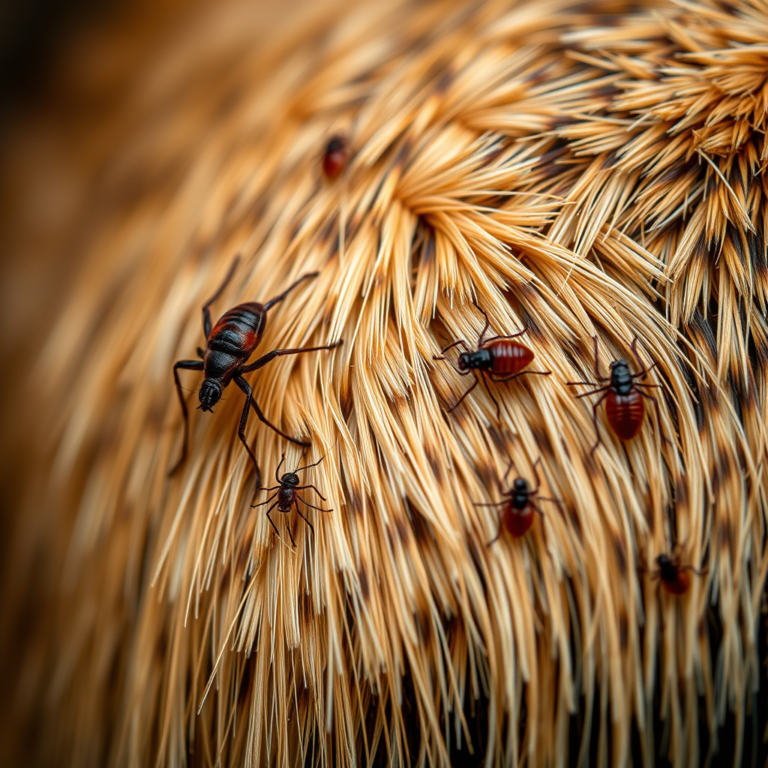
Flea treatments often require you to bathe either before or after applying medication, depending on the product’s directions. Bathing beforehand can remove excess oils that interfere with flea treatment absorption. After treatment, wait 48 to 72 hours before bathing again to allow the medicine to work effectively unless your vet recommends different timing. Always follow the specific schedule your veterinarian provides for medicated shampoos or treatments, as these vary by condition and product.
Maintaining a Long-Haired Dog’s Coat Between Baths
Brushing your long-haired dog regularly is essential to prevent mats, tangles, and dirt buildup between baths. Aim to brush at least three to five times a week, adjusting frequency depending on your dog’s activity and coat condition. This routine keeps the coat clean and shiny by distributing natural oils evenly, which helps maintain a healthy barrier against dirt and moisture. Use a slicker brush to remove tangles and an undercoat rake if your dog has a thick double coat, as it reaches through the top layer to remove loose hairs without damaging the fur.
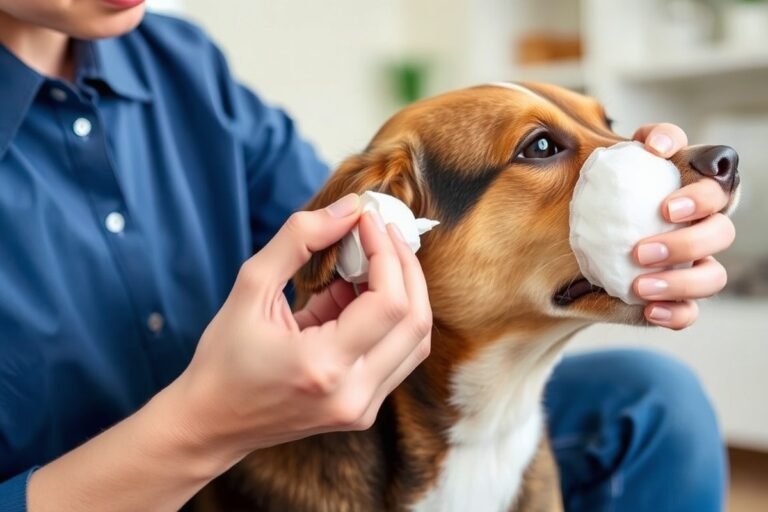
Wipes and sprays provide effective quick clean-ups when your dog isn’t visibly dirty enough for a full bath. Pet-friendly grooming wipes can clean the coat and paws, especially after outdoor walks or play sessions, while waterless sprays help reduce odors and freshen the fur. These alternatives save time and avoid the drying out of natural oils caused by frequent washing. Use wipes or sprays as needed, but never skip regular brushing after using them to keep the coat from matting.
Using the right grooming tools plays a major role in maintaining your dog’s coat between baths. Slicker brushes are excellent for detangling, while bristle brushes improve shine by stimulating oil production. A metal comb with both wide and narrow teeth helps catch smaller mats and smooth the fur. Consider a dematting tool if your dog’s fur is prone to thick knots.
- Slicker Brush, removes loose hairs and detangles without pulling
- Undercoat Rake, essential for thick coats to remove dead fur beneath the surface
- Bristle Brush, smooths and adds shine to the topcoat
- Metal Comb, helps find and work out smaller mats and tangles
- Pet Wipes, clean surface dirt and freshen coat between baths
- Waterless Spray, neutralizes odors without wetting the coat
- Dematting Tool, carefully cuts through tough mats to prevent skin irritation
Maintain a daily or every-other-day brushing habit depending on your dog’s lifestyle. Pay special attention to areas where mats often form, like behind the ears, under the legs, and around the collar. Use gentle, slow strokes to avoid damaging the fur or irritating the skin. This approach limits the need for frequent baths, which can strip natural oils and cause dryness. Between grooming sessions, pat the coat with a clean, damp cloth to remove loose dust or dirt. Expect a well-brushed long-haired dog to have a soft, shiny coat free of tangles and minimal odor. Problems like patchy tangles, dry fur, or a dull coat often signal missed brushing or inappropriate products.
Common Bathing Mistakes with Long-Haired Dogs and How to Fix Them
Bathing long-haired dogs too often can strip their skin of natural oils, leading to dryness and irritation. On the other hand, infrequent baths combined with poor brushing cause mats that trap dirt and allergens, which can irritate the skin and cause discomfort. Balancing bathing frequency is key: check your dog’s coat and skin weekly to spot dryness, redness, or matting early. This helps avoid overbathing and underbathing, both of which damage coat quality.
Common mistakes that cause mats or skin dryness include using harsh shampoos, skipping thorough brushing before the bath, and not drying the coat properly. Mats often form in areas like behind the ears, under the legs, and around the collar, making regular grooming essential. Use a gentle shampoo formulated for dogs, and rinse well to prevent residue buildup, which also irritates the skin.
- Brush the coat fully before bathing to remove tangles and loose hair.
- Use lukewarm water, around 85°F, to avoid drying out the skin.
- Choose a moisturizing, pH-balanced shampoo made for long-haired dogs.
- Rinse thoroughly to eliminate all shampoo from the coat.
- Dry your dog completely using a towel and low-heat dryer to prevent damp mats.
- Monitor coat condition weekly to adjust bath frequency if dryness or matting appears.
- Seek professional grooming when mats are severe or skin issues persist despite home care.
Heavy mats require professional grooming to avoid painful cutting or skin damage.
Avoid waiting too long between baths if you see dirt clumps or a greasy coat feeling. For long-haired dogs indoors with low activity, baths every 6 to 8 weeks usually work well. Active outdoor dogs may need baths more often, but never more than once every two weeks unless recommended by a vet, to prevent skin problems.
Professional groomers can provide a full dematting treatment and skin check, which costs anywhere from $50 to $150 depending on severity and location. Use the groomer’s input to decide if your dog needs more frequent bathing or a change in products. Consistent home care combined with occasional professional help maintains a healthy, shiny coat without skin irritation or painful mats.
Step-by-Step Action Plan for Bathing Your Long-Haired Dog
Use this plan to keep your long-haired dog clean and comfortable while protecting its coat and skin health.
- Before Bathing: Brush your dog thoroughly to remove tangles and loose hair; this prevents mats and helps shampoo reach the skin.
- Day of Bath: Choose a mild shampoo designed for long coats and skin sensitivity; apply it evenly, focusing on the skin, then rinse well to avoid residue buildup.
- After Bath: Dry your dog properly using towels and a low-heat blow dryer if tolerated; check for any skin irritation and brush again once dry to maintain smoothness.
- Weekly: Brush your dog’s coat daily to keep it free from dirt and tangles between baths.
- Monthly: Review your dog’s activity and coat condition; adjust bathing frequency if you notice signs like odor, excessive dirt, or skin issues.
- Seasonal Check: During shedding seasons or hot months, increase brushing and bathing frequency as needed to manage coat and skin health.
- As Needed: Watch for signs such as greasiness, smell, or itchiness that mean your dog needs an extra bath sooner than scheduled.
Frequently Asked Questions
How Often Should You Bathe a Long-Haired Dog?
Bathe a long-haired dog about once a month or when dirty or smelly. Frequent bathing can dry their skin, so adjust based on activity and coat condition.
Can Bathing a Long-Haired Dog Too Often Cause Skin Problems?
Yes, bathing too often can strip natural oils and dry your dog’s skin, leading to irritation. Use dog-specific shampoo and reduce bath frequency if skin becomes dry.
Should I Bathe My Long-Haired Dog More Often If It Spends a Lot of Time Outdoors?
You may need to bathe your dog more often if it frequently gets dirty or smells from outdoor activities. Check its coat and skin condition before deciding.
How Does Seasonal Change Affect How Often I Should Bathe My Long-Haired Dog?
Seasonal changes can affect coat oiliness and dirt accumulation. You might bathe more in spring or fall during shedding and less in winter to avoid dry skin.
Can Certain Health Conditions Change How Often a Long-Haired Dog Needs Bathing?
Skin allergies or infections often require more frequent baths with medicated shampoos as prescribed by your vet. Adjust bath routines based on health status.
Is It Better to Use Professional Grooming Services for Bathing Long-Haired Dogs?
Professional groomers can manage thorough baths and coat care, especially for thick or matted coats, but regular home baths help maintain hygiene between visits.
Key Points to Remember
Bathing a long-haired dog every 4 to 6 weeks is a good starting point, but stay flexible based on your dog’s activity and coat condition. Regular brushing and spot cleaning help keep your dog comfortable between baths. Schedule your next bath now to keep your dog’s coat healthy and clean, and watch for any changes that might call for a slight adjustment.



One Comment