
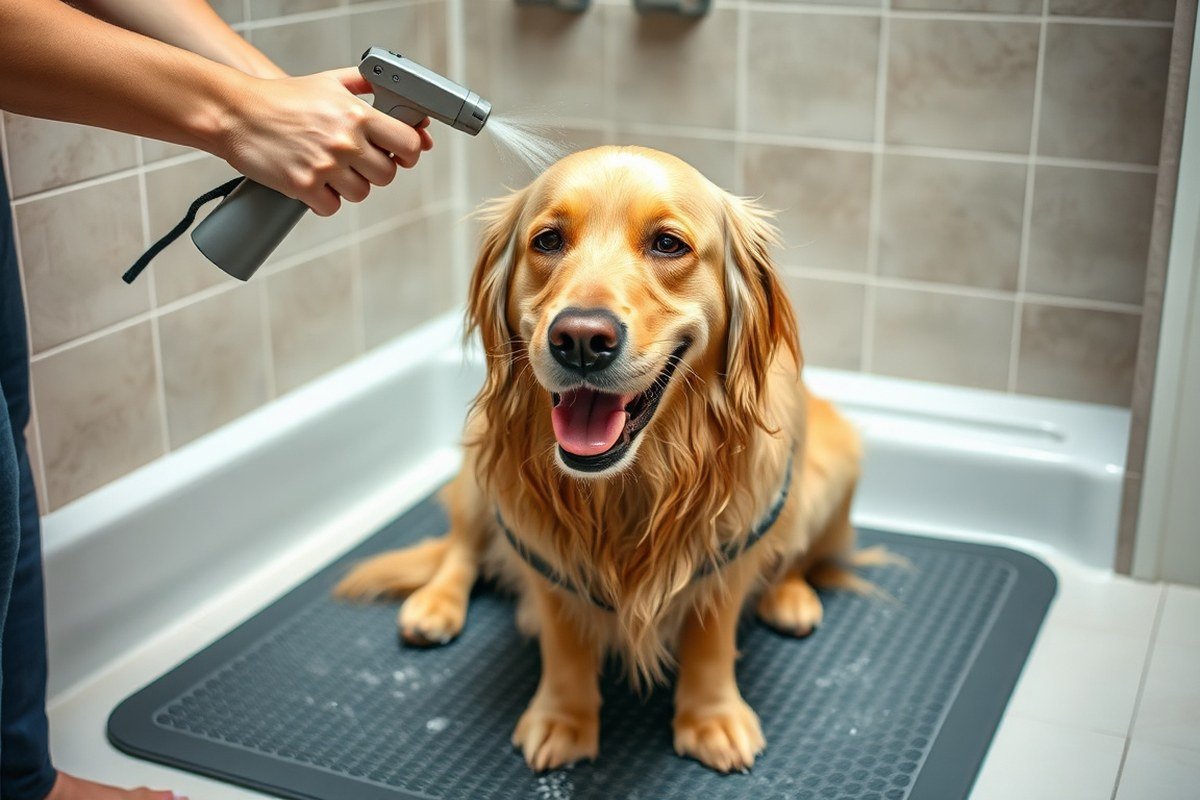
How to Bathe a Dog with Long Hair: Simple Steps for Tangle-Free Coats
You should bathe a dog with long hair every 6 to 8 weeks or when they appear visibly dirty. Proper preparation, gentle shampooing along the hair growth, and careful drying help prevent mats and keep the coat smooth. Regular brushing before and after baths is essential for tangle-free fur, especially for active dogs that spend time outdoors.
This information suits owners of long-haired dog breeds looking to maintain a healthy, mat-free coat. You will learn easy steps to wash your dog effectively, protect sensitive areas, and avoid common grooming mistakes that often cause discomfort or coat damage.
Key Takeaways
- Brush your dog thoroughly before bathing to remove tangles and prevent mats from tightening in wet fur.
- Use a mild, dog-specific shampoo and massage it gently in the direction of hair growth for best results.
- Protect your dog’s eyes, ears, and nose by avoiding direct water and shampoo contact during the bath.
- Remove sticky substances like sap or tar with petroleum jelly or vegetable oil applied 24 hours before bathing.
- Dry your long-haired dog by towel-drying first, then brushing every 10 to 15 minutes while air-drying to avoid mats.
- Adjust bathing frequency based on activity level; dogs outdoors often need baths every 2 to 3 weeks, indoor dogs every 4 to 6 weeks.
How to Bathe a Long-Haired Dog Step-by-Step

Bathing a long-haired dog requires a gentle, step-by-step approach to avoid causing tangles or discomfort. Using lukewarm water, dog-specific shampoo, and careful techniques helps keep the coat clean and healthy. You’ll want to work in sections to make sure shampoo and conditioner reach all the way down to the skin and rinse completely. Taking your time and using smooth, gentle motions will help make the experience less stressful for your dog.
- Wet the coat thoroughly. Use a cup or sprayer with lukewarm water to start wetting your dog’s long hair. Begin at the paws and slowly work upward, avoiding the face. Thorough wetting softens the fur and prepares it for shampoo, but use gentle pressure to prevent startling your dog.
- Apply shampoo in sections. Dilute dog shampoo according to the label to avoid over-concentrating it. Start massaging it in from the base of the fur, moving in the direction of hair growth. Gently work the shampoo through the coat with your fingertips, not nails, letting it reach the skin. Dividing the coat into sections ensures no spots are missed, especially under the legs and behind the ears.
- Rinse completely and thoroughly. Rinse each section individually with lukewarm water to remove all shampoo residue. Shampoo left in the coat can irritate the skin and cause itching. You’ll know you’re done rinsing when the water runs clear, and the coat feels clean and soft to the touch.
- Apply conditioner, if used. Use a dog-safe conditioner designed for long hair to help keep the coat smooth and tangle-free. Apply it similarly to the shampoo, focusing on the ends of the fur where tangles are more likely. Leave it on for the recommended time, then rinse fully with water that is lukewarm but not hot.
- Dry your dog gently. Use a towel to blot excess water from the coat without rubbing, which can cause mats. For long-haired dogs, drying thoroughly is important to avoid moisture trapping near the skin. Keep your dog warm while drying and consider using a blow dryer on the lowest heat and speed if your dog tolerates it.
- Comb or brush the coat once mostly dry. Carefully detangle with a wide-toothed comb or brush designed for long hair. Start at the ends and gently work your way up to the roots. Brushing when the coat is damp can help reduce mats but avoid brushing when the coat is soaking wet to prevent breakage.
Essential Tools and Products for Long-Haired Dogs

Choosing the right tools and products makes bathing a long-haired dog much easier and protects their skin and coat health. Start with a slicker brush or pin brush to remove tangles before the bath. A wide-tooth comb helps finish detangling damp fur after washing. Avoid metal combs with thin teeth that can snag or break the hair. For baths, use shampoos formulated specifically for dogs, as they maintain proper pH balance and avoid skin irritation.
Long-haired dogs often benefit from conditioners or detanglers. A leave-in conditioner reduces mats and helps dry the coat softer and less tangled. Apply it evenly from the neck down, avoiding eyes and ears, after rinsing shampoo thoroughly. If your dog has sensitive skin, select mild or hypoallergenic shampoos and conditioners recommended by a vet. Avoid human hair products since they can cause irritation.
| Tool/Product | Purpose | When to Use | Approximate Cost |
|---|---|---|---|
| Slicker Brush or Pin Brush | Remove tangles and mats before bathing | Daily or before bath | $10, $20 |
| Wide-Tooth Comb | Finish detangling after bath on damp coat | After bath | $5, $15 |
| Dog-Specific Shampoo | Clean coat without irritating skin | Bath time, every 4, 6 weeks | $8, $20 per bottle |
| Leave-in Conditioner/Detangler | Reduce mats, soften coat after washing | After shampoo rinse | $12, $25 |
| Ear Cleaner | Prevent ear infections by cleaning after bath | After bath | $8, $15 |
A slicker brush loosens debris and prevents mats. You can brush your dog daily or at least before every bath to keep the coat manageable. Shampoo should always be applied gently and rinsed thoroughly to avoid residue that causes itching or dryness. After shampooing, spread leave-in conditioner evenly on the coat while still damp, avoiding sensitive areas to prevent irritation.
Never use human shampoos or conditioners on your long-haired dog because these products may disrupt your dog’s skin pH and cause irritation.
How Often Should Long-Haired Dogs Be Bathed?
Bathing your long-haired dog normally falls between every 2 to 6 weeks, depending largely on their activity level, breed, and skin health. Dogs that spend lots of time outdoors, swimming, playing in dirt, or hiking will need baths closer to every 2 to 3 weeks to keep their coat clean and prevent mats or skin issues. Less active dogs staying mostly indoors can go about 4 to 6 weeks between baths without problems.
For example, a Labrador with a double coat often does well with bathing every 4 to 6 weeks. Long-haired breeds prone to tangles like Collies may need more frequent grooming, which includes bathing when mats or dirt build up. On the other hand, some long-haired breeds with special coat types, such as the corded Puli, require far less frequent baths because of how their hair naturally protects the skin.
Skin condition plays a key role in setting a bathing schedule. If your dog has a rash, allergies, or skin infections, you may need to bathe them with medicated shampoos more or less often, based on veterinary advice. Bathing too often can strip natural oils, leading to dry and irritated skin, while under-bathing creates a risk of bacteria and dirt buildup causing itching and infections. Watch for scratching or redness as signs your routine needs adjustment.
The best practical approach is to bathe your dog when they are visibly dirty, smelly, or after outdoor adventures that expose them to mud or pollen. The American Kennel Club suggests there is no need to bathe unless your dog needs it for cleanliness or health reasons, rather than sticking to rigid timelines. Between baths, maintain coat health with regular brushing to prevent mats, which trap grime and cause skin problems.
Deciding how often to bathe your long-haired dog involves observing your dog’s lifestyle and skin closely. For example, start by bathing every 4 weeks and adjust sooner or later depending on odor, dirt, scratching, or coat condition. Using the right dog shampoo, especially formulas meant for long coats or sensitive skin, helps protect your dog’s natural oils during baths. Costs vary by product but expect to spend around $10 to $20 on a quality dog shampoo that suits your pup’s specific needs.
Long-haired dogs can enjoy baths every few weeks without harm if you adapt to their individual habits and skin health. Avoiding over-bathing prevents drying out and skin irritation, while not bathing enough risks mats and infections. Tailor your routine with these factors in mind, bathing when needed by dirt or odor, and consulting a vet if any skin conditions arise that might require special care.
Preparing and Brushing Before the Bath to Prevent Mats
Brushing your long-haired dog thoroughly before a bath is key to preventing painful mats and skin problems. Removing loose hair and detangling the coat makes washing easier and reduces irritation. Starting with proper grooming ensures your dog stays comfortable and their coat stays healthy.
Choosing the Right Brush for Pre-Bath Grooming
Selecting the correct brush depends on your dog’s coat type and condition. For most long-haired breeds, a slicker brush works best to loosen mats and remove tangles. Dogs with long, thick coats usually need daily brushing with wire bristles to keep mats from forming. If your dog has double coats, an undercoat rake can remove loose fur underneath the top layer.
A pin brush with rounded tips is good for general detangling and smoothing, especially after mats are removed. For stubborn mats, a dematting tool used sparingly can help break them up safely. Using the wrong brush can damage the coat or cause discomfort, so always match tool to coat type.
Techniques to Gently Remove Tangles and Mats
Proper detangling before a bath requires patience and technique. Start by inspecting the coat for mats, especially behind ears, under the legs, and around the collar area where tangles often form. Divide the coat into sections to work on small patches at a time, avoiding pulling on your dog’s skin. Follow these steps to prepare your dog’s coat before bathing:
- Use your fingers to gently loosen smaller tangles before using a brush.
- Begin brushing at the tips of the hair, slowly working your way toward the roots to avoid tightening mats.
- Apply a detangling spray or conditioner on stubborn tangles if needed to ease combing.
- For mats, use a dematting tool carefully to break them apart inch by inch without cutting or tugging harshly.
- Brush the entire coat systematically, paying close attention to high-tangle areas like the chest and behind ears.
- Remove all loose hair with a slicker or pin brush to reduce shedding during the bath.
- Gently check for any sticky substances or debris and remove them before wetting your dog.
Taking time with this process prevents mats from tightening during the bath and reduces irritation afterward, keeping your dog’s skin healthy.
Rewarding Your Dog to Encourage Cooperation
Brushing, especially before a bath, can be stressful for dogs new to grooming. Making it a positive experience helps your dog relax and cooperate. Use treats, praise, and calm petting to reward good behavior during grooming sessions.
Start brushing in short sessions to build tolerance, gradually extending the time as your dog gets used to the process. Choose a quiet, comfortable spot without distractions. Praise your dog often and offer small treats right after brushing particularly tricky areas. This creates a positive association with grooming.
Consistency matters: regular pre-bath brushing combined with rewards improves your dog’s trust and makes future baths easier. A patient approach helps maintain a tangle-free, healthy coat.
Protecting Sensitive Areas During Bathing
Shielding your dog’s eyes, ears, nose, and paws during a bath is key to preventing irritation and infections. Start by placing cotton balls gently into your dog’s ear canals before you apply water or shampoo. This barrier blocks water and soap from entering, reducing the risk of painful ear infections. Use lukewarm water around 90°F (32°C) to avoid discomfort and always choose a gentle, tear-free shampoo made for dogs. Avoid applying shampoo directly to your dog’s face to keep soap out of the eyes and nose.
When washing the head, avoid pouring water over your dog’s face. Instead, use a damp cloth or sponge to clean around the eyes, nose, and muzzle. This cuts down the chance of getting soap or water where it shouldn’t be. Pay close attention to sensitive areas like the paws, skin folds, and inside the ear flaps; these spots are easy to miss but prone to irritation if exposed to excess moisture or soap residue.
- Insert cotton balls into ears before starting the bath.
- Use lukewarm water around 90°F (32°C) to keep your dog comfortable.
- Opt for a gentle, tear-free dog shampoo to protect sensitive skin and eyes.
- Wash the body first, then carefully wipe the face with a damp cloth.
- Be careful not to get soap or water in your dog’s nose or mouth.
- Rinse thoroughly to remove all shampoo and avoid skin irritation.
- Pay attention to paws and skin folds to prevent trapped moisture.
Start washing from the neck down to better control water flow and keep it away from the eyes and ears. Dogs with thick, long coats might benefit from mixing shampoo with water in a cup before applying, allowing for a gentler, more controlled lather. Proper rinsing is critical, leftover shampoo can cause itching, redness, or infections. Thoroughly inspect your dog’s face and paws after washing to catch any soap residue and wipe it away softly. Breeds prone to tangled ear hair require extra care, as moisture trapped in these areas can lead to infections.
Never pour water directly on your dog’s face; use a damp cloth to clean the head to avoid eye and nose irritation.
How to Remove Sticky Substances Before Bathing
Removing sticky substances like tar, pine sap, or paint from your dog’s long fur requires careful use of safe household products such as petroleum jelly or vegetable oil. Applying the oil to the affected fur and letting it sit for about 24 hours softens the sticky material, making it easier to remove during bathing. Avoid harsh chemicals or scrubbing aggressively to prevent skin irritation or fur damage.
Using Oils to Loosen Sticky Matter
Petroleum jelly and vegetable oil are effective at breaking down sticky substances trapped in long dog hair. They work by softening the hardened mess without harsh solvents that could hurt your dog’s skin. Apply a generous amount directly to the sticky patches, massaging it gently into the fur to coat the area thoroughly.
Do not use household solvents like paint thinner, acetone, or alcohol. These can cause skin burns or dryness, especially on sensitive dog skin. Choose unscented oils to avoid irritation and rinse thoroughly during the bath to remove all residues. Using oils also helps prevent matting caused by pulling or cutting out sticky clumps.
Waiting and Grooming Before Bath
After applying oil or petroleum jelly, let it sit on your dog’s fur for up to 24 hours. This waiting period is important to allow the sticky substance to loosen fully from the hair shafts. During this time, keep your dog comfortable and discourage excessive licking to avoid ingestion of the oil.
Once adequate time has passed, gently comb through the treated fur using a wide-tooth comb or slicker brush. This helps remove softened sap, tar, or paint flakes without pulling the hair harshly or causing discomfort. When the sticky residue persists, you could repeat the oil treatment or use a warm, damp cloth to wipe it off before giving your dog a full bath.
- Apply a generous amount of petroleum jelly or vegetable oil to the sticky area.
- Massage the oil gently into the fur covering all affected spots.
- Allow the oil to soak for up to 24 hours, preventing your dog from licking it off.
- Use a wide-tooth comb or slicker brush to gently detangle and remove loosened sticky debris.
- Wipe any remaining substance with a warm, damp cloth if needed.
- Proceed with the full bath using dog-safe shampoo to clean away oil and residue.
- Dry and brush the fur after bathing to prevent mats from forming.
Choosing When to Seek Professional Help
Sticky substances embedded deeply in your dog’s fur or skin may require professional grooming. For large, hardened sticky patches or those close to sensitive spots such as the eyes or genitals, consider having a groomer or veterinarian remove it safely to avoid harming your dog.
Also seek professional advice if your dog shows signs of pain, skin irritation, or unusual behaviour after oily treatments or bathing. Professionals have specialized tools and products to manage sticky fur safely and can recommend treatments if skin damage has occurred. Visiting a groomer can prevent accidental cuts or distress caused by home removal attempts.
How to Dry a Long-Haired Dog Without Causing Mats
Drying your long-haired dog gently and thoroughly helps prevent painful mats and tangles. Use a soft towel to pat the coat dry without rubbing, then apply a pet-safe blow dryer on a cool or low heat setting. Brushing the coat carefully while drying keeps hair smooth and knot-free.
Pat Drying vs Rubbing – What Works Best
Patting your dog’s coat dry is the best approach for long-haired dogs. Rubbing with a towel can create friction that damages the hair cuticle, leading to frizz and mats. A plush, absorbent towel works well to soak up excess water without roughing up the coat.
Use separate towels for your dog, avoiding rough fabrics. Start by gently pressing the towel along the dog’s sides, back, and legs, then move to more sensitive areas like behind the ears and under the belly. Pat dry in sections rather than covering large areas at once to avoid trapping moisture or tangles.
Safe Blow Dryer Settings and Usage
Choose a blow dryer designed for pets or a human dryer with a cool or low heat setting to avoid skin burns or drying out the coat. Keep the dryer moving continuously and hold it at least 6 to 8 inches from the dog’s fur. Never point the dryer directly at the face or ears.
Blow drying swims against the hair shaft gently loosens hair and speeds drying. Thick and long coats benefit from this method, as trapped moisture can cause skin irritation or mats. Avoid using high heat, which can cause dryness and tangles, and monitor your dog for signs of discomfort.
Brushing While Drying to Prevent Tangles
Comb the coat during and after drying to separate strands and prevent mats from forming. Use a wide-tooth comb or a slicker brush suited for long-haired breeds. Start at the tips and gently work toward the roots to avoid pulling or breaking hair.
Apply a detangling or conditioning spray after towel drying if your dog’s coat is thick or prone to tangles. This makes brushing smoother and keeps the silkier strands manageable. Pay special attention to areas prone to mats like behind the ears, under the legs, and near the collar.
- Gather a soft, absorbent towel and a pet-safe blow dryer with adjustable cool or low heat settings.
- Pat your dog’s coat gently with the towel, pressing to soak up water without rubbing.
- Use a detangling spray on thick or silky coats to ease brushing.
- Begin blow drying on a low or cool setting, keeping the dryer moving and held 6, 8 inches from the coat.
- Brush the coat gently during drying, starting at the tips and moving toward the roots.
- Dry thoroughly around skin folds, paws, and thick areas to prevent moisture buildup.
- Finish by brushing the coat again to ensure smoothness and identify any missed damp spots.
Common Bathing Mistakes and How to Avoid Them
Bathing a long-haired dog can go wrong quickly if you overlook a few key steps. Using water that’s too hot or too cold can irritate your dog’s skin, so always choose lukewarm water, around 90°F to 100°F. Harsh soaps or human shampoos without pet-safe formulas can strip the natural protective oils from your dog’s skin. This leads to dryness, itching, or even yeast infections. Instead, select shampoos made for dogs, preferably hypoallergenic ones with soothing ingredients like oatmeal or aloe vera, especially if your dog has sensitive skin.
Another frequent mistake is rushing through rinsing. Failing to wash out shampoo completely leaves residue that causes itching and redness. Spend several minutes thoroughly rinsing every inch of your dog’s coat. Check areas where shampoo tends to gather, like under the legs and the belly. Also, avoid scrubbing mats or tangles harshly during the bath; pulling can hurt your dog and inflame the skin. Instead, carefully detangle gently with your fingers or a wide-tooth comb before bathing.
Bath time can be stressful for your dog if you move too quickly or get rough. To keep your dog calm and cooperative, speak in a soothing voice, give treats, and start with short baths that end on a positive note. Building a routine without forcing the dog into the tub fosters trust over time.
- Use lukewarm water (90°F to 100°F) to avoid skin irritation
- Choose dog-specific, fragrance-free, hypoallergenic shampoos with aloe vera or oatmeal
- Rinse for several minutes to remove all shampoo and prevent itching
- Never pull or force mats; detangle gently before the bath
- Keep baths calm and use positive reinforcement to reduce fear
- Avoid bathing too often; once every 4 to 6 weeks is usually enough
Thorough rinsing is essential, residual shampoo causes itchiness and skin problems, so rinse until the water runs clear around your dog’s coat.
Many owners unknowingly make the mistake of overbathing, stripping natural oils that keep the coat shiny and skin protected. Stick to a reasonable schedule and consult your veterinarian if skin irritation or allergy signs appear after a bath. They can recommend specific products or check for underlying conditions that require professional care.
Step-by-Step Action Plan for Bathing Your Long-Haired Dog
Follow these steps to bathe your long-haired dog safely and effectively at home, minimizing stress for both of you.
- Before you start: Brush your dog thoroughly to remove tangles and mats. You’ll know it worked when the coat feels smooth without lumps.
- Prepare your bath area: Gather all supplies, dog shampoo, conditioner, brushes, towels, and a non-slip mat. Check everything is within reach to keep the process smooth.
- During the bath: Wet your dog gently with lukewarm water, avoiding eyes and ears. Apply shampoo evenly and massage to clean; you’ll see dirt lifting and a soapy lather forming.
- Rinse thoroughly: Use steady water flow to remove all shampoo and conditioner residues, which prevents skin irritation and mats after drying.
- Protect sensitive areas: Keep water and shampoo away from your dog’s eyes, nose, and ears during washing and rinsing. The absence of redness or irritation shows good care.
- Dry carefully: Pat your dog’s coat with a towel before using a blow dryer on a low, cool setting; brush gently while drying to prevent new tangles.
- After the bath: Offer a treat and praise to reinforce positive behavior, making future baths easier and less stressful.
Frequently Asked Questions
How Do I Clean My Dog’s Face Without Irritating Sensitive Areas?
Use a damp washcloth to gently wipe away dirt, avoiding shampoo on the eyes and ears to prevent irritation.
Can I Mix Shampoo with Water Before Applying It to My Long-Haired Dog?
Yes, pre-mixing shampoo with water helps spread it evenly and prevents residue buildup on thick coats.
What Type of Shampoo Is Best for Dogs with Long Hair and Sensitive Skin?
Choose a fragrance-free, gentle dog shampoo designed to avoid skin irritation and maintain coat health.
Should I Brush My Dog’s Hair During the Bath If Mats Start to Form?
It’s better to brush before bathing; wet mats can tighten and cause discomfort, so detangle first.
How Can I Keep My Dog Calm During Bath Time If He Dislikes Water?
Use a non-slip mat to prevent slipping, speak softly, and give treats to create a positive experience.
What’s the Best Way to Rinse Shampoo Out of a Long, Thick Dog Coat?
Rinse thoroughly with lukewarm water in the direction of hair growth to remove all shampoo and avoid irritation.
Before You Go
Bathing your long-haired dog at home requires patience and the right techniques to keep their coat clean and healthy. Focus on gentle brushing, protecting sensitive areas, and thorough drying to avoid mats. Your next step is to schedule regular brushing sessions between baths to maintain a tangle-free coat and reduce grooming time in the future.




3 Comments