

What Is the Best Way to Dry a Dog: 8 Effective Methods and Safety Tips
The best way to dry a dog combines gentle towel drying and using a low-heat dog dryer with adjustable speed, keeping the dryer 6 to 8 inches from the coat. Start by towel-drying thoroughly with microfiber towels, then use a dryer on a medium setting to finish the job safely and quickly. This method helps avoid skin irritation and reduces the time your dog stays damp, which can lead to health issues.
This advice suits dog owners wanting to dry their pets efficiently and safely after baths or swimming. The article details effective drying techniques, equipment recommendations, and important safety tips to keep your dog comfortable and prevent common drying mistakes.
Key Takeaways
- Brush your dog’s coat for 5-10 minutes before bathing to reduce drying time and matting.
- Use multiple microfiber towels to soak up as much water as possible before using a dryer.
- Keep the dog dryer on a low-heat, medium-speed setting 6-8 inches away from the dog’s fur.
- Let dogs with short fur or sensitive skin air dry only if not dripping wet.
- Dry sensitive areas like ears, paws, and face carefully to prevent infections.
- Familiarize your dog with the dryer turned on before full use to reduce stress.
1. The Most Effective Ways to Dry Your Dog Quickly and Safely
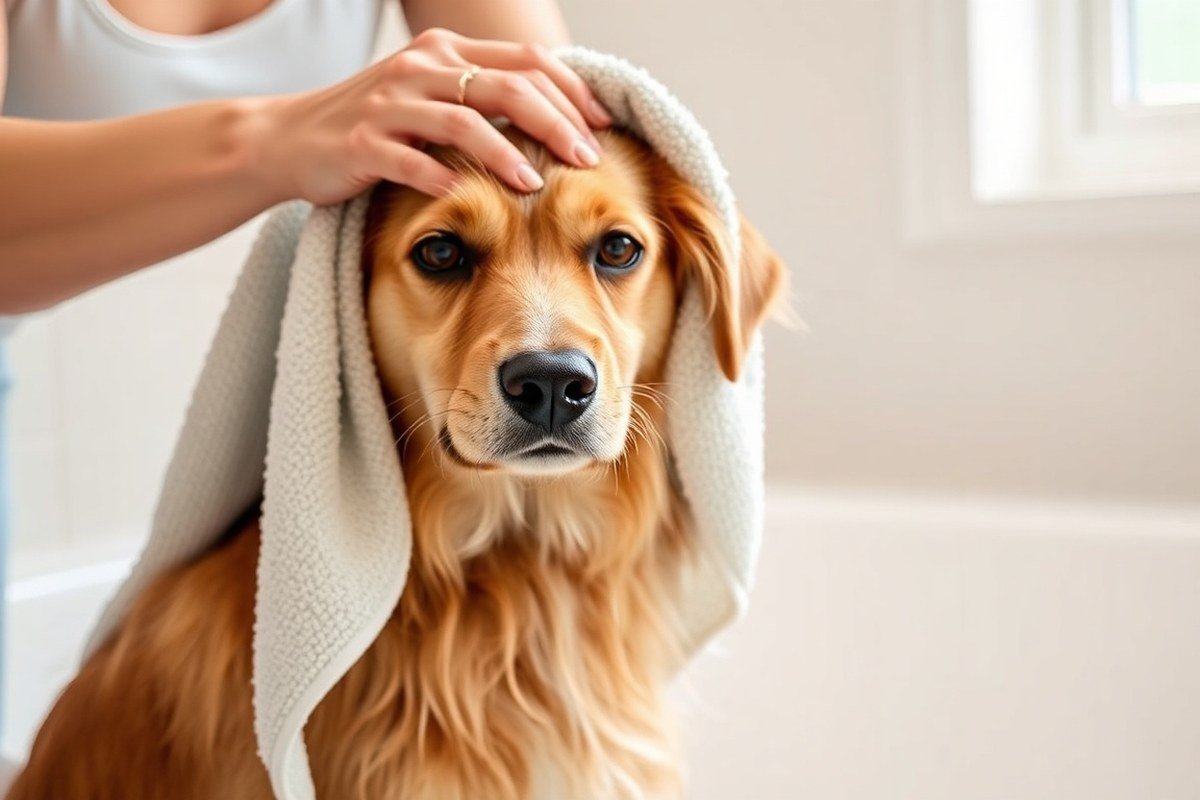
Drying your dog quickly and safely starts by combining towel drying with a dog-specific blow dryer set on low heat. Towel drying removes most of the water without irritating your pet’s skin, while a blower speeds up the process without overheating or stressing your dog. The fastest way involves layering these techniques in sequence while paying attention to delicate areas such as ears and paws.
Begin by gently blotting your dog’s coat with an absorbent, microfiber towel designed for pets. Regular towels often take longer and can cause friction, leading to discomfort. For dogs with thick or long coats, swapping between multiple towels might be necessary to soak up excess moisture efficiently. Once most water is removed, use a blow dryer made for dogs with adjustable temperature and airflow settings. Keep the dryer moving and hold it several inches away to prevent heat damage.
This combination works best because towels reduce dripping and surface water, while the blow dryer evaporates trapped moisture in the undercoat and dense fur layers. Relying solely on towels can leave hair damp for an hour or more, increasing the risk of chills or skin problems, especially in cold or windy weather. Air drying alone takes several hours and is not recommended when time and your dog’s health are priorities.
- Prepare multiple absorbent towels. Use microfiber or pet-specific towels that soak up water quickly and are gentle on your dog’s skin.
- Blot your dog’s fur gently. Start with the back and sides, pressing towels to soak up water without rubbing, which can tangle hair and irritate skin.
- Swap towels as they become wet. Use fresh towels to continue drying, focusing on large wet spots and thick areas like the chest and belly.
- Use a dog-specific blower on low heat and airflow. Hold it 6 to 12 inches away, keep it moving continuously, and avoid concentrating heat too long on one area.
- Brush while blow drying (if your dog tolerates it). This helps separate hairs and speeds drying, especially for long or double coats.
- Pay special attention to ears and paws. Use a dry cloth or cotton ball carefully inside ears and towel-dry paws to prevent moisture-related infections.
- Check your dog regularly for signs of overheating or stress. Stop blow drying if your dog shows discomfort and allow breaks.
- Keep your dog indoors until completely dry. Prevent exposure to cold or dirt, which can increase the chance of illness or skin issues.
Following these steps you can reduce drying time to under 15 minutes for short-coated dogs and 20 to 45 minutes for longer or thicker coats. Investing in the right towels and a good dog-specific dryer that costs between $30 and $100 can save time and protect your dog’s skin from irritation or infection. Avoid hairdryers made for humans, as they are often too hot and noisy, risking burns or frightening your pet.
2. How Different Dog Coat Types Affect Drying Methods

Your dog’s coat type, length, thickness, and texture, strongly influences how you should dry them. Short-haired dogs with thin coats often dry quickly and may do well with towel drying or natural air drying when it’s warm. In contrast, dogs with thick double coats or long hair usually require more thorough drying techniques to avoid dampness that can cause skin irritation or odor.
Longer or denser coats trap moisture deeper, increasing drying time. That’s why a combination of towel drying and gentle airflow using a dog-safe dryer or drying coat works best for these types. For curly or corded coats, slow and careful towel drying prevents tangling, and air circulation is key to drying the dense curls without overheating the skin.
| Coat Type | Drying Approach | Tools Recommended | Typical Drying Time | Key Considerations |
|---|---|---|---|---|
| Short coat (e.g., Beagles, Boxers) | Towel dry or air dry if not dripping | Microfiber towel, gentle brush | 10, 15 minutes | Skin sensitivity; no harsh drying |
| Double coat (e.g., Golden Retrievers, Huskies) | Towel dry, then use high-velocity dryer | Thick microfiber towels, high-velocity dryer, undercoat rake | 30, 45 minutes | Prevent trapped moisture; dry undercoat well |
| Long hair (e.g., Afghan Hounds, Maltese) | Pat towel dry, follow with air flow and brushing | Soft towel, drying coat, gentle hair dryer, slicker brush | 30, 60 minutes | Avoid tangles; use gentle tools to protect coat |
| Curly or corded (e.g., Poodles, Bedlington Terriers) | Slow towel drying and air circulation | Microfiber towel, drying coat, comb | 35, 50 minutes | Prevent matting; avoid heat damage |
Towel drying is always a first step after a bath, no matter the coat. Microfiber towels work well because they absorb water efficiently without rubbing the skin raw. For thick or double coats, a high-velocity dryer speeds up the drying process and helps remove loose hair from the undercoat. You should set the dryer on a low heat setting to prevent overheating or burning your dog’s skin.
Dogs with short fur and sensitive skin may tolerate air drying on warm days, provided they are not dripping wet to avoid chill. The main goal is to get your pup dry without causing discomfort or skin issues. Drying coats can be a practical solution for dogs prone to getting cold or with longer coats that take longer to dry naturally.
Do not use human hair dryers on high heat settings; always choose dryers made for dogs or use the lowest heat to avoid burning your dog’s skin.
3. Tools and Towels: Choosing the Best Equipment for Drying Dogs
The best tools for drying your dog combine gentle materials and equipment designed specifically for pets. Use microfiber towels for quick absorption without irritation, and choose dog dryers over human hair dryers to avoid burns or stress. Accessories like drying gloves and coats, along with quick-dry sprays, can speed up drying and keep your dog comfortable.
Microfiber vs. Cotton Towels
Microfiber towels stand out as the top choice for drying dogs due to their superior absorbency and softness. They can hold up to seven times their weight in water, making them more efficient than regular cotton towels. This reduces drying time and avoids unnecessary rubbing, which can cause irritation or damage to your dog’s coat.
In contrast, cotton towels are widely available and often used but tend to hold less water and dry your dog more slowly. They may leave behind lint and require more vigorous rubbing to soak up moisture, which can stress your pet. Keeping a set of dedicated dog towels separate from human use also helps prevent spreading dirt or allergens.
Types of Dog Dryers Available
Dog dryers come in various styles that cater to different coat types and dog temperaments. High-velocity dog dryers blow powerful airflow at a low heat setting, quickly removing moisture while minimizing the risk of burns or overheating. These are especially useful for dogs with thick or long coats, or when you want a fast, thorough dry.
Canine-specific dryers maintain a lower temperature and are quieter than human hair dryers, making the experience less alarming for your dog. When using any dryer, keep the nozzle 6 to 8 inches away from your dog’s skin, sweep it side to side, and avoid hot spots to prevent discomfort or injury. Moving the dryer continuously helps your dog stay calm and ensures the coat dries evenly.
Human hair dryers are generally discouraged as their higher heat settings and noise levels can harm your dog and cause stress. If you must use one, set it to the lowest heat and speed, hold it far from your dog’s coat, and never point it directly at sensitive areas.
- High-velocity dog dryers: fast, safe, suitable for thick coats
- Low-heat, variable-speed dog dryers: gentle and quiet
- Human hair dryers: not recommended, risk of burns and stress
- Floor dryers: hands-free option often used by groomers
- Crate dryers: can be stressful for dogs, used in containment
- Cooling dryers: no heat, mainly for air circulation only
Accessories: Drying Gloves, Drying Coats, and Quick-Dry Sprays
Drying accessories add convenience and comfort, especially when handling dogs that dislike traditional towel rubbing or blow drying. Drying gloves are made from absorbent materials like microfiber and allow you to gently pat and stroke your dog’s coat, combining drying and grooming. This method reduces stress and prevents tangling.
Dog drying coats function like wearable towels that keep the dog warm while continuing to absorb moisture. They slow drying but are helpful for dogs who resist dryers or when you want to keep your pet calm after a bath or swim. These coats vary in price, generally ranging from $20 to $50, depending on quality and size.
Quick-dry sprays reduce drying time by helping water bead and slide off hair shafts faster. They work well with dryers or towels but should be specifically formulated for dogs to avoid skin irritation or allergic reactions. Always check the label for pet safety and avoid sprays that contain alcohol or harsh chemicals.
4. Drying Sensitive Areas: Ears, Paws, and Face Without Injury
Paying close attention to your dog’s ears, paws, and face during drying prevents moisture buildup that can lead to infections and irritation. These areas have thinner skin and are more sensitive, so drying them carefully keeps your dog comfortable and healthy. Using gentle techniques and avoiding direct heat or strong airflow on sensitive spots reduces the chance of injury or stress.
Before drying, calm your dog by gently touching less sensitive areas with a towel or dryer on the lowest setting. Reward calm behavior with treats to ease their anxiety, especially near the head and face.
- Gently blot ears with a soft towel. Wipe the outer ear flap and the area around the ear canal, using a light touch to remove excess water. Avoid inserting anything into the ear canal to prevent damage or pushing moisture deeper, which can cause infections.
- Use a low-heat, low-air setting dryer or a dry towel for ears. Hold the dryer several inches away and keep it moving steadily. Never direct strong airflow into the ear canal, as it can irritate the sensitive skin and cause discomfort.
- Pat dry paws carefully with a towel. Focus on the pads, between the toes, and around nail beds where moisture collects. This prevents fungal or bacterial infections common in damp paw areas.
- Check for debris or dirt trapped in paws or ears. Remove any visible particles gently, as trapped debris increases infection risk.
- Lightly dampen a soft cloth for the face area. Wipe around the eyes, muzzle, and under the chin, avoiding strong rubbing. Sensitive facial skin requires a gentle approach to prevent irritation.
- Use dog-friendly head wraps or towels. These can protect delicate ears and keep your dog calm while you finish drying other body parts.
- Monitor your dog’s reactions closely. Stop if they show signs of discomfort and soothe them with gentle strokes or treats before continuing.
Proper drying of your dog’s sensitive areas takes about 5 to 10 minutes more than drying the rest of the body but significantly lowers infection risks. Not drying these parts thoroughly can lead to odors, itching, and chronic problems that require veterinary attention. Taking the time to dry with care keeps your dog comfortable and protects sensitive areas from moisture-related health issues.
5. Why Proper Drying Prevents Health Risks and Skin Problems
Leaving your dog wet without proper drying can lead to various health and coat problems. Moisture trapped close to the skin creates a breeding ground for bacteria and fungi, which increases the risk of infections, especially in dogs with wrinkles or skin folds. These areas are prone to developing hotspots, fungal growth, and skin irritations when damp. Drying prevents these problems by removing excess moisture, keeping the skin dry and healthy.
Improper drying also causes discomfort through matting and tangling of the fur. Wet hair is heavy and can stick together, pulling at the skin and causing pain or irritation. Regular, thorough drying helps prevent mats from forming, which protects your dog’s coat from damage and discomfort. This is important for all coat types, from short-haired to long-haired breeds. Blow drying a long coat in the direction the hair lies prevents tangling and speeds the drying process, but you should avoid excessive heat to protect the skin.
Besides infection and matting, not drying your dog properly can cause unpleasant odors. Wet fur left to air dry often develops a musty smell due to bacterial growth. Drying your dog promptly and completely helps prevent this issue by stopping bacteria from multiplying in damp fur. It also keeps your dog warmer, lowering the chances of hypothermia in cold or wet weather.
How you dry your dog matters too. Rubbing the towel too hard can cause friction that irritates the skin. Instead, use gentle, pressing motions with absorbent towels to soak up water first. Follow this by brushing through the fur to remove any small mats and check for hidden irritations or cuts. Only then use a blow dryer set on low heat and speed if your dog tolerates it well, keeping the dryer moving constantly to avoid overheating one area. For dogs sensitive to noise or heat, air drying in a warm, draft-free room while carefully towel-drying periodically is an alternative but takes more time and close monitoring.
Proper drying is a basic but critical part of your dog’s health routine that prevents skin infections, reduces odor, keeps the coat in good condition, and maintains comfort. Skipping this step or doing it poorly invites discomfort, illness, and costly grooming issues later.
Always check and fully dry skin folds and sensitive areas to avoid fungal infections, especially if your dog has wrinkles or dense fur in those spots.
6. How to Make Drying Comfortable and Stress-Free for Your Dog
Making drying comfortable and stress-free for your dog involves easing them into the process, using rewards, and watching closely for signs of stress. Gradual exposure and positive reinforcement help your dog accept towels and dryers without fear. Paying attention to their body language lets you stop or change tactics before the experience becomes overwhelming.
Introducing Towels and Dryers Gradually
Start by letting your dog get used to towels without any drying. Lay a towel nearby and encourage them to sniff or lie on it. Then, gently rub damp fur with the towel to get them accustomed to the sensation. Avoid rubbing back and forth, which can irritate or tangle their coat.
Next, introduce the dryer. Keep it off at first and let your dog explore it as an object. Turn the dryer on away from the dog so they hear the sound without feeling air. Gradually move it closer over several sessions. Use a quieter dryer or a dog-specific blow dryer to reduce noise. A dog head wrap like a gauze Happy Hoodie can reduce air exposure and noise, making drying less stressful.
Build up drying sessions slowly, starting just a few seconds and increasing to a few minutes over days or weeks depending on your dog’s comfort level. Longer sessions help dry the fur completely while keeping your dog relaxed.
Using Positive Reinforcement During Drying
Reward your dog with treats, praise, or petting throughout drying to create positive associations. Give treats when your dog stays calm or allows you to touch and dry different areas. Use a calm, happy tone to reassure them.
For example, use this script: “Good job! That’s perfect. Now just a little more here,” paired with a treat after each small step. This helps break drying down into manageable parts and keeps your dog focused on rewards rather than the drying itself.
Consistency matters. Practicing regularly will build your dog’s confidence and make each session smoother and quicker, reducing anxiety over time. With practice, your dog may even come to enjoy drying as a bonding moment.
Recognizing Signs of Overheating or Anxiety
Watching your dog’s behavior during drying helps you avoid stress or overheating. Signs of anxiety include crouching, tucked tail, panting, whining, or trying to escape. Overheating may cause rapid breathing, drooling, weakness, or excessive panting. Stop drying immediately if you notice any of these issues.
Use a thermometer designed for pets to monitor temperature if you frequently dry your dog with a heated dryer. Avoid using heat settings above warm (below 100°F or 38°C) to prevent burns and overheating. Air dry or towel-dry more if your dog shows discomfort.
- Excessive panting or drooling
- Trying to run away or hide
- Cowering or lowered body posture
- Shaking or trembling
- Pacing or restless movements
- Rapid heartbeat or heavy breathing
- Refusing treats or looking away
Learning these signs early lets you adjust your approach or give breaks as needed, keeping your dog safe and comfortable.
Managing Excitable Behavior During Drying
Some dogs get excited or restless during drying, making it harder to finish promptly. Use a calm, confident voice and slow movements to help your dog settle down. Position yourself where your dog feels secure, such as sitting beside or behind them, to ease nervousness.
Divide drying into short, manageable sessions with breaks for play or cuddles. During breaks, offer water or a chew toy to distract and reward calmness before resuming drying. This approach prevents frustration for both you and your dog.
Patience is key. Avoid forcing your dog to stay still or scolding them, as this can increase anxiety. Instead, focus on positive interactions and gradual progress to help your dog relax through the drying process.
7. Common Drying Mistakes and How to Fix Them
One common mistake dog owners make is rushing the drying process, which often leads to damp spots that can cause skin irritations or infections. To prevent this, you need to thoroughly dry every part of your dog’s coat, especially under the legs and around the chest. Use a clean towel to briskly rub your dog’s coat until no moisture remains. This may take 10 to 15 minutes depending on your dog’s size and coat thickness.
Another frequent error involves overheating your dog with a blow dryer. Using high heat settings can burn your dog’s skin or stress them out. Aim for the lowest heat with steady airflow and keep the dryer moving constantly about 6 to 12 inches from the coat. Instead of blasting one spot, focus on small sections at a time and take breaks to let your dog relax. This approach also prevents tangling and matting that can happen with concentrated heat and pressure.
Too much brushing while drying can cause tangles, especially in long or curly coats. Limit brushing to when the coat is almost dry, using a slicker or detangling brush gently to reduce mats without pulling. For short coats, towel drying alone may be enough until the dog is mostly dry, then a quick comb-through finishes the job.
- Use multiple towels if needed to absorb moisture thoroughly before blow drying
- Select a dryer with adjustable heat and speed controls to avoid overheating
- Always keep the blow dryer moving to prevent hot spots
- Inspect paws, ears, and underbelly carefully for moisture trapped in folds
- Let your dog take breaks during drying to reduce stress and help them stay calm
- Finish drying with a gentle brush once the coat is about 90% dry to prevent tangles
Failing to dry your dog’s paws and ears properly can lead to infections or unpleasant odors. After towel drying, use cotton balls carefully in your dog’s ears to wick out moisture but avoid deep insertion to prevent injury. Check between toes for trapped wetness and use a clean towel or a soft cloth to dry inside. Taking these small steps can significantly improve your dog’s comfort and coat health.
Many dog owners underestimate the time and patience needed for proper drying, especially for breeds with thick or double coats. Rushing or skipping parts of the process can trigger skin problems and damage the coat’s natural barrier. You may have to set aside 20 to 30 minutes for a full drying routine but the results include less shedding, reduced odor, and a shinier, healthier coat.
8. When to Use Professional Groomers or Specialized Drying Services
Professional drying help becomes worthwhile for dog owners when dealing with breeds that have thick, double coats or heavy shedding, or when time constraints make thorough home drying impractical. Groomers use specialized drying tools and techniques that differ significantly from typical at-home methods. Self-serve wash stations provide a middle ground by offering powerful drying equipment and controlled environments that can speed up drying compared to home methods.
Benefits of Professional Drying for Certain Breeds
Dogs with thick, double-layered coats, such as Huskies or Golden Retrievers, benefit most from professional drying services. Groomers typically use high-velocity dryers that blow air at speeds of hundreds of cubic feet per minute, which helps remove loose undercoat and cuts drying time dramatically. These dryers operate on low heat or cool settings, prioritizing airflow to prevent overheating or skin irritation. Professional groomers also know how to handle tricky areas like under the chest and tail to ensure no moisture remains trapped.
Professional drying is especially beneficial if your dog has a history of skin infections or hot spots because thorough drying helps prevent these issues. Sessions with a groomer might cost anywhere from $30 to $60 depending on the dog’s size and coat complexity. Most groomers include drying as part of a full grooming package, which usually lasts 45 minutes to an hour. Expect your dog to come home fully dry, with minimal damp patches and reduced shedding immediately afterward.
How Self-Serve Wash Stations Speed Drying
Self-serve dog wash stations offer stronger air flow than home blow dryers and often provide equipment designed specifically for pets. These stations allow you to use a high-velocity dryer, typically more powerful than household models, that works on gentle heat and focused air streams. This can speed drying substantially, especially for medium-sized dogs with thick coats. Wash stations also offer space to move your dog around and dry in a less confined environment than a bathroom or laundry room at home.
The time it takes at a self-serve station varies, but thorough drying usually takes 15 to 30 minutes depending on your dog’s size and coat thickness. Costs typically range from $10 to $25 per session. Many stations provide towels and cleaning products, letting you combine washing and drying in one visit. However, stations may not be suitable for very large dogs, as keeping them fully dry there can be challenging due to space and equipment limits.
When Home Drying Is Sufficient
Drying your dog at home works well if you have the time, space, and patience. Small to medium dogs with shorter coats often dry completely after about 30 to 45 minutes using a combination of towel drying and a blow dryer on low heat and speed. Using a blow dryer with a good airflow rate, measured in cubic feet per minute, helps speed the process while reducing heat exposure.
Gradual drying at home tends to keep many dogs calmer, which is especially important for pets sensitive to loud dryers or unfamiliar environments. Quick-dry sprays designed for dogs can be useful to absorb lingering moisture but should never replace thorough drying. Take care to keep drying tools moving constantly and monitor your dog’s skin and coat to avoid overheating or irritation.
Tip: Keep the blow dryer at least 6 to 12 inches away from your dog’s skin and use the cool or lowest heat setting to prevent burns while maximizing airflow.
Step-by-Step Action Plan to Dry Your Dog Safely and Comfortably
Follow this plan to dry your dog quickly while keeping them safe and relaxed.
- Right after bath or swim: Start by gently towel-drying your dog’s body with an absorbent, microfiber towel. Check that the towel is soaking up water effectively as the coat feels less wet.
- Within 5 minutes: Use a blow dryer on a low, cool setting for thick or long coats, keeping it moving continuously to avoid hot spots. Verify the coat is drying evenly without causing your dog to become anxious or restless.
- After blow drying: Focus on sensitive areas like ears, paws, and face by softly patting them dry with a separate, dry towel. Confirm these spots are dry to prevent moisture-related issues but avoid putting anything inside ears.
- During grooming sessions: Brush your dog while drying to speed up moisture removal and help avoid matting. Notice if the coat separates easily and smells fresh without dampness.
- After drying: Let your dog rest in a warm, draft-free area to ensure any remaining moisture evaporates safely. Make sure your dog remains calm and comfortable without showing signs of chills or discomfort.
Frequently Asked Questions
What Is the Best Way to Dry a Dog After a Bath?
The best way is to start with multiple towels to absorb most water, followed by a blow dryer on a low, cool setting if your dog tolerates it. This combination ensures faster drying and prevents skin issues caused by prolonged dampness.
How Long Does It Usually Take to Dry a Dog Completely?
Drying time depends on the dog’s coat length and thickness but usually ranges from 20 minutes with towel and blow drying to an hour or more if air drying. Longer-haired dogs take more time, so patience is key.
Can I Use a Human Hairdryer to Dry My Dog?
Yes, you can use a human hairdryer but only on the lowest heat and speed settings to avoid burning your dog’s skin. Always keep the dryer moving and maintain a safe distance from the coat.
Is It Okay for Dogs to Air Dry After Swimming?
Air drying is fine for dogs with short fur or sensitive skin, as long as they aren’t soaking wet. It’s best to towel off excess water first and ensure they are in a warm environment to avoid chills.
How Many Towels Do I Need to Dry My Dog Properly?
Often, two or more towels are necessary to get your dog mostly dry, especially if they are medium to large or have thick fur. Changing to a dry towel after the first gets too wet improves drying efficiency.
Should I Dry My Dog’s Ears and Paws Differently?
Yes, use a soft towel or cotton ball to gently dry ears and paws, areas prone to infections when left damp. Avoid inserting anything into the ear canal to prevent injury or pushing moisture deeper.
Final Thoughts
Drying your dog properly takes a few simple steps but makes a big difference in their health and comfort. Focus on using the right tools and techniques for your dog’s coat and personality. Start with gentle towel drying and adjust your approach based on how your dog reacts. Keep your dog’s wellbeing as the priority during every drying session to protect their skin and reduce stress.



One Comment