
How to Groom Dog Hair: Essential Tips for a Healthy Coat
How to groom dog hair properly involves regular brushing, bathing, and trimming to maintain your pet’s coat health and comfort. Regular grooming removes dirt, prevents mats, distributes natural oils, and keeps shedding under control, all vital for your dog's wellbeing.
Understanding the grooming needs of your dog depending on its breed, hair type, and lifestyle is valuable. Some dogs require frequent grooming sessions due to long or dense coats, while others need only occasional maintenance. Apart from appearance, grooming supports skin health and early detection of issues like parasites or wounds.
This article covers practical steps for grooming dog hair, including brushing techniques, selecting suitable grooming tools, bathing tips, trimming guidelines, and maintaining your dog’s nails and ears. Readers will learn how to make grooming a stress-free experience for their pets.
Understanding Dog Hair Types and Grooming Needs
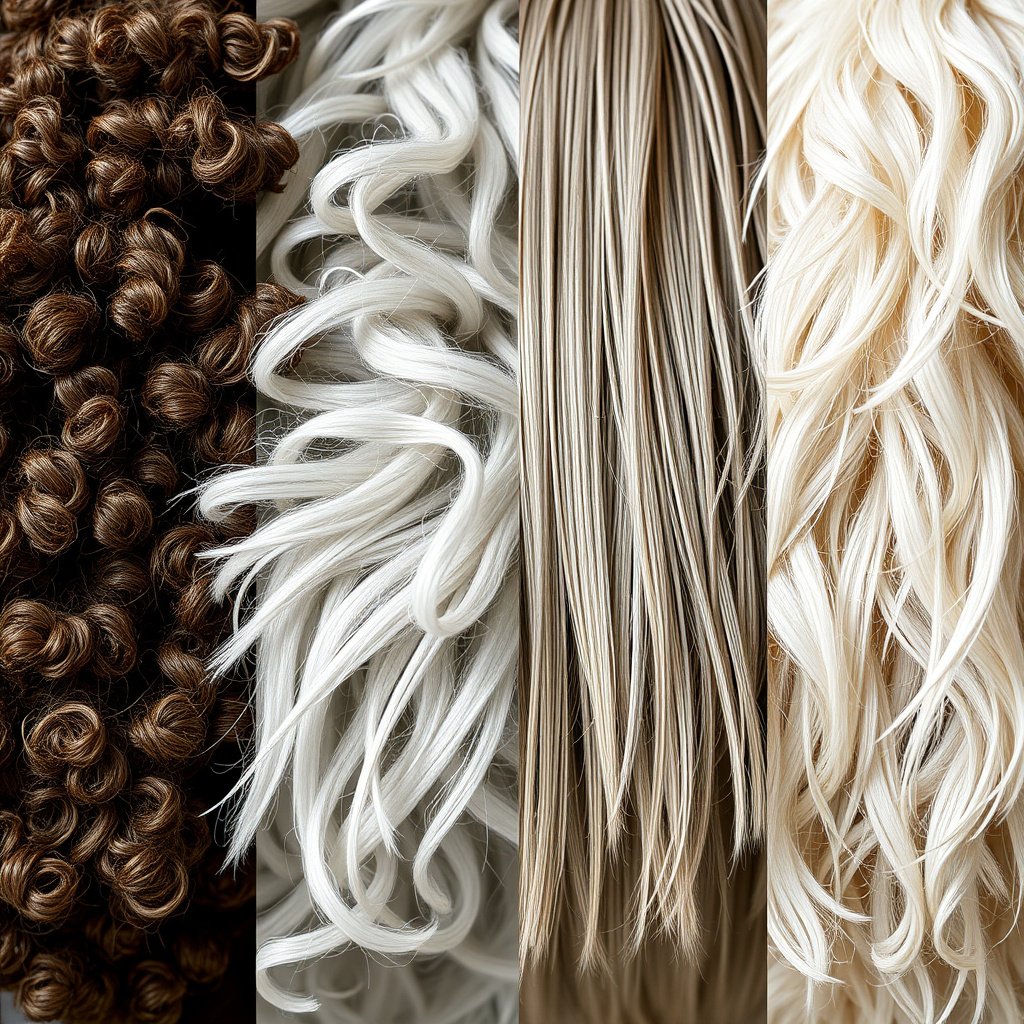
Common Dog Hair Types Explained
Dog hair varies widely across breeds and can be broadly categorized into types such as short, long, double coat, curly, and wiry hair. Each hair type demands specific grooming approaches to achieve effective results without damaging the coat.
For example, double-coated dogs like Huskies shed heavily and benefit from deshedding techniques, while curly-haired breeds like Poodles require frequent brushing to prevent tangles. Recognizing your dog’s hair type sets the foundation for successful grooming.
How Hair Type Influences Grooming Frequency
Dogs with short hair usually need less frequent grooming, often a weekly brush and occasional bath. Long-haired and thick-coated dogs generally require daily brushing to prevent mats and debris build-up.
Moreover, breeds with dense undercoats experience seasonal shedding and should be groomed more intensively during these periods. Adjusting the grooming routine according to hair type and shedding cycles ensures coat health.
- Short hair: weekly brushing
- Long hair: daily brushing
- Double coat: frequent seasonal grooming
- Curly hair: regular detangling and trimming
Essential Dog Grooming Tools and Their Uses
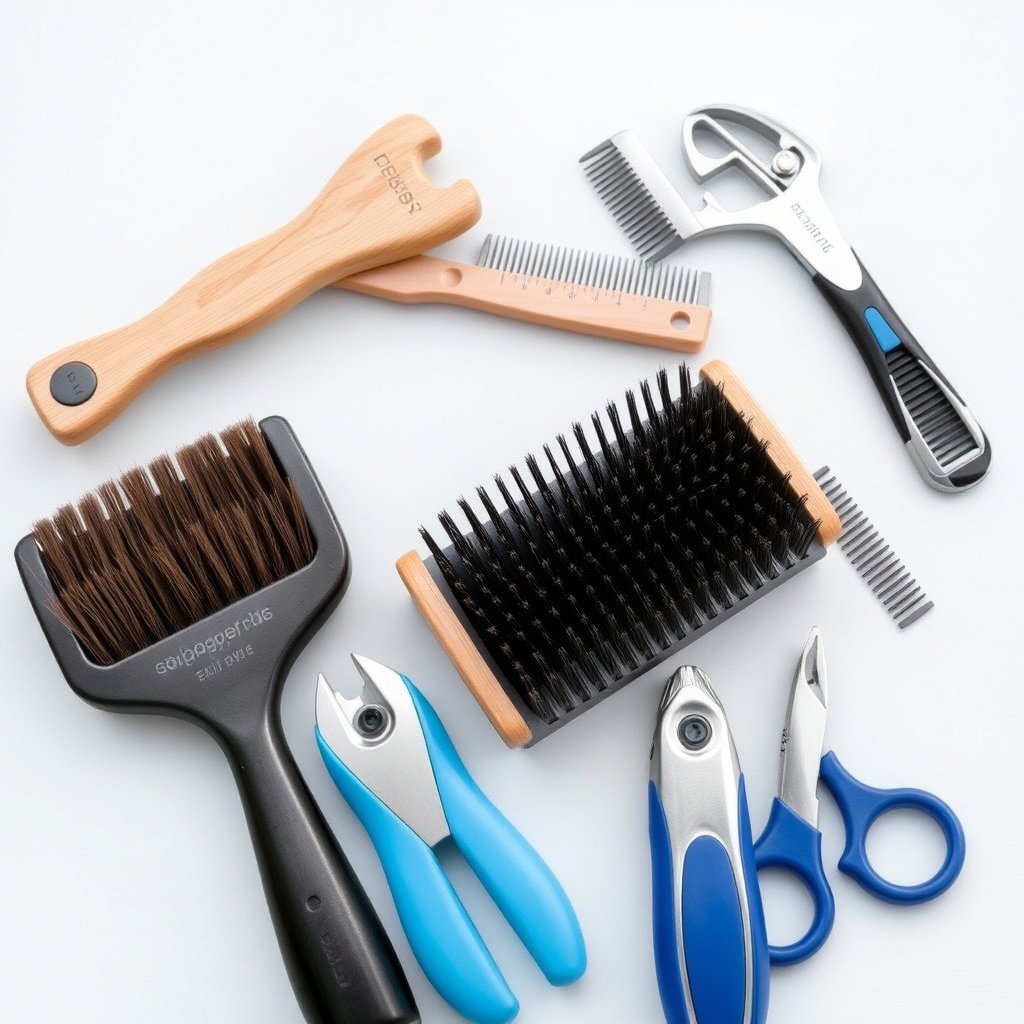
Choosing the Best Dog Grooming Tools
Selecting the right grooming tools depends on your dog’s hair type and coat condition. Common tools include slicker brushes for mats, deshedding tools for loose undercoat, pin brushes for long and curly coats, and combs for finishing touches.
Quality tools not only make grooming easier but also reduce discomfort for your dog. Investing in ergonomic, durable brushes and clippers contributes to a smooth grooming process.
- Slicker brush: removes mats and tangles
- Deshedding tool: reduces shedding
- Pin brush: for long and curly hair
- Comb: detail work and mat checks
Nail Clippers and Ear Cleaning Tools
Alongside coat grooming, regular nail trimming is essential to avoid discomfort and mobility problems. Nail clippers come in guillotine, scissor, and electric types, each with specific advantages.
Ear cleaning supplies like pads and solutions help prevent infections common in floppy-eared dogs. Proper ear care complements overall grooming to maintain your dog’s hygiene.
- Guillotine clippers: precise cutting
- Electric clippers: smooth trimming
- Ear cleaning solution: safe cleansing
- Cotton pads: gentle ear wipe
Effective Brushing Techniques to Groom Dog Hair
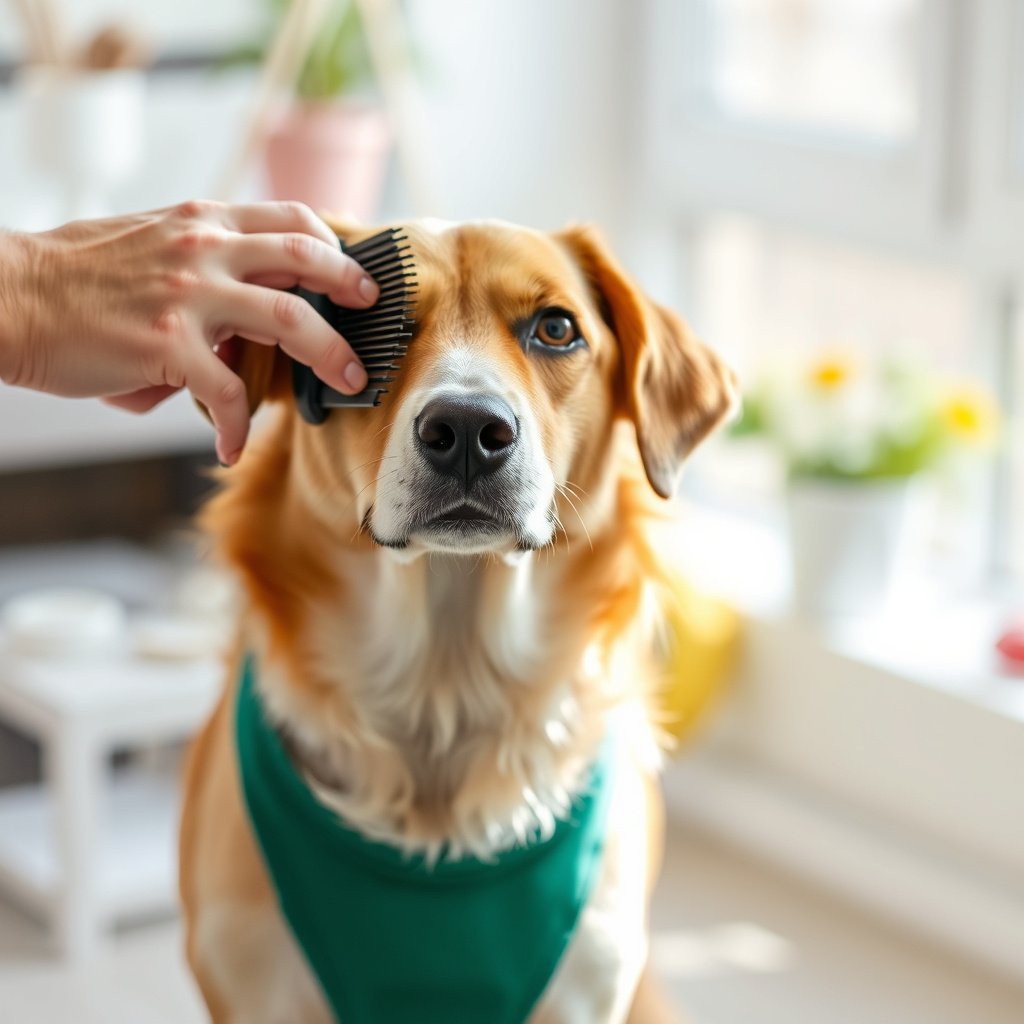
Step-by-Step Brushing Routine
Begin grooming by gently detangling your dog’s coat with a comb, focusing on problem areas like behind ears and under legs. Follow with a slicker or pin brush to remove loose hair and distribute natural oils.
Use slow, gentle strokes in the direction of hair growth to avoid discomfort. Regular brushing prevents mats that can irritate skin and harbor parasites.
- Start with a comb for detangling
- Brush with gentle strokes along hair growth
- Pay attention to sensitive areas
- Finish with a soft brush for shine
Dealing with Mats and Tangles Safely
When mats or tangles appear, work through them with patience using a detangling spray or conditioner. Hold the mat close to the skin to prevent pulling, and gently tease apart knots with fingers or a dematting tool.
Severe mats sometimes require trimming or professional help to avoid skin injury. Regular brushing minimizes mat formation and keeps grooming sessions comfortable.
- Use detangling sprays
- Avoid forceful pulling
- Trim severe mats carefully
- Seek professional grooming if needed
Bathing Your Dog Properly
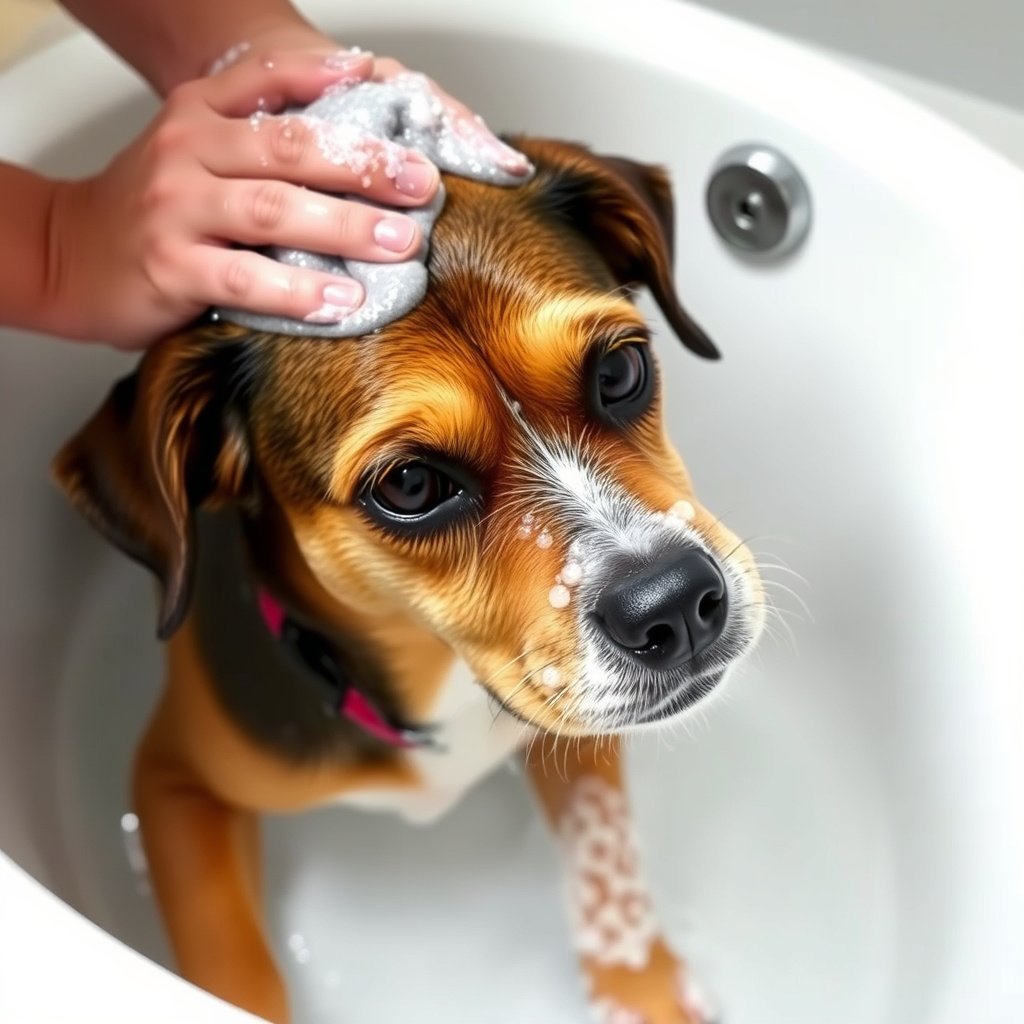
Choosing Shampoo and Bathing Frequency
Shampoo selection should suit your dog’s skin type and coat needs; hypoallergenic or moisturizing formulas are ideal for sensitive skin. Bath frequency varies: most dogs benefit from monthly baths, though active or dirty dogs may need more.
Avoid over-bathing, which can dry out the skin and strip natural oils critical for coat health. Always rinse thoroughly to remove residue that can irritate.
- Hypoallergenic shampoos for sensitive dogs
- Moisturizing shampoos for dry coats
- Bath about once a month usually
- Rinse carefully to prevent irritation
Bathing Step by Step
Start by brushing your dog’s coat to remove loose hair and tangles. Use lukewarm water and wet the coat thoroughly before applying shampoo. Massage shampoo gently throughout the coat, avoiding eyes and ears.
Rinse completely to remove all shampoo. Dry your dog with a towel and use a blow dryer on a low, cool setting if tolerated. Finish with a brush to smooth the coat.
- Brush before bathing
- Use lukewarm water
- Avoid sensitive areas
- Dry and brush after bath
Trimming and Clipping Dog Hair
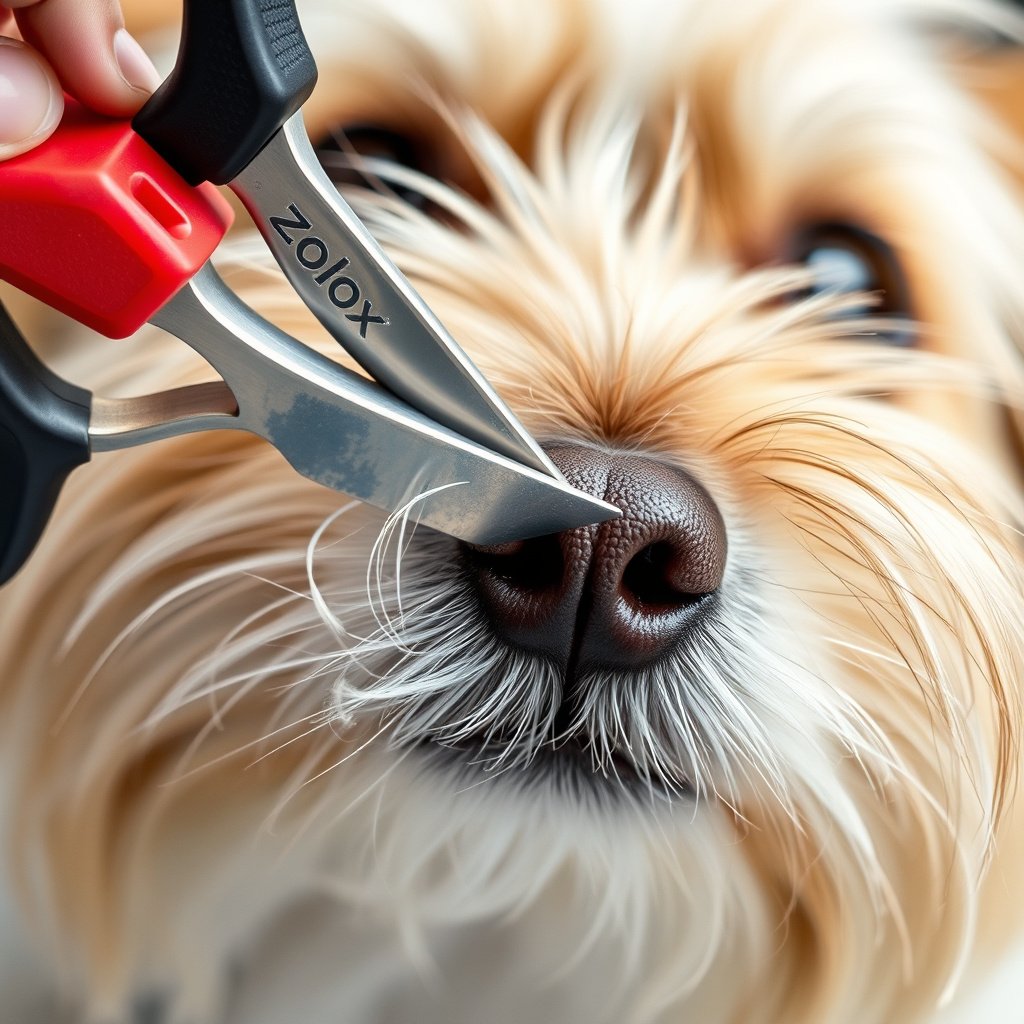
When and How to Trim Dog Hair
Trimming is necessary for breeds with continuously growing hair or when fur around the paws, eyes, or sanitary areas grows too long. Use blunt-ended scissors for safety and trim small amounts gradually to maintain shape.
Regular trimming prevents mats and improves hygiene. Practice on less sensitive areas to build your dog’s trust before attempting facial or paw trimming.
- Trim regularly for long-haired breeds
- Use blunt scissors for safety
- Trim paws and sanitary areas carefully
- Keep hair around eyes trimmed for visibility
Using Clippers Safely at Home
Electric clippers with appropriate guard attachments help manage thick or matted coats. Start slow and keep the blades cool to avoid burning the skin.
If your dog is anxious or the coat very dense, consider professional grooming. Home clipping requires patience and attention to avoid cuts or uneven results.
- Use guarded clippers for even cuts
- Move slowly to avoid skin irritation
- Keep clipper blades clean and cool
- Seek professional grooming for anxious dogs
Additional Grooming: Nails and Ears
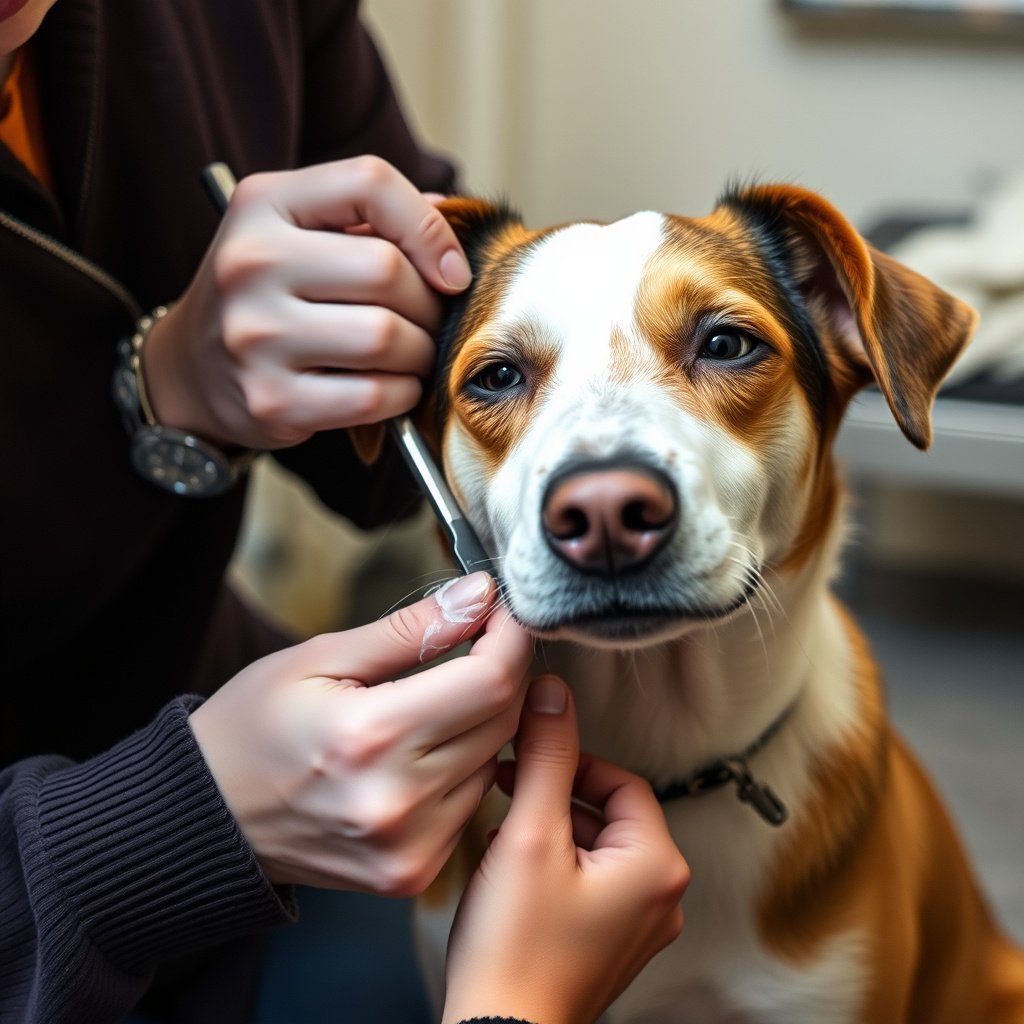
How to Trim Dog Nails Properly
Trimming nails prevents overgrowth that causes discomfort or injury. Use a sharp nail clipper and avoid cutting into the quick, which contains blood vessels and nerves.
If unsure, clip just the tip and gradually shorten nails over time. Filing rough edges smoothes nails after cutting. Take breaks if your dog becomes restless.
- Clip small nail tips
- Avoid quick to prevent bleeding
- File rough edges after clipping
- Be patient and gentle
For more detailed insights, visit Dog grooming practices on Wikipedia. Dog grooming practices on Wikipedia.
Cleaning Your Dog’s Ears Safely
Regular ear cleaning reduces infection risk, especially for floppy-eared breeds. Use vet-approved ear cleaning solution and cotton balls or pads to wipe the inner ear gently.
Avoid inserting objects deep into the ear canal. Clean ears weekly or as needed based on your dog's activities and breed.
- Use gentle ear cleaning solution
- Wipe inner ear with cotton pads
- Do not insert objects deep in ear
- Clean ears weekly or as needed
Dog Grooming Category Comparison
This table compares different dog grooming categories based on maintenance needs, cost, and suitability for various breeds.
| Grooming Category | Maintenance Frequency | Average Cost per Session | Suitable Breeds |
|---|---|---|---|
| Basic Brushing | Weekly | $0 – $20 (DIY) | Short to medium coat breeds |
| Professional Grooming | 4-8 weeks | $50 – $90 | Long-haired and dense coats |
| At-home Clipping | As needed | $30 – $100 (tools initial) | Medium to long-haired breeds |
| Nail and Ear Care | Monthly | $10 – $30 (DIY or vet) | All breeds |
Frequently Asked Questions
How often should I groom my dog?
Grooming frequency varies by hair type and breed; short-haired dogs generally require weekly brushing, while long or curly coats may need daily care to prevent mats.
Can I use human shampoo on my dog?
Human shampoos can irritate a dog’s skin because of different pH levels; always use products specifically formulated for dogs.
What's the best way to prevent mats in dog hair?
Regular brushing using appropriate tools, detangling mats gently, and keeping your dog’s coat clean and dry help prevent mat formation.
How do I safely trim my dog’s nails at home?
Use sharp nail clippers, trim small amounts to avoid cutting the quick, and file the edges; stop if you see bleeding and consult a vet if unsure.
Is professional grooming necessary for all dogs?
Not all dogs require professional grooming; however, dogs with thick, long, or curly coats often need it to maintain coat health and manage difficult trims.
Key Takeaways
- Regular grooming maintains your dog’s coat health and comfort.
- Tool choice depends on your dog’s specific hair type.
- Gentle, consistent brushing prevents mats and tangles.
- Bathing and trimming complement coat grooming for overall hygiene.
Conclusion
Understanding how to groom dog hair well requires recognizing your dog’s breed-specific coat characteristics and tailoring your routine accordingly. Maintaining a consistent schedule with proper brushing, bathing, and trimming helps your dog stay comfortable and healthy. Grooming goes beyond appearance; it supports skin health, reduces shedding, and creates a bonding experience.
For dogs with short hair, weekly brushing combined with occasional bathing is usually sufficient. Long-haired and double-coated breeds benefit from daily brushing and professional grooming sessions every month or two to manage mats and heavy shedding effectively. Choosing suitable grooming tools, such as slicker brushes or deshedding tools, significantly influences results and ease of maintenance.
Starting with basic grooming at home and gradually including nail and ear care rounds out your dog’s hygiene. If you feel overwhelmed or your dog’s coat is difficult to manage, consulting a professional groomer is a practical next step. Implementing a thoughtful grooming routine tailored to your dog’s hair type will keep your furry companion looking and feeling their best year-round.


2 Comments