
Where Can I Wash My Dog Myself? Easy DIY Dog Washing Options
Washing your dog yourself is possible in several convenient locations depending on your living situation and available resources. Common DIY dog washing spots include your bathroom, backyard, garage, or even local self-service dog wash stations. Each option offers different benefits suited to various dog sizes, breeds, and owner preferences.
DIY dog washing matters because regular cleaning promotes your pet’s health by reducing dirt and allergens while allowing you to bond through grooming. Using a suitable location also helps prevent messes inside your living areas and ensures your dog feels comfortable throughout the wash.
This article covers practical locations for washing your dog yourself, how to prepare these spaces properly, key tools and supplies to gather, and tips for managing different dog temperaments during the bath. Additionally, we will compare pros and cons of various setups to help you pick the best place to wash dogs according to your needs.
Home Bathroom Setups for Washing Your Dog
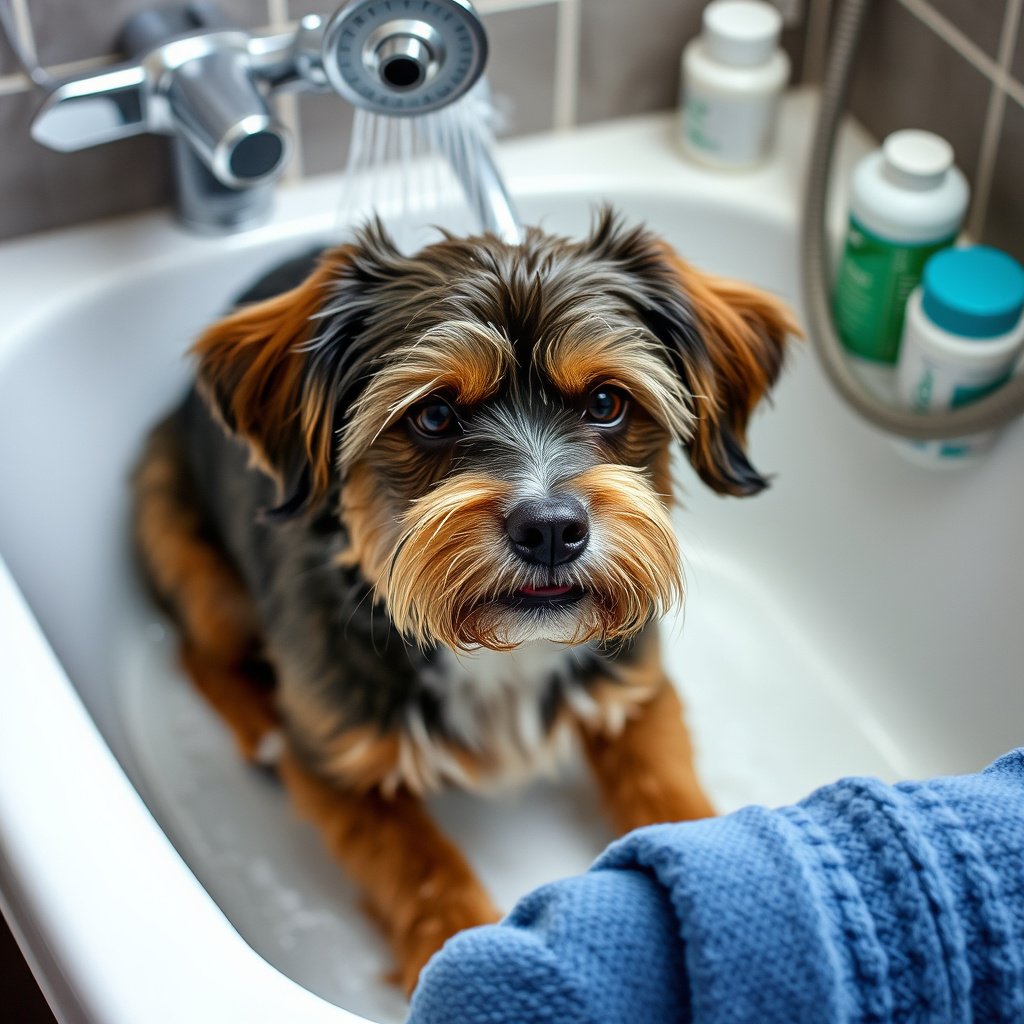
Using the Bathtub for Dog Washing
The bathtub is one of the most common spots for washing dogs at home due to its size and access to warm water. Using a handheld showerhead or a detachable hose attachment makes rinsing easier and more thorough. Non-slip mats inside the tub improve your dog's footing to prevent slipping.
Prepare by removing anything that could be damaged by water or shampoo. Lay towels nearby for drying and have dog shampoo and conditioner ready. Bathtubs are best suited for small to medium-sized dogs and require careful handling of water temperature to avoid discomfort.
- Use lukewarm water around 37-39°C (98-102°F)
- Place non-slip mat in tub
- Keep towels handy for quick drying
Washing Your Dog in a Shower Stall
Shower stalls offer a vertical space to wash dogs, ideal for small breeds or puppies. A detachable shower spray helps direct water thoroughly and minimize stress by controlling water flow more precisely. Shower stalls typically have better drainage than tubs which helps speed up cleanup.
Limit bath time to avoid chills and keep the dog calm to prevent slipping on tile. Adding a rubber mat helps with grip. Shower stalls may feel cramped for larger dogs, so weigh comfort against convenience when choosing this option.
- Use detachable showerhead for controlled rinsing
- Add rubber mat for traction
- Keep bath duration short
Outdoor Washing Options: Backyard and Garage
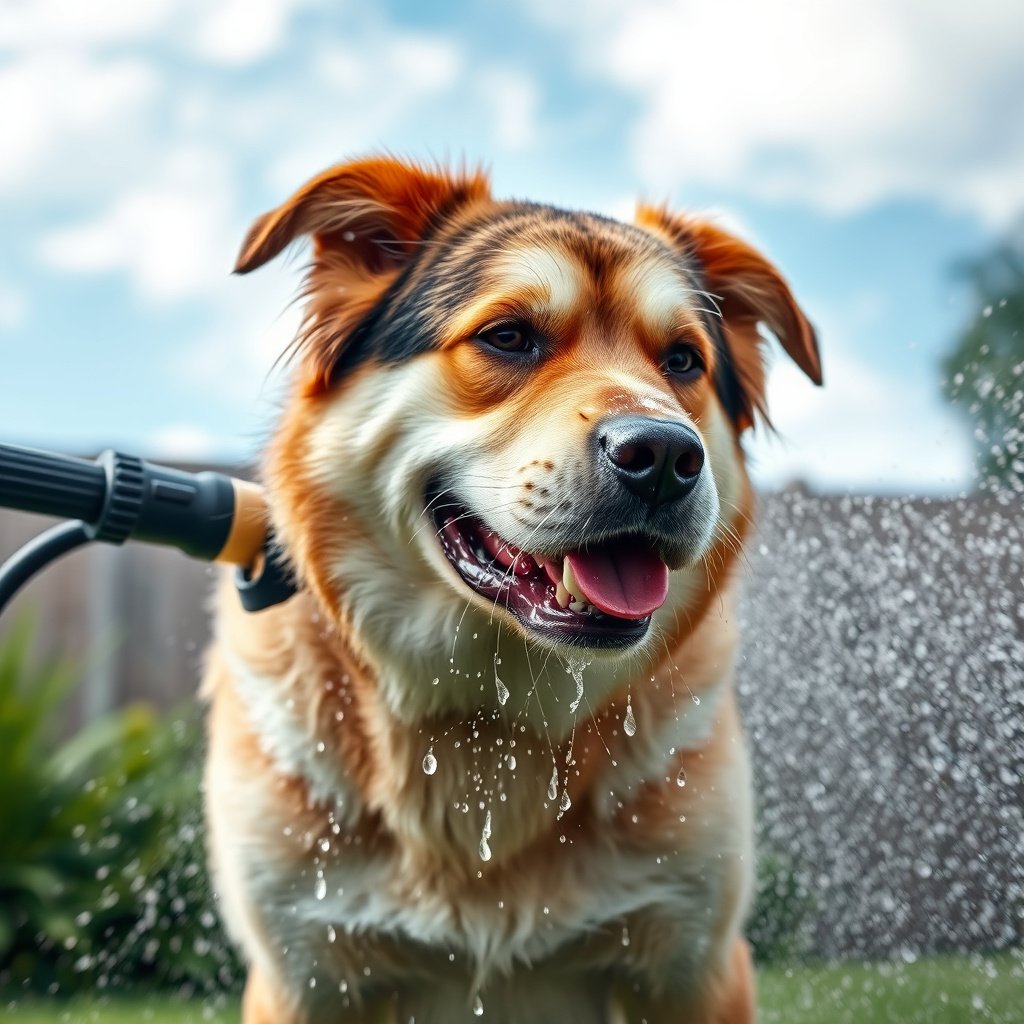
Backyard Dog Washing
Using your backyard is excellent for dogs who enjoy water outdoors or for washing large breeds. A hose with a spray attachment lets you clean thoroughly while your dog plays and feels less confined. Choose mild weather days and avoid windy or cold conditions to keep your pet comfortable.
Set up a portable pet washing station or simply use a gentle spray nozzle. Have towels and a brush nearby for drying and grooming immediately after. A backyard wash also allows you to rinse off mud or allergens before entering your home, reducing indoor mess.
- Use hose with gentle spray nozzle
- Pick warm, calm weather days
- Prepare drying area nearby outdoors
Garage or Utility Sink Washing
For those with garages or utility sinks, these spots offer an indoor alternative that protects against outdoor elements. Garage floors usually handle water splashes better than living rooms or kitchens, and a utility sink's depth allows for washing small to medium dogs with ease.
Make sure to clean the area after washing to keep it sanitary. Use warm water and soft brushes designed for pets. This setup is a balance between contained space and convenience, working well if weather is not ideal for backyard washing.
- Choose utility sink for small dogs
- Keep garage floor draining well
- Sanitize area after bath
Self-Service Dog Wash Stations Near You
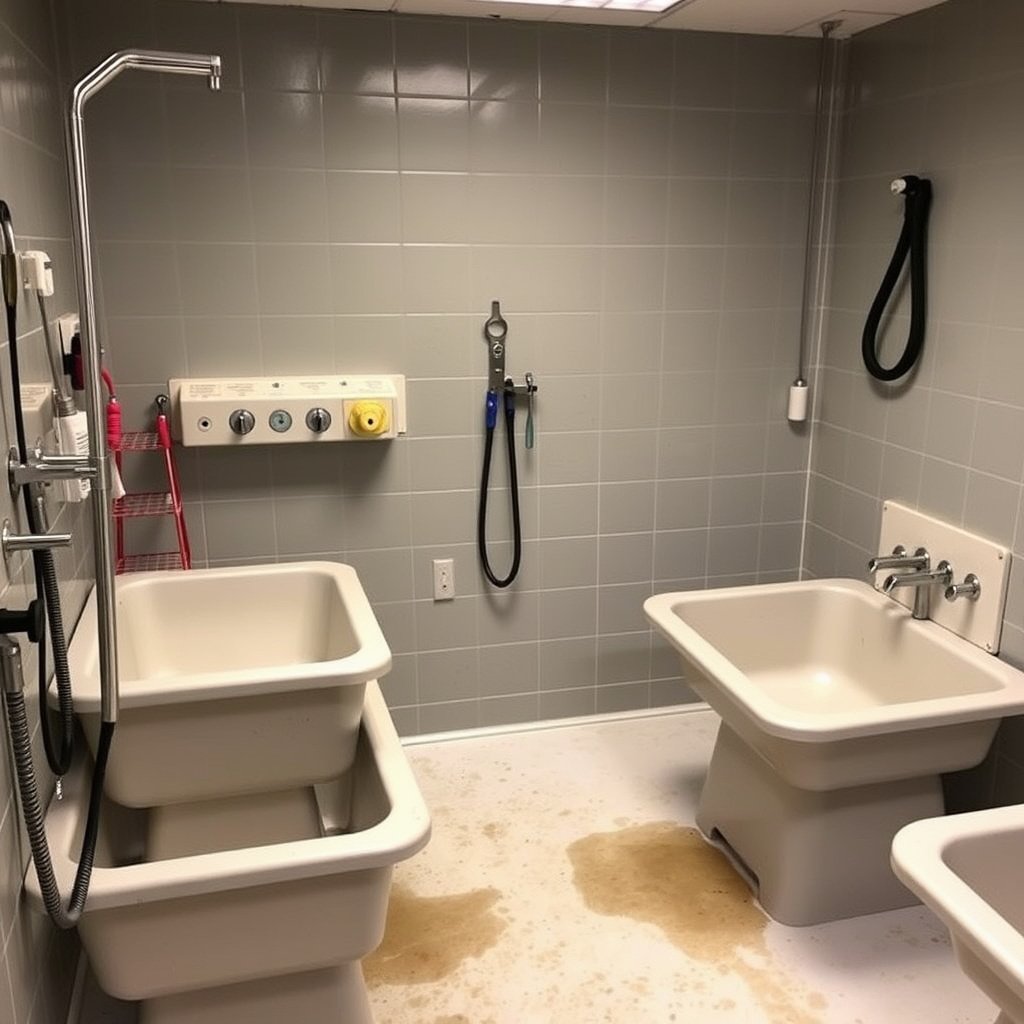
What Are Self-Service Dog Wash Stations?
Self-service dog wash stations are commercial facilities that provide tubs, water supply, shampoos, and grooming tools for customers to bathe dogs themselves. They cater especially to dog owners lacking convenient washing spaces at home or those with large or multiple dogs.
These stations often feature elevated tubs to reduce back strain and heavy-duty water sprays ideal for thorough rinsing. Pricing is usually hourly or pay-per-use, offering a cost-effective alternative to professional grooming. Availability varies by location, so checking local listings is recommended.
- Elevated tubs for ergonomic washing
- Provided shampoos and grooming supplies
- Pay-per-use pricing
Benefits and Drawbacks of Self-Service Stations
Benefits include ease of access, no cleanup at home, and professional-grade washing equipment. They also reduce water use compared to a household hose setup by controlling flow rates effectively. However, busy hours might mean waiting times, and some dogs might find the environment stressful.
Additionally, costs add up with frequent use, and some locations have size or breed restrictions. It’s important to bring your own towels and favorite shampoos if you prefer certain products. These stations are particularly useful for city dwellers without yards.
- No home cleanup required
- Professional equipment available
- Possible wait times and usage fees
Setting Up the Best Place to Wash Dogs at Home
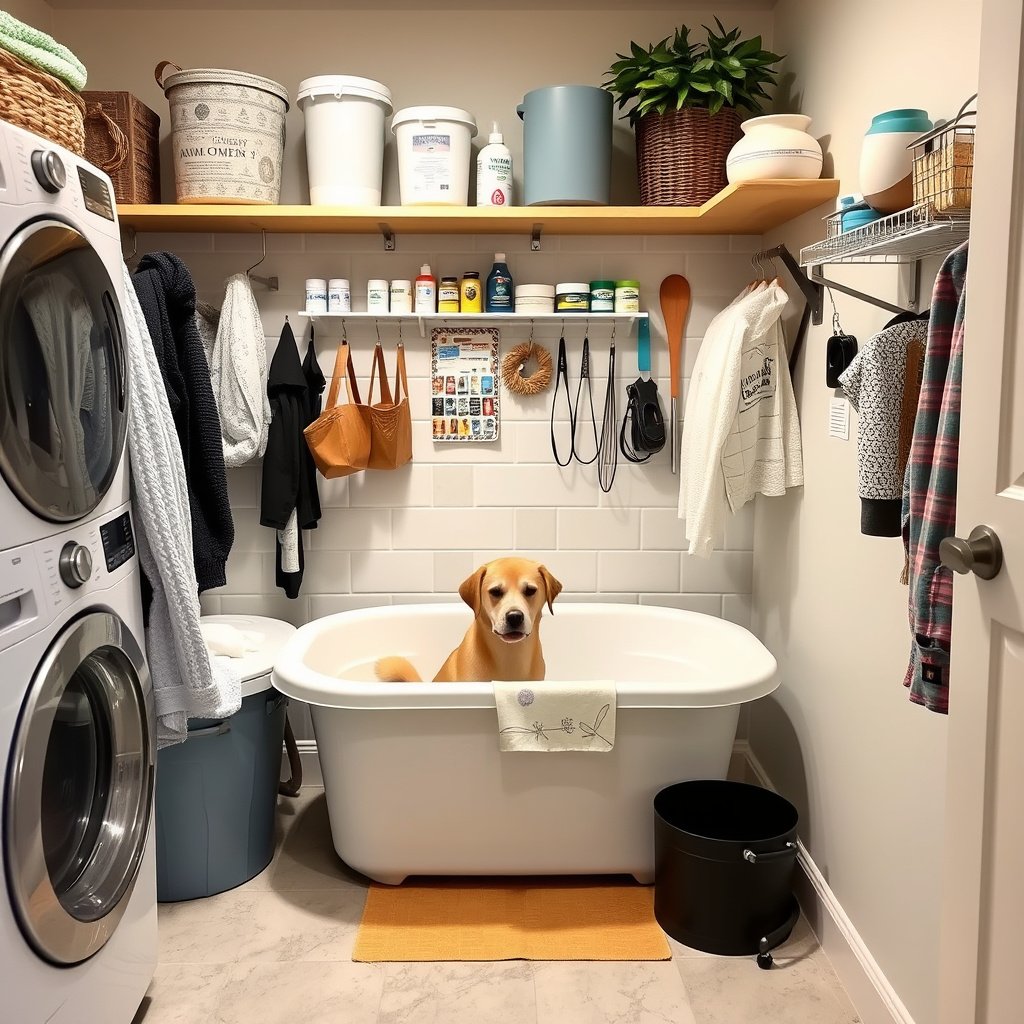
Choosing the Right Location Indoors
Selecting the right at-home spot depends on your dog size, your home's layout, and your comfort with cleanup. Bathrooms and utility rooms are common choices because of plumbing access and water containment. Small dogs do well in sinks or shower stalls, while larger dogs need tubs or designated laundry areas.
Consider ease of cleaning and drainage. Proximity to hot water enhances comfort. If you have more than one dog or plan frequent washing, you might invest in a portable pet bathtub that can be set up and stored with minimal fuss.
- Prioritize access to warm water
- Ensure good drainage and easy cleanup
- Use portable tubs for flexibility
Necessary Supplies for DIY Dog Washing
Gathering the right supplies makes washing your dog more effective and less stressful. Essentials include dog-specific shampoo and conditioner, a non-slip mat, towels, brush or comb, and a handheld sprayer or hose attachment if possible.
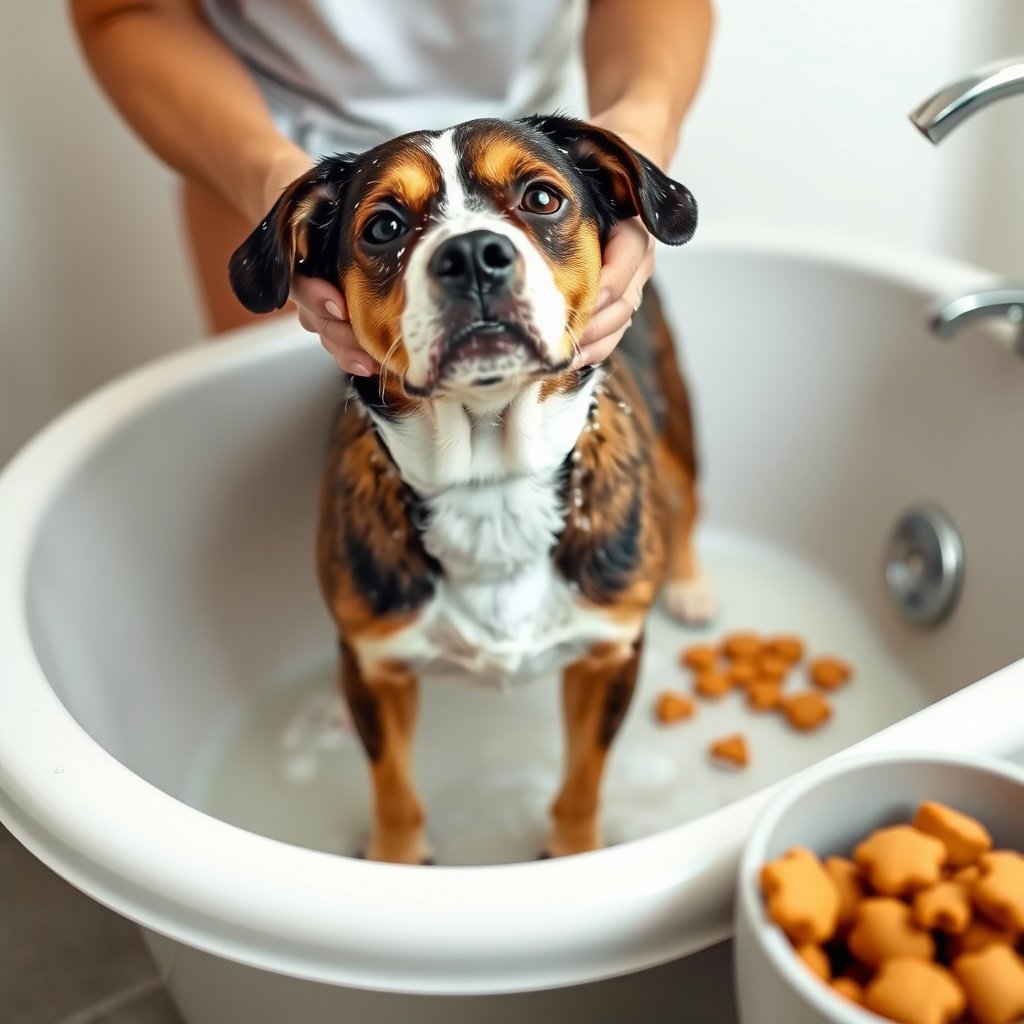
Having treats handy also helps reward calm behavior during washing. Avoid human shampoos as they can irritate canine skin. Organize supplies within arm’s reach to minimize interruptions and keep your dog secure throughout.
- Dog shampoo and conditioner
- Non-slip mats and towels
- Handheld sprayer or hose attachment
- Brushes and treats
Managing Your Dog’s Behavior During Washing
Techniques to Calm Anxious Dogs
Many dogs feel uneasy during baths due to water noise or unfamiliar sensations. To help, introduce water gradually and use soothing talk throughout. Distract your dog with treats or toys and take breaks if the animal shows signs of stress.
Gentle but firm handling reassures without causing fear. Praise frequently and avoid forcing the dog if resistance increases. Consistent washing routines build trust and reduce anxiety over time.
- Introduce water slowly
- Use treats and praise generously
- Avoid rushing or forcing the dog
Keeping Larger Dogs Safe and Controlled
Large dogs require more control to prevent slipping or sudden movement accidents during washing. Use non-slip surfaces and secure collars or harnesses designed for bathing. Having a second person help can ease handling and make rinsing more thorough.
Training your dog to stand calmly with commands also improves safety. Never leave large dogs unattended in washing areas to avoid injury or damage.
- Use non-slip mats and secure restraints
- Have assistance when possible
- Train standing commands during bath
Drying and Aftercare: Final Steps at Home
Efficient Drying Methods for Dogs
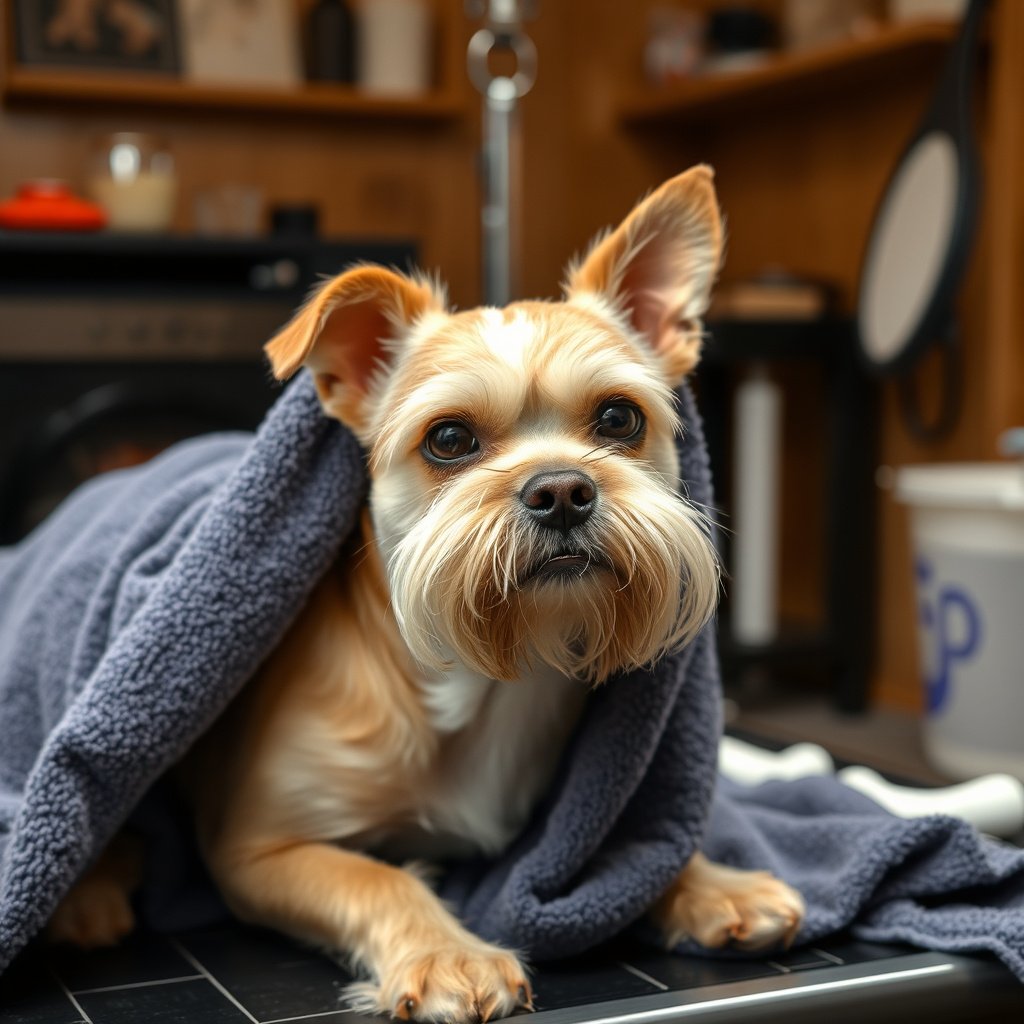
Drying your dog thoroughly prevents skin irritation and keeps coats healthy. Use absorbent towels first to blot excess water carefully. For dogs comfortable with noise, a pet-safe blow dryer on low heat can speed drying but keep it moving constantly to avoid burns.
For long-haired breeds, combing during drying detangles fur and helps remove loose hair. Air drying is fine in warm, low-humidity environments but can take longer and increase dirt accumulation post-bath.
- Use multiple towels if needed
- Blow dry on cool/low setting carefully
- Comb fur while drying
For more guidance on safely and effectively washing your dog, check out detailed dog bathing tips on the American Kennel Club website. dog bathing tips on the American Kennel Club.
Post-Wash Skin and Coat Care
After drying, check your dog’s skin for dryness or irritation. Applying a grooming spray or skin moisturizer recommended by a vet can soothe sensitive areas. Regular brushing maintains coat health and removes remaining loose fur and dander.
Monitor your pet for any unusual reactions from shampoo or water exposure. Maintaining a consistent washing and grooming routine keeps your dog looking great and feeling comfortable.
- Apply vet-approved skin conditioners
- Brush regularly to maintain coat
- Watch for skin irritation
Comparison of Popular DIY Dog Washing Locations
Here’s a quick overview to help you compare common at-home and public dog washing options based on convenience, dog size, cost, and ease of cleanup.
| Location | Best Dog Size | Setup Complexity | Cost | Cleanup Effort |
|---|---|---|---|---|
| Bathroom Bathtub | Small to Medium | Medium | Low | Medium |
| Shower Stall | Small | Medium | Low | Low |
| Backyard Hose | Medium to Large | Low | Low | Medium |
| Garage/Utility Sink | Small to Medium | Medium | Low | Medium |
| Self-Service Station | All Sizes | Minimal | Medium | Minimal |
Frequently Asked Questions
Can I wash my dog in the kitchen sink?
Small dogs and puppies can be washed in the kitchen sink if the area is clean and water temperature is carefully controlled. It’s best for dogs under 20 pounds and requires thorough cleaning afterward to avoid food contamination.
How often should I wash my dog at home?
Washing frequency depends on your dog’s breed, activity level, and skin condition, but generally every 4 to 6 weeks is sufficient to maintain cleanliness without drying out skin or coat.
Are self-service dog wash stations safe for all dogs?
Most self-service stations accommodate dogs of all sizes but check with individual locations for breed or size restrictions. Ensure your dog is comfortable in public spaces to avoid stress during washing.
What supplies do I need to wash my dog myself?
Essential supplies include dog shampoo, conditioner, towels, a non-slip mat, a brush, and preferably a handheld sprayer or hose attachment for thorough rinsing.
How can I keep my dog calm during a bath?
Use calm, reassuring tones, introduce water slowly, offer treats, and take breaks if needed. Establishing a routine and gentle handling helps most dogs acclimate over time.
Key Takeaways
- Bathrooms and backyards are common convenient DIY dog washing spots
- Self-service stations provide equipment and minimize cleanup but may have usage fees
- Proper supplies and patience improve your dog’s washing experience
- Drying and aftercare prevent skin issues and maintain coat health
Conclusion
Deciding where to wash your dog yourself depends on factors like your dog’s size, your home's space, and convenience. Whether indoors or outdoors, selecting a spot with easy water access and proper drainage reduces mess and makes washing less stressful for both you and your pet. Considering your dog's temperament also guides the choice of environment where they feel most relaxed. Preparing the area in advance with all necessary supplies saves time and helps maintain a smooth routine over the long term.
For smaller dogs, the bathroom bathtub or shower stall often works well with minimal setup and cleanup. Larger dogs benefit from backyard hose setups or garage utility sinks that offer space and temperature control. If at-home options are limited, local self-service dog wash stations provide raised tubs and professional tools that make washing easier with less mess. Each choice combines factors like cost, comfort, and ease, providing flexible solutions depending on your lifestyle and your pet’s needs.
To start, assess your living space and gather dog-specific shampoo, grooming tools, and non-slip equipment. Try washing your dog in one or two practical locations to find what suits your pet the best. With some preparation and patience, washing your dog yourself can become an enjoyable bonding activity that keeps your furry friend clean, healthy, and happy.



One Comment