How to Cut My Dog’s Hair: A Step-by-Step Guide for Safe Grooming
Cutting your dog's hair at home can be done safely with the right tools and techniques. Start with clean, dry fur, select appropriate grooming scissors or clippers, and work slowly in small sections to avoid causing discomfort or injury to your dog. Regularly check your dog's skin throughout the process.
Maintaining your dog's coat length not only helps with hygiene and comfort but also prevents matting and overheating, particularly in warmer seasons. Learning how to cut your dog's hair yourself can save money and allow you to monitor your dog’s overall skin and coat health more closely.
This guide covers essential preparation steps, recommended tools including the best dog grooming clippers, specific haircutting techniques for different breeds and coat types, and safety tips to keep your dog calm and comfortable during grooming sessions.
Preparing to Cut Your Dog's Hair
Choosing the Right Tools
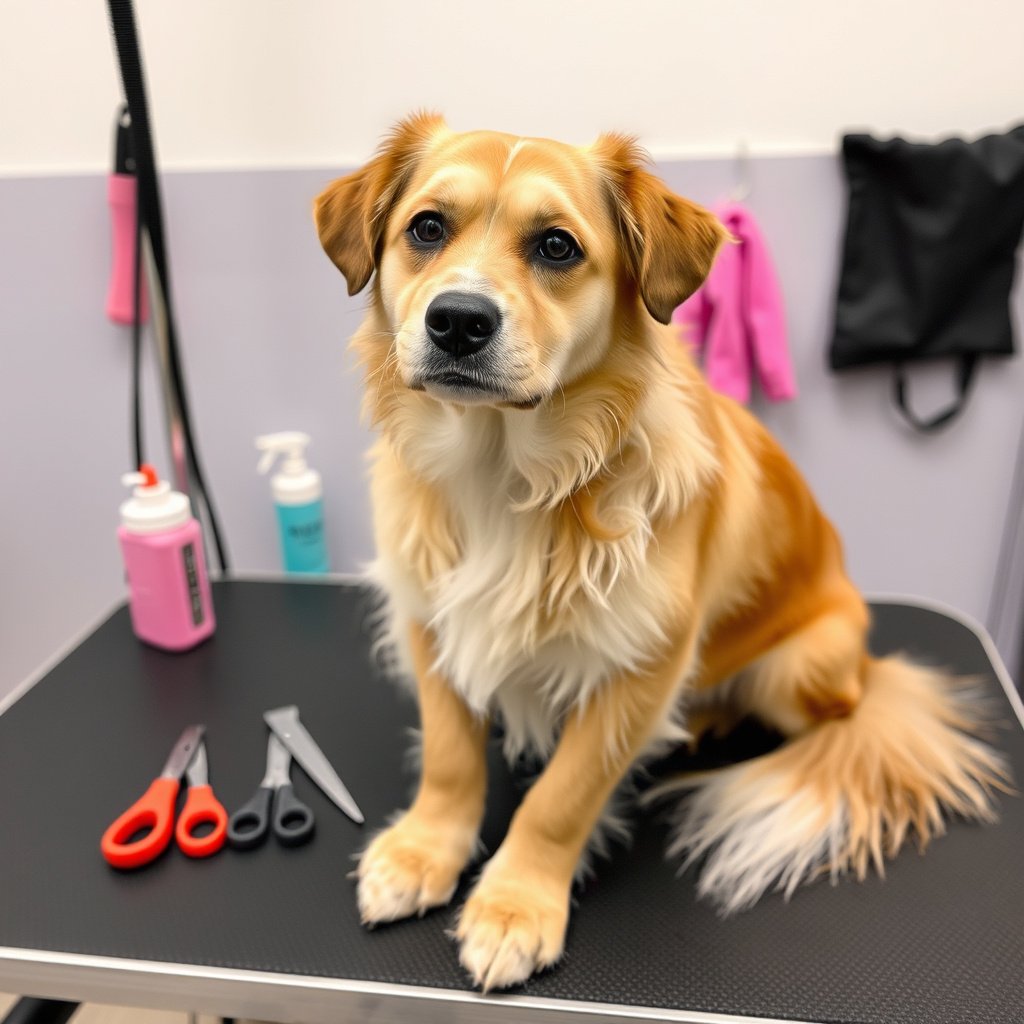
Selecting the right tools is crucial for a stress-free haircut. Depending on your dog's coat type, you may need scissors, thinning shears, or electric clippers. Quality dog grooming clippers with adjustable blades can make trimming faster and more even.
Avoid using human scissors or clippers because they are not designed for fur textures and can pull on your dog's coat. Invest in grooming tools designed specifically for dogs to ensure smoother cuts and better control.
- Dog grooming scissors and thinning shears
- Adjustable electric dog clippers
- Comb and slicker brush
- Detangling spray for matted hair
Preparing Your Dog and Workspace
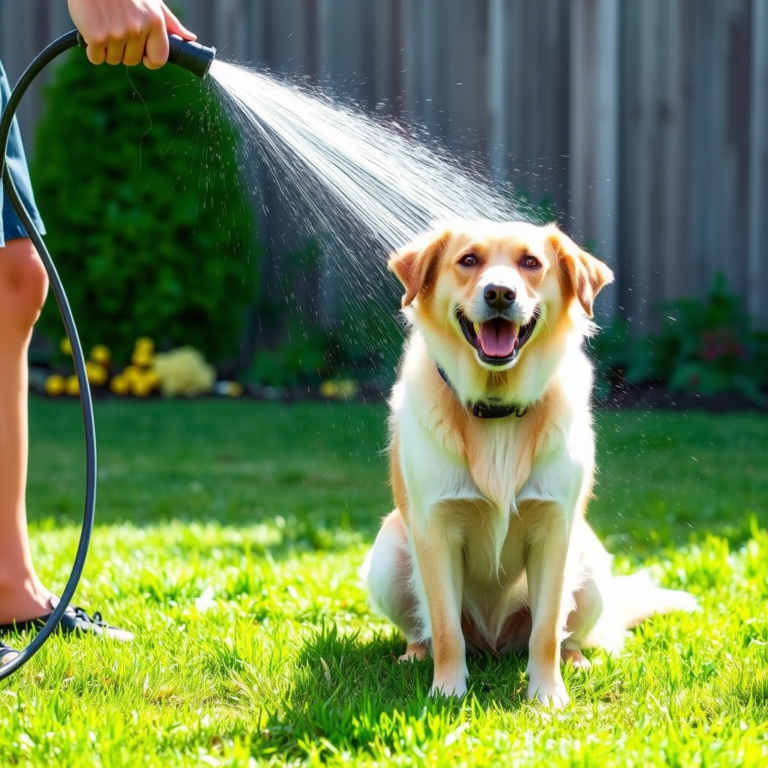
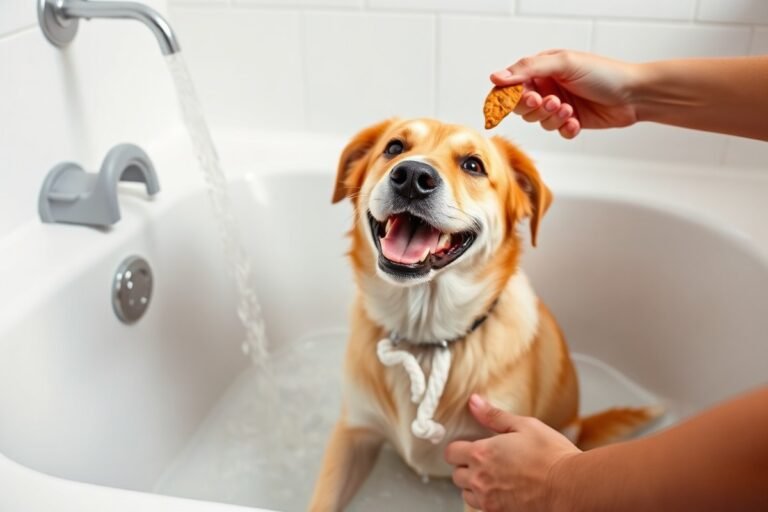
Before cutting, bathe and thoroughly dry your dog to remove dirt and oil that can interfere with cutting. A clean coat is easier to trim evenly. Choose a quiet, well-lit area where your dog feels comfortable to reduce anxiety.
Gather all tools within reach and have treats ready to reward your dog for good behavior. Use a non-slip surface or grooming table to keep your dog steady. Gradually introduce grooming tools to your pet before starting the cut.
- Bathed and dried coat
- Quiet grooming area with good lighting
- Non-slip surface or grooming table
- Treats and positive reinforcement
Cutting Techniques for Different Coat Types
Trimming Short-haired Breeds
Short-haired dogs require gentle trimming to maintain a neat appearance without removing too much fur, which protects their skin. Use scissors sparingly, focusing on shaping areas like around the ears, paws, and tail.
Clippers with longer guard combs can be used for an even trim. Work against the grain of the hair to avoid uneven cuts while moving the clipper smoothly to prevent skin irritation.
Grooming Long-haired and Curly-coated Dogs
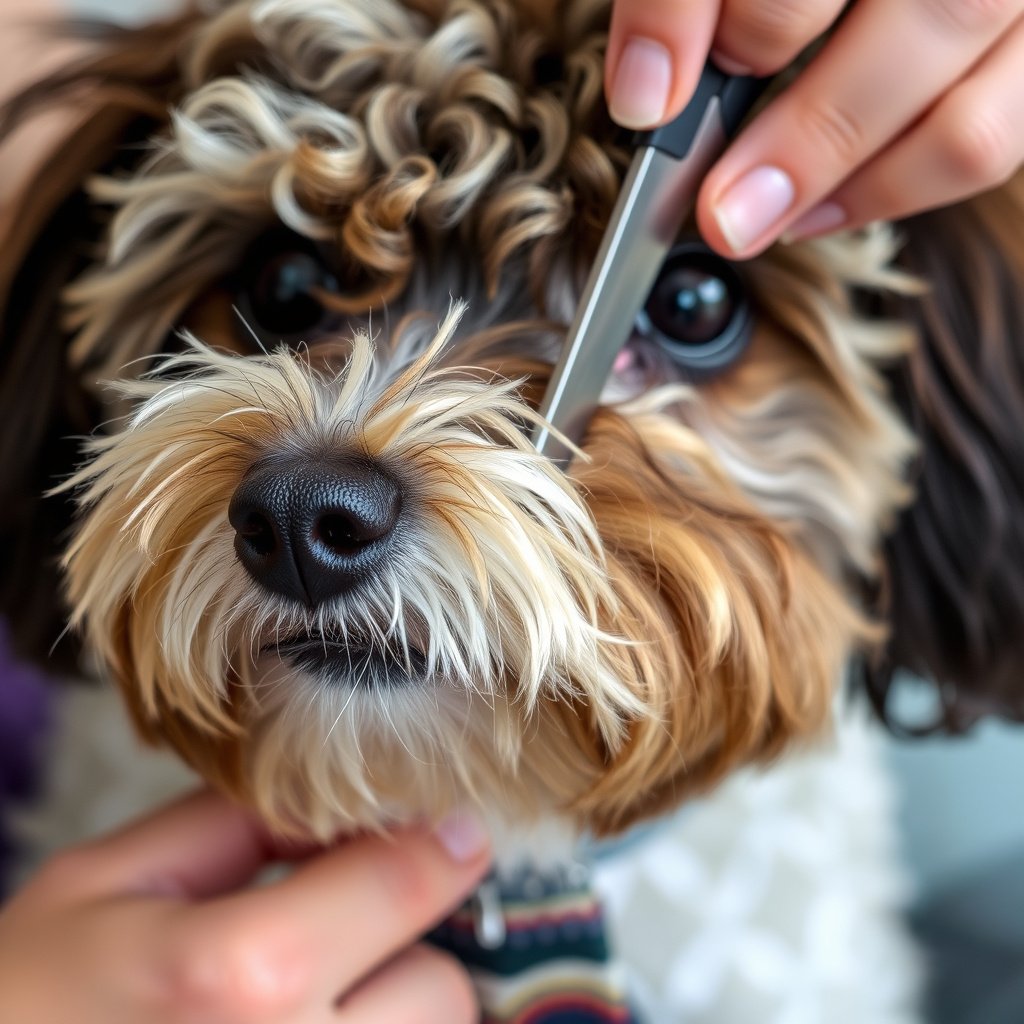
Long-haired and curly-coated dogs need more frequent trims to prevent mats. Detangle hair with a slicker brush before cutting. Use thinning shears to blend layers and maintain a natural look without harsh lines.
For curly coats, avoid cutting too close to the skin to prevent irritation. Clip around sensitive areas carefully and regularly check your dog's comfort during the process.
Safety Tips While Cutting Your Dog's Hair
Keeping Your Dog Calm During Grooming
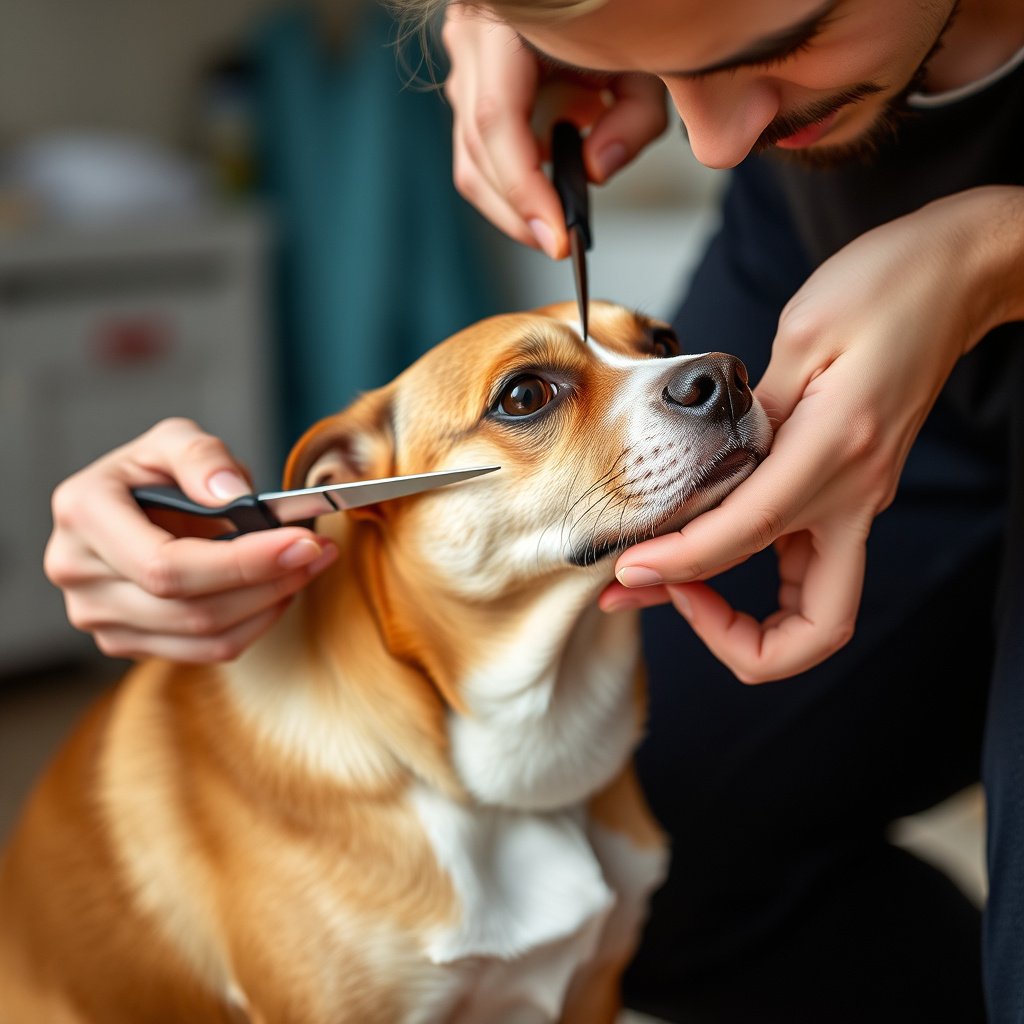
Remain calm and speak soothingly to your dog throughout the grooming session. Frequent breaks and treats help keep your dog relaxed. Never force your dog to stay still, as sudden movements could lead to cuts.
If your dog becomes anxious, stop and try again later or consider professional grooming if necessary to avoid distress or injury.
- Use treats for positive reinforcement
- Take breaks if dog shows stress
- Avoid sudden movements
- Create a calm environment
Avoiding Common Injuries
Always be aware of your dog’s skin, especially around thin areas like ears, belly, and paws, to avoid cutting or nicking. Use slow, deliberate movements with scissors or clippers, and never rush.
Keep clipper blades clean and sharp; dull blades can pull hair and cause discomfort. If unsure about cutting near sensitive areas, seek professional assistance.
Aftercare Post Haircut
Brushing and Checking for Skin Issues
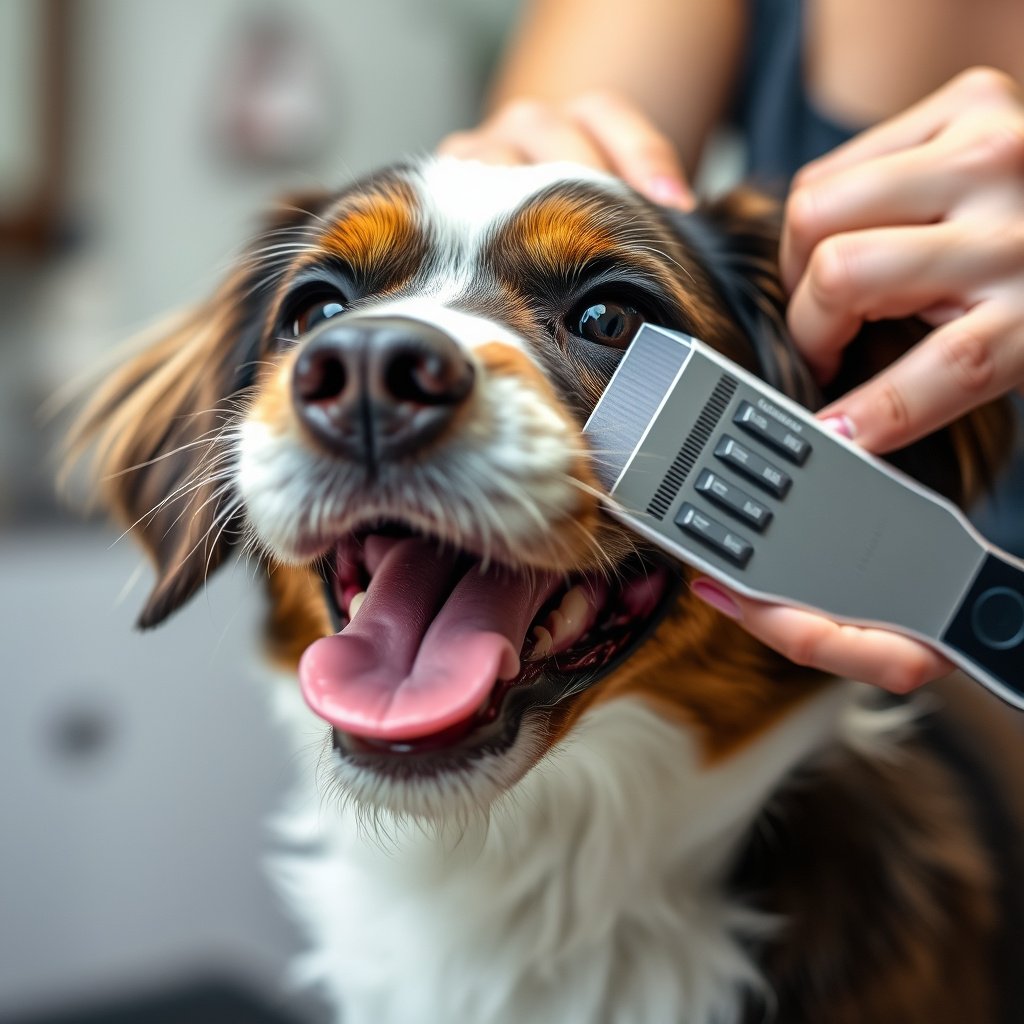
After the haircut, gently brush your dog's coat to remove loose hairs and to check for any skin irritations or cuts that might have occurred during trimming. Proper brushing distributes natural oils, keeping the coat healthy.
Early detection of skin problems allows for prompt treatment, which is crucial for your dog’s well-being.
- Use soft brush for sensitive skin
- Check for redness or swelling
- Apply moisturizing spray if coat feels dry
Rewarding and Comforting Your Dog
Praise your dog warmly and provide a favorite treat or playtime after grooming to associate haircuts with positive experiences. This helps in reducing anxiety in future sessions.
Consider a relaxing massage to soothe any muscle tension and strengthen your bond.
Choosing Professional Grooming Versus Home Haircuts
When to Use Professional Grooming Services
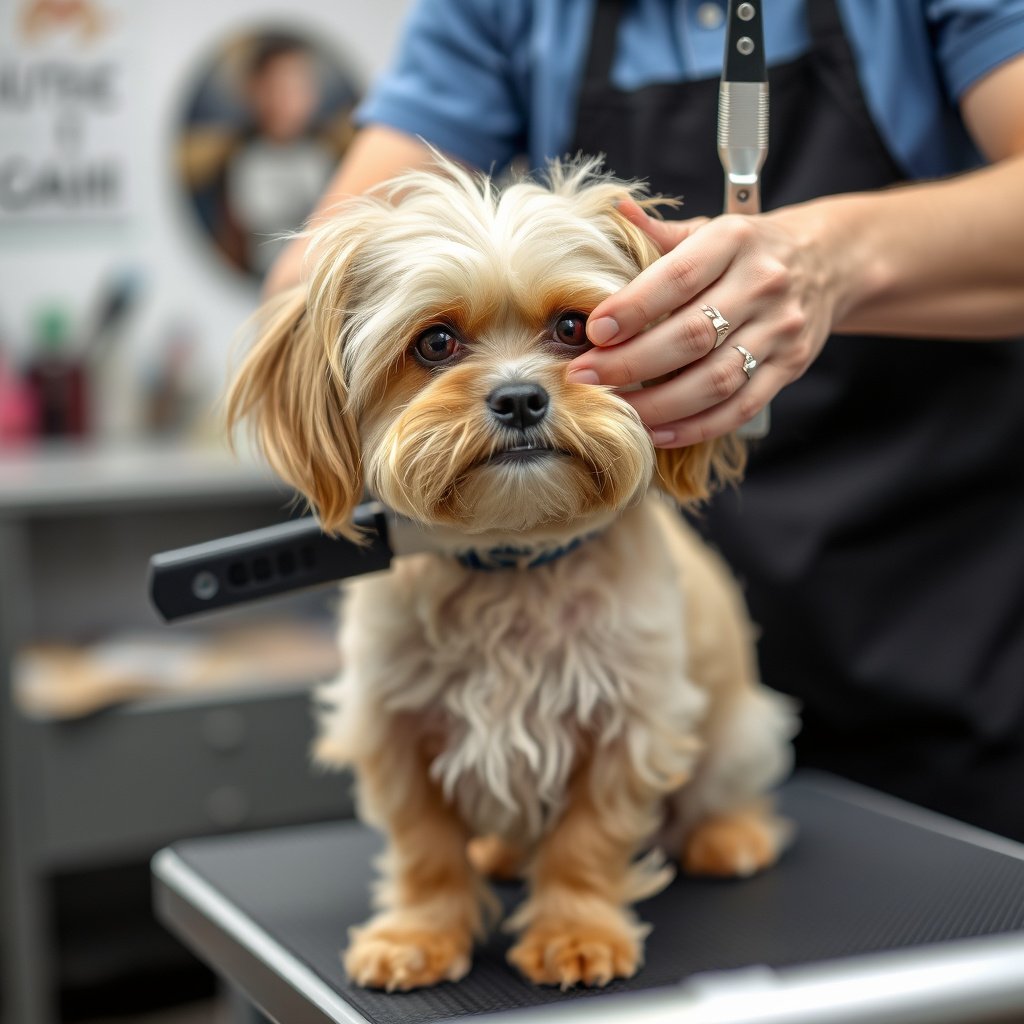
Certain breeds with complex coat types or dogs who are highly anxious may benefit more from professional grooming. Professionals have experience handling difficult coat conditions, trimming styles, and calming techniques.
If your dog has extreme matting, skin problems, or if home grooming causes too much stress, seeking a professional groomer is safer and more effective.
For a broad understanding of grooming practices, see the dog grooming overview on Wikipedia. Dog grooming overview on Wikipedia.
Benefits of Cutting Your Dog's Hair at Home
Regular at-home haircuts allow you to monitor your dog’s skin closely and reduce the frequency and cost of salon visits. It also strengthens your bond and allows grooming to be tailored to your dog's specific needs and comfort level.
Home grooming suits dogs with simple coat types or owners who prefer a hands-on approach to pet care.
Dog Haircutting Tools and Methods Comparison
This table compares various haircutting tools and methods to help you decide on the best option for your dog's grooming needs.
| Category | Ease of Use | Best For | Cost Range | Maintenance |
|---|---|---|---|---|
| Dog Grooming Scissors | Moderate | Detail trimming, small areas | $15-$40 | Regular sharpening |
| Electric Dog Clippers | Easy | Full body trimming, quick grooming | $40-$100 | Blade cleaning and oiling |
| Thinning Shears | Moderate | Blending and shaping | $20-$50 | Sharpening periodically |
| Professional Grooming Services | Easy for owner | All coat types, difficult dogs | $40-$90 per session | Handled by groomer |
| Human Scissors | Difficult | Not recommended | $5-$20 | Sharpening but not suitable |
Frequently Asked Questions
How often should I cut my dog's hair?
Most dogs benefit from haircuts every 6 to 8 weeks, but this depends on the breed, coat type, and activity level. Regular trims prevent mats and keep your dog comfortable.
Can I use human clippers on my dog?
Human clippers are not designed for dog fur and may pull hair or cause skin irritation. It's safer to use dog grooming clippers made specifically for pet coats.
Is it necessary to bathe my dog before cutting its hair?
Bathing before a haircut is recommended because clean, dry fur trims more evenly and prevents tool clogging. Make sure your dog is completely dry before starting.
How do I keep my dog calm during grooming?
Use treats, gentle praise, and take frequent breaks. Start with short sessions and gradually increase grooming duration to build your dog's comfort.
What should I do if I accidentally cut my dog’s skin?
Apply gentle pressure to stop bleeding and clean the area with an antiseptic recommended for pets. If the cut is deep or bleeding persists, contact a veterinarian.
Key Takeaways
- Start grooming with clean, dry fur and the right tools designed for dogs.
- Tailor haircutting techniques to your dog's coat type and comfort.
- Prioritize your dog’s calmness and safety throughout grooming sessions.
- Consider professional grooming for complex coats or anxious dogs.
How to Cut My Dog's Hair: Final Thoughts
Cutting your dog's hair involves more than just clipping fur—it requires preparation, attention to coat type, patience, and safety. By selecting proper tools and allocating time to work calmly and carefully, you can keep your dog looking neat and feeling comfortable. Observing your dog closely for any discomfort or skin issues during haircuts is essential to successful grooming.
For long-haired or curly-coated breeds, investing in quality dog grooming clippers and learning thinning techniques can provide a professional look at home. For breeds with shorter coats, simple trims around sensitive areas might suffice. If your dog becomes too stressed or presents challenging coat conditions, professional grooming offers expert care that protects your dog and your peace of mind.
Begin with small grooming sessions to build your dog's trust, and always end on positive notes with treats and praise. Whether trimming yourself or opting for professional services, regular haircuts are a vital part of your dog's health routine. Explore specific grooming tools and techniques introduced here, and take the first step toward a more comfortable, well-groomed pet.