How to Stop a Dog from Being Scared at the Groomer: 8 Proven Strategies
Stopping a dog from being scared at the groomer starts with understanding their fear triggers and preparing them calmly beforehand. Using gradual exposure and positive experiences helps your dog adjust without panic. This advice fits dog owners whose pets show nervousness or anxiety at grooming appointments and want practical, proven ways to ease those fears.
You’ll find steps to calm your dog before and during grooming, identify common stressors, and techniques to create a positive grooming routine. These methods come from groomers who work daily with anxious dogs, offering a realistic path toward less stressful visits.
Key Takeaways
- Introduce your dog to grooming sounds gradually by increasing clipper noise over 3 to 4 days before the appointment.
- Schedule a gentle, brief grooming visit when your puppy is 10 to 16 weeks old to build positive associations early.
- Give CBD or approved calming products 30 to 60 minutes before grooming to help reduce anxiety.
- Allow your dog 5 to 10 minutes of relaxed exploration in the grooming salon before starting the session.
- Visit the groomer once within 48 hours before the actual appointment to familiarize your dog with the environment.
- A structured 3 to 4 week preparation plan can shift dogs from panic to calm during grooming.
1. How to Calm Your Dog Before and During Grooming
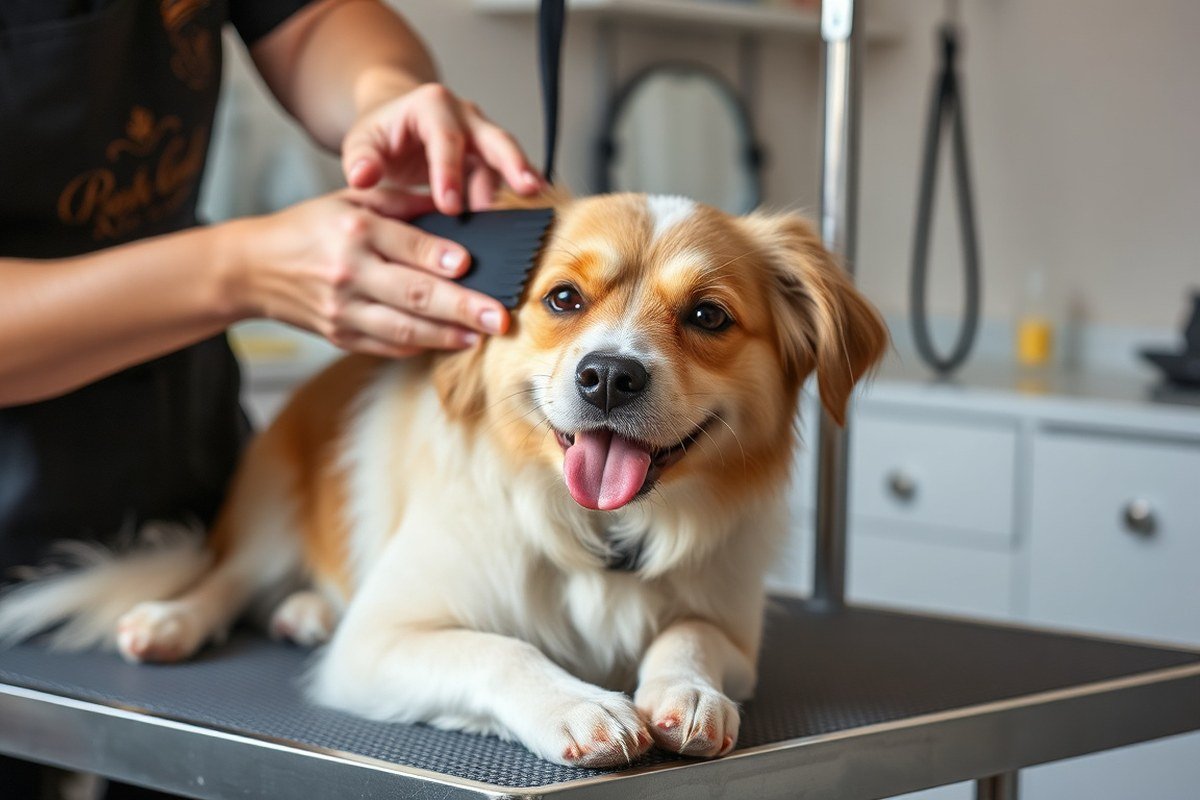
Calming your dog before and during grooming helps reduce fear and makes the experience easier for both of you. To help your dog stay relaxed, begin by creating a calm environment and using positive reinforcement. Treats and toys can be very effective when used correctly, but your own behaviour plays a big role, so staying calm and patient is key. Here are practical steps you can follow right before and during grooming to help your dog stay calm. These steps include preparation, interaction, and how to respond during the grooming process, all designed to build trust and lower anxiety:
- Exercise your dog beforehand. A short play session or walk helps burn off extra energy that might otherwise fuel nervousness. Aim for 15 to 20 minutes of activity before the groomer visit, adjusting for your dog’s age and fitness.
- Keep arrival calm and quick. Avoid long waits or chaotic environments in the waiting area. Greet the groomer quietly, and remain relaxed, as dogs often pick up on your emotions.
- Use calming treats and chews. Offer Pooch & Mutt calming dog treats or similar products with ingredients like chamomile and hemp about 15 minutes before grooming. These natural relaxants can reduce anxiety without sedation.
- Wait to start grooming until your dog is calm.When your dog shows signs of stress, pause and give them high-value treats like lickable snacks to reward calm behaviour. Praise gently to reinforce relaxation.
- Allow your dog to sniff and inspect grooming tools. Letting your dog see and sniff clippers or brushes introduces them to the process slowly and helps reduce fear of unknown equipment.
- Use a basket muzzle if needed for safety. A basket muzzle with small openings allows your dog to take treats during grooming while preventing biting. This helps maintain calm and safety.
- Speak softly and avoid sudden movements. Your gentle voice and slow actions reassure your dog. Avoid loud noises and rushing through grooming steps, which can increase anxiety.
- Offer treats frequently during the session. Use small, tasty treats to reward compliance and calm behaviour. This reinforces a positive association with grooming and helps your dog feel safe.
Expect your dog’s stress level to drop noticeably when these steps are combined. Signs of success include relaxed body language, focused attention on treats or toys, and absence of resistance on the grooming table. Persistent anxiety despite your efforts calls for a discussion with your vet or groomer about added calming methods or professional behavioural help.
2. What Triggers Cause Dogs to Fear the Groomer?

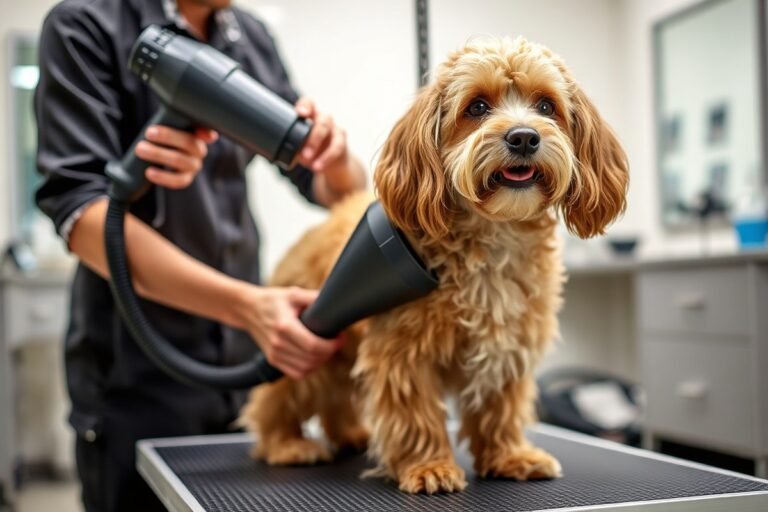
Many dogs become scared at the groomer due to the overwhelming mix of unfamiliar sensations and experiences packed into one appointment. The loud noise from clippers and hair dryers can be especially unsettling. These devices produce high-pitched vibrations and noisy airflow that dogs interpret as threatening or painful. They don’t understand that the buzzing and roaring come from machines meant for care, so those sounds trigger a stress reaction. You can help your dog gradually adjust by exposing them to these sounds in a calm home setting, without actual grooming actions, to reduce the shock when they hear clippers or dryers at the salon.
Nail trimming is another common cause of fear. The process often involves restraint and close handling around sensitive paws, which many dogs dislike. The sound and sensation of clipping can feel strange or even painful if the nail is cut too short. Dogs with past nail clipping trauma may flinch or pull away, making the groomer’s job harder. Regular, gentle nail care from an early age can prevent or lessen this fear, creating a positive association instead of anxiety.
Past negative grooming experiences significantly worsen fear. Dogs remember frightening moments like rough handling, sudden noises, forced restraint, or painful trimming. These memories often cause them to anticipate discomfort during subsequent visits, leading to trembling, hiding, or refusing to enter the grooming area. Unfamiliar people and separation from you add emotional stress, making it harder for your dog to stay calm. That’s why some groomers recommend an introductory session focused solely on letting your dog get used to the sights, sounds, and touch involved in grooming without performing the full service right away.
Build positive associations by practicing gentle touch and showing grooming tools at home before visiting the groomer to help your dog feel less threatened by new sensations.
3. Preparing Your Dog at Home for a Positive Grooming Experience
Getting your dog comfortable with grooming at home can reduce anxiety during professional appointments. Gradually familiarizing your dog with tools like clippers and dryers, practicing gentle handling, and introducing nail trimming slowly creates a positive grooming foundation.
Introducing Grooming Tools Gradually
Begin by letting your dog see and sniff each grooming tool to build curiosity and reduce fear. This includes clippers, brushes, and blow dryers. Turning the clippers on at a distance during treat time helps your dog associate the noise with positive experiences.
Once your dog calmly accepts the tools nearby, start touching the tools gently to its fur without clipping. Make each interaction short and reward with treats or praise to keep experiences positive. Slowly increase time and proximity over several days or weeks, depending on your dog’s comfort level.
- Show the clipper or dryer to your dog and allow them to sniff it.
- Turn on the clipper or dryer at a distance while offering treats.
- Gradually move the tool closer over multiple days, continuing to reward calm behavior.
- Touch the clipper or brush lightly to your dog’s body without clipping or brushing yet.
- Reward your dog after each positive interaction.
- Use the dryer or clipper on low setting briefly, stopping before your dog appears worried.
- Lengthen each session and increase the tool’s contact area slowly.
Handling Exercises for Comfort and Control
Daily gentle handling teaches your dog to stay relaxed when touched on sensitive areas. Focus on paws, ears, tail, and mouth, as these are common sources of discomfort during grooming. Keep sessions short, about 5 to 10 minutes, and stop if your dog shows signs of stress like pulling away or lip licking.
Use calm speech during handling and reward your dog with treats to create positive associations. Introducing low restraint here can prepare your dog for the limited restraint sometimes used by groomers. Practicing gradual exposure to firm, but gentle touches helps maintain your dog’s composure during grooming.
Nail Trimming Practice Without Stress
Nail trimming often causes fear because paws are sensitive and dogs dislike restraint. Start by touching and holding your dog’s paws daily while rewarding calmness. Let your dog get used to having its paws handled without any clippers nearby to avoid triggering nervousness.
Next, show the nail clippers and allow your dog to sniff them. Then gently touch the clippers against the paw, without trimming, while giving treats. Gradually work up to trimming one nail at a time, stopping if your dog pulls away or becomes tense. Using nail grinders can be an alternative for dogs scared of clippers but introduce them just as slowly.
4. Choosing a Groomer Experienced with Anxious Dogs
Look for a groomer who understands dog anxiety and tailors their approach to meet your dog’s needs. A skilled groomer with experience handling fearful dogs makes grooming less stressful by being patient, gentle, and flexible. You can find this by asking specific questions, observing their behavior, and checking their facilities before booking.
Signs of a Dog-Friendly Groomer
A groomer used to working with anxious dogs will show calmness and patience when interacting with your dog. Look for a gentle touch and willingness to take breaks when your dog seems overwhelmed. An experienced groomer often offers personalized grooming sessions that adapt to your dog’s comfort level.
Good groomers will welcome your dog’s slow approach, offering time to sniff the area or meet them before starting. They understand that forcing a nervous dog increases fear rather than eases it. You’ll notice they speak softly, use minimal restraint, and stay alert to signs of distress like trembling or tail tucking.
Questions to Ask Your Groomer Before Booking
Contact a groomer and ask how they handle nervous dogs. A groomer experienced with anxiety should:
- Explain techniques for calming fearful dogs, like frequent breaks or gentle handling
- Allow you to stay with your dog during grooming or offer trial visits
- Accommodate any behavioral quirks or past experiences you share
- Describe how they introduce equipment and noises gradually
- Have experience or training in managing separation anxiety or stress-induced behaviors
- Discuss options for partial grooming or splitting sessions if your dog gets stressed
- Be open about when sedation might be necessary and refer you to a vet
Watch for a positive, understanding tone. A groomer who seems rushed, indifferent, or annoyed by your questions may not be a good fit for an anxious dog.
Assessing Groomer Facilities and Environment
A calm, clean environment helps reduce your dog’s grooming anxiety. When visiting, look for a quiet space separate from high-traffic areas or barking dogs. Check that grooming tables and tubs are stable and comfortable rather than slippery or cramped.
Notice how the groomer interacts with other dogs. Are they patient and gentle, or do they rush through sessions? Pay attention to the smells, sounds, and even lighting, since bright flashes and loud dryers can increase anxiety. The best groomers will let your dog explore the space at their own pace before the grooming begins, helping them feel more in control.
5. Using Calming Aids and Medication Safely for Grooming
Natural calming products like treats, pheromone sprays, and anxiety wraps can help reduce your dog’s stress before grooming. Calming treats, usually given 30 to 60 minutes before the appointment, provide both a natural relaxant and positive reinforcement. Look for treats that contain ingredients such as chamomile or valerian root. Synthetic pheromones, available in sprays or diffusers, mimic canine calming signals and can ease anxiety during grooming. Anxiety wraps, like ThunderShirts, apply gentle pressure that some dogs find soothing.
For more severe anxiety, sedation may be necessary but always consult your vet before using medication. Sedatives should only be used if a groomer-friendly environment and calming aids have failed. Your vet can recommend safe options and proper dosages, considering your dog’s size and health status. Sedation carries risks, so it’s best reserved for cases where grooming cannot happen safely without it. The table below compares common calming aids and their best uses to help you decide what fits your dog’s needs.
| Calming Aid | Best Use | Timing | Cost Approx. | Effectiveness |
|---|---|---|---|---|
| Calming Treats | Mild anxiety, positive reinforcement | Give 30-60 minutes before grooming | $10, $25 per bag | Moderate |
| Synthetic Pheromone Spray/Diffuser | During grooming and at home before appointment | Apply or plug in 15-30 minutes before | $15, $40 | Moderate |
| Anxiety Wraps (e.g., ThunderShirt) | Mild to moderate anxiety, calming pressure | Wear before and during grooming | $40, $60 | Moderate |
| Prescription Sedatives | Severe anxiety, only under vet care | Administer as vet advises before grooming | Varies; typically $30, $100 per prescription | High, but with risks |
To safely prepare your dog with calming aids, start by introducing treats and pheromone sprays in low-stress situations at home. This builds positive associations. On grooming day, give treats about 30-60 minutes ahead, and let your dog wear an anxiety wrap if suited. Talk to the groomer about feeding your dog treats during the visit to keep stress low.
Resist giving sedatives without professional advice. Sedation can cause side effects like disorientation or increased risk in dogs with certain health conditions. Always follow your veterinarian’s instructions carefully. If your dog’s anxiety remains high despite these aids, consult your vet about other options or specialized behavioral training.
Practical tip: Let your dog sniff the grooming tools and meet the groomer while they toss treats before starting, this helps them associate the experience with positive feelings.
6. How to Make the Groomer a Positive Place for Your Dog
Helping your dog form positive, relaxed associations with the groomer takes patience and consistent effort. Take your dog to the salon for short, stress-free visits before grooming begins. Focus on letting your dog explore, meet the groomer, and enjoy treats so the salon feels like a friendly place, not a scary one.
Short Familiarization Visits
Visit the grooming salon 2 to 3 times before the actual grooming appointment to acclimate your dog to the environment. These visits should be brief, just a few minutes each, and end before your dog shows any stress. Let your dog experience the smells, sounds, and sights without pressure, so they start associating the salon with calm and safety.
Consistent short visits help your dog build trust in the space and the people there. Doing this regularly can prevent anxiety from building up, especially with dogs that are naturally more sensitive or highly intelligent and quick to form negative associations.
Positive Reinforcement at the Salon
Using positive reinforcement techniques during visits encourages your dog to see grooming as a rewarding experience. Bring your dog’s favorite treats or ask the groomer to provide high-value rewards like small pieces of cheese or cooked chicken. Praise your dog calmly and offer treats whenever they show calm behavior or curiosity.
Keep sessions short and always end on a positive note. Avoid pushing your dog toward grooming tasks if they show signs of fear. The goal is to build confidence with each visit, so your dog feels like they can choose to participate or walk away without pressure.
Using Toys and Treats During Visits
Toys and treats are useful tools to keep your dog engaged and relaxed. Bring a beloved toy to the salon, especially if your dog is motivated by play. Allow your dog to interact with the toy or chew on a special treat while waiting or during sessions that don’t involve grooming yet.
This approach distracts your dog from unfamiliar sounds and sensations, making the experience more pleasant. It’s also useful to let the dog carry a treat pouch or a chew for times they feel unsure. Using both treats and toys consistently during visits builds strong positive associations, smoothing the way for actual grooming later on.
- Schedule 2, 3 short visits to the groomer before any grooming begins, ideally spaced a few days apart.
- Enter the salon calmly, letting your dog sniff around and explore the space without rushing.
- Meet the groomer in a relaxed way, allowing your dog to approach at their own pace without forced interaction.
- Offer high-value treats and gentle praise for calm behavior, even just sitting quietly near the grooming area.
- Play with familiar toys or let your dog enjoy a chew while inside the salon to create distraction and comfort.
- Exit the salon quickly before your dog shows signs of stress or discomfort, keeping the experience positive.
- Repeat these visits consistently, helping your dog build trust and positive anticipation over time.
7. The Role of Exercise, Timing, and Routine in Grooming Success
Exercising your dog before a grooming appointment can significantly reduce anxiety. Physical activity helps burn off excess energy and promotes a calmer state. Choose activities like a 20- to 30-minute walk or a short play session that your dog enjoys. This tiredness makes them more likely to relax during grooming, which often involves stressful sensations like drying, known to cause strong physiological stress responses according to a 2026 study.
Scheduling grooming appointments consistently also helps build comfort over time. Dogs become more familiar with the process and less fearful when visits are regular, such as every 6 to 8 weeks depending on their coat type and growth speed. Avoid long gaps between sessions that can make each visit feel like a new experience. For especially nervous dogs, try several short visits just to meet the groomer and get used to the environment before a full appointment.
Timing of the grooming session matters as well. Book appointments during your dog’s calm periods of the day, often mid-morning or early afternoon, avoiding times when they are typically energetic or hungry. Also, consider quieter salon hours to reduce exposure to loud noises and busy environments, which can increase anxiety. A warm and welcoming groomer who allows you to stay for a few minutes at the start can help your dog settle in slowly.
- Exercise: 20-30 minutes of walking or play before grooming
- Scheduling: grooming every 6 to 8 weeks to maintain familiarity
- Pre-visits: short trips to meet the groomer for anxious dogs
- Timing: choose calm times of day and quiet salon hours
- Stay with your dog briefly to ease transition at the start
- Select a groomer experienced with nervous dogs to ensure patience
Incorporating these practices requires only some planning but costs little beyond regular grooming fees. Good results appear as a calmer dog entering and leaving sessions, fewer signs of stress, and more cooperative behavior. Failing to exercise or properly schedule appointments can lead to heightened anxiety, resistance, or even aggressive reactions, making grooming much harder for both dog and owner.
8. Common Mistakes That Increase Grooming Fear — and How to Fix Them
Owners often unintentionally worsen their dog’s grooming anxiety by rushing the process or showing frustration. Dogs pick up on your stress, which can make them more fearful. Instead of pushing your dog to cooperate, approach grooming calmly and patiently. Take breaks if your dog resists, and never raise your voice or punish them for showing fear. Punishment can escalate anxiety and damage your dog’s trust, turning grooming into a negative experience.
One common mistake groomers and owners make is forcing a frightened dog to undergo grooming repeatedly without addressing the root cause of fear. This approach strengthens the negative association between grooming and fear, making your dog more anxious over time. When your dog shows resistance, it’s better to stop and use counter conditioning techniques, like offering treats and gentle praise during short, positive grooming sessions. This helps your dog build a more positive connection with grooming tools and smells.
Effective correction involves recognizing subtle signs of fear, such as trembling, tucked tails, or avoiding eye contact, and responding immediately by slowing down or pausing. You can guide your groomer by sharing detailed information about your dog’s behavior and triggers. Groomers experienced with anxious dogs often adapt their approach, using quieter tools and softer handling. This level of communication doesn’t cost extra but can significantly improve the grooming experience and reduce stress for your dog.
Another owner behavior to avoid is rushing to the groomer without adequate preparation. Skipping steps like gradual exposure to grooming tools at home or failing to keep pre-grooming exercise consistent may leave your dog overwhelmed. Preparing your dog with short practice sessions using clippers or brushes at home builds comfort, and a 10 to 15-minute walk before grooming can reduce nervous energy.
Costs vary if professional help is needed to manage severe anxiety. Some veterinarians recommend calming aids or behavioral therapy, which might require a consultation fee ranging from $50 to $150. This investment often pays off by making grooming safer and less traumatic. Look for changes like your dog approaching the grooming area willingly, reduced shaking, and less avoidance behavior after implementing these fixes.
Avoid punishing fearful behavior during grooming; focus on gentle rewards and calm reassurance instead to build your dog’s confidence over time.
Step-by-Step Action Plan to Ease Your Dog’s Grooming Fear
Follow this plan to help your dog feel calmer and more comfortable with grooming visits. Each step builds confidence and reduces stress over time.
- Before Your Next Grooming Appointment: Practice gentle handling at home, touching your dog’s paws, ears, and tail daily. Look for relaxed body language as a sign your dog is comfortable.
- One Week Before: Take short trips near the groomer’s location without going inside. Reward calm behavior in the car and around the area to build positive associations.
- Three Days Before: Introduce grooming tools like brushes and clippers at home, using treats to make the experience fun. Your dog should willingly approach or tolerate these tools by the end of your sessions.
- The Day Before: Ensure your dog gets plenty of exercise to help reduce anxiety. A tired dog tends to be calmer and more cooperative.
- On Grooming Day: Arrive early to let your dog settle in quietly. Bring favorite treats or toys and speak softly to reassure your dog throughout the visit.
- Immediately After Grooming: Reward your dog with praise, a treat, or playtime to help form a positive memory of the experience.
- After Two Weeks: Schedule a short, reward-filled visit where your dog only meets the groomer or goes inside briefly without a full grooming. This keeps exposure positive and low stress.
Frequently Asked Questions
Can Training at Home Reduce My Dog’s Fear of the Groomer?
Yes, practicing grooming routines gently at home helps your dog get used to being handled, easing anxiety during professional sessions. Short, positive practice builds trust and familiarizes your dog with grooming tools.
Should I Stay with My Dog During Grooming to Calm Them?
Staying with your dog may comfort some, but it can also stress others or hinder the groomer’s work. Discuss with the groomer what’s best based on your dog’s behavior.
How Do I Tell If My Dog’s Fear of Grooming Is Severe?
Signs like trembling, trying to escape, excessive drooling, or aggressive behavior indicate severe fear, needing special handling or professional advice. Early recognition helps prevent worsening anxiety.
Can Grooming Fear Be Linked to Past Trauma or Abuse?
Yes, dogs with previous negative experiences might fear grooming, requiring extra patience and sometimes professional behavior support to overcome their reactions.
Is Professional Training on Grooming Anxiety Effective?
Professional trainers can teach coping skills and desensitization techniques, which often reduce fear if applied consistently before and during grooming sessions.
Can Switching Groomers Help If My Dog Fears the Current One?
Changing to a groomer skilled with anxious dogs might improve your dog’s comfort and grooming experience. Evaluate the new groomer’s approach and environment carefully.
Final Thoughts
Reducing your dog’s fear of the groomer takes patience and consistent effort, but your calm approach can make a big difference. Start small and celebrate every sign of progress. Your next step is to introduce grooming tools gently at home, rewarding your dog for calm and curious behavior to build trust and ease future visits.