How to Treat Ticks on a Dog: Effective Removal and Prevention Tips
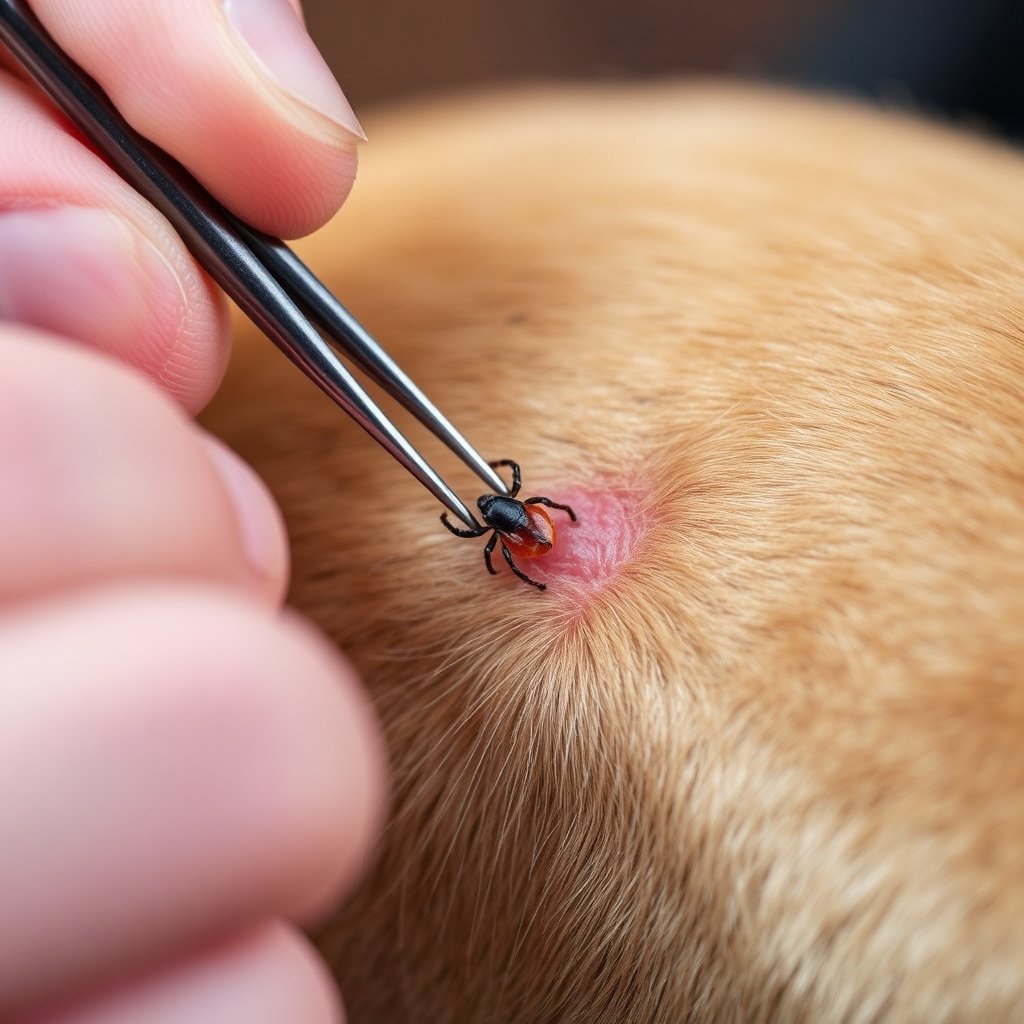
If you find a tick on your dog, the immediate step is to remove it carefully and promptly to prevent infection or disease transmission. Using fine-tipped tweezers, grasp the tick as close to the skin’s surface as possible and pull upward with steady, even pressure. Avoid twisting or crushing the tick to ensure the entire parasite is removed.
Ticks can carry illnesses such as Lyme disease, which can significantly affect your dog’s health. Prompt removal reduces the risk of disease spread and secondary skin infections. Once removed, cleaning the bite area and your hands with antiseptic is recommended to minimize any infection risk.
This article will guide you through proven methods to safely remove ticks from your dog, recognize symptoms of tick-borne diseases, and adopt preventative practices. Understanding the lifecycle of ticks and available veterinary treatments will also help you protect your pet throughout the tick season.
Safe Tick Removal Techniques
Using Tweezers for Tick Removal
The most recommended method for tick removal is using fine-tipped tweezers. This allows you to grasp the tick as close to your dog's skin as possible without squeezing its body, which can release harmful bacteria.
Pull the tick straight out slowly and steadily without twisting. After removal, save the tick in a sealed container if you need to show it to your vet later.
- Choose fine-tipped tweezers
- Grip tick near skin surface
- Pull upwards steadily
- Avoid crushing the tick
Alternative Tick Removal Tools
Tick removal hooks or specialized tick-removal tools can also be effective, especially for embedded ticks. These tools are designed to slide under the tick and lift it out without squeezing.
While these tools can be helpful, follow the product instructions carefully to avoid leaving tick parts embedded, which may cause infection.
- Use tick removal hook properly
- Follow instructions carefully
- Ensure full tick extraction
Aftercare Following Tick Removal

Cleaning the Bite Site and Monitoring
Once the tick is removed, clean the bite area with antiseptic to prevent infection. Monitor your dog for swelling, redness, or signs of discomfort around the site over the next several days.
If your dog shows symptoms such as fever, lethargy, loss of appetite, or limping, seek veterinary advice promptly as these may indicate tick-borne illness.
- Apply antiseptic after removal
- Check bite site daily
- Watch for unusual symptoms
Disposing of the Tick Properly
Do not crush the tick with your fingers, as this can release infectious agents. Place the tick in alcohol or a sealed container to kill it. Saving the tick can help your vet diagnose potential diseases if symptoms appear.
Wash your hands thoroughly with soap after handling the tick to avoid transferring any pathogens.
- Avoid crushing with fingers
- Store tick in sealed container
- Wash hands thoroughly
Recognizing Tick-Borne Diseases in Dogs

Common Symptoms to Watch For
Dogs affected by tick-borne diseases may exhibit signs such as fever, swollen joints, lameness, fatigue, or swollen lymph nodes. These can develop days to weeks after a tick bite.
Early detection and treatment improve recovery chances, so close observation after a tick bite is essential.
- Fever and lethargy
- Limping or joint swelling
- Loss of appetite
For more on this, see our related guide: Why Does My Dog Scratch Its Ears? Causes, Care & When to Act.
Types of Tick-Borne Illnesses
Lyme disease, ehrlichiosis, anaplasmosis, and babesiosis are among the tick-borne diseases dogs may contract. Each requires different treatment and managing protocols.
Consult your veterinarian for blood tests if you suspect your dog has been exposed; early diagnosis can prevent severe complications.
- Lyme disease
- Ehrlichiosis
- Anaplasmosis
- Babesiosis
Preventing Ticks on Your Dog

Tick Prevention for Dogs with Medication
Administering veterinarian-recommended tick prevention medications greatly reduces the likelihood of tick infestation. Options include topical treatments, oral tablets, and tick collars.
Choose products suitable for your dog’s age, weight, and health status. Regular application according to instructions maintains effective protection.
- Topical spot-on treatments
- Oral tick preventatives
- Tick-repellent collars
Environmental Tick Control
Keeping your yard tidy by mowing grass, removing leaf litter, and preventing tall weeds can decrease tick populations where your dog plays.
Regularly checking your dog after outdoor activities and avoiding tick-infested areas also reduce exposure.
- Mow lawn frequently
- Remove leaf litter
- Check dog after walks
Consulting Your Veterinarian

When to Visit the Vet
If you cannot remove a tick fully, or if your dog shows symptoms like swelling, fever, or unusual behavior after a tick bite, a veterinary consultation is necessary.
Veterinarians may provide professional removal, diagnostic testing, and prescribe medicine to treat or prevent tick-borne diseases.
- Inaccessible tick removal
- Post-bite symptoms
- Preventive veterinary care
For more on this, see our related guide: What Is the Best Flea Treatment for Dogs: Complete Guide to Fast & Lasting Control.
Ongoing Tick Prevention Advice
Your vet can recommend the best tick prevention products tailored to your dog and region. They can also guide you on how frequently to administer them and how to monitor your pet’s health throughout tick season.
Routine veterinary check-ups are beneficial for early detection of any tick-related health issues.
Managing Tick Risks During Outdoor Activities

Avoiding High-Risk Areas
Ticks thrive in wooded, grassy, and leaf-littered areas. Avoiding such environments during peak tick season limits exposure. When unavoidable, use tick prevention on your dog and stay on cleared paths.
Keeping your dog away from dense brush can significantly reduce tick encounters.
- Steer clear of dense brush
- Stay on cleared paths
- Avoid tall grasses
For a broader understanding of ticks and their impact on animals, the Wikipedia article on tick bites provides detailed information. Ticks on Dogs – Wikipedia.
Post-Activity Tick Checks
Immediately after outdoor walks or play, inspect your dog’s body thoroughly, focusing on ears, underarms, groin, and neck areas where ticks often hide.
Early removal following exposure is key to preventing tick-borne diseases.
- Check ears and neck
- Feel groin and underarms
- Regular grooming sessions
Tick Prevention Methods for Dogs: Comparison Guide
This table compares common tick prevention options based on effectiveness, ease of use, cost, and duration of protection.
| Method | Effectiveness | Ease of Use | Duration | Typical Cost |
|---|---|---|---|---|
| Topical Spot-On | High | Moderate – monthly application | 1 month | $15-$30 per dose |
| Oral Medication | High | High – monthly tablets | 1 month | $20-$35 per dose |
| Tick Collar | Moderate to High | High – worn like a collar | 3-8 months | $10-$40 |
| Natural Repellents | Low to Moderate | Moderate – frequent application | Few hours to days | $5-$15 per bottle |
| Environmental Control | Moderate | Variable – requires effort | Ongoing | Varies |
Frequently Asked Questions
Can I use home remedies to remove ticks from my dog?
Home remedies like petroleum jelly or burning ticks are unsafe and may cause the tick to release harmful bacteria. Use fine tweezers or tick removal tools for safe extraction.
How quickly must I remove a tick to prevent disease?
Ticks generally need to be attached for 24 to 48 hours before transmitting most diseases. Removing ticks promptly reduces your dog’s risk of infection.
Is it necessary to take my dog to the vet after removing a tick?
If the tick was fully removed and your dog shows no symptoms, a vet visit isn't always needed. But if there are signs of illness or incomplete removal, seek veterinary care.
How often should I give my dog tick prevention medication?
Most tick prevention treatments are administered monthly, but some collars offer longer protection spanning several months. Follow product instructions and veterinary advice.
Can ticks affect humans from contact with my dog?
Ticks on dogs can potentially transfer to humans, so it's important to check your pet regularly and maintain tick prevention to reduce this risk.
Key Takeaways
- Use fine tweezers or tick removal tools for safe and complete tick removal.
- Clean bite sites and watch for symptoms of tick-borne diseases after removal.
- Regular tick prevention medications greatly reduce tick infestations.
- Prompt action and veterinary consultation improve health outcomes.
Conclusion
Treating ticks on a dog begins with immediate, safe removal to protect your pet’s health. Carefully extracting the tick using fine-tipped tweezers or a dedicated removal tool minimizes infection risks. Following removal, proper cleaning and observation for symptoms helps detect any emerging issues quickly. Combining these steps with a consistent preventive routine is a practical strategy to reduce tick encounters and their health threats.
Daily or monthly measures such as topical spot-on treatments, oral medications, or tick collars offer dependable tick prevention for dogs. Environmental management by clearing leaf litter and maintaining yard hygiene complements these products well. For dogs frequently outdoors, using multiple strategies, including tick checks after walks, ensures the best defense. Consulting your veterinarian every season will help tailor a prevention plan to your dog’s needs and local tick populations.
Taking swift, deliberate steps to identify and remove ticks, paired with effective prevention, offers the best protection for your dog. Once you've removed any ticks, monitor your dog closely and contact your vet if symptoms appear. Establishing a regular tick prevention routine fitting your lifestyle remains the most reliable way to keep your dog safe from ticks year-round.