

How to Get Rid of Dog Shedding: 8 Proven Ways for a Healthier Coat
To get rid of dog shedding effectively, regular brushing combined with a balanced diet and proper bathing helps maintain a healthier coat and reduces loose fur. Using the right grooming tools and identifying excessive shedding early can prevent skin problems and keep your home cleaner. This information is for dog owners concerned about shedding who want practical steps and reliable care tips.
You will learn how to manage shedding through grooming routines, understanding causes, choosing tools, and dietary support. These methods support your dog’s skin and coat health, making shedding more manageable throughout the year.
Key Takeaways
- Brush your dog at least 2-3 times weekly, focusing on the chest, belly, and back to catch loose fur early.
- Choose a bristle brush for any hair length or type to efficiently remove shedding hair without damaging the coat.
- Add 1 tablespoon of flaxseed oil per 10 pounds of body weight to your dog’s food to improve coat health.
- Bathe your dog every 4 to 6 weeks with lukewarm water to avoid skin dryness while controlling shedding.
- Monitor shedding volume to spot changes that could signal health issues requiring veterinary attention.
- Repeat brushing daily during peak shedding seasons to reduce the amount of hair shed indoors.
1. How to Get Rid of Dog Shedding Effectively at Home

Reducing dog shedding at home relies mostly on consistent grooming and maintaining your dog’s skin health. While you can’t stop shedding entirely, regular brushing and bathing reduce loose hair around your living space and keep your dog comfortable. Implement these steps according to your dog’s coat type and lifestyle. Indoor pets often need less frequent bathing compared to outdoor dogs, but daily brushing remains important for all. Here is a practical routine to cut down on shedding and keep your dog’s coat healthy:
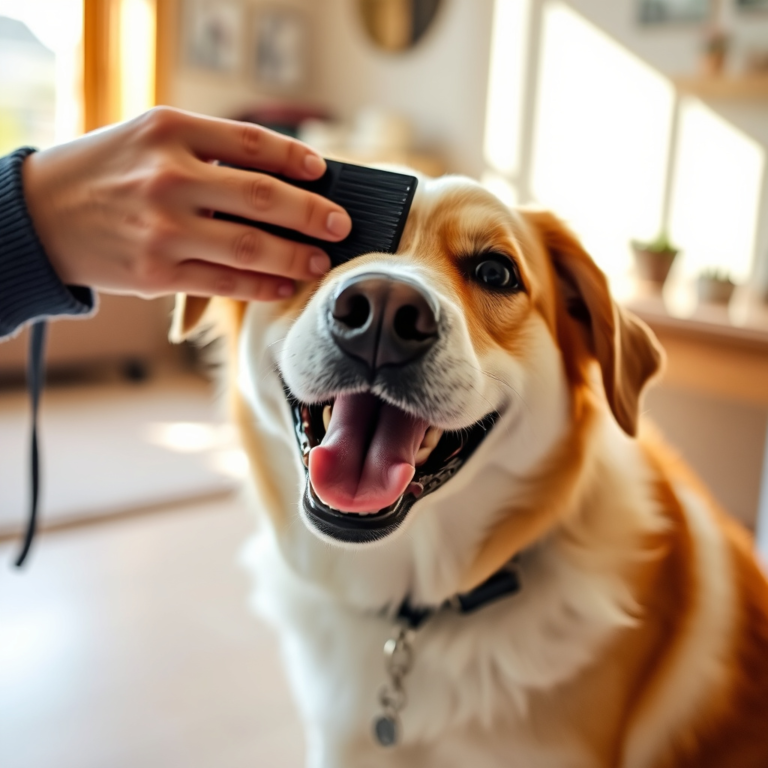
- Brush your dog daily. Spend at least 5 to 10 minutes each day using the right brush for your dog’s coat type. Brushing removes loose hair before it falls off around your home. For example, slicker brushes work well for thick undercoats, while bristle brushes suit short-haired breeds. Daily brushing is key, even if it doesn’t seem to remove large amounts, because it prevents hair from accumulating.
- Use a dog-friendly shampoo for monthly bathing. Bathing your dog once a month helps loosen dead hair and dirt. Always use shampoo formulated specifically for dogs to avoid drying out their skin, which could increase shedding. When bathing, use lukewarm water (around 90°F) and gently massage to loosen dead undercoat.
- Dry thoroughly with a towel and brush during drying. After rinsing, towel dry your dog gently, then brush as the coat dries to remove more dead hair. Avoid blow dryers unless on the cool setting and at a safe distance to prevent skin irritation.
- Maintain a balanced diet and ensure fresh water access. Skin and coat health affect shedding level. Feeding high-quality dog food with sufficient protein, omega-3, and omega-6 fatty acids can improve your dog’s coat condition, indirectly reducing hair loss. Adequate hydration supports skin moisture and resilience.
- Schedule routine checks for parasites and skin health. Fleas, ticks, and skin infections can cause excessive shedding. Use vet-recommended parasite control products regularly and inspect your dog’s skin during grooming sessions.
- Consider seasonal grooming adjustments. Dogs shed more during spring and fall. Increasing brushing frequency and bathing slightly during these times helps manage the heavier hair loss. For outdoor dogs, more frequent grooming supports their coat against environmental wear.
- Trim long fur to reduce matting and loose hair. Keeping your dog’s fur trimmed, especially in thick-coated breeds, prevents tangles that trap shedding hair and dirt. Proper trimming every 6 to 8 weeks can improve grooming effectiveness.
By following these steps regularly, you will see less dog hair around the house and a healthier coat for your pet. Serious skin issues or sudden heavy shedding should always prompt a visit to your veterinarian.
2. What Causes Excessive Dog Shedding and How to Identify It
Dog shedding happens naturally as part of their hair growth cycle, influenced by genetics, hormones, and the changing seasons. Most dogs shed more in spring and fall due to temperature and daylight shifts, as their bodies prepare for warmer or cooler weather. Normal shedding varies widely by breed and coat type but usually occurs in moderate amounts without affecting the skin’s health. You can expect regular shedding to produce loose hairs that come out during daily brushing or light scratching.
Excessive shedding goes beyond this norm and often signals an underlying issue. It can result from hormonal imbalances, such as those caused by thyroid problems or Cushing’s disease, which disrupt normal hair growth. Allergies, either food-related or environmental, are common triggers that provoke itching and inflammation, causing hair to fall out more than usual. Parasites like fleas, ticks, and certain worms also irritate the skin and increase shedding. Chronic stress worsens these problems by weakening your dog’s immune system and skin condition.
Changes in your dog’s environment like sudden moves, new grooming products, or seasonal temperature swings can also lead to increased shedding, especially if they cause stress or allergic reactions. Dry indoor air during winter months may dry out the skin, compounding shedding issues. While these environmental factors usually cause temporary increases in shedding, they should return to normal once conditions stabilize.
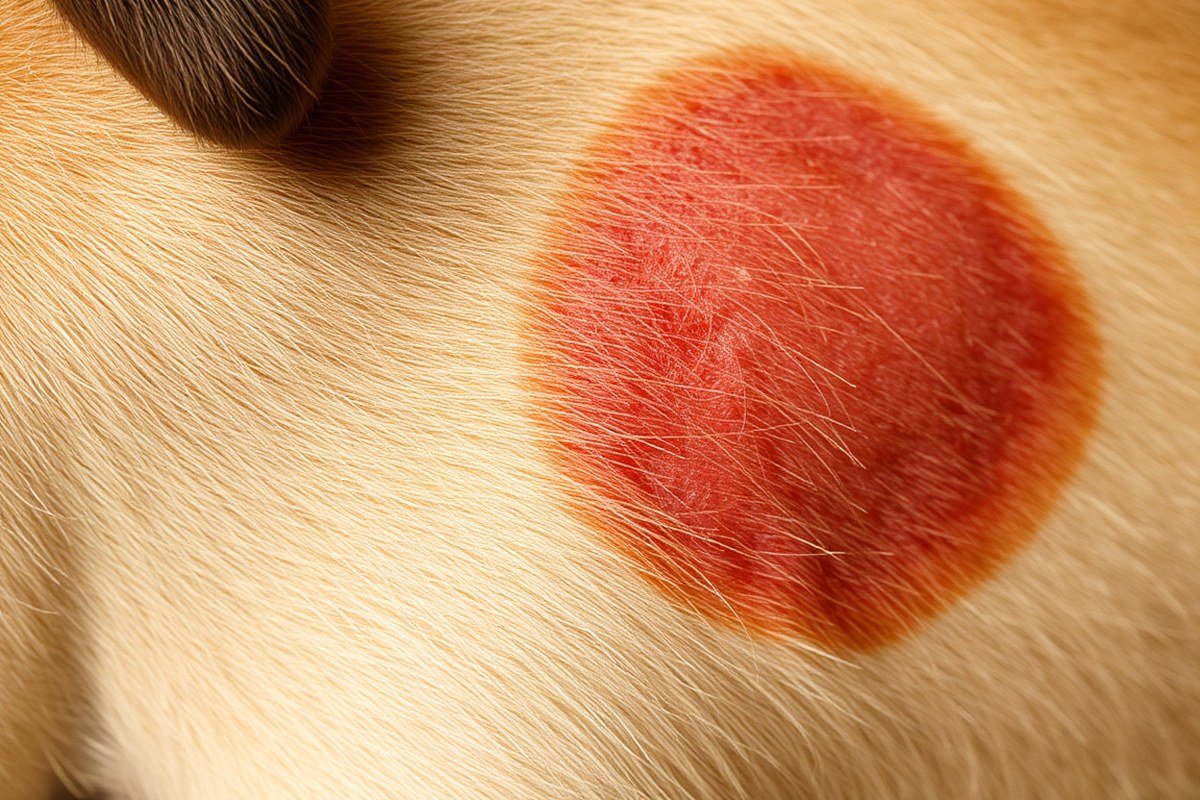
Watching for specific signs can help you decide if your dog’s shedding is normal or if it needs attention. Excessive shedding is a concern if it includes bald patches, red or inflamed skin, persistent scratching, or sudden clumps of hair loss not linked to seasonal change. Skin infections and allergic reactions often accompany these symptoms. If your dog’s shedding fits these criteria, consult a veterinarian promptly to diagnose parasites, allergies, hormonal imbalances, or other diseases.
To monitor your dog effectively, keep a shedding diary noting the amount and pattern of hair loss along with any changes in behavior or skin condition. Use this checklist to decide when to seek veterinary care: Is hair loss sudden or patchy? Are there signs of itching, redness, or sores? Has your dog been exposed to new foods, environments, or stress factors recently? Answering yes to these questions means it’s time to visit your vet.
Regularly check your dog’s coat for bald spots, redness, or scabs; these are key signals that excessive shedding might be due to a health problem.
3. Choosing the Right Tools for Your Dog’s Coat and Shedding Level
Choosing the right tools for your dog’s coat and shedding level makes a big difference in managing shedding effectively. Different coat types require specific brushes or deshedding tools to remove loose fur without harming the topcoat or skin. Using the proper tool not only reduces shedding but also improves coat health and comfort for your dog.
Commonly, slicker brushes work well for removing tangles and loose hair on medium to long coats, while bristle brushes suit short, smooth coats. Deshedding tools like the Furminator are designed to target the undercoat, reducing shedding by pulling dead hairs without cutting into the top coat. These tools come in sizes matched to breed and coat thickness. Using the wrong tool risks skin irritation or uneven coat wear.
| Coat Type | Recommended Tool | Usage Frequency During Shedding Season |
|---|---|---|
| Short, smooth coat (e.g., Beagle) | Bristle brush or rubber curry brush | 3-4 times per week |
| Medium-length, wavy or curly coat (e.g., Cocker Spaniel) | Slicker brush + deshedding tool (Furminator) | Daily brushing with slicker, deshedding 2-3 times weekly |
| Double coat, thick undercoat (e.g., Siberian Husky) | Undercoat rake + deshedding tool | Daily brushing, deshedding tool use 3-4 times weekly |
| Long, straight coat (e.g., Afghan Hound) | Pin brush + slicker brush | Several times per week; daily if heavy shedding |
| Curly coat (e.g., Poodle) | Wide-tooth comb + slicker brush | Regular brushing 3-5 times weekly; deshedding tools usually not needed |
To use deshedding tools safely, start by gently running the tool in the direction of hair growth. Avoid pressing too hard to prevent skin irritation. Focus on areas where undercoat accumulates the most, such as behind the ears and along the sides. Stop if your dog shows discomfort. Cleaning the tool frequently during brushing prevents build-up that reduces effectiveness.
Most dogs benefit from daily brushing with the proper tool, especially in heavy shedding periods. Deshedding tools don’t need daily use; 2-4 times per week is sufficient to remove loose undercoat hair effectively. Overuse can irritate the skin or damage the top coat, so balance is key. Booking professional grooming every few months can support thick-coated dogs during peak shedding seasons.
Matching tools to your dog’s coat type and shedding pattern is essential. It simplifies grooming and helps keep shedding under control, so your home stays cleaner and your dog’s coat stays healthy and comfortable.
4. How Diet and Supplements Support a Healthy Coat to Reduce Shedding
Feeding your dog a balanced diet rich in key nutrients like omega-3 fatty acids, protein, vitamins, and minerals can reduce shedding by improving skin and coat health. Supplements such as biotin, vitamin E, and zinc also support a healthy coat when added correctly. Avoiding food allergies and poor nutrition is essential to prevent increased shedding and skin problems over time.
Essential Nutrients for Coat Health and Their Food Sources
Protein is the foundation for strong hair growth. Dogs on protein-poor diets often develop brittle, thinning coats prone to shedding. Look for dog foods where a named meat source is the first ingredient, providing high-quality protein. Omega-3 fatty acids help reduce inflammation in the skin and encourage new hair growth. Good natural sources include salmon, flaxseeds, and certain oils like flaxseed oil and olive oil, which can be added to meals in small amounts. Vitamin E protects skin cells from damage and supports healthy fur, while zinc helps repair skin and prevent crusty patches. Biotin contributes to preventing hair breakage and alopecia. Supplementing these nutrients through diet ensures your dog’s coat remains shiny and resilient.
Commercial dog foods labeled as “skin and coat” formulas often contain enriched levels of these nutrients. However, always check the ingredient list and nutritional information to confirm the presence of omega-3s, zinc, and vitamins. Switching to such a diet can take a few weeks to show visible improvement in shedding and coat condition.
Calculating and Administering omega-3 Fatty Acid Doses
Omega-3 dosages vary depending on your dog’s size and health status but generally range from about 20 to 55 milligrams per pound of body weight daily. For example, a 30-pound dog would need approximately 600 to 1650 milligrams of combined EPA and DHA omega-3s per day. These can be supplied via fish oil supplements formulated for dogs or by adding natural oils such as flaxseed or olive oil to food.
Start by adding a teaspoon of fish oil or flaxseed oil per 10 pounds of body weight to your dog’s daily meal. Monitor for any digestive upset during the first week, then adjust as needed with your vet’s guidance. Use high-quality supplements designed specifically for pets to avoid contaminants and incorrect dosing. Over-supplementing omega-3s can cause loose stools or interfere with blood clotting, so stick to recommended amounts and allow several weeks to see reduced shedding and shinier fur.
Identifying and Avoiding Diet Triggers for Shedding
Food allergies or sensitivities often contribute to excessive shedding by causing skin irritation, redness, or itching. Common triggers include wheat, soy, corn, and certain protein sources like beef or chicken. Signs might include frequent scratching, bald spots, or flaky skin alongside shedding. Detecting allergies may require an elimination diet under veterinary supervision, where potentially problematic ingredients are removed and reintroduced one at a time.
Poor nutrition, such as diets lacking essential fatty acids, vitamins, or minerals, weakens skin integrity and worsens shedding. Avoid feeding table scraps or treats exceeding 10% of daily food intake, especially those with low nutritional value. Feeding your dog a balanced, vet-recommended dog food and supplement routine tailored to coat health helps minimize shedding caused by diet issues. If shedding persists despite proper nutrition, consult your vet to check for underlying health problems beyond dietary factors.
5. Bathing Your Dog to Manage Shedding Without Skin Damage
Bathing your dog every 6 to 8 weeks during shedding season helps remove loose hair and dead skin without drying out their coat. Use a shampoo formulated specifically for shedding control, combined with a conditioner to keep skin moisturized. To maximize shedding reduction, bathe first and then brush thoroughly to remove loosened fur.
Choosing the Right Shampoo and Conditioner
Select shampoos that contain gentle, moisturizing ingredients like oatmeal, aloe, or herbal extracts such as lemongrass and sage. These formulations help reduce shedding by loosening dead hair and nourishing the skin, which minimizes dryness and irritation. Avoid harsh detergents or frequent bathing with regular soaps, as they strip natural oils and can increase shedding over time.
Conditioners that complement the shampoo help detangle hair and replenish moisture, making it easier to brush out dead fur. Look for conditioners labeled for sensitive skin or shedding control. Your dog has allergies or sensitive skin; consult your veterinarian before choosing a product.
Step-By-Step Bathing Routine to Loosen Hair
Following a consistent bathing routine loosens dead hair and reduces shedding when combined with proper grooming.
- Brush your dog gently before bathing to remove loose fur and mats that can trap dirt.
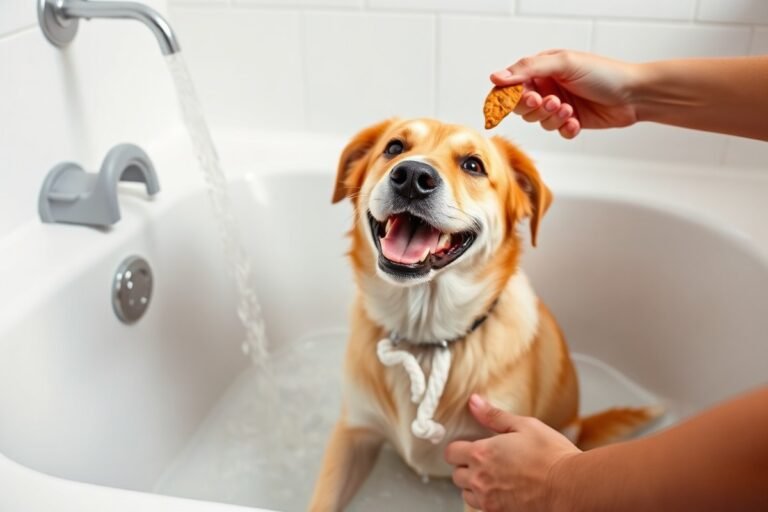
- Wet your dog’s coat thoroughly using lukewarm water around 85°F (29°C); avoid hot water as it can dry skin.
- Apply a shedding-control shampoo evenly, working it into a rich lather down to the skin.
- Massage the shampoo into the coat for 3 to 5 minutes to help loosen dead hair and dander.
- Rinse the coat well, ensuring no shampoo residue remains which can cause irritation.
- Apply a moisturizing conditioner, focusing on longer hair areas and avoiding eyes and ears.
- Let the conditioner sit for 2 to 3 minutes, then rinse thoroughly.
- Dry your dog gently with a towel, avoiding vigorous rubbing that can tangle hair.
Use lukewarm water and avoid overbathing, as bathing more often than every 6 weeks can dry the skin and worsen shedding.
Post-Bath Grooming for Removal of Dead Fur
After your dog is dry, brushing removes the dead hair loosened by the bath and conditioner, preventing loose fur from spreading around your home. Choose a brush suited for shedding, such as a bristle brush for all coat types or a rubber grooming glove for short-haired breeds.
Brush your dog gently but thoroughly, working from front to back and getting close to the skin to pull away dead hair. Completing this step weekly helps maintain a healthy coat and reduces hair shed around your house. When tangles or mats develop, use a slicker brush along with conditioner during baths to detangle gently.
6. Recognizing When Shedding Is Excessive and Requires Veterinary Care
Noticing more fur than usual around your home might feel troublesome, but some shedding is normal for dogs, especially during seasonal changes. Watch for signs beyond typical shedding, such as hair loss in thin patches, constant itching, red or inflamed skin, and visible skin flakes like dandruff. Your dog showing these symptoms or having a dry, matted, or patchy coat often indicates an underlying problem that needs veterinary attention.
Certain skin conditions can cause excessive hair loss. Parasites like fleas and ticks lead to irritation that makes dogs scratch a lot, which loosens hair and causes bald spots. Other causes include allergies, bacterial or fungal infections, hormonal imbalances, and nutritional deficiencies. Your dog may also show symptoms like visible flea dirt, lethargy alongside swelling, or digestive signs such as worms in the stool. These signs point to issues that need a professional diagnosis and treatment plan.
To decide when to schedule a vet appointment, follow this practical checklist: if your dog’s shedding is accompanied by red or irritated skin, bald patches, intense scratching, visible parasites, lethargy, or digestive problems, book a veterinary visit as soon as possible. Your dog on a quality diet but still shedding excessively means your vet can check if supplements, specialized shampoos, or prescription diets could help. Regular veterinary visits support not only your dog’s overall health but also can help manage shedding effectively.
Cost-wise, a vet visit for skin and shedding issues typically starts from $50 to $150, depending on examinations and any laboratory tests required. Treatments might add to the cost, especially if medications or specialty diets are prescribed. Results you can expect after veterinary care include healthier skin, reduced itching, and noticeable regrowth of hair within a few weeks to months. Ignoring excessive shedding risks ongoing discomfort for your dog and potential complications like infections or severe hair loss.
Monitor your dog’s coat regularly for changes and maintain thorough grooming practices. Noticing signs of abnormal shedding from the checklist calls for prompt veterinary care. This approach prevents prolonged suffering and helps maintain a comfortable, healthy coat for your dog.
7. Managing Shedding During Seasonal Changes and Environmental Factors
Shedding spikes mainly happen in spring and fall because your dog’s coat adjusts to changing temperatures and daylight. To handle this, increase grooming frequency and make environmental adjustments that support skin and coat health during these times.
Seasonal Shedding Cycles by Breed and Coat Type
Most dogs with dense double coats, like Huskies and German Shepherds, shed heavily twice a year as they prepare for winter or summer. They lose their thick undercoat in spring to cool off and again in fall as old winter fur drops before new growth. Single-coated dogs such as Labs shed steadily but experience less dramatic changes. Long silky coats, typical of breeds like Shih Tzus, shed year-round but don’t usually have intense seasonal shedding. Understanding your dog’s coat type helps predict when shedding peaks to adjust care accordingly.
Shedding intensity also depends on the local climate. Dogs in milder climates with less temperature variation may shed less noticeably, but indoor dogs exposed to artificial light and heat might shed off their natural cycle. Keeping notes of your dog’s shedding patterns over a year can clarify if seasonal changes impact them.
Adjusting Brushing and Bathing Schedules Seasonally
Increasing brushing frequency during peak shedding periods reduces loose hair buildup and prevents matting. For double-coated dogs, brush daily in spring and fall, using an undercoat rake along with slicker brushes or de-shedding tools designed for your dog’s coat. Brushing several times a week works for single-coated dogs, with a gentle rubber curry brush or grooming mitt. Long-haired breeds also benefit from daily brushing to catch shedding hairs before they fall.
Bathing once every four to six weeks can help loosen dead hair, but more frequent baths during shedding seasons might dry out the skin if not done carefully. Use a moisturizing shampoo formulated for dogs and follow with thorough rinsing to avoid residue. Dry your dog completely to prevent irritation, and avoid overbathing since it may cause excessive shedding.
Humidity and Indoor Environment Tips for Coat Health
Dry indoor air, especially in winter, can cause your dog’s skin to become dry and flaky, leading to more shedding. Using a humidifier in the home to maintain indoor humidity around 40-60% supports healthy skin and coat. Monitor your dog for signs of dryness, such as itching or dandruff, which indicate the need for a more humid environment.
Temperature stability indoors also affects shedding. Rapid temperature changes stress your dog’s coat cycle, causing more hair to shed. Keep your living area at a consistent temperature near 65-75°F to minimize this impact. Reducing stress through calm routines and comfortable bedding also helps manage shedding during seasonal changes.
8. Safe Natural Remedies and Home Treatments That Reduce Dog Shedding
Using safe, natural oils can effectively improve your dog’s coat condition and help reduce shedding. Olive oil is a popular choice; add about one teaspoon per 10 pounds of your dog’s body weight to their daily food. This small amount boosts natural oil production, resulting in a softer, less flaky coat. Coconut oil is another option, known for its antibacterial and moisturizing properties. Apply it topically by rubbing a small amount into the skin or mixing a teaspoon into their food, but start with low doses to check for any skin reactions.
Aloe vera, when used carefully, can soothe irritated skin and decrease shedding caused by dryness. Use pure aloe vera gel applied directly to problem areas once or twice a week. However, avoid aloe products with added chemicals or alcohol. Fish oil supplements rich in omega-3 fatty acids are also effective at reducing shedding by promoting healthy skin and coat. Consult your vet for the correct dosage, usually ranging from 100 to 300 milligrams per 10 pounds of body weight daily. These fats improve skin health and reduce inflammation, which helps minimize excessive hair loss.
- Drizzle 1 teaspoon olive oil per 10 pounds of body weight daily into your dog’s food
- Start with a small topical amount of coconut oil (about a quarter teaspoon) to check for allergies
- Apply pure aloe vera gel to dry or flaky skin twice weekly
- Use omega-3 fish oil supplements at vet-recommended doses
- Avoid excessive bathing that strips natural oils, limiting baths to once every 4 to 6 weeks
- Do not use essential oils like tea tree or eucalyptus directly on your dog, they can be toxic
- Use lukewarm water for baths, as hot water can dry out the coat and increase shedding
Many natural remedies can help, but some common treatments carry risks. Avoid essential oils such as tea tree or eucalyptus, which are toxic to dogs and can cause skin irritation or worse symptoms. Also, refrain from using human shampoos or harsh soaps; they disrupt the skin’s pH balance and may worsen shedding. Natural remedies work best as part of a consistent routine. Apply oils regularly but sparingly to avoid greasy coats or blocked pores.
Always patch test new oils on a small skin area and wait 24 hours to check for adverse reactions before broader application.
Results typically show up within a few weeks, with a softer coat and less hair on your furniture. If shedding worsens or skin problems appear, stop treatments and consult your vet. Properly used, natural oils and supplements support your dog’s skin health and coat vibrancy while safely reducing shedding.
Step-by-Step Action Plan to Reduce Dog Shedding
Follow these steps to start managing your dog’s shedding effectively and keep their coat healthy.
- Before You Start: Assess your dog’s coat type and shedding level to choose the right brushes and tools. Success looks like having the proper grooming equipment on hand.
- Day 1: Begin a daily brushing routine using tools suited for your dog’s coat. You’ll know it’s working when loose hairs visibly collect on your brush rather than your furniture.
- Week 1: Adjust your dog’s diet to a high-quality, balanced food or add omega fatty acid supplements. Notice improvements when your dog’s coat feels shinier and shedding slows.
- Week 2: Implement a bathing schedule with a gentle, dog-specific shampoo to cleanse skin and loosen fur. Reduced surface shedding after baths signals progress.
- Week 3: Monitor seasonal changes closely; increase grooming frequency during high-shedding seasons. You’ll see fewer hairs around your home as the routine adapts.
- Week 4: Introduce natural remedies cautiously, such as coconut oil or specific sprays, observing your dog’s skin for any irritation. Effective results include softer fur and calmer skin.
- After 1 Month: Evaluate your dog’s overall shedding and skin condition. Consult your veterinarian if excessive shedding remains despite your efforts.
Frequently Asked Questions
Can Regular Grooming Eliminate Dog Shedding?
Regular grooming cannot eliminate shedding because hair growth and loss are natural, ongoing processes. Daily or frequent brushing helps catch loose hair before it falls, reducing shedding on furniture and floors.
Does Using a Bristle Brush Reduce Dog Hair Around the House?
A bristle brush helps by loosening and removing excess hair but doesn’t stop shedding. Brushing your dog 2-3 times weekly with a suitable brush style captures loose fur to keep your home cleaner.
Can Air Purifiers Stop Dog Shedding Indoors?
Air purifiers can’t stop shedding itself but can reduce airborne dander that triggers allergies. Using a true HEPA filter captures about 97% of dander, improving air quality for sensitive people living with dogs.
Is There a Breed That Sheds the Least?
Some dog breeds shed less due to coat type, but no breed is completely non-shedding. Choosing a breed with minimal shedding helps manage hair, but regular grooming is still necessary.
Does Stress Increase a Dog’s Shedding?
Stress can lead to temporary increased shedding by disrupting a dog’s normal hair cycle. Providing a calm environment and regular care helps prevent stress-related hair loss.
Will Frequent Baths Reduce Dog Shedding Permanently?
Frequent baths don’t permanently reduce shedding but help loosen and wash away dead hair. Proper bathing once a month with dog-special shampoo is enough to maintain coat health without drying the skin.
Before You Go
Reducing dog shedding requires a consistent approach that includes proper grooming, diet, and careful attention to seasonal needs. Start with regular brushing and a balanced diet, and adjust your routine based on your dog’s response. Taking action today will help you maintain a cleaner home and a happier, healthier pet.




One Comment