

How Much Does a Large Dog Groom Cost? A Complete Cost Guide with Tips
A large dog groom typically costs between $70 and $175, depending on your pet’s size and coat type. Expect prices on the higher end for big breeds with thick or double coats like Bernese Mountain Dogs or Huskies. The grooming cost covers bathing, brushing, trimming, and nail care with extra fees for complex coats or special requests.
This information is designed for owners of large dog breeds considering professional grooming. It clarifies the price range and factors influencing cost, helping you plan your budget and choose the right grooming service for your dog’s specific needs.
Key Takeaways
- Large dogs generally incur higher grooming costs due to their size and thicker coats.
- Full grooming for large double-coated breeds ranges from $100 to $175 or more.
- The complexity of your dog’s coat significantly affects the grooming price.
- Basic services usually include bath, brush, nail trim, and sometimes ear cleaning.
- Self-service dog wash stations provide a budget-friendly alternative, costing $15 to $30 per visit.
- Expect to tip groomers around 15, 20% of the total grooming cost.
How Much Does Grooming a Large Dog Typically Cost?

Grooming a large dog typically costs more than grooming smaller breeds due to their size and the amount of work involved. On average, basic grooming sessions for large dogs range from about $70 to $95, while a full grooming service can run between $100 and $175 or more depending on coat type and service extent. This difference matters because large dogs with dense or double coats, like Labradors or Bernese Mountain Dogs, require more time for bathing, drying, brushing, and sometimes de-shedding or de-matting.
Basic services usually include a bath, brushing, and nail trim, while full grooming adds haircuts, ear cleaning, and gland expression. Prices vary with added treatments such as teeth brushing or flea and tick control.
| Service | Typical Price Range | What’s Included |
|---|---|---|
| Basic Bath & Brush | $30, $50 (small dogs) $70, $95 (large dogs) |
Bath, blow-dry, brush-out, light tidy |
| Full Groom | $40, $120+ (small dogs) $100, $175+ (large dogs) |
Bath, haircut/style, blow-dry, nails, ears, anal glands |
| Nail Trim | $10, $25 | Quick standalone service |
| De-shedding Treatment (Add-on) | $15, $50 | Heavy blow-out for double coats |
| Teeth Brushing (Add-on) | $5, $15 | Extra cleaning during bath or full groom |
For a typical grooming session of a large dog like a Golden Retriever, a full groom including a bath, haircut, nail trim, ear cleaning, and gland expression might cost around $120. Adding a de-shedding treatment could raise the total by $30, and teeth brushing $10 more, totaling approximately $160.
To calculate a typical session cost, start with the base price for a full groom ($100), then add any desirable extras. Nail care is usually included, but extra treatments like flea control or paw balm will add $5-$15 each. Choosing added services depends on your dog’s coat condition and your budget.
What Factors Affect Grooming Prices for Large Dogs?
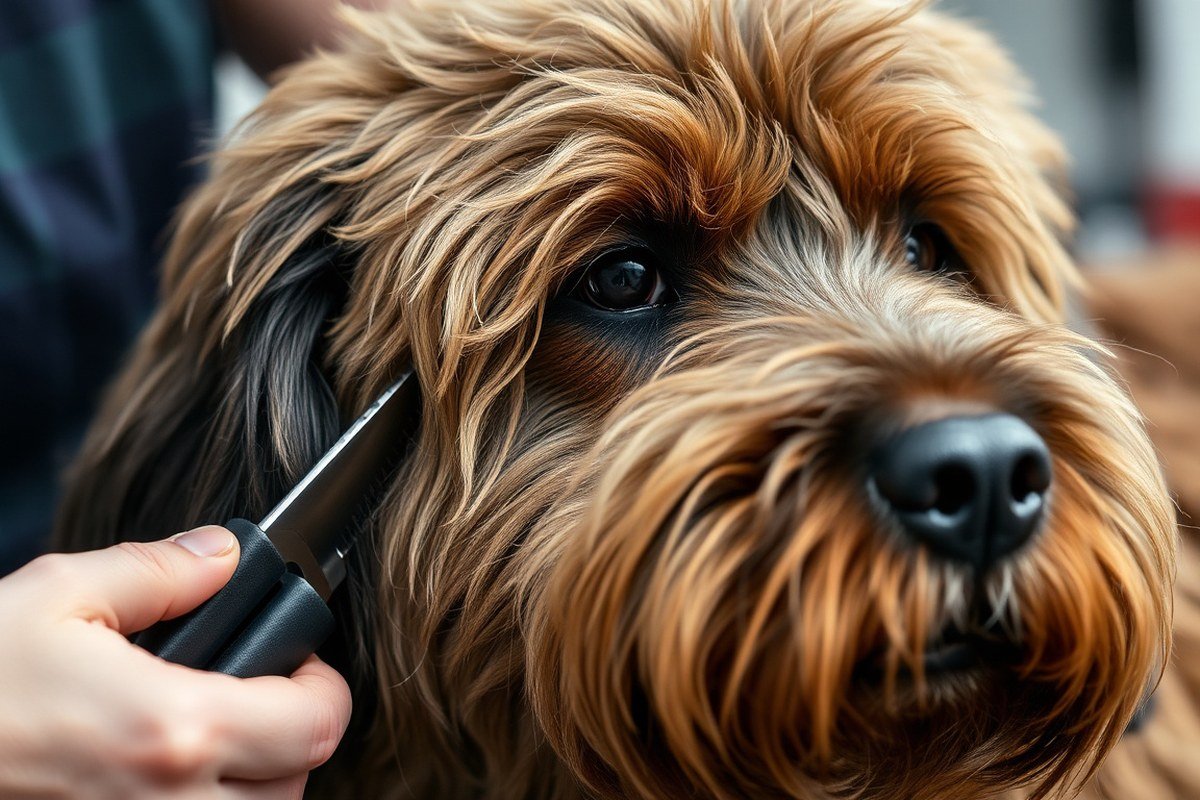
Grooming costs for large dogs depend mainly on your dog’s size, coat type, behavior, and where you live. Larger dogs naturally take more time to groom, so prices usually start around $50 and can go up to $180 or more. Dogs with thick, curly, or matted coats often need extra time and special tools from the groomer, which raises the cost. For example, a short-haired large dog may cost closer to $70, while a heavy-coated breed like a Bernese Mountain Dog can push costs over $150.
Your dog’s temperament matters as well. Dogs who are anxious, uncooperative, or aggressive require extra handling, which adds to grooming time and raises the price. Groomers sometimes charge a handling fee or higher hourly rates to cover these challenges. Location also plays a big role, urban areas or regions with higher living costs generally have higher grooming fees compared to rural areas.
- Size: Larger dogs take longer and need more shampoo, tools, and effort.
- Coat type: Thick, curly, or matted coats take more time and specialty care than short coats.
- Dog behavior: Nervous or aggressive dogs require extra handling, increasing grooming time and cost.
- Location: Grooming prices tend to be higher in cities or high-cost regions.
- Breed-specific needs: Some breeds have sensitive skin or require special grooming techniques.
- Additional services: Dematting, de-shedding, or trimming nails add to the total cost.
To manage costs, start by regularly brushing your dog to prevent mats and reduce shedding. This keeps coats healthier and shortens grooming time. Choose a groomer familiar with your dog’s breed and coat type to avoid surprises. When your dog has trouble with grooming, check if behavior modification or gradual desensitization can help lower handling fees. Also, check rates in multiple locations since even a 10-20% price difference can add up over time.
Prevent mats and tangles with weekly brushing to avoid costly dematting fees during grooming appointments.
What Services Are Included in Large Dog Grooming?
Large dog grooming sessions generally include a range of services from basic baths to full grooming appointments. Basic baths focus on cleaning with brushing, while full grooming adds nail care, ear cleaning, and haircuts tailored to your dog’s breed or your style choices. Additional services like teeth brushing or anal gland expression often come as extra charges.
Basic Bath and Brush Services
A basic bath session typically involves washing your dog with shampoo, followed by brushing to remove loose hair and dirt. The groomer will towel-dry and may use a blow dryer to finish drying the coat, ensuring your dog is clean and comfortable. This service focuses on hygiene, promoting healthy skin and reducing shedding.
For large dogs, basic baths usually cost between $50 and $100. These sessions generally include a simple brush-out but exclude nail trimming or ear cleaning unless added separately. This option suits dogs who regularly stay clean or don’t require cutting or special treatments.
Full Grooming Components
Full grooming builds on the bath and brush by adding several important steps. Along with the bath, drying, and brushing, groomers trim nails, clean ears, brush teeth, and perform anal gland expression if needed. Most importantly, full grooming includes a haircut or trim that matches breed standards or your preferred style.
This complete package helps maintain your dog’s overall health, reduces mats or tangles, and keeps their coat in good condition. Full grooming for large breeds typically falls between $75 and $140, depending on factors such as coat type and regional pricing. Choosing full grooming makes sense if your dog has a thick or long coat requiring regular maintenance, or if you want a polished, breed-appropriate look that a simple bath can’t provide.
Common Add-On Services and Prices
Several services often come as add-ons rather than being included in the basic or full grooming packages. Nail grinding, for example, may cost an additional $5 to $15 and is a gentler alternative to clipping. Teeth brushing usually adds $10 to $12, helping to reduce tartar buildup and bad breath.
Specialty shampoos, tailored for sensitive skin or coat repair, can run between $10 and $30 extra. Anal gland expression may also be offered for $10 to $15. Because large dogs require more time and product, these add-ons can noticeably increase the overall cost.
Select these extras based on your dog’s specific needs. For instance, a Golden Retriever prone to ear infections might benefit from routine ear cleaning, while a long-coated breed like a Standard Poodle requires regular haircuts and dematting treatments.
| Service Type | Typical Price Range | Included Services |
|---|---|---|
| Basic Bath and Brush | $50 – $100 | Shampoo, towel/air dry, brush-out |
| Full Grooming | $75 – $140 | Bath, drying, brushing, haircut, nail trim, ear & teeth cleaning, anal gland expression |
| Nail Grinding (Add-on) | $5 – $15 | Gentle nail smoothing |
| Teeth Brushing (Add-on) | $10 – $12 | Tartar removal and freshening breath |
| Specialty Shampoos (Add-on) | $10 – $30 | Treatments for sensitive skin or coat repair |
| Anal Gland Expression (Add-on) | $10 – $15 | Relieving anal gland discomfort |
Consult with the groomer about your dog’s coat and health to decide the right package and add-ons. For regular upkeep, a bath and brush can suffice, but full grooming is better for maintaining coat shape and hygiene. Add-ons should depend on specific needs like nail care or dental hygiene to avoid unnecessary charges.
How Do Different Large Dog Breeds Affect Grooming Cost?
Different large dog breeds can significantly affect the cost of grooming due to variations in coat type, coat condition, and overall size. Breeds with thick, curly, or long hair generally require more time and specialized care, which raises the price compared to breeds with short, smooth coats. For example, a Goldendoodle’s grooming cost often ranges from $70 to $130 because their coats need thorough brushing and care to avoid mats and tangles. In contrast, large dogs with short coats, such as Boxers or Labs, typically take less time and cost less to groom.
Coat types influence not only time but also the techniques and tools needed. Curly coats require detangling and sometimes de-matting, which can incur additional fees ranging from $15 to $50 or more. For long-haired breeds, regular grooming is necessary every 4 to 8 weeks to keep the coat healthy and the price consistent. Infrequent grooming may lead to extra charges for de-matting or additional handling time.
| Dog Breed | Average Grooming Price | Lowest Average Price | Highest Average Price |
|---|---|---|---|
| Goldendoodle | $70 – $130 | $70 | $130 |
| Bernese Mountain Dog | $70 – $90+ | $70 | $90+ |
| Great Pyrenees | $70 – $90+ | $70 | $90+ |
| Standard Poodle | $70 – $90+ | $70 | $90+ |
| Large Short-Haired Dogs (e.g., Lab Retriever) | $50 – $75 | $50 | $75 |
| Giant Breeds | $120 | $60 | $180 |
Several breed-specific grooming considerations can help manage costs. For instance, regular brushing at home reduces matting and the need for costly de-matting services. If your dog has a curly or thick double coat, booking grooming appointments every 4 to 6 weeks prevents excessive tangling. Some large breeds like Standard Poodles require professional trimming and styling that drive prices above the average, so expect to pay $70 or more. Dogs that become anxious or hard to handle may also require special handling fees, which typically add $15 to $30 to the total cost.
Short-haired large breeds generally groom quickly and affordably with simple baths, nail trims, and ear cleaning. In contrast, thick-coated breeds like the Bernese Mountain Dog or Great Pyrenees need blow drying, brushing, and trimming, requiring more time and raising prices. Keeping a grooming schedule and performing routine at-home care can help you avoid surcharges and keep your dog’s coat in good condition.
How Often Should You Groom a Large Dog?
You should adjust grooming frequency for your large dog based on its coat type and activity level to keep it healthy and control grooming costs. Dogs with short, smooth coats typically need grooming every 8 to 12 weeks, while those with long, curly, or double coats benefit from visits every 4 to 6 weeks. Regular grooming prevents matting, skin problems, and discomfort that can develop with neglect.
Grooming Frequency for Short and Medium Coats
Large dogs with short or medium coats, like Labradors or Boxers, usually need professional grooming every 8 to 12 weeks. Their coats do not mat easily, so you can maintain their appearance and skin health with home brushing between appointments. Bathing every 6 to 8 weeks and regular nail trims should complement professional grooming.
Delaying grooming beyond 12 weeks can lead to dirt build-up, loose hair accumulation, and missed health issues like skin irritation. Still, these coats are generally low-maintenance, making less frequent grooming cost-effective without compromising well-being.
Grooming Frequency for Long and Double Coats
Breeds with long, double, or curly coats, such as Golden Retrievers, German Shepherds, or Standard Poodles, require more frequent grooming, ideally every 4 to 6 weeks. These coats are prone to tangling, matting, and excessive shedding, so skipping appointments increases the risk of painful mats and skin infections.
Keeping to this schedule balances your dog’s comfort and coat condition. Frequent grooming also helps spot early signs of skin or ear infections, potentially preventing costly vet visits. Home brushing several times a week helps extend the time between professional grooming sessions but doesn’t replace them.
Estimating Annual Grooming Expenses
Knowing grooming frequency helps you calculate yearly costs more clearly. Each grooming session for large dogs ranges roughly between $75 and $120 depending on coat complexity. Scheduling sessions every 6 weeks for a curly or long-coated breed translates to about 8 visits per year, while every 10 weeks for short coats results in around 5 visits annually.
For example, at $100 per groom every 6 weeks, your annual cost would be $800 (8 visits × $100). With appointments every 10 weeks at $75, it would total about $390 (5 visits × $75). Balancing frequency with home maintenance can lower overall expenses by 30% to 40% by reducing the number of professional grooms needed. Use this simple plan to estimate and manage grooming schedules and costs for your dog:
- Identify your dog’s coat type: short, medium, long, double, or curly.
- Research typical grooming intervals for your dog’s coat (4-6 weeks for long/curly, 8-12 weeks for short/medium).
- Calculate how many visits fit into one year based on the recommended interval.
- Find out the average cost per grooming session for your dog’s size and coat.
- Multiply the number of yearly visits by the session cost to estimate annual expenses.
- Plan home brushing and bathing schedules to support professional grooming routines.
- Adjust grooming frequency based on your dog’s lifestyle changes or coat condition.
Regularly missing professional grooming for long or double coats can lead to severe matting and skin infections that increase health risks and costs.
Are Mobile Grooming or Self-Service Options Worth the Cost?
Mobile grooming tends to cost about 20% to 40% more than salon grooming for large dogs. This extra fee covers the convenience of having a professional come to your home and the one-on-one attention your dog receives in a cage-free environment. Traditional salons offer more affordable rates because their overhead is spread across multiple appointments at a fixed location.
Self-service dog wash stations are the most budget-friendly option, typically costing $15 to $30 per visit for a large dog. These facilities provide the equipment, like aprons, brushes, towels, and dryers, but you do the washing and drying yourself. This method can reduce your grooming expense by about 25% compared to professional salons, but it requires that you handle all the work, which might not suit every dog owner.
| Grooming Type | Typical Cost | Primary Benefit |
|---|---|---|
| Salon Grooming | $60, $100 | More affordable; lower overhead allows competitive pricing |
| Mobile Grooming | $72, $140 (20, 40% more than salon) | Convenient; one-on-one, cage-free environment |
| Self-Service Wash Station | $15, $30 | Lowest cost; you control the grooming process |
The biggest benefit of mobile grooming is convenience. Your dog avoids the stress of travel and waiting among other pets, which can be important for large or anxious dogs. However, the premium cost and sometimes a flat trip fee may not make it the best choice if budget is tight. Mobile groomers also offer personalized care but might have limited availability depending on your location.
Self-service wash stations work well for owners comfortable washing their large dogs and able to handle some of the styling. These stations are growing in popularity because they cut grooming costs by at least 25% and provide all the tools you need. The downside is you need time, effort, and some skill to manage large dogs safely, and you may lack some finishing services like nail trimming or ear cleaning unless you schedule these separately.
- Salon Grooming: Best for owners wanting full service at a moderate price. Expect about $60 to $100 per session.
- Mobile Grooming: Ideal when convenience and minimizing stress to large dogs are top priorities, although it costs 20% to 40% more.
- Self-Service Wash: Great for budget-conscious owners willing to invest time and effort; costs around $15 to $30.
What Additional Fees and Tips Should You Expect?
Additional fees can increase the total cost of grooming your large dog beyond the base price. Common charges include dematting, handling fees for difficult dogs, and special treatments like flea removal. For example, dematting is a common extra service and can range from $10 up to $100 or more, depending on how severe the mats are. Handling fees might apply if your dog is anxious, aggressive, or has special needs requiring extra care or time, sometimes costing between $15 and $50. Here’s a list of some typical extra fees you might encounter:
- Dematting: $10, $100+
- Additional Bath or Special Shampoo (medicated/flea): $10, $30
- Handling/Behavior Fee for anxious or aggressive dogs: $15, $50
- Nail Grinding (beyond clipping): $5, $15
- Teeth brushing: $10, $20
- Special grooming requests (sanitary trim, gland expression): $10, $25
- Extended time for larger or extra thick coats: variable, often $20+ per hour
Tipping your groomer is expected if you’re satisfied with the service. The standard range is 15% to 20% of the total grooming bill. For example, if the groomer charges $120 for your large dog’s grooming session, the tip would be between $18 and $24. When the bill includes extra fees like dematting, calculate the tip based on the full amount, since those services add to the groomer’s time and effort.
Handling or behavior fees are common for large dogs that are hard to manage during grooming. A groomer might charge extra if your dog shows fear, aggression, or struggles during the appointment to compensate for the additional time and care required. It’s best to inform the groomer ahead of time about any behavioral issues. This helps avoid surprises on the bill and ensures the groomer is prepared with the proper tools and staff to handle your dog safely.
Because large breeds like Saint Bernards or Bernese Mountain Dogs often have thicker coats that mats easily, the chance of extra dematting fees is higher. Grooming centers may also charge more for large dogs based on their weight or size, so handling and size fees might overlap. Being upfront about your dog’s coat condition and temperament allows for accurate estimates and a smoother grooming experience.
How to Choose and Prepare for a Large Dog Groomer Appointment
Selecting the right groomer and preparing your large dog properly will reduce stress and unexpected charges. Focus on finding a qualified professional, get your dog ready for the appointment, and communicate clearly about costs and available packages.
Criteria for Choosing a Professional Groomer
Look for a groomer with specialized experience handling large breeds. Important credentials include certification from organizations like the National Dog Groomers Association of America (NDGAA) or equivalent. Verify that the groomer has a clean, safe facility and positive reviews emphasizing their care with bigger dogs.
Check if the groomer offers these qualities: patience, gentle handling, and knowledge of breed-specific grooming needs. Schedule a visit or phone call to ask about their experience with your dog’s breed and temperament. Confirm they use professional-grade tools sized for large dogs and maintain consistent sanitation standards.
Preparing Your Dog for Grooming Day
Getting your large dog ready before the appointment minimizes behavioral issues and additional costs like detangling mats or nail trimming surcharges. Follow this checklist to prepare efficiently:
- Brush your dog thoroughly 1-2 days before the appointment to remove loose hair and minor tangles.
- Bathe your dog 24-48 hours before grooming, unless the groomer prefers to do it themselves.
- Check and clean your dog’s ears using a vet-approved solution to avoid infections during grooming.
- Trim nails within a week before the visit or ask if the groomer includes nail trims to avoid duplication of effort.
- Exercise your dog before the appointment to reduce energy and anxiety during grooming.
- Bring your dog’s vaccination records if requested to ensure compliance with kennel policies.
- Arrive early to allow your dog to acclimate to the environment calmly.
Avoid delaying grooming sessions too long. Overgrown mats can increase service costs and discomfort for your dog.
How to Discuss Prices and Packages
Request a clear explanation of all fees before booking. Some services, like deshedding or de-matting, may cost extra. Ask if these come standard or add-ons to avoid surprises. Use this script when calling or visiting a groomer:
“Could you please provide a complete list of your grooming prices for large dogs? Do you offer any package deals for regular visits, like 4 to 6 times per year? Also, are there options for mini-groom sessions or special services included or available at extra cost?”
Negotiating pricing or discounts can be possible if you commit to frequent appointments or multiple pets. Some groomers offer loyalty discounts, bundled services, or flat rates for consistent customers. Tipping between 15% and 20% of the total is customary and encourages quality service.
Step-by-Step Action Plan to Manage Large Dog Grooming Costs
Taking control of your large dog’s grooming expenses starts with planning and informed choices. Follow these steps to keep grooming manageable and affordable.
- Before your first grooming appointment: Research groomers nearby who specialize in large breeds and compare prices for the services your dog needs. Choose one with transparent pricing and good reviews.
- Week 1: Schedule a consultation or a basic grooming session to assess your dog’s temperament and specific grooming needs. Confirm the total cost upfront to avoid surprises.
- After the first grooming: Observe your dog for any stress signs or skin issues to decide if the frequency or type of grooming needs adjustment.
- Month 1: Set up a grooming schedule based on your dog’s coat type, lifestyle, and recommendations from your groomer or veterinarian.
- Ongoing: Regularly brush and bathe your dog at home between professional grooming to maintain coat health and extend time between appointments.
- Every 3 to 6 months: Reevaluate your grooming budget and service package, adjusting as needed to balance cost with your dog’s comfort and clean appearance.
- Before special events or seasonal changes: Consider additional grooming services like nail trimming or de-shedding to keep your dog comfortable and looking their best.
- After each grooming session: Tip your groomer appropriately to support quality service, typically 15-20% of the grooming price, and ask for feedback to improve future visits.
Frequently Asked Questions
Can Grooming Large Dogs Damage Their Coat?
Grooming large dogs properly does not damage their coat but improves it. Regular brushing and professional grooming help remove loose fur and prevent mats, maintaining a healthy coat. Avoid over-bathing to protect natural oils.
Do Large Dog Grooming Prices Differ by Location?
Yes, grooming prices vary by location due to living costs and demand. Urban areas typically have higher prices than rural ones. Check local groomers for exact rates in your area.
Are Health Checks Part of Large Dog Grooming Services?
Some groomers include basic health checks during grooming. They might notice skin issues or lumps, alerting you early. Confirm with your groomer if health observations are part of the service.
Is It Better to Tip a Large Dog Groomer in Cash or with a Card?
Cash tips to large dog groomers are often preferred because they’re immediate and direct. Digital tipping is accepted too, but cash ensures the groomer personally receives your tip.
How Long Does a Full Groom for a Large Dog Usually Take?
A full groom for a large dog commonly takes 1.5 to 3 hours depending on coat type. Dense, double coats require more time than short, straight coats. Book accordingly.
Do Large Dogs Need Flea Treatments More Often During Grooming?
Large dogs do not necessarily need more frequent flea treatments, but groomers may recommend them if fleas are detected. Treatment frequency depends on environment and exposure risk.
Before You Go
Knowing how much grooming a large dog costs helps you choose the right services without stretching your budget. Start by contacting local groomers for quotes and discussing your dog’s specific needs. This way, you’ll feel confident scheduling your dog’s next grooming appointment with a clear financial plan in place.


One Comment