
What Is Grooming a Dog? A Complete Guide to Canine Care
Grooming a dog means maintaining their cleanliness and health through regular brushing, bathing, nail trimming, ear cleaning, and coat care. It's a hands-on routine that keeps your dog comfortable while preventing skin issues, infections, and matting.
A well-groomed dog not only looks better but also feels better and stays healthier over time. Skin problems, odor, and pain from neglected nails or mats can be avoided with consistent grooming. It also strengthens the bond between owner and pet through gentle care.
This article explores the important steps involved in grooming a dog, the tools needed, different grooming needs based on breed and coat type, and how to safely groom your dog at home. By the end, you'll understand how to keep your dog clean, healthy, and content.
Understanding the Basics of Grooming a Dog

What Grooming Entails
Grooming a dog is a combination of hygienic and cosmetic care. It typically includes brushing out dead hair, bathing to clean the skin and coat, trimming nails to avoid discomfort, cleaning ears to prevent infections, and sometimes dental care. These activities contribute to your dog’s overall wellness.
Combining these tasks regularly depending on the breed and lifestyle helps prevent health problems like skin irritation, ear infections, and paw injuries. Most dogs benefit from grooming once every few weeks, but some breeds require more frequent attention due to their hair type or skin sensitivity.
Tools Needed for Grooming
Essential grooming tools include a slicker brush or comb to detangle fur, dog-friendly shampoo, nail clippers designed for pets, ear cleaning solution, and occasionally scissors or clippers for trimming fur. Choosing the right brush depends on the dog's coat — long-haired breeds need different brushes than short-haired ones.
Investing in quality grooming supplies tailored to your dog’s needs makes the process smoother for both of you. For puppies or nervous dogs, using gentle, non-irritating shampoos and introducing grooming tools gradually helps build positive associations.
- Slicker brush
- Dog shampoo
- Nail clippers
- Ear cleaner
- Scissors or clippers
Brushing and Bathing: Core Grooming Practices

How to Brush a Dog Properly
Brushing removes loose fur and dirt while preventing tangles and mats. For short-haired breeds, a bristle brush can be effective, while long-haired breeds require slicker or pin brushes. After brushing, your dog’s coat should feel smooth without pulling on the skin.
Start brushing gently, especially around sensitive areas like the belly, legs, and tail. Brushing frequency depends on coat type; daily for long-haired dogs, once a week for short-haired dogs is usually sufficient.
- Start with small sections
- Use gentle strokes
- Avoid pulling mats
- Brush sensitive areas carefully
Bathing Your Dog Safely
Dogs should be bathed using specially formulated dog shampoos to protect their skin’s natural oils. Rinse thoroughly to avoid residue that causes irritation. Bathing too often can dry out the skin, so every 4-6 weeks or as needed depending on activity level and odor is recommended.
Before bathing, brush the coat to remove loose hair and tangles. Use lukewarm water to keep your dog comfortable and prevent shock from cold water. After bath time, dry the dog well to avoid chills or fungal growth.
- Use dog-specific shampoo
- Rinse thoroughly
- Dry completely
- Avoid bathing too frequently
Nail and Ear Care Essentials
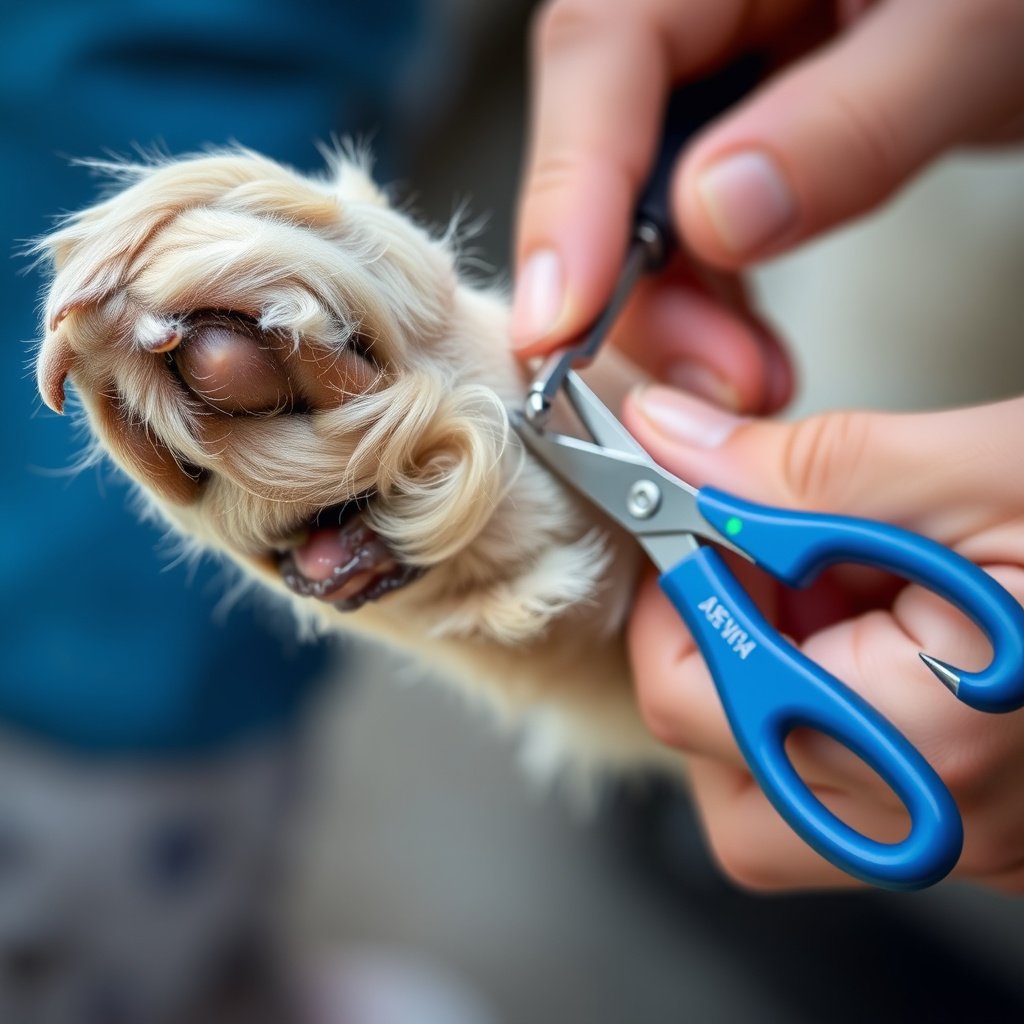
Trimming Your Dog’s Nails
Overgrown nails cause discomfort, pain, and even alter walking gait. Using nail clippers designed for dogs, trim small amounts to avoid cutting the quick (the sensitive part inside nails). If uncertain, a professional groomer or vet can assist and demonstrate proper technique.
Make nail care a calm routine—reward your dog afterward with treats or praise. For dogs prone to nail overgrowth, trimming every 3-4 weeks is advisable to maintain paw health.
- Use dog nail clippers
- Trim small amounts at a time
- Avoid the quick
- Reward your dog after trimming
Cleaning Dog Ears
Cleaning ears prevents infections caused by buildup of wax, dirt, or moisture. Use vet-recommended ear cleaner and cotton balls or pads. Avoid inserting anything deep into the ear canal which can injure your dog. Wipe only the visible parts gently.
Inspect ears weekly for redness, swelling, or odor, especially in floppy-eared breeds prone to infections. If your dog shakes its head frequently or scratches ears, consult your veterinarian.
- Use vet-approved ear cleaner
- Clean only visible areas
- Check ears regularly
- Consult a vet if infection signs arise
Grooming for Different Coat Types

Short-Haired Breeds
Short-haired dogs like Boxers or Beagles require less intense grooming. Weekly brushing removes dirt and dead hair while promoting a healthy, shiny coat. Bathing frequency varies but is often every 6-8 weeks or as needed after outdoor activity.
Nail care and ear cleaning are as important for short-haired breeds, despite their modest grooming needs. Their smooth coats allow easier inspection for skin issues but still need attention.
Long and Curly-Haired Breeds
Dogs with long or curly coats, such as Poodles or Afghan Hounds, require more diligent grooming to prevent mats and tangles. Daily brushing and regular trimming every 6-8 weeks help maintain coat health and comfort.
Bathing should be followed by thorough drying and detangling. Clippers or professional grooming may be necessary to handle excess hair growth and keep your dog clean.
- Daily brushing
- Regular trimming
- Careful detangling post-bath
- Professional grooming recommended
Health Benefits and Behavioral Advantages of Regular Grooming a Dog

Physical Health Benefits
Regular grooming reduces risk of skin infections, parasites, and painful mat formation. Removing dead hair and dirt improves coat shine and skin quality. Nail trimming promotes proper posture and mobility, while ear cleaning prevents infections that could worsen without care.
Early detection of lumps, bumps, or parasites during grooming sessions allows timely veterinary intervention, contributing to longer, healthier lives for dogs.
Behavioral and Emotional Benefits
Grooming strengthens the bond between dog and owner through gentle touch and attention. Dogs accustomed to grooming often become calmer and more comfortable being handled by vets or others.
Establishing positive grooming routines from puppyhood reduces anxiety and fear, turning it into a relaxing experience. This improves the dog's overall temper and trust.
Bringing It All Together: Grooming a Dog at Home

Setting Up a Comfortable Grooming Space
Create a designated area where your dog feels safe with non-slip surfaces and sufficient lighting. Gather all grooming tools beforehand to avoid interruptions. Use treats and calm voice commands to keep your dog relaxed throughout the session.
Keep sessions short initially for anxious dogs and gradually increase time as they become more accustomed. Ensuring your own comfort and patience helps make grooming less stressful for both.
For additional in-depth information about dog grooming practices and history, see dog grooming on Wikipedia. Dog grooming on Wikipedia.
When to Seek Professional Grooming Help
Some dogs, especially those with complex coat types or medical conditions, benefit greatly from professional groomers who have experience and specialized equipment. Difficult mats, nail clipping fears, or skin abnormalities may require expert attention.
Regular visits to groomers complement home care by maintaining ideal coat length, shaping specific breed styles, and managing challenging grooming tasks safely. Knowing when to delegate is part of responsible dog ownership.
Dog Grooming Methods Comparison
Here is a comparison of common dog grooming methods to help you decide what fits your needs best.
| Method | Frequency | Skill Level Needed | Cost Range | Best For |
|---|---|---|---|---|
| Home Grooming | Weekly to monthly | Beginner to intermediate | $$ | Owners with time and patience |
| Professional Grooming | Every 4–8 weeks | Expert | $$$ | Complex coats and thorough care |
| Mobile Grooming | Flexible | Professional | $$$ | Convenience for busy owners |
| Self-Service Dog Wash Stations | Occasional | Beginner | $ | Bathing without mess |
| Dog Grooming Salons | Every 6–8 weeks | Professional | $$$$ | Show dogs and styled cuts |
Frequently Asked Questions
How often should I groom my dog?
Grooming frequency depends on breed and coat type. Short-haired dogs usually need grooming every few weeks, while long-haired or curly-coated breeds may require grooming several times a week to prevent mats.
Can I use human shampoo on my dog?
No, human shampoos can disrupt a dog’s skin pH and irritate their skin. Always use shampoos specifically formulated for dogs to keep their coat healthy and skin moisturized.
What if my dog hates being groomed?
Start grooming gradually with short sessions, use positive reinforcement, remain calm, and consider professional help if your dog shows extreme anxiety or aggression during grooming.
Are nail trims necessary if my dog walks a lot?
Walking helps wear down nails but often not sufficiently to avoid overgrowth. Regular nail trims prevent pain and issues even for active dogs.
How can I tell if my dog’s ears need cleaning?
Look for wax buildup, odor, redness, or your dog shaking their head or scratching. These signs indicate it's time to clean the ears or visit a vet if infection is suspected.
Key Takeaways
- Grooming a dog involves brushing, bathing, nail trimming, and ear cleaning to maintain health.
- Different coat types require different grooming routines and tools.
- Regular grooming prevents skin problems and improves a dog's comfort and behavior.
- Professional grooming complements home care for complex coats or anxious dogs.
Conclusion
Understanding what grooming a dog entails helps pet owners provide regular care that keeps dogs clean, healthy, and comfortable. Incorporating brushing, bathing, nail trimming, and ear care into your routine establishes a foundation for good canine hygiene and wellness. Being consistent with grooming detects early signs of health issues and supports your dog's physical and emotional well-being. This approach balances practical skill development and attentive observation, making grooming a natural part of dog care.
For practical application, owners of short-haired dogs may find simple weekly brushing and monthly bathing sufficient, while those with long or curly-coated breeds should commit to daily coat care and professional trims every six to eight weeks. If your dog is resistant or has specialty grooming needs, professional groomers or mobile services offer valuable support. Tools like slicker brushes, dog-friendly shampoos, and proper nail clippers make grooming at home manageable and safe.
The best next step is to begin a grooming schedule tailored to your dog’s coat type and temperament. Gather appropriate supplies, start with brief, positive sessions, and consult your veterinarian or groomer if you encounter challenges or medical questions. This proactive approach ensures that grooming becomes a comfortable routine, enhancing both your dog’s health and your shared relationship.




3 Comments