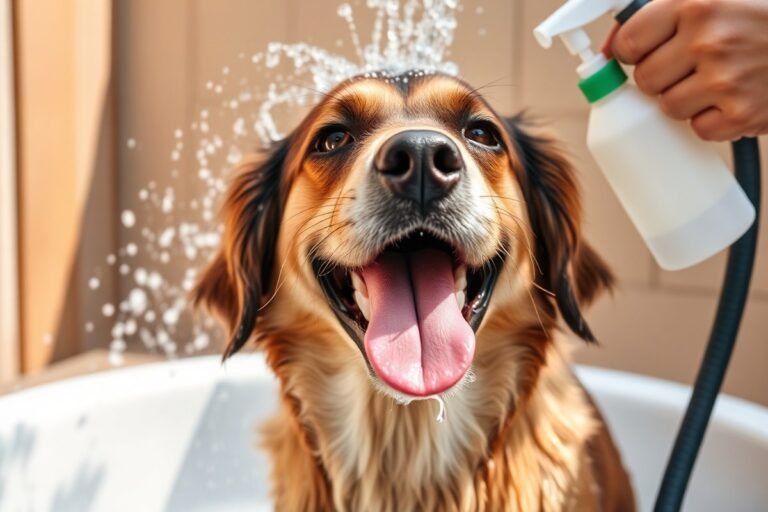
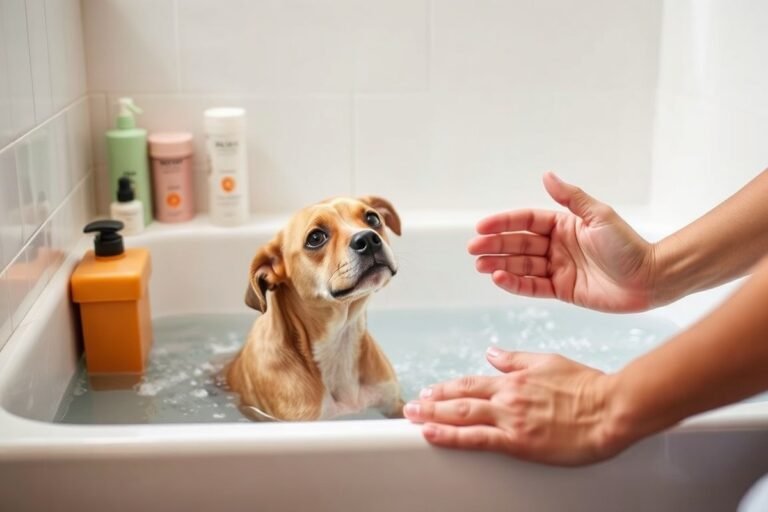
How to Make a Dog Like Baths: 8 Proven Steps to a Stress-Free Bath Time
To make a dog like baths, start with gentle introductions and maintain a calm, consistent routine to reduce fear and discomfort. Use warm water, positive reinforcement like treats, and ensure a safe, quiet space to create a stress-free experience. These steps help build your dog’s comfort level gradually over time.
This advice is designed for dog owners struggling with bath time, whether they are new or have tried multiple methods without success. You’ll find practical, proven tips that make baths easier for both you and your dog, improving your pet’s hygiene and your bonding moments.
Key Takeaways
- Introduce your dog to the dry tub first to familiarize them with the bathing area without water.
- Use warm water around 98-99°F to keep your dog comfortable and avoid shock from cold or hot temperatures.
- Start bath training as early as eight to ten weeks to help your dog accept water from a young age.
- Keep training sessions brief, 5 to 10 minutes with frequent treats, to prevent overwhelming your dog.
- Invest in an extendable shower hose (6-8 feet) for better control and gentle rinsing during baths.
- Wrap small dogs in a towel after baths and hold them close for about 10 minutes to provide warmth and comfort.
1. How to Make Your Dog Enjoy Baths Safely and Calmly
Helping your dog enjoy baths starts with creating calm and positive associations, which prevents fear and resistance. Dogs often pick up on your emotions, so maintaining a calm, gentle tone and slow movements sets the foundation for a less stressful bath. Using treats or praise during and after bath time links the experience to rewards, encouraging your dog to tolerate water without anxiety. For nervous dogs, it’s best to introduce baths gradually and avoid sudden splashes of water, which can rekindle fear.
Training your dog for bath time even between actual baths helps keep their comfort level steady. High-value treats that your dog only gets during baths work well to reinforce a positive connection. Having a helper nearby can offer additional security to a shaky dog, reducing chances of escape or panic. Remember, rushing or rough handling creates negative memories, so patience is key. Follow these steps to introduce safe, calm bath time experiences and help your dog feel more secure:
- Stay calm and speak softly. Before you start, take a deep breath and approach your dog with a gentle voice. Your relaxed energy will help your dog settle down.
- Introduce the bath area gradually. Let your dog explore the tub or sink without water at first. This reduces fear of new spaces and builds familiarity.
- Use warm water and avoid rushing. Fill the tub ahead of time with water around 85°F to 90°F to prevent startling your dog with sudden splashes or cold temperatures.
- Offer high-value treats and praise. Give your dog small tasty rewards during pauses in washing and immediately afterward to build positive associations.
- Move slowly and use gentle touch. Avoid splashing or spraying water suddenly. Instead, pour water gently with a cup or use a handheld sprayer on a low setting.
- Have a helper hold and comfort your dog. For dogs that are nervous or unsteady, a trusted person can provide steady reassurance and prevent escape attempts.
- Keep bath sessions short and upbeat. Aim for 5 to 10 minutes at first. Gradually increase time as your dog grows more comfortable.
- Dry and reward immediately afterward. Use a soft towel to gently dry your dog, avoiding loud blow dryers. Finish with praise and a treat to end on a good note.
Dogs that regularly receive calm, positive baths tend to become more tolerant over time. Avoid rushing or forcing the process as fearful reactions can set progress back. Instead, focus on steady, gentle exposure alongside praise and treats to make your dog’s baths safer and less stressful for both of you.
2. Why Do Dogs Hate Baths? Understanding Their Fears

Dogs often dislike baths because the experience unsettles them physically and emotionally. Many dogs feel overwhelmed by the unfamiliar sensations of water and soap, and the loss of control during bath time can heighten their anxiety. Recognizing these reasons can help you approach bath time with more patience and empathy.
Sensory Overload from the Bath Environment
One common reason dogs dislike baths is that the bathtub or washing area feels slippery and unstable to them. Water running over their skin, particularly when it’s cool or the temperature changes suddenly, can make them uncomfortable. Baths often combine loud noises, wet fur, and strange scents, which together can overwhelm many dogs.
Controlling water temperature between 85°F and 100°F helps prevent a sudden shock that can increase fear. Using rubber mats in the tub gives your dog better footing, reducing slips. Introducing familiar items like your dog’s favorite waterproof toy can distract and soothe them, shifting attention away from scary stimuli.
Effects of Negative Past Experiences
A single bad bath experience may imprint fear in your dog’s memory. For example, if water splashed too hard or bath time felt rushed and stressful, your dog can learn to expect discomfort or frustration. Over time, this conditioning leads to avoidance or defensive behavior during future baths. Dogs often sense and respond to the stress or anxiety you show, especially if past experiences with bathing were unpleasant for your previous dog.
Avoid rushing bath time and use gentle handling to rebuild positive associations. Take breaks if your dog becomes distressed, then reward calm behavior with treats or affection. This patience helps reverse negative conditioning by replacing fear with trust and safety.
Loss of Control and Uncomfortable Sensations
During a bath, a dog loses choice about movement and environment, which can feel like a loss of control. Being confined in a tub or washing area prevents them from escaping what they perceive as a threat. The unfamiliar sensation of soapy water, the smell of shampoo, and the dampness can all cause unease. Licking lips or trying to move away are typical signs your dog feels stressed but unsure how to express it.
Offering gentle reassurance and allowing your dog some movement, like standing on a non-slip surface or letting them step out briefly, can help reduce anxiety. Wrapping your dog in a warm towel immediately after a bath also provides comfort and security, especially for older or more anxious dogs.
Use a hose with temperature control attached to an indoor tap to avoid shocking your dog with cold water, helping to make baths less stressful.
3. Preparing the Best Bathing Environment and Supplies
Preparing the right environment and gathering the correct supplies are key to reducing stress for dogs who dislike baths. Start by choosing a quiet space where your dog feels secure. Bath time is less stressful when the surface is safe and non-slip. A rubber bathmat or towel on the bottom of the tub or sink prevents your dog from slipping, which increases comfort and confidence.
Water temperature is an important factor in keeping your dog comfortable. Use lukewarm water, around 90°F to 100°F. Water that is too hot can scald sensitive skin, while cold water can trigger negative reactions or make your dog anxious. Avoid sudden squirts of water; instead, pour water slowly once your dog is standing steady and relaxed on the bath surface. Having all supplies ready before you start saves you from leaving your dog unattended mid-bath, which can increase their anxiety. Here is a checklist of supplies that help make bath time smoother and safer for both you and your dog:
- Rubber bathmat or nonslip towel for footing
- Lukewarm water supply, hand-held sprayer or cup for controlled rinsing
- Dog-specific shampoo, gentle and tear-free
- Soft washcloth to protect eyes and ears
- Brush for pre-bath grooming to remove loose fur and tangles
- Towels for drying afterward
- Leash or harness (optional) to help keep your dog steady
Before adding water, let your dog explore the dry tub or sink area while giving treats to build positive associations. Turn on the water at a low volume out of reaching distance so your dog can adjust to the sound. Begin with just a small amount of water on the floor to help your dog get used to the sensation without being overwhelmed. During the bath, avoid getting water or shampoo in your dog’s eyes and ears by using a washcloth and keeping their head tilted slightly upward.
Setting up well with these steps costs little beyond common household items. Rubber bathmats typically range from $10 to $20, and dog shampoo can cost between $5 and $15 per bottle. Taking time to prepare this way helps reduce the chances of your dog becoming upset or slippery accidents during baths. Expect some initial hesitation from your dog; with patience, comfort improves over time.
4. Step-by-Step Desensitization and Training to Accept Baths
Training your dog to accept baths starts with slow, positive exposure to the tub and water. Breaking the process into phases helps your dog build comfort gradually and associate bath time with treats and praise. Using a calm, patient approach keeps the experience positive and manageable.
Phase 1: Introduce the Dry Tub
Begin by letting your dog explore the tub without any water. This reduces fear because the tub is unfamiliar and can seem intimidating. Place your dog in the dry tub for brief moments several times a day, rewarding calm behaviour with high-value treats and soft praise.
This phase helps your dog understand the tub is not a threat. Avoid forcing or rushing, because stress here can set back progress. Instead, make these sessions short and positive, ending while your dog is calm and happily eating a treat.
Phase 2: Gradual Water Exposure
After your dog feels comfortable being in the dry tub, slowly introduce water in small, manageable steps. It is important to keep all interactions positive and reward your dog immediately for calm behaviour around water sounds and sensations.
For example, start by placing a small amount of lukewarm water (between 85° and 90°F) in the bottom of the tub and letting your dog stand in it. Next, gradually add gentle water flow with a handheld sprayer or a damp washcloth. Use high-value treats to reinforce calmness, and increase exposure time gradually over multiple sessions spread across days or weeks.
Phase 3: Full Bath with Positive Reinforcement
Once your dog tolerates standing in shallow water calmly, begin the full bath process. Use gentle, warm water and speak in a soothing tone throughout. Praise your dog often and reward them with treats during pauses or when they stay relaxed. Follow these steps for the full bath, remembering to move slowly and keep the experience positive by ending the session on a calm note:
- Place your dog calmly in the tub and give a treat immediately.
- Use a cup or handheld sprayer to wet your dog gradually, avoiding the face and ears.
- Apply dog shampoo gently while praising your dog quietly.
- Rinse thoroughly but softly, keeping water temperature comfortable.
- Speak softly, keeping treats handy to reward calmness throughout.
- Dry your dog with a towel and offer praise to finish on a positive note.
- Brush your dog after drying to extend the calm bathroom time and reinforce positive associations.
Consistency in positive reinforcement throughout these stages is key. If your dog shows signs of anxiety that do not improve, consider consulting a professional trainer for additional help with anxiety-related behaviours.
5. Bathing Techniques Tailored for Dogs That Resist Water
Bathing a dog that resists water takes patience, the right setup, and adapting your approach to your dog’s size and temperament. For dogs that try to escape or bite, minimizing stress and ensuring safety come first. Large or strong dogs may require tools and spaces designed for control without causing fear.
Using Handheld Sprayers vs. Buckets
Handheld sprayers offer better control over water flow and direction, which helps reduce splashing that might frighten your dog. Running water from a handheld hose lets you avoid flooding the area and quickly rinse shampoo without moving around too much.
Buckets can be a safer option for dogs that hate the sound or feel of running water. Pour water gently with your hand or a cup and use your free hand to calm or hold your dog steady. This slower, calmer approach may prevent escape attempts by reducing sudden water movement.
Outdoor Baths vs. Indoor Tubs
Outdoor baths work well for dogs that dislike enclosed, slippery indoor spaces. Warm weather lets you wash outside where your dog may feel less confined. Using a garden hose with a gentle nozzle or buckets encourages short, controlled exposure to water.
Indoor tubs offer more control and warm water options, but large or strong dogs might panic or try to jump out. A raised tub with non-slip mats and possibly a helper to assist can keep your dog stable. For tight spaces, using slow introductions to the bathtub area and having all supplies at hand prevents leaving your dog alone wet and anxious.
| Bath Approach | Best For | Pros | Cons |
|---|---|---|---|
| Handheld Sprayer | Dogs tolerant of water flow | Controls water, fast rinses | Can stress dogs scared of running water |
| Bucket Pouring | Water-fearful or anxious dogs | Calm, slow water application | Requires one free hand for calming |
| Outdoor Bath | Large, strong dogs, warm weather | Spacious, less confining | Weather dependent, possible mess |
| Indoor Tub | Small to medium dogs, cold weather | Controlled water temperature and environment | Can stress large dogs, slippery surface |
| Waterless Shampoo/Sponge Bath | Dogs that refuse water baths | Minimal water, less mess, quick | Not suitable for deep dirt or full wash |
Choosing the bathing method based on your dog’s size, strength, and reaction to water helps prevent confrontations and makes bath time safer for both of you.
Waterless Shampoo and Sponge Bathing Options
Waterless shampoos or sponge baths offer alternatives for dogs who absolutely refuse traditional baths. These methods reduce stress by avoiding water entirely or using it in very small amounts.
To do a sponge bath, use a damp washcloth or bathing mitt with dog-safe shampoo diluted in warm water. Focus on spots where dirt or odor is strongest. Wipe down gently and then towel dry. This approach is slower but lets you gradually get your dog comfortable with touch and scents associated with bathing.
Waterless shampoos, usually sprays or foams, coat fur and lift dirt without rinsing. You’ll still need to thoroughly brush afterward to remove residue and dirt. These products cost more than regular shampoo, usually around $15 to $25 per bottle, but they work as a short-term solution during illness, stress, or extreme water fear.
Safety tip: Avoid leaving shampoo or water on your dog’s skin too long, especially if they have skin reactions or allergies; quick rinsing or wiping is best.
6. Common Bath-Time Problems and How to Fix Them
Biting during a bath often results from anxiety or feeling trapped. To reduce this risk, keep your dog calm by moving slowly and speaking softly. Avoid sudden moves that may startle your dog. Use a helper to gently hold your dog if needed, and offer tasty treats during calm moments to create positive associations. If biting persists and is aggressive, stop the bath and consult a professional groomer or behaviorist for safety.
Dogs frequently try to escape the tub because the surface is slippery or they’re uncomfortable. Placing a non-skid mat or a bath towel on the tub floor gives your dog secure footing and reduces panic. Avoid blocking the drain to keep water flowing. Securing your dog gently with a leash attached to a stable spot can also prevent escapes. Stay by your dog’s side, reassuring them with quiet praise.
Several mistakes raise bath anxiety, including rushing the process and ending the bath while the dog is squirming. Taking your time lets your dog set the pace, making them feel more in control. Wait calmly for moments of stillness before lifting your dog out to prevent reinforcing fleeing behavior. Using a harsh tone or forcing a wet dog out quickly worsens fear.
- Use a non-skid mat or towel to prevent slipping
- Take breaks for treats during calm moments
- Never end the bath while your dog is struggling
- Move slowly and use a soothing voice
- Have a helper for larger or anxious dogs
- Check your bathroom setup to prevent escape routes
- Consult professionals for severe biting or fear reactions
Making the tub comfortable matters. Slippery surfaces increase fear, so secure footing helps your dog relax and stand steady. Slow movements and positive reinforcement build trust. In some cases, baths reveal lumps or skin issues, so remain gentle and observant. Avoid wrapping your dog tightly, and allow water temperature around 90 to 100 °F (32 to 38 °C) to keep them comfortable. Armed with patience and the right tools, you can manage common bath-time problems safely and effectively.
7. How Often to Bathe Your Dog and Safety Considerations
Bathing frequency depends mainly on your dog’s coat type, activity level, and skin sensitivity. Bathing your dog too often can strip away essential oils and healthy bacteria from their skin, leading to irritation, dryness, or allergic reactions, especially if you use shampoos not formulated for sensitive skin. At the same time, infrequent baths risk dirt buildup and mats in the coat, which cause discomfort or skin problems. Bathing every 4 to 8 weeks is typical but varies based on your dog’s specific needs.
Consider your dog’s coat type first. Dogs with oily or dense coats generally need baths more often to avoid greasy buildup. Dry-coated or double-coated breeds usually require less frequent baths because their fur retains natural oils better. Activity matters, too. Dogs that spend a lot of time outdoors or get dirty playing need more frequent cleaning than mostly indoor dogs.
| Coat Type and Lifestyle | Recommended Bath Frequency | Why |
|---|---|---|
| Oily or dense coat, active outdoors | Every 3-4 weeks | Prevents greasy buildup and dirt mats |
| Medium coat, moderately active | Every 4-6 weeks | Maintains cleanliness without damaging skin oils |
| Dry or double coat, less active | Every 6-8 weeks | Preserves natural oils and skin health |
| Sensitive skin or allergies | Every 1-2 weeks with special shampoo | Relieves itching or skin conditions with vet-approved products |
Always use a gentle dog shampoo that matches your dog’s pH and sensitivity to protect the natural oils on their skin. Avoid scrubbing too hard; wet the coat thoroughly starting at the base of the neck and rinse completely. After bathing, drying your dog promptly prevents skin irritation and keeps the coat healthy. Pay special attention to breed-specific drying needs, such as air drying or towel drying followed by a low-heat blow dryer for longer coats.
Regular baths also offer a chance to monitor your dog’s skin for lumps, bumps, or irritations that might need veterinary attention. Changing how often you bathe your dog should depend on their current skin condition, activity, and coat cleanliness, adjusting up or down as needed to avoid overbathing or neglect.
8. When to Seek Professional Grooming or Training Help
Professional grooming becomes necessary when your dog’s fear or resistance to baths consistently causes extreme stress or aggressive behavior. When your dog trembles, hides, growls, or tries to bite despite your calming attempts, hiring a groomer can ensure safety and comfort. Groomers use specialized equipment like raised tubs to reduce awkward bending and high-velocity dryers that may be less intimidating than your home’s bathroom setup. These services usually cost between $30 and $90 depending on your dog’s size and coat condition. Choosing a groomer experienced with anxious dogs is important to reduce trauma during the process.
A dog trainer or animal behaviorist can be helpful when your dog exhibits long-term, severe bath-related anxiety that doesn’t improve with gradual desensitization or praise-based methods. Trainers specialize in behavior modification techniques like counter-conditioning and gradual exposure that can reshape how the dog perceives baths. When your dog’s fear leads to self-injury or stops you from grooming regularly, professional training can be the most effective solution. Sessions often run around $50 to $120 per hour based on location and trainer qualifications. Look for trainers certified by reputable organizations such as the Association of Professional Dog Trainers (APDT) to ensure effective, humane training strategies.
Deciding whether to seek professional help involves weighing the dog’s stress level, the safety of everyone involved, and your ability to manage at home.Bathing that causes injury or severe fear should be handled by grooming experts. Also, dogs with skin conditions may need special shampoos or treatments that only groomers or vets can provide, so consulting them is wise. Some groomers offer spa-like treatments including medicated baths, flea and tick dips, or extra gentle handling options tailored to sensitive dogs. Waterless shampoos can be an alternative for cleaning between professional baths if your dog absolutely refuses water.
Consider involving an extra family member during baths to gently hold and soothe your dog, easing the process. Self-wash stations available at some pet stores also provide ergonomic setups and all-in-one supplies to minimize mess and discomfort. In any case, keeping bath sessions short, calm, and reward-focused supports better results. Good outcomes include your dog becoming less fearful over time and possibly even seeking bath-related attention without stress, though progress can take weeks or months depending on the dog’s history and temperament.
Avoid forcing your dog into baths; persistent aggressive or fearful behavior is a clear sign to consult a professional groomer or trainer for the safety and well-being of both you and your pet.
Step-by-Step Action Plan to Help Your Dog Like Baths
Use this easy plan to gradually build your dog’s comfort and enjoy bath time together.
- Day 1: Introduce your dog to the empty bathing area with treats and praise. Watch for relaxed body language, like wagging tail or soft eyes.
- Day 3: Add a small amount of water on the floor and reward calm behavior. Your dog should approach or touch the water without stress.
- Week 1: Practice gentle wetting with a damp cloth, applying treats during and after. Success means your dog stays calm during this touching.
- Week 2: Try a short bath session with lukewarm water and mild shampoo while giving praise and treats. Your dog should tolerate being wet with minimal resistance.
- Week 3: Slowly increase bath duration and introduce mild rinsing. The goal is your dog standing relaxed without escape attempts.
- After 1 Month: Make bath time a regular schedule matching your dog’s coat type. Repeat positive association steps as needed to maintain comfort.
Frequently Asked Questions
How Do I Bathe a Dog Who Hates Baths?
Bathe a dog who hates baths by staying calm, using gentle handling, and offering high-value treats to create positive associations. Start with short, stress-free exposure and gradually increase bath time to build acceptance without pressure.
What Is the Easiest Way to Give My Dog a Bath?
The easiest way to give your dog a bath is to prepare everything beforehand, use lukewarm water, and keep the session calm and quick. This reduces stress and makes cleanup smoother for both of you.
How Can I Make Bath Time Fun for My Dog?
Make bath time fun by incorporating treats, toys, and praise to keep your dog engaged and happy. Playing light games or giving rewards during and after the bath helps change their attitude toward the experience.
How to Bathe an Unwilling Dog?
Bathe an unwilling dog by using slow introduction techniques like letting them explore the bath area and using positive reinforcement. Avoid rushing or forcing to prevent increasing fear or resistance.
How Do I Get My Dog to Have a Bath Willingly?
Get your dog to have a bath willingly by training with short, positive sessions well before bath time. Gradually link bathing with enjoyable activities and rewards to lower anxiety and resistance.
What Should I Do If My Dog’s Coat Gets Itchy After a Bath?
Use dog-safe shampoos designed for sensitive skin and avoid over-bathing, which can dry out the skin and cause itchiness. Consult a vet if irritation persists after baths.
The Bottom Line
Helping your dog feel safe and calm during baths improves both your experience and their well-being. Keep sessions short, positive, and consistent to reinforce progress. Try starting today by simply spending time near the bath area with your dog and offering treats to build trust.