
How Do You Know If a Dog Has Fleas: A Complete Guide to Spotting and Acting Fast
To know if a dog has fleas, look for signs like excessive scratching, visible small jumping insects, or flea dirt in the fur. These signs appear quickly since fleas start reproducing on your dog within a day. This information is useful for dog owners who want to spot fleas early and take fast action to protect their pets.
This guide helps you identify fleas and related symptoms on your dog and explains why prompt treatment matters. You’ll learn how to examine your dog thoroughly and understand flea behavior to manage infestations effectively.
Key Takeaways
- Check your dog’s fur closely, particularly around the tail and neck, for adult fleas or flea dirt.
- Flea dirt looks like tiny black specks that turn reddish when wet, indicating digested blood.
- Watch for signs like persistent scratching, hair loss, or skin scabs as signs of flea irritation.
- Fleas lay eggs that hatch in 1, 10 days, so early detection can prevent infestation growth.
- Fleas thrive outdoors in warm, humid conditions, increasing the risk of your dog picking them up.
- Treating your home and other pets helps break the flea life cycle and stops reinfestation.
How to Tell If Your Dog Has Fleas Right Now

To know if your dog has fleas right now, the most visible and immediate signs are adult fleas and flea dirt in your dog’s coat. Adult fleas are tiny, about 1/16 inch long, dark brown, and move quickly. On dogs with short hair, you can spot them hopping or crawling near the base of the tail, around the neck, or behind the ears. For dogs with thick or long fur, part the hair carefully and check the skin for movement or dark specks. Flea dirt looks like fine black pepper scattered on the skin or fur and is a direct sign that fleas have been feeding.
Scratching, licking, or biting behavior often signals fleas but isn’t always caused by them. Dogs might scratch due to allergies, dry skin, or irritation unrelated to fleas. However, because flea bites are extremely itchy, excessive scratching usually happens quickly once fleas are present. Look for sudden changes in grooming habits or attention to specific spots, especially around the lower back and tail base. Your dog shaking its head a lot, or showing hair loss or scabs, might point to fleas, but you should confirm by spotting fleas or flea dirt.
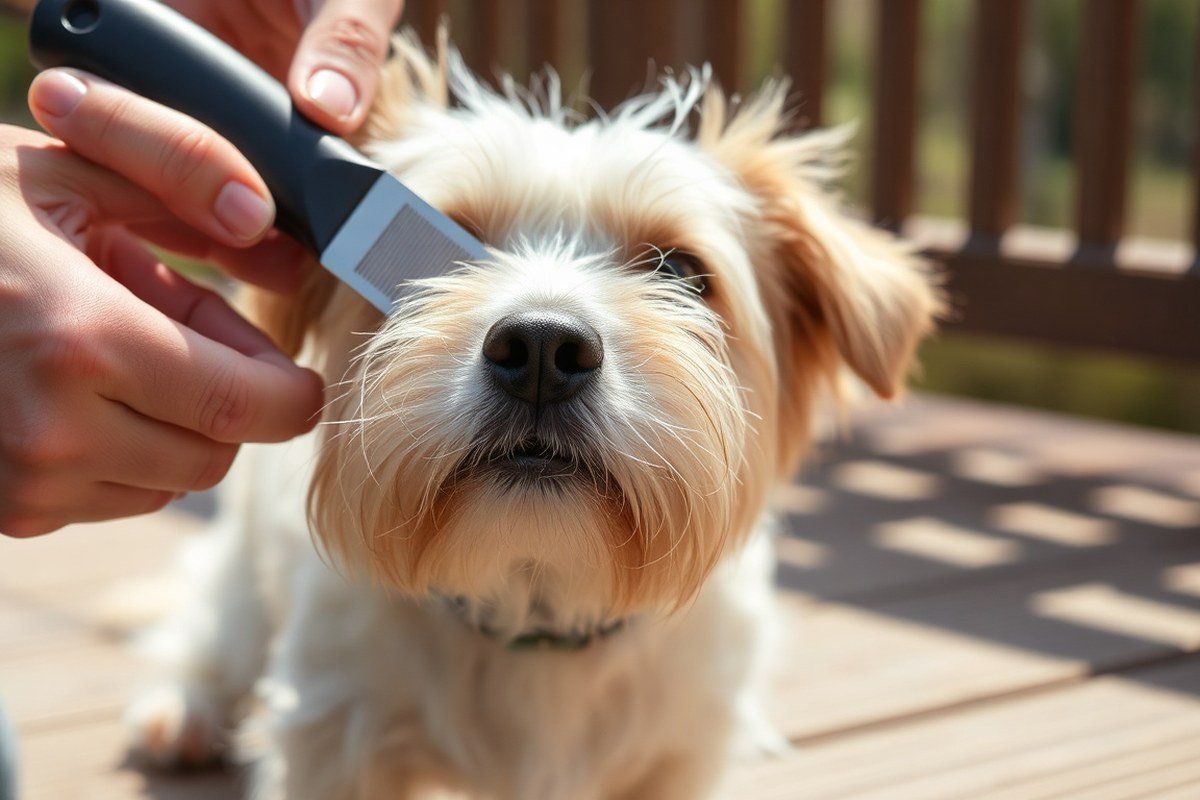
Spotting adult fleas depends on your dog’s coat type and your inspection method. On short-haired dogs, inspect the whole body but focus on typical flea hotspots like the groin and neck. For long-haired dogs, use a flea comb to part the fur and remove fleas or flea dirt. Dip the comb in hot, soapy water after each pass to kill any fleas caught. Check under the collar area and behind the ears, as fleas like warm, hidden places.
Here’s a quick checklist to confirm fleas on your dog: watch for intense scratching or biting; look closely for dark, moving dots that are adult fleas; check for flea dirt as small black specks on light-colored fur; use a flea comb to sweep through your dog’s coat and submerge caught debris in soapy water; and observe your dog for new scabs or hair loss. Finding adult fleas or flea dirt confirms your dog has fleas and requires treatment.
In some cases, especially if your dog is on effective flea prevention, fleas may be fewer and harder to spot. You might see more flea dirt than live fleas. Flea eggs hatch within 1 to 10 days, so seeing recently laid eggs or flea dirt means immediate action is needed to prevent a growing infestation. Heavy infestations can cause anemia in dogs, showing as pale gums or weakness, this requires urgent veterinary care.
Checking your dog regularly helps catch fleas early before they multiply in your home. Combining flea combing with observation of your dog’s symptoms gives the clearest picture. This hands-on approach takes about 5 to 10 minutes using a flea comb and a bowl of soapy water, making it affordable and straightforward. Missing fleas can allow infestations to grow quickly, so thorough, frequent checks are your best bet.
How to Properly Check Your Dog for Fleas at Home

Checking your dog for fleas at home requires a flea comb, a damp white paper towel, and a bowl of warm soapy water. Careful combing on specific body areas helps you find live fleas, flea dirt, or eggs. Regular inspection and correct identification of flea dirt are essential to detect fleas early and start treatment promptly.
Choosing the Right Flea Comb
Select a flea comb designed with tightly spaced, fine metal teeth. These combs effectively trap fleas, flea dirt, and eggs. They usually cost between $5 and $15 and are available at pet stores or online.
The comb’s fine teeth make it easier to catch tiny fleas and their dirt in your dog’s fur. Using a comb with wider gaps won’t catch smaller debris and can miss early infestations. Plastic combs typically don’t work as well as metal ones.
Examining Key Body Areas
Focus on areas where fleas tend to hide and feed since fleas prefer warm, protected places on your dog’s body. Start with the neck, around the ears, under the legs, around the base of the tail, and along the belly. These spots often show the first signs of fleas.
Use slow, gentle comb strokes close to the skin, moving in the direction of the hair growth. The fur should be parted enough for the comb teeth to touch the skin. Repeat combing each section several times to be sure no fleas are missed.
Using White Paper to Find Flea Dirt
Flea dirt looks like tiny black specks, but it can be confused with regular dirt or dried skin flakes. To differentiate, tap the comb contents onto a damp white paper towel. Flea dirt will appear as black specks that turn reddish-brown when moistened, because it’s digested blood.
Keep a bowl of warm soapy water nearby to rinse the comb after each pass through your dog’s fur. Soapy water kills any live fleas caught on the comb and prevents them from escaping back onto your pet.
- Gather a metal flea comb, a bowl of warm soapy water, and a damp white paper towel.
- Calm your dog and choose a well-lit, comfortable space for the check.
- Comb through your dog’s fur slowly and carefully, focusing on the neck, ears, belly, underarms, and base of the tail.
- After each comb stroke, tap the comb onto the damp white paper towel.
- Look for black specks that smear reddish-brown on the paper towel, these indicate flea dirt.
- Dip the flea comb into the soapy water to clean it and kill any fleas or eggs.
- Repeat the process on all key body areas to ensure a thorough check.
- Inspect your dog’s bedding and resting spots for flea dirt or signs of fleas.
Check flea comb debris on a damp white paper towel after every stroke, if black specks turn reddish-brown, flea dirt is present and treatment should start immediately.
What Flea Dirt Is and How to Identify It Correctly
Flea dirt looks like tiny black specks in your dog’s fur, but it isn’t just dirt. It’s made up of digested blood left behind by fleas after they feed. Testing flea dirt is simple and helps tell it apart from normal dirt or skin flakes.
Definition and Composition of Flea Dirt
Flea dirt is essentially flea feces, composed of dried blood that fleas consume from your dog. These tiny black specks resemble black pepper flakes scattered in your dog’s coat. Because it contains digested blood, flea dirt can turn rusty red when wet, which is a key identifying feature. Knowing what flea dirt is matters because finding it on your dog confirms the presence of fleas, even if you don’t see live ones immediately.
The most common fleas affecting dogs are actually cat fleas, Ctenocephalides felis, but dog fleas, Ctenocephalides canis, can produce similar flea dirt. Flea dirt is usually found around your dog’s back, neck, and tail base where fleas tend to gather, so checking these spots closely helps in identifying it.
Tests to Confirm Flea Dirt
The simplest test to confirm flea dirt is the wet paper test. Collect a few black specks from your dog’s fur using a comb or your fingers and place them on a wet white paper towel. The specks dissolve into a reddish or rusty stain, confirming flea dirt because it contains digested blood. Normal dirt or skin flakes will stay black or gray and won’t leave a reddish mark.
Another way is to use a flea comb to check your dog. Comb your dog’s fur over a white surface and look for these tiny dark specks. Seeing both live fleas moving and flea dirt can help confirm an infestation. This test is cost-free and can be done at home in minutes. Not getting the rusty red stain means the specks are likely harmless debris, so you can avoid unnecessary flea treatments.
Common Confusions and How to Avoid Them
Flea dirt often gets confused with regular dirt, soil, or dry skin flakes because all can look like small black specks. To avoid confusion, rely on the wet paper towel test, since ordinary dirt doesn’t contain blood and won’t change color. Skin flakes tend to be white or light-colored, not black, and don’t stick to your dog’s hair as tightly.
Another point is that some dogs may have dark debris in their fur from their outdoor environment or other skin conditions. Using a flea comb and checking typical flea hotspots reduces false alarms. When uncertainty remains, your veterinarian can examine your dog to tell fleas or flea dirt apart from other causes of itchy skin or dark specks.
Signs and Symptoms Beyond Fleas You Might Notice on Your Dog
Dogs bothered by fleas often show signs beyond just the tiny parasites themselves. One of the clearest indicators is intense scratching, biting, or licking. This happens because flea bites cause irritation and discomfort. Over time, your dog’s skin may become red, inflamed, and even start to lose hair in certain spots. Excessive scratching can result in raw or scaly skin, especially near the base of the tail, back legs, and belly, which are common flea hotspots.
Flea allergy dermatitis (FAD) occurs when a dog is hypersensitive to flea saliva after just one bite. This condition makes symptoms worse than a typical flea infestation and requires specific attention. Symptoms of FAD include severe itching, hair loss, and hot spots, patches where the skin is broken and infected. These areas may become scabbed or oozing if left untreated. It’s a serious problem because the constant irritation can lead to secondary bacterial infections that need veterinary care.
Behavior changes might also hint at flea problems. Your dog may seem restless or unable to settle, pacing or scratching even during rest times. Sometimes, these signals can be confusing because similar symptoms are seen in other issues like allergies to food or environmental factors, or skin infections caused by bacteria or fungi. These problems can all cause hair loss and skin irritation, making it hard to tell fleas apart without a thorough check.
- Sudden, persistent scratching or biting, especially near the tail and ears
- Patchy hair loss or thinning fur in specific areas like the belly or back legs
- Red, raw, or scaly skin patches, often with scabs or sores
- Restlessness or unusual agitation not linked to other causes
- Hot spots that are warm to the touch and may emit a foul odor
- Signs of secondary infections such as swelling or pus
- Clusters of small red bumps where fleas have bitten
Spotting these indirect symptoms early can save your dog discomfort and prevent worsening skin damage. Regularly observing your dog’s behaviour and coat condition is essential. When you notice these symptoms, begin by thoroughly checking for fleas or flea dirt. Should you suspect flea allergy dermatitis or observe infection signs, reach out to your vet immediately. They can confirm the diagnosis and recommend appropriate treatment, which may include topical flea control, anti-inflammatory medications, and antibiotics if there’s an infection. Treating these symptoms early helps your dog feel better faster and stops the cycle of itching and skin damage.
How Fleas Get Onto Dogs and Why Some Dogs Are More Affected
Dogs often catch fleas by coming into contact with places or animals that carry them. Fleas thrive where dogs frequently spend time, like yards with grass, kennels, or public parks. When your dog goes to these spots or meets other flea-carrying animals, fleas can jump onto your dog and feed on its blood. Species such as Ctenocephalides canis, known as dog fleas, prefer dogs over other animals. These fleas usually gather around the dog’s hindquarters, including the tail base, back legs, and groin area.
Some dogs carry fleas without showing any symptoms. This happens because dogs differ in how they react to flea saliva. Dogs sensitive to flea bites often develop obvious signs like itching or red spots, while dogs less sensitive may have few or no visible symptoms even if fleas are present. Dogs with flea allergy dermatitis (FAD) are especially prone to showing strong reactions, but other dogs might seem unaffected despite harboring fleas. This difference can delay noticing an infestation unless you carefully check your dog.
Flea risk depends more on a dog’s environment and habits than its breed. Dogs that are outdoors a lot, mix with other animals, or live where fleas are common have higher chances of getting fleas. Thick or long fur can make it easier for fleas to hide and breed, but any dog can catch fleas when exposed. Fleas tend to be more active during warm and humid months that suit their life cycle. In colder areas or seasons, fleas become less active, but indoor heating and pets moving through warmer spots can allow fleas to stay present year-round.
Understanding these factors helps you protect your dog and your home. Since dogs often pick up fleas from their surroundings rather than places like stores or groomers, managing your dog’s environment is essential. This means treating your dog as well as the living spaces it occupies to prevent fleas from continuing their cycle. Products that kill fleas can last 1-3 months, preventing new fleas from establishing. Checking outdoor areas for flea hotspots and limiting your dog’s exposure during peak flea seasons can also reduce risk.
Always treat both your dog and its environment; treating only your dog often leads to fleas returning within weeks.
Immediate Steps to Take If You Find Fleas on Your Dog
Start by treating your dog immediately with a veterinarian-recommended flea product. These products are designed to kill adult fleas quickly and prevent eggs from hatching, controlling the infestation at its source. Monthly oral or topical preventives are generally the safest and most effective options. Avoid stopping treatment too soon, since flea eggs and larvae in your home can cause re-infestation if the cycle isn’t fully broken.
A bath with a flea shampoo can provide quick relief by washing away fleas on your dog’s fur. Consult your vet first to make sure the shampoo is compatible with your flea medication. While a bath helps reduce fleas temporarily, it won’t stop new ones from hatching in your environment.
Cleaning your home thoroughly is essential because most flea life stages live off your pet. Use flea sprays or powders specifically formulated for pets’ bedding and the surrounding areas. Products that contain insect growth regulators (IGRs) prevent flea eggs and larvae from developing into adults. Follow label instructions carefully, keep pets out of treated areas until dry, and repeat treatments as directed.
- Treat your dog with a vet-recommended flea preventive immediately
- Give a bath with flea shampoo if approved by your vet
- Wash dog bedding in hot water weekly
- Spray or powder your dog’s bedding and resting places with a flea product containing IGRs
- Vacuum carpets and furniture thoroughly, disposing of vacuum bags outside
- Keep pets out of sprayed areas until dry to avoid exposure risks
- Continue treatment and cleaning for at least three months to break the flea life cycle
Handling your dog and your home environment together is the only way to stop fleas from returning. Even if you kill all adult fleas on your dog, eggs and larvae hidden in carpets, furniture, and bedding will continue to develop. Consistently following these steps reduces flea numbers and protects your pet’s health.
The cost of these products varies widely. Prescription flea preventives purchased through your veterinarian often start around $30 to $50 per monthly dose but provide proven safety and effectiveness. Over-the-counter shampoos, sprays, and powders can range from $10 to $30. Investing in complete treatment now saves time and discomfort caused by ongoing flea infestations. Results typically become noticeable in the first few days, with flea numbers dropping steadily over several weeks as the life cycle is interrupted.
Why Treating Your Home and Other Pets Matters for Flea Control
Fleas can survive and reproduce not only on your dog but also throughout your home and yard. Adult fleas lay eggs that fall off your pet into carpets, bedding, and furniture, where they hatch into larvae and continue the cycle. Simply treating your dog won’t stop fleas from coming back if you don’t address the environment where eggs and larvae develop. This is why environmental flea control is critical to breaking the flea life cycle and preventing reinfestation.
To manage fleas around your home, clean floors, carpets, and upholstered furniture often, at least every other day during an outbreak. Regular vacuuming captures flea eggs, larvae, and adults. Remove the vacuum contents outdoors right away to prevent fleas from re-entering your living space. Wash your dog’s bedding and any fabric covers in hot water at about 130°F to kill flea eggs and larvae. Repeat this cleaning weekly until the flea issue clears up.
Using an environmental flea spray or flea fogger is another step to eliminate fleas at all life stages within your home. Choose products specifically labeled for indoor use and follow instructions carefully, paying attention to wait times before re-entering rooms or allowing pets back inside. Sprays and foggers usually need a few weeks and repeat treatments to cover the full flea life cycle, which can last from two weeks to several months depending on temperature and humidity.
All pets in the household should be treated simultaneously, even if only one shows signs of fleas. Fleas easily jump from one animal to another, so treating just one pet won’t stop the infestation. Your veterinarian can recommend flea preventives or treatments tailored to each pet’s health and age. Consistent monthly flea prevention helps stop infestations before they start, especially since fleas thrive in warmer months but survive indoors year-round in heated homes.
For dogs that spend time outdoors, controlling fleas in your yard can reduce the chance of reinfestation. Outdoor insecticides labeled for flea control can be applied to shaded areas where pets rest. This reduces the flea population before they get on your dog inside. Pay attention to any local regulations regarding insecticide use in residential areas.
Environmental flea control and treating all pets together require time and effort, often repeated over several weeks. Costs vary depending on products and treatments used, but thorough vacuuming and washing only cost time and household supplies, while sprays, foggers, and yard treatments add expenses. Good results mean no new fleas seen on any pet for several weeks and no evidence of flea dirt in bedding or on furniture. Persistent flea infestations call for a visit to your veterinarian, who can recommend further treatments or suggest contacting a pest control professional.
When to Contact a Veterinarian About Fleas on Your Dog
Contacting a veterinarian about fleas on your dog is recommended when you notice signs of severe discomfort, allergic reactions, or health complications. Your vet can assess the situation, provide effective treatments, and manage any underlying issues related to flea infestations.
Warning Signs Requiring Vet Attention
Look for symptoms such as intense scratching, redness, hair loss, or skin infections, as these indicate that fleas are seriously affecting your dog. Pale gums or weakness suggest anemia, which can result from heavy flea infestations and requires immediate veterinary care. If your dog develops sores or scabs from constant scratching or biting, these wounds might become infected and need professional treatment.
In cases where you suspect your dog’s itching results from flea allergy rather than just fleas, a vet visit is necessary. Only one flea bite can trigger severe itching in allergic dogs, unlike non-allergic dogs who may show minimal signs. A vet can also determine if other allergies, such as food or environmental allergies, are contributing to your dog’s symptoms.
Professional Flea Treatment Options
Veterinarians often recommend monthly topical medications applied to the back of the neck, which effectively kill fleas and prevent new infestations. Other options include shampoos, sprays, or powders that reduce flea numbers and soothe irritated skin. Your vet will help select the treatment best suited to your dog’s size, age, and health status.
In severe infestations, professional pest control services may be necessary to treat your home environment along with your pet. Addressing both the dog and its surroundings reduces the chance of fleas returning. Promptly treating your dog and living spaces limits the spread and discomfort caused by fleas.
Managing Flea Allergy and Complications
Dogs with flea allergy suffer intense itching from just one flea bite because their immune system reacts strongly to flea saliva. This can lead to a painful scratch-itch cycle that worsens skin damage. Your veterinarian can prescribe medications like steroids or antihistamines to relieve itching and inflammation while flea control is underway.
Secondary infections from scratching often require antibiotics. Your vet may need to treat these with topical or oral medications to prevent worsening and promote healing. Monitoring your dog closely after flea treatment is important to catch any complications early and adjust therapies as needed.
Take action quickly if your dog’s gums look pale or if they show signs of weakness, these could mean anemia caused by fleas requiring swift veterinary care.
Step-by-Step Action Plan for Flea Control
Follow these steps to quickly identify and manage fleas on your dog and in your home, ensuring relief for your pet and preventing further infestations.
- Day 1: Thoroughly check your dog for fleas and flea dirt using a flea comb in a well-lit area. Confirm removal of live fleas or black specks that turn reddish when wet.
- Day 1: Give your dog a vet-approved flea treatment according to the product instructions. Check the package or vet advice for how quickly fleas should start to die.
- Day 2: Wash your dog’s bedding thoroughly. Next, vacuum all floors, carpets, and furniture carefully, and make sure to throw away the vacuum bag or dump the canister contents outside. This helps lower the number of flea eggs and larvae in your home.
- Day 3: Inspect other pets and start flea prevention treatments on them if needed, following vet recommendations for each animal.
- Week 1: Continue flea combing your dog daily to monitor for any new fleas. Confirm progress by fewer fleas caught each day.
- Week 2: Repeat vacuuming and wash bedding again to capture newly hatched fleas before they reproduce.
- Week 3: Observe your dog’s skin and coat for improvements: less scratching, fewer red spots, and no new flea dirt. Should symptoms continue, reach out to your veterinarian.
- After 1 Month: Maintain monthly flea prevention to avoid future infestations and protect your dog’s health all year round.
Frequently Asked Questions
Can Fleas Cause Allergic Reactions in Dogs?
Yes, some dogs develop flea allergy dermatitis, causing intense itching and skin irritation. This reaction can lead to hair loss and infections if untreated.
Do Certain Dog Breeds Get Fleas More Easily?
Fleas do not prefer specific breeds but may affect dogs with thicker coats or those spending more time outdoors. Grooming regularly can help reduce flea chances.
How Long Can Fleas Live on a Dog Without a Blood Meal?
Adult fleas can survive for about 2 days without feeding on blood. They need blood to lay eggs and stay alive.
Can Fleas Transmit Diseases to Dogs?
Fleas can transmit worms and bacterial infections to dogs. Regular flea control can reduce these health risks.
Is It Normal for Puppies to Get Fleas?
Puppies can get fleas just like adult dogs, which can cause anemia or irritations. Early flea prevention is key for puppies.
How Soon After Flea Treatment Can I Bathe My Dog?
You should wait at least 48 hours after applying topical flea treatments before bathing your dog. Bathing too soon can wash away the medication.
The Bottom Line
Recognizing fleas on your dog and acting promptly can stop discomfort and prevent a larger infestation in your home. Keep a close eye on your dog’s coat and skin regularly even after treatment to catch any signs of fleas early. The next best step is to choose a reliable flea control treatment approved by your veterinarian and start application today to protect your dog and your household.


One Comment