

How Often Should You Brush a Dogs Teeth: A Complete Guide for Optimal Health
Brush your dog’s teeth every day to stop plaque from hardening into tartar within 24 to 72 hours. Daily brushing is the best way to prevent periodontal disease, which affects most dogs by age three. This advice fits all dog owners who want to maintain their pet’s oral health and avoid costly veterinary cleanings.
This article covers the ideal frequency for brushing your dog’s teeth to promote optimal oral health. It also provides easy-to-follow suggestions for beginning and keeping up with a dental care routine. Guidance on choosing suitable tools and adjusting the approach according to your dog’s breed, size, and dental status is included.
Key Takeaways
- Start brushing your puppy’s teeth at 8 to 12 weeks to build lifelong oral hygiene habits.
- Small dogs under 20 pounds need daily brushing with compact toothbrushes for crowded teeth.
- Brush the outer surfaces of all teeth for 30 to 60 seconds each session.
- Wiping teeth with gauze every 2 to 3 days is an alternative if brushing daily isn’t possible.
- Schedule veterinary dental cleanings annually starting at one year for small breeds and by age three for larger dogs.
- Consistency matters more than perfection, plaque begins forming within 24 to 48 hours.
How Often Should You Brush Your Dog’s Teeth for Optimal Health?

Brushing your dog’s teeth every day is the best way to keep plaque and tartar from building up and damaging their oral health. Plaque can harden into tartar within about 24 to 72 hours if it’s not removed, creating a rough surface where bacteria can thrive and cause gum irritation, bad breath, and infections. Daily brushing stops plaque before it ever hardens, reducing the risk of gingivitis and more serious health problems linked to dental disease.
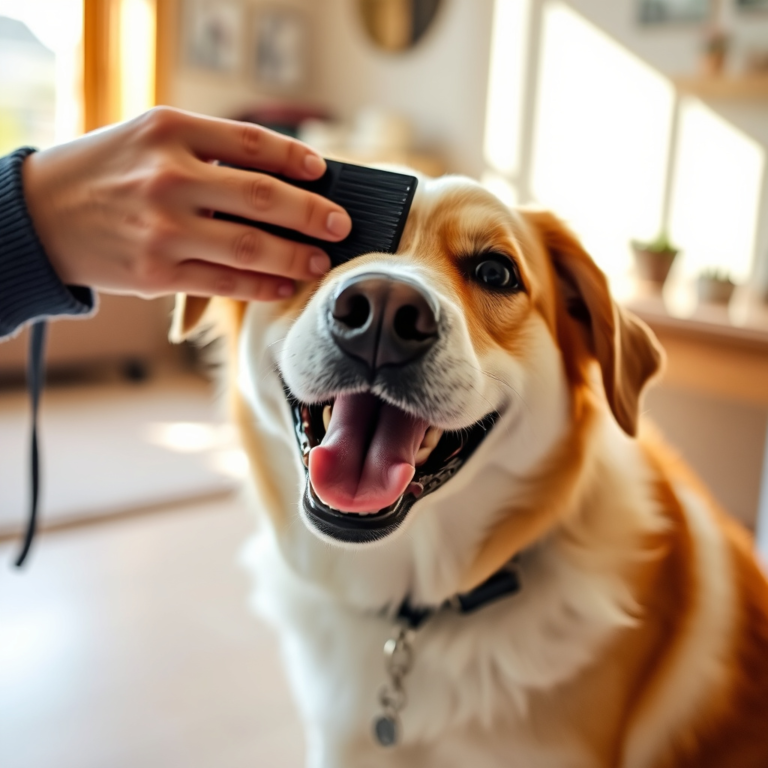
Experts like the American Veterinary Medical Association (AVMA) recommend brushing your dog’s teeth once daily for the most effective plaque removal. Even though some sources say brushing two or three times a week is better than nothing, once daily is the target because it breaks the cycle of plaque hardening into tartar. You need to clean all tooth surfaces gently with a dog-specific toothbrush and toothpaste, as these remove the sticky plaque layer and disrupt bacterial growth.
Timing matters because once tartar forms, brushing won’t remove it, it requires professional cleaning. That means skipping daily brushing lets plaque turn into hardened tartar in as little as one day, increasing the chance of gum disease. Daily care maintains gum health, freshens breath, and slows mineral deposits between brushings, which can keep your dog comfortable and healthy over time.
For dogs prone to fast plaque buildup, such as small breeds or those with crowded teeth like Bulldogs and Pugs, daily brushing is especially important. When your dog won’t tolerate brushing, wiping their teeth with gauze every two or three days can help, though it won’t replace full brushing. You can also add approved dental chews or diets that reduce plaque, but these should support, not replace, a daily brushing routine. Enzymatic toothpaste designed for dogs makes brushing more effective and enjoyable for your pet, so investing in those products is worthwhile.
Committing to daily brushing requires only a few minutes each day but pays off by preventing discomfort, infection, and costly vet treatments later. When your dog’s teeth have visible plaque, a vet visit can help determine how often you should brush and if professional cleaning is necessary. Staying consistent with daily brushing keeps your dog’s mouth healthier and helps avoid serious dental disease.
Choosing the Right Toothbrush and Toothpaste for Your Dog

Choosing the right toothbrush and toothpaste for your dog matters because their shape, ingredients, and safety affect how well you clean their teeth and keep their mouth healthy. Using tools made specifically for dogs ensures you protect their gums and avoid harmful substances.
Types of Dog Toothbrushes
Dog toothbrushes come in several types designed to fit different sizes and temperaments. For small breeds, extra-small dual-ended brushes or finger brushes work best. Finger brushes are soft rubber sleeves that fit over your fingertip, making it easier to control and less intimidating for nervous dogs. Medium and large dogs do well with angled toothbrushes that have soft bristles and longer handles to reach the back teeth comfortably. Human toothbrushes are usually too short and easy to damage by chewing, so avoid them.
Dental wipes and finger sleeves offer alternatives that clean teeth without a brush’s mechanical action. These are helpful for dogs who resist brushing, though they clean less deeply than brushing. A soft finger brush feels like part of your hand and tends to calm dogs who dislike brushing. To brush using a finger brush, place it over your index finger and gently rub in small circles along the gumline.
Start with a finger brush if your dog is nervous, gradually switching to a toothbrush as they get used to the process.
Dog-Safe Toothpaste Ingredients
Toothpaste designed for dogs contains safe ingredients formulated to support oral health and freshen breath without causing digestive upset if swallowed. Common flavors include meat, poultry, and mint, making the experience more pleasant for your dog. Enzymatic toothpastes use natural enzymes to break down plaque and bacteria gently. Avoid harsh chemicals or fluoride meant for humans, which dogs may swallow accidentally during brushing.
Choosing an enzymatic toothpaste with natural ingredients is a good choice if you want to avoid synthetic additives. These toothpastes usually come in tubes costing around $5 to $10 and last for several weeks based on frequency of use. Even brushing with just water and a soft brush provides mechanical cleaning, but toothpaste improves plaque control and breath freshness noticeably when used regularly.
Why Human Toothpaste Is Unsafe
Human toothpaste contains ingredients unsafe for dogs, including fluoride, xylitol, and detergents like sodium lauryl sulfate. Ingesting these substances can cause stomach upset, poisoning, or other serious health issues. Unlike people, dogs do not spit out toothpaste, so any residue swallowed enters their digestive system.
This is why vets strongly advise against using human toothpaste on dogs. Multiple online pet care resources warn that human toothpaste may lead to toxicity, digestive distress, or irritation, even if tastes seem mild to us. Stick to toothpaste labeled specifically for dogs to protect your pet’s health.
Never substitute human toothpaste for dog toothpaste; the risks outweigh any potential benefits of brushing with human formulas.
How to Introduce and Build a Brushing Habit with Your Dog
Begin brushing your dog’s teeth by gently introducing your puppy to mouth handling as early as 8 to 12 weeks old. Gradually add the toothbrush and toothpaste before increasing the brushing time to build comfort and acceptance. Consistent, patient steps help your dog tolerate and eventually enjoy teeth brushing.
Starting at 8, 12 Weeks with Mouth Handling
Start as soon as your puppy’s baby teeth erupt, around 8 to 12 weeks of age. This early start is recommended by veterinarians to build a lifelong, stress-free habit. Begin by gently touching your puppy’s lips, gums, and teeth with your fingers. Make this brief, positive, and calm to help your dog get used to mouth handling without fear.
Keep sessions short initially, just a few seconds to a minute, to avoid overwhelming your puppy. Repeat daily to build familiarity. Use praise and treats immediately afterward to create a positive association with having the mouth touched.
Introducing the Toothbrush and Toothpaste Gradually
Once your puppy accepts mouth touches comfortably, introduce the toothbrush without toothpaste. Let your puppy sniff and lick the brush to get familiar with it. Avoid brushing motion at first; instead, gently touch the toothbrush to your puppy’s gums and teeth.
Next, start using a small amount of dog-safe toothpaste, preferably an enzymatic or flavored paste designed for pets. Let your dog lick the toothpaste off your finger before brushing to make it a treat. Use a soft-bristled brush sized for your dog’s mouth.
The goal is to progress slowly over about two weeks until your puppy tolerates having the brush and toothpaste together in the mouth. Avoid rushing or forcing the process to prevent resistance or fear.
Increasing Brushing Duration and Areas Covered
After your puppy accepts the toothbrush and toothpaste, begin brushing teeth in short sessions. Start with about 30 seconds focusing on a few front teeth and gradually cover more areas. By week four, increase session lengths to 30 seconds per brushing.
Gradually increase session duration over the next four weeks. By week eight, aim for a full two-minute brushing routine covering all teeth, which should include gentle brushing of the large cheek teeth that accumulate tartar. Take breaks if your dog shows signs of discomfort, and reward cooperation often.
Brush your dog’s teeth in a calm environment at a consistent time, such as bedtime. This helps your dog expect and accept the routine. Noticeable improvements in plaque and breath freshness can appear after about 12 weeks of consistent brushing.
- Touch your dog’s muzzle and gently lift the lips daily, rewarding calm behavior.
- Let your dog lick toothpaste off your finger to create a positive association.
- Introduce the toothbrush by letting your dog sniff and explore it without brushing.
- Touch the toothbrush to gums and teeth briefly, without brushing motion.
- Begin brushing one or two teeth for a few seconds with toothpaste.
- Gradually increase brushing time and number of teeth covered over weeks.
- Build up to a full two-minute brushing session of all teeth by week eight.
- Maintain daily brushing sessions with calm praise and treats to reinforce habit.
Practical Techniques to Brush Your Dog’s Teeth Effectively
Brushing your dog’s teeth effectively requires a gentle touch and focusing on the right areas for the right amount of time. Position your dog correctly, hold the muzzle firmly but gently, and concentrate on the outer surfaces of their teeth where plaque builds fastest. Adjust your approach to suit your dog’s temperament for a smoother brushing experience.
Correct Positioning and Grip
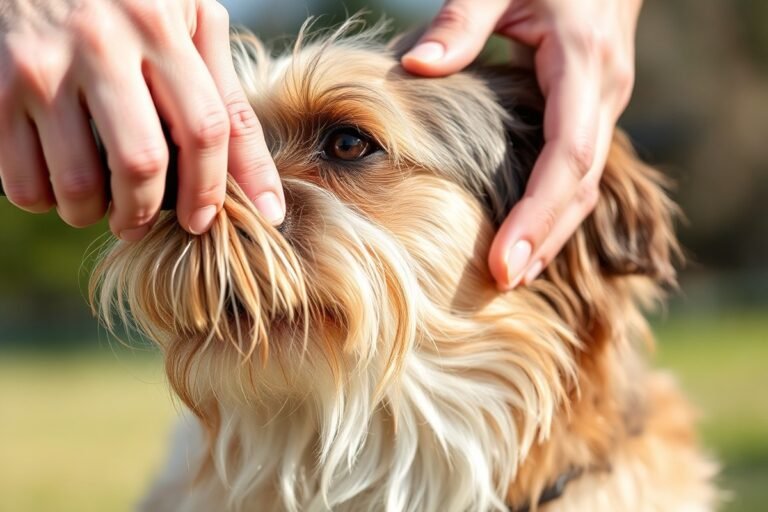
Kneel next to your dog so you both look in the same direction, which helps keep things calm and manageable. Gently hold your dog’s muzzle with one hand, supporting it softly. Use your thumb to raise their lip just enough to see the teeth without prying the mouth open. This method keeps your dog’s head steady during brushing.
Having a familiar person help hold your dog’s head can make the process easier, especially if your dog is anxious or squirms. This way, you can focus on brushing rather than restraining your dog. Staying calm and speaking softly helps your dog stay relaxed during this step.
Focusing on Outer Tooth Surfaces
Concentrate on brushing the outside surfaces of your dog’s upper and lower teeth because that’s where most plaque and tartar develop. Brushing these areas gently in circular motions targets the gumline, which is important since plaque forms where the tooth meets the gum. It isn’t necessary to open their mouth fully, just lift the lip and brush with their mouth closed.
Spend about 30 seconds on each side of the mouth, working the large cheek teeth and canines carefully. Your goal is to eventually brush all teeth on the outer surfaces for 30 to 60 seconds total. Brushing the inner surfaces can be done if your dog tolerates it, but focus on the outer surfaces if your dog resists.
- Kneel beside your dog, facing the same direction.
- Cradle the muzzle with one hand to keep the head steady.
- Use your thumb to gently lift the lip and expose teeth.
- Brush the outer surfaces with small, circular motions, focusing on canines and cheek teeth.
- Spend about 30 seconds on each side, for a total of up to 60 seconds.
- Repeat daily or at least three times a week for best results.
Dealing with Resistance Calmly
Some dogs resist brushing, especially at first. Start by gently lifting their lip and brushing just one or two teeth for a few seconds to build comfort. Gradually increase brushing time as your dog becomes more relaxed with the routine. Consistency and patience are key.
Try brushing at the same time every day, like during a morning or evening routine, to create a predictable habit. Using soft strokes without forcing your dog’s mouth open reduces stress. Speak in soothing tones and offer treats or praise immediately after brushing sessions to create positive associations. Should your dog still resist, try shorter brushing sessions initially, then gradually make them longer as your dog gets more comfortable.
Adjusting Brushing Frequency by Breed, Size, and Dental Health
Brushing frequency and methods must adapt to your dog’s breed, size, and dental health risks to be effective. Small dogs under 20 pounds tend to have crowded teeth that trap plaque and require daily brushing with a compact or finger toothbrush for gentle, thorough cleaning. Larger dogs usually need brushing every other day unless other risk factors are present. Flat-faced breeds, like bulldogs and pugs, are more prone to dental disease due to their unique mouth structure. These breeds often need a gentler approach and slightly more frequent brushing to reach hard-to-clean areas.
Age and existing dental conditions also impact how often you should brush. Older dogs and those with signs of gum disease require more frequent care, often daily, to slow disease progression and reduce painful inflammation. Because up to 80% of dogs develop some dental problems by age three, adapting brushing frequency based on your vet’s advice may prevent serious complications such as tooth loss and systemic infections affecting heart or kidneys.
| Dog Type | Recommended Brushing Frequency | Suggested Brush Type | Why |
|---|---|---|---|
| Small Breeds (<20 lbs) | Daily | Finger brush or small-headed toothbrush | Crowded teeth trap plaque; daily cleaning reduces tartar buildup |
| Medium to Large Breeds | Every 2 days or as advised | Standard dog toothbrush | Less crowded teeth but still require routine cleaning |
| Flat-faced (Brachycephalic) Breeds | Daily or more if gum disease present | Soft, small-headed toothbrush | Unique mouth shape leads to increased plaque and gum disease risk |
| Older Dogs / Dogs with Dental Disease | Daily or as recommended by vet | Soft brush; gentle technique | Slows progression of gum disease; controls inflammation and pain |
Using the right brush combined with a slow, gentle technique helps your dog feel comfortable and encourages acceptance of brushing. For small or brachycephalic breeds, this means taking care around crowded or unusually shaped teeth. Older dogs or those already having gum issues need you to be patient and consistent. Watch for signs of discomfort or bleeding gums, which could indicate brushing is too hard or disease needs veterinary attention.
Adjusting brushing frequency and tools based on your dog’s specific needs can improve effectiveness and reduce the risk of dental disease while protecting their overall health. You will see better breath, healthier gums, and fewer vet visits for dental problems when you tailor your routine carefully. Regular vet dental checks provide valuable guidance to adjust the care for your dog’s evolving needs.
Be cautious not to brush aggressively, especially in small or flat-faced dogs, as this can damage gums and cause bleeding; gentle, daily brushing is both safer and more effective.
Signs That Indicate Your Dog Needs More Than Home Brushing
Persistent bad breath is often the first clear sign that brushing alone isn’t enough to keep your dog’s mouth healthy. Unlike normal dog breath, foul odor indicates bacterial buildup and plaque turning into tartar, which sits below the gumline where brushing can’t reach. Along with bad breath, watch for redness or swelling at the gumline, bleeding during brushing, yellow or brown stains on the teeth, and any loose or missing teeth. These symptoms commonly signal progression from mild gingivitis to more serious periodontal disease.
Early dental disease symptoms appear as slight gum redness and mild plaque accumulation, which are reversible with consistent brushing. As the condition worsens, tartar becomes visible and gums swell or bleed. At this stage, only partial reversal is possible with professional cleaning combined with home care. Moderate to advanced periodontal disease leads to permanent damage like receding gums and tooth loss, requiring veterinary intervention.
Your dog should see a vet for a dental examination and professional cleaning at least once a year, with twice yearly visits recommended if your pet tends toward gum problems. A veterinarian performs a deep cleaning under anesthesia, removing hardened tartar that brushing cannot eliminate. This procedure also includes assessment and treatment of any damaged teeth or infection. Professional cleanings typically cost several hundred dollars, but prices increase with the need for extractions or X-rays.
Schedule a vet visit if you notice heavy tartar buildup, ongoing gum bleeding or inflammation, or any signs of pain and discomfort while eating. Early intervention helps prevent permanent damage and costly extensive treatment. After professional cleaning, maintain a daily brushing routine at home to keep your dog’s teeth and gums healthy. Pair brushing with dental chews and regular veterinary checkups to extend the time between deep cleanings and reduce oral health risks.
Alternative and Supplemental Dental Care Products to Support Brushing
Dental chews are a practical and enjoyable way to support your dog’s oral health, but they should not replace regular brushing. Products approved by the Veterinary Oral Health Council (VOHC) can reduce tartar buildup by up to 20%. These chews work by mechanically scraping away plaque as your dog chews, while also encouraging saliva production that helps neutralize acids. Offering a dental chew once daily complements brushing sessions without adding much time to your routine. Expect to spend between $10 and $30 per month on quality dental chews, depending on your dog’s size and preferences.
Water additives provide another layer of support by reducing the bacteria that cause plaque. Usually, you add these to your dog’s drinking water daily, which makes them an easy option if brushing is difficult. Prescription dental diets or specialized water additives recommended by your veterinarian often contain ingredients that lower plaque accumulation over weeks of use. While water additives lack the mechanical cleaning action of brushing or chews, they help maintain oral hygiene by inhibiting bacterial growth. Costs vary but often range from $15 to $40 monthly. Keep in mind these additives work best when used continuously alongside brushing, not as a substitute.
Oral sprays and wipes are convenient alternatives for targeting plaque buildup on your dog’s teeth and gums, especially if your pet resists brushing. Oral sprays applied once or twice a day can reduce bacteria, freshen breath, and aid plaque control by directly reaching areas a brush may miss. Dental wipes act as a manual way to wipe plaque off your dog’s teeth when brushing is not possible; they are typically used daily or several times a week. Both sprays and wipes require consistent daily use to see clear improvements and cost roughly $10 to $25 per month.
These products share the common goal of reducing plaque and tartar but differ in how they complement brushing. Brushing physically removes plaque and prevents tartar formation, providing the most effective dental hygiene. Chews and toys add mechanical action and help satisfy your dog’s natural urge to chew, which supports plaque control between brushings. Water additives and oral sprays reach bacterial buildup chemically, targeting areas the brush or chews might not fully clean. Wipes offer moderate mechanical removal but require more effort than sprays or additives.
You can choose supplements based on your dog’s tolerance and your available time. For dogs reluctant to accept brushing, starting with water additives or oral sprays combined with daily dental chews offers a manageable routine with noticeable benefits. Use dental wipes as a backup tool when brushing or chewing isn’t feasible. When brushing is established, improve results by adding one or two supplemental products daily. Consistent use over weeks matters most, as irregular application rarely improves dental health. Regular veterinary check-ups will help monitor how well these products work together to keep your dog’s teeth healthy.
Maintaining a Long-Term Dental Care Routine: Tips and Common Mistakes
Staying consistent with brushing your dog’s teeth hinges on creating a routine that fits your daily schedule and your dog’s personality. Pick a regular time, such as right after breakfast or before an evening walk, to make brushing predictable for both of you. Using a dog-specific toothpaste and a soft brush designed for canine teeth helps protect their gums and enamel while making the process gentler.
Some common mistakes to avoid include using human toothpaste, which contains ingredients toxic to dogs, brushing too hard, and forcing the dog into the process too quickly. These errors can cause discomfort or damage to the gums and discourage your dog from cooperating. Instead, start slowly, brushing just a few teeth initially, and build up time as your dog gets more comfortable.
Motivating your dog to accept and even enjoy tooth brushing requires positive reinforcement. Use calm voices and gentle strokes, then reward with a favorite treat or playtime. Repetition and patience are key. Dogs may resist if the routine is inconsistent or stressful, so make the experience as relaxed and positive as possible.
- Set a specific daily time and stick to it.
- Use only dog-formulated toothpaste and a soft-bristled toothbrush.
- Begin with short sessions focusing on a few teeth.
- Combine brushing with calm praise and treats immediately after.
- Observe your dog’s reactions and adjust pressure accordingly.
- If your dog resists, pause and try again later rather than forcing.
- Consider starting brushing when your dog is a puppy to ease the process.
Pausing brushing and trying later if your dog shows stress prevents negative associations and encourages long-term cooperation.
Costs to maintain this routine are minimal beyond purchasing a toothbrush and toothpaste, typically running $10 to $20 per year. Good results include fresher breath, less plaque buildup, and healthier gums noticed by your veterinarian during regular check-ups. Watch for signs like increased drooling, head shaking, or swelling that might mean dental issues needing professional care.
Step-by-Step Action Plan to Start Brushing Your Dog’s Teeth
Use this plan to begin a consistent brushing routine that fits your dog’s needs and helps maintain their oral health.
- Before you start: Gather a dog-friendly toothbrush and toothpaste. Check your dog’s mouth for any sensitive spots or issues so you can be gentle around them.
- Day 1: Let your dog taste the toothpaste from your finger. When they seem comfortable, try gently rubbing your finger on their teeth for a few seconds.
- Week 1: Begin using the toothbrush softly for 30 seconds once a day. Notice if your dog stays relaxed or resists.
- Week 2: Increase brushing to 2-3 minutes daily, focusing on back teeth where plaque builds up most. Reward your dog afterwards to create positive association.
- After 2 weeks: Aim for brushing every other day if daily is hard at first. You’ll know it’s working when your dog allows brushing without much fuss.
- One month in: Try brushing daily. Your dog’s teeth may look cleaner and their breath improve, so keep this routine consistent.
- Ongoing: Adjust frequency based on breed and dental health. Check with your vet if you notice signs like bad breath or red gums.
Frequently Asked Questions
How Often Should I Brush My Dog’s Teeth If They Resist Brushing?
Brush your dog’s teeth as often as you can, ideally daily. Use a soft finger brush to make the experience less stressful and build trust over time.
Is It Okay to Brush My Dog’s Teeth Just a Few Times a Week?
Brushing a few times a week helps but daily brushing offers the best protection against dental disease. Aim for daily when possible for healthier teeth and gums.
Can I Brush My Dog’s Teeth Without Toothpaste If I’m Out of It?
You can use plain water to brush your dog’s teeth in a pinch. While specially formulated toothpaste is better, water helps remove some plaque when toothpaste isn’t available.
Should I Brush My Puppy’s Teeth Differently Than an Adult Dog’s?
Start gently with a soft finger brush to get your puppy used to the sensation. Frequent brushing from a young age establishes good oral hygiene habits and prevents early plaque build-up.
Can Dental Chews Replace Tooth Brushing for Dogs?
Dental chews can supplement brushing but shouldn’t replace it. They help reduce plaque but brushing remains essential to clean all tooth surfaces.
How Soon After Eating Should I Brush My Dog’s Teeth?
Wait about 20 to 30 minutes after a meal before brushing to avoid irritating your dog’s gums. This allows saliva to neutralize acids and makes brushing more comfortable.
Before You Go
Brushing your dog’s teeth several times a week is key to preventing dental disease and preserving overall health. Start with a gentle, gradual routine and keep at it regularly to see the best results. Schedule a vet dental checkup next to ensure your dog’s mouth is healthy and get personalized advice on care going forward.



One Comment