What Is Dog Dry Skin Caused By? Understanding the Root Causes
Dog dry skin is typically caused by a combination of factors including allergies, nutritional deficiencies, parasites, and environmental conditions such as dry air or excessive bathing. Identifying the cause is critical because each scenario requires a different approach to treatment.
Dry skin in dogs can lead to discomfort, itching, and secondary infections if not addressed promptly. It often signals an underlying problem rather than a standalone condition, which is why knowing the potential causes helps pet owners act appropriately before the skin worsens.
This article will explore the most common causes of dog dry skin, explain how to differentiate among them, and provide insights into effective treatments and preventive measures you can take to keep your dog's coat healthy and hydrated.
Common Environmental Causes of Dog Dry Skin
Effects of Low Humidity and Seasonal Changes
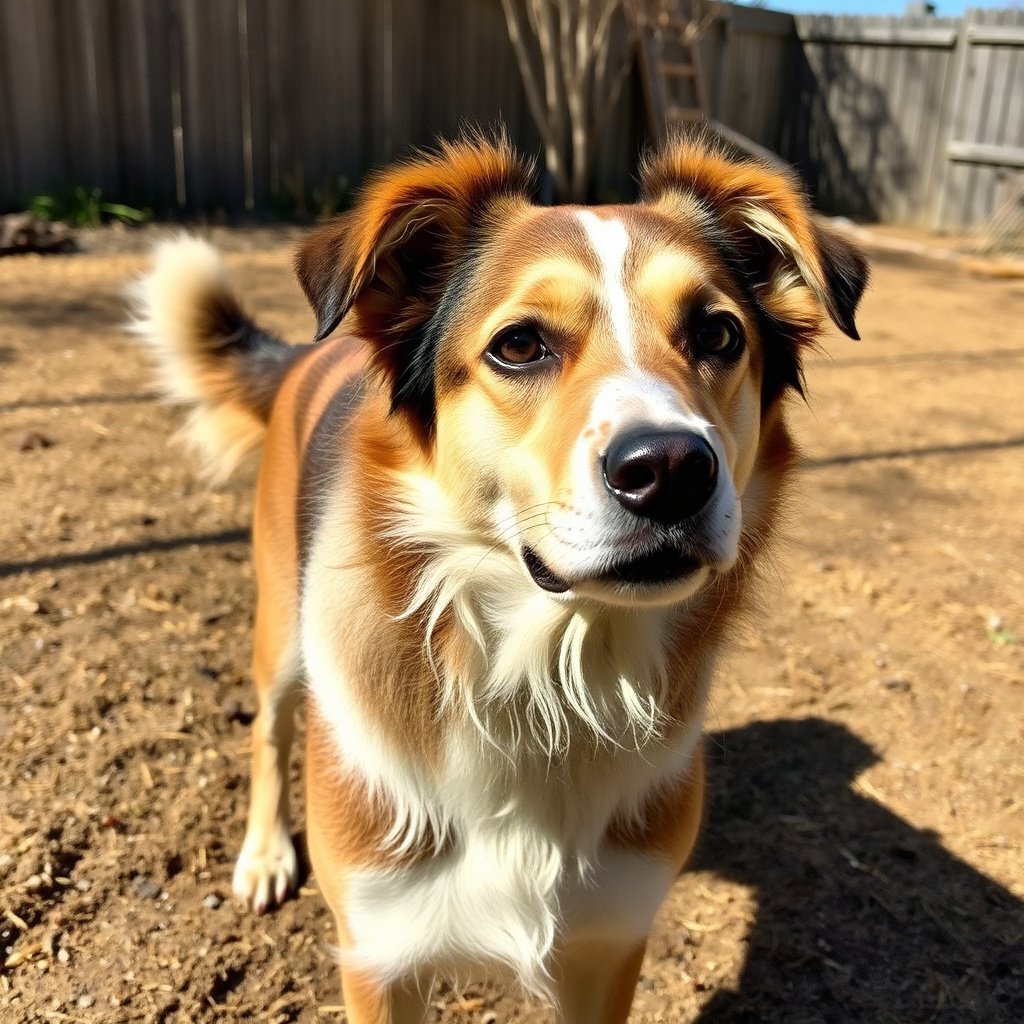
Dry winter air or heated indoor environments often strip a dog's skin of natural moisture. This lack of humidity causes the skin to become flaky and tight, especially in breeds with thinner coats.
Seasonal shifts can exacerbate these effects, with colder months leading to more pronounced dryness. Dogs with sensitive skin or those confined indoors during winter can develop noticeable patches of dryness.
- Indoor heating reduces ambient moisture
- Cold air outdoors diminishes skin oils
- Seasonal shedding can worsen skin condition
Frequent Bathing and Harsh Shampoos
Bathing your dog too often or using shampoos with strong chemicals can remove protective oils from the skin and coat, leading to irritation and dryness.
It is important to use gentle, dog-specific shampoos and limit baths to appropriate intervals, especially for dogs prone to sensitive or dry skin.
- Avoid human shampoos or deodorizing soaps
- Choose moisturizing, hypoallergenic formulas
- Limit baths to every 4-6 weeks unless advised otherwise
Allergies and Parasites as Primary Causes

Allergic Reactions Leading to Dry Skin
Dogs can develop allergies to foods, pollen, dust mites, or flea bites, which often manifest as dry, itchy patches. Allergies trigger inflammation that damages the skin barrier, causing moisture loss.
Differentiating between environmental and food allergies is vital for proper management, often requiring veterinary testing and elimination diets.
- Food allergies can cause chronic symptoms
- Environmental allergens might be seasonal
- Secondary infections can develop from scratching
For more on this, see our related guide: Why Does My Dog Shake After a Bath? 8 Key Reasons and Solutions.
Impact of Parasites Like Fleas and Mites
Parasites such as fleas, ticks, and mange-causing mites irritate the skin and lead to excessive scratching and dryness. These infestations usually produce red, inflamed patches alongside dry skin.
Prompt parasite control is essential to resolve skin dryness caused by bites and to prevent further infection and discomfort.
- Regular flea and tick prevention helps reduce risk
- Mange requires vet-prescribed treatment
- Observation of symptoms is key to early diagnosis
Nutritional and Health-Related Causes
Role of Diet in Maintaining Skin Moisture
A dog’s diet lacking essential fatty acids, vitamins like E and A, or proteins can cause dry skin due to insufficient nourishment for skin cells.
Incorporating omega-3 and omega-6 fatty acids through food or supplements supports skin hydration and overall coat health.
- Foods rich in omega fatty acids improve moisture retention
- Deficiencies often cause dull coat and flaking skin
- Consulting a vet for diet adjustment can be helpful
Underlying Health Conditions Causing Dry Skin
Certain illnesses such as hypothyroidism, diabetes, or autoimmune diseases might present dry skin as a symptom due to altered metabolism or immune responses.
Regular veterinary checkups and bloodwork help identify systemic issues contributing to skin problems.
- Hypothyroidism reduces skin oils
- Autoimmune diseases can damage skin tissue
- Proper diagnosis is crucial for targeted treatment
How to Diagnose the Cause of Your Dog’s Dry Skin

Veterinary Examination and Testing Procedures
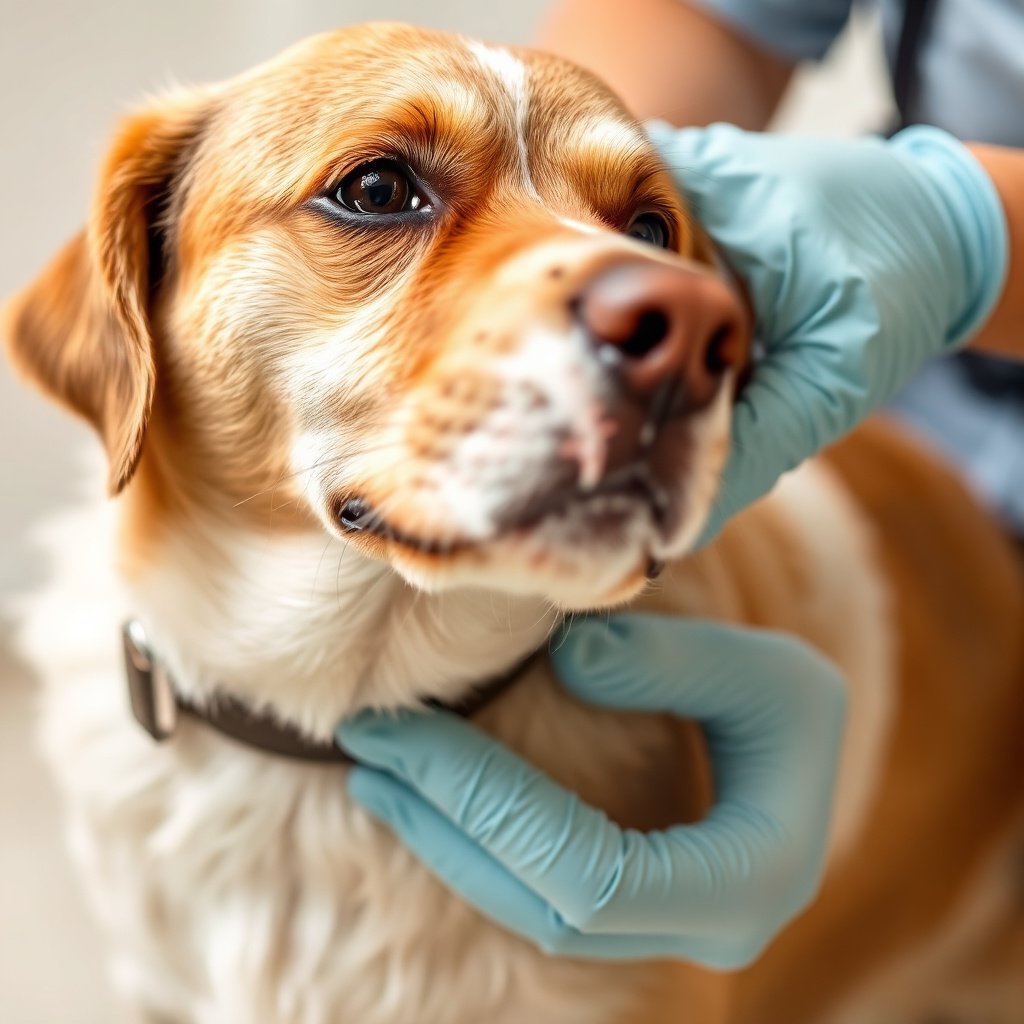
A vet may perform skin scrapings, allergy tests, or blood work to uncover allergies, parasites, or internal diseases causing dry skin.
Observation of clinical history, symptoms distribution, and response to treatments also guide diagnosis.
- Skin scrapings detect mites or fungal infections
- Blood tests identify hormonal imbalances
- Allergy panels uncover environmental or food allergens
For more on this, see our related guide: What Is the Best Dog Grooming Table: Complete Guide to Choose Your Ideal Model.
At-Home Monitoring to Support Diagnosis
Keeping track of your dog’s bathing routine, diet changes, symptom patterns, and environmental exposure can help your vet pinpoint causes faster.
Note any new products, areas affected, or seasonal trends to provide a full picture.
- Record frequency and type of baths
- List new foods or treats
- Observe timing of symptoms with environment changes
Treatment and Prevention Strategies for Dog Dry Skin
Moisturizing and Skin Care Products
Using emollients, oatmeal baths, or medicated sprays can soothe dryness and repair skin barrier function. Choose products made specifically for canine skin.
Regular brushing helps distribute natural oils, reducing dryness and flaking.
- Oatmeal shampoos calm irritated skin
- Fatty acid supplements promote skin health
- Avoid human lotion products unless approved by a vet
For more detailed information on various canine skin conditions, including dry skin causes, consult authoritative sources on canine dermatology. canine skin conditions.
Long-Term Prevention Through Lifestyle Changes
Maintaining a balanced diet, avoiding harsh soaps, minimizing excessive bathing, and managing environmental triggers contribute to preventing dog dry skin.
Pet owners should also schedule annual vet visits for ongoing skin health assessment and parasite control.
- Use humidifiers during dry seasons
- Feed diets rich in omega fatty acids
- Implement flea and tick prevention year-round
Common Causes of Dog Dry Skin Compared
This table compares common causes of dog dry skin based on symptoms, causes, and treatment approaches.
| Cause | Typical Symptoms | Primary Risk Factors | Recommended Treatments |
|---|---|---|---|
| Allergies | Itchy, flaky skin; redness | Food, pollen, fleas | Elimination diets, antihistamines, flea control |
| Environmental Dryness | Flaking, tight skin without redness | Low humidity, overbathing | Humidifiers, moisturizing shampoos |
| Parasites | Redness, itching, hair loss | Fleas, mites | Parasite treatments, medicated baths |
| Nutritional Deficiency | Dull coat, dry flaky patches | Poor diet, lack of fatty acids | Dietary supplements, balanced feeding |
| Health Conditions | Dry skin with systemic signs | Hypothyroidism, autoimmunity | Veterinary diagnosis, medication |
Frequently Asked Questions
Can dry skin in dogs be a sign of a serious condition?
Yes, dry skin can indicate underlying health issues like hypothyroidism or allergies that require veterinary care. Persistent symptoms should be evaluated by a vet.
How often should I bathe a dog with dry skin?
Limit baths to every 4-6 weeks unless your vet advises otherwise. Use moisturizing shampoos formulated specifically for dogs.
Are home remedies effective for dog dry skin?
Some home remedies like oatmeal baths can soothe dryness, but persistent dry skin needs professional diagnosis and treatment.
Can diet changes improve my dog's dry skin?
Yes, diets rich in omega-3 and omega-6 fatty acids can improve skin hydration and coat quality significantly.
What are the signs of flea-related dry skin?
Look for intense itching, redness, scabs, and dry flaking, often concentrated around the back, tail, and neck areas.
Key Takeaways
- Dog dry skin often stems from allergies, environment, parasites, or diet.
- Identifying the underlying cause is essential for proper treatment.
- Moisturizing and gentle bathing improve skin health significantly.
- Veterinary evaluation is needed for persistent or severe symptoms.
Conclusion
Addressing dog dry skin starts with understanding the possible causes which range from environmental dryness and nutritional deficiencies to allergies and parasites. Careful observation of symptoms, alongside veterinary diagnosis, helps pinpoint the exact cause. Since treatments vary widely from moisturizing and diet changes to medical interventions, a tailored approach produces the best outcomes for your pet’s comfort and skin health.
Practical treatment options vary depending on the underlying problem. For environmental causes, using humidifiers in dry seasons and selecting gentle, moisturizing shampoos can bring relief. If allergies or parasites are involved, veterinary oversight with proper medications is needed. Nutritional improvement through omega fatty acids supplements benefits many dogs with dry skin. Regular vet checkups and preventive flea control maintain skin condition over the long term.
If you notice persistent itching, flaking, or soreness on your dog’s skin, start by reviewing recent changes in bathing frequency, diet, and environment. Consulting your veterinarian early allows for accurate diagnosis and effective treatment planning. Taking these steps can help your dog regain a healthy, comfortable coat and prevent complications from untreated dry skin.