
Why Does My Dog Shake After a Bath? 8 Key Reasons and Solutions
Your dog shakes after a bath mainly to remove water from their coat and to warm up. Shaking helps expel about 70% of the water quickly, conserving energy and maintaining body heat. This natural behavior also signals emotional or physical reactions, such as stress or discomfort, that a dog might experience post-bath.
This explanation is for dog owners curious about your pet’s shaking after baths and hoping to understand the reasons behind it. You will get clear insights into the causes, from simple water removal to emotional and health factors, along with practical steps to help your dog feel comfortable afterward.
Key Takeaways
- Dogs shake to remove most water from their coat quickly, making drying more efficient.
- Lukewarm water between 95°F and 105°F helps prevent shaking caused by discomfort from water temperature.
- Stress, anxiety, and excitement can make your dog shake after a bath, so keep the environment calm.
- Check for signs of pain or medical issues if shaking persists or worsens after bathing.
- Water trapped in ears often triggers shaking; dry ears gently to reduce this reaction.
- Persistent or prolonged shaking beyond a few minutes may indicate a problem requiring veterinary advice.
1. Why Do Dogs Shake Immediately After Bathing?

Dogs shake immediately after a bath as an instinctive response to remove water from their coat and skin. This full-body shake acts like a natural spin cycle, helping your dog fling off as much water as possible in just seconds. The rapid movement can remove about 70% of the water clinging to their fur, which speeds up the drying process and helps them stay warm. This behavior is deeply ingrained and serves a practical purpose rather than being a sign of discomfort alone.
The efficiency of this shake comes from the way a dog’s muscles and skin work together. When your dog starts shaking, the skin ripples and twists at high speed. This motion pushes the water droplets outward, away from the coat, similar to how a washing machine’s spin cycle expels water from clothes. It usually takes only a few shakes for your dog to shed most of the surface water, making this a fast and energy-saving technique compared to waiting for the water to evaporate naturally or relying entirely on towels.
This shaking dramatically cuts down the drying time and lowers the risk of your dog becoming chilled, especially if the ambient temperature is cool. Wet fur can drop body temperature quickly, so shaking not only removes water but also helps your dog regain comfort after a bath. It’s common to see your dog perform this shake as soon as you step them out of the tub or shower.
Thicker or longer coats can hold water more stubbornly, so dogs with those types of fur often shake more vigorously or for a longer time. In some cases, a few shakes won’t do the job, and you might notice that water continues to drip from their coat or ears. This ongoing dampness can trigger repeated shaking or additional behaviors like head shaking, especially if water gets trapped in the ear canal.
Overall, your dog’s full-body shake right after bathing is a natural, efficient way to remove water and return to dry, comfortable skin and fur. It requires nothing from you except allowing them space and time to complete this instinctive action safely. Toweling your dog before or after the shake is helpful to catch excess moisture but shouldn’t replace letting your dog shake freely, since the shake removes a significant portion of water on its own.
2. How Temperature Influences Shaking After a Bath
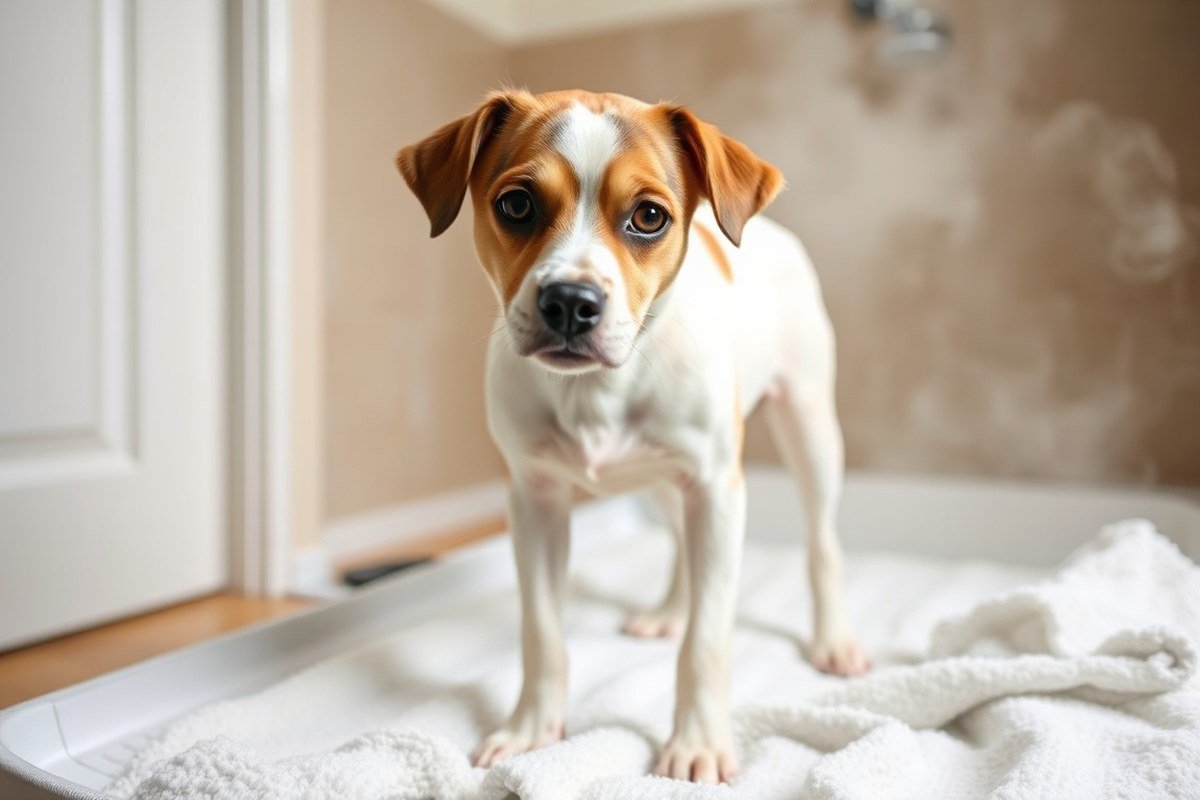
Cold water during a bath can chill your dog, causing more intense shaking after the bath ends. Water that’s too cool traps moisture near the skin, which cools your dog’s body temperature quickly and triggers shaking as their instinct to warm up. Ambient temperature plays a role too; a cold room or outdoor environment increases the chance your dog will shiver while drying. Dogs rely on shaking as a natural drying reflex to remove up to 70 percent of water from their coats. When the surroundings are cold, the wet coat feels chillier, intensifying this shaking reflex.
The thickness of your dog’s fur also influences how cold they feel post-bath. Thick coats and dense belly fur hold more water in layers closer to the skin, keeping your dog damp longer. This lingering dampness causes discomfort that leads to shaking until the coat dries fully or the dog is warmed. Puppies and senior dogs tend to shake more at cooler temperatures because of less effective body temperature regulation or age-related muscle weakness. Even if your dog is barely wet, the cold sensation can prompt shaking as their body tries to protect them from feeling chilled.
| Temperature Range | Shaking Likelihood in Puppies | Shaking Likelihood in Adults | Shaking Likelihood in Seniors |
|---|---|---|---|
| Water below 75°F (24°C) | High, often hard to warm | Moderate, depends on coat thickness | Very High, increased tremors and muscle weakness |
| Water 75°F to 85°F (24-29°C) | Moderate, shakes mainly from wet chill | Low to Moderate, shaking mostly from wetness, not cold | Moderate to High, colder ambient affects seniors more |
| Water above 85°F (29°C) | Low, water comfortable or warm | Low, less shaking, faster warming | Moderate, still may shake if ambient temperature is low |
| Ambient temperature below 60°F (16°C) | High, cold air worsens damp chill | Moderate to High, especially if wet coat thick | Very High, greater risk of cold-induced shaking |
| Ambient temperature above 70°F (21°C) | Low to Moderate, warmer air aids drying | Low, most dogs dry quickly and shake less | Moderate, seniors may still tremble due to age |
Adjusting bath water temperature to between 85°F and 90°F (29-32°C) reduces chilling and shaking, especially for puppies and older dogs. Keeping your bathing area comfortably warm above 70°F (21°C) also helps your dog dry faster and shake less. Thick-coated dogs may require extra towel drying or gentle blow-drying to speed moisture removal from dense fur layers. Recognize that excessive or prolonged shaking beyond the wet drying phase can indicate cold stress or other health issues.
Use a thermometer to check bath water temperature and aim for warm, not hot, water to reduce post-bath shaking caused by cold stress.
3. Stress, Anxiety and Excitement: Emotional Reasons Dogs Shake Post-Bath
Dogs often shake after a bath due to emotional causes like stress, anxiety, or excitement. Bathing can be a scary or overwhelming experience for some dogs, causing shaking as a physical response to nervousness or as a way to release built-up energy. These reactions might also include sudden bursts of frantic activity known as “zoomies.”
Common Signs of Bath Anxiety in Dogs
Stress during bath time can trigger shaking even when your dog looks calm. Signs of bath anxiety to watch for include trembling, cowering, trying to escape the tub, or drooling more than usual. Your dog might also hold their tail low or tuck it between their legs, showing discomfort or fear.
Some dogs appear relaxed during the bath but start shaking immediately afterward, which suggests their body is still coping with the stressful moment. Smaller or more nervous dogs tend to be more prone to this kind of anxiety-related shaking. Understanding these signals helps you differentiate between normal post-bath shivers and stress-driven reactions.
Simple Ways to Soothe and Calm Dogs
Reducing your dog’s bath anxiety can lower shaking episodes. Creating a calm environment and positive associations with baths makes the experience easier. Use these tips to help:
- Start with short, gentle baths to build comfort gradually
- Speak in a soft, reassuring voice and avoid sudden movements
- Use lukewarm water around 85°F to 90°F to keep them comfortable
- Provide treats before, during, and after baths to reward calm behavior
- Towel dry thoroughly right after the bath to reduce chills
- Use non-slip mats in the tub to make your dog feel more secure
- Keep a calm demeanor yourself, as dogs pick up on your stress
Patience is key. Baths every two to four weeks are usually enough, allowing your dog to avoid frequent stressful encounters. Introducing bath time gradually and making it predictable helps reduce nervous energy and associated shaking.
Understanding and Managing Post-Bath Zoomies
Many dogs run frantically after baths, a behavior known as the “zoomies.” This sudden burst of energy typically follows the stressful or exhausting bath experience and can include shaking as your dog releases tension. Zoomies are harmless but can appear intense as your dog races around, often rubbing against furniture or rolling on the floor.
This sprinting helps reset your dog’s emotional state. To manage it safely, clear open space by moving fragile breakables and supervise to prevent slipping on wet floors. Allowing your dog to express this excitement reduces prolonged shaking due to stress or excess energy.
In dogs prone to anxiety, calming exercises like gentle petting, quiet time, or light leash walking after the bath can help minimize zoomies and shaking. Staying patient through these after-bath behaviors supports your dog’s emotional recovery and builds trust over time.
4. Physical Causes: Pain, Discomfort, and Medical Conditions
Shaking after a bath sometimes signals pain, discomfort, or medical conditions rather than just a normal response to being wet. If your dog shakes while whining, panting, hiding, or showing reluctance to move, this could indicate they are in pain or experiencing illness. Common causes linked to shaking include arthritis and other age-related aches, medication side effects, neurological problems like epilepsy, or even poisoning. Signs such as vomiting, diarrhea, confusion, or difficulty walking alongside shaking demand immediate veterinary attention to rule out serious health issues.
Determining whether your dog’s shaking is normal or a sign of distress involves observing additional behaviors. Normal post-bath shaking is brief, usually lasting seconds, and the dog appears otherwise relaxed. In contrast, shaking paired with vocalizing, heavy panting, or visible discomfort is a signal to act. For example, a dog that shivers continuously for more than 10 minutes after drying, especially if accompanied by whining or avoiding contact, should be evaluated by a vet.
‘Shaker syndrome’ is a rare neurological disorder mostly seen in small breed dogs. Unlike ordinary post-bath shaking, this condition causes constant whole-body tremors that don’t stop after drying or warming up. It often affects young or middle-aged dogs and may mimic nervousness, but shaking persists regardless of external triggers. A vet can diagnose shaker syndrome through physical exams and neurological tests. Treatment often includes anti-inflammatory or anti-seizure medications, which can cost several hundred dollars depending on the case and region.
To decide if your dog’s shaking is pain-related, use this simple step-by-step approach: Observe if shaking is accompanied by panting, whining, or hiding. Check the duration, normal shaking should stop once the dog is dry and warm, usually within a few minutes. Look for other signs like limping, sensitivity to touch, or changes in appetite. Persistent shaking beyond 10 minutes or paired with other symptoms warrants vet consultation to rule out pain, illness, or neurological issues.
Certain medical problems can cause shaking that might be mistaken for bath-related tremors. Addison’s disease, canine distemper, or exposure to toxins can present with shaking among other symptoms. Identifying the cause requires attention to your dog’s overall health and behavior before and after grooming sessions. Early medical intervention results in better outcomes and can prevent complications. Always provide full information about your dog’s symptoms and history when visiting the vet to aid diagnosis.
5. Water Trapped in Ears and How It Triggers Shaking
Water trapped in your dog’s ears after a bath can cause them to shake their head in an effort to clear the irritation. The moisture creates an uncomfortable, itchy feeling that prompts localized shaking or head flicks as your dog tries to remove the water. Left too long, trapped water can lead to infections, so it’s important to dry and check your dog’s ears properly after bathing.
Signs Water Is Trapped or Ears Are Irritated
When water stays in the ear canal, your dog may shake their head repeatedly or paw at their ears. This shaking is different from the single, full-body shake after a bath, it tends to be focused on the head and ears. You might notice a damp feeling inside the ear or a foul odor, which suggests irritation or the start of an infection. Other signs to watch for include redness inside the ear flap or if your dog tilts their head to one side. Occasional shaking is normal, but frequent or intense head shaking signals a problem.
How to Gently Dry Your Dog’s Ears After a Bath
Drying your dog’s ears carefully after a bath helps avoid trapped water and irritation. Start by gently removing any cotton balls used to protect the ear canals during bathing. Then use a soft, clean towel to wipe the inside of the ear flap and the entrance to the ear canal without pushing too deeply. This keeps water from lingering where it could cause discomfort or infection. Follow these steps to safely dry and inspect your dog’s ears after a bath:
- Place your dog on a stable surface where they feel secure.
- Remove any cotton balls that protected the ear canals during the bath.
- Use a soft, absorbent towel or cotton ball to carefully clean the inside of your dog’s ear flap.
- Do not insert anything deep into the ear canal; focus only on the external ear.
- Gently tilt your dog’s head to help water drain out naturally.
- Allow your dog to shake their head once or twice in a controlled space to help clear residual moisture.
- Use a dog-specific ear cleaner if recommended by your veterinarian, applying it only as directed.
- Repeat the drying process if the ears still feel damp after 10 minutes.
Never insert cotton swabs or any object deep into your dog’s ear canal; this can cause injury and worsen irritation.
When to Seek Veterinary Care for Ear Infections
Shaking to dislodge water doesn’t always mean infection, but persistent head shaking or pawing at ears indicates a possible problem. Should your dog shake its head continuously for over 24 hours, display discomfort, or have ears with a foul odor or redness, arrange a checkup with a veterinarian. Ear infections are common in dogs and require treatment to prevent worsening discomfort and damage.
Veterinarians check for infections, mites, allergies, or debris that might cause ongoing ear irritation. Immediate treatment prevents infections from becoming chronic or spreading. When your dog tilts its head or the shaking grows intense, contact a vet right away.
6. Duration and Variation: When Does Shaking Become Concerning?
Shaking after a bath usually lasts only a few minutes. This quick tremble helps your dog shake off excess water and speed drying. Your dog continuing to shiver after drying off and warming up could indicate an issue. Normal shaking stops once your dog feels comfortable and dry.
It is not uncommon for some dogs to shiver lightly even when dry, especially if they are anxious or it’s cool around them. However, noticeable or prolonged trembling beyond 10 to 15 minutes after a bath is unusual. Keep an eye on how long the shaking lasts and watch for other signs like weakness, unsteady walking, or repeated shivers unrelated to bath times.
Calling a vet becomes necessary if the shaking lasts significantly longer than the typical few minutes or is intense and uncontrollable. A vet can check for medical issues such as pain, seizures, or infections that might trigger abnormal trembling. Also, if shaking happens without clear cause, especially if your dog shows distress, the vet should evaluate your pet. Use the following checklist to tell normal shaking from concerning trembling:
- Normal shaking effects last 2 to 5 minutes post-bath.
- Shivering that continues beyond 15 minutes signals concern.
- Watch for additional symptoms like panting, whining, or refusal to move.
- Your dog shaking hard or twitching, especially during rest, should prompt a visit to the vet.
- Unexpected shivers away from bath time or cold conditions require professional advice.
- Repeated shaking after baths despite drying and warming may indicate anxiety or pain.
Timing and context matter. For example, small or thin-coated breeds might shiver longer in cooler homes. Older dogs or those with health problems might tremble more easily. Tracking episodes with dates, durations, and any accompanying signs can help your vet diagnose any issue faster. When you notice shaking lasting longer than usual or paired with troubling symptoms, scheduling a vet visit is a prudent step to protect your dog’s health.
7. Effective Ways to Help Your Dog Dry and Warm Quickly
Drying and warming your dog quickly after a bath is key to reducing shaking and making them comfortable. The right drying method depends on your dog’s coat type, size, and the season. Using gentle, absorbent towels and providing warmth with blankets or sweaters helps maintain their body temperature. Air drying can extend the time your dog feels cold, increasing shaking, especially in cooler weather or for breeds with thinner coats. Including calming elements like gentle petting or a heated bed encourages relaxation, cutting down on stress-related shaking. Here’s a step-by-step drying checklist tailored for different coat types and seasonal needs. Follow these steps to get your dog warm and dry efficiently, lowering the chance of shaking:
- Start with a warm area: Bring your dog immediately to a draft-free room around 70°F to 75°F. Cold air can worsen shaking, so keep the drying space comfortable.
- Use an absorbent towel: For short or curly coats, gently blot your dog with a microfiber or cotton towel to soak up water. Long-haired dogs may need several towels, focusing on thick areas like the chest and tail base to avoid trapped moisture.
- Pat dry the ears carefully: Use a separate soft cloth or cotton balls to dry around the ear canal lightly. This prevents moisture buildup that can cause discomfort and shaking.
- Apply a dog sweater or wrap in a warm blanket: Once mostly dry, dressing your dog in a cozy sweater or wrapping them in a warm blanket keeps their body heat in. For smaller breeds or puppies, heated dog beds (set to a low temperature) provide extra warmth safely.
- Use a low-heat blow dryer if tolerated: If your dog allows it, a blow dryer on the lowest heat and speed setting can speed drying. Keep it moving to avoid overheating skin and maintain a distance of at least 6 inches. This is especially helpful for thick double coats during colder months.
- Offer calm reassurance: Gently pet your dog or use calming treats after drying to reduce any anxiety. Stress relief methods can help decrease shaking unrelated to cold.
- Monitor and repeat towel drying: If your dog shakes after the initial drying, repeat gentle towel blotting focusing on damp areas. This reduces moisture that causes chills and discomfort.
Home remedies to soothe your dog include placing a heated rice pack wrapped in a towel nearby for them to curl against, which offers gentle warmth without hotspots. Be sure any heat source is safely managed and never too hot. Also, adding lavender or chamomile sprays approved for pets may promote relaxation but test for sensitivity first. Consistently keeping ear canals dry with a vet-approved drying solution after baths helps avoid irritation that triggers shaking.
8. Adjusting Bath Routines by Age, Breed, and Season to Minimize Shaking
Adjusting your dog’s bath routine based on their age, breed, and the season helps reduce shaking after baths. Tailoring how often you bathe them, controlling water temperature, and planning around weather can keep your dog comfortable and calm.
Bathing Frequency Recommendations by Breed and Age
Bathing frequency depends heavily on your dog’s breed and age. Some breeds with oily or thick coats need fewer baths to avoid stripping natural oils, while others with shorter hair may tolerate more frequent washing. Puppies and senior dogs generally require gentler routines to prevent skin irritation and stress that can lead to shaking.
| Breed/ Age Group | Recommended Bath Frequency | Reason |
|---|---|---|
| Short-haired breeds (Beagle, Boxer) | Every 6-8 weeks | Less oily coat; tolerate moderate bathing |
| Long-haired breeds (Golden Retriever, Shih Tzu) | Every 4-6 weeks | Drying time longer, allow oils to protect skin |
| Double-coated breeds (Siberian Husky, Akita) | Every 8-12 weeks | Overbathing removes natural oils, causes dryness |
| Puppies (up to 6 months) | Every 4-6 weeks | Gentle skin, avoid irritation and stress |
| Senior dogs (7+ years) | Every 6-8 weeks or less | Sensitive skin and health conditions may require milder care |
Consistent bathing intervals help your dog anticipate the routine, reducing anxiety-related shaking. Frequent baths beyond recommended ranges can dry your dog’s skin and increase shaking caused by irritation or chills.
Optimal Water Temperatures for Different Coat Types
Water temperature plays a role in your dog’s comfort during a bath. Use lukewarm water, ideally between 90-100°F (32-38°C), which suits most coat types without shocking their system or causing chills. Dogs with thick double coats may benefit from slightly warmer water around 100°F but avoid hot water to prevent burns.
Thin-coated or smaller dogs can be sensitive to cooler water, which could trigger shaking from cold stress. Adjust water temperature accordingly and test with your hand before wetting your dog. Cooler water used in warm months can help reduce overheating during baths, but always dry your dog thoroughly to avoid chills.
Seasonal Adjustments to Bathing Routines
Seasonal temperature changes influence how often and how you bathe your dog. In colder months, reduce bath frequency to avoid stripping natural oils that help keep your dog’s skin healthy and insulated. Shorter or less frequent baths reduce the risk of chills that lead to shaking.
During summer or hot weather, more frequent baths can help wash off dirt and regulate your dog’s temperature. Use cooler water but ensure your dog is dried quickly to prevent discomfort or skin issues. Also, provide a warm, draft-free area to dry your dog in cool seasons to minimize shaking caused by cold and wetness.
Always monitor your dog for signs of discomfort during and after baths, and consult your vet if shaking worsens or persists beyond normal drying behavior.
Step-by-Step Action Plan to Reduce Your Dog’s Shaking After Baths
Follow these steps to help your dog stay comfortable and dry after bathing, and to recognize when shaking might need professional attention.
- Before the bath: Check water temperature to ensure it’s lukewarm. Your dog should not show signs of discomfort, indicating the temperature is right.
- During the bath: Use gentle, calming motions to wash your dog. Your dog staying calm shows you’re doing well.
- Immediately after: Toweling your dog thoroughly to remove excess water. Your dog should start to stop shaking as they dry off.
- Within 10 minutes post-bath: Use a hair dryer on low heat if your dog tolerates it, focusing on ears and undercoat. Less shaking here suggests your dog feels warmer and more comfortable.
- After drying: Offer a quiet, warm space for rest. Your dog should appear relaxed and stop shaking entirely within 15 to 20 minutes of the bath ending.
- Weekly: Check your dog’s ears for trapped water or irritation. Absence of shaking after baths indicates your prevention is working.
- Monthly: Evaluate bath frequency and adjust for season, breed, and age. Reduced shaking after baths shows you’ve found the best routine for your dog.
- Should shaking continue past 30 minutes or come with other symptoms: Book a vet visit to check for medical problems.
Frequently Asked Questions
Why Does My Dog Shake Right After Finishing the Bath?
Your dog shakes to quickly shed excess water from its coat and skin. This natural action helps dry off and reduce discomfort from damp fur.
Can My Dog’s Shaking After a Bath Mean It’s Cold?
Yes, shaking can happen if your dog feels chilly from cool water or air. Keep bath water warm and dry your dog promptly to prevent cold stress.
Could Anxiety Cause My Dog to Shake After Bathing?
Anxiety can trigger shaking if your dog associates baths with stress or discomfort. Offering treats and gentle handling can reduce post-bath anxiety.
What Role Do Ears Play in My Dog’s Shaking After a Bath?
Water trapped in the ear canal can cause irritation, leading to shaking or head shaking. Carefully drying ears can help prevent this.
When Should I Worry About My Dog’s Shaking After a Bath?
Shaking is normal up to about 5 minutes post-bath, but persistent shaking may signal pain or illness requiring a vet visit.
Do All Dogs Shake the Same Way After a Bath?
No, breed, coat type, age, and individual temperament affect how and when dogs shake after bathing.
Final Thoughts
Shaking after a bath is a normal way for dogs to dry off and regulate body temperature, but prolonged or intense shaking can signal discomfort or health issues. Paying attention to your dog’s behavior and providing a warm, quiet recovery space can ease most post-bath shaking. Start by observing your dog closely after their next bath and intervene if shaking lasts longer than 20 minutes or comes with signs of pain or distress.



2 Comments