How to Treat Tartar on Dog Teeth: Effective Care for Your Pet’s Oral Health
Tartar on dog teeth can be removed through a mix of at-home care and professional veterinary treatments. Brushing your dog's teeth regularly with canine toothpaste, using dental chews designed to reduce plaque, and arranging professional cleanings when tartar buildup is severe are key methods to treat and prevent tartar. Early intervention prevents gum disease and preserves dental health.
Tartar buildup matters because it harbors bacteria that irritate your dog's gums, causing inflammation or even tooth loss over time. Without proper care, plaque hardens into tartar that brushing alone can’t remove. Addressing tartar promptly not only avoids painful oral conditions but also contributes to your dog’s overall well-being, as oral infections can affect other organs.
This article explains practical, realistic approaches to managing tartar on dog teeth, from daily routines to veterinary options. We will cover effective home treatments, signs that require professional help, how diet impacts dental health, and product recommendations that support your dog’s oral hygiene.
Understanding Tartar on Dog Teeth
What Causes Tartar in Dogs
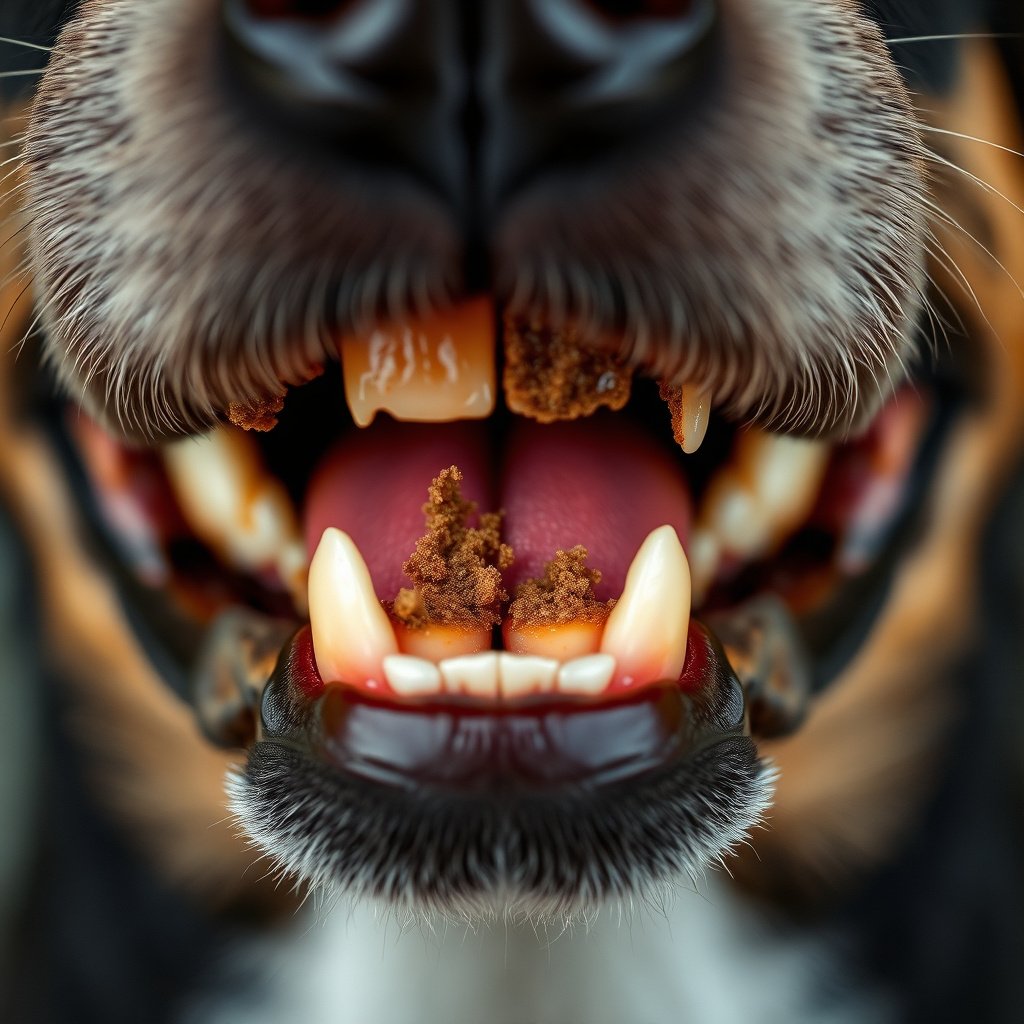
Tartar forms when plaque, a sticky layer of bacteria on the teeth, is not adequately removed. Over time, minerals in saliva cling to plaque, hardening it into tartar, especially near the gum line. This hardened substance is rough and porous, making it easier for more plaque to accumulate and harder to remove with simple brushing.
Breed, age, diet, and saliva composition influence how much tartar a dog develops. Smaller breeds often have more dental issues due to crowded teeth. Wet food tends to leave more residue than dry kibble, contributing to plaque formation, which then turns into tartar without regular cleaning.
Effects of Untreated Tartar
When tartar remains unchecked, it damages the gums, resulting in gingivitis characterized by redness and bleeding. Continued inflammation progresses to periodontal disease where the structures supporting teeth deteriorate, leading to tooth mobility or loss. The mouth's bacterial infection can also enter the bloodstream, impacting the heart, liver, or kidneys over time.
Regular removal of tartar minimizes these risks and keeps your dog comfortable. Detecting early signs such as bad breath, drooling, or pawing at the mouth allows timely intervention.
Effective Home Treatments for Dog Tartar
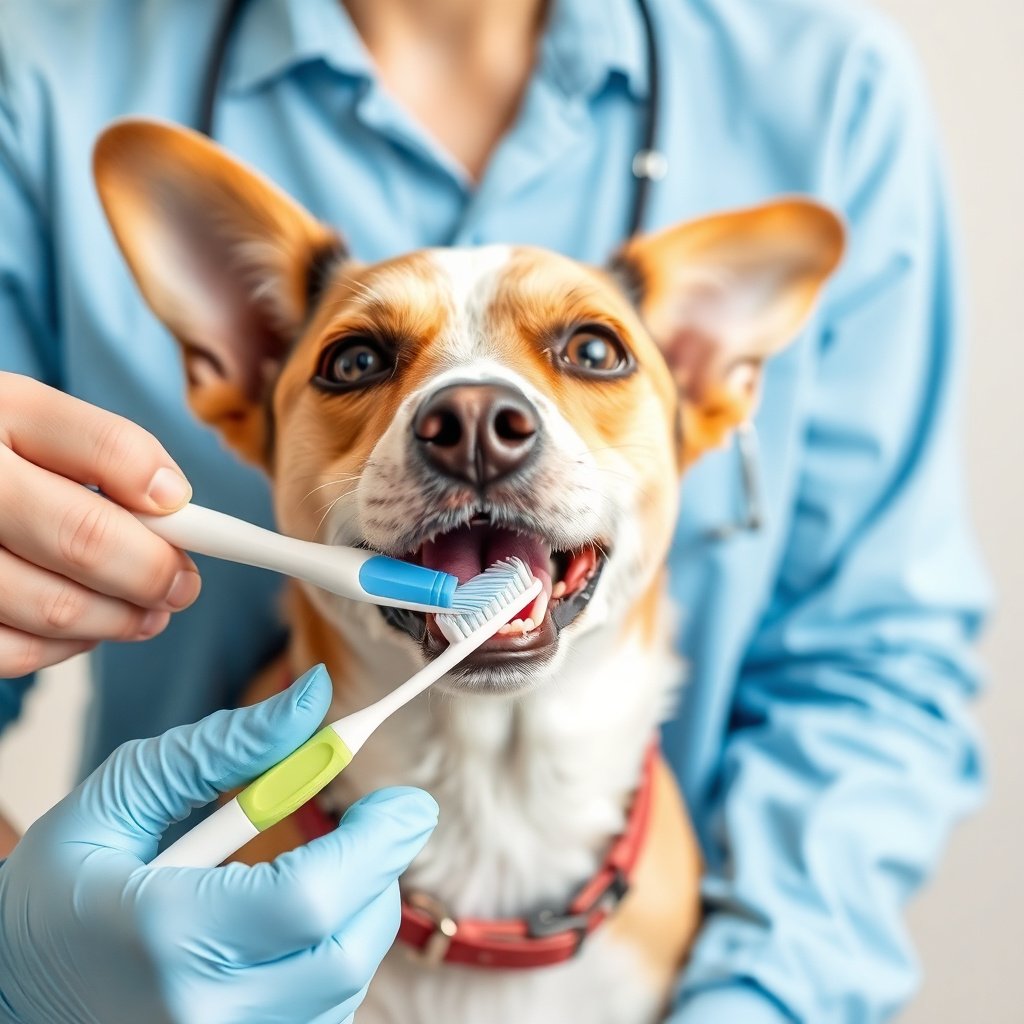
Brushing Techniques and Tools
Daily brushing with toothpaste formulated specifically for dogs is the most effective way to reduce plaque and prevent tartar buildup. Use a soft-bristled dog toothbrush or a finger brush to reach all tooth surfaces gently without causing gum irritation. Introducing brushing gradually helps dogs accept the routine.
Avoid human toothpaste as it contains ingredients harmful to dogs. For best results, brush in gentle circular motions, focusing on the back teeth where tartar often accumulates. Consistency is key to maintaining oral hygiene and controlling tartar at home.
- Use dog-safe toothpaste only
- Brush twice daily if possible
- Be gentle around gums
- Reward your dog to build positive associations
Dental Chews and Oral Rinses
Dental chews help mechanically scrape plaque off teeth while stimulating saliva flow, which naturally cleanses the mouth. Choosing chews approved by veterinary dental organizations ensures safety and efficacy. These can complement brushing but should not replace it entirely.
Oral rinses or water additives containing antibacterial agents can reduce oral bacteria and freshen breath. These products are easy to use and useful for dogs reluctant to brush but should be combined with regular physical cleaning practices.
- Select vet-recommended dental chews
- Avoid chews that are too hard to prevent tooth fractures
- Use oral rinses as directed on packaging
Professional Veterinary Care for Tartar Removal
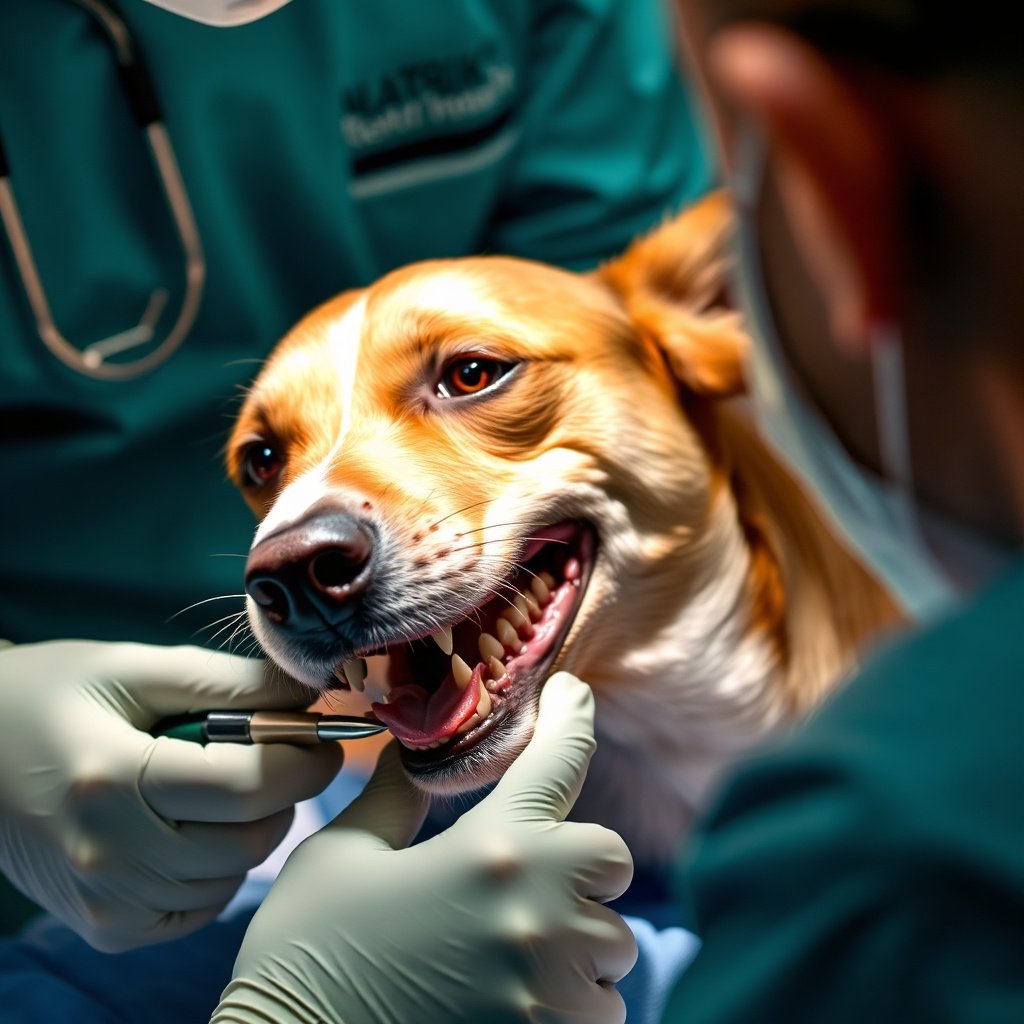
When to Schedule a Vet Dental Cleaning
If tartar buildup is heavy or if your dog has signs of gum disease like swelling, bleeding, or loose teeth, a professional cleaning is necessary. Unlike home care, veterinary cleanings involve scaling tartar beneath the gum line, where harmful bacteria thrive, using ultrasonic equipment under anesthesia.
These cleanings not only remove plaque and tartar but also allow the vet to examine oral tissues for infection, growths, or other issues. Regular checkups help catch oral problems early to maintain overall health.
For more on this, see our related guide: Why Does My Dog Smell Like Fish? 8 Key Causes and Solutions Explained.
What Happens During a Professional Cleaning
During the procedure, the dog is gently anesthetized to keep them still and comfortable. The vet or dental technician scales teeth both above and below the gum line, polishes them to smooth surfaces, and may apply fluoride treatments. The vet inspects gums and teeth for damage or disease, sometimes taking X-rays.
Post-procedure care typically includes instructions for maintaining oral hygiene at home and may involve pain relief if extraction or gum treatment was performed.
Diet and Its Role in Managing Dog Tartar

Choosing Foods That Help Control Tartar
Dry kibble generally reduces plaque buildup more than wet food due to its abrasive texture that helps scrape teeth during chewing. Some brands formulate dental diets with larger kibbles or specific fibers to increase the cleaning effect. These specialized foods can be part of a tartar prevention strategy.
Feeding raw vegetables or fruits in moderation can provide additional chewing action to help keep teeth cleaner. However, avoid anything toxic or hard enough to fracture teeth.
- Look for veterinary dental diets
- Avoid sticky or sugary treats
- Include crunchy vegetables like carrots if safe
Supplements Supporting Oral Health
Certain supplements designed for dogs contain enzymes or probiotics aiming to reduce oral bacteria and plaque formation. While research is ongoing, these can be useful alongside brushing and diet adjustments to control tartar buildup.
Always consult your veterinarian before introducing supplements to ensure they are safe and appropriate for your dog's needs.
- Discuss supplements with your vet
- Use approved products only
- Combine supplements with brushing and dental chews
Signs Your Dog Needs Immediate Dental Attention

Recognizing Pain and Infection
If your dog exhibits difficulty eating, excessive drooling, bad breath, or pawing at the mouth, these may indicate dental pain or infection needing veterinary care. Infections can spread quickly, causing systemic health risks beyond the mouth.
Early intervention prevents progression to severe periodontal disease and tooth loss, minimizing discomfort and costly treatments.
For more on this, see our related guide: Are Dog Groomers Expensive? Costs, Tips, and What You Should Know.
Emergency Situations Requiring Urgent Care
Signs such as oral swelling, bleeding, or visible broken teeth warrant immediate veterinary attention. Severe infections can lead to abscess formation or systemic illness. Do not wait for a scheduled visit if your dog’s condition deteriorates suddenly.
Prompt professional care focuses on relieving pain, controlling infection, and preserving oral function.
Maintenance Strategies to Prevent Tartar Recurrence
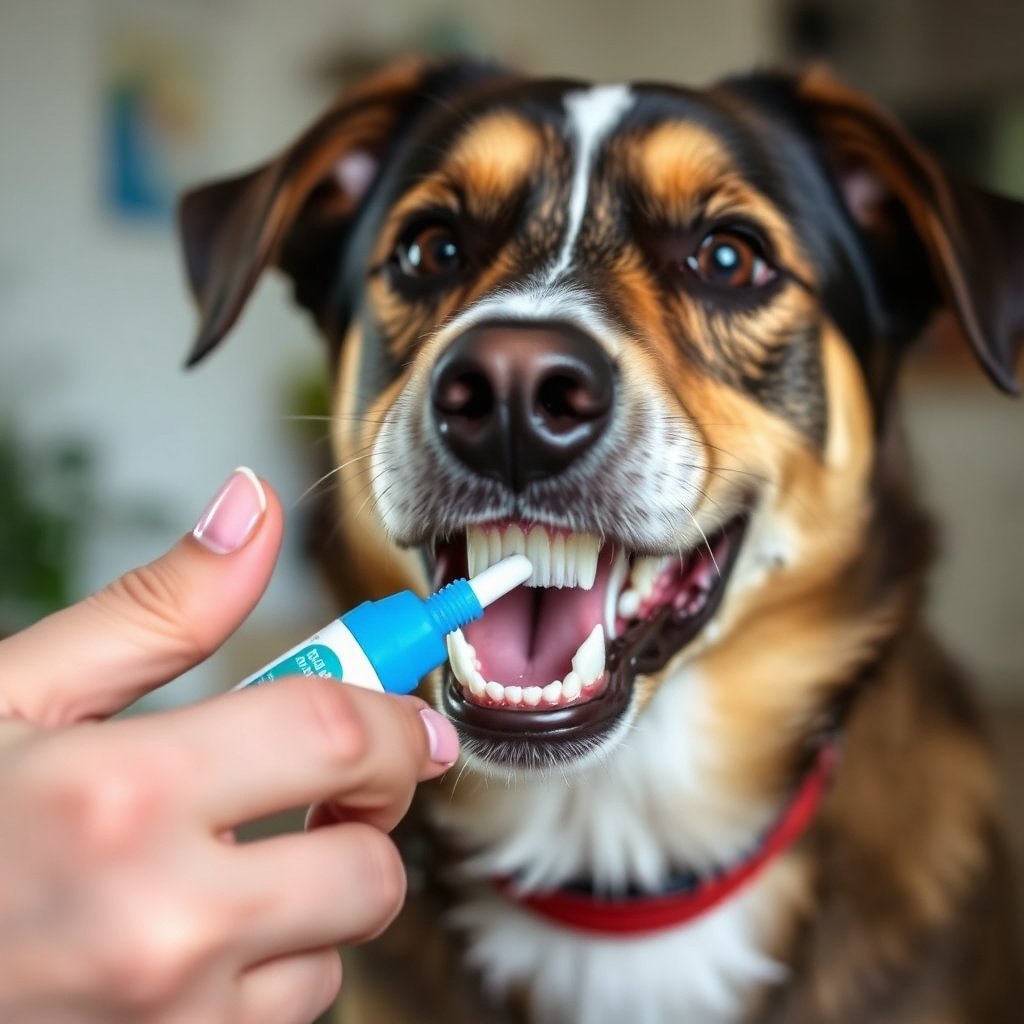
Establishing a Daily Dental Routine
Establishing a consistent dental care routine at home with brushing and dental chews reduces plaque accumulation, lowering the risk of tartar formation. Even incremental improvements in oral hygiene have noticeable benefits over time.
Integrate dental care into your dog’s daily life gradually, rewarding calm behavior and making the process as stress-free as possible to encourage long-term compliance.
- Brush teeth daily or several times a week
- Use approved dental chews regularly
- Schedule veterinary checkups annually
For additional detailed information on keeping your dog's teeth healthy, visit the dog dental health page at the American Veterinary Medical Association. dog dental health on the American Veterinary Medical Association site.
Regular Veterinary Dental Exams
Annual veterinary dental exams help monitor oral health status and identify early signs of tartar or disease that require intervention. Your vet can recommend adjustments to your care plan or schedule professional cleanings as needed.
This ongoing partnership between owner and vet supports your dog's dental well-being from puppyhood through senior years.
Dog Tartar Treatment Methods Comparison
Here’s a comparison of common dog tartar treatment methods based on effectiveness, cost, and suitability for different dogs.
| Treatment Method | Effectiveness | Cost | Suitable for Home Use | Requires Vet Visit |
|---|---|---|---|---|
| Daily Brushing | Very Effective for Prevention | Low | Yes | No |
| Dental Chews | Moderately Effective | Medium | Yes | No |
| Oral Rinses/Additives | Mild Effectiveness | Low to Medium | Yes | No |
| Professional Cleaning (Scaling) | Highly Effective for Removal | High | No | Yes |
| Dietary Adjustments | Supportive Effectiveness | Varies | Yes | No |
Frequently Asked Questions
Can I use human toothpaste to clean my dog's teeth?
No, human toothpaste contains ingredients that are toxic to dogs if ingested. Always use toothpaste specifically formulated for dogs to ensure safety and effectiveness.
How often should I brush my dog's teeth to control tartar?
Brushing your dog's teeth daily is best for controlling tartar buildup. If daily brushing isn’t possible, aim for several times a week combined with dental chews.
Are dental chews enough to remove tartar on their own?
Dental chews help reduce plaque and slow tartar formation but usually do not remove established tartar. They are most effective when combined with regular brushing and professional cleanings.
When should I take my dog to the vet for tartar removal?
Professional dental cleaning is advised when tartar build-up is heavy, or if your dog shows gum inflammation, bleeding, bad breath, or signs of dental pain.
Is anesthesia safe for my dog during dental cleanings?
Veterinarians use safe anesthetic protocols tailored for each dog. Pre-procedure exams and monitoring minimize risks, making anesthesia generally safe for thorough dental treatment.
Key Takeaways
- Regular brushing with dog toothpaste is essential to prevent tartar buildup.
- Dental chews and oral rinses support tartar control but don’t replace brushing.
- Professional vet cleanings are necessary for heavy tartar and gum disease.
- Diet and supplements can aid oral health as part of a full dental care plan.
Conclusion
Treating tartar on dog teeth requires a balanced approach combining consistent home care and professional veterinary involvement. Understanding how tartar forms and its harmful effects compels owners to adopt daily brushing and leverage dental chews while recognizing when veterinary cleanings become necessary. This layered strategy protects your dog’s teeth and gums from disease, enhancing their quality of life.
For many dogs, daily brushing supplemented by dental chews forms a solid foundation of oral hygiene. However, breeds prone to dental issues or dogs past middle age may benefit from periodic professional cleanings and specialized diets to control tartar effectively. Incorporating dietary changes and vet-approved supplements can further support oral health, reducing buildup and freshening breath.
Begin by establishing a patient, gentle brushing routine and selecting appropriate chewing treats tailored to your dog's preferences and dental needs. Schedule regular veterinary checkups to monitor tartar status and address problems early. By taking these practical, actionable steps, you can maintain your dog's oral health, preventing painful dental disease before it takes hold.