What Is a Dog Dewclaw? Understanding Its Purpose and Care
A dog dewclaw is a small, extra toe located on the inside of a dog's front or sometimes hind legs. Unlike the other toes, dewclaws do not typically touch the ground when a dog walks, making them distinct and sometimes misunderstood parts of canine anatomy. These claws can vary in size and presence among different breeds, but they remain an important feature to recognize.
Understanding the dewclaw matters because it can influence your dog’s mobility and health. If not properly cared for, dewclaws can snag on objects and lead to painful tears or infections. Knowing their function and how to maintain them can help prevent common injuries related to these often-overlooked nails.
This article explains the anatomy of a dog dewclaw, its role in your dog's movement and balance, signs of problems related to dewclaws, and practical advice on trimming and caring for them. By the end, you'll be better prepared to keep your dog's dewclaws healthy and avoid related complications.
Anatomy and Function of Dog Dewclaws
Where Are Dewclaws Located?
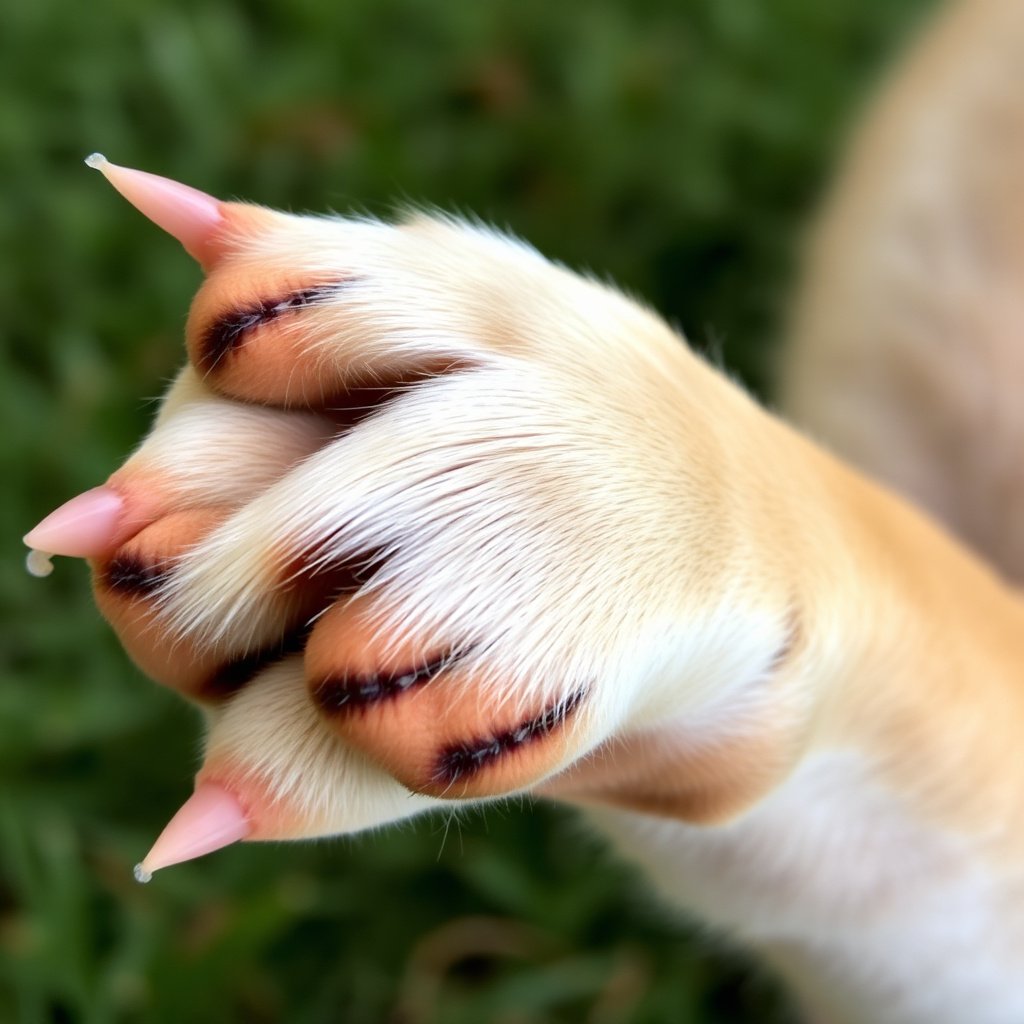
Dewclaws are positioned higher up on a dog's front legs than the other toes and sometimes appear on the hind legs depending on the breed. Unlike normal claws, dewclaws typically do not touch the ground during standing or walking.
These nails are actually vestigial, meaning they are remnants from evolutionary ancestors. Their position and appearance can vary, with some dewclaws being tightly attached by bone and muscle, while others are loosely connected.
Purpose and Role in Movement
Dewclaws help with grasping objects and provide extra traction when a dog makes sharp turns or climbs. They sometimes function like a thumb to assist in holding onto bones or toys.
In some breeds, the dewclaw can improve stability during fast running or jumping, supporting the dog in activities requiring agility. However, many dogs manage perfectly well despite the dewclaw’s minimal usage in regular walking.
Common Issues with Dog Dewclaws
Injuries and Overgrown Dewclaws
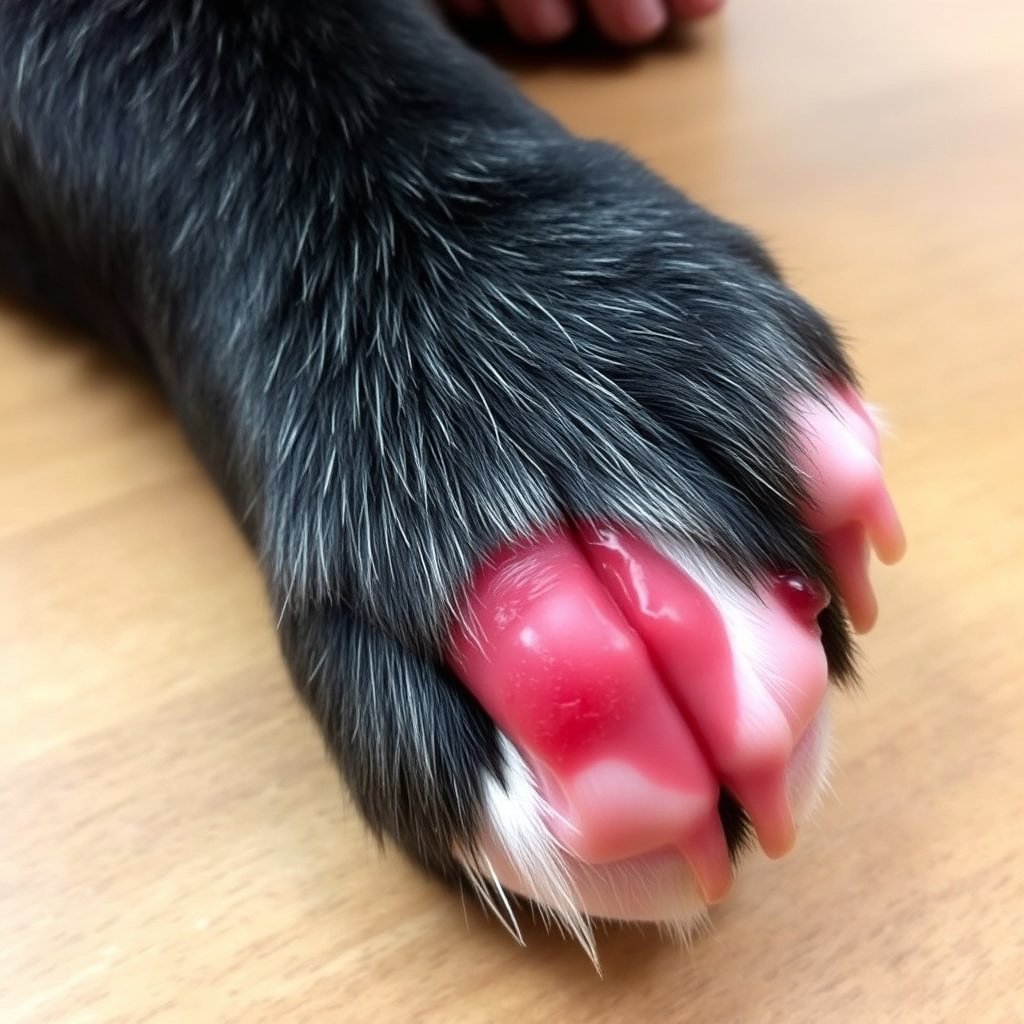
Dewclaws are prone to injury because they often have less support from surrounding tissue and can get caught on objects such as branches or fences. Such injuries may result in painful tears or even bleeding.
Overgrown dewclaws can curl back into the skin if not trimmed regularly, leading to infections. Regular maintenance minimizes risks and keeps these claws healthy.
Signs of Infection and When to See a Vet
Infection symptoms include redness, swelling, discharge, and limping. If your dog shows any of these signs near a dewclaw, prompt veterinary attention is necessary to prevent further complications.
Painful dewclaws may cause your dog to lick or chew at the paw excessively, signaling discomfort. Early detection can often resolve the problem with less invasive treatment.
Trimming and Caring for Dog Dewclaws
How to Trim Dewclaws Safely
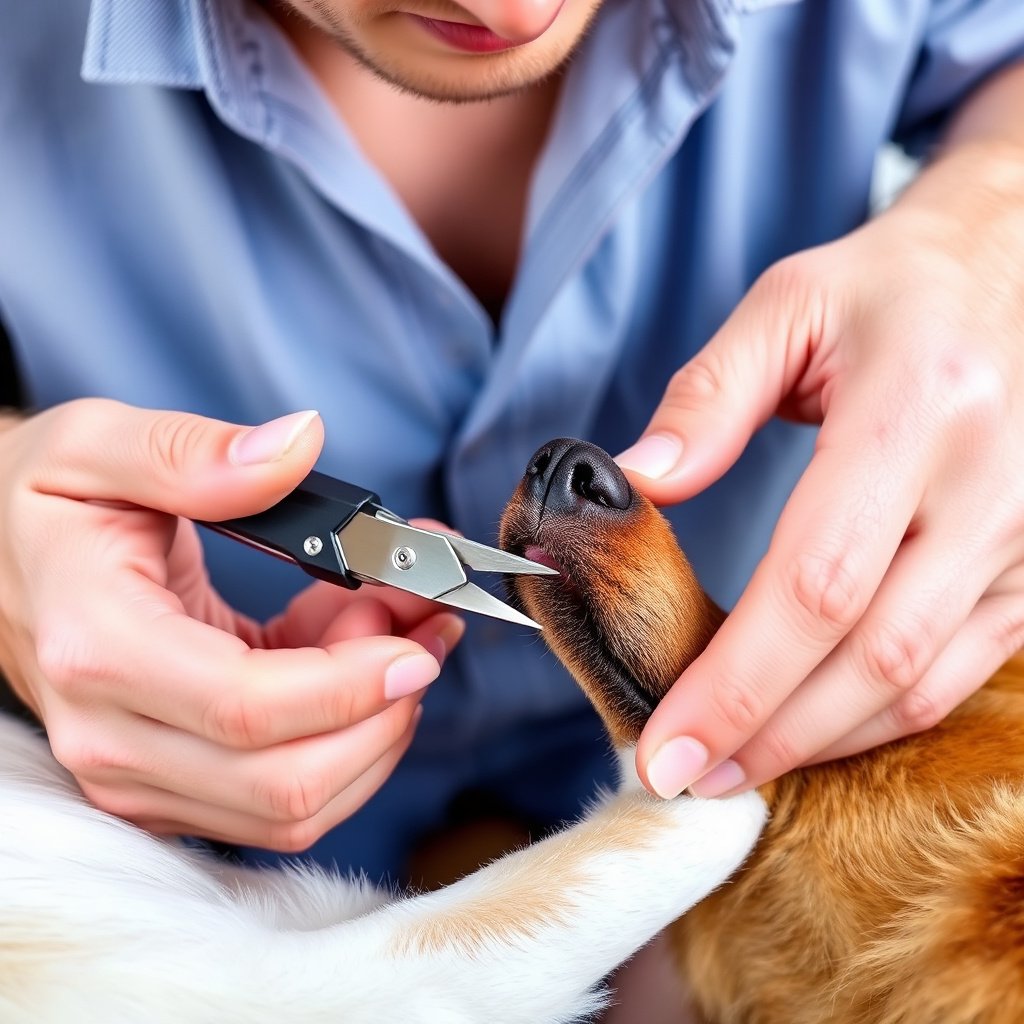
Trimming dewclaws requires extra caution because they can be positioned awkwardly and have a blood vessel called the quick inside. Using a sharp nail clipper designed for dogs and trimming small bits at a time will help avoid bleeding.
If you are unsure about trimming, consult a professional groomer or vet. Holding the paw gently and rewarding your dog can ease the process.
- Use dog-specific nail clippers
- Trim slowly to avoid cutting the quick
- Keep styptic powder handy in case of bleeding
For more on this, see our related guide: How Do Dog Groomers Trim Nails? A Complete Guide with Expert Tips.
Regular Maintenance Tips
Inspect your dog's dewclaws weekly to check for signs of overgrowth, cracks, or injury. Regular trimming prevents discomfort and infections.
Also, clean around the dewclaw base to remove dirt and debris, which can reduce the risk of bacterial or fungal infections.
Breeds More Likely to Have Dewclaws

Front Dewclaws in Most Breeds
Almost all dog breeds have dewclaws on their front paws, although the size and shape can differ notably. This trait is generally consistent regardless of breed, except in rare genetic variations.
The dewclaw’s functionality may vary from breed to breed, with working dogs often exhibiting stronger or more sturdy dewclaws for added grip.
Hind Leg Dewclaws in Specific Breeds
Some breeds like the Great Pyrenees and Briard are known for having double dewclaws on their rear legs. These extra digits are thought to provide better stability over rough terrain.
Hind dewclaws require the same careful monitoring and trimming habits as front dewclaws to avoid injury and overgrowth complications.
Dewclaw Removal and Controversies
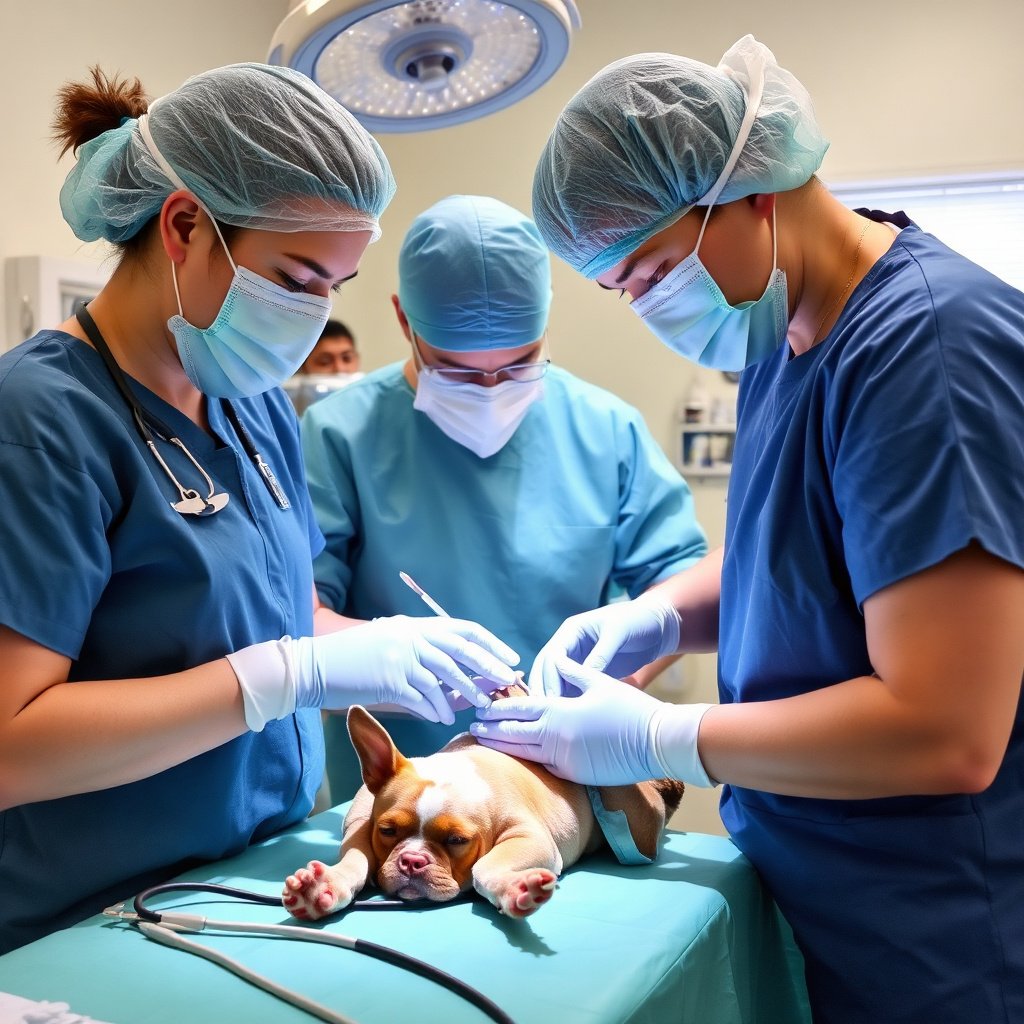
Reasons for Dewclaw Removal
Dewclaw removal is sometimes performed to prevent injury, especially in working or hunting dogs where snagging is common. It may also be done for cosmetic reasons or to meet breed standards in certain countries.
Surgical removal is best done when puppies are very young to minimize discomfort and complications.
For more on this, see our related guide: How Much Does a Nail Trim Cost for a Dog: A Complete Cost & Care Guide.
Arguments Against Routine Removal
Many animal welfare advocates oppose routine dewclaw removal because the claw serves a natural function and removal causes unnecessary pain and risk of complications.
Some vets recommend retaining dewclaws unless there is a specific medical or safety concern.
Understanding Dog Dewclaws in Context
Evolutionary Background
Dewclaws are evolutionary leftovers from early canine ancestors who had more toes that aided climbing and gripping. Modern domesticated dogs still carry these claws, though their usage has diminished.
Their presence provides a window into how dogs’ anatomy has adapted over thousands of years to different environments and lifestyles.
You can find detailed scientific and historical context about the dog dewclaw at dog dewclaw information on Wikipedia. dog dewclaw information on Wikipedia.
Recognizing Dewclaw Issues Early
Routine observation helps pet owners recognize problems before they worsen. Knowing what a healthy dewclaw looks like and staying alert to changes in your dog’s gait or behavior can prevent unnecessary pain.
Prompt action on infections or injuries leads to faster recovery and better quality of life for your dog.
Comparison of Dewclaw Types and Their Care Requirements
The following table outlines different dewclaw types and key care considerations associated with each.
| Dewclaw Type | Location on Leg | Common Issues | Care Needs |
|---|---|---|---|
| Front Dewclaw (Most Breeds) | Front legs, inside edge | Tears, overgrowth | Monthly trimming, inspection |
| Hind Dewclaw (Breed-specific) | Rear legs, inside edge | Injury, infection | Regular trimming, cleaning |
| Loosely Attached Dewclaw | Typically front legs | Easier injury, snagging | Frequent trimming, possible vet check |
| Double Hind Dewclaws (e.g., Great Pyrenees) | Rear legs, two claws | Snagging, complexity of care | More frequent inspection and trimming |
Frequently Asked Questions
Do all dogs have dewclaws?
Most dogs have dewclaws on their front legs, but not all breeds have hind dewclaws. Some dogs may lose them through natural causes or removal.
Should I remove my dog's dewclaws?
Dewclaw removal is usually not necessary unless there are medical reasons or risk of repeated injury. Consult your vet before deciding.
How often should I trim my dog's dewclaws?
Trimming every 3-4 weeks is a good guideline to keep dewclaws from becoming overgrown and causing problems.
Can dewclaws affect my dog's movement?
While dewclaws do aid in gripping and stability, removing or injuring them rarely causes major mobility issues for most dogs.
What signs indicate a dewclaw injury?
Watch for limping, licking of the paw, swelling, redness, or bleeding around the dewclaw. These require prompt attention.
Key Takeaways
- A dog dewclaw is an extra toe mostly found on the front legs, sometimes the hind legs.
- Proper trimming and inspection prevent common dewclaw injuries and infections.
- Certain breeds have double dewclaws on hind legs requiring special care.
- Dewclaw removal is optional and should be considered carefully with veterinary advice.
Conclusion
Choosing how to manage your dog’s dewclaws involves understanding their anatomy, function, and potential risks. The dog dewclaw serves some useful purposes like aiding grip and stability, but it can cause issues if neglected. Careful trimming and regular inspection are the best ways to maintain your dog's dewclaws in good health without interfering with their natural anatomy.
For dogs active in rough terrain or with loosely attached dewclaws, more frequent trimming and attention is wise. Breeds with double hind dewclaws also benefit from tailored care. If your dog’s dewclaw shows signs of injury or infection, visiting a vet swiftly will help avoid complications. Removal of dewclaws should only be pursued under guidance of a veterinary professional and is often unnecessary for pet dogs.
Keep an eye on your dog’s dewclaws alongside regular nail trims using proper tools and techniques described here. Seeking professional grooming support can make the process easier and safer, especially if you are new to dewclaw trimming. With consistent care, your dog’s dewclaws can remain healthy, avoiding painful injuries and contributing subtly to their everyday agility.