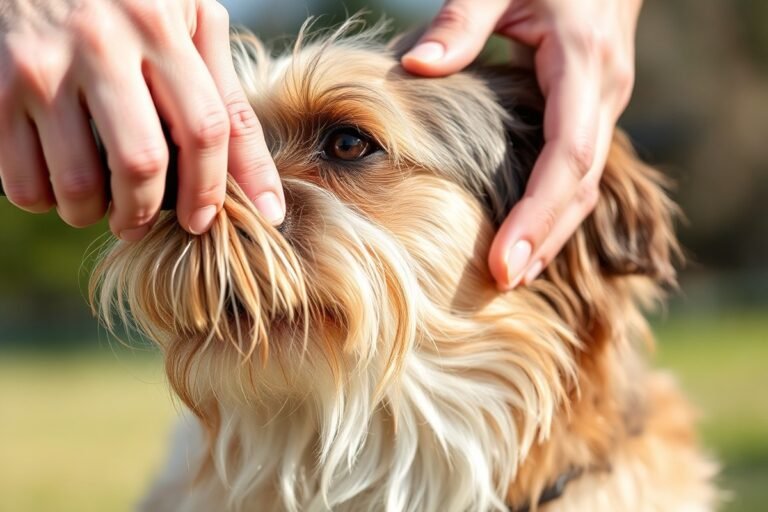
How to Socialize a Puppy: Effective Strategies for Confident Dogs
Socializing a puppy means gradually exposing them to a variety of people, environments, sounds, and other animals in a way that builds their confidence and reduces fear. This process should start early, ideally during the critical socialization period between three to fourteen weeks of age, to help your puppy grow into a well-adjusted adult dog.
Early and thoughtful socialization matters because puppies who miss this window can develop anxiety or aggressive behaviors later. By carefully introducing your puppy to diverse experiences, you reduce the chances of fear-based reactions and support positive learning patterns that last a lifetime.
This article will cover step-by-step methods for socializing your puppy, including meeting new people, encountering other dogs safely, and handling different sounds and environments. You’ll find practical advice tailored to each stage of your puppy’s early life, with safety tips and troubleshooting advice along the way.
Understanding the Puppy Socialization Window
Why Early Socialization Matters
The socialization window is a critical developmental phase when puppies are most receptive to new experiences without undue fear. This period, roughly between three and fourteen weeks, allows puppies to form positive associations with diverse stimuli, including people, animals, sights, and sounds.
If socialization is neglected during this stage, puppies might become fearful or aggressive as adults. Exposure during this window helps them distinguish between harmless and threatening experiences, making later training more effective.
Signs Your Puppy Is Ready for Socialization
Not every puppy matures at the exact same rate, so look for signs like curiosity, calmness, and willingness to explore as indicators your puppy can start socializing. Puppies who appear overly fearful might need gentler, slower exposure to new situations.
Ensuring your puppy is healthy and has completed essential vaccinations (as advised by your vet) will protect them during early outings and social encounters.
- Curious sniffing and exploration
- Relaxed body language
- Responsive to gentle guidance
- Completion of first vaccine series
Introducing Your Puppy to People Safely
Meeting Different Types of People
Exposing your puppy to various kinds of people—children, adults, seniors, people with hats or glasses—helps prevent future fear or aggression triggered by unfamiliar appearances. Encourage gentle interactions and reward calm behavior to build positive associations.
Keep initial meetings brief and controlled. Always allow your puppy to approach at their own pace without forcing contact, and use treats and praise to reinforce positive responses.
- Children of different ages
- Adults with varied appearances
- People using mobility aids
- Individuals wearing hats, sunglasses, masks
Handling Unwanted Behavior During Socialization
Puppies may react with fear or bark when meeting strangers. Ignoring or punishing these behaviors can increase anxiety. Instead, calmly redirect their attention with toys or treats and gradually reintroduce the situation with positive reinforcement.
If your puppy seems overwhelmed, remove them from the situation and try again later with less intensity. Patience and consistency are key.
Socializing Your Puppy with Other Dogs
Choosing Safe and Positive Dog Interactions
Early interactions with well-mannered, vaccinated dogs help your puppy learn dog-to-dog communication and play skills. Begin with calm, friendly dogs of similar size and temperament to prevent negative experiences.
Always supervise play sessions and be ready to step in if either dog becomes too rough or anxious.
- Select vaccinated dogs with known temperaments
- Start in a neutral, fenced area
- Limit initial playtimes to 10-15 minutes
- Observe body language closely
For more on this, see our related guide: Can You Bathe a Puppy Before Vaccines? The Complete Safety Guide.
Puppy Classes and Group Socialization
Organized puppy classes provide a structured environment with professional guidance to socialize your puppy safely alongside other puppies. These sessions introduce controlled play, basic obedience, and exposure to new experiences in a positive way.
Classes also offer valuable tips on training and socialization tailored to your puppy’s age and personality.
Exposing Your Puppy to New Environments and Sounds
Gradual Exposure to Various Settings
Taking your puppy to different places—parks, streets, pet-friendly stores—helps them become comfortable with varied environments. Start with quiet areas and slowly increase exposure to busier locations as your puppy gains confidence.
Use positive reinforcement like treats and praise to help your puppy associate each new setting with good experiences.
- Quiet parks and residential streets
- Pet-friendly outdoor cafes
- Car rides of increasing duration
- Visits to pet stores or vet clinics
Getting Your Puppy Used to Common Sounds
Sounds like vacuum cleaners, doorbells, traffic, and alarms can startle young puppies. Familiarizing them gradually helps reduce their sensitivity and potential fear responses later.
Play sound recordings at low volume initially, pairing with treats to build positive associations. Slowly increase volume over days or weeks based on your puppy’s reactions.
Using Positive Reinforcement During Puppy Socialization
The Role of Rewards in Socialization
Positive reinforcement strengthens desired behaviors and associations. Treats, praise, toys, and affection encourage puppies to approach new situations without fear.
Consistency is important—reward calm, friendly, curious responses immediately during social encounters to help your puppy connect good feelings with new experiences.
For more on this, see our related guide: How Often Should You Take a Puppy to the Groomer? A Complete Guide for Beginners.
Avoiding Punishment That Can Harm Socialization
Punishing fearful or reactive behavior often exacerbates anxiety, including biting or barking out of fear. Instead, redirect your puppy’s attention or calmly remove them from stressful situations.
Creating a safe, positive atmosphere encourages your puppy to explore confidently without negative associations.
Troubleshooting Common Puppy Socialization Challenges
Handling Fearful or Shy Puppies
Some puppies show shyness or fear despite early efforts. In such cases, slowing down progress and increasing positive exposure gradually is necessary to prevent setbacks.
Consulting a professional trainer or behaviorist can provide tailored strategies to boost your puppy’s confidence safely.
- Avoid forcing interactions
- Use calm, quiet environments
- Provide high-value treats for encouragement
- Allow your puppy to set the pace
For more on the puppy socialization critical period, refer to the detailed explanation available on Wikipedia. puppy socialization critical period.
Managing Overexcited or Reactive Behavior
Puppies sometimes get overwhelmed and act out by jumping or barking excessively during socialization. Teaching impulse control through obedience commands like sit and stay can improve interactions.
Short, frequent sessions with plenty of breaks help manage energy and maintain focus.
- Practice basic commands regularly
- Keep socialization sessions brief
- Redirect excitement to toys or play
- Reward calm behavior consistently
Puppy Socialization Methods Comparison
Below is a comparison of common puppy socialization approaches to help you choose the best fit for your puppy’s needs and your lifestyle.
| Method | Ideal Puppy Age | Benefits | Drawbacks |
|---|---|---|---|
| Puppy Classes | 8-16 weeks | Structured, supervised interaction; expert guidance | Can be costly; may overwhelm shy puppies |
| Controlled Playdates | 6-14 weeks | One-on-one or small group interactions; flexible scheduling | Requires careful selection of playmates; less structured |
| Home Exposure | 3-14 weeks | Safe, familiar environment; easy to manage pace | Limited variety of stimuli; fewer social partners |
| Public Outings | 12 weeks and older | Varied environments and people; real-world exposure | Potential health risks before vaccinations; overstimulation risks |
Frequently Asked Questions
When should I start socializing my puppy?
Start socializing as early as three weeks old but focus most efforts between three to fourteen weeks, when puppies are most adaptable to new experiences.
Can I socialize my puppy before all vaccinations are complete?
Early socialization can begin carefully at home or in controlled environments before vaccinations finish; avoid high-risk areas like dog parks until fully vaccinated.
What if my puppy is scared of new people?
Introduce strangers gradually, allow your puppy to approach at their own pace, and use treats and praise to create positive associations with new people.
How often should I socialize my puppy?
Frequent short sessions—multiple times per day if possible—work best to build comfort without overwhelming your puppy.
Is socialization necessary after the puppy stage?
While early socialization is ideal, adult dogs can still benefit from careful, gradual exposure to new experiences to reduce anxiety.
Key Takeaways
- Begin socialization early between 3-14 weeks for best results
- Use positive reinforcement to build confidence during exposure
- Introduce new people, dogs, environments, and sounds gradually
- Adapt socialization pace based on your puppy’s comfort and reactions
Conclusion
Socializing a puppy requires deliberate, gentle, and frequent exposure to a variety of experiences during its critical early weeks. This approach creates a foundation of confidence that supports a calm, friendly adult dog. Observing your puppy’s behavior and adjusting the pace ensures the process builds positive associations without triggering stress or fear. By combining structured interactions with everyday experiences, you help your puppy learn to engage with the world safely and cheerfully.
Different methods suit different puppies and owners, such as puppy classes for guided socialization or controlled playdates for more intimate exposure. Home-based introductions can prepare puppies for later public outings. Puppies showing shyness or reactivity benefit from slower, more controlled socialization combined with positive reinforcement. The secondary keyword, puppy socialization tips, highlights strategies to handle common challenges while fostering trust and good behavior.
The best next step is to design a socialization plan that fits your puppy’s temperament and your schedule. Start with gentle introductions to people and other dogs, then broaden to varied environments and sounds. Use rewards consistently to reinforce calm behavior and seek professional advice if difficulties arise. Taking these steps lays the groundwork for a well-mannered companion who enjoys new experiences throughout life.