Are Dog Groomers Expensive? Costs, Tips, and What You Should Know
Dog groomers can seem expensive, but their costs mostly reflect the time, skill, and equipment involved in caring for various breeds. On average, you can expect to pay around $85 per grooming session, which includes bathing, brushing, nail trimming, and ear cleaning. This cost can be higher for breeds with thicker or longer coats or for mobile grooming services that come to your home.
This information is geared toward dog owners deciding whether professional grooming fits their budget and lifestyle. You’ll learn what influences dog grooming prices, how often to schedule sessions, and ways to find affordable yet quality grooming care for your pet.
Key Takeaways
- Dog grooming sessions average $85 but can range from $30 to over $200 depending on breed size and coat type.
- Mobile dog grooming typically costs 20 to 30 percent more than salon visits due to added convenience.
- Basic grooming includes bathing, brushing, ear cleaning, and nail trimming, usually priced between $30 and $90.
- Breed size and difficulty, such as very small or large dogs, can increase grooming prices by $10 or more.
- Regular grooming every 4 to 12 weeks helps maintain coat health and reduce stress for your dog.
- Simple bath and brush services cost $29 to $79, making them a budget-friendly grooming option.
Are Dog Groomers Expensive Compared to Other Pet Services?
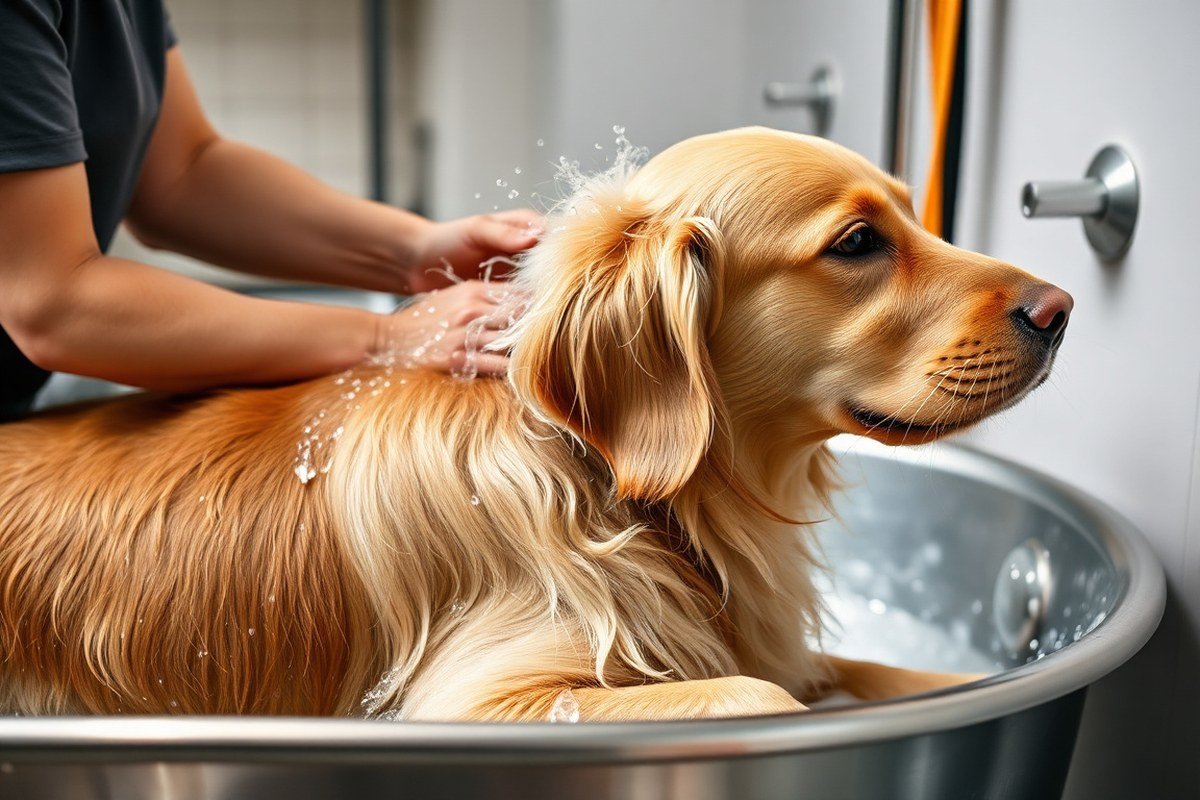
Professional dog grooming costs can be higher than routine pet care like basic veterinary visits but are generally on par with specialized services such as training or boarding. Grooming prices depend largely on your dog’s size, breed, and the type of services you select. For example, basic grooming for small breeds may start around $25, while larger or specialty breeds can cost up to $140 or more. These prices typically cover a bath, haircut, nail trimming, ear cleaning, and sometimes teeth brushing, with additional charges for advanced services.
The level of skill and equipment involved justifies the expense. Groomers use professional tools and products, often including hypoallergenic shampoos at no extra cost for sensitive dogs. They also check for early signs of skin or ear conditions, which can help prevent costly vet visits. While grooming fees might seem high per visit, scheduling appointments four to six times a year balances upkeep and cost.
Comparison across dog sizes and service types illustrates how grooming costs stack up against other standard pet expenses. Mobile grooming typically runs $50 to $200, driven by the convenience and personalized care provided.
| Dog Size & Service | Basic Grooming Cost | Specialty Grooming Cost |
|---|---|---|
| Small breeds (e.g., Chihuahua, Toy Poodle) | $25 – $100 | $50 – $100+ |
| Medium breeds (e.g., Beagle, Cocker Spaniel) | $35 – $120 | $70 – $140+ |
| Mobile grooming | $50 – $100 (avg.) | $100 – $200 |
| Additional services (nail grinding, teeth brushing, specialty shampoo) | $5 – $15 (extra) | $10 – $30 (extra) |
| Annual grooming frequency (4-6 visits/year) | Reduces annual costs by about 30-40% | – |
Prices vary due to coat type complexity and whether extra services like teeth brushing or anal gland expression are included. For example, a basic trim may fall on the lower end, while a specialty haircut or hypoallergenic treatment can push costs higher. Choosing mobile groomers adds convenience and personalized attention, which justifies the higher average price compared to salon visits. Ultimately, professional grooming provides not only cosmetic benefits but preventive health monitoring, making it a valuable pet care service despite the upfront expense.
What Factors Affect Dog Grooming Prices Most?
Dog grooming prices depend on several key factors such as your dog’s breed and coat type, their behavior during grooming, the grooming services you choose, and where the grooming takes place. Each of these aspects influences how much time, effort, and materials the groomer needs to spend on your dog, which directly impacts the final cost.
Breed and Coat Type Influence
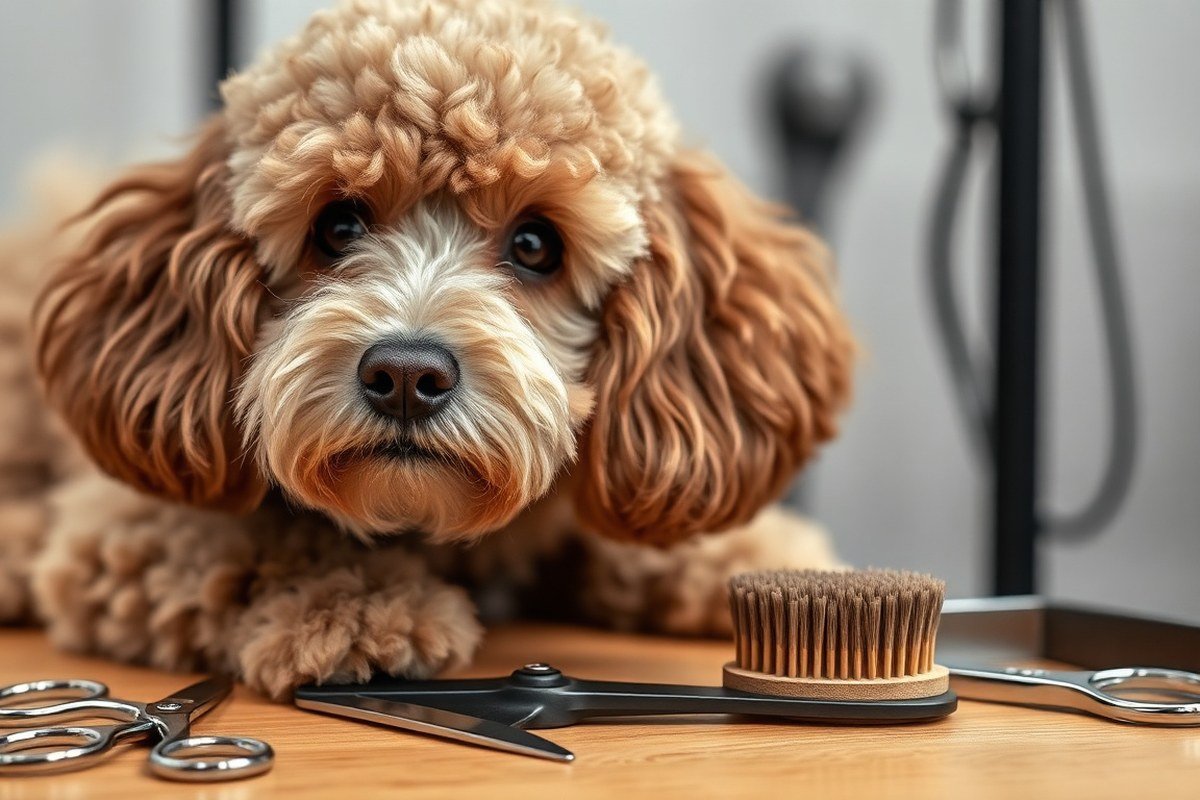
The breed and coat type play a major role in determining grooming costs. Dogs with long, thick, or curly coats need more time and specialized care, which usually means higher prices. For example, grooming a Poodle or a Shih Tzu often costs more than grooming a short-coated dog like a Beagle or Boxer.
Cost differences typically range from $24 to $42 extra for high-maintenance coats compared to basic cuts for short-haired breeds. Grooming salons base pricing on how much brushing, detangling, and trimming the coat requires. Mixed breed dogs are usually charged based on the closest breed match in size and coat complexity.
Behavior and Temperament Fees
Dogs that are anxious, aggressive, or resist grooming often cause the session to take longer and require extra handlers or special equipment. Groomers may add fees to cover this increased effort. This means an additional charge on top of the standard rate and can sometimes add up to 15-30% more to the total price. The extra fees typically cover:
- Use of muzzles or calming tools
- Extended grooming time
- Help from additional staff for handling
- Stress reduction techniques and breaks
- Safety measures for groomer and dog
Being upfront about your dog’s temperament when booking helps the groomer prepare and give you a more accurate estimate.
Ask the groomer in advance about their policies on difficult dogs to avoid surprise fees.
Location and Salon Overhead
Prices vary depending on where you live and the type of grooming facility you use. Urban areas with higher rent and wages tend to have higher grooming prices. Mobile groomers often charge 20-30% more than salon-based services because of travel time and equipment setup.
Higher-end salons with experienced groomers and quality products also charge more. These salons reflect their expertise and overhead costs in their pricing but often deliver more consistent results and better pet care.
Additional Grooming Services
Besides the standard bath, haircut, and nail trim, additional services raise the final price. Specialty treatments like teeth cleaning, flea baths, de-shedding treatments, or nail grinding usually add extra fees ranging from $10 to $40 per service depending on your location. Other extras that can bump the price include:
- Anal gland expression
- Ear cleaning or medicated ear washes
- Sanitary or puppy trims
- De-matting or heavy coat detangling
- Special shampoos or conditioners for sensitive skin
Time and Tools Impact
Longer grooming sessions naturally cost more since groomers charge based on time spent. Dogs with dense or tangled coats may require several hours, especially if the coat is severely matted. Higher quality tools and grooming products can slightly increase prices but often improve the grooming result and your dog’s comfort.
For a typical maintenance grooming, expect sessions around 1 to 2 hours depending on your dog’s coat and behavior. Proper grooming keeps your dog comfortable and healthy but costlier sessions are sometimes necessary to tackle neglected coats or special care needs.
How Much Does Mobile Dog Grooming Cost and Is It Worth It?
Mobile dog grooming generally costs more than grooming at a salon due to the added convenience of having the groomer come to your home. Prices range from about $60 to over $195 depending on your dog’s size and needs, often $60 to $65 higher than salon grooming in the same city. Mobile grooming includes services like bathing, brushing, nail trims, and may offer the same add-ons you find at salons, but the price premium rewards your time and gives your dog a less stressful environment.
Mobile Grooming Price Ranges by Dog Size
Mobile grooming prices vary by dog size, with small dogs costing less than medium or large dogs. Comparing cities like Portland and Seattle, mobile grooming consistently runs about $60-$65 more than comparable salon services. Here’s a look at average starting prices for full grooming with these local providers.
| Market and Size | Lowest Listed Mobile Full Groom | Lowest Listed Salon Full Groom | Difference |
|---|---|---|---|
| Portland, small dog (up to 15 lb) | $145 (Full Moon Groom) | $80 (PDX Pet Spa, 0 to 25 lb) | $65 |
| Portland, medium dog | $170 (Tail Swagger) | $105 (The Groom Shop) | $65 |
| Portland, large dog | $195 (Tail Swagger) | $130 (PDX Pet Spa, 50 to 75 lb) | $65 |
| Seattle, small dog (under 10 lb, long coat) | $160 (Girl & Doggies) | $100 (Seattle Canine Club) | $60 |
These prices reflect base full grooming packages including bathing, brushing, trimming if needed, and nail trims. Add-ons like specialty shampoos, teeth cleaning, and flea treatments usually cost extra, often between $10 and $30 depending on size and complexity.
Mobile Grooming Convenience and Limitations
Mobile grooming’s biggest advantage is saving you the time and hassle of transporting your dog to a salon. The groomer visits your home, which is especially helpful for busy schedules, dogs with mobility issues, or pets who get anxious in unfamiliar places. It can also offer more personalized attention in a calmer environment.
However, this convenience comes with tradeoffs. Mobile groomers typically charge a premium for the private on-site service. Expect to pay more than salon rates, so the value depends on how much you prioritize saving time and reducing stress on your dog. Mobile setups may have limited equipment compared to salons, sometimes restricting the range or speed of services.
Choosing Between Mobile and Salon Grooming
Use this checklist to determine if mobile grooming is worth the extra cost for your dog:
- Do you have a busy schedule or limited transportation? Mobile grooming can save significant time and effort.
- Is your dog anxious or difficult to transport? Grooming at home can reduce stress and improve cooperation.
- Are you comfortable with paying $60 or more above salon prices? Consider if convenience outweighs the premium.
- Does your dog require specialized grooming equipment or a quick turnaround? Salons may offer more complete or faster service.
- Do you prefer personalized one-on-one grooming attention? Mobile groomers often provide a more focused experience.
Here are pros and cons of mobile grooming to guide your decision:
- Pros: Convenience of home service, less stress for your dog, personalized attention.
- Cons: Higher cost (typically $60+ more), fewer equipment options, potentially longer appointment windows.
What Services Does a Basic Dog Groom Include?
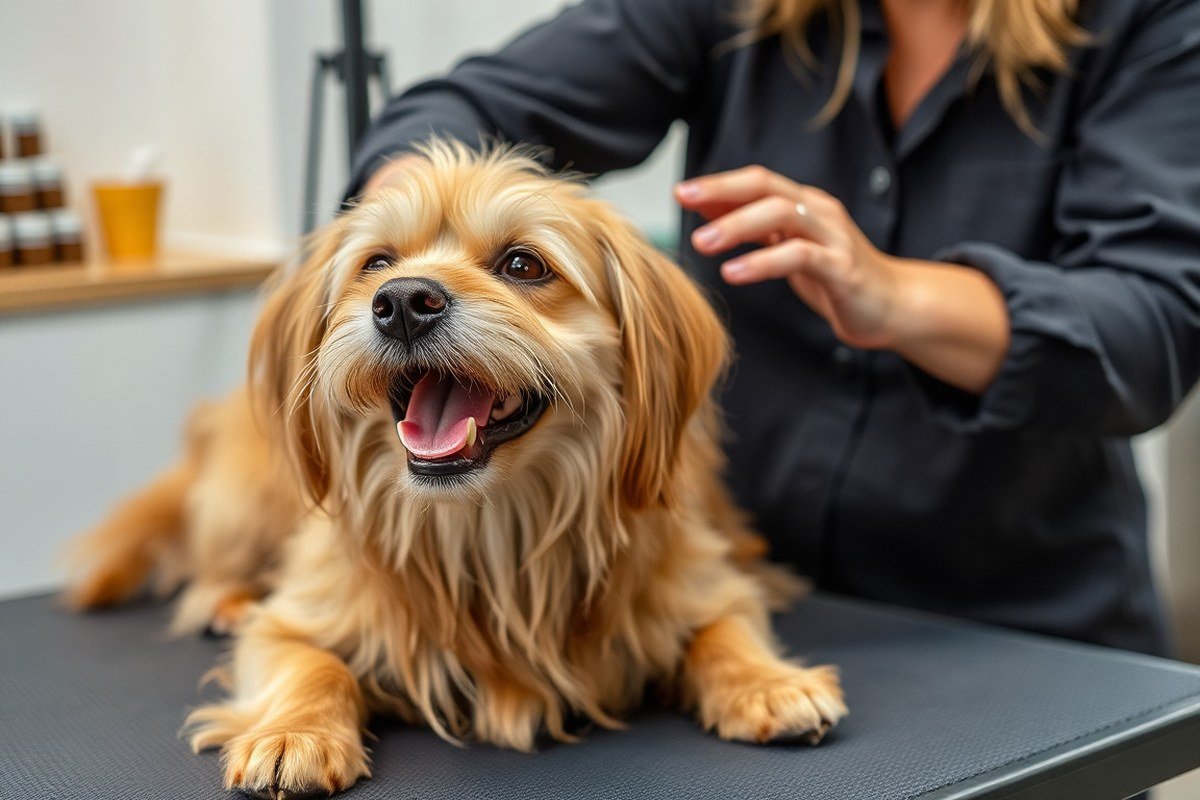
A basic dog grooming session generally includes several key services aimed at keeping your dog clean and comfortable. These services typically cover bathing, brushing, nail trimming, and ear cleaning. On average, a basic grooming appointment lasts from 30 minutes to one hour, depending on your dog’s size, coat type, and temperament.
The grooming process begins with a thorough bath using dog-specific shampoo and conditioner to remove dirt and loose hair. After drying, the groomer will brush your dog to detangle fur, reduce shedding, and smooth the coat. Nail trimming follows, which is important for your dog’s comfort and to avoid injury. Ear cleaning is done carefully to remove wax and debris, lowering the risk of infections. Some groomers also include a simple haircut or trim in the basic package, especially for breeds that require regular maintenance. To give you a clear idea, here’s a typical step-by-step rundown of what happens in a basic dog grooming session:
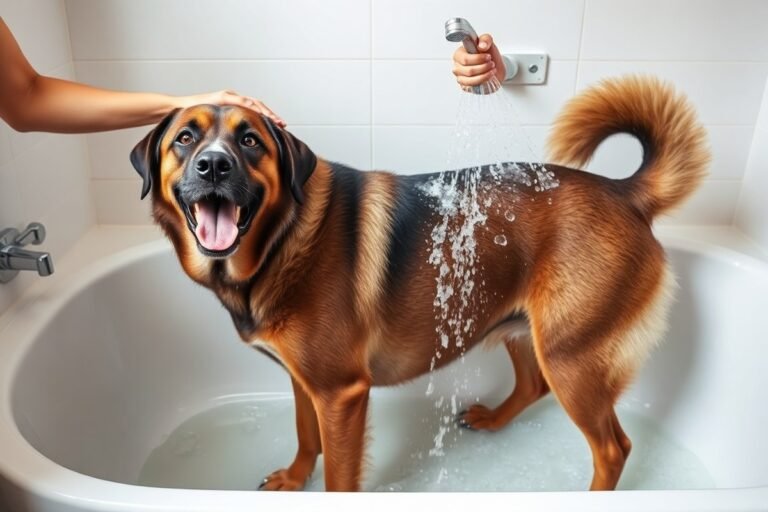
- Bath your dog with warm water and a gentle dog shampoo, typically at a temperature of about 85°F to 90°F, ensuring thorough rinsing to avoid irritation.
- Dry your dog with towels and possibly a low-heat blow dryer, taking care not to stress your dog or overheat the skin.
- Brush and detangle the coat using appropriate brushes for your dog’s fur type to remove loose hair and prevent mats.
- Trim the nails using professional dog nail clippers, avoiding the quick to prevent bleeding and discomfort.
- Clean the ears gently with vet-approved ear cleaner, cotton balls, or pads, removing wax build-up carefully without pushing dirt deeper.
- Perform a light haircut or trim if included in the package, focusing on problem areas like around the paws and sanitary zones.
Basic grooming sessions typically cost between $30 and $90, influenced by your dog’s breed, size, and coat condition. Many groomers offer additional services that can be added to this basic package for extra fees. Common add-ons include teeth brushing for about $10 to $20, de-shedding treatments costing roughly $15 to $40, flea or tick treatments starting around $20, and dematting services that can range from $20 to $50 depending on severity.
These extras are not always necessary but can be important for dogs with specific needs or health concerns. Teeth brushing, for example, helps prevent dental disease, while flea treatments support flea and tick control. Grooming professionals can also handle more difficult tasks like anal gland expression and specialized haircuts for breed standards or personal preference, usually at a higher price point.
How Often Should You Schedule Professional Grooming?
Scheduling professional grooming depends heavily on your dog’s breed, coat type, and activity level. Dogs with thick, curly, or long coats generally need grooming every 4 to 6 weeks to avoid matting and skin issues. Breeds like Poodles, Bichon Frises, or Shih Tzus fit this category and require regular trims and de-shedding. Dogs with short coats, such as Boxers or Beagles, can often wait 8 to 12 weeks between grooming sessions, mostly for baths, nail trims, and ear cleaning.
Consistent grooming appointments help keep your dog’s coat healthy by preventing tangles and reducing the risk of skin infections. Irregular or infrequent grooming sessions increase the chance of severe matting, which can lead to painful skin problems and higher grooming costs. Groomers often charge extra for dematting or may have to give an emergency shave-down to remove mats, which can be stressful for your dog and more expensive for you. Regularly scheduled visits keep appointments shorter and simpler, which is usually less costly over time.
Booking your dog on a recurring grooming schedule can also bring cost benefits. Some groomers provide discounts for clients who commit to monthly or bi-monthly appointments. These discounts, combined with the reduced time needed per session because your dog’s coat is maintained, help lower your annual grooming expenses. For example, standard grooming appointments including haircut and bath range from $50 to $105 per visit, depending on breed and location. Planning every 4 to 8 weeks can result in better grooming outcomes and more predictable expenses, typically resulting in annual costs from about $300 up to $1,000 or more for regular professional grooming.
Monitoring your dog’s coat and skin between appointments also guides timing. Active dogs that spend time outdoors or have health concerns such as skin allergies or sensitive areas might need more frequent grooming. Giant breeds typically face higher grooming fees, $60 to $180 per session, due to the time and materials involved. Urban areas usually have higher prices than rural ones, making neighborhood shop prices an important consideration.
To find an affordable grooming schedule, start by consulting your groomer about your dog’s specific coat needs and possible packages or plans. Many groomers offer pre-paid plans with built-in savings for regular customers. Keep a calendar reminder every month or two, adjusting as you notice any matting or coat changes. Maintaining a grooming journal can also help track what works best for your pet’s comfort and your budget.
Book your dog’s next grooming session before you leave the salon to lock in a convenient date and often a better rate for recurring visits.
Can You Groom Your Dog at Home to Save Money?
Yes, you can groom your dog at home to save money, especially if your pet has a short and simple coat. Investing between $50 and $150 in quality grooming tools and products can reduce how often you need professional grooming appointments, saving you hundreds of dollars annually. However, certain skills, tools, and safety considerations limit how much grooming you should attempt on your own.
Essential Grooming Tools for Home Use
To properly groom your dog at home, having the right tools is necessary. The costs of these tools typically range from $50 to $150 for a complete beginner’s set. This investment can last for years if you maintain them carefully.
- Brush or comb: Choose a slicker brush for medium to long coats or a bristle brush for short coats to remove loose hair and detangle fur.
- Nail clippers or grinder: Professional-grade clippers or a rotary grinder prevent splitting and keep nails trimmed safely.
- Dog shampoo and conditioner: Use products formulated for dogs, ideally vet-recommended, to maintain skin and coat health.
- Scissors and grooming clippers: Straight-edged scissors for trimming hair and electric clippers with guards for safe fur length management; essential for thicker or longer coats.
- Towels and a non-slip mat: For drying and preventing slips during baths.
Basic DIY Grooming Steps for Beginners
Regular home grooming extends the intervals between professional appointments while keeping your dog comfortable and healthy. Follow these steps for a basic bath and brush at home:
- Brush your dog’s fur thoroughly to remove loose hair and detangle knots before bathing.
- Prepare a warm bath with water around 90°F to 100°F, ensuring comfort but avoiding overheating.
- Wet the coat completely and apply dog shampoo evenly without letting it get into the eyes or ears.
- Rinse thoroughly to prevent irritation from shampoo residue.
- Apply dog conditioner if needed and rinse again.
- Towel dry the dog then let them air dry in a warm area, or use a blow dryer on a low, cool setting.
- Trim nails carefully, clipping small amounts to avoid cutting the quick and causing pain or bleeding.
- Brush a final time to remove loose hair and keep the coat smooth.
For dogs with very short coats, this routine sufficiently maintains cleanliness and comfort. Dogs with longer or thicker coats may require additional trimming, detangling, or professional care.
When to Seek Professional Grooming Services
Not all grooming tasks can be safely or effectively done at home. Professional groomers have training and equipment to handle more complex cuts, difficult coat types, and behavior challenges safely. Consider professional grooming if your dog has a thick double coat, severe matting, or sensitive skin conditions.
Professional groomers charge $30 to $50 and up for basic grooms, including baths, nail trims, ear cleaning, and haircut styles tailored to your dog’s breed. DIY grooming may supplement these visits but cannot fully replace experienced handling, especially for anxious or difficult dogs. Also, call a professional if your dog reacts badly to handling, has wounds or infections, or requires special care that could risk injury during home grooming.
How to Find Affordable and Reliable Dog Grooming Services
Finding affordable dog grooming services requires comparing options and understanding the offerings available in your area. Start by searching online platforms like Bark, where you can compare prices and services from multiple groomers based on your zip code. This helps you see competitive rates without compromising quality. Also, ask groomers about promotions, loyalty programs, or bundled service discounts, which many salons offer to reduce costs over time.
Consider joining grooming memberships or purchasing packages. These often provide a lower cost per session when you commit to regular appointments, which benefits dogs needing frequent trims. Contact several groomers to discuss whether you can buy services à la carte or as part of a bundle, allowing you to tailor the grooming to your dog’s needs and budget.
Checking safety and hygiene standards is essential to ensure your dog’s well-being during grooming. A good groomer should maintain a clean environment, disinfect tools between pets, and handle dogs gently and professionally. Look for certifications such as the National Certified Master Groomer credential, which indicates skilled and responsible care. Reading reviews and asking for references helps verify reputability. Use the following checklist to evaluate grooming services before making an appointment:
- Transparent pricing with no hidden fees
- Clean grooming area and sterilized tools
- Trained or certified groomers with experience in your dog’s breed
- Clear communication about your dog’s specific needs and behavior
- Evidence of following local health and safety regulations
- Positive customer reviews or testimonials
- Flexible scheduling and cancellation policies
When using membership packages, track how often your dog is groomed to ensure you use the benefits before they expire. Ask if unused sessions roll over or if family members can share the package. For discount offers or first-time client deals, compare what each salon includes in the price, as lower fees may mean fewer services or less experienced staff.
Location affects prices significantly; grooming in major metropolitan areas can cost 30 to 50 percent more than in smaller towns. Average grooming prices range from $50 to $75 for medium to large breeds, but some groomers may charge as little as $30 or more than $200 depending on services and dog specifics. Good results look like a clean, comfortable dog with trimmed nails, clean ears, and a manageable coat. Overly rushed jobs or poor hygiene practices can lead to skin irritations or stress for your pet, which good groomers work hard to avoid.
Additional Costs and Tips to Save on Dog Grooming
Expect some additional fees on top of the base grooming price. Common extra charges include fees for de-matting thick hair, flea or tick treatments, nail grinding beyond a basic trim, or sanitary trims. These costs arise because such procedures require extra time, special tools, or additional products. For example, de-matting can be a 15-minute job adding $10 to $30 to the bill. It pays to ask upfront about any hidden fees so you can budget accordingly and avoid surprises at checkout.
Tipping your groomer shows appreciation and is customary in the pet care world. The standard tip ranges from 15% to 20% of the total grooming cost. For instance, if your dog’s full grooming costs $60, a tip of $9 to $12 fits within typical etiquette. You may tip more if the groomer handled your dog’s behavior with extra patience or delivered exceptional service. Pay the tip separately if possible and say thank you to maintain good rapport.
- Discuss any additional service fees with the groomer before the appointment.
- Prepare your dog at home by brushing out loose hair and checking for ticks to cut down grooming time.
- Book grooming appointments during weekdays or off-peak hours for discounts up to 15%.
- Ask if the salon offers loyalty programs or membership packages that reduce per-visit costs.
- Keep your dog’s grooming consistent to avoid excessive mats or nail overgrowth that incur extra charges.
To save money without lowering care quality, start by preparing your dog. Brushing your pet at home before grooming removes loose fur and small mats, reducing the groomer’s workload and possible extra fees. Scheduling visits during slower salon hours can also cut your rate by about 10-15%. Some grooming salons provide membership options that bundle multiple visits at a lower average price. Consistency helps avoid costly extras; for example, keeping nails trimmed regularly stops painful overgrowth that requires specialist care.
Ask your groomer for a clear breakdown of services and potential extra fees before booking to prevent unexpected charges.
When groomers recommend services, listen carefully and ask for cost details. A few minutes spent chatting can clarify which add-ons are essential for your dog’s health and which are optional. This approach keeps your dog comfortable and your budget in check.
How Grooming Frequency and Care Impact Your Dog’s Health
Regular grooming offers several key health benefits for your dog. It promotes a healthy coat by reducing shedding and preventing mats and tangles that can trap dirt and cause skin irritation. Keeping your dog’s coat clean and well-maintained also improve their comfort and overall happiness. Professional groomers inspect your dog closely, often spotting early signs of skin conditions, lumps, ticks, or parasites that you might miss. Detecting these issues early can lead to quicker treatment and prevent more serious health problems down the road.
Skipping regular grooming or having irregular sessions can raise several health risks. Mats and tangles not only cause discomfort but may also restrict movement or lead to painful skin infections. Left unnoticed, ticks can transmit diseases and flea infestations can quickly spread throughout your home. Skin irritations or lumps, if ignored, could develop into more serious conditions. Groomers are trained to recognize these warning signs and inform you so you can seek veterinary advice promptly.
To maintain your dog’s health between professional grooming visits, which typically occur every 4 to 8 weeks, you should establish a simple at-home routine. Brushing your dog’s coat a few times a week prevents mat buildup and reduces shedding. Check their ears for signs of redness, odor, or discharge that might suggest an infection. Monitoring teeth and gums for bad breath or tartar buildup helps catch dental issues early. Keep an eye on your dog’s skin during these checks for any unusual lumps, bumps, or redness.
Scheduling routine grooming sessions can save money in the long run by preventing costly treatments that result from neglected coats or health problems. For example, grooming services often cost more when mats must be shaved out or when a dog requires special care due to skin infections. Mobile groomers offering about $75 per session for an average-sized dog provide convenience, though typically at a higher price than salon visits. Careful, regular grooming ensures your dog stays comfortable and helps maintain their well-being between visits, making grooming an important part of your dog’s health care routine.
Step-by-Step Action Plan to Manage Dog Grooming Costs
Follow this plan to balance your dog’s grooming needs with your budget while keeping your dog healthy and comfortable.
- Week 1: Research local groomers and mobile services. Compare prices and read reviews to find a reliable option within your budget.
- Week 2: Schedule your dog’s first professional grooming session. Check that the groomer includes basic services like bathing, brushing, nail trimming, and ear cleaning.
- Week 4: Start basic grooming at home, such as weekly brushing and occasional nail checks, to extend time between professional sessions.
- Week 6: Evaluate your dog’s coat and skin condition. If there are issues like mats or skin irritation, adjust grooming frequency or consult the groomer.
- Month 3: Decide if mobile grooming fits your schedule better and try it once to assess convenience and costs compared to salon visits.
- Ongoing: Track grooming expenses monthly. Look for package deals or loyalty discounts to reduce costs over time.
- Every 6 months: Reassess your dog’s grooming needs based on breed, season, and activity level to adjust frequency and budget accordingly.
Frequently Asked Questions
Are Dog Groomers Expensive?
Dog groomers can be costly depending on your dog’s size and coat, typically ranging from $25 to over $150. Location and additional services also affect the price, so costs vary widely between providers. How much should it cost to groom my dog? | Grooming usually costs between $25 and $100 for small breeds, with larger dogs costing more, often around $100 nationally on average. Factors like coat type and extra services impact the total. How much do you tip a $100 dog groomer? | You should tip 15% to 20%, so $15 to $20 is appropriate for a $100 grooming service. Tipping rewards quality work and encourages good care. How often should your dog be groomed? | Most dogs benefit from grooming every 4 to 8 weeks to maintain coat health and reduce matting. Frequency depends on breed, coat type, and activity level. How much should a full dog groom cost? | A full grooming typically costs $80 to $195 depending on your dog’s size and location, with larger dogs costing more. Extras like nail clipping or teeth brushing add to the price. What is the difference between a bath and full groom cost? | Baths usually cost $30 to $50 less than full grooms, which include clipping, trimming, and other services. Baths alone are less expensive but don’t cover coat cutting or debulking.
Final Thoughts
Dog groomers can seem expensive, but their services protect your pet’s health and comfort. By planning grooming frequency, comparing options, and doing some care at home, you can manage costs effectively. Start with a trusted grooming appointment this month and build your routine around your dog’s needs and your budget.