How to Bathe a Big Dog: Complete Steps and Expert Tips That Work
To bathe a big dog safely and effectively, use lukewarm water around 90 to 98 degrees Fahrenheit and prepare your supplies beforehand. Choose a spot with good drainage and non-slip footing to keep your dog stable and comfortable. Knowing how to bathe a big dog means managing your dog’s size and energy while ensuring the process stays calm and controlled.
This advice is for owners of large breeds who want practical, step-by-step tips for home bathing. You’ll learn how to prepare, keep your dog relaxed, and avoid common mistakes that make bath time stressful for both of you.
Key Takeaways
- Use lukewarm water, ideally between 90 and 98 degrees Fahrenheit, to avoid irritating your dog’s skin.
- Prepare all supplies, shampoo, towels, brush, and non-slip mats, before bringing your dog to the bath area.
- Select a bathing place that is easily accessible and has good footing to prevent slipping or injury.
- Bathe your big dog every 4 to 6 weeks to maintain coat health without stripping natural oils.
- Speak calmly and use gentle handling to keep your dog relaxed during the bath.
- Apply shampoo with one hand while securely holding your dog with the other to maintain control.
How to Bathe a Big Dog Step-by-Step

Bathing a large dog at home takes preparation and care to protect sensitive areas like the eyes and ears. Using the proper steps helps you shampoo, rinse, and dry your pup safely while avoiding irritation or leaving shampoo residue. Here is a practical step-by-step guide to follow for the best results.
- Wet your dog thoroughly. Start by using lukewarm water, between 85°F and 95°F, and wet the entire body completely. This opens the coat and prepares the skin for cleaning. Use a detachable showerhead or a bucket to control water flow, avoiding the head area at first to keep water out of the ears and eyes.
- Apply dog-specific shampoo sparingly. Gently rub the shampoo into a lather starting from the neck and working toward the tail and legs. Use your fingers to massage the soap through the coat, being careful to keep it away from the face, eyes, and ears, which can get irritated easily. If you must clean the face, apply shampoo to your hand first and wipe the area with a damp cloth instead of direct lathering.
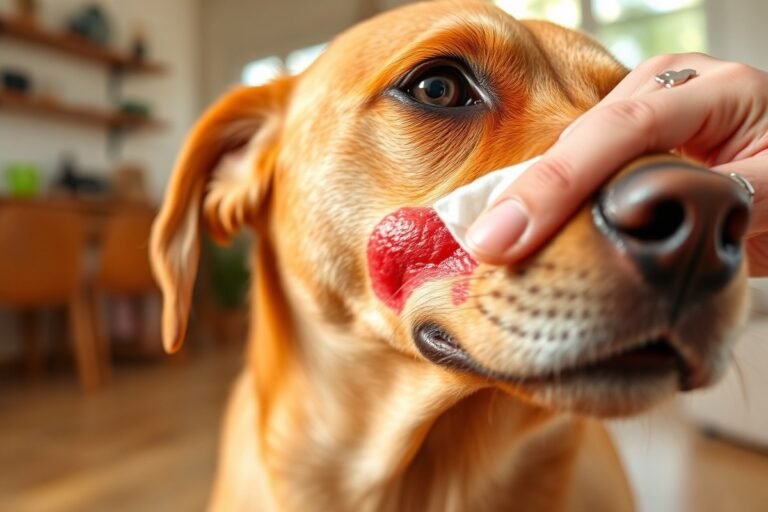
- Protect the ears and eyes. To avoid water and shampoo in these sensitive areas, place cotton balls gently in your dog’s ears if tolerated. Tilt your dog’s head back when rinsing near the face to have shampoo run toward the neck and not down over the eyes. Use a damp cloth for the face if needed instead of rinsing with a direct stream of water.
- Rinse thoroughly, starting with the face. Use plenty of water to remove all shampoo residues to prevent itching or dryness. Begin rinsing the face first with a damp cloth if you applied shampoo there, then rinse the neck, body, and legs. Make sure no suds remain in the coat by working through it while rinsing. Avoid splashing water into the ears and eyes by controlling the showerhead or using a cup for pouring water.
- Dry your dog carefully. Once rinsed, use large, absorbent towels to gently press into the fur and remove as much water as possible. Avoid vigorous rubbing, which can tangle the coat, especially in thick or curly-haired breeds. For dogs that tolerate it, use a pet-safe blow dryer on a low, cool setting, keeping it moving constantly to prevent overheating the skin.
- Reward your dog immediately. Positive reinforcement after the bath helps them associate bathing with good experiences. Offer a treat or lots of praise to encourage calm behavior for future baths.
Best Places to Bathe a Large Dog at Home
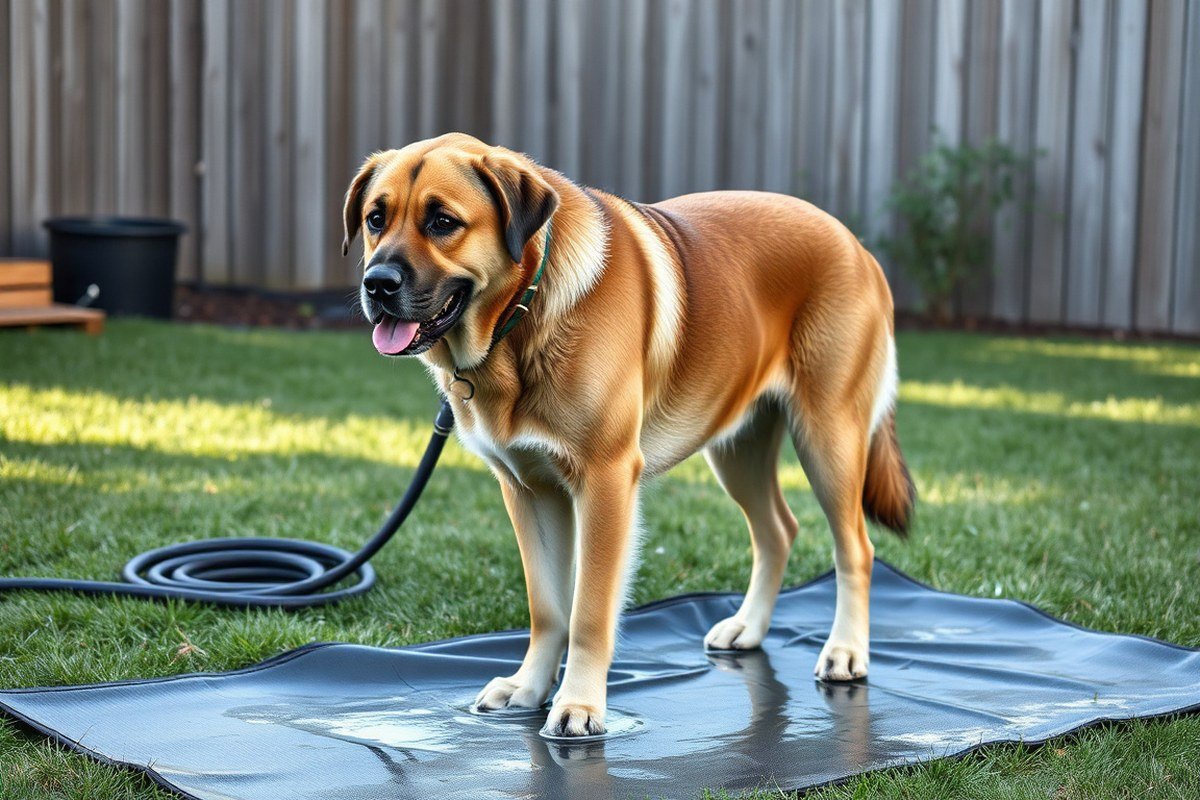
Choosing the right place to bathe your big dog at home depends on your space, your dog’s comfort, and the safety features you can set up. Bathtubs and showers work well for many large dogs, especially if you add a nonslip mat or a dog bath tub insert. Outdoors can be a great option when the weather is warm and your dog enjoys water play, but it requires access to a hose with gentle water flow and a safe, secure area.
| Location | Pros | Cons | Safety Tips |
|---|---|---|---|
| Bathtub | Comfortable space, familiar for owners, easy access to warm water | Can be slippery, may require lifting dog in/out, limited room for very large breeds | Use a nonslip mat, keep water warm (around 90°F), use a handheld shower sprayer |
| Walk-in Shower | Good for very large dogs, easy to control water temperature, less lifting | May be slippery, some dogs dislike confined spaces | Place a rubber mat, keep water gentle, have towel nearby to prevent slipping on floor |
| Outdoors (yard, driveway) | Great ventilation, no mess inside, less restraint needed if dog enjoys water | Weather dependent, requires hose with gentle nozzle, may stress some dogs | Use lukewarm water, hose with low pressure, non-slip surface or grass area |
| Kitchen or Laundry Sink | Good for small dogs, easy on back, convenient height | Too small for large dogs, risk of water splashing, may be awkward | Secure dog with leash or helper, use handheld spray or cup for rinsing |
To keep your dog safe and comfortable during the bath, always check the water temperature before starting. Lukewarm water, roughly between 85°F and 95°F, is ideal. Slippery surfaces are common in tubs and showers, so placing a rubber mat inside the bath area can prevent your dog from slipping and getting stressed or injured. Using a handheld sprayer or a detachable showerhead lets you control water flow and direction, making rinsing easier without getting water in your dog’s eyes or ears.
Never leave your dog unattended in a slippery tub or shower, and have towels ready to dry wet surfaces quickly to reduce slipping hazards.
For outdoor baths, choose a warm day and find an area with natural grip like grass or textured pavement. Avoid cold water or rushing water pressure, which can startle your dog and make bath time difficult. When using indoor tubs or showers, training your dog to view these areas as positive during bath time will make future washing sessions smoother and less stressful.
How Often to Bathe a Big Dog and Why It Matters
Bathing a big dog usually falls between every 2 to 6 weeks, depending on coat type, breed, activity, season, and skin health. Your dog’s needs can change through the year and as their lifestyle or skin condition shifts. Proper bathing frequency keeps your dog clean without stripping natural oils or irritating skin.
Factors Affecting Bathing Frequency
Coat type strongly influences how often to bathe your big dog. Dogs with oily coats, such as Labrador Retrievers, might need a bath every 1 to 2 weeks to control greasiness. Dogs with thick double coats like Great Pyrenees or Newfoundlands often do better with baths spaced around 4 to 6 weeks, as over-bathing can dry their skin. A short-haired dog with normal skin might only need a bath every 6 weeks or longer. Activity level plays a role: dogs that spend a lot of time outdoors, rolling in dirt or swimming, may need more frequent baths. Skin condition is also key. Dogs with allergies, sensitive, or dry skin benefit from less frequent bathing or using gentle, medicated shampoos.
Breed affects both coat type and skin sensitivity. For example, breeds like German Shepherds have dense undercoats and oily skin tendencies, requiring careful balancing of bath frequency and skin care products. Working dogs who get muddy regularly need more baths but using mild shampoo and avoiding hot water helps prevent skin damage. Your dog’s environment matters too, living in a city or a dusty rural area can increase how often you need to wash dirt and allergens off.
Seasonal Variations in Bathing
Bathing frequency often decreases in colder months. In winter, cut back to bathing every 6 to 8 weeks to avoid drying your big dog’s skin, especially if they stay mostly indoors or remain clean. Cold air and indoor heating dry out skin further, so less frequent baths help maintain natural oils. Avoid shampoos with harsh detergents and use lukewarm water between 85 and 90 degrees Fahrenheit to protect sensitive skin. For big dogs with thick coats, brushing regularly during winter helps remove dirt without stripping oils.
Summer generally means more outdoor time and sweat accumulation, so you might increase baths to every 2 to 3 weeks. This frequency helps remove sweat, pollen, and debris that can cause irritation or odors. Remember to rinse thoroughly and dry your dog well to prevent fungal infections, especially in warm, humid climates.
When to Skip or Call a Vet
If your big dog shows signs of skin issues like redness, scaling, persistent itching, bald patches, or wounds, skip regular bathing until you consult a vet. Bathing an infected or inflamed area without appropriate medicated shampoo could make the problem worse. Your veterinarian can recommend special treatments or medicated shampoos designed to support healing and control infections.
Also avoid baths if your dog seems stressed or uncomfortable during bathing attempts, which could be due to pain or skin sensitivity. Instead, use waterless shampoos or wipes designed for dogs with sensitive skin until you get professional advice. Careful observation for changes in your dog’s coat or skin condition helps ensure you’re bathing at the right frequency to support their health.
Essential Supplies for Bathing Your Big Dog
To bathe a big dog effectively, you’ll need specific supplies chosen for your dog’s size and skin needs. Selecting the right shampoo matters because dogs have a different skin pH than humans, so avoid human shampoo. Essential supplies include dog shampoo or conditioner suited to your dog’s coat and skin type, grooming tools to manage their thick fur, rinsing equipment, and comfort aids to keep your dog calm and safe during the bath.
Dog Shampoos and Conditioners
Choose a shampoo designed specifically for dogs to protect their skin’s natural oils and pH balance, which typically ranges from 6.5 to 7.5. Human shampoos are too acidic and can cause dryness and irritation. For big dogs with sensitive skin, hypoallergenic or moisturizing shampoos work well. In colder months, a moisturizing shampoo can prevent itchy, dry skin. Some shampoos require dilution before use; check the label to avoid applying an overly strong solution. If your dog needs special care due to skin conditions, a medicated shampoo prescribed by a vet should be used selectively.
Conditioners can help maintain coat softness and reduce tangles post-bath. Look for dog conditioners that are mild and pH balanced. Avoid products with synthetic fragrances, which can irritate your dog’s sensitive nose and skin. Products like the DOG by Dr Lisa range offer formulas tailored to different needs, including hypoallergenic and breed-specific options.
Tools and Equipment
Managing a large dog’s thick coat requires durable grooming tools before and during the bath. Brushing your dog to remove mats and loose fur helps shampoo reach the skin evenly and prevents tangling. Using a wide-tooth comb or slicker brush can save time and avoid discomfort. For rinsing, a handheld showerhead or a large plastic pitcher makes rinsing easier than using a fixed faucet, especially with a big dog.
Non-slip mats are essential in the bathing area to prevent slips and injuries due to your dog’s size and excitement. Towels sized for a large dog help absorb moisture more efficiently. Some owners also find soft ear covers useful to keep water out and reduce noise, which can keep your dog calmer.
- Dog-specific shampoo and optional conditioner
- Durable slicker brush or wide-tooth comb
- Handheld showerhead or large rinse pitcher
- Non-slip bath mat for safety
- Extra-large towels for drying
- Soft ear covers (optional)
Choosing quality tools within your budget matters. For instance, a reusable non-slip rubber mat costs around $15 to $30 and lasts for years. A good dog brush can range from $10 to $25. These supplies improve safety and grooming efficiency.
Safety and Comfort Aids
Bathing large dogs can be stressful for both you and your pet. Use treats to reward good behavior and make bath time more positive. Gentle, dog-friendly calming sprays can also help reduce anxiety. Employ a harness or leash for better control during the bath to prevent sudden movements that could cause accidents.
Maintaining a calm environment, offering praise, and breaking the bath into shorter sessions if your dog is nervous can improve the experience. This patience encourages cooperation and reduces the risk of injury to your dog and yourself. Always keep water temperature lukewarm, too hot or cold can cause discomfort.
How to Keep a Big Dog Calm During Bath Time
Keeping a big dog calm during bath time requires patience, preparation, and a few clear steps to ease their stress. Start by making sure the bath environment feels safe and comfortable. Use lukewarm water around 100°F (38°C), similar to your dog’s body temperature. Cold water can make your dog anxious and resist getting in. Keep the water temperature consistent, adjusting as needed during the bath. Before you begin, lay out all your supplies nearby so you don’t have to leave your dog unattended, which could increase anxiety.
Offer plenty of treats and gentle praise throughout the process. This helps your dog associate the bath with positive experiences and rewards. Use calm, soothing tones to reassure your dog, especially if they are nervous or new to baths. For example, you can say, “Good boy, you’re doing great, stay with me,” while softly stroking their fur. This approach reduces stress and builds trust.
When your dog resists bath time or strongly dislikes water, take smaller steps to help them get used to it. You might start by gently introducing them to the sound of running water without forcing a full bath. Gradually touch wet hands to their fur and eventually try a quick rinse with a damp cloth before progressing to a full wash. Avoid rushing, as forcing your dog can increase resistance and make future baths harder.
Watch for signs that your dog is uncomfortable. These include trembling, attempting to escape, panting heavily, whining, or growling. Spotting these behaviors means you should pause and offer reassurance. Try distracting your dog with treats or a favorite toy. Never punish or scold your dog during bath time, as this can increase fear and make them associate baths with negative experiences.
For dogs that fear towels or blow-dryers, avoid rushing into drying immediately after the bath. Let your dog shake off excess water on their own and then pat them dry gently with a towel. Speak calmly and reward them as you go. It’s best to introduce blow-drying slowly over several baths, starting with low heat and noise levels to build tolerance.
Creating a stable routine helps your dog know what to expect and feel more secure. Begin each bath by saying the same calming phrase, like “Bath time now,” and use similar actions each time. Familiarity eases anxiety. Always allow time for reassurance during and after the bath, making it a positive part of your dog’s grooming routine.
Treats, praise, and a warm environment are the simplest and most effective tools to keep your big dog calm during bath time.
Avoiding Common Bathing Mistakes with Large Dogs
Using the right water temperature is important when bathing a big dog. Lukewarm water, about 90°F to 100°F, is best to avoid shocking your dog’s system. Test the water with your hand to make sure it feels comfortable, not hot or cold. Cold water can cause your dog to shiver, while hot water can irritate their skin or cause burns.
Another common mistake is not rinsing your dog thoroughly. Soap residue left on the coat can dry out the skin and cause itching or irritation. Rinse until the water runs clear with no soap bubbles visible. Using a hose attachment with gentle pressure can make rinsing faster and ensure you reach thick fur on large breeds.
Many owners wonder if Dawn dish soap is safe to wash their dog. Dawn can remove oils from your dog’s skin and fur, leading to dryness and irritation. It’s best to use a shampoo formulated specifically for dogs to protect their coat and skin health.
- Test water temperature before starting to avoid discomfort or shock
- Dilute dog shampoo before applying to prevent over-soaping and skin irritation
- Use a washcloth for the dog’s head, tilting it back to keep soap out of eyes and water out of ears
- Rinse thoroughly until no soap residue remains
- Avoid using human or dish soaps like Dawn, except for emergencies, and only with vet approval
- Apply gentle pressure while lathering to prevent skin irritation
- Do not force your dog into the bath or rush; allow time for them to settle
What not to do includes forcing soap into your dog’s eyes or ears and using harsh scrubbing motions. Avoid bathing your dog too frequently, as this can strip natural oils, but don’t skip rinsing after swimming, especially in chlorinated or salty water. Using a clean washcloth to wash the face reduces the risk of soap runoff into sensitive areas.
Drying and Aftercare for Large Dog Baths
Drying a large dog properly is important to prevent skin irritation and discomfort. Use absorbent towels followed by a blow dryer on a cool or low-heat setting to speed drying without overheating. After the coat is dry, brushing helps remove loose hair and distributes natural oils, which supports skin health and a shiny coat.
Towel Drying Techniques
Start drying your dog immediately after the bath to prevent chilling. Use thick, absorbent towels designed for pets that soak up more water than regular towels. Avoid rubbing vigorously, which can tangle fur and irritate the skin. Instead, press and pat the coat gently to soak up excess water.
Large dogs with thick or double coats may benefit from specialized drying towels like deep-pile microfiber or shammy cloths, which wick water away effectively. Wrap your dog in this towel for a few minutes to maximize absorption before switching towels or moving to blow drying.
- Choose an absorbent pet drying towel or shammy cloth.
- Pat your dog’s coat gently from head to tail to lift excess water.
- Wrap your dog in the towel and allow it to absorb moisture for 3 to 5 minutes.
- Use a second dry towel if the first becomes too wet.
- Carefully dry the paws and underbelly to remove trapped water.
- Avoid rubbing or pulling at any tangles during towel drying.
Using Blow Dryers Safely
The safest way to use a blow dryer on your dog is to select the coolest or low heat setting. High heat can burn your dog’s skin, especially under the thick coat where heat may accumulate unnoticed. Maintain a distance of 12 to 18 inches from the coat and keep the dryer moving constantly.
Using a high-velocity dryer designed for dogs can be effective for thick or double coats because it blows water and loose fur off quickly. These dryers are typically more expensive ($100 to $300) but reduce drying time and shedding, easing post-bath care. Regular household dryers require more time and careful supervision.
- Set the dryer to the lowest heat or cool air setting.
- Hold the dryer about a foot to a foot and a half away from the coat.
- Keep the dryer moving in sweeping motions to avoid hot spots.
- Focus on thick or damp areas like under the collar and behind the ears.
- Stop if your dog shows signs of discomfort or stress.
- Complete drying usually takes 15 to 30 minutes depending on coat thickness.
Post-Bath Coat Care
Once your dog’s coat is dry, regular brushing prevents mats, removes loose fur, and helps distribute natural oils. Use brushes appropriate for your dog’s coat, slicker brushes for long hair and bristle brushes for short hair. Brushing also keeps skin healthy by stimulating blood flow.
Avoid products like oatmeal shampoos unless recommended by your veterinarian since they may not suit all dogs or skin conditions. Instead, consider applying a dog-specific leave-in conditioner or moisturizing spray if your dog has dry skin or a coarse coat. Observe your dog’s skin after baths for irritation or dryness and consult a vet if you notice redness, flakes, or excessive scratching.
- Select a brush suited for your dog’s coat type.
- Brush gently but thoroughly to remove tangles and loose hair.
- Apply a vet-approved leave-in conditioner or moisturizing spray if needed.
- Inspect the skin for signs of irritation or dryness regularly.
- Schedule baths and grooming based on coat condition to avoid over-bathing.
When to Call a Professional Groomer for Your Large Dog
Call a professional groomer if your large dog has a matted or severely tangled coat that you cannot detangle safely at home. Thick, long coats especially need skilled handling to avoid skin irritation or injury while removing mats. Groomers use specialized tools like wide-tooth brushes and high-quality detangling sprays that can make the process faster and less painful for your dog. Attempting tough mats yourself risks causing cuts or stress to your dog, so it’s safer and more effective to let a groomer handle severe matting.
When your dog shows anxiety or aggression during grooming, a professional groomer usually has better tools and experience to handle these behaviors. Professionals have experience calming difficult dogs and may use gentle restraint or sedation options according to your vet’s advice. Trying to bathe an uncooperative dog alone can lead to injuries for both you and your pet. Feeling nervous or unsafe during grooming means you should contact a groomer to prevent the situation from getting worse.
Large dogs with thick nails or sensitive skin benefit from professional grooming because groomers have the right clippers and know how to trim safely without causing bleeding or discomfort. Some health issues, such as skin infections or wounds, also require a groomer’s expertise combined with veterinary care to avoid making the condition worse. Consult your veterinarian if you notice persistent skin problems before attempting another home bath.
To decide whether you should groom at home or call a professional, assess your dog’s coat condition and behavior beforehand. A home bath is suitable when your dog’s coat is well-maintained, they stay calm during handling, and you feel confident with your bathing skills. Extensive matting, fearfulness, aggression, or health issues require scheduling an appointment with a trusted groomer. Typical grooming costs for large dogs vary widely but expect $60 to $120 per session depending on coat length and services.
When scheduling an appointment, communicate your dog’s temperament and any special needs to the groomer ahead of time. Professional groomers often provide services like de-matting, thorough nail trimming, and ear cleaning that improve your dog’s overall health. A session usually lasts 1 to 3 hours for a large dog, depending on coat condition. By leaving these challenging tasks to a professional, you protect your dog’s wellbeing and keep the grooming experience positive.
Always brush your large dog’s coat before bathing to reduce matting and make the wash easier, preventing painful tangles during the bath.
Step-by-Step Action Plan for Bathing Your Big Dog
Follow these simple steps to make your big dog’s bath time safe and effective. You’ll know each phase worked when your dog stays calm and looks clean and comfortable.
- Before you start: Gather all essential supplies like dog shampoo, large towels, a non-slip mat, and a detachable showerhead or hose. Confirm everything is within reach to prevent rushing during the bath.
- Preparation phase: Brush your dog thoroughly to remove loose fur and mats; a clean coat will rinse easier and help you spot any skin issues.
- Bath time: Use lukewarm water to wet your dog completely, apply shampoo evenly, and rinse thoroughly until the water runs clear. Success means no leftover soap, which can irritate skin.
- Calming phase: Speak softly and offer treats during the bath to keep your dog relaxed; you’ll know this worked if your dog stays still and doesn’t try to jump out.
- Drying phase: Use large towels to dry your dog as much as possible, focusing on ears and paws to prevent moisture buildup. A cozy spot to rest afterward helps avoid chills.
- Aftercare check: Inspect your dog’s skin and coat once dry for any irritation or unusual signs. If all looks healthy, continue your regular grooming routine.
Frequently Asked Questions
What Is the 7 7 7 Rule for Dogs?
The 7 7 7 rule helps you check your dog’s health by examining seven body parts on both sides and noting seven behaviors. It’s not a bathing rule but a quick health guideline to spot problems early during grooming.
Is Dawn Dish Soap Ok to Wash a Dog?
Dawn dish soap is not ideal for regular dog baths because it can dry out their skin. Use dog-specific shampoos that protect coat oils and prevent irritation instead.
What Not to Do When Bathing a Dog?
Avoid using hot water, human shampoo, and getting water in your dog’s ears or eyes. Also, don’t bath your dog too often since it can dry out their skin and strip natural oils.
How Often Should a Big Dog Be Bathed?
Bathe your big dog every 4 to 6 weeks, or when they really need it. Bathing more frequently can dry out their skin, so stick to an as-needed schedule.
Can You Use a Regular Showerhead for Bathing a Big Dog at Home?
Yes, a regular showerhead works well if it has a gentle spray setting, but a handheld sprayer gives you more control and keeps your dog calmer during the bath.
Is It Safe to Bathe a Big Dog Outside in Cold Weather?
It’s best to avoid outdoor baths in cold weather to prevent your dog from getting chilled. Use a warm, indoor area instead for safer, more comfortable bathing.
Wrapping Up
Bathing a big dog at home can be a manageable task with the right approach and tools. Staying prepared and calm helps your dog feel secure and keeps the process smooth. Next, try scheduling your first bath following this plan and watch your big dog enjoy the clean and fresh feeling that comes after.