
How to Give a Do It Yourself Dog Bath: Step-by-Step Guide for a Clean Pup
A do it yourself dog bath is a practical way to keep your dog clean and healthy without visiting a groomer. You can bathe your dog effectively at home by preparing the right tools, choosing an appropriate location, and following a methodical washing routine that suits your dog’s size and coat type. This approach saves money and allows you to bond with your pet during the process.
Bathing your dog at home matters because regular cleaning controls odor, reduces shedding, and helps spot skin issues early. Many dogs dislike baths, so knowing a calm, thorough technique reduces stress for both you and your dog. A proper dog bath also maintains the natural oils in your dog’s skin and coat, supporting overall health.
This article covers setting up a home bathing area, choosing dog-safe shampoo, techniques for washing and drying, tips for handling common dog temperaments during a bath, and recommended post-bath care. Additionally, we compare various types of bathing setups to help you find what fits your lifestyle best.
Preparing Your Space and Supplies for a Do It Yourself Dog Bath

Selecting the Best Location to Bathe Your Dog
Choosing the right place for your dog’s bath depends on their size, your home layout, and weather conditions. Smaller dogs can be bathed in a sink or bathtub, while larger dogs may require a hose outside or a dedicated dog shower station. The surface should provide good traction to prevent slipping, and it should be easy to clean afterwards.
Indoor baths offer warmth and convenience during colder months, whereas outdoor baths give more freedom with space and drainage. Consider whether you need a handheld showerhead, a basin that fits your dog comfortably, and if the environment can keep your dog calm throughout the process.
- Bathtub with non-slip mat for medium dogs
- Kitchen or utility sink for small dogs
- Outdoor hose with a gentle spray nozzle for large dogs
- Area with towels and shampoo within easy reach
Gathering Essential Supplies for an Efficient Dog Bath
Before bathing your dog, make sure to assemble all necessary supplies such as a dog-appropriate shampoo, brush, towels, and a cup or sprayer for rinsing. Using products specifically formulated for dogs avoids irritation and protects the natural oils in their coat. Brushes help remove loose fur and debris before wetting, allowing for a cleaner, easier wash.
Organize towels to dry your dog promptly after their bath to prevent chills, and keep treats on hand to reward good behavior. Avoid human shampoos or soaps, which can upset your dog’s skin pH balance. Having all tools ready minimizes interruptions and stress during the bath.
- Dog-specific shampoo
- Detangling or shedding brush
- Non-slip bath mat
- Multiple dry towels
- Treats for positive reinforcement
Using Proper Techniques for a Safe Do It Yourself Dog Bath
Wetting, Shampooing, and Rinsing Your Dog Correctly
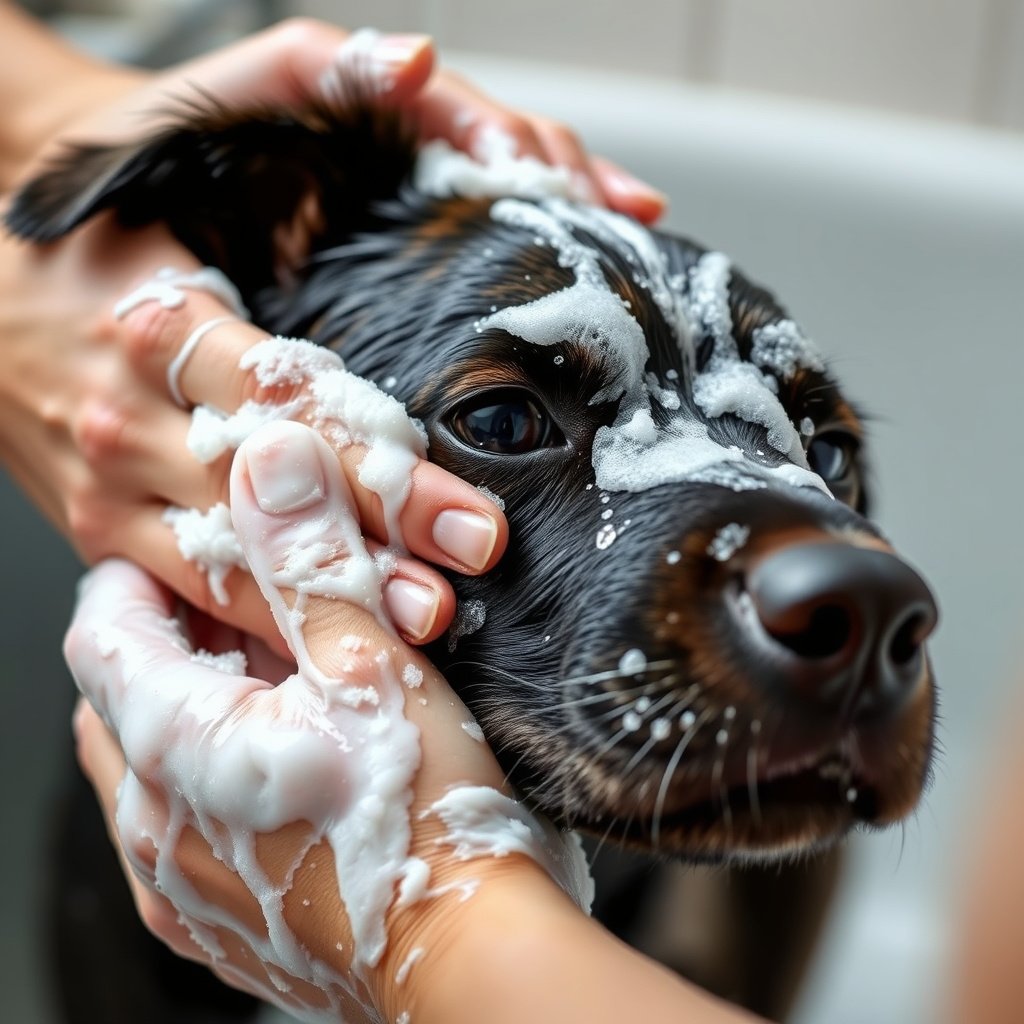
Start by thoroughly wetting your dog’s coat with lukewarm water, avoiding direct spray in their ears, eyes, and nose. Apply a small amount of dog shampoo and work it into a gentle lather from neck to tail. Use your fingers to massage the shampoo into the fur and skin, helping to remove dirt and excess oils without irritating sensitive areas.
Rinse liberally with lukewarm water to remove all shampoo residue, as leftover soap can cause itching or dryness. Take time to rinse underneath the belly, tail, and paws well. Proper rinsing is essential for a clean, comfortable finish and maintains the health of your dog’s skin and coat.
- Use lukewarm water, not hot or cold
- Avoid shampoo contact with eyes and ears
- Massage shampoo thoroughly
- Rinse completely to prevent residue
Drying Strategies to Keep Your Dog Comfortable
Dry your dog immediately after the bath to avoid chills and skin irritation. Start by blotting excess water with absorbent towels, focusing on the coat and paws. For dogs with thick or long fur, additional drying with a pet-safe blow dryer on a low heat setting speeds up the process, preventing dampness that can lead to irritation.
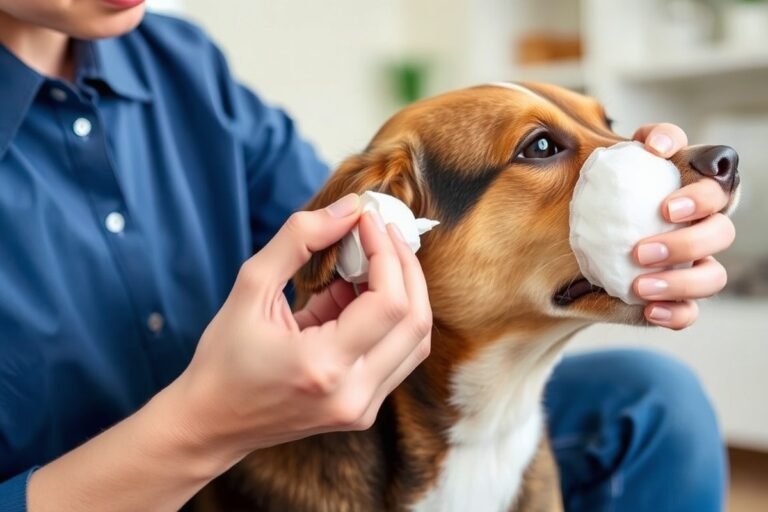
If your dog dislikes blow dryers, let them air dry in a warm, draft-free area while offering treats to keep them calm. Ensure your dog’s ears are dry by gently wiping the opening with a towel or cotton ball, helping avoid infections. Always supervise drying closely to prevent your dog from shaking water onto furniture or yourself.
- Use multiple towels for absorption
- Low heat setting on a pet dryer if needed
- Avoid high heat or direct airflow on the face
- Dry ears carefully to prevent infections
Managing Your Dog’s Behavior During a Do It Yourself Dog Bath

Calming Nervous or Anxious Dogs
Dogs new to bathing or those with negative past experiences may resist being bathed. To help ease anxiety, talk to your dog in a soothing tone, use gentle touch, and keep the bath area warm and quiet. Offering treats or favorite toys during breaks helps reinforce positive associations with the bath.
Starting with quick, low-stress sessions and gradually increasing the duration can build your dog’s tolerance. Consider using calming pheromone sprays or collars if your dog is particularly fearful, but always supervise to monitor stress levels during washing.
- Use treats and praises liberally
- Keep bath sessions short initially
- Maintain a calm, quiet environment
- Use calming aids if needed
Handling Stubborn or Energetic Dogs Safely
Energetic or stubborn dogs may try to jump out or resist the bath physically. To prevent accidents, use a non-slip mat and keep one hand on your dog at all times. If possible, enlist a helper to gently hold your dog or distract them with toys or treats while you wash.
You can shorten the bath time by working quickly but gently, focusing on essential areas like the paws, belly, and neck if your dog becomes restless. Avoid forcing your dog, as this can escalate resistance. Instead, try breaking the bath into smaller steps spread over a few days if needed.
- Use non-slip mats for safety
- Have a helper assist if possible
- Distract with toys or treats
- Break baths into manageable sessions
Choosing the Right Shampoo and Grooming Products for Do It Yourself Dog Bath

Understanding Different Types of Dog Shampoo
Dog shampoos come in a variety of formulas targeting specific needs such as sensitive skin, flea and tick control, deodorizing, or moisturizing. Selecting a shampoo tailored to your dog’s coat type and health condition optimizes bathing benefits. Hypoallergenic shampoos are best for dogs prone to allergies, while medicated shampoos assist with skin infections or dandruff.
Avoid shampoos with harsh chemicals, artificial dyes, or fragrances that may irritate your dog’s skin. Reading labels and consulting your veterinarian can guide you to the right product for your dog’s unique needs, promoting a healthy coat and skin after every bath.
- Hypoallergenic for sensitive skin
- Medicated for skin conditions
- Flea and tick control shampoos
- Moisturizing formulas for dry coats
Additional Grooming Products To Enhance Your Dog’s Bath Experience
Besides shampoo, products like conditioners, detanglers, and grooming sprays can improve coat texture and manageability. Conditioners help replenish moisture and reduce tangling in long-haired breeds, while detanglers ease brushing after bathing. Some grooming sprays add shine or protect against dirt buildup between baths.
Choose products made for dogs and free of harmful chemicals. Always test new products on a small skin patch to check for reactions. Proper product use combined with do it yourself dog bath techniques contributes to your dog’s overall grooming health and comfort.
- Dog conditioners for smooth coats
- Detangling sprays for long hair
- Grooming sprays for shine and protection
- Patch test new grooming products
Post-Bath Care and Maintenance for a Lasting Clean
Brushing and Coat Care After Bathing
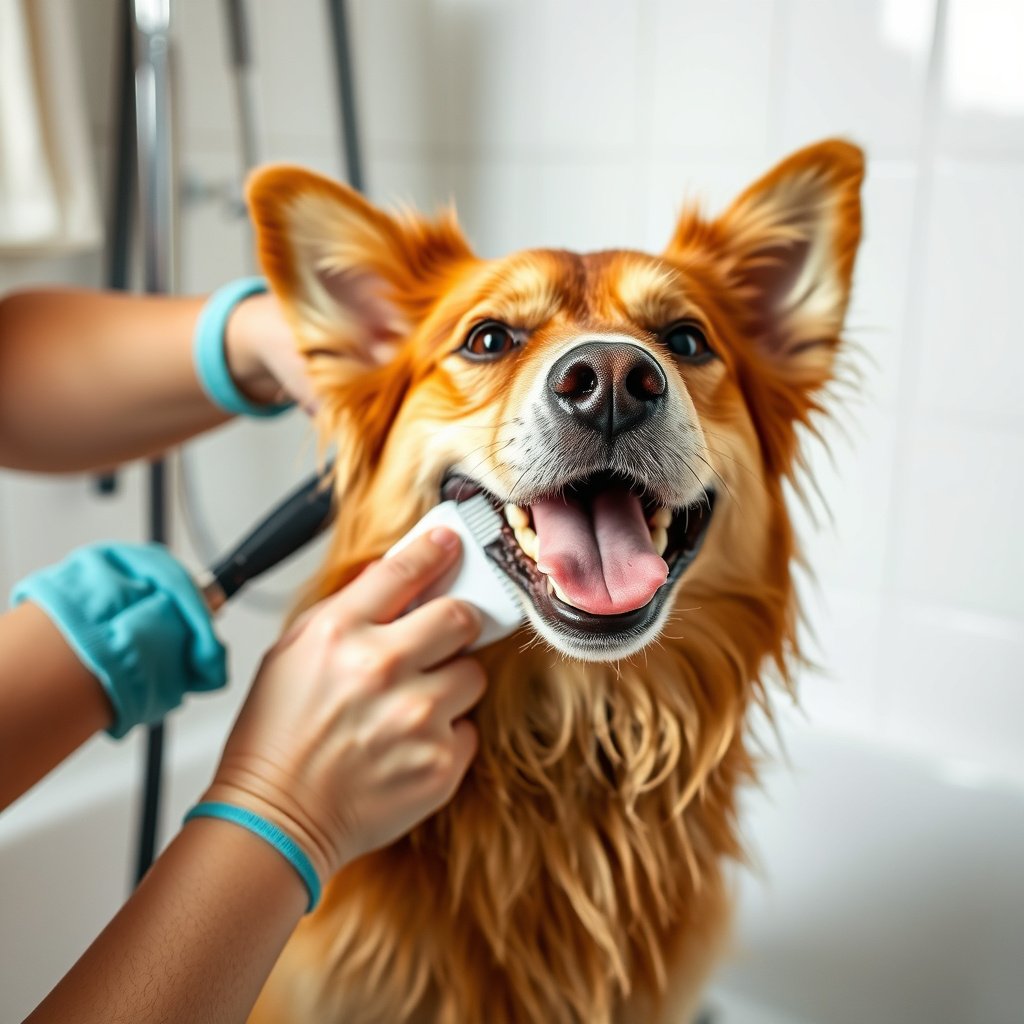
After your dog’s coat is clean and dry, regular brushing removes any remaining loose fur and prevents mats and tangles. The right brush type depends on your dog’s coat length and texture. Brushing stimulates natural oils that keep the coat shiny and healthy. For double-coated breeds, use a de-shedding tool to effectively manage shedding.
Begin brushing gently to avoid discomfort and check for any skin issues revealed during the bath. Consistent post-bath coat care extends the benefits of your do it yourself dog bath and maintains your dog’s grooming routine between washes.
- Use appropriate brush for coat type
- Gentle brushing avoids skin irritation
- Consider de-shedding tools for heavy shedders
- Check skin for abnormalities post-bath
Monitoring Skin Health and Scheduling Bath Frequency
Keeping track of your dog’s skin condition helps determine how often to bathe them. Over-bathing can strip natural oils, while too infrequent baths may lead to odors or skin problems. Most dogs benefit from a bath every 4 to 6 weeks, but active or oily-coated dogs may need more frequent washing.
Adapt bathing frequency based on your dog’s lifestyle and veterinarian advice. Watch for signs of dry, flaky, or irritated skin that might require a change in bathing routine or product. Regular observation and care provide the best foundation for long-term skin and coat health.
- Bath every 4-6 weeks typical for most dogs
- Adjust frequency for active or oily dogs
- Monitor for skin dryness or irritation
- Consult a vet for persistent issues
Comparing Do It Yourself Dog Bath Setups and Equipment
Portable Dog Tubs vs. Permanent Bathtub Stations
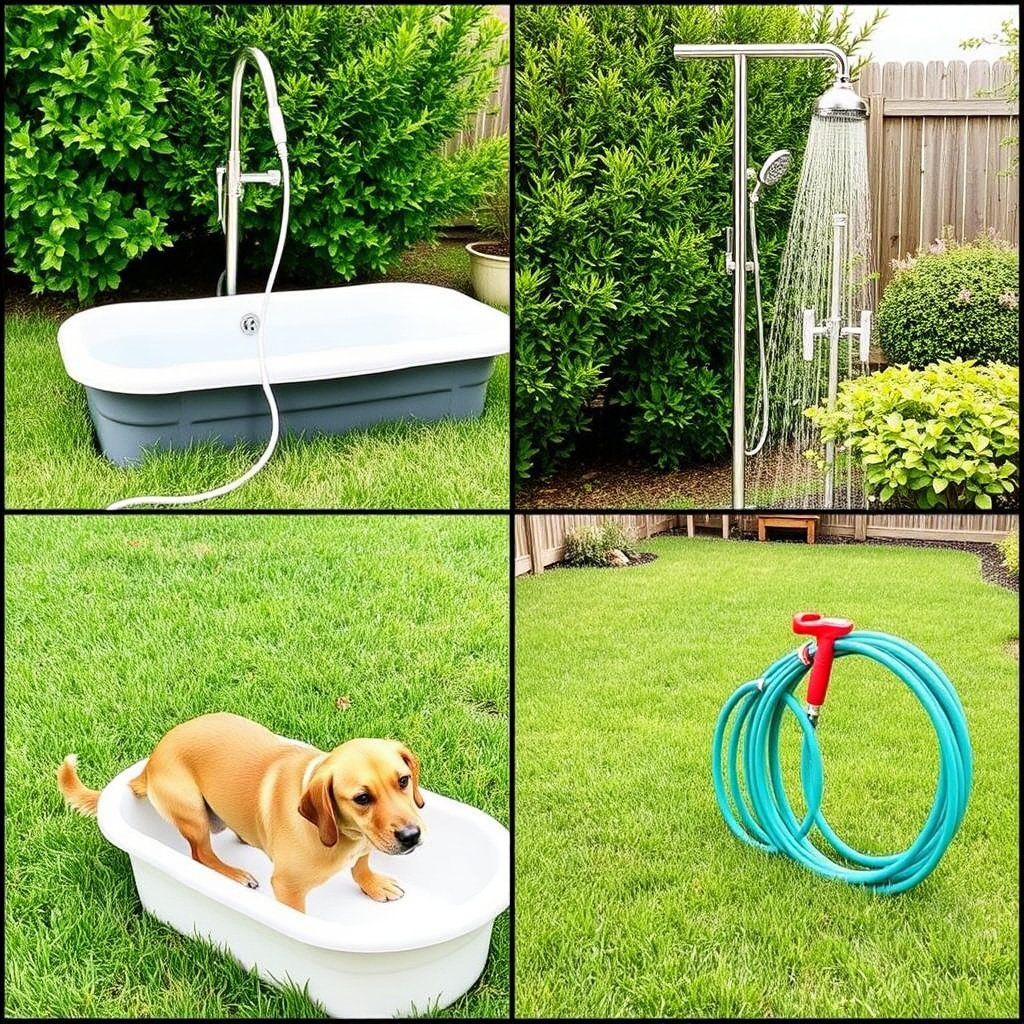
Portable dog tubs offer flexibility, allowing you to bathe your dog indoors or outdoors and store the tub away when not in use. They come in various sizes and foldable designs, making them suitable for small to medium dogs. However, they may not be as sturdy as permanent stations and require a dedicated area to drain water safely.
Permanent bathtub stations provide stability and integrate with home plumbing. They are ideal for heavy grooming or for larger dogs needing a spacious, secure bath area. Installation can be expensive and requires sufficient bathroom or laundry room space but offers convenience for frequent use.
- Portable tubs: flexible and easy storage
- Permanent stations: stable, convenient plumbing
- Portable tubs suited for small-medium dogs
- Permanent stations better for large dogs
For more details on grooming techniques and dog coat care, refer to this helpful dog grooming information page. dog grooming information.
Handheld Showerheads and Other Bathing Tools
Handheld showerheads with adjustable spray settings improve rinsing efficiency and help target water flow away from sensitive areas. They reduce water waste and speed up bathing by making it easier to wet and rinse coat thoroughly. Many dog owners prefer models with pause functions to control water during shampooing.
Additional tools like grooming gloves, rinse buckets, and non-slip mats complement the do it yourself dog bath setup by enhancing control, comfort, and cleanliness. Choosing durable, easy-to-clean tools saves time and maintains hygiene between uses.
- Adjustable handheld showerheads improve rinsing
- Pause function aids shampoo application
- Grooming gloves assist in fur removal
- Non-slip mats prevent accidents
DIY Dog Bath Setup Comparison
Here’s a comparison of common do it yourself dog bath setups to help you find the best fit for your dog and home.
| Setup Type | Ease of Use | Cost Range | Ideal Dog Size | Portability |
|---|---|---|---|---|
| Portable Dog Tub | High | $30 – $80 | Small to Medium | Very Portable |
| Permanent Bathtub Station | Moderate | $300 – $700 | Medium to Large | Fixed Installation |
| Outdoor Hose Station | Moderate | $50 – $150 | Large | Semi-Portable |
| Sink Bath (Utility or Kitchen) | Easy | Usually Free (Home Setup) | Small | Fixed |
| Professional Grooming Tub Rental | Easy | $50 – $100/session | All Sizes | Not Portable |
Frequently Asked Questions
How often should I give my dog a bath at home?
Most dogs benefit from a bath every 4 to 6 weeks, but active dogs or those with oily coats may require more frequent bathing. Always observe your dog’s skin condition and consult a vet if uncertain.
Can I use human shampoo to wash my dog?
No, human shampoos can upset your dog’s skin pH and cause irritation. Always use shampoos formulated specifically for dogs to protect their skin and coat health.
What is the best water temperature for dog baths?
Lukewarm water is safest and most comfortable for dogs. Avoid hot or cold water, which can stress or harm sensitive skin and cause discomfort.
How do I keep my dog calm during a bath?
Speak softly, use treats or toys for distraction, keep bath sessions short at first, and create a quiet, calm environment to reduce stress for anxious dogs.
Is it necessary to dry my dog completely after a bath?
Yes, drying prevents chills, skin irritation, and infections. Use towels and, if tolerated, a pet-safe blow dryer on a low heat setting to thoroughly dry your dog.
Key Takeaways
- Preparing your bathing space and supplies ensures smooth dog baths.
- Follow gentle washing and drying techniques for your dog’s comfort.
- Use dog-specific shampoos tailored to your dog's coat and skin needs.
- Manage your dog’s behavior with calmness and positive reinforcement.
Conclusion
Deciding to give your dog a do it yourself dog bath involves understanding your dog’s size, coat type, and temperament, as well as organizing a practical bathing setup. A well-prepared environment combined with appropriate shampoos and effective washing techniques leads to a clean, happy dog while minimizing stress. Prioritizing your dog’s comfort and safety during baths helps establish an enjoyable routine that benefits both of you in the long run.
For small dogs, using a sink bath with a gentle dog shampoo and plush towels is often the easiest solution. Medium-sized dogs fare well with portable tubs and handheld showerheads to control water flow. Larger dogs may require outdoor hose setups or permanent bathing stations for ample room and drainage. If your dog is nervous, calm reassurance and treats help, while energetic dogs benefit from quick, focused baths and additional non-slip measures.
Start by assembling dog-safe shampoos, brushes, and drying tools suited to your dog’s needs. Choose a quiet, non-slip location and take your time to make bathing a positive experience. Regular grooming between baths ensures your dog’s coat stays healthy and reduces bath frequency. With patience and care, your do it yourself dog bath approach can become a rewarding part of your dog’s care routine.



5 Comments