How to Groom a Kitten: A Step-by-Step Guide for New Cat Owners
Grooming a kitten involves regular brushing, gentle bathing if necessary, nail trimming, and checking ears and eyes for cleanliness. Introducing grooming early helps your kitten stay clean, comfortable, and accustomed to being handled.
Starting grooming routines when kittens are young supports their health by preventing matting, reducing shedding, and minimizing hairballs. It also builds trust and eases future vet visits or professional grooming sessions.
This article will cover key grooming tasks for kittens, including brushing techniques, bathing advice, nail care, ear and eye cleaning, recommended tools, and troubleshooting common challenges.
Brushing and Combing Your Kitten’s Fur
Choosing the Right Brush for Your Kitten
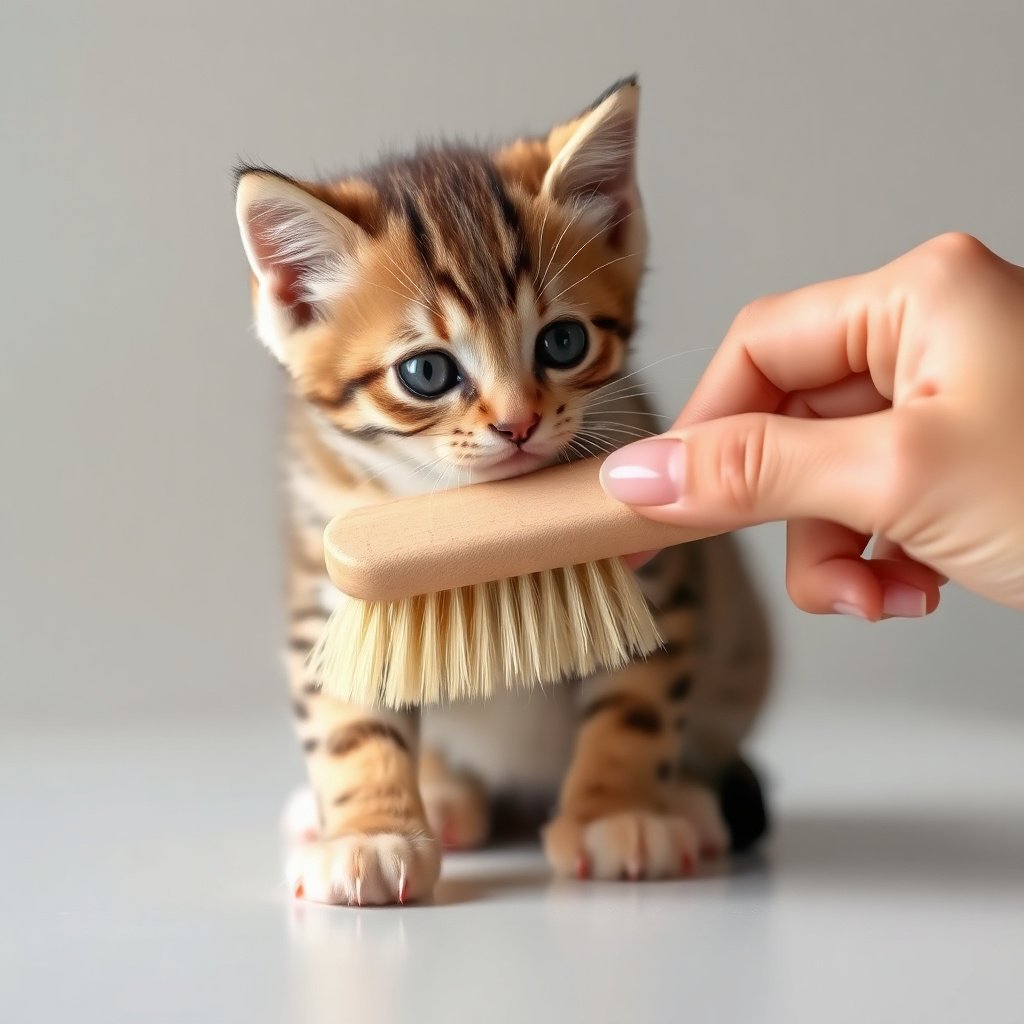
Selecting a brush suited for your kitten’s fur length and texture makes grooming more comfortable and effective. Soft-bristle brushes are ideal for short-haired kittens, while wide-toothed combs work well for longer or fluffier coats.
Avoid harsh or stiff brushes as they might irritate sensitive skin. Investing in grooming tools designed for kittens ensures you gently detangle fur without pulling or scratching.
- Soft-bristle brush for short hair
- Wide-toothed comb for long fur
- Rubber brush to stimulate skin
- Avoid wire-pin brushes for young kittens
Brushing Techniques and Frequency
Brush your kitten several times a week, especially if it has medium or long hair. Use slow, gentle strokes following the direction of fur growth to remove loose hair and dirt without causing distress.
Start brushing while your kitten is relaxed, offering treats and soothing tones to create positive associations. Regular brushing reduces shedding and prevents hair tangles from forming.
- Brush in sections covering the whole body
- Be extra gentle around sensitive areas like belly and paws
- Increase frequency during shedding season
Bathing and Cleaning Tips for Kittens
When and How to Bathe Your Kitten
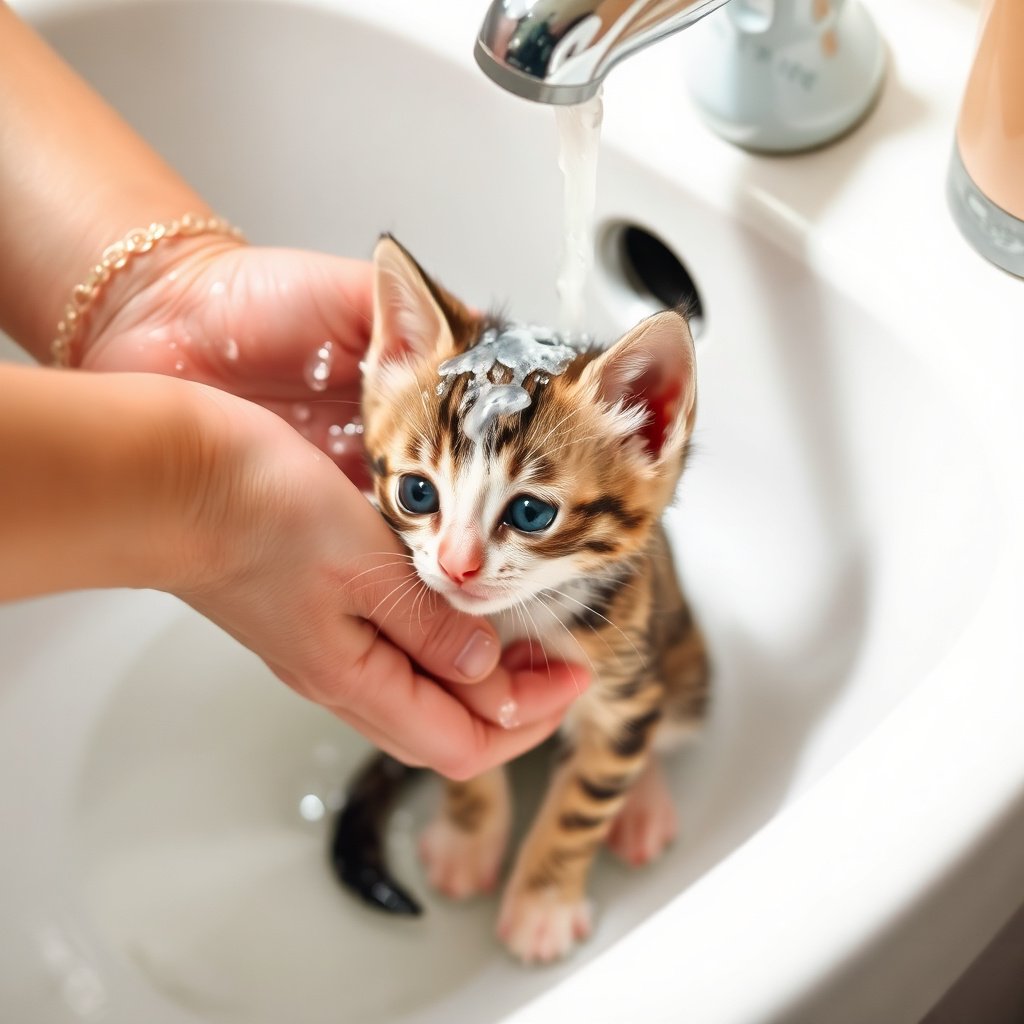
Kittens usually don’t require frequent baths unless they get particularly dirty or have fleas. If bathing is necessary, use lukewarm water and a shampoo formulated specifically for kittens or sensitive skin.
Keep bath time brief and calm, supporting the kitten securely. After rinsing thoroughly, dry the kitten gently with a soft towel in a warm room to avoid chills.
- Use kitten-safe, fragrance-free shampoo
- Avoid water in kitten’s ears and eyes
- Limit baths to necessary situations to avoid skin dryness
Alternative Cleaning Methods
For routine cleaning, wiping your kitten with a damp, warm cloth can remove dirt without the stress of a full bath. This is especially useful for kittens who dislike water or when only a small area needs cleaning.
Dry shampoo powders for pets are also an option but should be used sparingly and only products intended for animals. These methods help maintain hygiene while building tolerance to grooming.
- Use damp cloth for spot cleaning
- Choose pet-safe dry shampoos if necessary
- Brush after cleaning to remove loose fur
Nail Trimming and Paw Care for Kittens
How to Safely Trim Kitten’s Nails
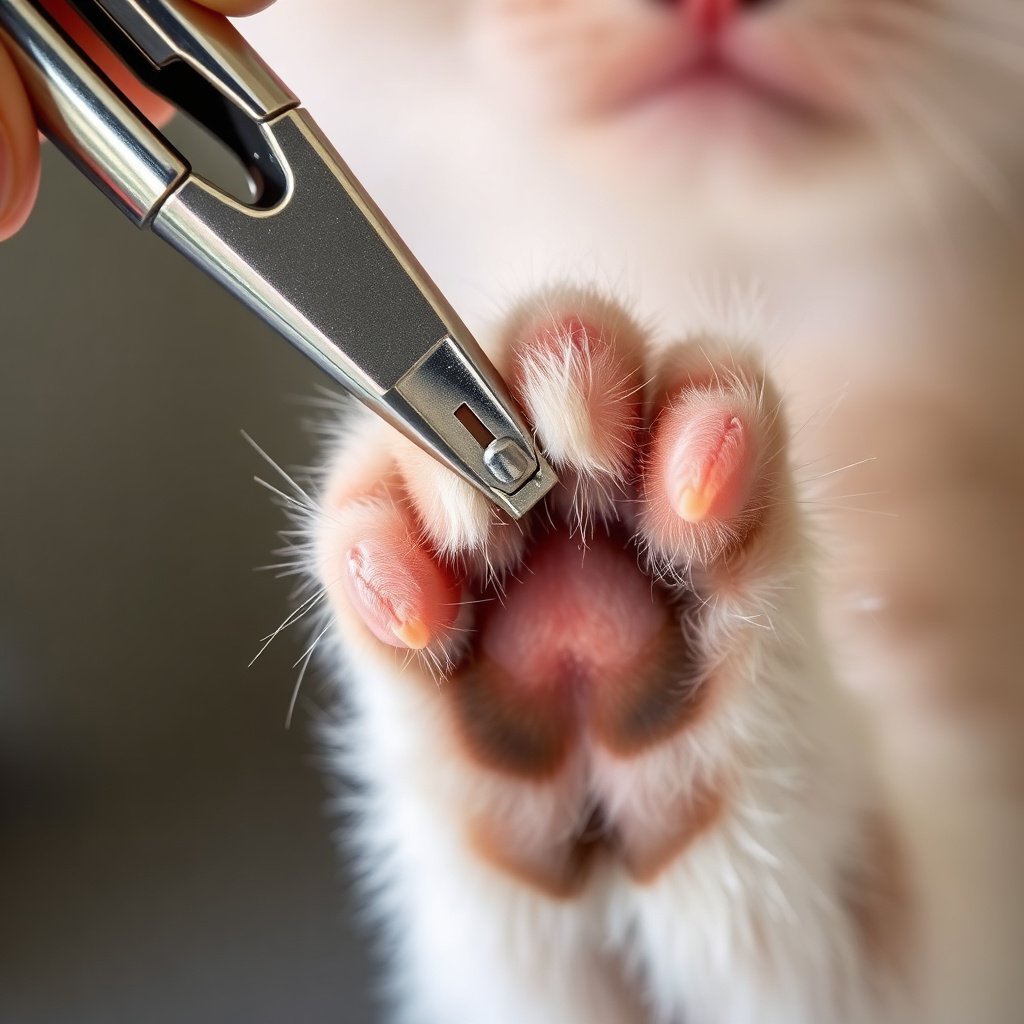
Trim your kitten’s nails every 1-2 weeks to prevent scratching injuries and damage to furniture. Use nail clippers made for cats, ensuring you cut only the sharp tip and avoid the quick, which is the pink sensitive area inside the nail.
Hold the paw firmly but gently and trim one nail at a time. If nervous, stop and try again later to prevent stress. Using styptic powder can help stop bleeding if the quick is accidentally cut.
- Kitten-sized cat nail clippers
- Styptic powder for emergencies
- Calm environment to ease kitten
For more on this, see our related guide: What Is a Sanitary Trim? A Complete Guide to Safe Pet Grooming.
Paw Health and Inspection
Regularly check your kitten’s paws for signs of irritation, cuts, or debris lodged between the toes. Healthy pads should be smooth with no swelling or redness.
Cleaning paws after outdoor exploration and keeping nails trimmed reduces risk of infections or discomfort. Prompt attention to any abnormalities helps maintain paw health.
- Inspect paws weekly
- Wipe paws with damp cloth if dirty
- Watch for signs of limping or biting paws
Ear and Eye Care for Your Kitten
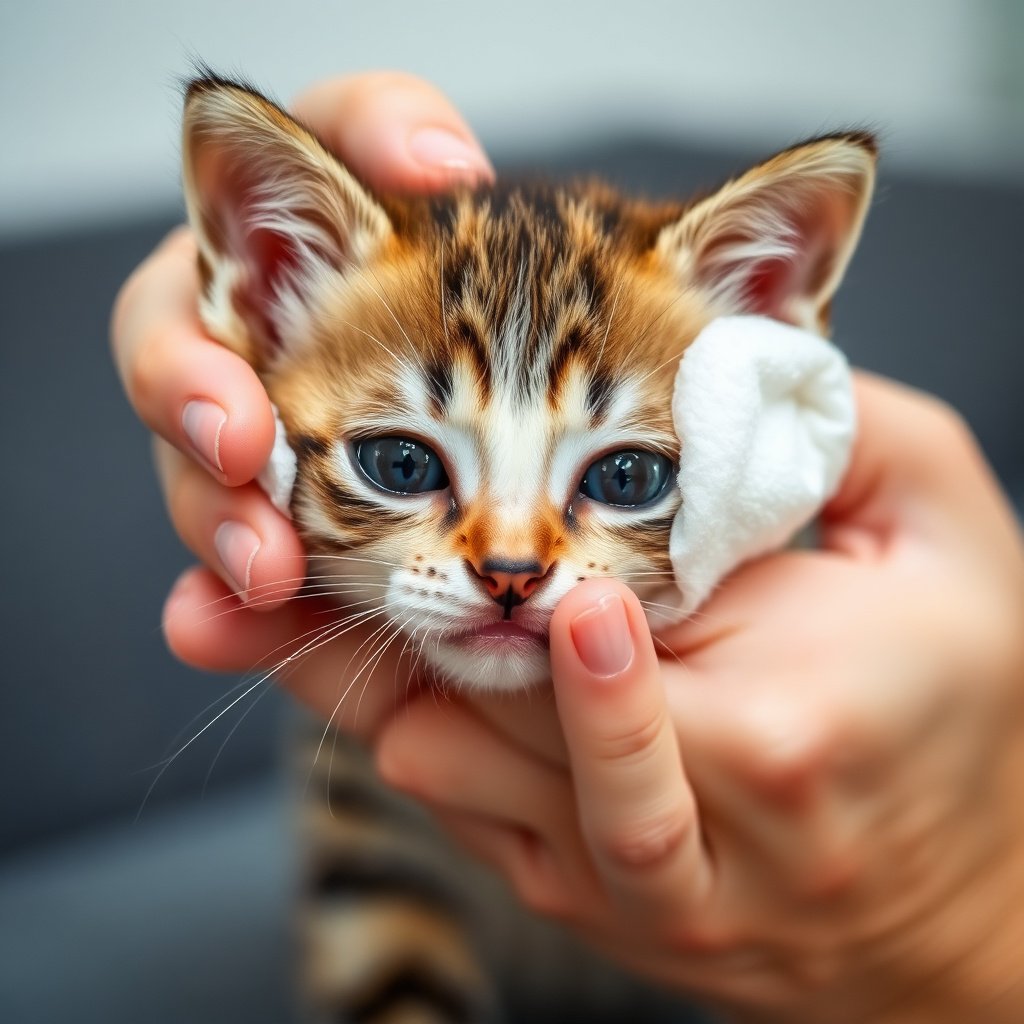
Cleaning Your Kitten’s Ears
Clean your kitten’s ears regularly to remove wax buildup or debris. Use a soft cotton ball dampened with a vet-recommended ear cleaner, gently wiping the visible outer ear area without inserting anything deep inside.
Signs of ear problems include redness, bad odor, or excessive scratching. Consult a vet if these appear to avoid infections.
- Use kitten-safe ear cleaner
- Avoid cotton swabs inside the ear canal
- Monitor ears weekly
Keeping Your Kitten’s Eyes Clear
Gently wipe away any discharge from your kitten’s eyes using a soft cloth or cotton pad moistened with warm water. Do this daily if needed to prevent crusting and irritation.
Persistent redness, cloudiness, or excessive tearing warrant a vet visit. Early cleaning helps maintain comfort and prevents infections.
- Use separate cloth for each eye
- Clean from inner corner outward
- Observe for unusual eye symptoms
Tools and Supplies Needed for Kitten Grooming
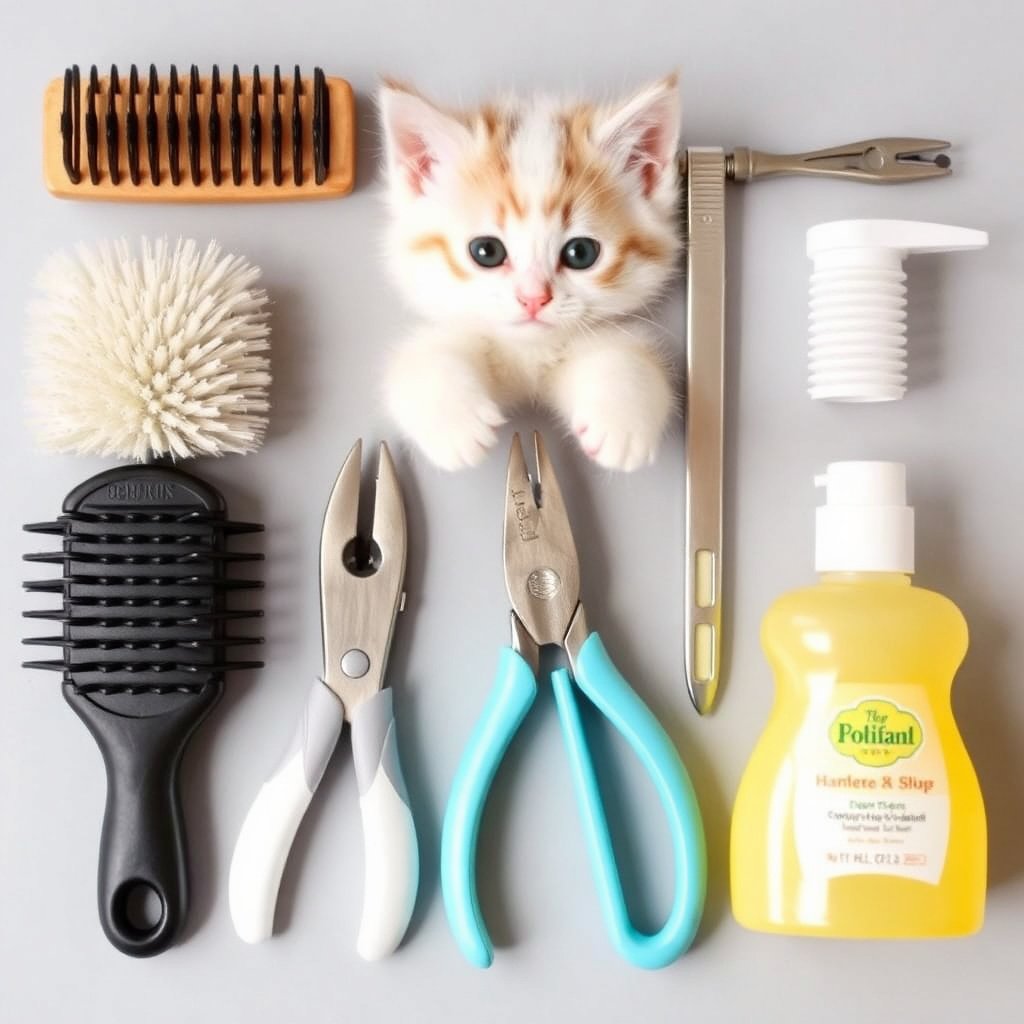
Essential Grooming Tools for Beginners
Gathering appropriate grooming tools ensures you can care for your kitten effectively at home. Basic supplies include a soft-bristle brush or comb, kitten-specific nail clippers, and gentle shampoo.
Having a grooming kit on hand helps make regular sessions efficient and less stressful for both kitten and owner.
- Soft-bristle brush or comb
- Kitten nail clippers
- Mild kitten shampoo
- Cotton balls and ear cleaner
For more on this, see our related guide: How to Bathe a Kitten Safely: Simple Steps and Must-Know Tips.
Storage and Maintenance of Grooming Supplies
Keep your grooming tools clean and stored in a dedicated, accessible place to maintain hygiene and prolong their life. Wash brushes regularly and replace dull or damaged clippers.
Organizing supplies encourages consistent grooming habits and helps you respond quickly when your kitten needs care.
- Clean brushes weekly
- Store clippers in dry place
- Replace worn tools promptly
Addressing Common Grooming Challenges with Kittens
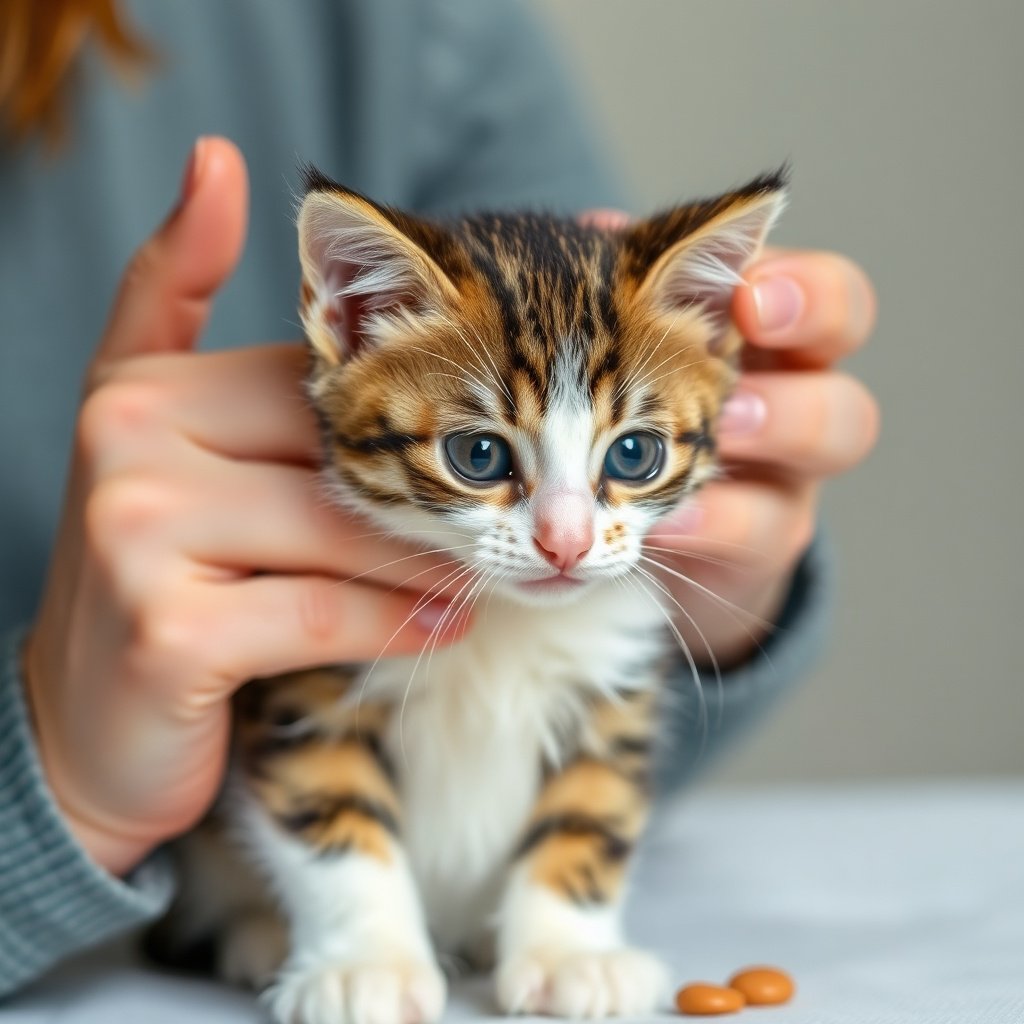
Handling a Kitten That Resists Grooming
Some kittens find grooming uncomfortable or unfamiliar and may resist. Introducing grooming slowly, using treats and gentle praise, can help your kitten associate grooming with positive experiences.
Try shorter sessions and gradually increase time as your kitten becomes more tolerant. Avoid forcing grooming that causes distress, as patience pays off.
- Use treats during grooming
- Keep sessions brief at first
- Stay calm and patient
For more detailed information about general cat grooming, including kittens, the Wikipedia page on kitten grooming basics is a useful resource. Kitten grooming basics.
Recognizing When Professional Grooming is Needed
If your kitten has severe mats, skin conditions, or is highly stressed by grooming, professional groomers or vets can safely manage these issues. Early intervention prevents complications and improves comfort.
Regular home grooming combined with occasional professional care creates the best outcome for your kitten’s coat and wellbeing.
- Seek groomers for mats or allergies
- Vet for skin or ear infections
- Combine home and professional care
Kitten Grooming Method Comparison
This table compares common kitten grooming methods to help you pick the right routine for your kitten's needs.
| Grooming Method | Frequency | Stress Level for Kitten | Best For |
|---|---|---|---|
| Brushing | 3-5 times per week | Low | All coat types |
| Bathing | Once a month or as needed | Moderate | Very dirty or flea-prone kittens |
| Nail Trimming | Every 1-2 weeks | Low to Moderate | Prevent scratching |
| Ear Cleaning | Monthly | Low | Prevent wax buildup |
| Professional Grooming | Every 3-6 months | Varies | Severe mats or special needs |
Frequently Asked Questions
How early should I start grooming my kitten?
Begin grooming routines as soon as your kitten is comfortable being handled, typically around 6 to 8 weeks, to help them get used to the process.
What if my kitten hates nail trims?
If your kitten resists nail trimming, try shorter sessions, use treats for positive reinforcement, and handle paws regularly to build trust gradually.
Is it safe to bathe a very young kitten?
Bathing very young kittens under 8 weeks is generally discouraged unless necessary; consult your vet on the best approach for your kitten’s age.
How often do I need to brush a long-haired kitten?
Long-haired kittens benefit from daily brushing to prevent mats and tangles, keeping their coat smooth and comfortable.
Can I use human shampoo on my kitten?
No, human shampoos are too harsh for kittens’ sensitive skin; always use products specifically designed for kittens or cats.
Key Takeaways
- Start grooming early to accustom your kitten to handling
- Use kitten-appropriate brushes and gentle techniques
- Trim nails regularly to keep your kitten comfortable
- Bath only when necessary and use kitten-safe products
Conclusion
Choosing how to groom a kitten revolves around understanding your kitten’s specific needs, fur type, and personality. By beginning grooming sessions gently and regularly, you can build a positive experience that supports your kitten’s health and comfort over time. Grooming serves both a practical purpose and strengthens the bond between you and your pet.
For short-haired kittens, regular brushing two to three times a week and occasional nail trims usually suffice, while long-haired kittens often require daily brushing to avoid mats. When bathing is necessary, mild kitten shampoos applied briefly help maintain cleanliness. Monitoring ears and eyes prevents infections. If your kitten resists grooming, patience and treats go a long way toward easing the process.
The next step is to gather the right grooming supplies tailored to your kitten’s coat and start with short, positive grooming sessions. Observe how your kitten responds and adapt your approach accordingly. If mats or health concerns arise, professional groomers and vets can help. Through consistent, gentle care, grooming will become a comfortable routine that supports your kitten’s wellbeing.