

How to Bathe a Kitten Safely: Simple Steps and Must-Know Tips
Bathe a kitten only after it reaches 8 weeks of age, ensuring the room is warm and calm. Use shallow, lukewarm water and select a mild shampoo made specifically for kittens. Avoid washing kittens under 8 weeks old unless really needed, since they cannot maintain their body temperature well.
This advice fits new kitten owners wondering how to bathe a kitten without causing stress or harm. Follow clear steps to prepare your kitten, use the right supplies, and keep the experience comfortable from start to finish.
Key Takeaways
- Only bathe kittens 8 weeks or older to avoid risks from poor body temperature control.
- Use lukewarm water about 2 to 4 inches deep, just above your kitten’s paws.
- Assemble shampoo, towels, and washcloth near a sink or tub before starting.
- Keep the bathing area warm and draft-free to help maintain your kitten’s body heat.
- Bathing should be gentle and brief to reduce stress and avoid chilling.
- Dry your kitten with soft towels immediately after bathing, avoiding hair dryers.
When and Why Should You Bathe a Kitten?
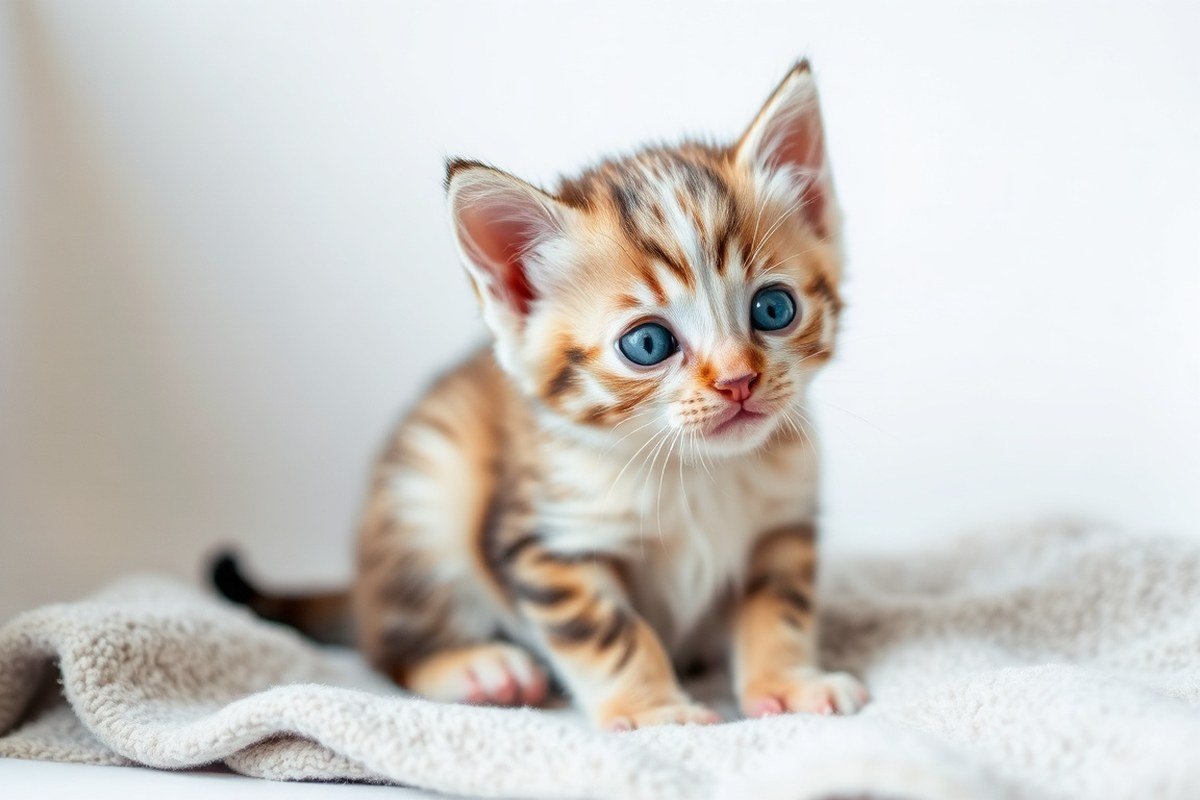
Kittens should not be bathed before they are 8 weeks old because they cannot regulate their body temperature well enough to stay warm during the bath. Between 4 and 8 weeks, bathing is risky and generally avoided unless absolutely necessary. Once a kitten reaches 8 weeks, it can usually tolerate a bath, but even then, bathing should be limited and approached carefully to avoid stress or chilling.
Most kittens do not need regular baths. Their mother and their own grooming habits usually keep them clean. Bathing is recommended only if the kitten gets into something sticky, dirty, or harmful that cannot be cleaned off with simple wiping, or if a veterinarian instructs you to give medicated baths for skin conditions or heavy flea infestation. For example, a kitten covered in mud or a sticky substance may require a bath to prevent irritation or ingestion of toxins. Flea baths are rare but can be necessary if a kitten has a severe flea problem, which can lead to health issues if untreated.
For kittens under 8 weeks old with flea problems or dirt, a safer approach is to gently wash them with a mild dish soap like blue Dawn, repeated daily for a few days rather than a full bath. Full baths before 8 weeks carry risks like hypothermia, and warming the kitten afterward is difficult. Between 8 to 12 weeks, bathing can be done but only when needed, and only once or twice per year at most, to avoid drying out the skin or causing unnecessary stress.
Deciding when to bathe your kitten depends on the situation. If your kitten looks clean and is healthy, skipping the bath is best. Instead, use a damp cloth or pet wipes for small dirty spots. When you decide to bathe, use warm water (around 100°F) and keep the room warm to prevent chilling. Never bathe a kitten just for routine hygiene. Instead, limit baths to situations where dirt, oils, or parasites build up enough to potentially harm your kitten’s health or comfort. Always follow your veterinarian’s advice if you suspect skin problems or flea infestations. This cautious approach ensures bathing is safe and effective without causing harm or stress to your growing kitten.
Essential Supplies to Prepare Before Bathing Your Kitten

Preparing the right supplies before bathing your kitten ensures the process goes smoothly, safely, and comfortably for both of you. You’ll need kitten-safe shampoo, warm water, towels, and tools to keep your kitten secure and warm. Setting up a calm, warm bathing area is key to reducing stress and preventing chills after the bath.
Choosing the Right Shampoo
Use only shampoos formulated specifically for kittens or cats. Regular human shampoos can harm their sensitive skin and eyes. Mild dish soaps like Dawn have been used by some owners for quick cleaning but should only be a backup if pet shampoo isn’t available. Always check your veterinarian’s recommendation if your kitten has special skin conditions or fleas, as medicated shampoos may be necessary.
Look for shampoos labeled “kitten-safe” or “gentle,” avoid strong scents, and never use flea shampoos without vet approval. A small bottle of kitten shampoo typically costs between $5 and $15 and lasts multiple baths.
Bathing Tools and Drying Supplies
You’ll need several towels, one for drying and one or two for wrapping your kitten after the bath. A soft washcloth helps gently clean delicate areas like the face and ears. A shallow sink or basin works better than a large tub, making it easier to control water depth and keep your kitten secure.
A handheld sprayer or a cup can help rinse your kitten carefully without startling them. Avoid using hot or cold water; aim for a comfortable warm temperature close to 102°F (about the body temperature of cats) to prevent chilling. A heating pad or Snuggle Safe placed under a blanket near the drying spot keeps your kitten warm afterward.
Preparing a Warm, Secure Bathing Area
Set the bathtub, sink, or basin in a quiet room free from drafts and distractions. Use a nonslip mat or towel in the bottom to prevent slipping and reduce your kitten’s stress. Have all your supplies within arm’s reach to keep one hand free to gently hold the kitten.
Before starting, run warm water to the right temperature; avoid filling the tub with cold or hot water to prevent shocking the kitten. Control room temperature around 75°F or warmer to avoid your kitten getting chilled after the bath.
Essential Supply Checklist
Use this checklist to gather everything before you start:
- Kitten-safe, gentle shampoo (or vet-recommended medicated shampoo)
- Warm water at about 102°F (use a thermometer or test wrist for comfort)
- Shallow basin or sink with nonslip surface
- Several soft towels for drying and wrapping
- Soft washcloth for delicate cleaning
- Heating pad or Snuggle Safe for post-bath warmth
- Calm, draft-free room for bathing and drying
Setting Up and Timing Your Bath
Arrange all items in the bathing area before bringing your kitten. Let your kitten explore the space for a few minutes so they feel more comfortable. Fill the basin with a few inches of warm water, ensuring the kitten’s head doesn’t dip below water level to avoid distress or inhaling water.
Keep baths short, around five to ten minutes. Quickly shampoo and rinse, then immediately wrap your kitten in a warm towel and move to their heated rest spot. Monitor your kitten for shivering or signs of discomfort and never leave them alone while wet.
Keep water shallow and temperature steady; chilling is a common risk during and after kitten baths.
How to Prepare Your Kitten for Its First Bath
Preparing your kitten for its first bath requires patience and gentle steps to keep your kitten calm and comfortable. A calm kitten will make the bathing process smoother and less stressful. Focus on soothing your kitten, slowly introducing them to water, and creating a warm safe environment before the bath.
Calming Techniques Before Bathing
A calm kitten is more receptive to bath time and less likely to struggle. Begin by selecting a quiet time when your kitten is neither hungry nor overly energetic, such as after a nap. Use gentle petting, soft talking, or a quiet cuddle session to relax your kitten beforehand.
Treats like Delectables™ Squeeze Up™ can help your kitten associate the upcoming bath with something positive. If your kitten shows signs of stress, pause to offer some playtime or a cuddle break. These calming steps reduce anxiety and help your kitten stay still during the bath.
Introducing Water Gradually
Getting your kitten used to water is key to a smooth bath experience. Sudden exposure to water can cause panic, so introduce water slowly and gently over several sessions.
- Fill a cup with warm water (around 100°F or 38°C).
- Choose a quiet room and start by softly pouring a little warm water just over your kitten’s paws or coat.
- Repeat this step several times across days before bath day, gradually increasing the area you wet.
- Use a gentle spray nozzle or slow cup pours to dampen their coat from neck down without soaking immediately.
- Always praise your kitten or offer a small treat and soothing words during and after each wetting session.
These gradual water introductions help your kitten associate water with comfort rather than fear.
Setting Up a Warm, Safe Space
The right environment before bath time makes your kitten feel secure. Prepare a small, enclosed area where you can control temperature and noise. The room temperature should be warm, ideally around 75°F (24°C), to prevent your kitten from getting chilled.
Gather all supplies ahead of time to keep the process quick and calm. Use a non-slip surface in the bathing area to prevent your kitten from slipping. Soft towels nearby can help immediately dry your kitten and provide comfort afterwards.
Keep the lighting soft and avoid sudden loud noises or movements to reduce the risk of startling your kitten. A warm, safe setup helps your kitten relax and trust the process, improving the chances of a calm bath.
Step-by-Step Guide to Bathing Your Kitten Safely
Bathing a kitten requires a calm, careful approach that respects their sensitivity to water, shampoo, and handling. Wet the kitten slowly with lukewarm water, use just a small amount of kitten-safe shampoo, rinse thoroughly to avoid residue, and clean the face and ears with a damp cloth rather than water or soap. This process minimizes stress and risks to your kitten’s eyes, ears, and skin.
Wetting the Kitten Gently
Start by using lukewarm water, as water that is too hot or cold can irritate your kitten’s delicate skin. Pouring water too quickly or using a strong spray risks startling your kitten and may cause stress.
Using a cup or a gentle spray nozzle to wet your kitten helps control the water flow, keeping it slow and steady. Avoid letting water run directly on their face and ears. Gradually wet the kitten’s fur, starting from the back of the neck down, to keep them calm.
Applying and Rinsing Shampoo
After soaking your kitten, use a tiny bit of kitten-friendly shampoo, about the size of a dime. Using too much shampoo can irritate their delicate skin or create too many suds, which makes rinsing tricky. Concentrate on cleaning the fur while steering clear of the face, ears, and eyes.
Gently lather the shampoo through the fur using your fingertips, working from head to tail but skipping sensitive areas. Rinse thoroughly with lukewarm water, gently massaging your kitten to help remove all soap residue. Wait until the water runs clear; then rinse once more to make sure no shampoo remains.
- Fill a sink or basin with lukewarm water, about 3 to 4 inches deep.
- Use a cup or gentle sprayer to slowly wet your kitten from neck to tail, avoiding the face and ears.
- Apply a small amount of kitten-safe shampoo to your hands, then lather gently into the fur.
- Massage shampoo through the coat, steering clear of the face, ears, and eyes.
- Rinse thoroughly with lukewarm water using a cup or spray, massaging your kitten as you rinse.
- Check that the water runs clear, and rinse one more time for safety.
- Wrap your kitten in a towel immediately after rinsing to begin drying.
Cleaning Face and Ears Safely
The kitten’s face and ears are sensitive and should not be washed with water or shampoo. Instead, use a clean, soft rag or damp washcloth to gently wipe dirt from these areas. This method reduces the risk of irritation or infection.
Moisten the rag with water only, avoid any soap, and carefully wipe around the eyes, nose, mouth, and ears. This prevents fleas or debris from moving into sensitive spots that could cause problems.
Avoiding Water in Eyes and Ears
Pouring water directly on your kitten’s face or ears can cause discomfort, infections, or infections like ear mites. Keep these areas dry by positioning the kitten so their head remains above the water level and away from running streams of water.
After the bath, gently pat around the eyes, ears, and nose with a dry towel to remove any droplets. Never insert objects or use soap inside the ears. Follow up with your veterinarian’s advice if your kitten requires specialized face or ear cleaning due to medical conditions.
How to Dry Your Kitten Quickly and Comfortably
Drying your kitten quickly and comfortably after a bath is important to prevent chills and stress. Start by wrapping your kitten in a large, soft towel immediately after the bath. Gently but firmly pat them to absorb the moisture, focusing on avoiding rough rubbing, which can cause discomfort or tangling, especially in kittens with long or thick fur. Keep the towel-wrapped kitten in a warm room to maintain body heat while you finish drying.
For most kittens, towel drying alone is enough if you follow it by keeping them warm. Young kittens cannot regulate their body temperature well, so a warm environment is important. Use a heating pad set on low or a warm water bottle wrapped in a soft blanket to create a snug spot for your kitten. Place the kitten on this setup once the towel drying is mostly finished to help them warm up comfortably and encourage normal activity and eating afterward.
Using a blow dryer is an option if your kitten tolerates it. Always keep the dryer at least one foot away and use the lowest heat and airflow settings to avoid burns or fright. Keep the dryer moving constantly rather than focusing on one spot, which can overheat the skin. Stop using the dryer and switch to towel drying and keeping your kitten in a warm place when it gets too stressed or tries to move away. Some kittens do not handle blow dryers well, so never force this method.
Air drying without additional heat can take too long and put the kitten at risk of hypothermia. Avoid air drying your kitten alone when the room is cool. Speed is important; aim to remove most moisture within five minutes, then provide a heat source for up to an hour while checking the kitten’s comfort. Signs the kitten is too cold include shivering or lethargy, so increase warmth gradually and avoid overheating, which can also cause distress.
Always prioritize your kitten’s comfort and safety over speed, stop using the blow dryer if it causes stress or the kitten tries to escape.
Keep several towels on hand in case the first one becomes too wet. Use a second towel to wrap the kitten snugly after the initial drying, helping reduce exposure to chilled air. For kittens with matted or thick coats, gently brushing after drying helps prevent tangles and keeps the fur fluffy and dry. In short-haired kittens, the towel and warmth are usually all that’s needed.
Remember to stay calm and speak softly during the drying process. Stress can lower your kitten’s body temperature, so a gentle approach supports quick recovery and feeling secure. By drying efficiently, providing warmth, and monitoring your kitten’s reactions, you ensure the post-bath experience is as comfortable and safe as possible.
How Often Should You Bathe Your Kitten?
Bathing a kitten should happen only when necessary and not on a set schedule. Most kittens do not need regular baths because they groom themselves well. Bathing a kitten more than once a month risks drying out their delicate skin and stripping the natural oils that keep their fur healthy. This can lead to irritation, itchiness, and even infections. You should always wait until your veterinarian gives the go-ahead, typically when the kitten is at least eight weeks old and has the strength to handle the stress of a bath.
Limit baths to situations like removing dirt, sticky substances, or fleas when other treatments are unavailable or ineffective. Since kittens have sensitive skin, avoid full-body baths frequently. Instead, wash only the areas that are visibly dirty, such as from the neck to the tail, leaving the head dry to prevent water from getting into the ears or eyes. Keeping baths short, around five to ten minutes, helps reduce stress and keeps the kitten warm.
Too much bathing can upset a kitten’s skin barrier, causing brittleness in the fur and discomfort. If your kitten seems to have dry or flaky skin between baths, pausing further baths and consulting your veterinarian is best. Instead of frequent baths, consider alternatives like using a damp cloth or pet-safe grooming wipes to spot-clean the fur. Brushing daily also removes loose dirt and fur while distributing natural oils evenly.
Deciding when to bathe follows a simple rule: only bathe your kitten when they are visibly dirty or have a condition like fleas that require it. Avoid routine bathing or bathing after every accidental mess unless recommended by a vet. Keeping the kitten comfortable with gentle handling, warm water (around 100°F), and kitten-specific shampoo minimizes health risks and stress.
In some cases, kittens with skin conditions or that get very dirty might require more frequent baths under veterinary supervision. Otherwise, prioritizing gentle cleaning methods over regular full baths reduces the chances of skin problems and behavioral stress. Remember that instinctive grooming is often enough to keep a healthy kitten clean and comfortable without frequent water baths.
Alternatives to Bathing Your Kitten
Cleaning a kitten without a full bath can be safer and less stressful, especially if your kitten is very young or uneasy with water. Dry cleaning methods and grooming tools offer practical alternatives to keep your kitten fresh and comfortable.
One common option is using grooming wipes or pet-safe dry shampoos. Wipes designed for kittens gently remove dirt and oils without water. To clean your kitten, wipe her fur in the direction of hair growth using a soft cloth or pet wipe. This method takes about 5 to 10 minutes, depending on how dirty the fur is. Avoid wipes with alcohol or strong fragrances to prevent skin irritation.
Another option is brushing. Regular grooming with a fine-toothed comb and soft brush helps remove loose fur, dirt, and debris. Brushing not only cleans but also stimulates skin oils, keeping the coat shiny. For kittens with fleas, start combing gently around the neck and back, using a flea comb with very fine teeth. Comb in sections for 5 to 15 minutes, dipping the comb in soapy water after each pass to kill fleas and eggs.
Flea control without bathing depends on the kitten’s age and the severity of infestation. Flea combing is safe for kittens, especially those under 2 months old, when flea shampoos may be too harsh. Creating a thin ring of soap or mild shampoo around the neck during a bath can prevent fleas from migrating to the kitten’s head, but if you want to avoid bathing altogether, frequent flea combing combined with topical flea treatments approved by your vet can work. Below is a table summarizing these alternatives and their key benefits and limitations:
| Method | How It Works | Best For | Time Needed | Cost Range | Risks/Limitations |
|---|---|---|---|---|---|
| Grooming Wipes | Wipe dirt and oils off fur | Light cleaning, sensitive kittens | 5, 10 minutes | $5, $15 per pack | May irritate sensitive skin if harsh chemicals used |
| Brushing/Combing | Removes loose fur and debris | Regular grooming, flea removal | 5, 15 minutes | $10, $20 for comb/brush | Requires patience; harsh combing can hurt kitten |
| Flea Comb + Topical Treatments | Physically removes fleas and applies medication | Kittens under 2 months, mild to moderate fleas | 10, 20 minutes per session | $15, $30 for comb; topical varies by product | Not effective alone for severe infestations |
Cleaning your kitten without water is best when she is small or highly stressed by baths. For minor dirt, wipes and brushing daily keep her comfortable. Flea combing requires patience but prevents the risks of frequent wet baths. Combining these methods can reduce the need for water baths, which should be reserved for cases where your kitten is very dirty or infested by fleas that cannot be managed otherwise.
Common Bathing Mistakes and How to Fix Them
One common mistake is using water that’s too cold or too hot, which can upset your kitten and make bath time stressful. Always aim for lukewarm water around 100°F (38°C). This temperature feels comfortable on their delicate skin and helps prevent chills. A good test is dipping your wrist or elbow in the water, if it feels warm but not hot, it’s right.
Another frequent error is not securing the kitten properly during the bath, leading to scratches and escapes. Use one hand to gently hold their scruff or chest while you wash with the other. Pause and soothe your kitten with a soft voice or gentle strokes when they begin to struggle before going on.
Kittens often resist baths because they’re unfamiliar and scary. Preparing a calm, quiet area and introducing water slowly helps them get used to the sensation. Running a small amount of water over their paws before moving to the body is a less intimidating start. Avoid sudden movements or loud noises during the entire process.
- Place a towel or non-slip mat on the sink or tub floor to keep your kitten from slipping around.
- Choose kitten-safe shampoo and use only a small amount to avoid skin irritation.
- Keep bath time short, around 5 minutes is sufficient for kittens.
- Protect the kitten’s ears and eyes from water and shampoo by tilting the head slightly back.
- Dry thoroughly with a soft towel immediately to prevent chills.
- Give treats or gentle praise after the bath to create positive associations.
- Never leave a wet kitten unattended as they can get cold quickly.
Using too much shampoo can cause skin dryness and irritation, leading to itching and discomfort. Dilute the shampoo with a little water before applying and rinse thoroughly to remove all residue. Longhaired kittens particularly need careful rinsing to avoid matting when the coat dries.
Keep calm and speak softly to your kitten throughout the bath; your tone can make a big difference in their comfort and cooperation.
When a kitten strongly resists, stop the bath and try again later, allowing them time to become more familiar with the process. Gradual exposure not only reduces stress but also lowers the risk of scratches to you and your pet. Taking breaks and rewarding calm behavior during baths leads to better results over time.
Step-by-Step Action Plan for Bathing Your Kitten
Follow these simple steps to bathe your kitten safely and help it get comfortable with water over time.
- Before You Start: Gather all supplies like kitten shampoo, a washcloth, and a towel. Knowing you have everything ready helps keep the bath calm and quick.
- Start Early: Handle your kitten gently a few times before the first bath. When your kitten remains relaxed during handling, it’s time to try introducing water.
- First Bath: Use warm water and a shallow basin. Wet your kitten slowly, avoiding the face, and apply kitten shampoo. When your kitten remains calm or shows minor resistance, you can consider the bath successful.
- Dry Immediately: Wrap your kitten in a warm towel and pat dry, keeping it warm. When your kitten stops shivering and calms down when wrapped in a towel, the drying worked well.
- After Bath Care: Offer treats and quiet time to reinforce a positive experience. Your kitten approaching you without fear shows progress.
- Repeat as Needed: Bathe only when necessary based on dirt or health needs, not on a schedule alone, to avoid stress. A clean and comfortable kitten indicates proper timing.
- Use Alternatives When Possible: Rely on brushing or spot wipes between baths. When your kitten stays clean and content, alternative cleaning methods are effective.
Frequently Asked Questions
What Age Can You Bathe Kittens?
You should only bathe kittens when they are at least 8 weeks old to ensure they can handle the temperature changes safely. Kittens younger than 8 weeks need special care and should usually only be spot-cleaned with warm, damp cloths.
What Is the 3-3-3 Rule for Kittens?
The 3-3-3 rule means washing very young kittens with blue Dawn dish soap three days in a row, preferably at the same time each day. This helps safely remove fleas without harming kittens under 8 to 12 weeks old.
Can I Bathe My Kitten with Dawn Dish Soap?
Yes, blue Dawn dish soap is safe for bathing kittens and can kill fleas effectively. Use it diluted with warm water and rinse thoroughly to avoid skin irritation.
What Is Safe to Wash a Kitten In?
Warm water with a small amount of gentle kitten shampoo or blue Dawn dish soap is safe for washing kittens. Avoid harsh soaps or adult shampoos because kittens have sensitive skin.
How Do I Keep My Kitten Calm During a Bath?
Speak softly and use gentle strokes to soothe your kitten. Give treats before and after the bath to make the experience positive and less stressful.
Can I Use a Hair Dryer to Dry My Kitten?
Using a hair dryer is okay for drying your kitten as long as you set it to the lowest heat and speed. Hold the dryer at a safe distance and keep it moving to prevent overheating or harming your kitten.
The Bottom Line
Bathing a kitten takes patience and care to make sure it’s safe and stress-free. Focus on gentle handling and slowly introducing water to build trust. Your next step should be to prepare your supplies and spend some quiet time getting your kitten used to being touched and handled before the first bath.



One Comment