
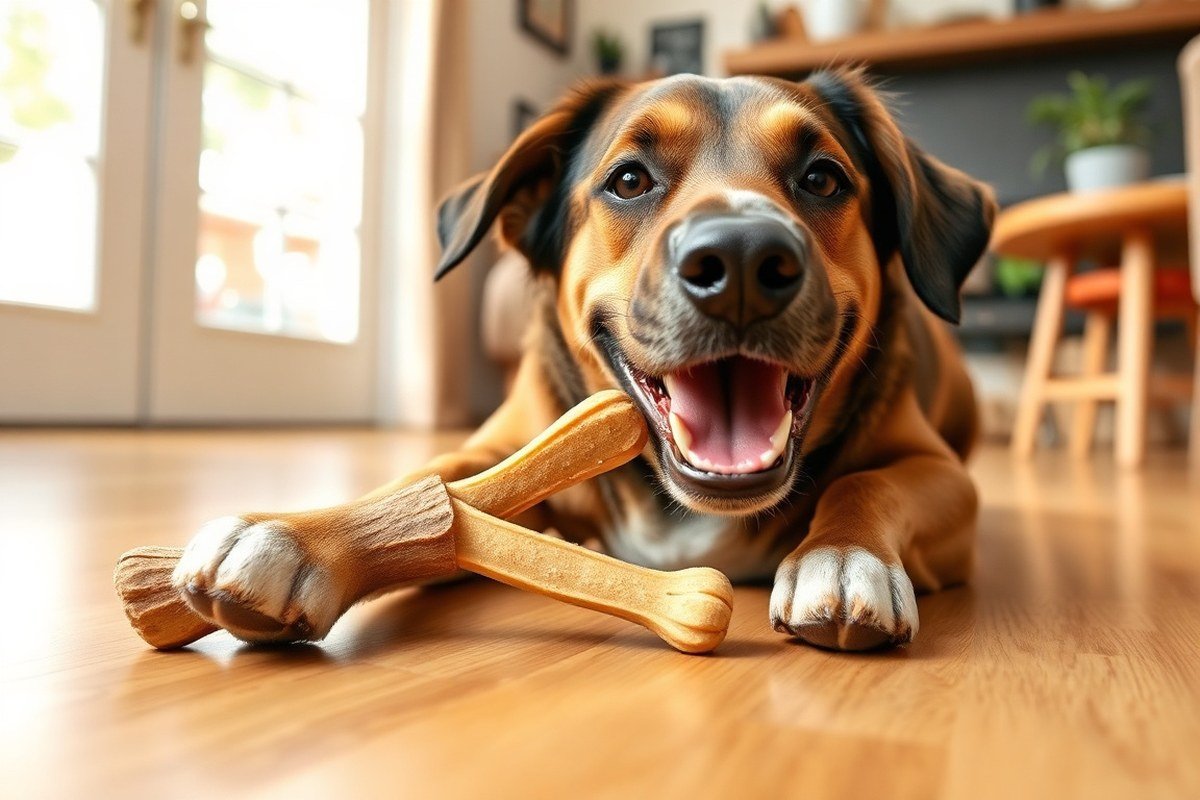
How to Clean a Dogs Teeth Without Brushing: 8 Safe Methods That Really Work
Cleaning your dog’s teeth without brushing is possible using alternative methods like dental chews, water additives, and raw bones that help reduce plaque and freshen breath. These options suit dog owners who struggle with brushing or want to supplement their dog’s oral care routine safely.
This article offers practical ways to maintain your dog’s dental health without a toothbrush. You’ll find guidance on selecting treats, natural foods, and safe toys, plus advice on monitoring oral health and knowing when to seek professional care.
Key Takeaways
- Use long-lasting natural chews to physically reduce plaque and keep teeth cleaner between brushing.
- Choose dental treats approved for your dog’s age to safely freshen breath and support oral health.
- Add vet-recommended water additives or rinses to your dog’s drinking water to help control bacteria.
- Provide raw bones cautiously as chewing tools, avoiding cooked bones that can splinter and cause harm.
- Offer crunchy fruits and vegetables like carrots to promote natural teeth cleaning through chewing action.
- Regularly check your dog’s gums and teeth for signs of inflammation, bad breath, or tartar buildup.
1. Effective Ways to Clean Your Dog’s Teeth Without Brushing

You can keep your dog’s teeth clean without brushing by trying several safe methods that help control plaque and tartar. Pet-specific teeth cleaning wipes offer a simple way to wipe away plaque and bacteria. These wipes have a textured surface that helps gently remove debris from the teeth and gums, making them suitable for dogs that dislike brushing. Use a single wipe during each session to cover all visible teeth and gum areas gently. Packs of 30 wipes generally cost between $10 and $15 and can be used daily or several times weekly to maintain oral health.
Dental chews offer another practical method. Many natural chews last long and encourage chewing that mechanically scrapes plaque off teeth. Choose chews approved by veterinary dental organizations to ensure safety and effectiveness. Give your dog one appropriately sized chew daily or every other day to help keep teeth clean while satisfying their chewing instinct. Watch for any signs of chewing difficulty, as some dogs might break or injure their teeth on very hard chews.
Certain prescription diets approved for dental health can also reduce tartar formation. These diets are formulated with kibble sizes and textures that promote chewing and gently clean teeth while your dog eats. Switching to such a diet requires a veterinary consultation and usually costs more than regular food, expect to pay between $50 and $70 monthly for average-sized dogs. Introduce these diets gradually over a week to prevent digestive upset and monitor your dog’s acceptance.
Raw bones are a traditional option that helps scrape plaque mechanically when your dog gnaws on them. Offer raw, uncooked beef or lamb bones under supervision, selecting sizes too large to swallow whole but manageable for chewing. Raw bones can be given once or twice weekly to contribute to dental hygiene, but avoid cooked bones which can splinter and cause injuries. Monitor your dog to ensure they chew rather than swallow large pieces, which could lead to choking or digestive blockages.
Lastly, water additives that mix with your dog’s drinking water can reduce oral bacteria and freshen breath. These products work by lowering plaque-causing bacteria levels and are easy to use, simply add the recommended amount daily to your dog’s water bowl. Costs typically range from $15 to $25 per bottle, lasting 1 to 2 months. Ensure your dog drinks enough water and clean the bowl regularly to avoid bacterial growth unrelated to oral health.
All these methods help remove or reduce plaque without direct tooth brushing, making them suitable for dogs stressed by brushing or handlers unable to perform daily cleaning. Results usually show as fresher breath, cleaner-looking teeth with less tartar buildup, and healthier gums over weeks of consistent use. However, these alternatives work best when combined or rotated for continuous oral care, as none replace professional dental cleanings when disease is advanced.
2. Choosing and Using Dental Chews and Treats Safely

Dental chews help clean your dog’s teeth by reducing plaque and massaging gums as your dog chews. Choosing the right chew depends on your dog’s size, chewing style, and dietary needs. Use dental chews as a supplement to brushing, introducing them slowly to avoid digestive upset or choking risks.
Types of Dental Chews Available
Dental chews come in several forms designed to clean teeth without brushing. These include rawhide chews, seaweed-based treats, natural rubber chews, and specially formulated meaty dental sticks. Each type has textures that scrape away plaque and promote saliva flow, which helps reduce bacteria and freshens breath.
Rawhide chews are common but require caution because they can cause choking or digestive blockages if swallowed in large pieces. Seaweed-based chews offer natural antibacterial benefits and may be easier to digest for some dogs. Rubber dental chews are durable and help massage gums but usually don’t contain additional ingredients. Meaty dental treats combine flavor with tooth-cleaning texture and can be a good daily option for puppies and adult dogs.
Key Ingredients to Avoid
Some dental chews may contain ingredients that could harm your dog’s health or reduce the chew’s effectiveness. Avoid chews with added sugars, artificial sweeteners (like xylitol, which is toxic to dogs), and excessive salt. Ingredients such as corn syrup or non-natural preservatives should also be avoided to prevent digestive issues and allergic reactions.
Look for chews with simple ingredient lists emphasizing natural components like seaweed, natural fibers, and enzymes. Avoid chews designed more as treats than as dental aids, as they often contain more calories and fewer cleaning benefits.
- Steer clear of xylitol and artificial sweeteners
- Avoid high sugar or salt content
- Skip chews with artificial dyes, flavors, or preservatives
- Check for allergens your dog may react to
- Prefer products with natural plaque-fighting enzymes or seaweed
- Choose appropriately sized chews to avoid choking hazards
Choosing chews free of these ingredients helps protect your dog’s overall health while supporting oral hygiene.
Introducing Chews to Your Dog Safely
Start with supervising your dog when they try a new dental chew. Offer small pieces initially to assess how they chew and digest the product. Avoid giving large or long-lasting chews unsupervised, especially for dogs prone to gulping or swallowing chunks. For puppies or small breeds, select appropriately sized chews to reduce choking risk.
Gradually incorporate dental chews into your dog’s routine by offering them once or twice a week initially. Watch for any signs of digestive upset or allergic reactions. Maintain access to fresh water in case the chew dries their mouth. Consulting your veterinarian before starting a dental chew routine helps ensure safety, especially if your dog has pre-existing health concerns.
Never leave your dog unattended while chewing dental treats to prevent choking or digestive blockages.
How Often to Give Chews for Best Effect
Giving dental chews daily can help maintain cleaner teeth between brushings, but frequency depends on your dog’s size and the chew’s toughness. Many manufacturers recommend daily use for softer chews and several times per week for harder products. Overuse of chews, particularly calorie-dense treats, can lead to weight gain, so adjust your dog’s overall diet accordingly.
For dogs resistant to brushing, dental chews offer a practical way to reduce plaque buildup. Assess your dog’s chewing habits and dental condition regularly; you may need to vary chew types or incorporate other dental aids based on results. Effective use involves combining dental chews with routine oral health checks and occasional professional cleanings.
3. Water Additives, Rinses, and Oral Gels Explained
Water additives and oral gels reduce plaque by targeting the bacteria that cause it. Water additives mix into your dog’s drinking water, helping lower bacteria levels around the clock. Oral gels apply directly to the teeth and gums to fight plaque and freshen breath. Both methods support oral health but don’t replace brushing completely. Using them regularly can slow dental disease progression and improve your dog’s breath.
Types of Water Additives and Their Benefits
Water additives typically contain antimicrobial agents, natural extracts like seaweed, or enzymes that work to reduce plaque and tartar buildup. For example, some additives include seaweed-derived ingredients that clinical studies have shown to help lower plaque and tartar in dogs. Adding these products to your dog’s water bowl allows constant exposure to these agents, which helps control bacteria without requiring physical contact with the teeth or gums.
The benefits extend beyond plaque reduction. Water additives often freshen breath and promote overall oral health. They support daily dental hygiene between more direct cleaning methods like brushing or chewing dental treats. The ease of use is a key advantage, especially for dogs resistant to brushing, as it requires no special handling or stressful procedures.
To use, mix the recommended amount, usually a capful or teaspoon per 16 ounces of water, directly into your dog’s fresh drinking water daily. Replace the water and additive every 24 hours to maintain effectiveness and avoid bacterial growth in the bowl. Pets should have access to this water throughout the day, ensuring continual oral hygiene support.
How to Apply Antiseptic Dental Gels
Antiseptic dental gels often contain chlorhexidine or similar antimicrobial compounds that reduce plaque-forming bacteria on direct contact. These gels work by adhering to the teeth and gums, creating a protective antibacterial layer. They can also help reduce bad breath and soothe inflamed gums.
Applying the gel properly requires some preparation. First, choose a dog-safe dental gel approved by veterinarians. Then, start by lifting your dog’s lip to expose the teeth and gums. Use a clean fingertip or a soft applicator brush to spread a thin, even layer along the gum line and tooth surfaces.
Apply the gel once or twice daily, often after feeding, for best results. The gel doesn’t need rinsing, so don’t give water immediately after application to allow the product time to act. Consistent application over weeks is necessary to see plaque reduction and breath improvement. For dogs resistant to touching their mouths, try to apply when they are calm or distracted by treats or play.
Precautions and Safety Tips
Choose products specifically designed for dogs to avoid harmful ingredients. Human oral care products often contain fluoride or xylitol, which are toxic to pets. Stick with veterinary-recommended or specially formulated water additives and gels to ensure safety and efficacy.
Introduce these products gradually. Sudden changes in flavor or texture of water or oral gels can cause some dogs to refuse drinking or eating. Mix additives into smaller portions of water first to test acceptance. For gels, start with very small amounts on the gums to help your dog adjust.
Regularly monitor your dog for any adverse reactions like excessive drooling, redness, or swallowing difficulties. Always follow the product’s label instructions regarding dosage and frequency. If your dog has underlying health issues or you notice worsening oral problems, consult your veterinarian before continuing these treatments.
4. Using Raw Bones and Dental Toys to Maintain Clean Teeth
Raw bones and dental toys help scrape plaque and tartar from your dog’s teeth through natural chewing action. Chewing stimulates saliva production, which reduces bacteria and freshens breath. Raw, meaty bones are effective at cleaning, but you must avoid cooked bones because they can splinter and cause internal injuries or choking. Dental toys designed specifically for teeth cleaning have textured surfaces to help break down plaque safely.
Offering raw bones or dental toys supports oral health by targeting plaque buildup, which contributes to gum disease and bad breath. However, bones carry risks such as tooth fractures, choking, and intestinal blockages. Always supervise your dog and choose appropriate sizes and types of bones or toys to reduce hazards.
- Choose raw bones larger than your dog’s mouth to avoid swallowing whole.
- Avoid cooked bones as they become brittle and dangerous.
- Offer raw bones no more than 10 to 15 minutes at a time to prevent excessive chewing wear.
- Use dental toys made from durable, non-toxic materials with ridges or nubs that help remove plaque.
- Inspect toys and bones regularly for cracks or splinters and replace immediately if damaged.
- Supervise your dog at all times while chewing to intervene if choking or aggressive chewing occurs.
- Consult your vet before introducing raw bones, especially for puppies, senior dogs, or dogs with dental issues.
Good results from raw bones and dental toys include visibly cleaner teeth, less plaque buildup, healthier gums, and fresher breath. Watch for signs of discomfort, broken teeth, or gastrointestinal upset, which indicate you should stop or adjust this approach. For dogs less interested in chewing, specially designed dental toys often encourage activity that promotes oral health while minimizing risks. These toys typically cost between $10 and $25, depending on size and brand, and provide a reusable, ongoing option for dental care.
5. Natural Foods and Home Remedies That Help Clean Dog Teeth
While natural foods and home remedies assist in reducing plaque and freshening breath, they cannot replace brushing entirely. Brushing physically scrapes plaque off teeth, especially near the gum line where food tends to accumulate. Using foods and remedies as supplements can help maintain oral health between brushings and reduce reliance on chemical additives found in some dental products. If brushing is not an option, combine these foods with other care methods like dental chews or water additives for a more complete approach. Cost-wise, most fresh vegetables and fruits used for dental care are inexpensive, often under a dollar per serving. Home remedies using herbs or yogurt are low cost but require consistent use. The benefits usually show as fresher breath within days and less visible plaque over weeks. Watch for signs that the approach isn’t sufficient, such as persistent bad breath, visible tartar, or red gums, which indicate a need for more thorough cleaning or professional dental care. Never feed your dog fruits with seeds or cores that might cause choking, and remove any uneaten fresh foods promptly to prevent spoilage or bacterial growth in their bowl.
6. How to Monitor Oral Health Without Brushing Your Dog’s Teeth
Monitoring your dog’s oral health without brushing involves regularly checking for clear signs that indicate plaque buildup or dental problems. Plaque appears as a soft, whitish layer on your dog’s teeth, while tartar looks like a hard, yellow or brown deposit near the gumline. You can start by lifting your dog’s lips a few times a week to look closely at the teeth and gums. Healthy gums should be pink, not red or swollen. Pay attention to bad breath that lasts more than a day, as persistent foul smell often signals bacterial buildup needing attention.
To evaluate if cleaning methods like dental chews, water additives, or toys are effective, observe changes over a few weeks. Good results include less visible soft plaque and a reduction in tartar development. Taking photos each week can help you compare before and after changes, giving concrete evidence of progress. Also, note whether your dog’s breath improves and gum redness decreases. Dental chews or other products show effectiveness when you notice positive changes without your dog experiencing discomfort.
Keeping a simple checklist is useful for tracking oral health. You might include items like “check gums color,” “look for tartar buildup,” “note breath odor,” and “monitor chewing behavior.” Review this weekly and mark “normal” or “concern” for each. Detecting yellow or brown tartar on more than one-third of the tooth, bleeding gums from casual lip lifts, persistent bad breath, or signs of mouth pain like reluctance to chew or drooling means you should schedule a veterinary visit.
Professional dental care is usually recommended at least once a year or more often if you spot worsening signs. The vet can identify hidden issues through examination and possibly dental X-rays, which you cannot do at home. Waiting too long risks progression from mild tartar to periodontitis, which causes pain, tooth loss, and can affect your dog’s overall health.
Tracking changes systematically ensures you act before problems become severe. For example, if you use dental treats twice daily and notice breath improves but tartar remains, increasing frequency or adding water additives could help. Continuing concerns beyond a month despite home care suggest that professional cleaning is the safer option. Remember, thorough at-home assessment takes just a few minutes weekly and helps you catch symptoms early, potentially saving your dog discomfort and costly procedures later.
7. When to Use Professional Dental Cleanings and Vet Care
Seeing a veterinarian for a professional dental cleaning becomes necessary if you notice persistent bad breath, yellow or brown buildup on teeth, swollen or bleeding gums, difficulty eating, or if your dog shows signs of mouth pain. Even if you use dental chews, water additives, or other alternatives, these methods can’t fully replace professional care, especially when tartar has hardened below the gum line. Regular veterinary exams help spot dental problems early before they affect your dog’s overall health.
To decide if your dog needs professional dental care, use a simple checklist: Look for visible tartar over 2 millimeters thick, gums that are red or receding, excess drooling, or your dog refusing to open its mouth fully. If any of these signs last for more than two weeks, schedule a vet visit. Dogs that resist all oral handling or have chronic dental disease may need more frequent cleanings, sometimes annually or even every six months, depending on the vet’s recommendation.
A professional dental cleaning involves several key steps under general anesthesia to keep your dog safe and still. The vet first examines the mouth thoroughly and removes tartar with specialized ultrasonic tools, reaching below the gum line where at-home care cannot. Next, dental X-rays are often taken to check tooth roots and jawbone health, detecting hidden problems. After cleaning, the teeth are polished to smooth surfaces and slow future plaque buildup. Vets may also apply sealants or fluoride treatments as preventive measures.
Costs for professional cleanings vary widely based on location, clinic, and dog’s size but generally range between $300 and $700. Smaller dogs may cost less, while older dogs or those with severe dental disease might require additional treatments or extractions, increasing expenses. The procedure usually lasts one to two hours, during which your dog is closely monitored by veterinary staff for safety. Recovery times are short, but follow-up home care, including the alternatives you use, is essential to maintain oral health between cleanings.
Rely on professional dental care as a complement to your routine. Alternative methods help slow plaque buildup but do not remove hardened tartar and cannot treat infections. Regular dental exams let vets tailor cleaning schedules based on your dog’s specific health, lifestyle, and breed factors. Persistent or worsening dental symptoms despite at-home care always warrant a professional evaluation. This combined approach protects your dog’s mouth and overall well-being throughout their life.
8. How to Introduce Non-Brushing Dental Care to Resistant Dogs
Introducing alternative dental care to dogs that resist brushing takes patience and a steady approach. Using gradual exposure combined with positive rewards helps your dog accept dental chews, wipes, or other tools comfortably. Building a daily oral care routine relies on rewarding progress and adapting to your dog’s limits.
Starting Slowly with Positive Reinforcement
Begin by letting your dog sniff and explore dental chews, wipes, or other products without pressure. Handle your dog’s mouth gently while praising calm behavior but avoid forcing anything inside. This helps your dog associate dental care items with something pleasant rather than a threat. Keep initial sessions very short, under a minute, to prevent stress.
In cases where your dog strongly dislikes oral contact, focus first on petting and touching their cheeks and muzzle briefly. Reward them immediately with a treat or kind words so they connect touch with a positive outcome. Repeat these brief sessions several times a day, then slowly progress to touching the teeth and gums using your finger or a soft cloth before introducing wipes or chews.
Using Treats and Praise to Encourage Acceptance
Pairing any new dental care method with your dog’s favorite treats or praise is essential to motivate acceptance. Use high-value treats your dog loves, like small pieces of cooked chicken or cheese, to reward every step of cooperation. Speak softly and use encouraging tones to reassure your dog.
- Offer a treat immediately after your dog interacts calmly with a dental chew or wipe.
- Give verbal praise like “Good job” or “Well done” consistently.
- Feed treats gradually during the session to maintain engagement.
- Use toys or playtime after oral care as additional positive reinforcement.
- Avoid punishment or scolding if your dog resists.
- Keep sessions short, ending on a positive note quickly.
- Regularly repeat these steps daily to build familiarity.
This reward technique works best when combined with slow exposure, gradually increasing your dog’s willingness. Avoid forcing dental wipes or chews, as that can increase anxiety and refusal.
Never pressure your dog to accept oral care; pushing too hard can lead to long-term fear or resistance.
Gradually Increasing Duration and Frequency
After your dog consistently tolerates short sessions, raise the time spent on oral care gradually. Start by swiping wipes over the teeth or allowing brief chewing on dental treats for about 30 seconds. Slowly move toward 1 to 2-minute sessions, aiming for twice daily as tolerance builds. Avoid rushing this timeline, especially if your dog shows signs of discomfort or stress.
For dogs refusing all methods, consider splitting sessions into multiple very short attempts, such as 10 to 15 seconds, several times throughout the day. Alternatively, check with your groomer or veterinarian about professional cleanings or dental care options that do not require your involvement. This helps maintain oral health while you continue training your dog to accept home care.
Monitoring your dog’s response during oral care is important. Look for signs like calmness or wagging tail as positive indicators. If your dog pulls away, growls, or shows signs of pain, reduce session length or try different methods. Over weeks, most dogs learn to accept alternative dental care tools, making maintenance easier for you and less stressful for them.
Step-by-Step Action Plan for Cleaning Your Dog’s Teeth Without Brushing
Follow these steps to start maintaining your dog’s dental health without traditional brushing, adjusting as needed based on your dog’s response.
- Before you start: Consult your veterinarian to check your dog’s oral health and get personalized advice on safe products and methods.
- Day 1: Introduce dental chews or treats formulated for plaque control. Watch for your dog’s interest and no signs of choking or digestive upset.
- Week 1: Add water additives or oral rinses recommended for dogs to their drinking water or apply oral gels as directed. Observe if your dog drinks normally and accepts the new flavor.
- Week 2: Provide raw bones or durable dental toys to chew on. Ensure your dog chews safely and no teeth are damaged or gums irritated.
- Week 3: Include natural foods such as raw carrots or apple slices in your dog’s diet for added mechanical cleaning, monitoring for dental sensitivity.
- Ongoing: Regularly inspect your dog’s teeth and gums for signs of tartar, bad breath, redness, or swelling, and note any changes in eating habits.
- Every 6-12 months: Schedule professional veterinary dental cleanings and exams to address any issues that home care cannot manage.
- As needed: Gradually introduce new dental products or methods, starting slowly and using rewards to increase acceptance on resistant dogs.
Frequently Asked Questions
How Can I Get Plaque Off My Dog’s Teeth Without Brushing?
Plaque can be reduced by using dental chews, wipes, and certain crunchy foods like carrots, which help mechanically remove buildup. These options support oral hygiene passively when brushing isn’t possible.
What Removes Plaque Off Dogs’ Teeth?
Dental chews and specially formulated diets are effective at removing plaque because they encourage chewing that scrapes plaque from teeth surfaces. Consistent use helps maintain cleaner teeth between vet visits.
How Do I Naturally Clean My Dog’s Teeth?
Natural methods include giving your dog raw bones, crunchy vegetables, and dental toys that promote chewing and plaque removal. These stimulate saliva production, which also helps maintain oral health.
What Kills Bacteria in Dogs’ Mouths?
Water additives and oral gels designed for dogs contain ingredients that reduce bacteria responsible for bad breath and dental disease. Using these alongside other methods can improve overall mouth health.
Can I Use Dental Wipes to Clean My Dog’s Teeth?
Yes, dental wipes are a quick way to remove plaque and bacteria without brushing. They are less invasive and good for dogs that resist traditional brushing.
Do Dental Diets Really Improve My Dog’s Oral Health?
Certain prescription dental diets are formulated to reduce plaque and tartar buildup. Feeding these can supplement regular dental care and support long-term oral health.
Final Thoughts
Maintaining your dog’s dental health without brushing takes time and consistent effort, but combining safe chews, additives, and vet care can keep their teeth cleaner. Start with one or two methods that fit your dog’s preferences and monitor their comfort and oral condition. The next step is to pick a vet-approved dental chew or water additive and introduce it gently over a few days to see how your dog responds.


