How to Bathe a Kitten with Fleas: A Step-by-Step Guide
Bathing a kitten with fleas requires gentle care, the right products, and patience. Begin by selecting a kitten-safe flea shampoo specifically formulated for their sensitive skin. Use lukewarm water and keep the kitten calm throughout the process to avoid distress and ensure thorough flea removal.
Fleas can cause intense itching and lead to skin infections or anemia in young kittens. Treating fleas early by bathing helps eliminate pests and soothes irritated skin. It also reduces flea populations quickly, preventing further infestation in your home.
This article will guide you through preparing for and safely bathing your kitten with fleas. It covers how to choose the best flea shampoo for kittens, step-by-step bathing techniques, and post-bath care, along with tips for preventing reinfestation and protecting your kitten’s health.
Preparing to Bathe a Kitten with Fleas
Choosing the Right Flea Shampoo
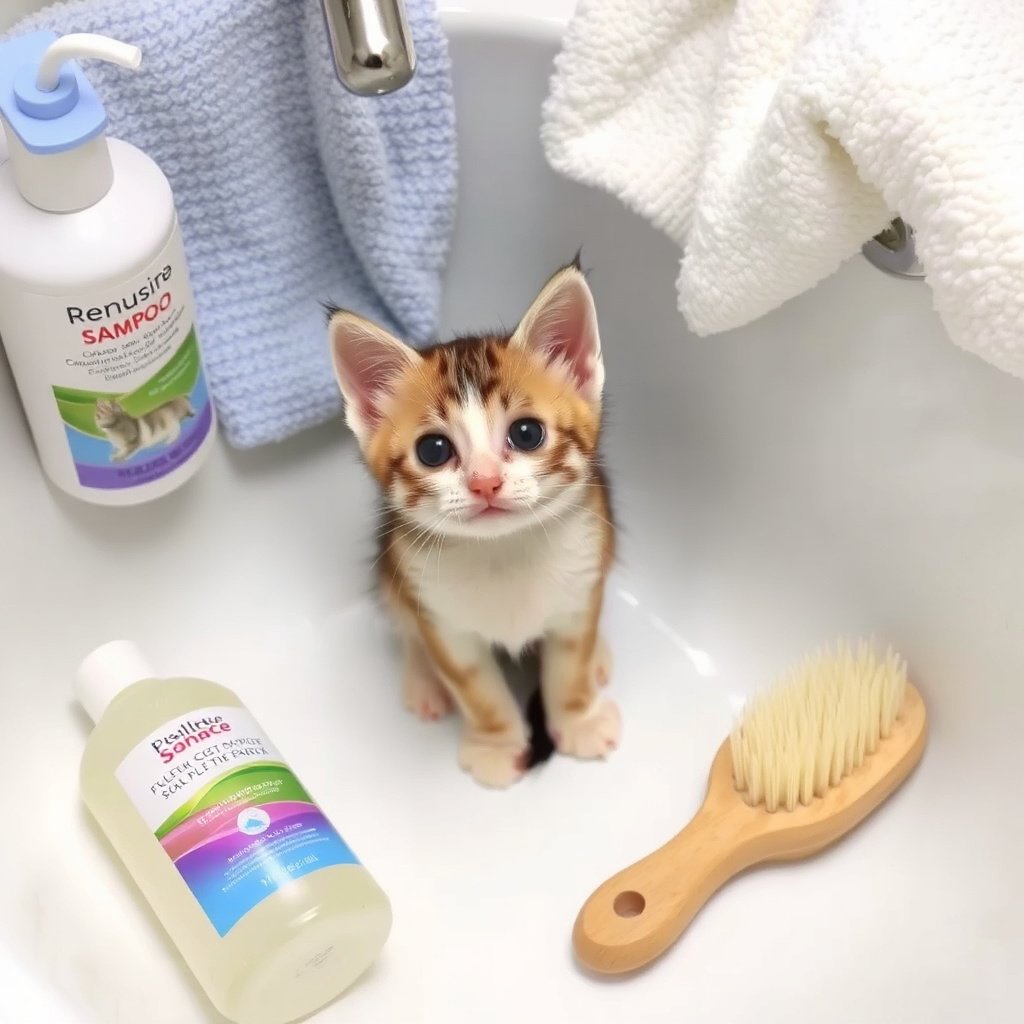
Selecting a flea shampoo designed specifically for kittens is essential, as many products for adult cats contain chemicals that can harm young pets. Opt for shampoos labeled safe for kittens under 12 weeks, which use milder insecticides and natural ingredients to eliminate fleas.
Avoid using harsh pesticides like pyrethrins or organophosphates on kittens. Look for flea shampoos containing ingredients like neem oil or insect growth regulators, which tackle fleas gently but effectively without irritating delicate skin.
- Check product label for kitten-safe designation
- Prefer natural or mild active ingredients
- Avoid human shampoos or homemade remedies
Setting up a Calm Bathing Station
Prepare a warm, draft-free area with a shallow basin or sink sized to comfortably hold your kitten. Gather all supplies — flea shampoo, towels, a soft brush, and a cup for rinsing — beforehand to minimize handling time.
Have a helper if possible to gently hold the kitten while you bathe, which can prevent scratches and reduce stress. Speaking softly and offering gentle strokes before the bath helps your kitten relax during the process.
- Use lukewarm water around 100°F (38°C)
- Lay out towels nearby for quick drying
- Keep the bath environment quiet and gentle
Bathing Techniques for Flea Removal
Applying Flea Shampoo Safely
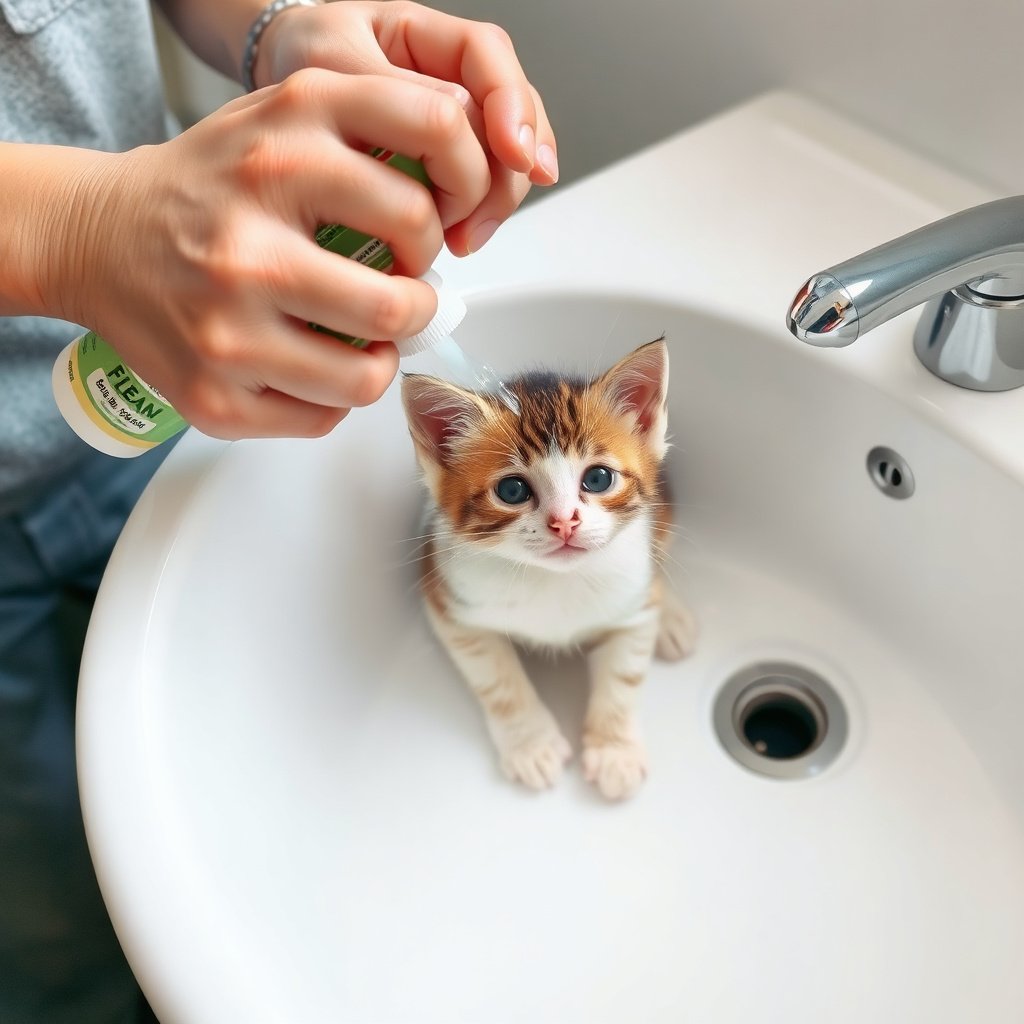
Wet your kitten thoroughly with warm water, avoiding the eyes and ears to prevent irritation. Apply a small amount of flea shampoo, massaging it carefully into the fur focusing on the neck, back, and tail base where fleas often congregate.
Allow the shampoo to sit for the time recommended on the label, usually about 5 to 10 minutes, to ensure effectiveness. Keep your kitten warm during this stage and avoid any rushed handling.
For more on this, see our related guide: How to Bathe a Kitten Safely: Simple Steps and Must-Know Tips.
Rinsing and Drying Your Kitten
Rinse the shampoo completely using lukewarm water to remove any residue that could irritate sensitive skin. Use a gentle cup or sprayer, taking care to keep water out of ears and eyes.
After rinsing, gently towel-dry your kitten in a warm room. Avoid blow dryers unless they are specifically designed for pets and used on a low, cool setting. Brushing the fur after drying helps remove dead fleas and soothe the skin.
- Use soft towels to absorb moisture
- Brush gently after drying to remove debris
Post-Bath Care and Flea Prevention

Using Flea Combs and Spot Treatments
After the bath, use a fine-toothed flea comb to remove any remaining fleas or eggs. Combing also helps detect flea dirt and gives an additional layer of flea removal.
Consult your veterinarian about safe topical flea treatments appropriate for kittens. These can provide longer-lasting protection to prevent reinfestation and should be used alongside regular combing and bathing.
- Comb daily until fleas disappear
- Apply vet-approved topical treatments where suitable
Maintaining a Flea-Free Environment
Wash the kitten’s bedding in hot water and vacuum carpets and furniture in your home to remove flea eggs and larvae. Treat your home with vet-recommended environmental flea control products if needed.
Keep your kitten indoors during flea season and check regularly for signs of fleas. Consistent grooming and cleanliness reduce the risk of infestation and keep your kitten comfortable and healthy.
- Clean living areas weekly
- Limit outdoor access during peak flea months
Recognizing Flea Allergy and Skin Irritations
Symptoms of Flea Allergy Dermatitis in Kittens
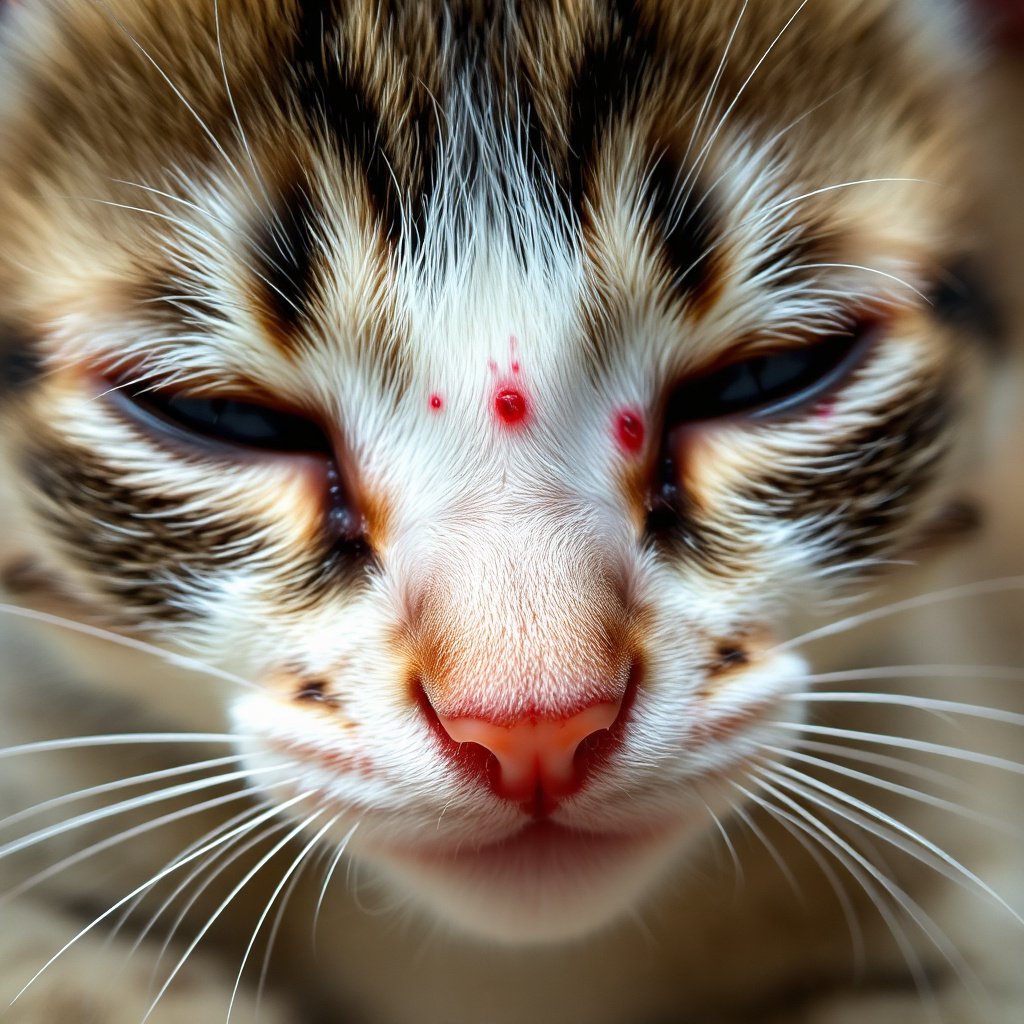
Kittens sensitive to flea bites may develop flea allergy dermatitis, showing as intense itching, redness, and small scabs mainly around the neck and base of the tail. Identifying this early is important to alleviate discomfort and prevent infections.
Look for excessive scratching, biting, or hair loss in localized patches. If symptoms worsen despite flea treatment, veterinary assessment may be needed for additional therapies.
For more on this, see our related guide: Does K9 Advantix Kill Fleas? A Clear Guide to Its Effectiveness.
Treating Flea-Induced Skin Issues Safely
Veterinarians may recommend medicated shampoos or topical steroids to reduce itching and inflammation caused by flea allergy. Ensure any treatments are kitten-safe and follow dosage instructions carefully.
Support skin healing with a balanced diet rich in omega fatty acids, and keep the kitten’s fur clean with regular gentle baths once fleas are under control.
Handling Difficult Kittens during Flea Baths
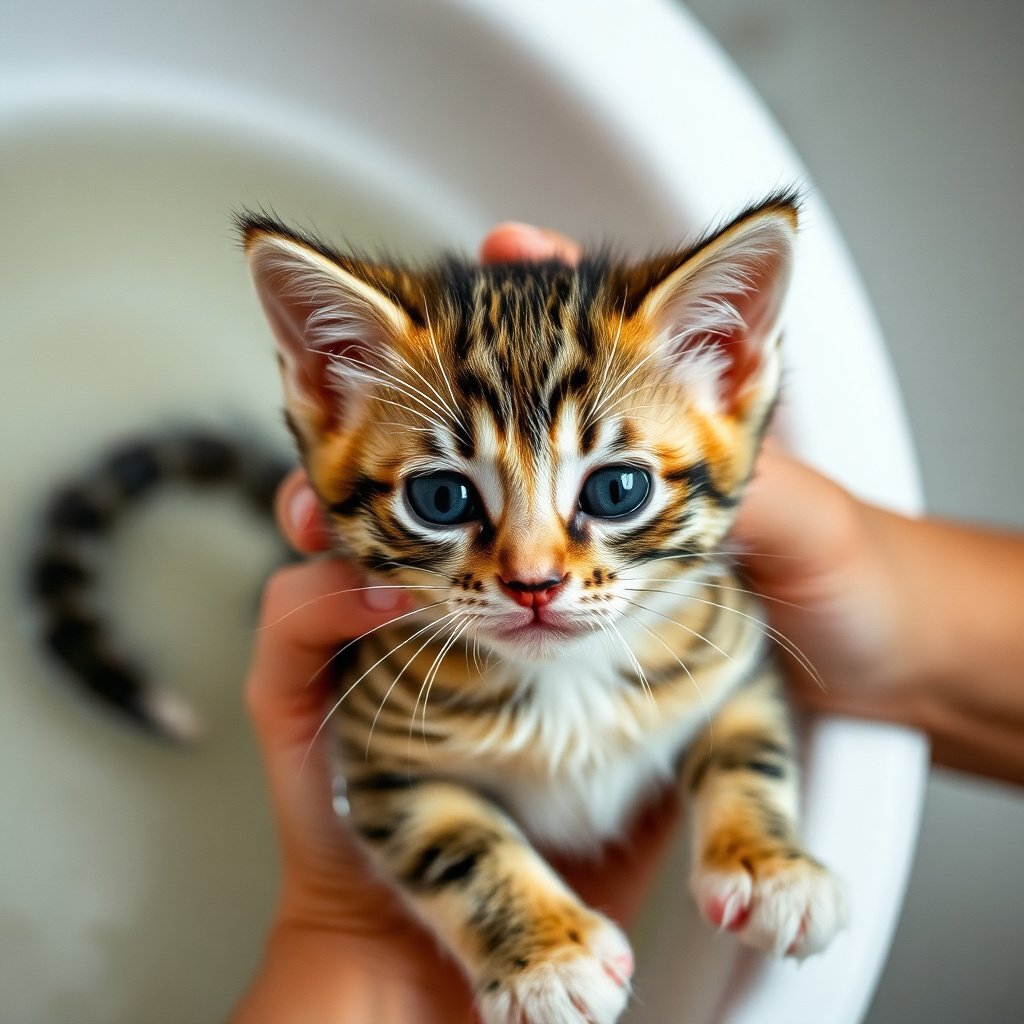
Techniques to Keep Kittens Calm and Safe
Start by gently acclimating your kitten to water through brief, reassuring touches before the bath. Speak softly and use treats or favorite toys to distract and soothe during bathing.
If the kitten resists strongly, try shortening the bath or enlisting a helper to hold them securely but gently. Never force water into the kitten's face or ears, as this can cause panic.
- Use calm voice and slow movements
- Have a helper assist if needed
- Avoid abrupt or forceful handling
For more detailed scientific information on managing flea infestations in cats, you can explore this comprehensive resource on flea control. Flea control in cats.
Alternatives if Bathing Isn’t Possible
For kittens too distressed by water, spot treatments with kitten-safe flea sprays or powders can be helpful as interim flea control until bathing is feasible.
Consult your vet about oral or topical flea medicines suitable for very young or sensitive kittens, if flea infestations persist and bathing is not an option.
- Use spot treatments cautiously
- Discuss medication options with your vet
Flea Treatment Options for Kittens: A Category Comparison
This table compares different flea treatment categories for kittens, highlighting efficacy, safety, cost, and ease of use to help choose the best approach.
| Treatment Type | Efficacy | Safety for Kittens | Cost | Ease of Use |
|---|---|---|---|---|
| Flea Shampoo | Highly effective for immediate flea removal | Safe if kitten-specific | Moderate | Requires handling and drying |
| Topical Spot-ons | Long-lasting protection | Safe with veterinary approval | Moderate to high | Simple to apply |
| Flea Combs | Effective for small infestations | Very safe | Low | Time-consuming and manual |
| Oral Medications | Very effective systemically | Only certain vet-approved options | High | Easy but vet prescription required |
| Environmental Sprays | Controls home infestation | Indirect kitten safety varies | Moderate | Requires home preparation |
Frequently Asked Questions
Can I use regular cat shampoo instead of flea shampoo for my kitten?
Regular cat shampoos do not contain ingredients to kill fleas. For effective flea removal, use a flea shampoo specifically labeled safe for kittens.
How often should I bathe my kitten with fleas?
Bath frequency depends on flea severity; usually once a week until fleas are gone. Overbathing may dry out skin, so follow product instructions carefully.
Is it safe to use flea collars on kittens?
Many flea collars are not safe for young kittens due to strong chemicals; consult your vet before use and prefer kitten-specific products.
What if my kitten is too scared to take a bath?
Use gentle methods, enlist help, and consider alternative treatments like combing or spot-on flea treatments suited for kittens.
How can I prevent my kitten from getting fleas again?
Maintain regular grooming, clean living areas frequently, and use vet-recommended preventative flea products suitable for kittens.
Key Takeaways
- Use kitten-safe flea shampoo designed for sensitive skin.
- Bathing with lukewarm water and gentle handling reduces kitten stress.
- Follow up with flea combing and vet-approved spot treatments.
- Keep your home clean to prevent reinfestation.
Conclusion
When you bathe a kitten with fleas, focus on gentle care combined with effective flea removal. Selecting the right kitten-safe flea shampoo and preparing a calm environment helps make the experience less stressful for your pet. The process should be methodical and patient, ensuring thorough coverage while protecting the kitten’s skin and comfort. After rinsing and drying, complement the bath with a flea comb and, if appropriate, topical treatments recommended by your veterinarian for sustained flea control. Maintaining a flea-free environment is as important as treating your pet directly.
Different treatment categories suit various scenarios. Flea shampoos offer immediate relief, while topical spot-ons provide longer-lasting protection ideal for ongoing flea management. Flea combs are a gentle, safe tool for infestation monitoring and control but may not suffice alone for severe cases. Oral medications are effective but generally reserved for older kittens under vet supervision. Environmental sprays tackle the source of reinfestation and should be used alongside pet treatments. Choosing among these depends on your kitten’s age, health, temperament, and flea severity.
To protect your kitten, start with flea shampoo baths for immediate removal, then introduce flea combing and preventative spot treatments as advised by your vet. Monitor your kitten’s skin condition carefully and maintain cleanliness in your home. If the kitten shows signs of flea allergy dermatitis or distress during bathing, consult a veterinarian promptly. Taking these steps ensures your kitten’s comfort, health, and freedom from fleas, helping it grow into a happy, pest-free adult cat.