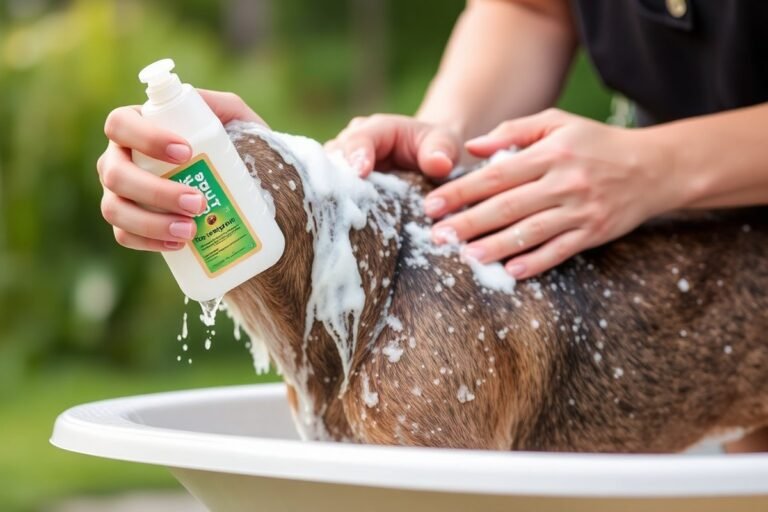
What Is Dog Clipper Burn and How to Prevent It
Dog clipper burn is a painful skin irritation dogs can experience during grooming, caused by overheating, dull blades, or improper clipping technique. It manifests as redness, inflammation, or even small burns on the dog's skin where the clippers come into contact. Recognizing these symptoms early helps in providing immediate care and avoiding further discomfort for your pet.
This condition matters because dogs rely on regular grooming for hygiene and comfort, especially breeds with thick or long coats. If clipper burn goes unnoticed, it can lead to soreness, infection, and anxiety around future grooming sessions. Understanding dog clipper burn helps groomers and pet owners maintain safe practices that protect the animal’s skin.
This article explains what causes dog clipper burn, common signs to watch for, methods to treat it if it occurs, and most importantly, detailed prevention strategies. You'll learn about the clipper types, blade maintenance, and grooming habits that reduce the risk of this injury.
Understanding Dog Clipper Burn: Causes and Symptoms
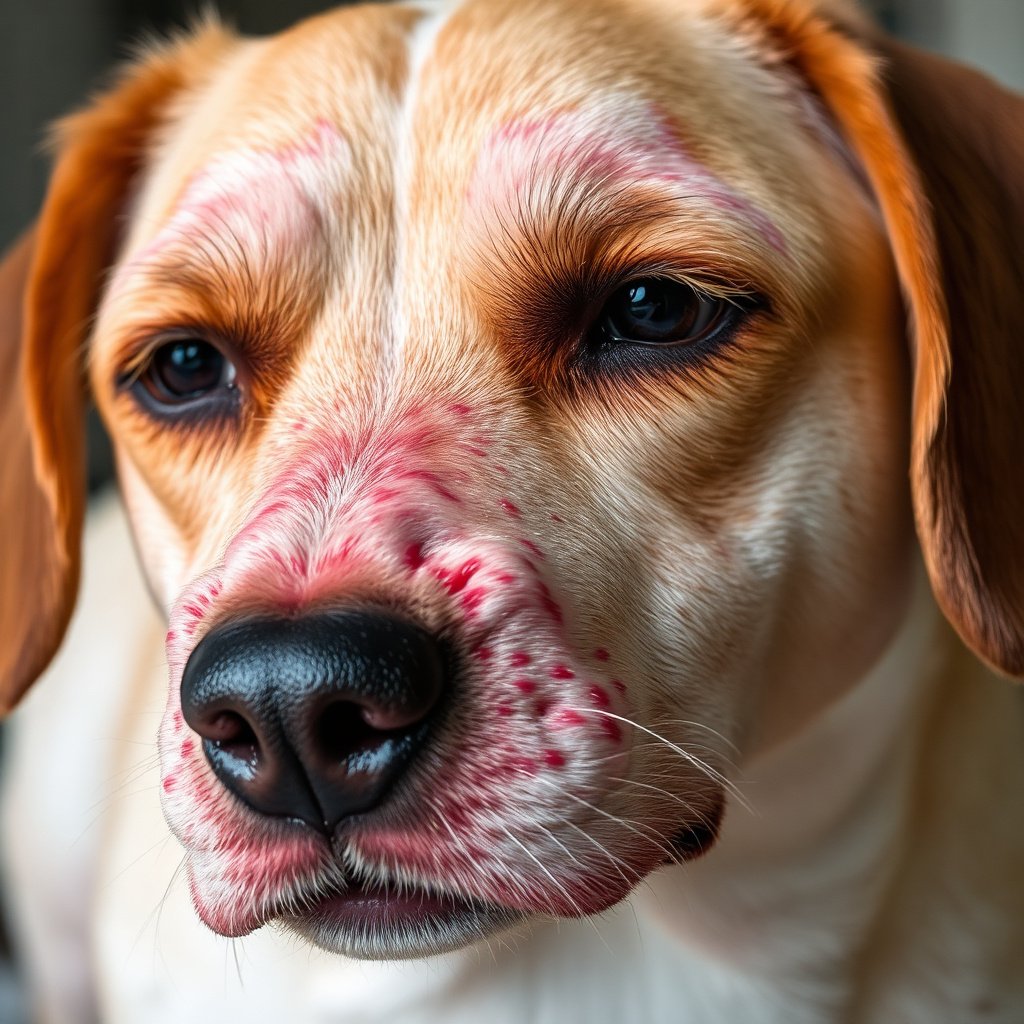
Causes of Dog Clipper Burn
Dog clipper burn primarily results from friction and heat generated when clippers run too long in one spot or blades become dull. Overheated blades can literally burn the dog’s sensitive skin, while poor technique like pressing too hard or clipping over tangled fur increases irritation.
Other contributing factors include using clippers not meant for pet grooming, lack of lubrication on blades, or hurried grooming sessions without breaks. Environmental heat and the dog’s skin thickness also influence how easily clipper burn develops.
- Dull or overheating blades
- Pressing clippers too firmly
- Clipping over matted fur
- Using improper grooming equipment
Recognizing Symptoms of Clipper Burn
Symptoms typically include redness, skin flaking, raised bumps, or raw areas after grooming. Dogs may show signs of discomfort like pawing at the groomed area, flinching, licking excessively, or shaking.
In more severe cases, the dog’s skin might blister or bleed, indicating a deeper injury requiring prompt veterinary care. Early detection helps in preventing infection and easing your dog’s pain.
- Red or inflamed skin
- Dry, flaky patches
- Bumps or blisters
- Excessive licking or scratching
Treatment Options for Dog Clipper Burn
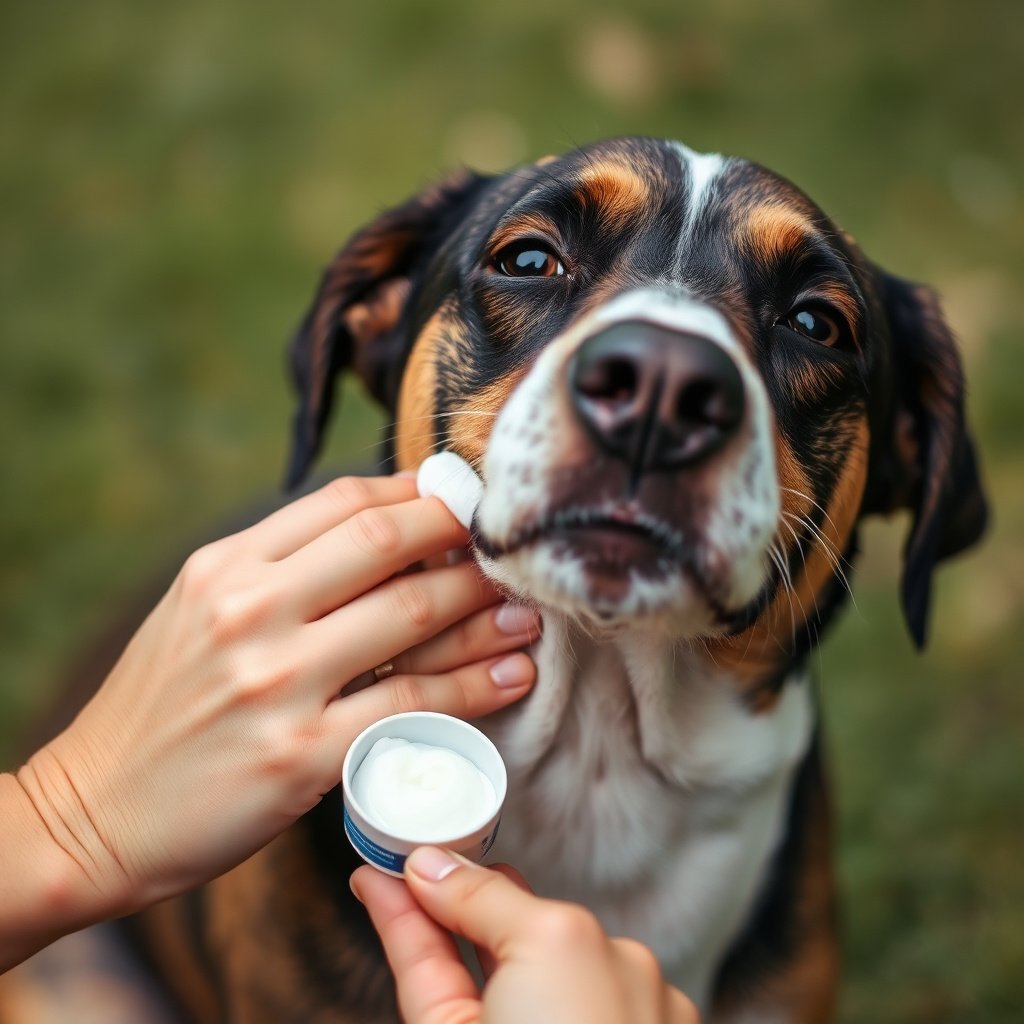
Immediate Care After Clipper Burn
Rinse the affected area with cool water to calm any heat and gently pat dry. Avoid harsh soaps or human creams. Applying a dog-safe antiseptic ointment can prevent infection and reduce inflammation.
If the skin looks severely damaged, or the dog is painful or distressed, consult a veterinarian immediately to get appropriate medications or dressings for healing.
- Cool water rinse
- Dog-safe antiseptic ointment
- Keep dog from scratching
- Consult vet if severe
For more on this, see our related guide: How Do Dog Groomers Trim Nails? A Complete Guide with Expert Tips.
Long-Term Skin Care for Healing
Keeping the area clean and dry aids healing. Avoid bathing the dog too frequently while the skin repairs. Use natural moisturizers recommended by vets to help rebuild skin health without irritation.
Monitor the dog’s behavior and the skin’s progress, watching for any worsening symptoms or infections. Slow and careful reintroduction to grooming with proper precautions will prevent recurrence.
- Gentle cleansing routine
- Vet-approved moisturizing treatments
- Frequent skin checks
- Gradual grooming reintroduction
Preventing Dog Clipper Burn During Grooming
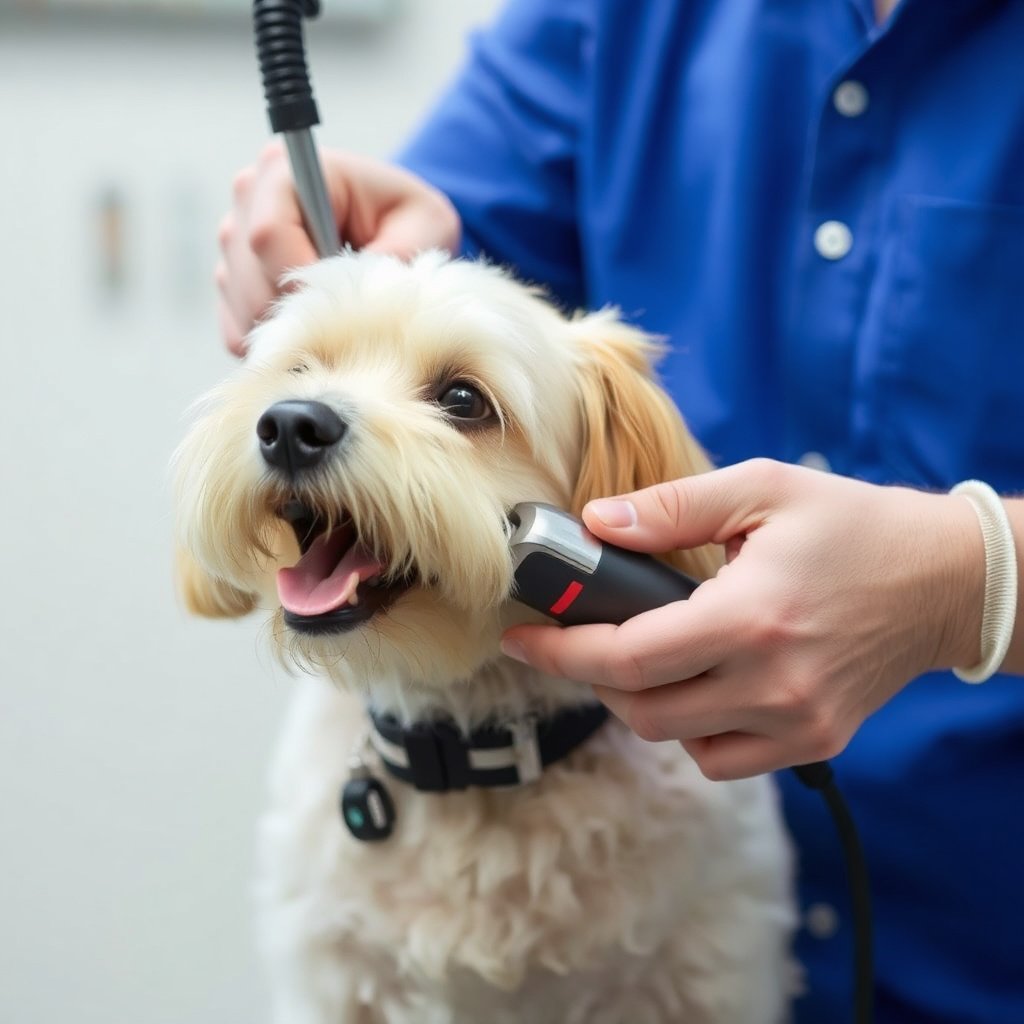
Choosing the Right Clippers and Blades
Select clippers designed specifically for dogs, which operate at appropriate speeds and temperatures to minimize heat buildup. Use sharp, high-quality blades appropriate for your dog’s coat type to avoid tugging or friction burns.
Regular blade replacement or sharpening is essential for safety. Some clippers come with cooling features or detachable blades that help maintain safe temperatures during use.
- Pet-specific clippers
- Sharp blades matching coat type
- Regular blade maintenance
- Cooler or detachable blades
Techniques and Grooming Practices to Avoid Burns
Work in short passes without holding the clippers in one spot too long, letting the blades cool down between sessions. Comb through fur beforehand to remove tangles which can pull skin and increase friction.
Apply minimal pressure and keep the dog calm to reduce sudden movements. Groomers should keep an eye on blade temperature and use lubricating oil frequently to maintain blade smoothness.
- Short, consistent strokes
- Pre-grooming detangling
- Minimal pressure
- Frequent blade lubrication
The Role of Grooming Environment and Frequency
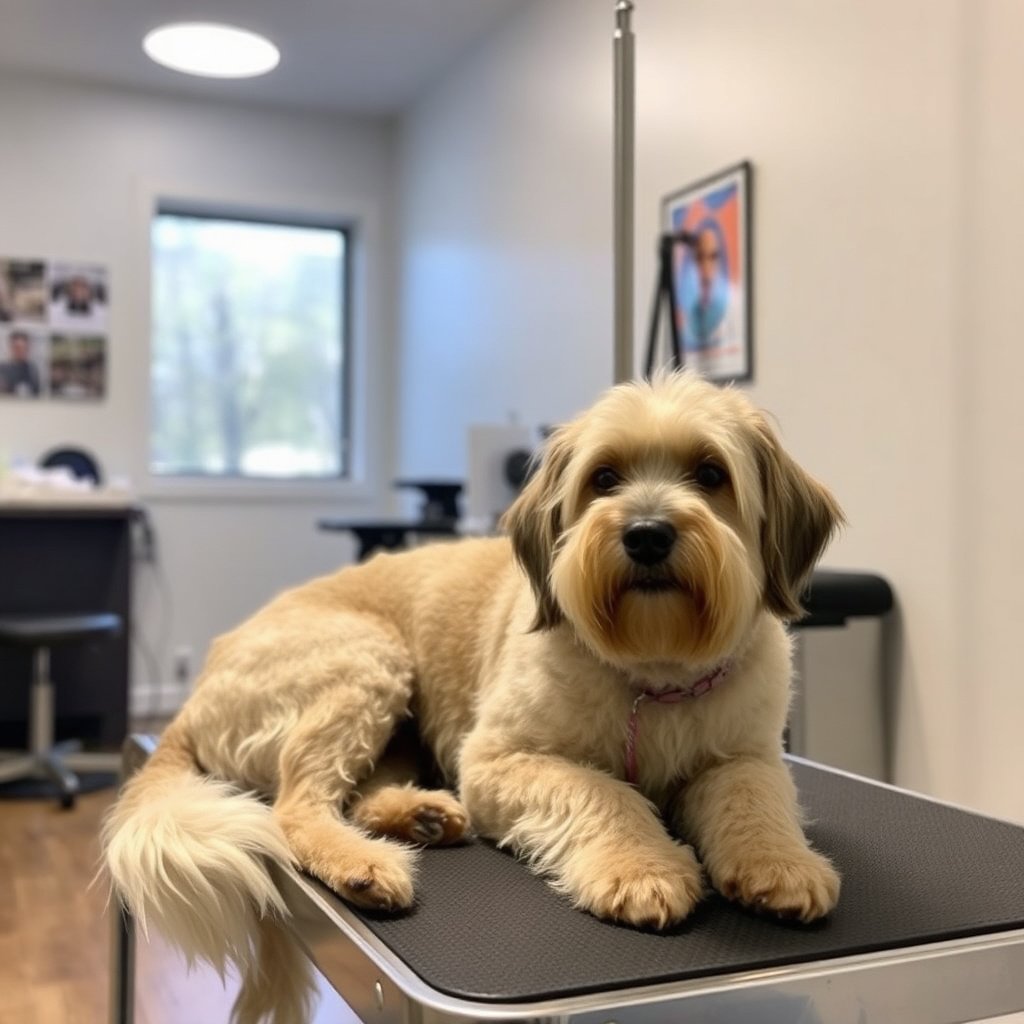
Creating a Safe Grooming Environment
Temperature-controlled, quiet spaces reduce dog stress, preventing sudden jerks that cause clipping errors that could harm skin. Good lighting helps identify spots needing attention and skin conditions that may worsen with clipping.
Cleanliness is vital; dirty tools or surfaces increase infection risk if clipper burn occurs. Regular cleaning routines for equipment and surroundings promote a healthy grooming session.
- Temperature control
- Calm atmosphere
- Adequate lighting
- Sanitized equipment
For more on this, see our related guide: How to Remove Tar from a Dog’s Paws: Safe Steps and Proven Tips.
Determining Grooming Frequency to Prevent Irritation
Too frequent grooming can sensitize skin, particularly on thin-coated or older dogs. Conversely, allowing a coat to become excessively matted makes clipping harder and raises clipper burn risk.
Adjust frequency based on coat type, climate, and dog sensitivity. Regular but well-spaced grooming sessions with breaks in between help keep skin healthy and reduce injury chances.
- Avoid over-frequent clipping
- Monitor coat condition
- Tailor grooming schedule by dog
- Allow skin recovery time
When to Consult a Veterinarian About Clipper Burn

Signs You Need Professional Help
If redness worsens into swelling, pus forms, or your dog shows persistent pain or behavioral changes, seek veterinary attention immediately. These signs may indicate infection or deeper tissue damage requiring medication.
Dogs with underlying skin conditions or allergies need veterinary consultation to tailor grooming safely and avoid aggravating sensitive skin.
- Swelling and pus
- Persistent pain or distress
- Skin blistering or bleeding
- Underlying skin issues
For more detailed background on grooming practices and dog coat care, see dog grooming basics on Wikipedia. dog grooming basics on Wikipedia.
Veterinary Treatments for Severe Cases
Veterinarians may prescribe topical antibiotics, anti-inflammatories, or pain relief tailored to the dog's condition. In severe cases, wound care and protective dressings might be necessary until skin heals fully.
They can also recommend safer grooming practices aligned with your dog’s specific health needs, reducing risks during future grooming sessions.
- Antibiotic ointments
- Anti-inflammatory drugs
- Pain management
- Personalized grooming advice
Dog Clipper Types Compared for Safety and Comfort
This table compares various dog clipper categories to help you select equipment that minimizes clipper burn risk while offering ease of use.
| Clipper Type | Heat Generation | Blade Sharpness | Ease of Use | Cost Range |
|---|---|---|---|---|
| Corded Electric | Moderate to High | Sharp if well-maintained | Good control | $50-$150 |
| Cordless Rechargeable | Lower heat | Sharp with regular upkeep | Flexible movement | $80-$200 |
| Human Hair Clippers | High heat | Less sharp, dull quickly | Limited for dog fur | $20-$60 |
| Professional Pet Clippers | Low heat with cooling | Extremely sharp | Ergonomic | $150-$300 |
| Battery-Operated Mini Clippers | Low heat | Moderate sharpness | Portable but less powerful | $40-$100 |
Frequently Asked Questions
Can clipper burn cause permanent damage to my dog's skin?
Most clipper burns cause temporary irritation and heal well with proper care. However, severe burns or infections left untreated can lead to scarring or more serious skin damage.
How can I tell if my dog has clipper burn during grooming?
Signs include redness, swelling, flaking, and your dog showing discomfort such as pulling away, licking, or flinching. Check blades often for heat and sharpness to prevent injury.
Are dull blades more likely to cause clipper burn?
Yes, dull blades increase friction and require more pressure, raising the risk of heating up and irritating your dog’s skin, which can lead to clipper burn.
Is it safe to use human hair clippers on dogs?
Human hair clippers are generally not designed for dog coats and tend to get hotter and dull faster, making them more likely to cause clipper burn or hair pulling.
How often should I oil my clipper blades to prevent burns?
Blades should be oiled every 15-30 minutes during grooming sessions to reduce heat and friction, helping prevent clipper burn and prolonging blade life.
Key Takeaways
- Dog clipper burn is caused mainly by heat and dull blades rubbing against skin.
- Early symptoms include redness, bumps, and discomfort during grooming.
- Regular blade maintenance and choosing proper pet clippers reduce risk.
- Cooling breaks and gentle clipping techniques protect your dog’s skin.
Conclusion
Effectively preventing and managing dog clipper burn requires thoughtful attention to grooming tools, techniques, and the dog's unique needs. Understanding how heat, pressure, and blade condition affect your dog's skin allows you to adjust practices for safe grooming sessions. Being attentive to your dog's reactions during clipping helps catch early signs of irritation before it worsens.
In choosing equipment, cordless rechargeable or professional pet clippers with cooling features and sharp blades stand out for reducing clipper burn risk. Groomers should adopt shorter clipping passes with frequent blade lubrication and avoid grooming over matted fur. These routines, combined with a calm grooming environment and a considerate schedule tuned to the dog's coat and skin type, minimize injury potential.
If clipper burn occurs, immediate care with cool rinses and vet-approved topical treatments can promote healing. Persistent or severe cases merit veterinary consultation to prevent complications and tailor future grooming safely. Starting with the right tools and habits gives your dog a comfortable experience, and you confidence in keeping their coat healthy and irritation-free.