
Best Way to Get Rid of Fleas on a Dog: Effective Treatments and Prevention
The best way to get rid of fleas on a dog involves a combination of immediate treatment and ongoing prevention. Using a veterinarian-approved topical flea treatment or oral medication quickly kills adult fleas and stops infestations. Simultaneously, thorough cleaning of your dog's environment helps remove flea eggs and larvae to prevent re-infestation.
Fleas not only cause discomfort and itching but can also trigger allergic reactions or transmit diseases to dogs. Therefore, a swift and comprehensive flea eradication approach matters to maintain your dog's health and comfort. Knowing which flea treatments are effective and safe informs a successful flea control strategy.
This article will explore various flea treatment options including topical solutions, oral medications, and natural remedies. It will also detail environmental control methods such as cleaning, vacuuming, and washing bedding. Finally, preventive measures and tips on choosing suitable flea control products for your dog's specific needs will be covered.
Understanding Flea Infestations on Dogs
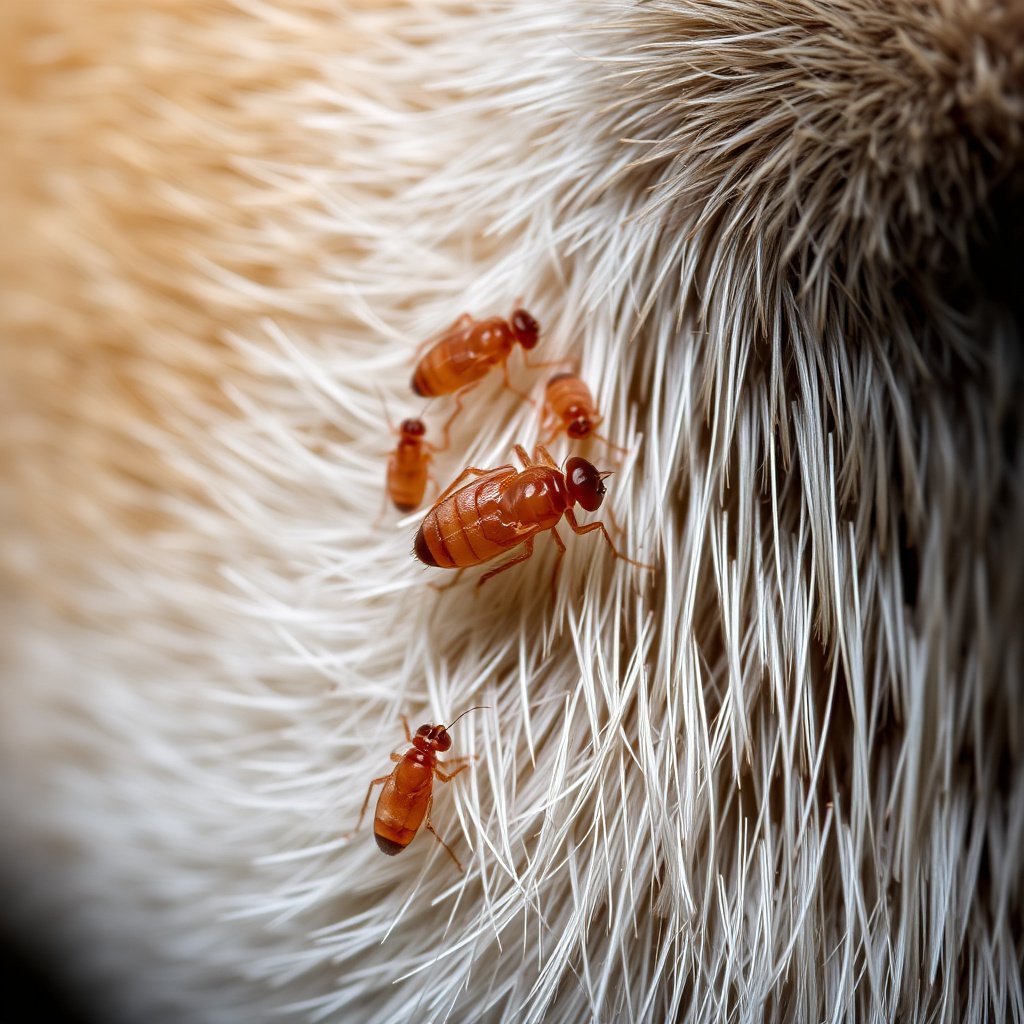
How Fleas Affect Your Dog
Fleas are tiny parasitic insects that feed on your dog’s blood causing intense itching and skin irritation. A severe infestation can lead to flea allergy dermatitis, which results in redness, hair loss, and discomfort.
Besides irritation, fleas can transmit tapeworms and carry bacterial infections. Puppies and small dogs are especially vulnerable to flea infestations due to their size and sensitive skin.
Flea Life Cycle and Why Complete Treatment Matters
Fleas reproduce rapidly, laying eggs that fall off your dog and develop into larvae in your home environment. These larvae mature into adults capable of re-infesting your pet quickly.
Effective flea control targets not only adult fleas on your dog but also eggs and larvae in your home. Without comprehensive treatment, fleas can return even after initial elimination.
Topical Flea Treatments for Dogs
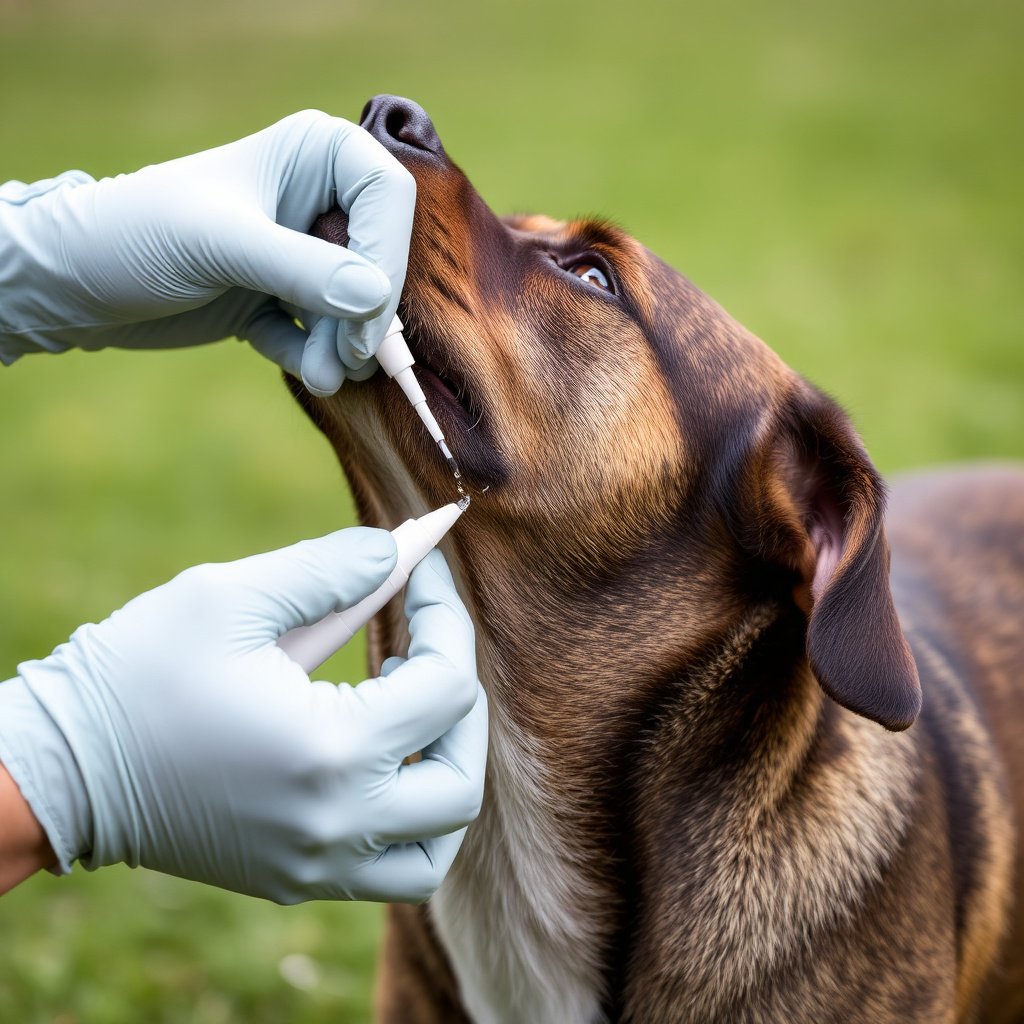
How Topical Treatments Work
Topical flea treatments are liquids applied directly to your dog’s skin, usually between the shoulder blades. These products disperse oils across the dog’s body to kill adult fleas and sometimes larvae.
Popular topical options contain ingredients like fipronil, imidacloprid, or selamectin, which disrupt the flea’s nervous system causing death within hours.
- Easy to apply monthly
- Water-resistant once dried
- Targets fleas quickly
Choosing the Right Topical Product
Select a product suited to your dog’s weight and health. Some topicals also protect against ticks and lice, offering broader pest control.
Consult a vet before use, especially with puppies, pregnant, or sensitive dogs, to avoid adverse effects.
Oral Flea Medications and Their Benefits

How Oral Flea Treatments Work
Oral flea medications are given by mouth and work by interfering with the flea's lifecycle internally. Most kill adult fleas rapidly and prevent the development of eggs and larvae.
These treatments often start working within 30 minutes to a few hours after administration, providing fast relief from infesting fleas.
- Simple to administer
- Taste-masked chewables available
- Effective systemic action
For more on this, see our related guide: Why Does My Dog Scratch Its Ears? Causes, Care & When to Act.
Considerations for Oral Medications
Not all dogs tolerate oral flea meds, so vet guidance is essential. Certain health conditions may contraindicate these products.
They may be more expensive than topicals but provide reliable, whole-body flea control, especially for active or water-loving dogs.
Natural Remedies and Their Effectiveness
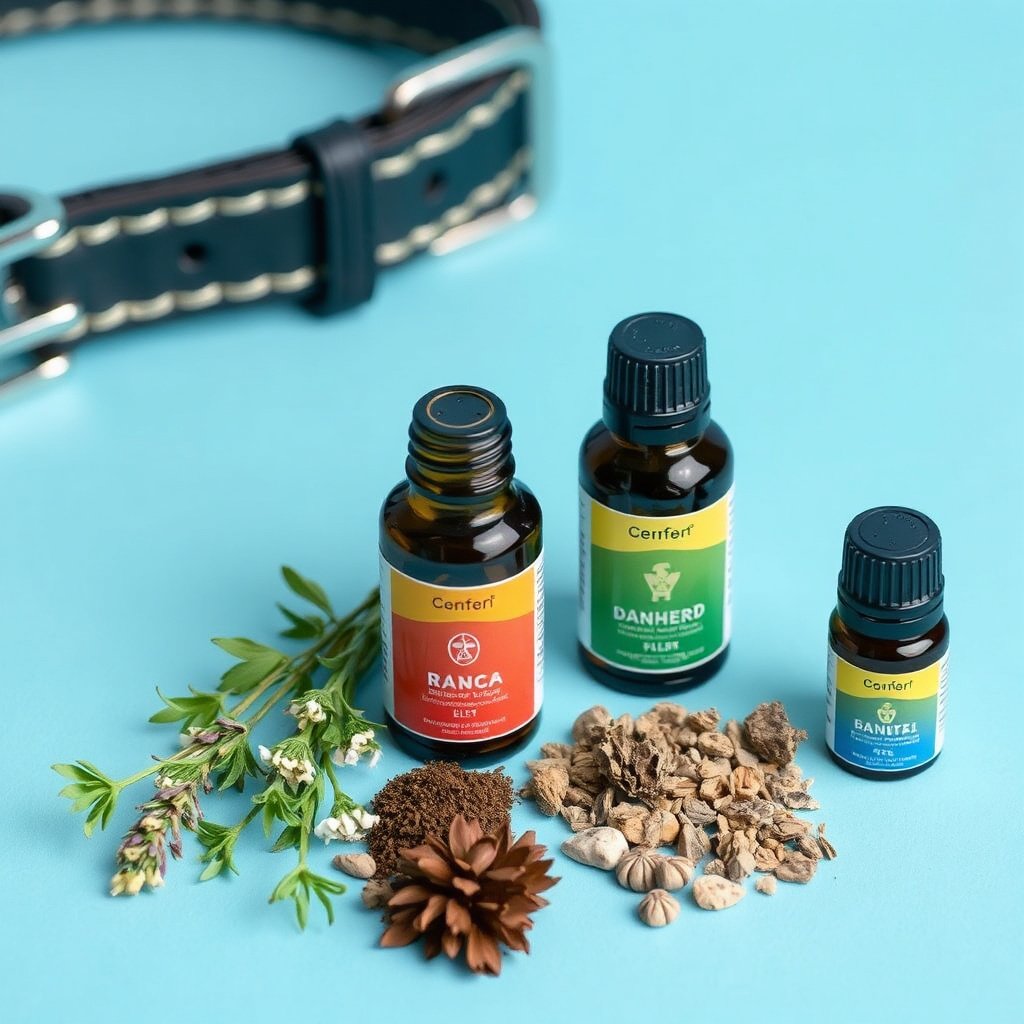
Common Natural Flea Treatments
Natural flea remedies include options like diatomaceous earth, apple cider vinegar sprays, and essential oils such as neem or lavender. They aim to repel fleas or dehydrate them physically.
These alternatives may be appealing for mild infestations or for dogs sensitive to chemicals but often lack the rapid, thorough control of chemical treatments.
- Safer for sensitive dogs
- Can be used alongside other methods
- Limited immediate flea-killing effect
When to Use Natural Remedies
Natural approaches are best for prevention or as an adjunct to conventional treatments. They require frequent application and environmental support to maintain effectiveness.
Avoid using essential oils without veterinary advice as some can be toxic to dogs.
Environmental Control to Complement Flea Treatment
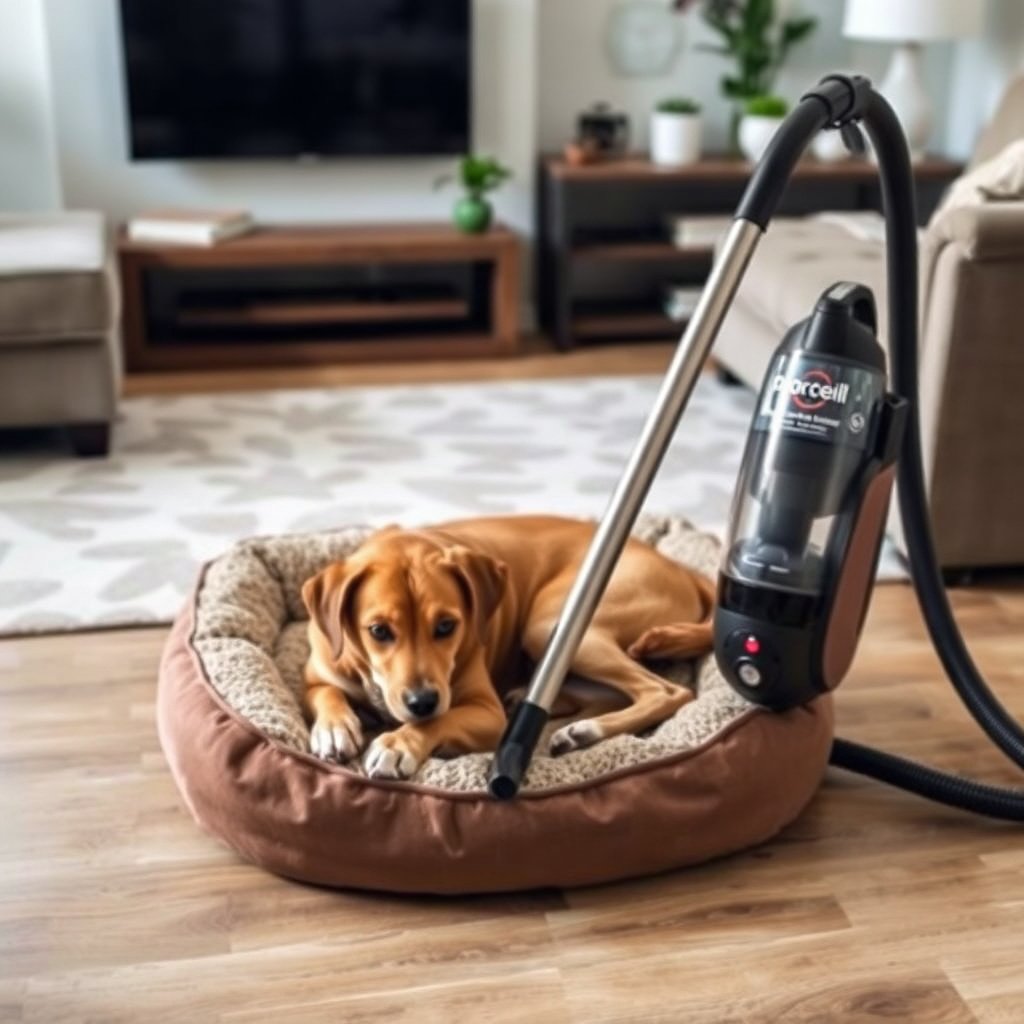
Cleaning Your Dog’s Living Environment
Flea eggs and larvae thrive in carpets, dog beds, and furniture. Vacuum cleaning removes many eggs and larvae, reducing re-infestation risk.
Regular washing of pet bedding and thorough vacuuming prevents flea populations from rebuilding, which complements on-dog treatments.
- Vacuum carpets and furniture weekly
- Wash bedding in hot water
- Dispose vacuum bags immediately
For more on this, see our related guide: How Do You Know If a Dog Has Mites? Clear Signs and Treatment Tips.
Using Environmental Flea Sprays and Insect Growth Regulators
Insect growth regulators (IGRs) stop flea larvae from maturing into adults. Combined with sprays, they help break the flea lifecycle in your home.
These products should be pet-safe and used as directed, focusing on areas where your dog spends most time.
Preventing Flea Re-infestation on Dogs

Flea Prevention Products
Once cleared, preventing fleas involves monthly topical or oral flea treatments to kill new fleas before they reproduce. Flea collars impregnated with insecticides offer another preventive layer.
Choosing the right prevention depends on your dog's lifestyle, outdoor exposure, and coat type.
- Monthly flea treatments
- Flea collars with sustained release
- Regular vet check-ups
For detailed guidance on flea control, you can refer to flea information from the American Veterinary Medical Association. flea information from the American Veterinary Medical Association.
Routine Checks and Outdoor Care
Inspect your dog regularly for fleas, especially after outdoor activities. Early detection allows prompt treatment before infestations grow.
Managing your yard and reducing wildlife contact can further lower exposure to fleas.
Comparison of Flea Treatment Options for Dogs
Here’s a clear comparison of topical treatments, oral medications, natural remedies, and environmental controls to guide your flea treatment choices.
| Treatment Type | Speed of Action | Duration of Effect | Safety for Puppies | Application Ease | Cost |
|---|---|---|---|---|---|
| Topical Treatments | Within hours | 1 month | Generally safe | Easy to apply | Moderate |
| Oral Medications | Within hours | 1 month | Vet-approved | Simple to administer | Higher |
| Natural Remedies | Days or weeks | Varies | Safe with caution | Frequent application | Low to moderate |
| Environmental Controls | No direct effect | Continuous with routine | Safe | Time-intensive | Low |
Frequently Asked Questions
Can I use human flea treatments on my dog?
Human flea treatments are not safe for dogs and can cause serious side effects. Always use products specifically formulated for dogs and follow veterinary advice.
How often should I treat my dog for fleas?
Most flea treatments are effective for around one month, so monthly applications during flea season or year-round in some regions are recommended.
Are flea collars effective for flea control?
Flea collars can provide ongoing protection and repel fleas, but they work best when combined with other treatments like topical or oral products.
How can I tell if my dog has fleas?
Signs include constant scratching, redness, flea dirt (tiny black specks) on the fur, and visible adult fleas, especially near the neck and tail base.
Is it safe to use essential oils to treat fleas on dogs?
Some essential oils are toxic to dogs. Only use essential oil treatments recommended by veterinarians and never apply undiluted oils directly to your dog.
Key Takeaways
- Effective flea control requires treating both your dog and its environment.
- Topical and oral flea treatments provide fast and reliable results.
- Natural remedies can help but are less potent for active infestations.
- Ongoing prevention is necessary to stop flea re-infestations.
Conclusion
Deciding on the best way to get rid of fleas on a dog involves evaluating your pet’s health, lifestyle, and severity of infestation. Targeting adult fleas, larvae, and eggs both on the dog and in its environment ensures lasting results. Prioritize fast-acting treatments like topical solutions or oral medications recommended by your vet, combined with diligent environmental cleaning. This dual approach interrupts the flea lifecycle effectively and reduces the chances of recurrence.
For dogs with mild infestations or sensitive skin, natural remedies may serve as supportive methods alongside conventional flea treatment products. Dogs frequently outdoors or in flea-prone areas benefit from monthly preventive programs involving topical treatments or chewable oral medications. Adding an insect growth regulator in home cleaning routines improves control. For instance, a vet-prescribed topical flea treatment paired with weekly vacuuming and bedding washes offers a balanced strategy to eliminate fleas swiftly and protect your dog over time.
Taking the next step means consulting your veterinarian to select the safest and most effective flea treatment for your dog’s age, weight, and health status. Monitoring for fleas regularly and maintaining environmental hygiene will help keep your dog comfortable and flea-free. Remember, integrated care that addresses on-dog infestations and your home environment simultaneously delivers the best protection against these persistent parasites.


